
How to Implement Digital Control for Solid-State Transformers
APR 20, 20269 MIN READ
Generate Your Research Report Instantly with AI Agent
Patsnap Eureka helps you evaluate technical feasibility & market potential.
Digital Control SST Background and Objectives
Solid-State Transformers represent a paradigm shift from traditional electromagnetic transformers, leveraging power electronics and advanced control systems to achieve superior performance characteristics. The evolution of SST technology has been driven by the increasing demand for efficient power conversion, grid modernization requirements, and the integration of renewable energy sources. Unlike conventional transformers that rely on magnetic coupling, SSTs utilize semiconductor devices and high-frequency switching techniques to provide enhanced controllability and functionality.
The development trajectory of SST technology spans several decades, beginning with basic power electronic converters in the 1970s and evolving into sophisticated multi-stage systems. Early implementations focused primarily on achieving basic power conversion functionality, while modern SSTs incorporate advanced features such as power factor correction, harmonic mitigation, and bidirectional power flow capabilities. The integration of digital control systems has emerged as a critical enabler for realizing the full potential of SST technology.
Digital control implementation in SSTs addresses fundamental challenges associated with analog control systems, including parameter drift, temperature sensitivity, and limited flexibility. The transition to digital control platforms enables sophisticated algorithms for real-time optimization, adaptive control strategies, and seamless integration with smart grid infrastructure. This technological advancement facilitates precise regulation of voltage, current, and power flow while maintaining high efficiency across varying operating conditions.
The primary objectives of implementing digital control in SSTs encompass multiple performance dimensions. Enhanced dynamic response characteristics enable rapid adaptation to load variations and grid disturbances, ensuring stable operation under transient conditions. Improved efficiency optimization through advanced control algorithms reduces power losses and enhances overall system performance. Additionally, digital control facilitates advanced protection mechanisms, fault detection capabilities, and predictive maintenance functionalities.
Integration with modern power systems requires SSTs to support bidirectional power flow, voltage regulation, and frequency control functions. Digital control systems enable these capabilities through sophisticated feedback mechanisms and real-time processing of multiple control variables. The implementation of digital control also supports communication protocols necessary for smart grid applications, enabling remote monitoring, control, and coordination with other grid-connected devices.
Future objectives include the development of artificial intelligence-enhanced control algorithms, machine learning-based optimization techniques, and autonomous operation capabilities. These advanced control strategies aim to maximize system efficiency, extend equipment lifespan, and enable seamless integration with emerging energy storage and renewable generation technologies.
The development trajectory of SST technology spans several decades, beginning with basic power electronic converters in the 1970s and evolving into sophisticated multi-stage systems. Early implementations focused primarily on achieving basic power conversion functionality, while modern SSTs incorporate advanced features such as power factor correction, harmonic mitigation, and bidirectional power flow capabilities. The integration of digital control systems has emerged as a critical enabler for realizing the full potential of SST technology.
Digital control implementation in SSTs addresses fundamental challenges associated with analog control systems, including parameter drift, temperature sensitivity, and limited flexibility. The transition to digital control platforms enables sophisticated algorithms for real-time optimization, adaptive control strategies, and seamless integration with smart grid infrastructure. This technological advancement facilitates precise regulation of voltage, current, and power flow while maintaining high efficiency across varying operating conditions.
The primary objectives of implementing digital control in SSTs encompass multiple performance dimensions. Enhanced dynamic response characteristics enable rapid adaptation to load variations and grid disturbances, ensuring stable operation under transient conditions. Improved efficiency optimization through advanced control algorithms reduces power losses and enhances overall system performance. Additionally, digital control facilitates advanced protection mechanisms, fault detection capabilities, and predictive maintenance functionalities.
Integration with modern power systems requires SSTs to support bidirectional power flow, voltage regulation, and frequency control functions. Digital control systems enable these capabilities through sophisticated feedback mechanisms and real-time processing of multiple control variables. The implementation of digital control also supports communication protocols necessary for smart grid applications, enabling remote monitoring, control, and coordination with other grid-connected devices.
Future objectives include the development of artificial intelligence-enhanced control algorithms, machine learning-based optimization techniques, and autonomous operation capabilities. These advanced control strategies aim to maximize system efficiency, extend equipment lifespan, and enable seamless integration with emerging energy storage and renewable generation technologies.
Market Demand for Digital SST Solutions
The global power electronics market is experiencing unprecedented growth driven by the urgent need for energy efficiency, grid modernization, and renewable energy integration. Digital solid-state transformers represent a revolutionary technology that addresses critical infrastructure challenges across multiple sectors, creating substantial market opportunities for advanced control solutions.
Smart grid initiatives worldwide are generating significant demand for intelligent power conversion systems. Utilities require sophisticated transformer technologies that can handle bidirectional power flows, provide real-time grid monitoring, and enable dynamic voltage regulation. Digital SST solutions offer superior controllability compared to conventional transformers, making them essential components for next-generation electrical infrastructure.
The renewable energy sector presents another major market driver for digital SST technologies. Solar and wind power installations require advanced power conversion systems that can efficiently interface with existing grid infrastructure while maintaining power quality. Digital control capabilities enable optimal power extraction, grid synchronization, and fault protection, making SSTs indispensable for large-scale renewable energy deployment.
Industrial applications are increasingly demanding high-performance power conversion solutions that can improve energy efficiency and reduce operational costs. Manufacturing facilities, data centers, and electric vehicle charging infrastructure require reliable, efficient, and controllable power systems. Digital SSTs with advanced control algorithms can provide precise voltage regulation, harmonic mitigation, and load balancing capabilities that traditional transformers cannot achieve.
The electric vehicle market expansion is creating substantial demand for fast-charging infrastructure that requires sophisticated power conversion technologies. Digital SST solutions enable rapid charging while maintaining grid stability and power quality, addressing critical infrastructure needs for transportation electrification.
Emerging applications in microgrids, energy storage systems, and distributed generation are further expanding market opportunities. These applications require intelligent power management systems that can adapt to varying load conditions and optimize energy flow. Digital control implementation for SSTs enables seamless integration of multiple energy sources and loads within complex power systems.
Market growth is also driven by regulatory requirements for improved power quality, energy efficiency standards, and grid reliability mandates. Digital SST solutions provide compliance capabilities that conventional technologies cannot match, creating compelling value propositions for end users across various sectors.
Smart grid initiatives worldwide are generating significant demand for intelligent power conversion systems. Utilities require sophisticated transformer technologies that can handle bidirectional power flows, provide real-time grid monitoring, and enable dynamic voltage regulation. Digital SST solutions offer superior controllability compared to conventional transformers, making them essential components for next-generation electrical infrastructure.
The renewable energy sector presents another major market driver for digital SST technologies. Solar and wind power installations require advanced power conversion systems that can efficiently interface with existing grid infrastructure while maintaining power quality. Digital control capabilities enable optimal power extraction, grid synchronization, and fault protection, making SSTs indispensable for large-scale renewable energy deployment.
Industrial applications are increasingly demanding high-performance power conversion solutions that can improve energy efficiency and reduce operational costs. Manufacturing facilities, data centers, and electric vehicle charging infrastructure require reliable, efficient, and controllable power systems. Digital SSTs with advanced control algorithms can provide precise voltage regulation, harmonic mitigation, and load balancing capabilities that traditional transformers cannot achieve.
The electric vehicle market expansion is creating substantial demand for fast-charging infrastructure that requires sophisticated power conversion technologies. Digital SST solutions enable rapid charging while maintaining grid stability and power quality, addressing critical infrastructure needs for transportation electrification.
Emerging applications in microgrids, energy storage systems, and distributed generation are further expanding market opportunities. These applications require intelligent power management systems that can adapt to varying load conditions and optimize energy flow. Digital control implementation for SSTs enables seamless integration of multiple energy sources and loads within complex power systems.
Market growth is also driven by regulatory requirements for improved power quality, energy efficiency standards, and grid reliability mandates. Digital SST solutions provide compliance capabilities that conventional technologies cannot match, creating compelling value propositions for end users across various sectors.
Current SST Digital Control Challenges
Digital control implementation for solid-state transformers faces significant technical challenges that stem from the complex multi-physics nature of these systems. The primary obstacle lies in achieving real-time control performance while managing the intricate interactions between power electronics, magnetic components, and control algorithms. Unlike traditional transformers, SSTs require sophisticated digital controllers capable of handling high-frequency switching operations, typically ranging from 10kHz to 100kHz, which demands extremely fast computational capabilities and minimal control loop delays.
Control algorithm complexity presents another major challenge, as SST systems must simultaneously manage multiple control objectives including voltage regulation, power flow control, fault protection, and grid synchronization. The multi-stage architecture of SSTs, often incorporating AC-DC-AC conversion chains, requires coordinated control strategies that can maintain stability across all conversion stages while optimizing overall system efficiency. This complexity is further amplified when implementing advanced functionalities such as reactive power compensation, harmonic filtering, and grid support services.
Hardware limitations significantly constrain digital control implementation effectiveness. Current digital signal processors and field-programmable gate arrays face computational bottlenecks when executing complex control algorithms within the stringent timing requirements of high-frequency SST operations. Memory bandwidth limitations and finite precision arithmetic can introduce control errors that compromise system performance, particularly in applications requiring high accuracy and dynamic response.
Sensor integration and signal processing challenges create additional implementation barriers. SST digital control systems require precise measurements of voltages, currents, and temperatures across multiple conversion stages, often in high electromagnetic interference environments. Signal conditioning, analog-to-digital conversion delays, and sensor calibration issues can introduce measurement errors that propagate through the control system, potentially causing instability or suboptimal performance.
Communication and interoperability challenges emerge when integrating SST digital control systems with existing grid infrastructure and energy management systems. The lack of standardized communication protocols specifically designed for SST applications creates compatibility issues, while cybersecurity concerns related to digital control interfaces pose additional implementation complexities that must be addressed to ensure reliable and secure operation in critical power system applications.
Control algorithm complexity presents another major challenge, as SST systems must simultaneously manage multiple control objectives including voltage regulation, power flow control, fault protection, and grid synchronization. The multi-stage architecture of SSTs, often incorporating AC-DC-AC conversion chains, requires coordinated control strategies that can maintain stability across all conversion stages while optimizing overall system efficiency. This complexity is further amplified when implementing advanced functionalities such as reactive power compensation, harmonic filtering, and grid support services.
Hardware limitations significantly constrain digital control implementation effectiveness. Current digital signal processors and field-programmable gate arrays face computational bottlenecks when executing complex control algorithms within the stringent timing requirements of high-frequency SST operations. Memory bandwidth limitations and finite precision arithmetic can introduce control errors that compromise system performance, particularly in applications requiring high accuracy and dynamic response.
Sensor integration and signal processing challenges create additional implementation barriers. SST digital control systems require precise measurements of voltages, currents, and temperatures across multiple conversion stages, often in high electromagnetic interference environments. Signal conditioning, analog-to-digital conversion delays, and sensor calibration issues can introduce measurement errors that propagate through the control system, potentially causing instability or suboptimal performance.
Communication and interoperability challenges emerge when integrating SST digital control systems with existing grid infrastructure and energy management systems. The lack of standardized communication protocols specifically designed for SST applications creates compatibility issues, while cybersecurity concerns related to digital control interfaces pose additional implementation complexities that must be addressed to ensure reliable and secure operation in critical power system applications.
Existing Digital Control Solutions for SST
01 Power conversion and voltage regulation in solid-state transformers
Solid-state transformers utilize advanced power electronic circuits to perform voltage conversion and regulation functions. These systems employ semiconductor devices to achieve efficient AC-AC or AC-DC-AC conversion, replacing traditional magnetic core transformers. The technology enables precise voltage control, improved power quality, and enhanced grid integration capabilities through digital control algorithms and modulation techniques.- Power conversion and voltage regulation in solid-state transformers: Solid-state transformers utilize advanced power electronic circuits to perform voltage conversion and regulation functions. These systems employ semiconductor switches and control circuits to achieve efficient AC-AC or AC-DC-AC conversion without traditional magnetic cores. The technology enables precise voltage control, improved power quality, and enhanced grid integration capabilities through digital control algorithms and real-time monitoring.
- Modular multilevel converter architectures for solid-state transformers: Modular multilevel converter topologies provide scalable solutions for high-voltage solid-state transformer applications. These architectures consist of cascaded converter modules that can be independently controlled to achieve desired voltage levels and waveform quality. The modular approach offers advantages in terms of redundancy, fault tolerance, and ease of maintenance while enabling operation at medium and high voltage levels.
- Thermal management and cooling systems for solid-state transformers: Effective thermal management is critical for solid-state transformer operation due to high power densities and semiconductor heat generation. Advanced cooling solutions include liquid cooling systems, heat pipe technologies, and optimized heat sink designs. Thermal monitoring and control strategies ensure reliable operation under varying load conditions while maintaining component temperatures within safe operating ranges.
- Control strategies and protection mechanisms for solid-state transformers: Sophisticated control algorithms manage the operation of solid-state transformers including voltage regulation, power flow control, and harmonic compensation. Protection systems incorporate fault detection, isolation capabilities, and overcurrent protection to ensure safe operation. Digital signal processors and microcontrollers implement real-time control functions with communication interfaces for grid integration and remote monitoring.
- Magnetic components and high-frequency transformer design: High-frequency magnetic components enable compact solid-state transformer designs through reduced core sizes and improved power density. Advanced magnetic materials, optimized winding configurations, and innovative core geometries minimize losses while operating at elevated frequencies. The integration of magnetic components with power electronic circuits requires careful consideration of electromagnetic interference, insulation requirements, and thermal characteristics.
02 Modular and cascaded multilevel converter architectures
Implementation of modular multilevel converter topologies allows for scalable and flexible solid-state transformer designs. These architectures utilize cascaded power modules to achieve high voltage operation while maintaining lower voltage stress on individual semiconductor devices. The modular approach facilitates redundancy, fault tolerance, and simplified maintenance through hot-swappable components.Expand Specific Solutions03 Thermal management and cooling systems
Effective thermal management solutions are critical for solid-state transformer operation due to high power density and heat generation in semiconductor components. Advanced cooling techniques including liquid cooling, heat pipe technology, and optimized heat sink designs ensure reliable operation under various load conditions. Temperature monitoring and thermal protection mechanisms prevent device failure and extend operational lifetime.Expand Specific Solutions04 Control strategies and protection mechanisms
Sophisticated control algorithms manage power flow, voltage regulation, and fault detection in solid-state transformers. These systems incorporate real-time monitoring, predictive maintenance capabilities, and fast-acting protection circuits to isolate faults and prevent cascading failures. Digital signal processors and microcontrollers implement advanced control schemes for optimal performance under dynamic grid conditions.Expand Specific Solutions05 Integration with renewable energy and smart grid applications
Solid-state transformers enable seamless integration of distributed energy resources and renewable power generation into electrical grids. These devices provide bidirectional power flow capability, reactive power compensation, and harmonic filtering functions essential for modern smart grid infrastructure. The technology supports microgrid operation, energy storage integration, and enhanced grid stability through active power management.Expand Specific Solutions
Key Players in SST Digital Control Industry
The digital control implementation for solid-state transformers represents an emerging technology sector in the early growth stage, driven by increasing demand for smart grid infrastructure and renewable energy integration. The global market is experiencing rapid expansion, with significant investments from major utilities like State Grid Corp. of China and research institutions including Beihang University and Nanyang Technological University advancing fundamental research. Technology maturity varies significantly across players, with semiconductor leaders like Samsung Electronics, Infineon Technologies, and Murata Manufacturing providing advanced power electronics components, while companies like Delta Electronics and LS Electric focus on integrated power system solutions. Academic institutions such as Xi'an Jiaotong University and University of Electronic Science & Technology of China are driving innovation in control algorithms and system architectures, indicating strong foundational research supporting commercial development.
State Grid Corp. of China
Technical Solution: State Grid implements comprehensive digital control systems for solid-state transformers in their smart grid infrastructure, utilizing distributed control architectures with redundant processing units. Their solution features advanced grid synchronization algorithms, real-time power quality monitoring, and adaptive voltage regulation capabilities. The digital control platform integrates multiple communication protocols including fiber optic networks for high-speed data transmission between control nodes. Their implementation includes sophisticated fault detection and isolation mechanisms with automatic reconfiguration capabilities, ensuring grid stability during transient conditions. The system supports bidirectional power flow control with dynamic load balancing algorithms, optimizing power distribution across multiple transformer units. State Grid's solution incorporates predictive analytics for maintenance scheduling and performance optimization, utilizing big data processing for system-wide efficiency improvements.
Strengths: Extensive grid integration experience, large-scale deployment capabilities, comprehensive system approach. Weaknesses: Limited global market presence, focus primarily on domestic Chinese market applications.
Murata Manufacturing Co. Ltd.
Technical Solution: Murata's digital control implementation for solid-state transformers focuses on high-frequency switching applications using their advanced magnetic components and integrated control modules. Their solution features resonant converter topologies with digital frequency control, optimizing zero-voltage switching conditions for maximum efficiency. The control system utilizes high-speed digital signal processors with dedicated hardware accelerators for real-time calculations of switching timing and frequency modulation. Murata's approach incorporates advanced magnetic design with integrated sensors for real-time flux monitoring and temperature compensation. The digital platform includes sophisticated algorithms for soft-switching control, reducing switching losses and electromagnetic emissions. Their modular control architecture supports scalable power ratings from kilowatts to megawatts, with standardized communication interfaces for system integration and monitoring.
Strengths: Advanced magnetic component technology, high-frequency switching expertise, compact form factors. Weaknesses: Limited high-power applications experience, focus primarily on component-level solutions rather than complete systems.
Core Digital Control Algorithms for SST
Solid state transformer controller
PatentPendingUS20260019004A1
Innovation
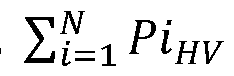
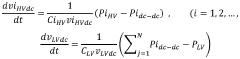
- A fully decoupled control system for SSTs, comprising a stored energy controller, power flow controller, and energy balancing controllers, each operating independently to manage energy and power flow, eliminating the need for voltage balancing and power sharing, and actively removing voltage ripples.


Solid state transformer controller
PatentWO2022098304A1
Innovation
- A decoupled control system for SSTs, comprising a stored energy controller, power flow controller, and energy balancing controllers, each operating independently to regulate energy within capacitors and manage power flow, eliminating the need for voltage balancing and power sharing mechanisms, and allowing for separate deployment of stages in different physical locations.


Grid Integration Standards for Digital SST
The integration of digitally controlled solid-state transformers into electrical grids requires adherence to comprehensive standards that ensure safe, reliable, and efficient operation. Current grid integration standards for digital SSTs encompass multiple regulatory frameworks, with IEEE 1547 serving as the primary standard for distributed energy resource interconnection, while IEC 61850 provides communication protocols essential for smart grid applications.
Power quality standards represent a critical component of grid integration requirements. Digital SSTs must comply with IEEE 519 harmonic distortion limits, maintaining total harmonic distortion below specified thresholds across varying load conditions. The systems must also meet voltage regulation requirements outlined in ANSI C84.1, ensuring output voltage remains within acceptable ranges during normal and abnormal grid conditions.
Communication and interoperability standards play an increasingly vital role in digital SST deployment. IEC 61850-7-420 specifically addresses distributed energy resources communication, while DNP3 and Modbus protocols ensure compatibility with existing grid infrastructure. These standards mandate specific data exchange formats, cybersecurity measures, and real-time monitoring capabilities that digital SST control systems must implement.
Safety and protection standards require digital SSTs to incorporate multiple layers of protective functions. IEEE C37.90 defines relay and protection system requirements, while UL 1741 establishes safety standards for inverter-based systems. Digital SSTs must implement anti-islanding protection, ground fault detection, and rapid shutdown capabilities to meet these stringent safety requirements.
Grid code compliance varies significantly across different regions and utilities. European grid codes such as VDE-AR-N 4105 and Network Code RfG establish specific technical requirements for grid-connected systems, including fault ride-through capabilities and reactive power support. Similarly, North American utilities enforce NERC reliability standards that digital SSTs must satisfy for grid interconnection approval.
Emerging standards specifically targeting solid-state transformer applications are under development. IEEE P2030.13 focuses on DC microgrids where SSTs play crucial roles, while IEC 62786 addresses distributed energy resource management systems. These evolving standards will likely incorporate advanced functionalities such as grid-forming capabilities, enhanced fault tolerance, and improved power quality management that leverage the unique advantages of digital SST technology.
Power quality standards represent a critical component of grid integration requirements. Digital SSTs must comply with IEEE 519 harmonic distortion limits, maintaining total harmonic distortion below specified thresholds across varying load conditions. The systems must also meet voltage regulation requirements outlined in ANSI C84.1, ensuring output voltage remains within acceptable ranges during normal and abnormal grid conditions.
Communication and interoperability standards play an increasingly vital role in digital SST deployment. IEC 61850-7-420 specifically addresses distributed energy resources communication, while DNP3 and Modbus protocols ensure compatibility with existing grid infrastructure. These standards mandate specific data exchange formats, cybersecurity measures, and real-time monitoring capabilities that digital SST control systems must implement.
Safety and protection standards require digital SSTs to incorporate multiple layers of protective functions. IEEE C37.90 defines relay and protection system requirements, while UL 1741 establishes safety standards for inverter-based systems. Digital SSTs must implement anti-islanding protection, ground fault detection, and rapid shutdown capabilities to meet these stringent safety requirements.
Grid code compliance varies significantly across different regions and utilities. European grid codes such as VDE-AR-N 4105 and Network Code RfG establish specific technical requirements for grid-connected systems, including fault ride-through capabilities and reactive power support. Similarly, North American utilities enforce NERC reliability standards that digital SSTs must satisfy for grid interconnection approval.
Emerging standards specifically targeting solid-state transformer applications are under development. IEEE P2030.13 focuses on DC microgrids where SSTs play crucial roles, while IEC 62786 addresses distributed energy resource management systems. These evolving standards will likely incorporate advanced functionalities such as grid-forming capabilities, enhanced fault tolerance, and improved power quality management that leverage the unique advantages of digital SST technology.
Real-time Processing Requirements for SST Control
Real-time processing requirements for solid-state transformer control represent one of the most critical technical challenges in implementing effective digital control systems. The fundamental requirement stems from the need to maintain system stability and optimal performance while managing multiple power conversion stages simultaneously. SST control systems must process feedback signals, execute control algorithms, and generate switching commands within microsecond timeframes to ensure proper power flow regulation and protection.
The primary real-time constraint involves the switching frequency requirements of power electronic devices within SSTs. Modern silicon carbide and gallium nitride semiconductors operate at switching frequencies ranging from 10 kHz to 100 kHz, demanding control loop execution times significantly faster than these switching periods. This translates to control system response times of 1-10 microseconds for maintaining stable operation across varying load conditions.
Multi-stage power conversion architecture in SSTs introduces additional complexity to real-time processing requirements. The typical SST configuration includes AC-DC rectification, DC-DC isolation, and DC-AC inversion stages, each requiring independent yet coordinated control. The digital control system must simultaneously manage input power factor correction, DC-link voltage regulation, galvanic isolation control, and output voltage/frequency regulation while maintaining phase synchronization across all stages.
Communication latency between distributed control units presents another significant real-time challenge. SST systems often employ multiple digital signal processors or field-programmable gate arrays distributed across different conversion stages. Inter-processor communication delays must be minimized to maintain overall system response time, typically requiring dedicated high-speed communication protocols with latencies below 100 nanoseconds.
Protection and fault detection algorithms impose the most stringent real-time requirements on SST control systems. Overcurrent, overvoltage, and thermal protection mechanisms must detect fault conditions and execute protective actions within 1-2 microseconds to prevent semiconductor device damage. This necessitates dedicated hardware-based protection circuits working in parallel with software-based control algorithms to achieve the required response times while maintaining system reliability and safety standards.
The primary real-time constraint involves the switching frequency requirements of power electronic devices within SSTs. Modern silicon carbide and gallium nitride semiconductors operate at switching frequencies ranging from 10 kHz to 100 kHz, demanding control loop execution times significantly faster than these switching periods. This translates to control system response times of 1-10 microseconds for maintaining stable operation across varying load conditions.
Multi-stage power conversion architecture in SSTs introduces additional complexity to real-time processing requirements. The typical SST configuration includes AC-DC rectification, DC-DC isolation, and DC-AC inversion stages, each requiring independent yet coordinated control. The digital control system must simultaneously manage input power factor correction, DC-link voltage regulation, galvanic isolation control, and output voltage/frequency regulation while maintaining phase synchronization across all stages.
Communication latency between distributed control units presents another significant real-time challenge. SST systems often employ multiple digital signal processors or field-programmable gate arrays distributed across different conversion stages. Inter-processor communication delays must be minimized to maintain overall system response time, typically requiring dedicated high-speed communication protocols with latencies below 100 nanoseconds.
Protection and fault detection algorithms impose the most stringent real-time requirements on SST control systems. Overcurrent, overvoltage, and thermal protection mechanisms must detect fault conditions and execute protective actions within 1-2 microseconds to prevent semiconductor device damage. This necessitates dedicated hardware-based protection circuits working in parallel with software-based control algorithms to achieve the required response times while maintaining system reliability and safety standards.
Unlock deeper insights with Patsnap Eureka Quick Research — get a full tech report to explore trends and direct your research. Try now!
Generate Your Research Report Instantly with AI Agent
Supercharge your innovation with Patsnap Eureka AI Agent Platform!