
How to Predict Solid-State Transformer Component Lifespan
APR 20, 20269 MIN READ
Generate Your Research Report Instantly with AI Agent
Patsnap Eureka helps you evaluate technical feasibility & market potential.
SST Component Lifespan Prediction Background and Goals
Solid-State Transformers represent a paradigm shift in power conversion technology, emerging from the convergence of advanced semiconductor materials, sophisticated control algorithms, and the growing demand for efficient power management systems. Unlike conventional electromagnetic transformers that have dominated power systems for over a century, SSTs integrate power electronics with magnetic components to achieve superior performance characteristics including bidirectional power flow, voltage regulation, and enhanced grid integration capabilities.
The evolution of SST technology has been driven by the proliferation of renewable energy sources, electric vehicle charging infrastructure, and smart grid implementations. These applications demand power conversion systems that can operate reliably under varying load conditions, temperature fluctuations, and electrical stress patterns. However, the complexity of SST architectures, incorporating multiple semiconductor devices, magnetic cores, capacitors, and control circuits, introduces significant challenges in predicting component degradation and system reliability.
Component lifespan prediction in SSTs addresses a critical gap between theoretical design specifications and real-world operational performance. Traditional reliability assessment methods, primarily developed for conventional transformers, prove inadequate for SST systems due to their fundamentally different failure mechanisms and operational dynamics. Power semiconductor devices experience thermal cycling stress, magnetic components face core losses and insulation degradation, while capacitors undergo electrolytic deterioration and dielectric breakdown phenomena.
The primary objective of SST component lifespan prediction is to establish predictive models that accurately forecast individual component degradation trajectories under specific operational conditions. This encompasses developing comprehensive understanding of failure modes, establishing correlation between operational parameters and degradation rates, and creating prognostic algorithms capable of real-time health assessment. Such predictive capabilities enable proactive maintenance strategies, optimize system design parameters, and enhance overall system reliability.
Furthermore, accurate lifespan prediction facilitates economic optimization of SST deployments by enabling informed decisions regarding component selection, redundancy requirements, and maintenance scheduling. This becomes particularly crucial in mission-critical applications such as data centers, industrial facilities, and grid infrastructure where unexpected failures can result in significant economic losses and operational disruptions.
The evolution of SST technology has been driven by the proliferation of renewable energy sources, electric vehicle charging infrastructure, and smart grid implementations. These applications demand power conversion systems that can operate reliably under varying load conditions, temperature fluctuations, and electrical stress patterns. However, the complexity of SST architectures, incorporating multiple semiconductor devices, magnetic cores, capacitors, and control circuits, introduces significant challenges in predicting component degradation and system reliability.
Component lifespan prediction in SSTs addresses a critical gap between theoretical design specifications and real-world operational performance. Traditional reliability assessment methods, primarily developed for conventional transformers, prove inadequate for SST systems due to their fundamentally different failure mechanisms and operational dynamics. Power semiconductor devices experience thermal cycling stress, magnetic components face core losses and insulation degradation, while capacitors undergo electrolytic deterioration and dielectric breakdown phenomena.
The primary objective of SST component lifespan prediction is to establish predictive models that accurately forecast individual component degradation trajectories under specific operational conditions. This encompasses developing comprehensive understanding of failure modes, establishing correlation between operational parameters and degradation rates, and creating prognostic algorithms capable of real-time health assessment. Such predictive capabilities enable proactive maintenance strategies, optimize system design parameters, and enhance overall system reliability.
Furthermore, accurate lifespan prediction facilitates economic optimization of SST deployments by enabling informed decisions regarding component selection, redundancy requirements, and maintenance scheduling. This becomes particularly crucial in mission-critical applications such as data centers, industrial facilities, and grid infrastructure where unexpected failures can result in significant economic losses and operational disruptions.
Market Demand for Reliable SST Systems
The global energy transition toward renewable sources and smart grid infrastructure has created unprecedented demand for reliable solid-state transformer systems. Unlike conventional electromagnetic transformers, SSTs offer advanced functionalities including bidirectional power flow, voltage regulation, and grid stabilization capabilities. However, the complexity of SST systems, incorporating power electronics, control systems, and semiconductor devices, introduces significant reliability concerns that directly impact market adoption and operational economics.
Utility companies and industrial operators increasingly recognize that SST reliability extends beyond initial performance metrics to encompass long-term operational predictability. The ability to accurately predict component lifespan has become a critical market differentiator, as unplanned failures can result in substantial economic losses and grid instability. This demand is particularly pronounced in mission-critical applications such as renewable energy integration, electric vehicle charging infrastructure, and industrial power systems where downtime costs escalate rapidly.
The market demonstrates strong preference for SST solutions that incorporate predictive maintenance capabilities and component health monitoring systems. End users are actively seeking suppliers who can provide comprehensive lifespan prediction models that account for operational stress factors, environmental conditions, and degradation mechanisms. This requirement has shifted procurement criteria from purely performance-based evaluations to reliability-centered assessments that consider total cost of ownership over extended operational periods.
Regulatory frameworks and grid codes are evolving to mandate higher reliability standards for power electronic systems, further amplifying market demand for predictable SST performance. Utilities must demonstrate compliance with availability requirements and maintenance scheduling protocols, making accurate lifespan prediction essential for regulatory compliance and operational planning.
The emergence of digital twin technologies and condition monitoring systems has created new market opportunities for SST manufacturers who can integrate advanced prognostic capabilities into their products. Customers increasingly value systems that provide real-time health assessment and remaining useful life estimates, enabling optimized maintenance scheduling and inventory management. This trend reflects a broader industry shift toward predictive maintenance strategies that minimize operational risks while maximizing asset utilization efficiency.
Utility companies and industrial operators increasingly recognize that SST reliability extends beyond initial performance metrics to encompass long-term operational predictability. The ability to accurately predict component lifespan has become a critical market differentiator, as unplanned failures can result in substantial economic losses and grid instability. This demand is particularly pronounced in mission-critical applications such as renewable energy integration, electric vehicle charging infrastructure, and industrial power systems where downtime costs escalate rapidly.
The market demonstrates strong preference for SST solutions that incorporate predictive maintenance capabilities and component health monitoring systems. End users are actively seeking suppliers who can provide comprehensive lifespan prediction models that account for operational stress factors, environmental conditions, and degradation mechanisms. This requirement has shifted procurement criteria from purely performance-based evaluations to reliability-centered assessments that consider total cost of ownership over extended operational periods.
Regulatory frameworks and grid codes are evolving to mandate higher reliability standards for power electronic systems, further amplifying market demand for predictable SST performance. Utilities must demonstrate compliance with availability requirements and maintenance scheduling protocols, making accurate lifespan prediction essential for regulatory compliance and operational planning.
The emergence of digital twin technologies and condition monitoring systems has created new market opportunities for SST manufacturers who can integrate advanced prognostic capabilities into their products. Customers increasingly value systems that provide real-time health assessment and remaining useful life estimates, enabling optimized maintenance scheduling and inventory management. This trend reflects a broader industry shift toward predictive maintenance strategies that minimize operational risks while maximizing asset utilization efficiency.
Current SST Component Degradation Challenges
Solid-state transformers face significant degradation challenges that directly impact their operational lifespan and reliability. The primary degradation mechanisms occur across multiple component levels, creating complex interdependencies that make accurate lifespan prediction particularly challenging. Power semiconductor devices, including silicon carbide and gallium nitride components, experience thermal cycling stress, electrical overstress, and gate oxide degradation over time. These phenomena lead to parameter drift, increased on-resistance, and eventual device failure.
Capacitive components within SST systems encounter dielectric breakdown, electrolyte evaporation in electrolytic capacitors, and metallization migration in film capacitors. The high-frequency switching operations characteristic of SST applications accelerate these degradation processes, particularly under elevated temperature conditions. Ripple current stress and voltage transients further compound these issues, creating unpredictable failure patterns that vary significantly based on operating conditions.
Magnetic core materials face unique challenges including core loss increases due to flux density variations and temperature cycling. Ferrite cores experience structural changes at elevated temperatures, while amorphous and nanocrystalline materials show sensitivity to mechanical stress and thermal aging. Winding insulation degradation represents another critical concern, with partial discharge activity and thermal stress causing gradual breakdown of insulation materials.
The interconnected nature of SST degradation presents substantial modeling difficulties. Component failures often trigger cascading effects throughout the system, making it challenging to isolate individual degradation mechanisms. Temperature distribution variations across the transformer create non-uniform aging patterns, while electromagnetic interference between components can accelerate certain degradation processes.
Current degradation monitoring techniques rely heavily on periodic testing and statistical analysis of historical failure data. However, these approaches often fail to capture the dynamic interactions between different degradation mechanisms. Real-time condition monitoring systems face limitations in sensor placement and data interpretation, particularly for internal component degradation that may not manifest in easily measurable parameters.
Environmental factors add another layer of complexity to degradation prediction. Humidity, contamination, and mechanical vibration interact with electrical and thermal stresses in ways that are difficult to quantify. Grid integration challenges, including voltage harmonics and frequency variations, create additional stress factors that traditional component testing may not adequately address.
The lack of standardized accelerated aging protocols specifically designed for SST applications hampers the development of accurate degradation models. Existing standards often focus on individual components rather than system-level interactions, creating gaps in understanding how component degradation affects overall transformer performance and reliability.
Capacitive components within SST systems encounter dielectric breakdown, electrolyte evaporation in electrolytic capacitors, and metallization migration in film capacitors. The high-frequency switching operations characteristic of SST applications accelerate these degradation processes, particularly under elevated temperature conditions. Ripple current stress and voltage transients further compound these issues, creating unpredictable failure patterns that vary significantly based on operating conditions.
Magnetic core materials face unique challenges including core loss increases due to flux density variations and temperature cycling. Ferrite cores experience structural changes at elevated temperatures, while amorphous and nanocrystalline materials show sensitivity to mechanical stress and thermal aging. Winding insulation degradation represents another critical concern, with partial discharge activity and thermal stress causing gradual breakdown of insulation materials.
The interconnected nature of SST degradation presents substantial modeling difficulties. Component failures often trigger cascading effects throughout the system, making it challenging to isolate individual degradation mechanisms. Temperature distribution variations across the transformer create non-uniform aging patterns, while electromagnetic interference between components can accelerate certain degradation processes.
Current degradation monitoring techniques rely heavily on periodic testing and statistical analysis of historical failure data. However, these approaches often fail to capture the dynamic interactions between different degradation mechanisms. Real-time condition monitoring systems face limitations in sensor placement and data interpretation, particularly for internal component degradation that may not manifest in easily measurable parameters.
Environmental factors add another layer of complexity to degradation prediction. Humidity, contamination, and mechanical vibration interact with electrical and thermal stresses in ways that are difficult to quantify. Grid integration challenges, including voltage harmonics and frequency variations, create additional stress factors that traditional component testing may not adequately address.
The lack of standardized accelerated aging protocols specifically designed for SST applications hampers the development of accurate degradation models. Existing standards often focus on individual components rather than system-level interactions, creating gaps in understanding how component degradation affects overall transformer performance and reliability.
Existing SST Component Health Monitoring Solutions
01 Thermal management and cooling systems for solid-state transformer components
Effective thermal management is critical for extending the lifespan of solid-state transformer components. Advanced cooling systems, including liquid cooling, heat sinks, and thermal interface materials, help dissipate heat generated during operation. Proper temperature control prevents thermal stress and degradation of semiconductor devices, capacitors, and other critical components. Thermal monitoring systems can detect overheating conditions and trigger protective measures to prevent component failure.- Thermal management and cooling systems for solid-state transformer components: Effective thermal management is critical for extending the lifespan of solid-state transformer components. Advanced cooling systems, including liquid cooling, heat sinks, and thermal interface materials, help dissipate heat generated during operation. Proper temperature control prevents thermal stress and degradation of semiconductor devices, capacitors, and other critical components. Thermal monitoring systems can detect overheating conditions and trigger protective measures to prevent component failure.
- Power semiconductor device protection and reliability enhancement: Power semiconductor devices such as IGBTs, MOSFETs, and wide-bandgap devices are key components in solid-state transformers. Their lifespan can be extended through various protection mechanisms including overvoltage protection, overcurrent protection, and short-circuit protection. Advanced gate driver circuits, snubber circuits, and active clamping techniques help reduce electrical stress on semiconductor switches. Material improvements and packaging technologies also contribute to enhanced reliability and longer operational life.
- Capacitor aging and lifetime prediction methods: Capacitors, particularly electrolytic and film capacitors, are often the life-limiting components in solid-state transformers. Aging mechanisms include dielectric degradation, electrolyte evaporation, and equivalent series resistance increase. Lifetime prediction models based on temperature, voltage stress, and ripple current help estimate remaining useful life. Condition monitoring techniques such as capacitance measurement, ESR monitoring, and thermal imaging enable predictive maintenance strategies to prevent unexpected failures.
- Insulation system design and partial discharge mitigation: The insulation system in solid-state transformers must withstand high voltage stress and prevent partial discharge that can lead to premature failure. Advanced insulation materials with high dielectric strength and thermal stability are employed. Design techniques include optimized electric field distribution, corona shields, and encapsulation methods. Partial discharge detection and monitoring systems help identify insulation degradation before catastrophic failure occurs, enabling timely maintenance interventions.
- Modular design and redundancy for enhanced reliability: Modular architecture in solid-state transformers allows for component-level redundancy and fault tolerance, significantly improving overall system lifespan. When individual modules fail, the system can continue operating at reduced capacity while failed modules are replaced. Hot-swappable modules enable maintenance without system shutdown. Distributed control strategies and fault detection algorithms identify and isolate failed modules automatically. This approach reduces downtime and extends the effective operational life of the entire transformer system.
02 Power semiconductor device protection and reliability enhancement
Power semiconductor devices such as IGBTs, MOSFETs, and wide-bandgap devices are key components in solid-state transformers. Their lifespan can be extended through various protection mechanisms including overvoltage protection, overcurrent protection, and short-circuit protection. Advanced gate driver circuits, snubber circuits, and active clamping techniques help reduce electrical stress on semiconductor switches. Material improvements and packaging technologies also contribute to enhanced reliability and longer operational life.Expand Specific Solutions03 Capacitor aging and lifetime prediction methods
Capacitors, particularly electrolytic and film capacitors, are often the life-limiting components in solid-state transformers. Aging mechanisms include dielectric degradation, electrolyte evaporation, and equivalent series resistance increase. Lifetime prediction models based on temperature, voltage stress, and ripple current help estimate remaining useful life. Condition monitoring techniques such as capacitance measurement, ESR monitoring, and thermal imaging enable predictive maintenance strategies to prevent unexpected failures.Expand Specific Solutions04 Insulation system design and partial discharge mitigation
The insulation system in solid-state transformers must withstand high voltage stress and prevent partial discharge that can lead to premature failure. Advanced insulation materials with high dielectric strength and thermal stability are employed. Design techniques include optimized electric field distribution, corona shields, and encapsulation methods. Partial discharge detection and monitoring systems help identify insulation degradation before catastrophic failure occurs, enabling timely maintenance interventions.Expand Specific Solutions05 Modular design and redundancy for enhanced reliability
Modular architecture in solid-state transformers allows for component-level redundancy and fault tolerance, significantly improving overall system lifespan. When individual modules fail, redundant units can take over operation while failed modules are replaced or repaired. This approach enables hot-swapping capabilities and reduces downtime. Distributed control systems monitor the health of each module and implement load balancing strategies to prevent overloading and extend component life across the entire system.Expand Specific Solutions
Key Players in SST and Predictive Analytics Industry
The solid-state transformer component lifespan prediction field represents an emerging technology sector within the broader power electronics industry, currently in its early development stage with significant growth potential. The market is experiencing rapid expansion driven by increasing demand for smart grid infrastructure and renewable energy integration, though precise market sizing remains challenging due to the nascent nature of this specific application. Technology maturity varies considerably across the competitive landscape, with established power equipment manufacturers like State Grid Corp. of China, Toshiba Corp., and Hitachi Energy Ltd. leveraging their extensive experience in traditional transformer technologies to advance solid-state solutions. Meanwhile, semiconductor specialists including Renesas Electronics Corp., Advanced Micro Devices, and STMicroelectronics International NV are contributing critical component-level innovations. Research institutions such as Wuhan University and China University of Mining & Technology are driving fundamental research in predictive modeling and reliability assessment methodologies, while regional power companies like Korea Electric Power Corp. and Guangdong Power Grid Co. are facilitating real-world testing and validation of these emerging technologies.
State Grid Corp. of China
Technical Solution: State Grid Corporation of China has developed a comprehensive solid-state transformer component lifespan prediction framework as part of their smart grid infrastructure initiatives. Their approach integrates big data analytics with physics-based degradation models to predict component failures across large-scale deployments. The methodology combines operational data from thousands of field installations with laboratory accelerated aging test results to establish statistical failure models. Their system utilizes artificial intelligence algorithms to identify degradation patterns and predict remaining useful life for critical components including power electronics, transformers, and control systems. The framework incorporates grid operational conditions, environmental factors, and maintenance history to provide accurate lifespan predictions and optimize replacement scheduling across their extensive network infrastructure.
Strengths: Massive field data availability with extensive operational experience and comprehensive system-level perspective. Weaknesses: Complex data integration challenges and potential variability in prediction accuracy across different operational environments.
Toshiba Corp.
Technical Solution: Toshiba has developed a physics-based degradation modeling approach for solid-state transformer component lifespan prediction, focusing primarily on power semiconductor devices and magnetic components. Their methodology combines Arrhenius-based thermal aging models with power cycling fatigue analysis to predict IGBT and diode failures. The company's approach utilizes junction temperature monitoring and statistical analysis of failure mechanisms to establish component-specific degradation patterns. Their predictive algorithms incorporate operational stress factors including switching frequency, load variations, and ambient temperature fluctuations. Toshiba's system provides probabilistic failure predictions with confidence intervals, enabling proactive maintenance scheduling and component replacement strategies for optimal system reliability.
Strengths: Strong semiconductor expertise with robust thermal modeling capabilities and established reliability databases. Weaknesses: Limited scope focusing mainly on semiconductor components with less emphasis on passive components.
Core Innovations in SST Lifespan Prediction Models
Solid insulation life prediction method based on transformer-related operation data
PatentActiveCN110083951A
Innovation
- An artificial neural network method based on Monte Carlo is used to obtain relevant operating data of the transformer, including oil chromatography, furfural content in oil and oil quality test results. The Monte Carlo method is used to randomly simulate the input samples and establish a distribution model to avoid neural problems. The network falls into a local optimum and improves prediction accuracy.
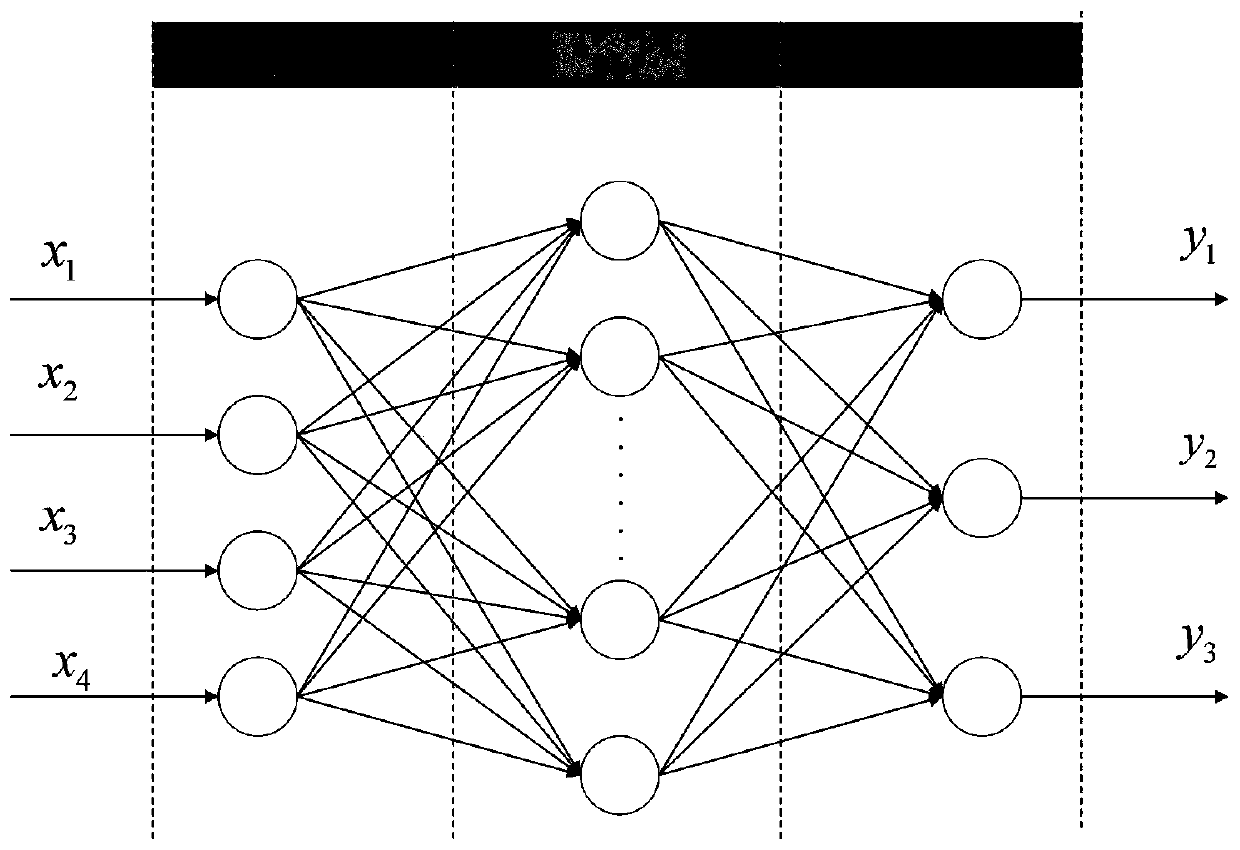
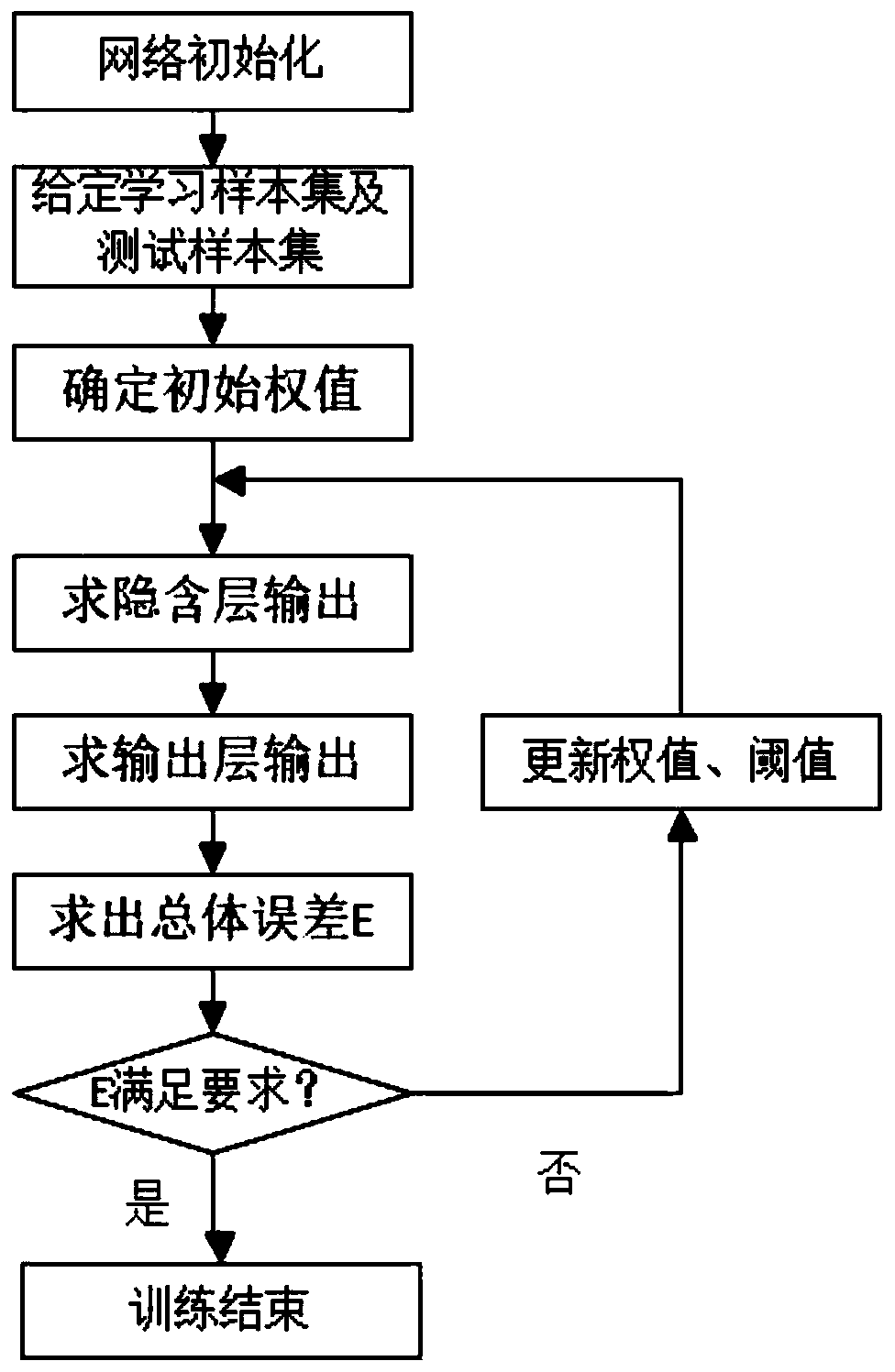
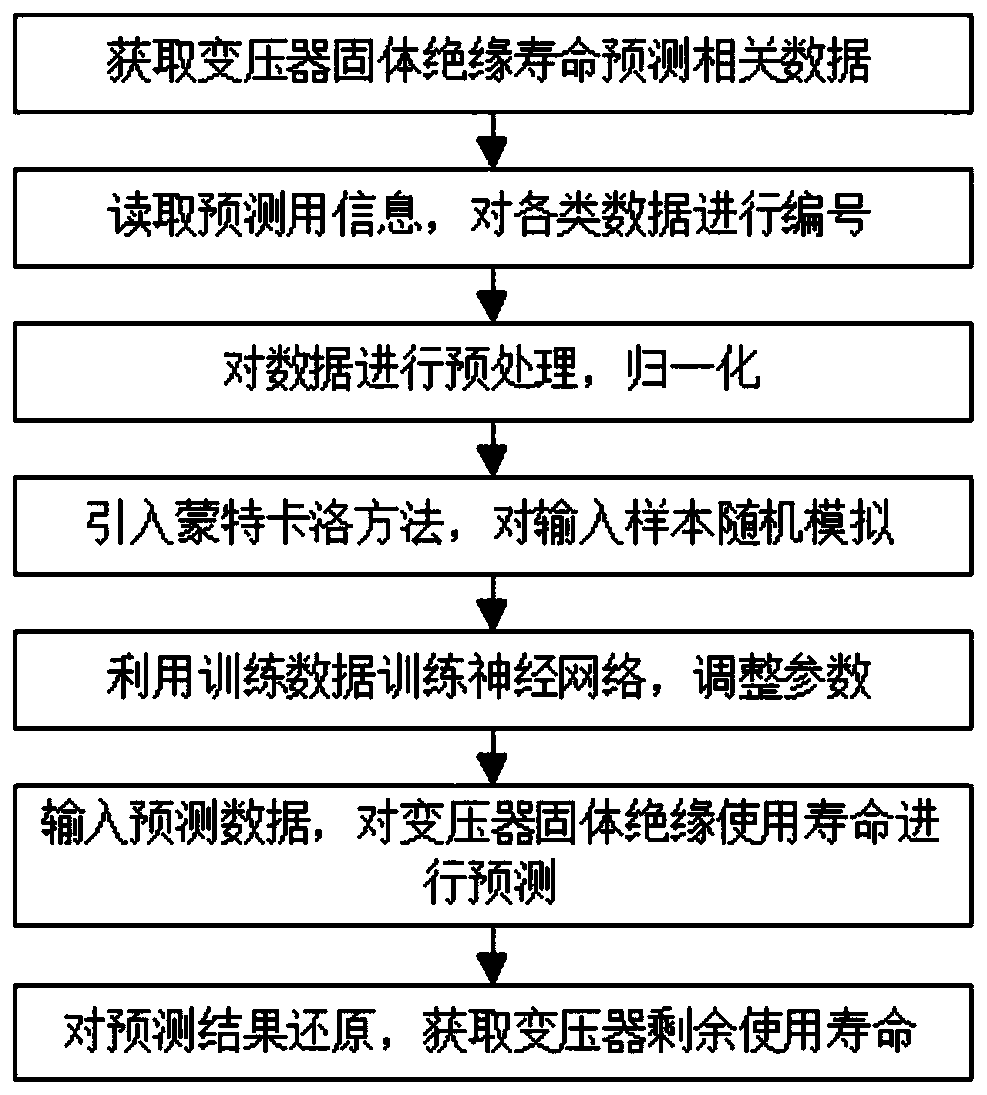

Probabilistic determination of transformer life.
PatentActiveJP2023514995A
Innovation
- Develops a probabilistic model approach for transformer lifetime estimation instead of traditional deterministic methods, enabling uncertainty quantification in degradation predictions.
- Generates expected hotspot profiles from probability distributions of deterioration factors, providing more realistic thermal stress assessment compared to single-point calculations.
- Simulates multiple degradation scenarios based on probabilistic hotspot and ambient temperature profiles, offering comprehensive risk assessment capabilities.


Grid Integration Standards for SST Reliability
The integration of solid-state transformers into electrical grids requires adherence to comprehensive reliability standards that directly impact component lifespan prediction methodologies. Current grid integration frameworks establish fundamental requirements for SST performance monitoring, fault tolerance, and operational continuity that serve as baseline parameters for lifespan assessment models.
IEEE 1547 series standards provide the primary framework for distributed energy resource interconnection, establishing voltage and frequency ride-through requirements that significantly influence SST component stress profiles. These standards mandate specific operational windows during grid disturbances, creating predictable loading patterns that enhance the accuracy of semiconductor junction temperature modeling and capacitor degradation forecasting.
IEC 61850 communication protocols enable real-time data exchange between SSTs and grid management systems, facilitating continuous monitoring of critical parameters such as switching frequency, thermal cycling, and harmonic distortion levels. This standardized data collection framework supports machine learning algorithms used in predictive maintenance models, ensuring consistent input data quality across different manufacturers and installations.
Grid code compliance requirements, particularly those related to power quality and harmonic limits, establish operational boundaries that directly correlate with component aging mechanisms. Standards such as IEEE 519 for harmonic distortion control influence filter design specifications and switching strategies, which in turn affect the thermal and electrical stress experienced by power semiconductors and magnetic components.
Reliability assessment standards including IEC 61709 and MIL-HDBK-217 provide standardized methodologies for calculating failure rates and mean time between failures for electronic components under specified environmental and operational conditions. These frameworks enable consistent lifespan prediction approaches across different SST designs and deployment scenarios.
Emerging grid modernization standards are incorporating specific provisions for advanced power electronics, including requirements for prognostic health monitoring capabilities and predictive maintenance interfaces. These evolving standards mandate built-in diagnostic features that support real-time component health assessment, enabling more accurate lifespan predictions through continuous condition monitoring rather than relying solely on statistical models based on historical failure data.
IEEE 1547 series standards provide the primary framework for distributed energy resource interconnection, establishing voltage and frequency ride-through requirements that significantly influence SST component stress profiles. These standards mandate specific operational windows during grid disturbances, creating predictable loading patterns that enhance the accuracy of semiconductor junction temperature modeling and capacitor degradation forecasting.
IEC 61850 communication protocols enable real-time data exchange between SSTs and grid management systems, facilitating continuous monitoring of critical parameters such as switching frequency, thermal cycling, and harmonic distortion levels. This standardized data collection framework supports machine learning algorithms used in predictive maintenance models, ensuring consistent input data quality across different manufacturers and installations.
Grid code compliance requirements, particularly those related to power quality and harmonic limits, establish operational boundaries that directly correlate with component aging mechanisms. Standards such as IEEE 519 for harmonic distortion control influence filter design specifications and switching strategies, which in turn affect the thermal and electrical stress experienced by power semiconductors and magnetic components.
Reliability assessment standards including IEC 61709 and MIL-HDBK-217 provide standardized methodologies for calculating failure rates and mean time between failures for electronic components under specified environmental and operational conditions. These frameworks enable consistent lifespan prediction approaches across different SST designs and deployment scenarios.
Emerging grid modernization standards are incorporating specific provisions for advanced power electronics, including requirements for prognostic health monitoring capabilities and predictive maintenance interfaces. These evolving standards mandate built-in diagnostic features that support real-time component health assessment, enabling more accurate lifespan predictions through continuous condition monitoring rather than relying solely on statistical models based on historical failure data.
Thermal Management Impact on SST Component Life
Thermal management represents one of the most critical factors influencing solid-state transformer component longevity, as elevated operating temperatures directly accelerate degradation mechanisms across all major SST subsystems. The relationship between temperature and component life follows well-established reliability physics principles, where every 10°C increase in junction temperature can reduce semiconductor device lifespan by approximately 50% according to Arrhenius law applications in power electronics.
Power semiconductor devices, particularly wide bandgap materials like silicon carbide and gallium nitride, exhibit temperature-dependent failure modes including bond wire fatigue, solder joint cracking, and die attach degradation. These failure mechanisms are primarily driven by thermal cycling stress, where repeated expansion and contraction create mechanical strain at material interfaces. Effective thermal management systems must maintain junction temperatures below critical thresholds while minimizing temperature fluctuations during operational cycles.
Magnetic components in SSTs face unique thermal challenges due to core losses and winding resistance heating. High-frequency operation, while enabling compact designs, generates significant heat in ferrite cores and copper windings. Temperature rise in magnetic materials leads to reduced permeability, increased core losses, and potential demagnetization of permanent magnet components. Insulation systems within transformers are particularly vulnerable, with organic materials experiencing exponential degradation rate increases at elevated temperatures.
Capacitive elements, especially film capacitors used in DC-link applications, demonstrate strong temperature sensitivity affecting both electrical performance and mechanical integrity. Elevated temperatures accelerate dielectric breakdown processes, reduce capacitance values, and increase equivalent series resistance. Electrolytic capacitors, when present in auxiliary circuits, exhibit even more pronounced temperature dependencies with dramatic life reduction at higher operating temperatures.
Advanced thermal management strategies significantly extend component life through active cooling systems, optimized heat sink designs, and intelligent thermal control algorithms. Liquid cooling solutions can maintain more stable operating temperatures compared to air cooling, while thermal interface materials with high conductivity ensure efficient heat transfer from components to cooling systems. Predictive thermal management, incorporating real-time temperature monitoring and adaptive control, enables proactive adjustment of operating parameters to prevent thermal stress accumulation and extend overall system lifespan.
Power semiconductor devices, particularly wide bandgap materials like silicon carbide and gallium nitride, exhibit temperature-dependent failure modes including bond wire fatigue, solder joint cracking, and die attach degradation. These failure mechanisms are primarily driven by thermal cycling stress, where repeated expansion and contraction create mechanical strain at material interfaces. Effective thermal management systems must maintain junction temperatures below critical thresholds while minimizing temperature fluctuations during operational cycles.
Magnetic components in SSTs face unique thermal challenges due to core losses and winding resistance heating. High-frequency operation, while enabling compact designs, generates significant heat in ferrite cores and copper windings. Temperature rise in magnetic materials leads to reduced permeability, increased core losses, and potential demagnetization of permanent magnet components. Insulation systems within transformers are particularly vulnerable, with organic materials experiencing exponential degradation rate increases at elevated temperatures.
Capacitive elements, especially film capacitors used in DC-link applications, demonstrate strong temperature sensitivity affecting both electrical performance and mechanical integrity. Elevated temperatures accelerate dielectric breakdown processes, reduce capacitance values, and increase equivalent series resistance. Electrolytic capacitors, when present in auxiliary circuits, exhibit even more pronounced temperature dependencies with dramatic life reduction at higher operating temperatures.
Advanced thermal management strategies significantly extend component life through active cooling systems, optimized heat sink designs, and intelligent thermal control algorithms. Liquid cooling solutions can maintain more stable operating temperatures compared to air cooling, while thermal interface materials with high conductivity ensure efficient heat transfer from components to cooling systems. Predictive thermal management, incorporating real-time temperature monitoring and adaptive control, enables proactive adjustment of operating parameters to prevent thermal stress accumulation and extend overall system lifespan.
Unlock deeper insights with Patsnap Eureka Quick Research — get a full tech report to explore trends and direct your research. Try now!
Generate Your Research Report Instantly with AI Agent
Supercharge your innovation with Patsnap Eureka AI Agent Platform!