
Solid-State Transformers Vs SVC: Reactive Power Comparison
APR 20, 20269 MIN READ
Generate Your Research Report Instantly with AI Agent
Patsnap Eureka helps you evaluate technical feasibility & market potential.
SST vs SVC Reactive Power Background and Objectives
The evolution of power grid infrastructure has been fundamentally shaped by the increasing demand for efficient reactive power management and voltage regulation. Traditional power systems have long relied on Static Var Compensators (SVCs) as the primary solution for dynamic reactive power compensation, utilizing thyristor-controlled reactors and thyristor-switched capacitors to maintain voltage stability across transmission networks. However, the emergence of Solid-State Transformers (SSTs) represents a paradigm shift in power electronics, introducing advanced semiconductor-based solutions that promise enhanced controllability and multifunctional capabilities.
The historical development of reactive power compensation technologies began with mechanical switching devices in the early 20th century, progressing through magnetic amplifiers in the 1950s, and eventually reaching the sophisticated thyristor-based SVC systems introduced in the 1970s. SVCs have since become the industry standard for large-scale reactive power management, with thousands of installations worldwide providing reliable voltage support and power factor correction. The technology matured through decades of field experience, establishing proven operational characteristics and maintenance protocols.
The advent of wide-bandgap semiconductors, particularly Silicon Carbide (SiC) and Gallium Nitride (GaN) devices, has catalyzed the development of SST technology since the early 2000s. These advanced power electronic converters integrate transformer functionality with active power conditioning capabilities, enabling bidirectional power flow control, harmonic mitigation, and precise reactive power regulation within a single compact unit. The convergence of high-frequency switching capabilities and intelligent control algorithms has positioned SSTs as potential successors to conventional transformer and compensation equipment combinations.
Current technological objectives focus on establishing comprehensive performance benchmarks between SST and SVC technologies specifically regarding reactive power delivery characteristics. Key evaluation parameters include response time, control precision, harmonic performance, efficiency across varying load conditions, and operational flexibility under grid disturbances. The comparative analysis aims to quantify the technical advantages and limitations of each approach, considering factors such as dynamic range, steady-state accuracy, and integration complexity with existing grid infrastructure.
The strategic importance of this technological comparison extends beyond mere performance metrics, encompassing broader implications for grid modernization initiatives, renewable energy integration requirements, and the transition toward smart grid architectures. Understanding the reactive power capabilities of both technologies is essential for informed decision-making in future power system planning and investment strategies.
The historical development of reactive power compensation technologies began with mechanical switching devices in the early 20th century, progressing through magnetic amplifiers in the 1950s, and eventually reaching the sophisticated thyristor-based SVC systems introduced in the 1970s. SVCs have since become the industry standard for large-scale reactive power management, with thousands of installations worldwide providing reliable voltage support and power factor correction. The technology matured through decades of field experience, establishing proven operational characteristics and maintenance protocols.
The advent of wide-bandgap semiconductors, particularly Silicon Carbide (SiC) and Gallium Nitride (GaN) devices, has catalyzed the development of SST technology since the early 2000s. These advanced power electronic converters integrate transformer functionality with active power conditioning capabilities, enabling bidirectional power flow control, harmonic mitigation, and precise reactive power regulation within a single compact unit. The convergence of high-frequency switching capabilities and intelligent control algorithms has positioned SSTs as potential successors to conventional transformer and compensation equipment combinations.
Current technological objectives focus on establishing comprehensive performance benchmarks between SST and SVC technologies specifically regarding reactive power delivery characteristics. Key evaluation parameters include response time, control precision, harmonic performance, efficiency across varying load conditions, and operational flexibility under grid disturbances. The comparative analysis aims to quantify the technical advantages and limitations of each approach, considering factors such as dynamic range, steady-state accuracy, and integration complexity with existing grid infrastructure.
The strategic importance of this technological comparison extends beyond mere performance metrics, encompassing broader implications for grid modernization initiatives, renewable energy integration requirements, and the transition toward smart grid architectures. Understanding the reactive power capabilities of both technologies is essential for informed decision-making in future power system planning and investment strategies.
Market Demand for Advanced Reactive Power Solutions
The global power grid infrastructure is experiencing unprecedented transformation driven by increasing renewable energy integration, grid modernization initiatives, and the urgent need for enhanced power quality management. Traditional reactive power compensation methods are proving inadequate for modern grid requirements, creating substantial market opportunities for advanced solutions including solid-state transformers and static VAR compensators.
Industrial sectors represent the largest demand segment for reactive power solutions, with manufacturing facilities, data centers, and heavy industries requiring sophisticated power factor correction and voltage regulation capabilities. The proliferation of nonlinear loads and power electronic devices has intensified harmonic distortion issues, necessitating more intelligent and responsive compensation systems that can adapt to rapidly changing load conditions.
Utility companies are increasingly prioritizing grid stability and power quality as renewable energy penetration reaches critical levels. Wind and solar installations introduce significant reactive power management challenges due to their intermittent nature and power electronic interfaces. This has created urgent demand for dynamic reactive power compensation solutions capable of millisecond-level response times and seamless integration with existing grid infrastructure.
The emergence of smart grid technologies and distributed energy resources has fundamentally altered reactive power management requirements. Traditional mechanical switching-based systems cannot meet the performance demands of modern power networks, driving adoption of electronically controlled solutions. Solid-state transformers offer comprehensive power conditioning capabilities, while advanced SVC systems provide cost-effective dynamic compensation for specific applications.
Regional market dynamics vary significantly, with developed economies focusing on grid modernization and power quality enhancement, while emerging markets prioritize infrastructure expansion and reliability improvement. The increasing adoption of electric vehicles and energy storage systems further amplifies demand for sophisticated reactive power management solutions capable of bidirectional power flow control.
Market growth is accelerated by stringent power quality regulations and utility incentive programs promoting advanced grid technologies. The convergence of digitalization, artificial intelligence, and power electronics is creating new opportunities for intelligent reactive power management systems that can optimize grid performance while reducing operational costs and environmental impact.
Industrial sectors represent the largest demand segment for reactive power solutions, with manufacturing facilities, data centers, and heavy industries requiring sophisticated power factor correction and voltage regulation capabilities. The proliferation of nonlinear loads and power electronic devices has intensified harmonic distortion issues, necessitating more intelligent and responsive compensation systems that can adapt to rapidly changing load conditions.
Utility companies are increasingly prioritizing grid stability and power quality as renewable energy penetration reaches critical levels. Wind and solar installations introduce significant reactive power management challenges due to their intermittent nature and power electronic interfaces. This has created urgent demand for dynamic reactive power compensation solutions capable of millisecond-level response times and seamless integration with existing grid infrastructure.
The emergence of smart grid technologies and distributed energy resources has fundamentally altered reactive power management requirements. Traditional mechanical switching-based systems cannot meet the performance demands of modern power networks, driving adoption of electronically controlled solutions. Solid-state transformers offer comprehensive power conditioning capabilities, while advanced SVC systems provide cost-effective dynamic compensation for specific applications.
Regional market dynamics vary significantly, with developed economies focusing on grid modernization and power quality enhancement, while emerging markets prioritize infrastructure expansion and reliability improvement. The increasing adoption of electric vehicles and energy storage systems further amplifies demand for sophisticated reactive power management solutions capable of bidirectional power flow control.
Market growth is accelerated by stringent power quality regulations and utility incentive programs promoting advanced grid technologies. The convergence of digitalization, artificial intelligence, and power electronics is creating new opportunities for intelligent reactive power management systems that can optimize grid performance while reducing operational costs and environmental impact.
Current State of SST and SVC Technologies
Solid-State Transformers represent an emerging technology that integrates power electronics with traditional transformer functionality, enabling bidirectional power flow control and advanced grid management capabilities. Current SST implementations primarily utilize silicon-based semiconductors, though silicon carbide and gallium nitride devices are increasingly adopted for higher efficiency and power density. Commercial SST systems typically operate at medium voltage levels ranging from 4.16 kV to 35 kV, with power ratings extending up to several megawatts.
The reactive power control capabilities of modern SSTs demonstrate significant advancement, achieving response times in the millisecond range through sophisticated control algorithms. Leading manufacturers have developed SST systems capable of providing ±0.5 to ±1.0 per unit reactive power support, with power factor correction accuracy exceeding 99%. However, current SST technology faces substantial challenges including high manufacturing costs, complex thermal management requirements, and reliability concerns associated with semiconductor failure rates.
Static Var Compensators have reached technological maturity after decades of development and deployment in transmission and distribution networks worldwide. Contemporary SVC systems predominantly employ thyristor-controlled reactors combined with mechanically switched capacitor banks, enabling continuous reactive power adjustment within their operating range. Advanced SVC installations incorporate sophisticated control systems utilizing real-time measurements and predictive algorithms to optimize reactive power delivery.
Modern SVC technology demonstrates exceptional reliability with availability rates exceeding 98% and operational lifespans extending beyond 25 years. Current SVC systems can provide reactive power support ranging from -200 to +200 MVAr in large transmission applications, with response times typically in the range of 2-3 cycles. The technology has evolved to include enhanced harmonic filtering capabilities and improved dynamic performance through advanced thyristor control strategies.
The geographical distribution of SST technology development shows concentration in North America, Europe, and Asia, with significant research initiatives in Germany, United States, Japan, and China. Major technology barriers for SST include semiconductor device limitations, packaging challenges for high-voltage applications, and standardization gaps. Conversely, SVC technology has achieved global standardization with established manufacturing capabilities across multiple continents, though innovation focus has shifted toward hybrid solutions combining SVC with other FACTS devices.
Both technologies currently face integration challenges with renewable energy sources and smart grid infrastructure, driving continued research into enhanced control algorithms and communication protocols for grid-interactive applications.
The reactive power control capabilities of modern SSTs demonstrate significant advancement, achieving response times in the millisecond range through sophisticated control algorithms. Leading manufacturers have developed SST systems capable of providing ±0.5 to ±1.0 per unit reactive power support, with power factor correction accuracy exceeding 99%. However, current SST technology faces substantial challenges including high manufacturing costs, complex thermal management requirements, and reliability concerns associated with semiconductor failure rates.
Static Var Compensators have reached technological maturity after decades of development and deployment in transmission and distribution networks worldwide. Contemporary SVC systems predominantly employ thyristor-controlled reactors combined with mechanically switched capacitor banks, enabling continuous reactive power adjustment within their operating range. Advanced SVC installations incorporate sophisticated control systems utilizing real-time measurements and predictive algorithms to optimize reactive power delivery.
Modern SVC technology demonstrates exceptional reliability with availability rates exceeding 98% and operational lifespans extending beyond 25 years. Current SVC systems can provide reactive power support ranging from -200 to +200 MVAr in large transmission applications, with response times typically in the range of 2-3 cycles. The technology has evolved to include enhanced harmonic filtering capabilities and improved dynamic performance through advanced thyristor control strategies.
The geographical distribution of SST technology development shows concentration in North America, Europe, and Asia, with significant research initiatives in Germany, United States, Japan, and China. Major technology barriers for SST include semiconductor device limitations, packaging challenges for high-voltage applications, and standardization gaps. Conversely, SVC technology has achieved global standardization with established manufacturing capabilities across multiple continents, though innovation focus has shifted toward hybrid solutions combining SVC with other FACTS devices.
Both technologies currently face integration challenges with renewable energy sources and smart grid infrastructure, driving continued research into enhanced control algorithms and communication protocols for grid-interactive applications.
Existing Reactive Power Compensation Methods
01 Solid-state transformer topology and control methods
Solid-state transformers utilize advanced power electronic converters and control strategies to achieve voltage transformation and power conversion. These systems employ modular multilevel converter topologies, cascaded H-bridge configurations, or matrix converter structures to enable efficient power transfer. Control methods include voltage and current regulation algorithms, phase-shift control, and pulse-width modulation techniques to optimize performance and ensure stable operation under various load conditions.- Solid-state transformer topology and control methods: Solid-state transformers utilize power electronic converters to replace traditional electromagnetic transformers, enabling voltage transformation through high-frequency switching. Various topologies including modular multilevel converters, cascaded H-bridge configurations, and dual active bridge structures are employed. Advanced control strategies such as vector control, direct power control, and model predictive control are implemented to achieve efficient voltage conversion and power flow management in distribution networks.
- Reactive power compensation using SVC devices: Static Var Compensators provide dynamic reactive power compensation through thyristor-controlled reactors and thyristor-switched capacitors. These devices enable rapid response to voltage fluctuations and power quality issues in electrical grids. The compensation systems utilize feedback control mechanisms to maintain voltage stability and improve power factor by injecting or absorbing reactive power as needed.
- Integration of solid-state transformers with reactive power control: Combined systems integrate solid-state transformer functionality with reactive power compensation capabilities to provide comprehensive power quality management. These hybrid configurations enable simultaneous voltage regulation, harmonic filtering, and reactive power support. The integration allows for coordinated control strategies that optimize both active and reactive power flow in distribution systems while maintaining grid stability.
- Modular and scalable power electronic converter designs: Modular converter architectures enable scalable implementation of solid-state transformers and reactive power compensation systems. These designs utilize multiple converter modules connected in series or parallel configurations to achieve higher voltage and power ratings. The modular approach provides redundancy, improved reliability, and flexible capacity expansion while facilitating maintenance and fault tolerance in power distribution applications.
- Grid-connected operation and power quality enhancement: Advanced grid interface technologies enable solid-state transformers and reactive power compensation devices to operate seamlessly with utility networks. These systems incorporate synchronization mechanisms, islanding detection, and fault ride-through capabilities. Power quality enhancement features include harmonic mitigation, voltage sag compensation, and flicker reduction, contributing to improved overall grid performance and reliability.
02 Reactive power compensation using SVC devices
Static var compensators provide dynamic reactive power support to maintain voltage stability in power systems. These devices utilize thyristor-controlled reactors and thyristor-switched capacitors to rapidly adjust reactive power output in response to system requirements. The compensation mechanisms help regulate voltage levels, improve power factor, and enhance overall grid stability through fast response times and continuous adjustment capabilities.Expand Specific Solutions03 Integration of solid-state transformers with reactive power control
Combined systems integrate solid-state transformer functionality with reactive power compensation capabilities to provide comprehensive power quality management. These hybrid configurations enable simultaneous voltage transformation and reactive power regulation, offering enhanced flexibility for grid applications. The integration allows for coordinated control of active and reactive power flows, improving system efficiency and power quality while reducing equipment footprint.Expand Specific Solutions04 Power quality improvement and harmonic suppression
Advanced filtering and harmonic mitigation techniques are employed in solid-state transformer and reactive power compensation systems to improve power quality. These methods include active filtering, harmonic cancellation algorithms, and multi-level converter designs that reduce total harmonic distortion. The systems provide clean power output while maintaining voltage stability and minimizing electromagnetic interference in the power network.Expand Specific Solutions05 Grid-connected operation and protection mechanisms
Specialized protection schemes and grid synchronization methods ensure safe and reliable operation of solid-state transformers and reactive power compensation devices in power networks. These include fault detection algorithms, overcurrent protection, voltage monitoring systems, and islanding detection capabilities. Grid synchronization techniques employ phase-locked loops and advanced control algorithms to maintain stable connection with the utility grid under varying operating conditions.Expand Specific Solutions
Major Players in SST and SVC Markets
The solid-state transformers versus SVC reactive power comparison represents an evolving competitive landscape within the power electronics and grid modernization sector. The industry is transitioning from mature SVC technology to emerging solid-state transformer solutions, driven by smart grid demands and renewable energy integration. Market growth is substantial, fueled by global grid modernization investments and decarbonization initiatives. Technology maturity varies significantly between established players like ABB Ltd., Siemens AG, and Mitsubishi Electric Corp., who dominate traditional SVC markets, while companies such as American Superconductor Corp. and various Chinese entities including State Grid Corp. of China, NARI Technology Co., and China XD Electric Co. are advancing solid-state transformer innovations. Research institutions like Xi'an Jiaotong University and Huazhong University of Science & Technology contribute to technological advancement, positioning this sector for significant transformation.
State Grid Corp. of China
Technical Solution: State Grid Corporation of China has implemented solid-state transformer pilot projects focusing on reactive power management superiority over traditional SVC systems. Their SST deployments feature cascaded H-bridge multilevel converter topology with reactive power capability ranging from -100% to +100% of rated power, exceeding typical SVC performance of ±50%. The technology demonstrates response times under 5ms compared to SVC's 100-300ms response characteristics. State Grid's SST implementations provide voltage regulation accuracy within ±1%, while supporting power factor adjustment from 0.9 leading to 0.9 lagging. The systems integrate renewable energy sources with enhanced grid stability through real-time reactive power compensation and voltage support capabilities that traditional SVC systems cannot match in terms of flexibility and responsiveness.
Strengths: Large-scale deployment experience, proven grid integration, comprehensive reactive power control. Weaknesses: Technology still in pilot phase, higher operational complexity, significant infrastructure investment required.
ABB AB
Technical Solution: ABB has developed advanced solid-state transformer technology featuring modular multilevel converter (MMC) architecture with integrated reactive power compensation capabilities. Their SST solutions provide dynamic reactive power control ranging from -1.0 to +1.0 per unit, significantly outperforming traditional SVC systems which typically operate at 0.95 lagging to 0.95 leading power factor. The technology incorporates advanced power electronics with silicon carbide (SiC) semiconductors, enabling faster response times of less than 1ms compared to SVC's 20-50ms response time. ABB's SST systems also offer bidirectional power flow control and enhanced grid stability through real-time voltage regulation and harmonic filtering capabilities.
Strengths: Superior dynamic response, bidirectional power flow, integrated multiple functions. Weaknesses: Higher initial cost, complex control systems requiring specialized maintenance.
Core Technologies in SST vs SVC Design
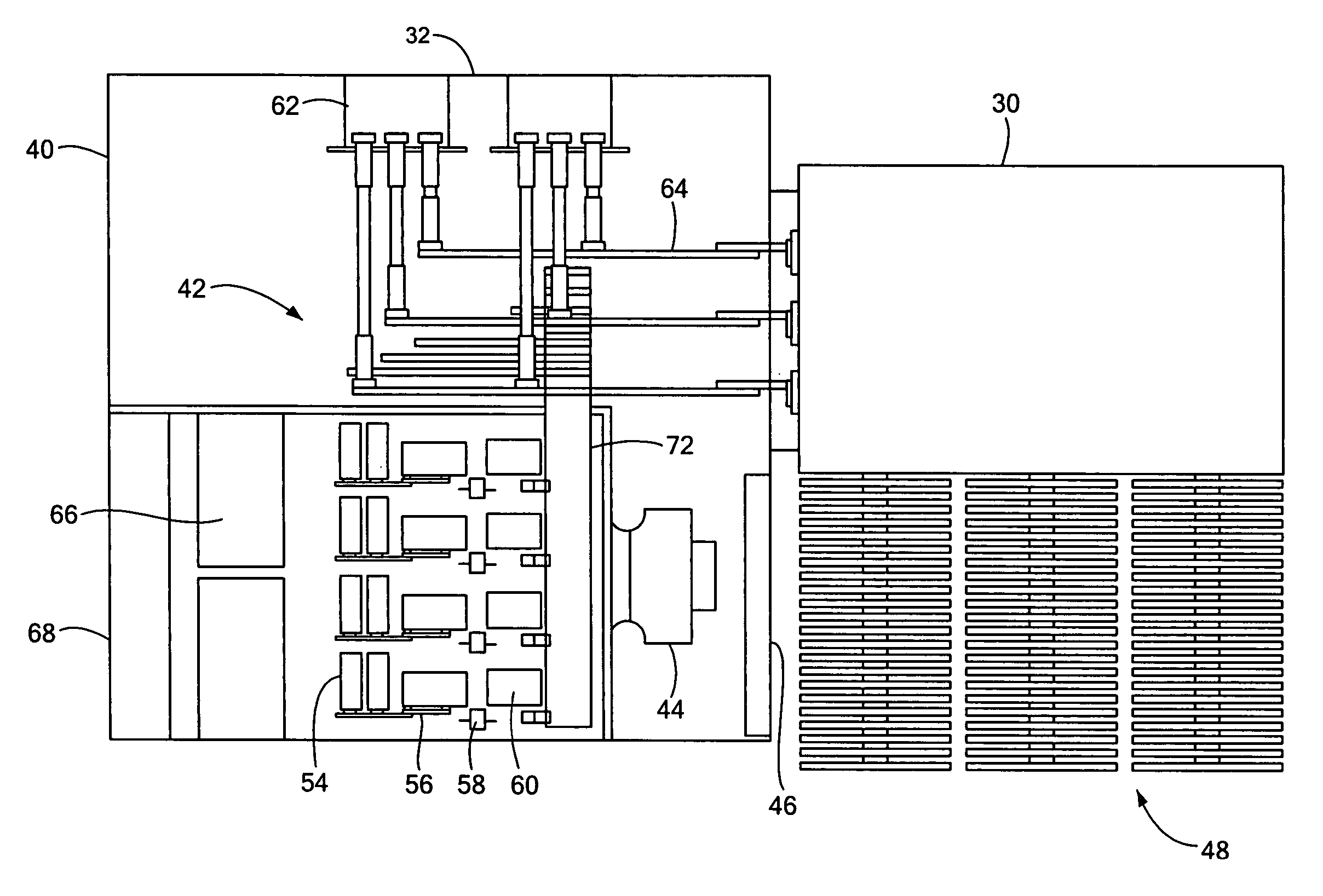
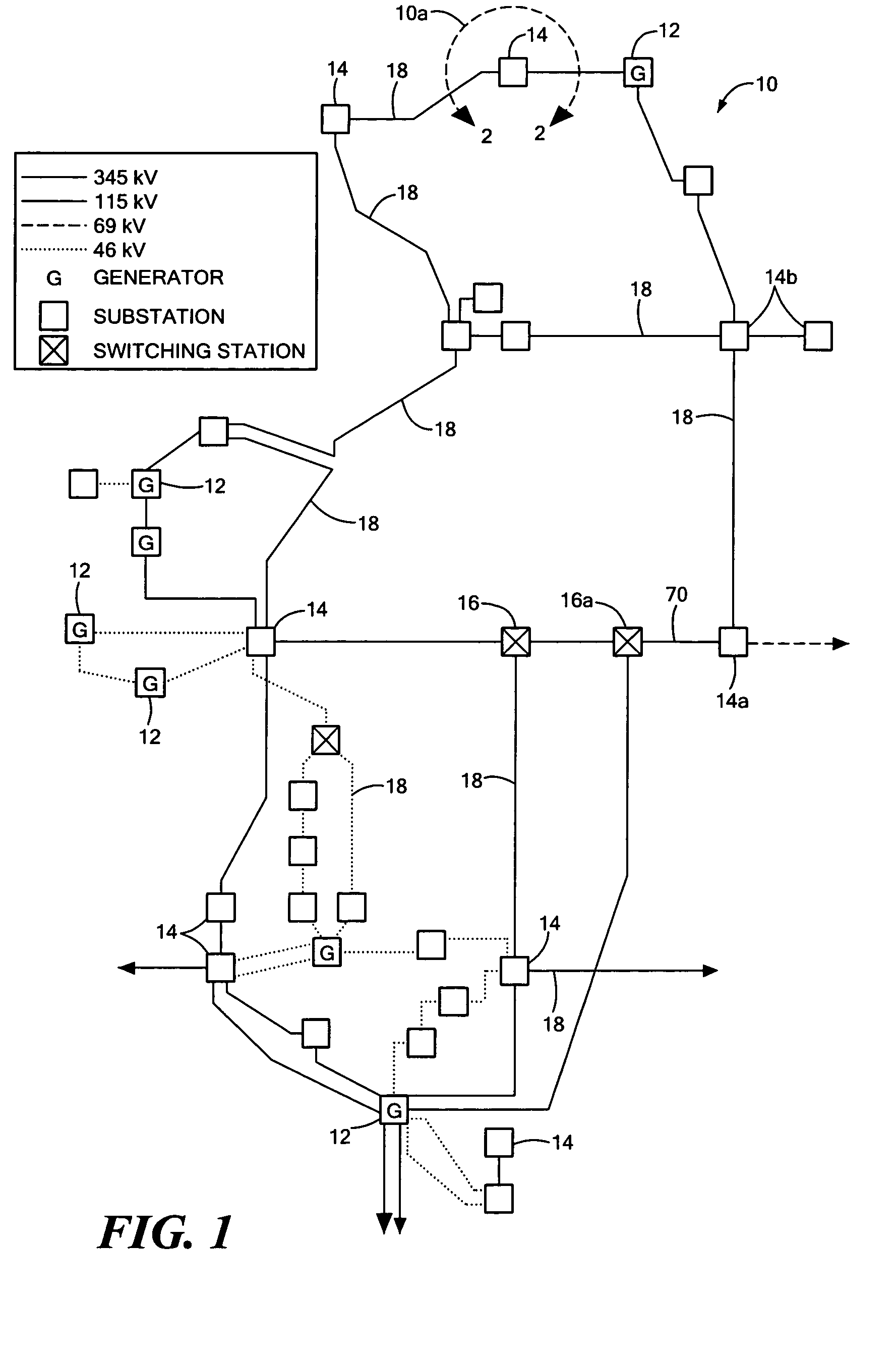
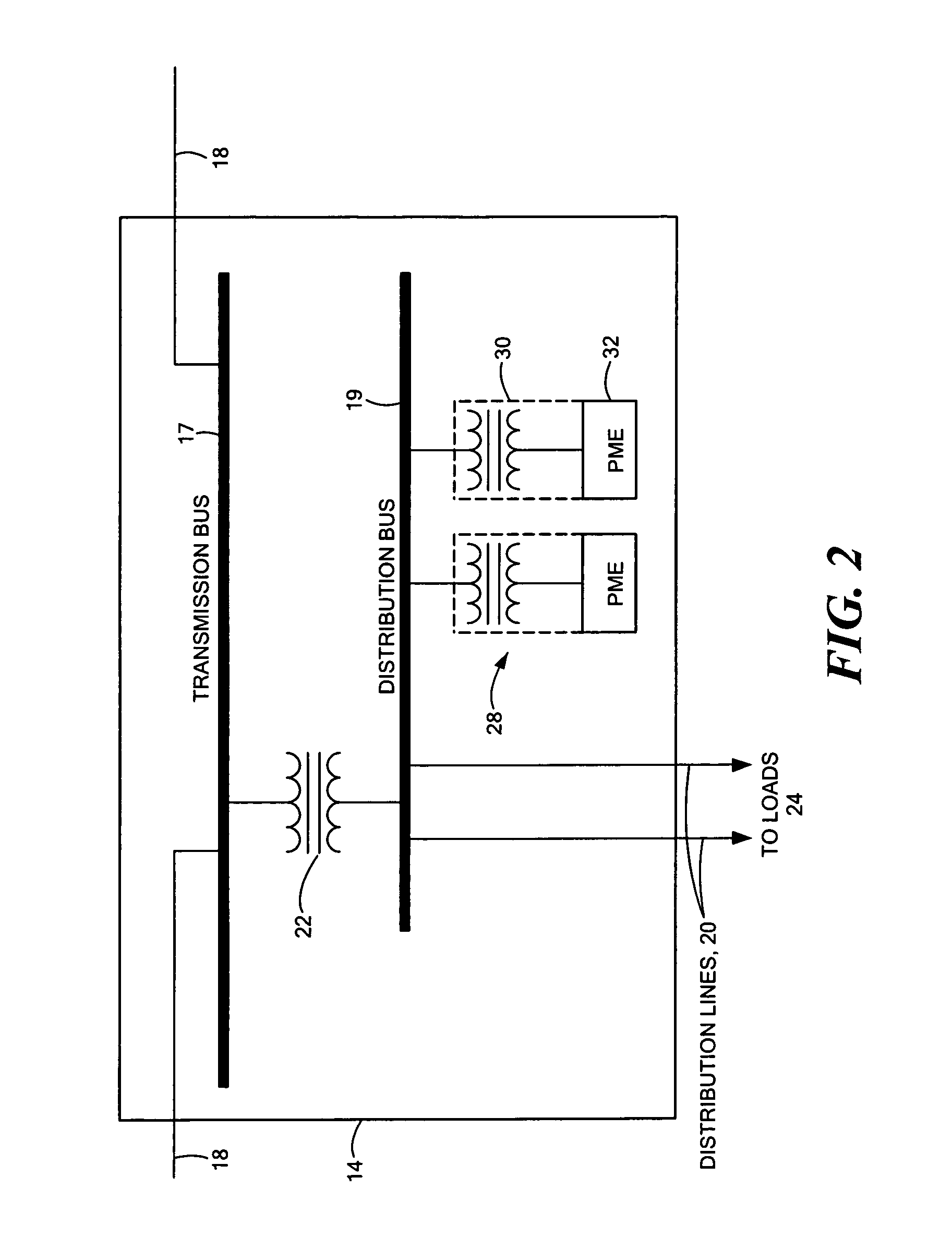
Supplementary transformer cooling in a reactive power compensation system
PatentActiveUS7567160B2
Innovation
- A reactive power compensation system that includes a power electronics enclosure with fans for cooling, directing airflow towards the transformer's cooling unit to provide supplementary cooling, eliminating the need for higher-rated transformers or additional fans, and allowing for closer placement without derating.

Control device reactive power compensator and method
PatentInactiveUS8330433B2
Innovation
- A control device that adjusts the gain of the voltage regulator using an equation-derived adjustment term, specifically multiplying the gain by (1+Xnet*BSVC)^2, to ensure constant control speed irrespective of the SVC's point of operation and power network strength, thereby providing stable and fast control performance.


Grid Code Standards for Reactive Power Devices
Grid code standards for reactive power devices have evolved significantly to accommodate the increasing complexity of modern power systems and the integration of advanced technologies like solid-state transformers and static VAR compensators. These standards establish fundamental requirements for reactive power capability, response time, and operational characteristics that both SSTs and SVCs must meet to ensure grid stability and reliability.
The IEEE 1547 standard series provides comprehensive guidelines for distributed energy resources, including reactive power requirements that apply to solid-state transformers when deployed in grid-tied applications. This standard mandates specific reactive power ranges, typically requiring devices to provide between 0.95 leading and 0.95 lagging power factor at rated output. Additionally, the standard specifies voltage regulation capabilities and response times for reactive power adjustments, which directly impact the comparative performance evaluation between SSTs and SVCs.
International standards such as IEC 61850 define communication protocols and data models for reactive power devices, establishing interoperability requirements that affect both technology types. The standard encompasses real-time control capabilities, monitoring functions, and grid integration protocols that influence the operational effectiveness of reactive power compensation systems. These communication standards are particularly relevant for SSTs, which inherently possess advanced digital control capabilities compared to traditional SVCs.
Grid codes also establish specific technical requirements for voltage support during grid disturbances. The NERC reliability standards mandate that reactive power devices maintain voltage support capabilities during system contingencies, with specific performance criteria for voltage ride-through and dynamic response characteristics. These requirements often favor solid-state transformers due to their faster response times and more precise control capabilities compared to conventional SVC systems.
Regional grid codes, such as the European Network Code on Requirements for Grid Connection, impose additional constraints on reactive power devices, including power quality standards, harmonic distortion limits, and grid support functions. These standards directly influence the design and operational parameters of both SSTs and SVCs, affecting their comparative advantages in different grid applications and regulatory environments.
The IEEE 1547 standard series provides comprehensive guidelines for distributed energy resources, including reactive power requirements that apply to solid-state transformers when deployed in grid-tied applications. This standard mandates specific reactive power ranges, typically requiring devices to provide between 0.95 leading and 0.95 lagging power factor at rated output. Additionally, the standard specifies voltage regulation capabilities and response times for reactive power adjustments, which directly impact the comparative performance evaluation between SSTs and SVCs.
International standards such as IEC 61850 define communication protocols and data models for reactive power devices, establishing interoperability requirements that affect both technology types. The standard encompasses real-time control capabilities, monitoring functions, and grid integration protocols that influence the operational effectiveness of reactive power compensation systems. These communication standards are particularly relevant for SSTs, which inherently possess advanced digital control capabilities compared to traditional SVCs.
Grid codes also establish specific technical requirements for voltage support during grid disturbances. The NERC reliability standards mandate that reactive power devices maintain voltage support capabilities during system contingencies, with specific performance criteria for voltage ride-through and dynamic response characteristics. These requirements often favor solid-state transformers due to their faster response times and more precise control capabilities compared to conventional SVC systems.
Regional grid codes, such as the European Network Code on Requirements for Grid Connection, impose additional constraints on reactive power devices, including power quality standards, harmonic distortion limits, and grid support functions. These standards directly influence the design and operational parameters of both SSTs and SVCs, affecting their comparative advantages in different grid applications and regulatory environments.
Environmental Impact of Power Electronic Solutions
The environmental implications of power electronic solutions, particularly when comparing Solid-State Transformers (SSTs) and Static Var Compensators (SVCs) for reactive power management, present significant considerations for sustainable grid infrastructure development. Both technologies offer distinct environmental profiles that must be evaluated across their entire lifecycle, from manufacturing through operation to end-of-life disposal.
SSTs demonstrate superior environmental performance through enhanced energy efficiency, typically achieving 98-99% efficiency compared to conventional transformer systems. This improved efficiency translates directly to reduced carbon emissions during operation, as lower losses mean decreased demand on power generation resources. The compact design of SSTs also reduces material consumption, requiring significantly less copper, steel, and insulating oil compared to traditional transformers of equivalent capacity.
SVCs, while effective for reactive power compensation, present different environmental considerations. Traditional thyristor-controlled reactors and capacitor banks require substantial cooling systems and generate harmonic distortions that can reduce overall grid efficiency. However, modern SVC implementations with advanced filtering systems have minimized these impacts while maintaining reliable reactive power control capabilities.
The manufacturing phase reveals contrasting environmental footprints between these technologies. SSTs require advanced semiconductor materials and rare earth elements, creating supply chain sustainability challenges and higher embodied carbon. Conversely, SVCs utilize more conventional materials but in larger quantities, resulting in different resource utilization patterns and manufacturing emissions profiles.
Operational environmental benefits of SSTs extend beyond efficiency gains to include reduced electromagnetic field emissions and elimination of transformer oil, preventing potential soil and groundwater contamination risks. The modular architecture of SSTs also enables more precise power quality control, reducing grid-wide losses and improving overall system environmental performance.
End-of-life considerations favor SSTs due to higher material recovery potential from semiconductor components, though specialized recycling processes are required. SVCs present more straightforward recycling pathways but involve larger volumes of conventional materials requiring processing and disposal.
SSTs demonstrate superior environmental performance through enhanced energy efficiency, typically achieving 98-99% efficiency compared to conventional transformer systems. This improved efficiency translates directly to reduced carbon emissions during operation, as lower losses mean decreased demand on power generation resources. The compact design of SSTs also reduces material consumption, requiring significantly less copper, steel, and insulating oil compared to traditional transformers of equivalent capacity.
SVCs, while effective for reactive power compensation, present different environmental considerations. Traditional thyristor-controlled reactors and capacitor banks require substantial cooling systems and generate harmonic distortions that can reduce overall grid efficiency. However, modern SVC implementations with advanced filtering systems have minimized these impacts while maintaining reliable reactive power control capabilities.
The manufacturing phase reveals contrasting environmental footprints between these technologies. SSTs require advanced semiconductor materials and rare earth elements, creating supply chain sustainability challenges and higher embodied carbon. Conversely, SVCs utilize more conventional materials but in larger quantities, resulting in different resource utilization patterns and manufacturing emissions profiles.
Operational environmental benefits of SSTs extend beyond efficiency gains to include reduced electromagnetic field emissions and elimination of transformer oil, preventing potential soil and groundwater contamination risks. The modular architecture of SSTs also enables more precise power quality control, reducing grid-wide losses and improving overall system environmental performance.
End-of-life considerations favor SSTs due to higher material recovery potential from semiconductor components, though specialized recycling processes are required. SVCs present more straightforward recycling pathways but involve larger volumes of conventional materials requiring processing and disposal.
Unlock deeper insights with Patsnap Eureka Quick Research — get a full tech report to explore trends and direct your research. Try now!
Generate Your Research Report Instantly with AI Agent
Supercharge your innovation with Patsnap Eureka AI Agent Platform!