
Solid-State Transformers for Industrial Applications: Use Cases
APR 20, 20269 MIN READ
Generate Your Research Report Instantly with AI Agent
Patsnap Eureka helps you evaluate technical feasibility & market potential.
Solid-State Transformer Technology Background and Industrial Goals
Solid-state transformers represent a paradigm shift from traditional electromagnetic transformers, leveraging power electronics and semiconductor technology to achieve superior performance characteristics. Unlike conventional transformers that rely on magnetic coupling through iron cores, SSTs utilize high-frequency switching circuits, advanced semiconductor devices, and sophisticated control algorithms to perform voltage transformation, isolation, and power conditioning functions.
The evolution of SST technology traces back to the 1970s when early power electronic converters emerged. However, significant advancement occurred in the 1990s with the development of high-voltage semiconductor devices and improved magnetic materials. The technology gained substantial momentum in the 2000s as wide-bandgap semiconductors like silicon carbide and gallium nitride became commercially viable, enabling higher switching frequencies and improved efficiency.
Modern SST development has been driven by the increasing demand for grid modernization, renewable energy integration, and industrial automation. The technology has evolved from simple AC-DC-AC conversion topologies to sophisticated multi-port, multi-functional systems capable of real-time power quality management, fault isolation, and bidirectional power flow control.
The primary technical objectives for industrial SST applications center on achieving high power density, typically targeting 10-20 times greater than conventional transformers. Efficiency targets exceed 98% across varying load conditions, while maintaining galvanic isolation ratings up to medium voltage levels. Advanced control capabilities include real-time voltage regulation, harmonic compensation, and power factor correction.
Industrial deployment goals emphasize modularity and scalability to accommodate diverse application requirements. SSTs must demonstrate enhanced reliability through fault tolerance mechanisms and predictive maintenance capabilities. Integration objectives include seamless compatibility with existing industrial infrastructure while providing advanced features like remote monitoring, grid synchronization, and energy storage interface capabilities.
Future technical targets focus on cost reduction through manufacturing optimization and component standardization. Performance goals include extended temperature operation ranges, reduced electromagnetic interference, and improved transient response characteristics. The ultimate objective involves establishing SSTs as the standard solution for next-generation industrial power distribution systems, enabling smart grid functionality and supporting the transition toward electrified industrial processes.
The evolution of SST technology traces back to the 1970s when early power electronic converters emerged. However, significant advancement occurred in the 1990s with the development of high-voltage semiconductor devices and improved magnetic materials. The technology gained substantial momentum in the 2000s as wide-bandgap semiconductors like silicon carbide and gallium nitride became commercially viable, enabling higher switching frequencies and improved efficiency.
Modern SST development has been driven by the increasing demand for grid modernization, renewable energy integration, and industrial automation. The technology has evolved from simple AC-DC-AC conversion topologies to sophisticated multi-port, multi-functional systems capable of real-time power quality management, fault isolation, and bidirectional power flow control.
The primary technical objectives for industrial SST applications center on achieving high power density, typically targeting 10-20 times greater than conventional transformers. Efficiency targets exceed 98% across varying load conditions, while maintaining galvanic isolation ratings up to medium voltage levels. Advanced control capabilities include real-time voltage regulation, harmonic compensation, and power factor correction.
Industrial deployment goals emphasize modularity and scalability to accommodate diverse application requirements. SSTs must demonstrate enhanced reliability through fault tolerance mechanisms and predictive maintenance capabilities. Integration objectives include seamless compatibility with existing industrial infrastructure while providing advanced features like remote monitoring, grid synchronization, and energy storage interface capabilities.
Future technical targets focus on cost reduction through manufacturing optimization and component standardization. Performance goals include extended temperature operation ranges, reduced electromagnetic interference, and improved transient response characteristics. The ultimate objective involves establishing SSTs as the standard solution for next-generation industrial power distribution systems, enabling smart grid functionality and supporting the transition toward electrified industrial processes.
Industrial Market Demand for Advanced Power Conversion Systems
The industrial sector is experiencing unprecedented demand for advanced power conversion systems, driven by the global transition toward electrification, renewable energy integration, and enhanced energy efficiency requirements. Manufacturing facilities, data centers, renewable energy installations, and electric vehicle charging infrastructure represent the primary growth segments demanding sophisticated power electronics solutions.
Traditional power conversion systems face significant limitations in meeting modern industrial requirements. Conventional transformers and power electronics struggle with efficiency losses, electromagnetic interference, size constraints, and limited controllability. These challenges become particularly acute in applications requiring precise power quality management, bidirectional power flow, and integration with smart grid systems.
The push for carbon neutrality and sustainability mandates has intensified industrial demand for power conversion technologies that can minimize energy losses and optimize system performance. Industries are seeking solutions that can handle multiple voltage levels, provide galvanic isolation, and offer superior power quality while maintaining compact footprints and reduced maintenance requirements.
Renewable energy integration presents another critical demand driver. Industrial facilities increasingly require power conversion systems capable of managing intermittent renewable sources, energy storage systems, and grid interconnection simultaneously. This necessitates advanced power electronics with sophisticated control capabilities and high-frequency operation characteristics.
The emergence of Industry 4.0 and smart manufacturing concepts has created demand for power conversion systems with enhanced monitoring, diagnostic, and communication capabilities. Industrial operators require real-time visibility into power system performance, predictive maintenance capabilities, and seamless integration with digital control systems.
Electric vehicle charging infrastructure development represents a rapidly expanding market segment requiring high-power, fast-charging solutions with superior efficiency and power quality characteristics. Industrial-scale charging facilities demand power conversion systems capable of managing multiple charging protocols while maintaining grid stability and power factor correction.
Data center expansion and edge computing growth have generated substantial demand for power conversion solutions offering high power density, exceptional efficiency, and robust fault tolerance. These applications require power systems capable of handling dynamic load variations while maintaining stringent power quality standards and minimizing electromagnetic interference.
Traditional power conversion systems face significant limitations in meeting modern industrial requirements. Conventional transformers and power electronics struggle with efficiency losses, electromagnetic interference, size constraints, and limited controllability. These challenges become particularly acute in applications requiring precise power quality management, bidirectional power flow, and integration with smart grid systems.
The push for carbon neutrality and sustainability mandates has intensified industrial demand for power conversion technologies that can minimize energy losses and optimize system performance. Industries are seeking solutions that can handle multiple voltage levels, provide galvanic isolation, and offer superior power quality while maintaining compact footprints and reduced maintenance requirements.
Renewable energy integration presents another critical demand driver. Industrial facilities increasingly require power conversion systems capable of managing intermittent renewable sources, energy storage systems, and grid interconnection simultaneously. This necessitates advanced power electronics with sophisticated control capabilities and high-frequency operation characteristics.
The emergence of Industry 4.0 and smart manufacturing concepts has created demand for power conversion systems with enhanced monitoring, diagnostic, and communication capabilities. Industrial operators require real-time visibility into power system performance, predictive maintenance capabilities, and seamless integration with digital control systems.
Electric vehicle charging infrastructure development represents a rapidly expanding market segment requiring high-power, fast-charging solutions with superior efficiency and power quality characteristics. Industrial-scale charging facilities demand power conversion systems capable of managing multiple charging protocols while maintaining grid stability and power factor correction.
Data center expansion and edge computing growth have generated substantial demand for power conversion solutions offering high power density, exceptional efficiency, and robust fault tolerance. These applications require power systems capable of handling dynamic load variations while maintaining stringent power quality standards and minimizing electromagnetic interference.
Current SST Development Status and Technical Challenges
Solid-State Transformers have reached a critical juncture in their development trajectory, with several prototypes and pilot installations demonstrating promising capabilities across industrial sectors. Current SST implementations primarily operate at medium voltage levels ranging from 1kV to 35kV, with power ratings extending up to several megawatts. Leading manufacturers have successfully deployed SSTs in renewable energy integration projects, data centers, and manufacturing facilities, showcasing improved power quality and enhanced grid flexibility compared to conventional transformers.
The technological maturity varies significantly across different SST architectures. Single-stage SSTs have achieved higher reliability levels but offer limited functionality, while multi-stage configurations provide superior performance at the cost of increased complexity. Wide bandgap semiconductors, particularly Silicon Carbide and Gallium Nitride devices, have enabled higher switching frequencies and improved efficiency, with some commercial units achieving efficiency rates exceeding 97% under optimal operating conditions.
Despite these advances, several critical technical challenges continue to impede widespread SST adoption in industrial applications. Power density remains a significant constraint, as current SST designs typically require 2-3 times more physical space than equivalent conventional transformers. This limitation particularly affects retrofit applications in existing industrial facilities where space constraints are paramount.
Thermal management represents another substantial challenge, especially in high-power industrial environments. The concentrated heat generation from power electronic components requires sophisticated cooling systems, increasing both complexity and maintenance requirements. Current cooling solutions often rely on forced air or liquid cooling systems that add to the overall system cost and reduce reliability in harsh industrial conditions.
Electromagnetic interference and compatibility issues pose ongoing challenges for SST integration into existing industrial infrastructure. The high-frequency switching operations inherent in SST designs generate electromagnetic emissions that can interfere with sensitive industrial control systems and communication networks. Developing effective EMI mitigation strategies while maintaining compact form factors remains an active area of research and development.
Cost considerations continue to be a primary barrier to widespread SST deployment. Current manufacturing costs for SSTs remain 3-5 times higher than conventional transformers of equivalent power ratings. The high cost of wide bandgap semiconductors, complex control systems, and specialized magnetic components contributes to this economic challenge, limiting adoption primarily to applications where the enhanced functionality justifies the premium pricing.
Standardization and regulatory frameworks for SSTs are still evolving, creating uncertainty for industrial adopters. The absence of comprehensive industry standards for SST performance, safety, and interoperability complicates procurement decisions and system integration efforts across different industrial sectors.
The technological maturity varies significantly across different SST architectures. Single-stage SSTs have achieved higher reliability levels but offer limited functionality, while multi-stage configurations provide superior performance at the cost of increased complexity. Wide bandgap semiconductors, particularly Silicon Carbide and Gallium Nitride devices, have enabled higher switching frequencies and improved efficiency, with some commercial units achieving efficiency rates exceeding 97% under optimal operating conditions.
Despite these advances, several critical technical challenges continue to impede widespread SST adoption in industrial applications. Power density remains a significant constraint, as current SST designs typically require 2-3 times more physical space than equivalent conventional transformers. This limitation particularly affects retrofit applications in existing industrial facilities where space constraints are paramount.
Thermal management represents another substantial challenge, especially in high-power industrial environments. The concentrated heat generation from power electronic components requires sophisticated cooling systems, increasing both complexity and maintenance requirements. Current cooling solutions often rely on forced air or liquid cooling systems that add to the overall system cost and reduce reliability in harsh industrial conditions.
Electromagnetic interference and compatibility issues pose ongoing challenges for SST integration into existing industrial infrastructure. The high-frequency switching operations inherent in SST designs generate electromagnetic emissions that can interfere with sensitive industrial control systems and communication networks. Developing effective EMI mitigation strategies while maintaining compact form factors remains an active area of research and development.
Cost considerations continue to be a primary barrier to widespread SST deployment. Current manufacturing costs for SSTs remain 3-5 times higher than conventional transformers of equivalent power ratings. The high cost of wide bandgap semiconductors, complex control systems, and specialized magnetic components contributes to this economic challenge, limiting adoption primarily to applications where the enhanced functionality justifies the premium pricing.
Standardization and regulatory frameworks for SSTs are still evolving, creating uncertainty for industrial adopters. The absence of comprehensive industry standards for SST performance, safety, and interoperability complicates procurement decisions and system integration efforts across different industrial sectors.
Current SST Solutions for Industrial Power Applications
01 Power conversion and voltage regulation in solid-state transformers
Solid-state transformers utilize advanced power electronic circuits to perform voltage conversion and regulation functions. These systems employ semiconductor devices to achieve efficient AC-AC, AC-DC, or DC-AC conversion without traditional magnetic cores. The technology enables precise control of output voltage levels and power flow management through sophisticated switching mechanisms and control algorithms.- Power conversion and voltage regulation in solid-state transformers: Solid-state transformers utilize advanced power electronic circuits to perform voltage conversion and regulation functions. These systems employ semiconductor switches and control circuits to achieve efficient AC-AC or AC-DC-AC conversion without traditional magnetic cores. The technology enables precise voltage control, improved power quality, and enhanced grid integration capabilities through digital control algorithms and real-time monitoring systems.
- Modular multilevel converter architectures for solid-state transformers: Modular multilevel converter topologies provide scalable solutions for high-voltage solid-state transformer applications. These architectures consist of cascaded converter modules that can be independently controlled to synthesize desired voltage waveforms. The modular approach offers advantages in terms of redundancy, fault tolerance, and ease of maintenance while enabling operation at medium and high voltage levels without requiring series connection of switching devices.
- Thermal management and cooling systems for solid-state transformers: Effective thermal management is critical for solid-state transformer reliability and performance. Advanced cooling techniques including liquid cooling, heat pipe technology, and optimized heat sink designs are employed to dissipate heat generated by power semiconductor devices. Thermal monitoring and control systems ensure operation within safe temperature ranges while maximizing power density and efficiency of the transformer system.
- Protection and fault detection mechanisms in solid-state transformers: Solid-state transformers incorporate sophisticated protection schemes to detect and respond to various fault conditions including overcurrent, overvoltage, and short circuits. These systems utilize fast-acting semiconductor switches combined with intelligent control algorithms to isolate faults and prevent damage to components. Advanced diagnostic capabilities enable predictive maintenance and enhance overall system reliability through continuous monitoring of operating parameters.
- Grid integration and smart grid applications of solid-state transformers: Solid-state transformers serve as enabling technology for smart grid applications by providing bidirectional power flow control, reactive power compensation, and harmonic filtering capabilities. These devices facilitate integration of renewable energy sources and distributed generation systems while offering advanced functionalities such as power quality improvement, voltage sag compensation, and active power management. Communication interfaces enable coordination with grid management systems for optimized energy distribution.
02 Modular and cascaded converter architectures
Implementation of modular multilevel converter topologies allows for scalable and flexible solid-state transformer designs. These architectures utilize cascaded power modules that can be configured to handle various voltage and power levels. The modular approach provides redundancy, improved fault tolerance, and simplified maintenance while enabling high-voltage applications through series connection of multiple converter stages.Expand Specific Solutions03 Thermal management and cooling systems
Effective heat dissipation mechanisms are critical for solid-state transformer operation due to high power densities in semiconductor devices. Advanced cooling solutions incorporate liquid cooling, heat pipes, or forced air systems to maintain optimal operating temperatures. Thermal design considerations include heat sink optimization, thermal interface materials, and temperature monitoring systems to ensure reliable long-term performance.Expand Specific Solutions04 Control strategies and protection mechanisms
Sophisticated control algorithms manage the operation of solid-state transformers including voltage regulation, power factor correction, and harmonic mitigation. Protection systems incorporate overcurrent detection, overvoltage protection, and fault isolation capabilities. Digital signal processors and microcontrollers implement real-time control functions with feedback loops to ensure stable operation under varying load conditions.Expand Specific Solutions05 Grid integration and smart grid applications
Solid-state transformers enable advanced grid functionalities including bidirectional power flow, reactive power compensation, and integration of renewable energy sources. These devices provide enhanced grid stability through active filtering, voltage support, and power quality improvement. Communication interfaces allow for remote monitoring and control, facilitating smart grid operations and distributed energy resource management.Expand Specific Solutions
Major Players in SST and Power Electronics Industry
The solid-state transformer market for industrial applications is in its early commercialization stage, transitioning from research and development to practical deployment. The market remains relatively niche but shows significant growth potential, driven by increasing demand for energy efficiency and grid modernization. Technology maturity varies considerably across market players, with established industrial giants like ABB Ltd., Mitsubishi Electric Corp., and Toshiba Corp. leading in advanced power electronics integration and system-level solutions. Semiconductor specialists including ON Semiconductor, GLOBALFOUNDRIES, and X-FAB provide critical component technologies, while companies like Huawei Digital Power Technologies and Delta Electronics focus on digital integration capabilities. The competitive landscape features a mix of traditional power equipment manufacturers, semiconductor companies, and emerging specialists like MaxPower Semiconductor, indicating the technology's interdisciplinary nature and the ongoing consolidation of expertise required for successful industrial implementation.
ABB Ltd.
Technical Solution: ABB has developed comprehensive solid-state transformer solutions for industrial grid applications, featuring modular multilevel converter topology with silicon carbide (SiC) power semiconductors. Their SST systems integrate power conversion, voltage regulation, and grid stabilization functions in a single compact unit. The technology enables bidirectional power flow control, reactive power compensation, and harmonic filtering capabilities. ABB's SST solutions are designed for medium voltage applications ranging from 1kV to 35kV, offering power densities up to 10kW/kg and efficiency levels exceeding 97%. The systems incorporate advanced control algorithms for grid synchronization and fault protection, making them suitable for renewable energy integration, industrial microgrids, and smart grid applications.
Strengths: Market leadership in power electronics, extensive industrial experience, proven reliability in harsh environments. Weaknesses: Higher initial costs, complex system integration requirements.
Toshiba Corp.
Technical Solution: Toshiba has developed solid-state transformer solutions leveraging their expertise in power semiconductors and magnetic components. Their SST technology employs dual active bridge converter architecture with high-frequency isolation transformers and advanced SiC power devices. The systems provide comprehensive power quality improvement including voltage sag compensation, flicker mitigation, and power factor correction for industrial loads. Toshiba's SST platforms support power ratings from 500kVA to 5MVA with modular expansion capabilities. The technology incorporates machine learning algorithms for adaptive control and fault prediction, making it suitable for critical industrial applications such as semiconductor fabrication facilities and pharmaceutical manufacturing where power quality is paramount.
Strengths: Strong semiconductor technology foundation, excellent power quality performance, advanced AI-based control systems. Weaknesses: Higher development costs, limited commercial deployment experience compared to traditional solutions.
Core SST Patents and Wide Bandgap Semiconductor Innovations
Power unit and solid-state transformer
PatentPendingEP4369588A1
Innovation
- A power unit comprising a first subsidiary power supply circuit and a first power circuit, where the first power circuit includes an AC/AC power main circuit and a first control module, and a second power circuit with an AC/DC power main circuit, allowing for voltage adjustment and reliable power delivery to the control modules, with no separate isolation device required.


Phase-shift control method for power module, three-phase power module, and power system
PatentActiveUS20220368235A1
Innovation
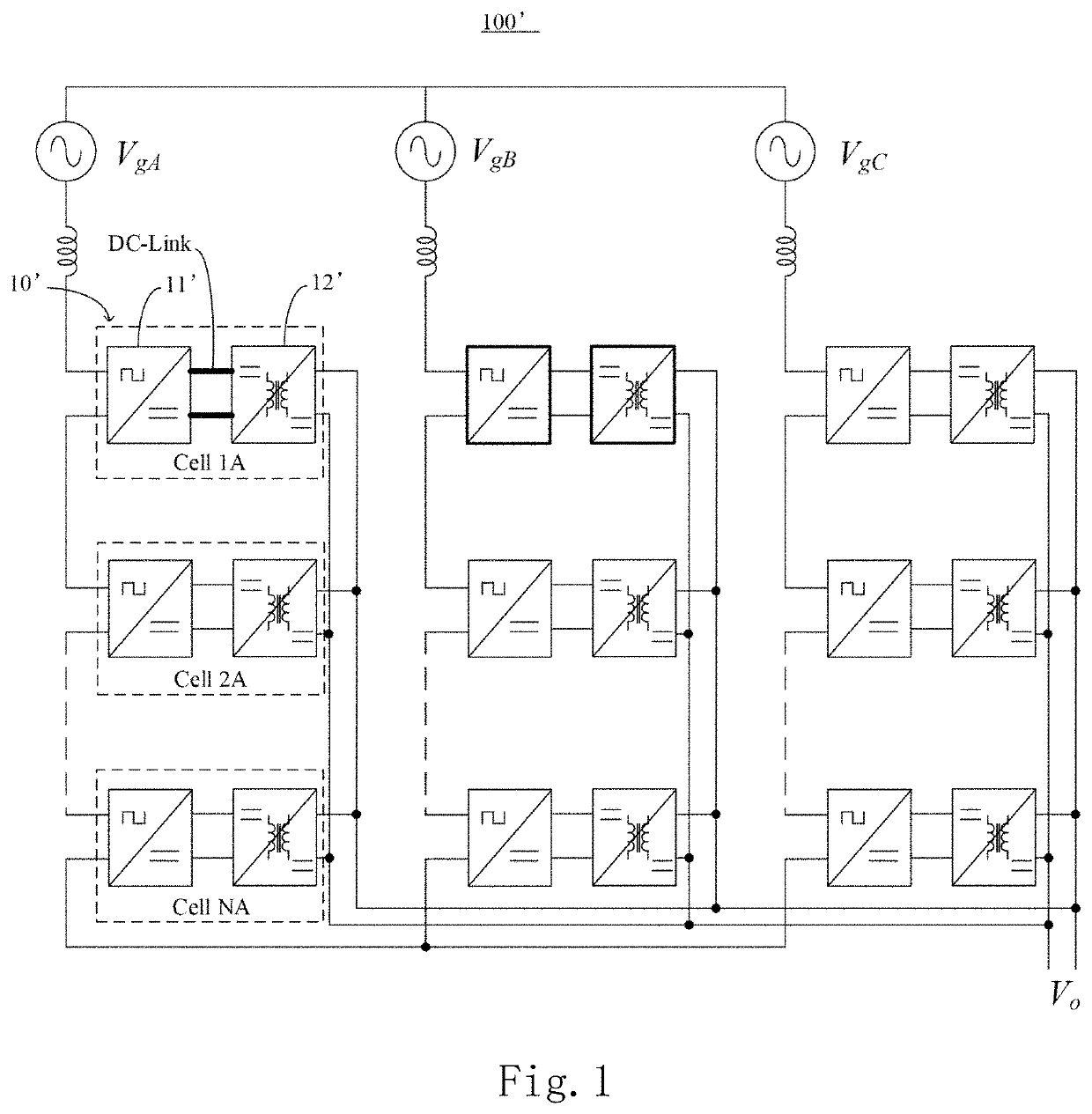
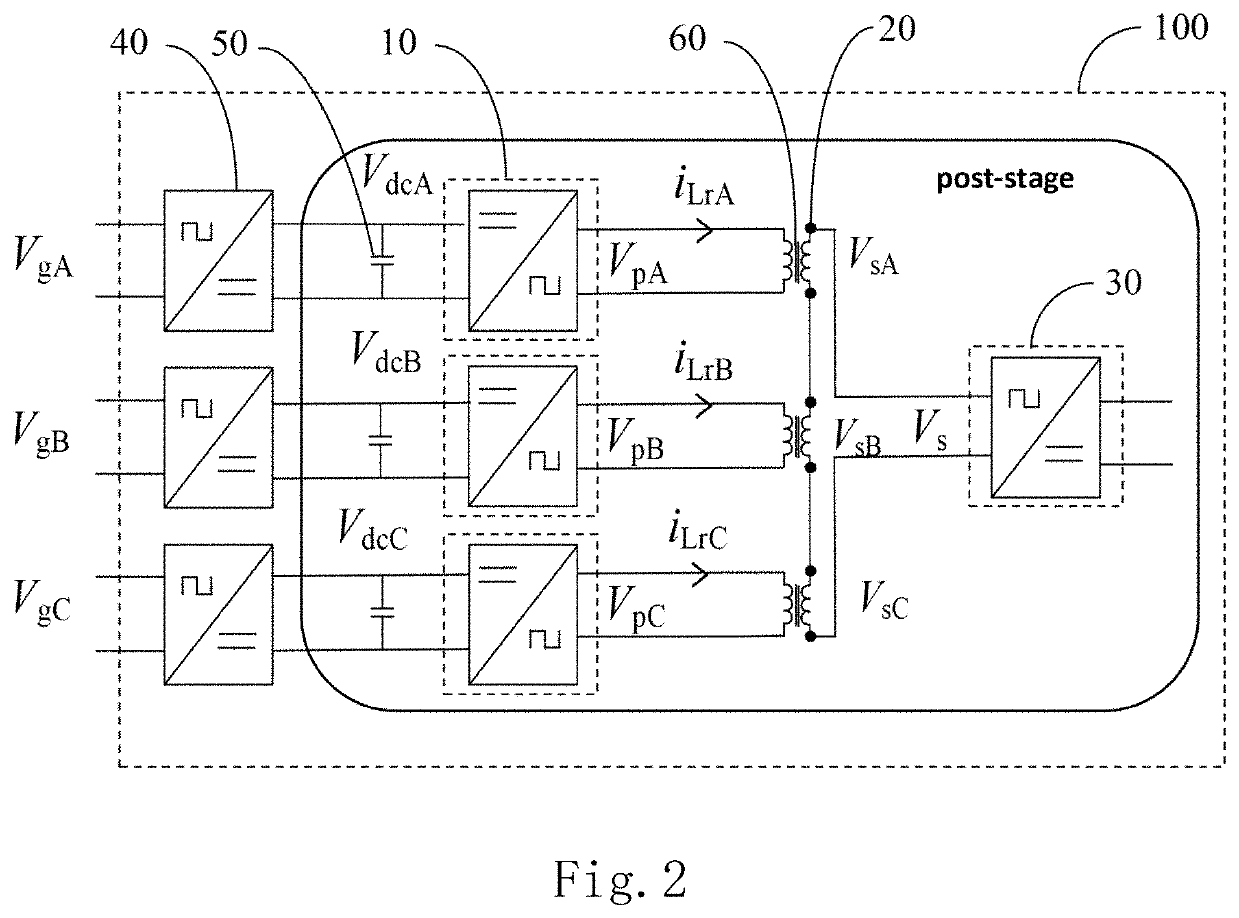
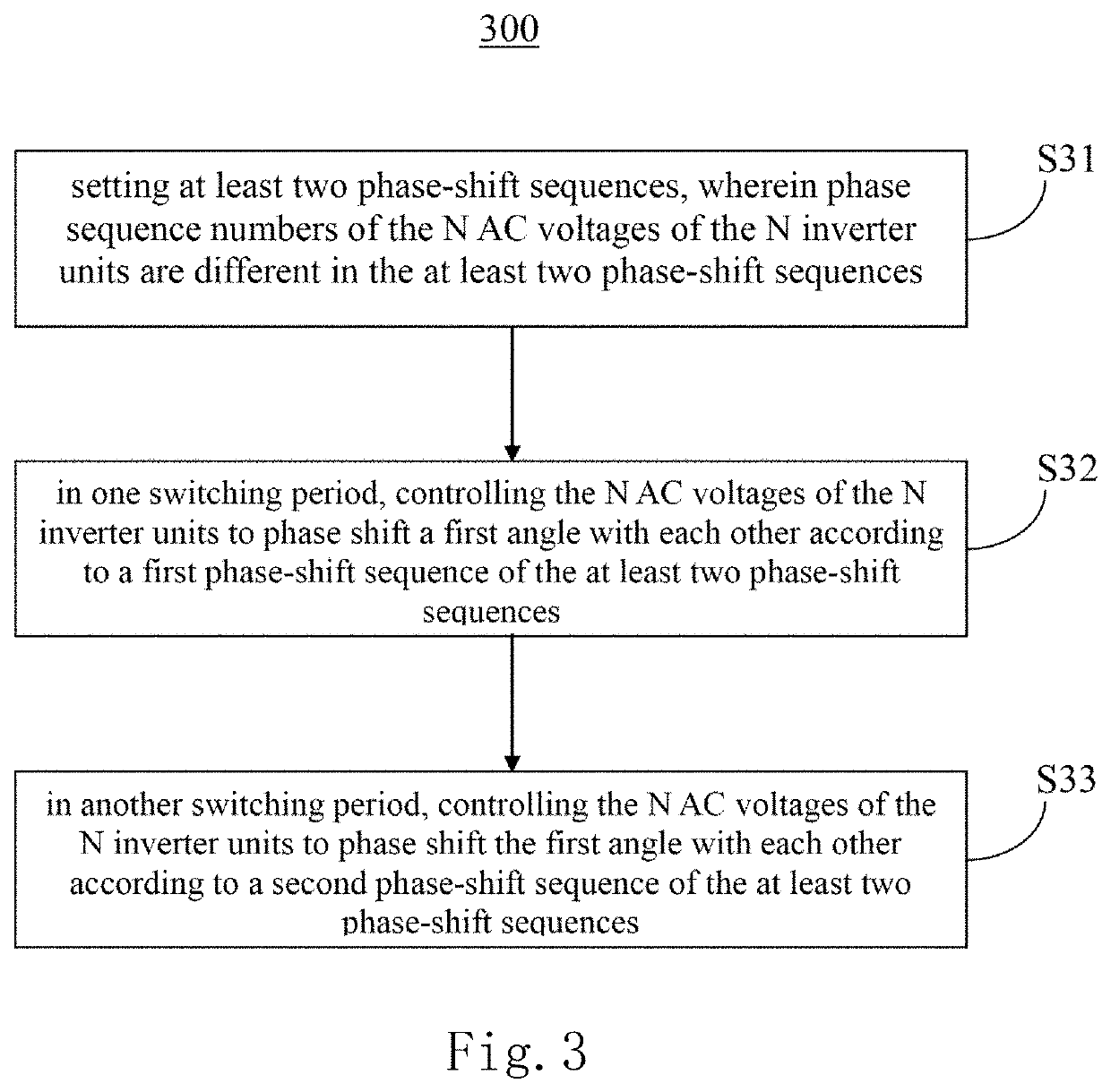
- A phase-shift control method for power modules, where N inverter units output AC voltages that are cascaded and connected to a post-stage rectifier circuit, with at least two phase-shift sequences controlling the AC voltages to phase shift alternately, inhibiting double frequency fluctuations and balancing powers among phases.

Grid Integration Standards and Power System Regulations
The integration of solid-state transformers into industrial power systems requires adherence to a complex framework of grid integration standards and power system regulations. These regulatory requirements serve as the foundation for ensuring safe, reliable, and efficient operation of SST-based industrial installations while maintaining grid stability and power quality.
IEEE standards play a pivotal role in governing SST grid integration, particularly IEEE 1547 which establishes interconnection requirements for distributed energy resources. This standard addresses voltage regulation, frequency response, and ride-through capabilities that SSTs must demonstrate when interfacing with utility grids. Additionally, IEEE 519 provides harmonic distortion limits that are crucial for SST designs, as power electronic converters inherently generate harmonics that must be mitigated to acceptable levels.
International Electrotechnical Commission standards, specifically IEC 61850 for communication protocols and IEC 62040 for uninterruptible power systems, establish communication frameworks and performance criteria relevant to SST applications. These standards ensure interoperability between SST systems and existing grid infrastructure, enabling seamless integration of advanced monitoring and control capabilities.
Regional regulatory bodies impose additional compliance requirements that vary by jurisdiction. In North America, NERC reliability standards mandate specific performance criteria for grid-connected equipment, including fault ride-through capabilities and frequency response characteristics. European regulations under the Network Code on Requirements for Grid Connection emphasize grid support functions and reactive power management, which directly impact SST design specifications.
Industrial applications face unique regulatory challenges due to their high power demands and critical operational requirements. Safety standards such as IEC 61508 for functional safety and NFPA 70E for electrical safety in the workplace establish mandatory protection systems and operational procedures. These regulations require SSTs to incorporate advanced fault detection, isolation capabilities, and fail-safe mechanisms to protect both equipment and personnel.
Power quality regulations significantly influence SST implementation strategies. Voltage flicker limits, harmonic emission standards, and power factor requirements necessitate sophisticated control algorithms and filtering systems. Industrial facilities must demonstrate compliance through comprehensive testing and ongoing monitoring, often requiring specialized measurement equipment and data logging systems.
Emerging regulations addressing cybersecurity, such as NERC CIP standards, impose additional requirements for SST systems with communication capabilities. These standards mandate secure communication protocols, access controls, and vulnerability management procedures that must be integrated into SST design and operation frameworks from the initial development phase.
IEEE standards play a pivotal role in governing SST grid integration, particularly IEEE 1547 which establishes interconnection requirements for distributed energy resources. This standard addresses voltage regulation, frequency response, and ride-through capabilities that SSTs must demonstrate when interfacing with utility grids. Additionally, IEEE 519 provides harmonic distortion limits that are crucial for SST designs, as power electronic converters inherently generate harmonics that must be mitigated to acceptable levels.
International Electrotechnical Commission standards, specifically IEC 61850 for communication protocols and IEC 62040 for uninterruptible power systems, establish communication frameworks and performance criteria relevant to SST applications. These standards ensure interoperability between SST systems and existing grid infrastructure, enabling seamless integration of advanced monitoring and control capabilities.
Regional regulatory bodies impose additional compliance requirements that vary by jurisdiction. In North America, NERC reliability standards mandate specific performance criteria for grid-connected equipment, including fault ride-through capabilities and frequency response characteristics. European regulations under the Network Code on Requirements for Grid Connection emphasize grid support functions and reactive power management, which directly impact SST design specifications.
Industrial applications face unique regulatory challenges due to their high power demands and critical operational requirements. Safety standards such as IEC 61508 for functional safety and NFPA 70E for electrical safety in the workplace establish mandatory protection systems and operational procedures. These regulations require SSTs to incorporate advanced fault detection, isolation capabilities, and fail-safe mechanisms to protect both equipment and personnel.
Power quality regulations significantly influence SST implementation strategies. Voltage flicker limits, harmonic emission standards, and power factor requirements necessitate sophisticated control algorithms and filtering systems. Industrial facilities must demonstrate compliance through comprehensive testing and ongoing monitoring, often requiring specialized measurement equipment and data logging systems.
Emerging regulations addressing cybersecurity, such as NERC CIP standards, impose additional requirements for SST systems with communication capabilities. These standards mandate secure communication protocols, access controls, and vulnerability management procedures that must be integrated into SST design and operation frameworks from the initial development phase.
Environmental Impact and Energy Efficiency Considerations
Solid-state transformers represent a paradigm shift in power conversion technology, offering substantial environmental benefits compared to conventional electromagnetic transformers. The elimination of mineral oil-based insulation systems significantly reduces the risk of environmental contamination, as traditional transformers contain thousands of liters of dielectric fluids that pose potential soil and groundwater pollution risks. SSTs utilize solid insulation materials and advanced semiconductor devices, creating a more environmentally sustainable solution for industrial power management.
Energy efficiency improvements in SSTs stem from their advanced power electronic architectures and intelligent control systems. Unlike conventional transformers that operate at fixed frequencies, SSTs can dynamically optimize their operating parameters to minimize losses across varying load conditions. The integration of wide-bandgap semiconductors, such as silicon carbide and gallium nitride devices, enables higher switching frequencies and reduced conduction losses, resulting in overall efficiency improvements of 2-4% compared to traditional transformer systems.
The compact design of SSTs contributes to reduced material consumption and manufacturing environmental impact. Traditional transformers require substantial amounts of copper, steel, and insulating oil, whereas SSTs achieve equivalent functionality with significantly less raw material usage. This reduction translates to lower carbon footprints during manufacturing and transportation phases, while also minimizing the physical footprint required for installation in industrial facilities.
SSTs enable enhanced grid integration capabilities that support renewable energy adoption and smart grid functionalities. Their bidirectional power flow capabilities facilitate efficient integration of distributed energy resources, energy storage systems, and electric vehicle charging infrastructure. The advanced control algorithms embedded in SSTs can provide real-time power quality management, reactive power compensation, and harmonic filtering, reducing the need for additional auxiliary equipment and improving overall system efficiency.
The lifecycle environmental impact of SSTs demonstrates favorable characteristics through reduced maintenance requirements and extended operational lifespans. The absence of oil-based cooling systems eliminates the need for periodic fluid replacement and associated waste disposal concerns. Additionally, the modular architecture of SSTs enables selective component replacement rather than complete system replacement, reducing electronic waste generation and supporting circular economy principles in industrial applications.
Energy efficiency improvements in SSTs stem from their advanced power electronic architectures and intelligent control systems. Unlike conventional transformers that operate at fixed frequencies, SSTs can dynamically optimize their operating parameters to minimize losses across varying load conditions. The integration of wide-bandgap semiconductors, such as silicon carbide and gallium nitride devices, enables higher switching frequencies and reduced conduction losses, resulting in overall efficiency improvements of 2-4% compared to traditional transformer systems.
The compact design of SSTs contributes to reduced material consumption and manufacturing environmental impact. Traditional transformers require substantial amounts of copper, steel, and insulating oil, whereas SSTs achieve equivalent functionality with significantly less raw material usage. This reduction translates to lower carbon footprints during manufacturing and transportation phases, while also minimizing the physical footprint required for installation in industrial facilities.
SSTs enable enhanced grid integration capabilities that support renewable energy adoption and smart grid functionalities. Their bidirectional power flow capabilities facilitate efficient integration of distributed energy resources, energy storage systems, and electric vehicle charging infrastructure. The advanced control algorithms embedded in SSTs can provide real-time power quality management, reactive power compensation, and harmonic filtering, reducing the need for additional auxiliary equipment and improving overall system efficiency.
The lifecycle environmental impact of SSTs demonstrates favorable characteristics through reduced maintenance requirements and extended operational lifespans. The absence of oil-based cooling systems eliminates the need for periodic fluid replacement and associated waste disposal concerns. Additionally, the modular architecture of SSTs enables selective component replacement rather than complete system replacement, reducing electronic waste generation and supporting circular economy principles in industrial applications.
Unlock deeper insights with Patsnap Eureka Quick Research — get a full tech report to explore trends and direct your research. Try now!
Generate Your Research Report Instantly with AI Agent
Supercharge your innovation with Patsnap Eureka AI Agent Platform!