
How to Optimize Solid-State Transformer Magnetic Circuit Design
APR 20, 20269 MIN READ
Generate Your Research Report Instantly with AI Agent
Patsnap Eureka helps you evaluate technical feasibility & market potential.
SST Magnetic Circuit Design Background and Objectives
Solid-State Transformers represent a paradigm shift from traditional electromagnetic transformers, emerging as critical components in modern power electronics systems. The evolution of SST technology has been driven by the increasing demand for efficient, compact, and intelligent power conversion solutions across various applications including renewable energy integration, electric vehicle charging infrastructure, and smart grid systems.
The magnetic circuit design within SSTs has undergone significant transformation over the past two decades. Early implementations focused primarily on basic isolation and voltage transformation functions, utilizing conventional magnetic materials and simple core geometries. However, the progression toward higher switching frequencies, increased power densities, and enhanced efficiency requirements has necessitated sophisticated magnetic circuit optimization approaches.
Contemporary SST magnetic circuits must address multiple competing objectives simultaneously. Power density optimization requires minimizing core volume and weight while maintaining adequate magnetic flux handling capabilities. Efficiency maximization demands careful consideration of core losses, including hysteresis, eddy current, and excess losses across wide frequency ranges. Thermal management becomes increasingly critical as power densities rise, requiring magnetic designs that facilitate effective heat dissipation pathways.
The primary technical objectives driving current magnetic circuit optimization efforts encompass several key areas. Loss minimization remains paramount, targeting both frequency-dependent core losses and proximity effects in windings. Electromagnetic interference suppression requires careful attention to leakage inductance control and common-mode noise reduction. Additionally, achieving high coupling coefficients while maintaining reasonable leakage inductance values presents ongoing design challenges.
Advanced magnetic materials, including nanocrystalline alloys, ferrite composites, and powder cores, offer expanded design possibilities but introduce complexity in material selection and characterization. The integration of these materials with innovative core geometries, such as planar transformers, matrix transformers, and distributed magnetic structures, creates new optimization opportunities while demanding sophisticated modeling and analysis techniques.
Future magnetic circuit design objectives increasingly emphasize multi-physics optimization, incorporating electromagnetic, thermal, and mechanical considerations simultaneously. The development of intelligent magnetic components with embedded sensing capabilities and adaptive characteristics represents an emerging frontier, enabling real-time optimization and condition monitoring within SST systems.
The magnetic circuit design within SSTs has undergone significant transformation over the past two decades. Early implementations focused primarily on basic isolation and voltage transformation functions, utilizing conventional magnetic materials and simple core geometries. However, the progression toward higher switching frequencies, increased power densities, and enhanced efficiency requirements has necessitated sophisticated magnetic circuit optimization approaches.
Contemporary SST magnetic circuits must address multiple competing objectives simultaneously. Power density optimization requires minimizing core volume and weight while maintaining adequate magnetic flux handling capabilities. Efficiency maximization demands careful consideration of core losses, including hysteresis, eddy current, and excess losses across wide frequency ranges. Thermal management becomes increasingly critical as power densities rise, requiring magnetic designs that facilitate effective heat dissipation pathways.
The primary technical objectives driving current magnetic circuit optimization efforts encompass several key areas. Loss minimization remains paramount, targeting both frequency-dependent core losses and proximity effects in windings. Electromagnetic interference suppression requires careful attention to leakage inductance control and common-mode noise reduction. Additionally, achieving high coupling coefficients while maintaining reasonable leakage inductance values presents ongoing design challenges.
Advanced magnetic materials, including nanocrystalline alloys, ferrite composites, and powder cores, offer expanded design possibilities but introduce complexity in material selection and characterization. The integration of these materials with innovative core geometries, such as planar transformers, matrix transformers, and distributed magnetic structures, creates new optimization opportunities while demanding sophisticated modeling and analysis techniques.
Future magnetic circuit design objectives increasingly emphasize multi-physics optimization, incorporating electromagnetic, thermal, and mechanical considerations simultaneously. The development of intelligent magnetic components with embedded sensing capabilities and adaptive characteristics represents an emerging frontier, enabling real-time optimization and condition monitoring within SST systems.
Market Demand for Advanced SST Solutions
The global energy transition toward renewable sources and smart grid infrastructure has created substantial market demand for advanced solid-state transformer solutions. Traditional electromagnetic transformers face increasing limitations in modern power systems, particularly regarding efficiency, size, and controllability requirements. This gap has positioned SSTs as critical enabling technology for next-generation electrical infrastructure.
Power grid modernization initiatives worldwide are driving significant demand for SST technology. Utilities require transformers capable of bidirectional power flow management, real-time voltage regulation, and seamless integration with distributed energy resources. The magnetic circuit optimization directly impacts these capabilities by determining power density, efficiency levels, and thermal management characteristics that utilities prioritize in their procurement decisions.
Industrial applications represent another major demand driver for optimized SST magnetic circuits. Manufacturing facilities increasingly require precise power quality control and fault isolation capabilities that conventional transformers cannot provide. Advanced magnetic circuit designs enable SSTs to deliver superior harmonic filtering, voltage sag compensation, and power factor correction, addressing critical industrial power quality requirements.
The electric vehicle charging infrastructure market has emerged as a particularly demanding application for SST technology. Fast-charging stations require compact, high-efficiency transformers capable of handling variable load conditions while maintaining thermal stability. Optimized magnetic circuit designs are essential for achieving the power density and efficiency targets necessary for commercially viable charging infrastructure deployment.
Data center operators constitute a growing market segment seeking advanced SST solutions for improved energy efficiency and space utilization. The exponential growth in cloud computing and artificial intelligence applications has intensified demand for power conversion systems with superior efficiency characteristics. Magnetic circuit optimization directly addresses these requirements by minimizing core losses and enabling higher switching frequencies.
Renewable energy integration applications continue expanding market demand for SST technology. Solar and wind installations require sophisticated power conversion capabilities for grid interconnection, energy storage integration, and power quality management. Advanced magnetic circuit designs enable SSTs to handle the variable nature of renewable energy sources while maintaining grid stability requirements.
The maritime and aerospace sectors represent emerging markets for compact, lightweight SST solutions where magnetic circuit optimization becomes critical for meeting strict weight and volume constraints. These applications demand exceptional power density achievements that depend heavily on advanced magnetic circuit design methodologies.
Market research indicates sustained growth in SST adoption across multiple sectors, with magnetic circuit performance serving as a key differentiator among competing solutions. The convergence of electrification trends, grid modernization requirements, and efficiency mandates continues driving demand for increasingly sophisticated SST magnetic circuit designs.
Power grid modernization initiatives worldwide are driving significant demand for SST technology. Utilities require transformers capable of bidirectional power flow management, real-time voltage regulation, and seamless integration with distributed energy resources. The magnetic circuit optimization directly impacts these capabilities by determining power density, efficiency levels, and thermal management characteristics that utilities prioritize in their procurement decisions.
Industrial applications represent another major demand driver for optimized SST magnetic circuits. Manufacturing facilities increasingly require precise power quality control and fault isolation capabilities that conventional transformers cannot provide. Advanced magnetic circuit designs enable SSTs to deliver superior harmonic filtering, voltage sag compensation, and power factor correction, addressing critical industrial power quality requirements.
The electric vehicle charging infrastructure market has emerged as a particularly demanding application for SST technology. Fast-charging stations require compact, high-efficiency transformers capable of handling variable load conditions while maintaining thermal stability. Optimized magnetic circuit designs are essential for achieving the power density and efficiency targets necessary for commercially viable charging infrastructure deployment.
Data center operators constitute a growing market segment seeking advanced SST solutions for improved energy efficiency and space utilization. The exponential growth in cloud computing and artificial intelligence applications has intensified demand for power conversion systems with superior efficiency characteristics. Magnetic circuit optimization directly addresses these requirements by minimizing core losses and enabling higher switching frequencies.
Renewable energy integration applications continue expanding market demand for SST technology. Solar and wind installations require sophisticated power conversion capabilities for grid interconnection, energy storage integration, and power quality management. Advanced magnetic circuit designs enable SSTs to handle the variable nature of renewable energy sources while maintaining grid stability requirements.
The maritime and aerospace sectors represent emerging markets for compact, lightweight SST solutions where magnetic circuit optimization becomes critical for meeting strict weight and volume constraints. These applications demand exceptional power density achievements that depend heavily on advanced magnetic circuit design methodologies.
Market research indicates sustained growth in SST adoption across multiple sectors, with magnetic circuit performance serving as a key differentiator among competing solutions. The convergence of electrification trends, grid modernization requirements, and efficiency mandates continues driving demand for increasingly sophisticated SST magnetic circuit designs.
Current SST Magnetic Design Challenges and Limitations
Solid-state transformer magnetic circuit design faces significant thermal management challenges that fundamentally limit performance optimization. The high-frequency switching operations generate substantial heat within magnetic cores, particularly in ferrite and nanocrystalline materials. This thermal accumulation leads to increased core losses, reduced magnetic permeability, and potential thermal runaway conditions. Current cooling solutions struggle to effectively dissipate heat from densely packed magnetic components, creating hotspots that compromise overall system reliability and efficiency.
Core material selection presents another critical limitation in contemporary SST designs. Traditional ferrite cores exhibit frequency-dependent losses that increase substantially at the high switching frequencies required for compact SST implementations. While nanocrystalline and amorphous materials offer improved high-frequency characteristics, they introduce manufacturing complexities and cost constraints. The trade-off between core loss minimization and saturation flux density optimization remains unresolved, forcing designers to compromise between efficiency and power density.
Magnetic coupling optimization between primary and secondary windings represents a persistent design challenge. Achieving optimal coupling coefficients while maintaining electrical isolation requirements creates conflicting design objectives. Leakage inductance management becomes increasingly difficult as designers attempt to minimize transformer size while preserving coupling performance. Current design methodologies lack comprehensive approaches to simultaneously optimize coupling, minimize losses, and maintain compact form factors.
Winding configuration and conductor selection limitations significantly impact SST magnetic circuit performance. High-frequency skin and proximity effects necessitate complex litz wire configurations or specialized conductor geometries, increasing manufacturing complexity and costs. The challenge of achieving uniform current distribution across multiple parallel conductors while minimizing AC resistance remains inadequately addressed by existing design approaches.
Integration density constraints pose fundamental limitations on magnetic circuit optimization. As power electronics components become more compact, magnetic components must achieve higher power densities without compromising performance. Current design methodologies struggle to balance the competing requirements of reduced size, improved efficiency, and enhanced thermal performance. The lack of standardized design optimization frameworks further complicates the development of next-generation SST magnetic circuits.
Electromagnetic interference and compatibility issues create additional design constraints that limit optimization potential. High-frequency magnetic fields generated by SST operations can interfere with adjacent components and systems. Current shielding and filtering approaches add complexity and volume to magnetic circuit designs, counteracting efforts to achieve compact, high-performance implementations.
Core material selection presents another critical limitation in contemporary SST designs. Traditional ferrite cores exhibit frequency-dependent losses that increase substantially at the high switching frequencies required for compact SST implementations. While nanocrystalline and amorphous materials offer improved high-frequency characteristics, they introduce manufacturing complexities and cost constraints. The trade-off between core loss minimization and saturation flux density optimization remains unresolved, forcing designers to compromise between efficiency and power density.
Magnetic coupling optimization between primary and secondary windings represents a persistent design challenge. Achieving optimal coupling coefficients while maintaining electrical isolation requirements creates conflicting design objectives. Leakage inductance management becomes increasingly difficult as designers attempt to minimize transformer size while preserving coupling performance. Current design methodologies lack comprehensive approaches to simultaneously optimize coupling, minimize losses, and maintain compact form factors.
Winding configuration and conductor selection limitations significantly impact SST magnetic circuit performance. High-frequency skin and proximity effects necessitate complex litz wire configurations or specialized conductor geometries, increasing manufacturing complexity and costs. The challenge of achieving uniform current distribution across multiple parallel conductors while minimizing AC resistance remains inadequately addressed by existing design approaches.
Integration density constraints pose fundamental limitations on magnetic circuit optimization. As power electronics components become more compact, magnetic components must achieve higher power densities without compromising performance. Current design methodologies struggle to balance the competing requirements of reduced size, improved efficiency, and enhanced thermal performance. The lack of standardized design optimization frameworks further complicates the development of next-generation SST magnetic circuits.
Electromagnetic interference and compatibility issues create additional design constraints that limit optimization potential. High-frequency magnetic fields generated by SST operations can interfere with adjacent components and systems. Current shielding and filtering approaches add complexity and volume to magnetic circuit designs, counteracting efforts to achieve compact, high-performance implementations.
Existing SST Magnetic Circuit Design Solutions
01 Core structure and material optimization for solid-state transformers
The magnetic core structure and material selection are critical for solid-state transformer performance. Advanced core designs utilize high-permeability magnetic materials and optimized geometries to reduce core losses and improve magnetic flux distribution. Techniques include laminated core structures, amorphous or nanocrystalline materials, and specialized core shapes that minimize eddy current losses while maximizing magnetic coupling efficiency.- Core structure and material optimization for solid-state transformers: The magnetic core structure and material selection are critical for solid-state transformer performance. Advanced core designs utilize high-permeability magnetic materials and optimized geometries to reduce core losses and improve magnetic flux distribution. Techniques include laminated core structures, amorphous or nanocrystalline materials, and specialized core shapes that minimize eddy current losses while maximizing magnetic coupling efficiency.
- Winding configuration and arrangement design: The winding design significantly impacts the magnetic circuit performance in solid-state transformers. This includes optimizing the number of turns, wire gauge, winding patterns, and spatial arrangement of primary and secondary windings. Advanced configurations employ interleaved windings, multi-layer structures, and specific winding techniques to minimize leakage inductance, reduce electromagnetic interference, and improve coupling coefficient between windings.
- Magnetic flux path optimization and leakage reduction: Controlling magnetic flux paths and minimizing leakage flux are essential for efficient solid-state transformer operation. Design approaches focus on optimizing the magnetic circuit topology to ensure proper flux guidance and containment. This involves careful consideration of air gaps, magnetic shielding structures, and flux return paths to reduce stray magnetic fields and improve overall magnetic circuit efficiency.
- Integrated magnetic component design for power conversion: Integration of multiple magnetic functions into a single magnetic structure enhances solid-state transformer compactness and performance. This approach combines transformer and inductor functions within a shared magnetic core, utilizing common flux paths and optimized magnetic circuit designs. The integrated design reduces component count, improves power density, and enables better thermal management while maintaining electrical isolation and voltage transformation capabilities.
- High-frequency magnetic circuit design and loss mitigation: Solid-state transformers operating at high frequencies require specialized magnetic circuit designs to address frequency-dependent losses. Design considerations include selecting appropriate core materials with low high-frequency losses, optimizing core geometry to minimize skin and proximity effects in windings, and implementing thermal management strategies. Advanced designs incorporate finite element analysis to predict and minimize AC losses, ensuring efficient operation across wide frequency ranges.
02 Winding configuration and arrangement techniques
The winding design significantly impacts the magnetic circuit performance in solid-state transformers. Various winding configurations are employed to optimize magnetic coupling, reduce leakage inductance, and minimize electromagnetic interference. These include interleaved winding arrangements, multi-layer winding structures, and specialized coil geometries that enhance power density and thermal management while maintaining electrical isolation between primary and secondary circuits.Expand Specific Solutions03 Magnetic flux path optimization and leakage reduction
Optimizing the magnetic flux path is essential for improving transformer efficiency and reducing losses. Design approaches focus on minimizing magnetic leakage flux through careful geometric arrangement of core components and windings. Techniques include flux-guided core structures, magnetic shielding elements, and strategic placement of air gaps to control flux distribution and reduce stray magnetic fields that can cause losses and electromagnetic interference.Expand Specific Solutions04 Integrated magnetic component design for power conversion
Integration of multiple magnetic functions into a single magnetic circuit structure enables compact solid-state transformer designs. This approach combines transformer and inductor functions within a shared magnetic core, reducing overall size and weight while improving power density. The integrated design requires careful consideration of magnetic coupling between different functional elements and optimization of the shared magnetic path to maintain performance across all operating conditions.Expand Specific Solutions05 High-frequency magnetic circuit design and loss mitigation
Solid-state transformers operating at high frequencies require specialized magnetic circuit designs to address frequency-dependent losses. Design strategies include selection of low-loss magnetic materials suitable for high-frequency operation, optimization of core geometry to minimize skin and proximity effects, and implementation of advanced cooling techniques. The magnetic circuit must be designed to handle high-frequency switching while maintaining efficiency and preventing excessive temperature rise due to core and winding losses.Expand Specific Solutions
Key Players in SST and Magnetic Component Industry
The solid-state transformer magnetic circuit design optimization field represents an emerging technology sector in the early commercialization stage, driven by increasing demand for efficient power conversion in renewable energy and electric vehicle applications. The market demonstrates significant growth potential, estimated to reach several billion dollars by 2030, as traditional transformers face limitations in modern grid applications. Technology maturity varies considerably across market participants, with established power electronics companies like ABB Ltd., Eaton Intelligent Power Ltd., and Infineon Technologies AG leading advanced magnetic design capabilities through decades of transformer expertise. Semiconductor giants including Qualcomm, Taiwan Semiconductor Manufacturing, and Sony Semiconductor Solutions contribute critical component technologies, while telecommunications leaders ZTE Corp. and Huawei Technologies drive integration solutions. Research institutions such as Wuhan University and Hebei University of Technology provide foundational research, though commercial applications remain limited. The competitive landscape shows fragmentation between traditional power companies, semiconductor manufacturers, and emerging technology developers, indicating the technology's transitional phase from laboratory research toward mainstream industrial adoption.
Delta Electronics, Inc.
Technical Solution: Delta Electronics has developed comprehensive SST solutions with focus on magnetic circuit optimization for renewable energy integration and data center applications. Their design approach utilizes dual active bridge (DAB) topology with specially designed medium-frequency transformers operating at 10-20 kHz. The magnetic circuit optimization includes innovative core geometries using powder cores and ferrite combinations to achieve optimal flux distribution while minimizing eddy current losses. Delta's SST designs incorporate advanced winding techniques including interleaved windings and foil conductors to reduce proximity effects and achieve efficiency levels above 97%. Their magnetic design process employs multi-physics simulation tools for coupled electromagnetic-thermal analysis and utilizes machine learning algorithms for core material selection optimization.
Strengths: Strong power supply and renewable energy market presence, comprehensive manufacturing capabilities, cost-effective solutions. Weaknesses: Less advanced semiconductor technology compared to specialized chip manufacturers, limited presence in automotive applications.
Eaton Intelligent Power Ltd.
Technical Solution: Eaton has developed solid-state transformer solutions specifically targeting grid modernization and microgrid applications with emphasis on magnetic circuit reliability and longevity. Their SST design utilizes cascaded H-bridge topology with optimized medium-frequency transformers featuring distributed magnetic structures. The magnetic circuit design focuses on fault tolerance through redundant flux paths and utilizes grain-oriented electrical steel with specialized coating to minimize losses. Eaton's approach includes innovative cooling integration within the magnetic structure, achieving thermal resistance reduction of 40% compared to conventional air-cooled designs. Their magnetic optimization methodology incorporates reliability-centered design principles with accelerated aging tests and predictive maintenance algorithms for core condition monitoring.
Strengths: Extensive grid infrastructure experience, robust reliability engineering, strong service and maintenance network. Weaknesses: Conservative approach to new technologies, slower adoption of advanced materials and topologies.
Core Innovations in SST Magnetic Optimization
Expert system based transformer electromagnetic optimization design method
PatentActiveCN105956332A
Innovation
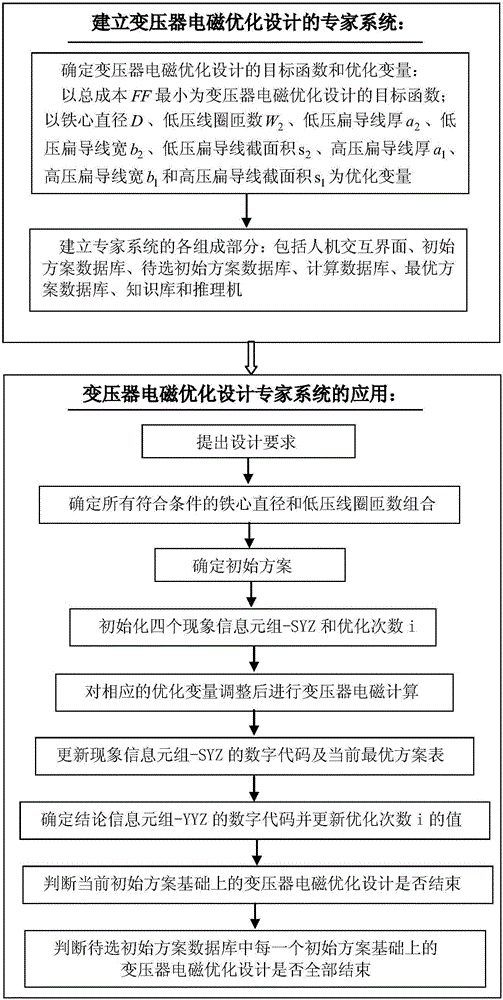
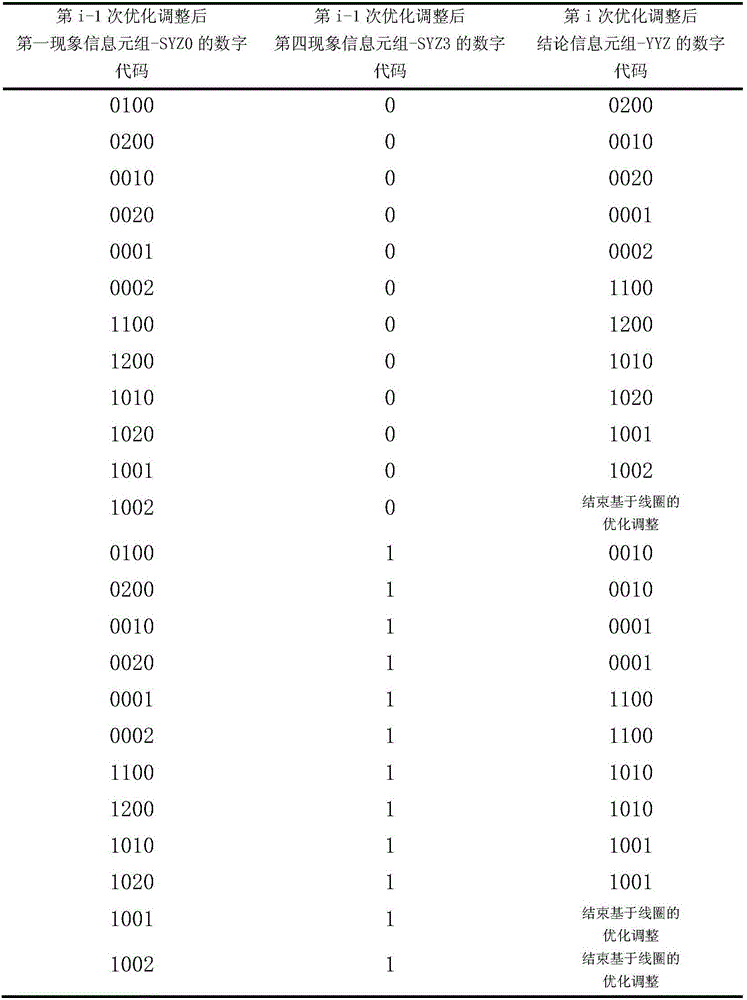
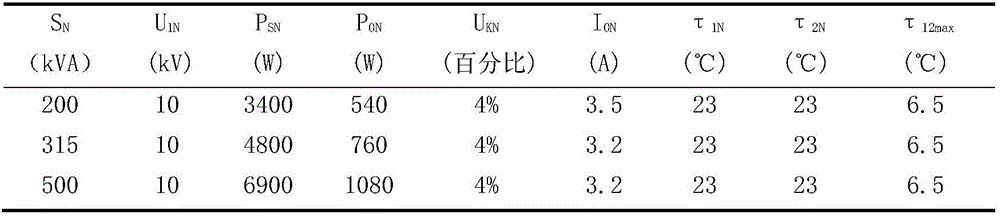
- An expert system-based transformer electromagnetic optimization design method is adopted. By establishing an expert system, the expert's knowledge and experience are used to determine the objective function and optimization variables. Combined with the human-computer interaction interface, database and inference engine, the transformer electromagnetic optimization design is carried out, relying on experts. knowledge and experience to overcome the shortcomings of mathematical algorithms.

Magnetic core with yoke limb
PatentWO2019129491A1
Innovation
- A magnetic core design featuring a return leg composed of laminated cores offset to shift the geometric center of gravity towards the core leg, reducing the magnetic path and core sheet material, and incorporating a pressing device with multiple units to enhance pressing and create cooling channels perpendicular to the laminated cores, optimizing the magnetic path and reducing the number of cooling channels.


Grid Integration Standards for SST Systems
The integration of Solid-State Transformers into existing power grid infrastructure requires adherence to comprehensive standards that ensure safe, reliable, and efficient operation. Current grid integration standards for SST systems encompass multiple regulatory frameworks, including IEEE 1547 for distributed energy resource interconnection, IEC 61850 for communication protocols, and emerging IEEE 2030.10 specifically addressing SST grid integration requirements.
Voltage regulation standards mandate that SST systems maintain voltage levels within ±5% of nominal values during normal operation, with enhanced dynamic response capabilities compared to conventional transformers. Power quality requirements specify total harmonic distortion limits below 5% for voltage and 8% for current, necessitating sophisticated filtering and control algorithms within SST magnetic circuit designs. These standards directly influence the optimization of magnetic components, requiring designers to consider harmonic mitigation in core material selection and winding configurations.
Protection coordination standards establish fault detection and isolation requirements that SST systems must satisfy. The magnetic circuit design must accommodate current transformer integration for precise fault current measurement and enable rapid fault clearing within 2-3 cycles. This requirement influences the selection of magnetic core materials and the implementation of auxiliary windings for protection sensing.
Communication and interoperability standards define the protocols SST systems must support for grid monitoring and control. IEC 61850-based communication requirements necessitate the integration of intelligent electronic devices within SST designs, affecting the overall magnetic circuit layout and thermal management considerations. The magnetic design must accommodate additional sensing windings and current transformers to provide real-time operational data.
Grid code compliance varies by region but generally requires SST systems to provide ancillary services including reactive power support, voltage regulation, and frequency response. These functional requirements directly impact magnetic circuit optimization, particularly in terms of core sizing, winding arrangements, and thermal design to handle varying power flow conditions while maintaining efficiency and reliability standards.
Voltage regulation standards mandate that SST systems maintain voltage levels within ±5% of nominal values during normal operation, with enhanced dynamic response capabilities compared to conventional transformers. Power quality requirements specify total harmonic distortion limits below 5% for voltage and 8% for current, necessitating sophisticated filtering and control algorithms within SST magnetic circuit designs. These standards directly influence the optimization of magnetic components, requiring designers to consider harmonic mitigation in core material selection and winding configurations.
Protection coordination standards establish fault detection and isolation requirements that SST systems must satisfy. The magnetic circuit design must accommodate current transformer integration for precise fault current measurement and enable rapid fault clearing within 2-3 cycles. This requirement influences the selection of magnetic core materials and the implementation of auxiliary windings for protection sensing.
Communication and interoperability standards define the protocols SST systems must support for grid monitoring and control. IEC 61850-based communication requirements necessitate the integration of intelligent electronic devices within SST designs, affecting the overall magnetic circuit layout and thermal management considerations. The magnetic design must accommodate additional sensing windings and current transformers to provide real-time operational data.
Grid code compliance varies by region but generally requires SST systems to provide ancillary services including reactive power support, voltage regulation, and frequency response. These functional requirements directly impact magnetic circuit optimization, particularly in terms of core sizing, winding arrangements, and thermal design to handle varying power flow conditions while maintaining efficiency and reliability standards.
Thermal Management in High-Frequency SST Design
Thermal management represents one of the most critical challenges in high-frequency solid-state transformer design, directly impacting system reliability, efficiency, and operational lifespan. As SSTs operate at elevated frequencies ranging from tens to hundreds of kilohertz, the increased switching frequency generates substantial heat within magnetic cores, power semiconductors, and auxiliary components. This thermal stress becomes particularly pronounced in compact designs where power density requirements push thermal limits.
The primary heat sources in high-frequency SST systems include core losses in magnetic materials, conduction and switching losses in power devices, and resistive losses in windings. Core losses escalate significantly with frequency due to hysteresis and eddy current effects, while semiconductor switching losses increase proportionally with switching frequency. These combined thermal effects create localized hot spots that can exceed safe operating temperatures, leading to accelerated aging, reduced efficiency, and potential system failure.
Advanced cooling strategies have emerged to address these thermal challenges effectively. Liquid cooling systems utilizing specialized coolants provide superior heat dissipation compared to traditional air cooling, enabling higher power densities and more compact designs. Phase-change cooling technologies, including heat pipes and vapor chambers, offer efficient heat transfer mechanisms that can handle the non-uniform thermal distribution typical in SST applications.
Material selection plays a crucial role in thermal management optimization. High thermal conductivity substrates, such as aluminum nitride and silicon carbide, facilitate rapid heat extraction from critical components. Advanced thermal interface materials with enhanced conductivity properties improve heat transfer between components and cooling systems, reducing thermal resistance pathways.
Innovative design approaches integrate thermal considerations directly into the magnetic circuit optimization process. Three-dimensional thermal modeling enables designers to predict temperature distributions and identify potential thermal bottlenecks before physical prototyping. Thermal-aware component placement strategies position heat-generating elements to maximize cooling effectiveness while minimizing thermal coupling between sensitive components.
Smart thermal management systems incorporate real-time temperature monitoring and adaptive cooling control mechanisms. These systems dynamically adjust cooling performance based on operating conditions, optimizing energy consumption while maintaining safe operating temperatures across varying load conditions and environmental factors.
The primary heat sources in high-frequency SST systems include core losses in magnetic materials, conduction and switching losses in power devices, and resistive losses in windings. Core losses escalate significantly with frequency due to hysteresis and eddy current effects, while semiconductor switching losses increase proportionally with switching frequency. These combined thermal effects create localized hot spots that can exceed safe operating temperatures, leading to accelerated aging, reduced efficiency, and potential system failure.
Advanced cooling strategies have emerged to address these thermal challenges effectively. Liquid cooling systems utilizing specialized coolants provide superior heat dissipation compared to traditional air cooling, enabling higher power densities and more compact designs. Phase-change cooling technologies, including heat pipes and vapor chambers, offer efficient heat transfer mechanisms that can handle the non-uniform thermal distribution typical in SST applications.
Material selection plays a crucial role in thermal management optimization. High thermal conductivity substrates, such as aluminum nitride and silicon carbide, facilitate rapid heat extraction from critical components. Advanced thermal interface materials with enhanced conductivity properties improve heat transfer between components and cooling systems, reducing thermal resistance pathways.
Innovative design approaches integrate thermal considerations directly into the magnetic circuit optimization process. Three-dimensional thermal modeling enables designers to predict temperature distributions and identify potential thermal bottlenecks before physical prototyping. Thermal-aware component placement strategies position heat-generating elements to maximize cooling effectiveness while minimizing thermal coupling between sensitive components.
Smart thermal management systems incorporate real-time temperature monitoring and adaptive cooling control mechanisms. These systems dynamically adjust cooling performance based on operating conditions, optimizing energy consumption while maintaining safe operating temperatures across varying load conditions and environmental factors.
Unlock deeper insights with Patsnap Eureka Quick Research — get a full tech report to explore trends and direct your research. Try now!
Generate Your Research Report Instantly with AI Agent
Supercharge your innovation with Patsnap Eureka AI Agent Platform!