How to Implement LDAC in Collaborative Sound Projects?
JUL 4, 20259 MIN READ
Generate Your Research Report Instantly with AI Agent
PatSnap Eureka helps you evaluate technical feasibility & market potential.
LDAC Technology Overview and Objectives
LDAC (Low Latency Audio Codec) is a cutting-edge audio coding technology developed by Sony Corporation, designed to deliver high-quality wireless audio transmission. In the context of collaborative sound projects, LDAC presents a significant advancement in audio fidelity and performance. This technology aims to overcome the limitations of traditional Bluetooth audio codecs by offering higher bitrates and improved sound quality.
The primary objective of implementing LDAC in collaborative sound projects is to enhance the overall audio experience while maintaining low latency, which is crucial for real-time collaboration. LDAC supports up to 990 kbps bitrate at 24 bit/96 kHz audio resolution, significantly surpassing the capabilities of standard Bluetooth codecs like SBC or AAC.
LDAC's development can be traced back to Sony's efforts to improve wireless audio transmission quality. The technology was first introduced in 2015 and has since gained widespread adoption in the audio industry. Its evolution has been driven by the increasing demand for high-resolution audio in various applications, including music production, live performances, and immersive audio experiences.
In collaborative sound projects, LDAC addresses several key challenges. It aims to minimize audio compression artifacts, reduce latency, and maintain signal integrity across wireless connections. These improvements are particularly valuable in scenarios where multiple audio sources need to be synchronized or when real-time audio processing is required.
The technology employs adaptive bit rate allocation and efficient encoding algorithms to optimize audio quality based on available bandwidth and connection stability. This dynamic approach ensures that the best possible audio quality is maintained even under varying network conditions, which is essential for collaborative projects where participants may be in different locations or using diverse audio equipment.
LDAC's implementation in collaborative sound projects opens up new possibilities for remote music production, virtual concerts, and interactive audio installations. It enables artists, producers, and sound engineers to work together seamlessly, sharing high-quality audio streams with minimal latency and degradation.
Looking ahead, the continued development of LDAC technology is expected to focus on further reducing latency, improving energy efficiency, and expanding compatibility across a wider range of devices and platforms. These advancements will likely contribute to more immersive and responsive collaborative audio experiences, pushing the boundaries of what is possible in remote and distributed sound projects.
The primary objective of implementing LDAC in collaborative sound projects is to enhance the overall audio experience while maintaining low latency, which is crucial for real-time collaboration. LDAC supports up to 990 kbps bitrate at 24 bit/96 kHz audio resolution, significantly surpassing the capabilities of standard Bluetooth codecs like SBC or AAC.
LDAC's development can be traced back to Sony's efforts to improve wireless audio transmission quality. The technology was first introduced in 2015 and has since gained widespread adoption in the audio industry. Its evolution has been driven by the increasing demand for high-resolution audio in various applications, including music production, live performances, and immersive audio experiences.
In collaborative sound projects, LDAC addresses several key challenges. It aims to minimize audio compression artifacts, reduce latency, and maintain signal integrity across wireless connections. These improvements are particularly valuable in scenarios where multiple audio sources need to be synchronized or when real-time audio processing is required.
The technology employs adaptive bit rate allocation and efficient encoding algorithms to optimize audio quality based on available bandwidth and connection stability. This dynamic approach ensures that the best possible audio quality is maintained even under varying network conditions, which is essential for collaborative projects where participants may be in different locations or using diverse audio equipment.
LDAC's implementation in collaborative sound projects opens up new possibilities for remote music production, virtual concerts, and interactive audio installations. It enables artists, producers, and sound engineers to work together seamlessly, sharing high-quality audio streams with minimal latency and degradation.
Looking ahead, the continued development of LDAC technology is expected to focus on further reducing latency, improving energy efficiency, and expanding compatibility across a wider range of devices and platforms. These advancements will likely contribute to more immersive and responsive collaborative audio experiences, pushing the boundaries of what is possible in remote and distributed sound projects.
Market Analysis for High-Resolution Audio
The high-resolution audio market has experienced significant growth in recent years, driven by increasing consumer demand for superior sound quality and immersive listening experiences. As music streaming services and digital audio technologies continue to evolve, there is a growing appetite for audio formats that can deliver studio-quality sound to end-users. This trend has been further accelerated by the widespread adoption of high-quality audio equipment, including premium headphones, speakers, and portable music players.
The global high-resolution audio market is projected to expand at a compound annual growth rate (CAGR) of over 8% from 2021 to 2026. This growth is attributed to factors such as the rising popularity of lossless audio streaming services, advancements in audio coding technologies like LDAC, and the increasing availability of high-resolution audio content across various genres and platforms.
One of the key drivers of market growth is the proliferation of streaming services offering high-resolution audio options. Major players like Tidal, Amazon Music HD, and Qobuz have been at the forefront of this trend, providing subscribers with access to extensive libraries of high-fidelity tracks. This has created a competitive landscape where audio quality has become a significant differentiator among streaming platforms.
The hardware segment of the high-resolution audio market has also seen substantial development. Manufacturers of digital-to-analog converters (DACs), amplifiers, and speakers have been introducing products specifically designed to support high-resolution audio formats. This has led to a broader ecosystem of compatible devices, making it easier for consumers to integrate high-resolution audio into their existing setups.
In the context of collaborative sound projects, the implementation of LDAC technology presents significant market opportunities. LDAC, developed by Sony, offers high-quality wireless audio transmission, capable of transmitting up to 990 kbps at 24 bit/96 kHz. This makes it particularly attractive for professional audio applications, studio environments, and live performance setups where multiple wireless audio devices need to communicate with minimal latency and maximum fidelity.
The adoption of LDAC in collaborative sound projects could potentially open up new market segments, particularly in the professional audio and music production industries. It could enable more seamless integration of wireless audio devices in studio environments, enhance the quality of live performances, and improve the overall workflow in music production and post-production processes.
However, challenges remain in terms of widespread adoption and compatibility across different devices and platforms. The market for high-resolution audio technologies like LDAC in collaborative sound projects is still relatively niche, and there is a need for increased awareness and education among both professionals and consumers about the benefits of such technologies.
The global high-resolution audio market is projected to expand at a compound annual growth rate (CAGR) of over 8% from 2021 to 2026. This growth is attributed to factors such as the rising popularity of lossless audio streaming services, advancements in audio coding technologies like LDAC, and the increasing availability of high-resolution audio content across various genres and platforms.
One of the key drivers of market growth is the proliferation of streaming services offering high-resolution audio options. Major players like Tidal, Amazon Music HD, and Qobuz have been at the forefront of this trend, providing subscribers with access to extensive libraries of high-fidelity tracks. This has created a competitive landscape where audio quality has become a significant differentiator among streaming platforms.
The hardware segment of the high-resolution audio market has also seen substantial development. Manufacturers of digital-to-analog converters (DACs), amplifiers, and speakers have been introducing products specifically designed to support high-resolution audio formats. This has led to a broader ecosystem of compatible devices, making it easier for consumers to integrate high-resolution audio into their existing setups.
In the context of collaborative sound projects, the implementation of LDAC technology presents significant market opportunities. LDAC, developed by Sony, offers high-quality wireless audio transmission, capable of transmitting up to 990 kbps at 24 bit/96 kHz. This makes it particularly attractive for professional audio applications, studio environments, and live performance setups where multiple wireless audio devices need to communicate with minimal latency and maximum fidelity.
The adoption of LDAC in collaborative sound projects could potentially open up new market segments, particularly in the professional audio and music production industries. It could enable more seamless integration of wireless audio devices in studio environments, enhance the quality of live performances, and improve the overall workflow in music production and post-production processes.
However, challenges remain in terms of widespread adoption and compatibility across different devices and platforms. The market for high-resolution audio technologies like LDAC in collaborative sound projects is still relatively niche, and there is a need for increased awareness and education among both professionals and consumers about the benefits of such technologies.
LDAC Implementation Challenges
Implementing LDAC (Low Latency Audio Codec) in collaborative sound projects presents several significant challenges that developers and audio engineers must address. One of the primary obstacles is achieving low latency while maintaining high audio quality. LDAC's complex encoding and decoding processes can introduce delays, which are particularly problematic in real-time collaborative environments where synchronization is crucial.
Another major challenge is ensuring compatibility across different devices and platforms. LDAC, being a proprietary codec developed by Sony, may not be universally supported, leading to potential interoperability issues in collaborative projects involving diverse hardware and software ecosystems. This limitation can restrict the accessibility and scalability of LDAC-based solutions in multi-user scenarios.
Bandwidth management poses an additional hurdle in LDAC implementation. While LDAC offers high-quality audio transmission, it requires substantial bandwidth, especially at its highest quality settings. In collaborative projects where multiple audio streams are being transmitted simultaneously, this can strain network resources and potentially lead to degraded performance or dropouts.
Power consumption is another critical factor to consider, particularly for mobile and battery-powered devices. LDAC's advanced encoding and decoding processes are computationally intensive, which can result in increased power usage. This challenge becomes more pronounced in extended collaborative sessions or when working with resource-constrained devices.
Synchronization across multiple devices and users presents a complex technical challenge. Maintaining precise timing and alignment of audio streams from different sources is essential for a seamless collaborative experience. LDAC's variable bit rate and potential for packet loss can complicate this synchronization process, requiring sophisticated timing mechanisms and error correction strategies.
Implementing effective error handling and recovery mechanisms is crucial when working with LDAC in collaborative environments. Network instabilities, packet loss, or device-specific issues can disrupt the audio stream, necessitating robust error detection and correction algorithms to maintain audio quality and continuity.
Lastly, optimizing LDAC for different types of audio content in collaborative projects can be challenging. The codec's performance may vary depending on the nature of the audio (e.g., speech, music, ambient sounds), and finding the right balance between quality and efficiency for diverse audio sources in a collaborative setting requires careful tuning and testing.
Another major challenge is ensuring compatibility across different devices and platforms. LDAC, being a proprietary codec developed by Sony, may not be universally supported, leading to potential interoperability issues in collaborative projects involving diverse hardware and software ecosystems. This limitation can restrict the accessibility and scalability of LDAC-based solutions in multi-user scenarios.
Bandwidth management poses an additional hurdle in LDAC implementation. While LDAC offers high-quality audio transmission, it requires substantial bandwidth, especially at its highest quality settings. In collaborative projects where multiple audio streams are being transmitted simultaneously, this can strain network resources and potentially lead to degraded performance or dropouts.
Power consumption is another critical factor to consider, particularly for mobile and battery-powered devices. LDAC's advanced encoding and decoding processes are computationally intensive, which can result in increased power usage. This challenge becomes more pronounced in extended collaborative sessions or when working with resource-constrained devices.
Synchronization across multiple devices and users presents a complex technical challenge. Maintaining precise timing and alignment of audio streams from different sources is essential for a seamless collaborative experience. LDAC's variable bit rate and potential for packet loss can complicate this synchronization process, requiring sophisticated timing mechanisms and error correction strategies.
Implementing effective error handling and recovery mechanisms is crucial when working with LDAC in collaborative environments. Network instabilities, packet loss, or device-specific issues can disrupt the audio stream, necessitating robust error detection and correction algorithms to maintain audio quality and continuity.
Lastly, optimizing LDAC for different types of audio content in collaborative projects can be challenging. The codec's performance may vary depending on the nature of the audio (e.g., speech, music, ambient sounds), and finding the right balance between quality and efficiency for diverse audio sources in a collaborative setting requires careful tuning and testing.
Current LDAC Integration Solutions
01 Audio codec technology for wireless devices
LDAC is an advanced audio codec technology developed for high-quality wireless audio transmission. It enables the transfer of high-resolution audio data over Bluetooth connections, providing improved sound quality compared to standard Bluetooth codecs. LDAC supports various bit rates and can adapt to different network conditions to maintain optimal audio performance.- LDAC audio codec implementation: LDAC is a high-quality audio codec developed for Bluetooth audio transmission. It allows for higher bitrates and better sound quality compared to standard Bluetooth codecs. Implementations focus on encoding and decoding algorithms, as well as integration with various audio devices and systems.
- LDAC in wireless audio transmission systems: LDAC is utilized in wireless audio transmission systems to improve audio quality over Bluetooth connections. This includes its application in headphones, speakers, and other audio devices. The technology aims to reduce latency and maintain high-fidelity sound reproduction in wireless audio streaming.
- LDAC integration with mobile devices: Mobile devices, such as smartphones and tablets, incorporate LDAC technology to enhance Bluetooth audio output. This integration involves software implementations and hardware optimizations to support the codec, enabling users to experience high-quality audio playback on compatible devices.
- LDAC in automotive audio systems: Automotive audio systems are incorporating LDAC technology to improve in-car entertainment experiences. This includes integration with infotainment systems, wireless car audio setups, and compatibility with various mobile devices for seamless high-quality audio streaming in vehicles.
- LDAC compatibility and interoperability: Efforts are being made to ensure LDAC compatibility and interoperability across different devices and platforms. This involves developing standardized implementations, creating testing protocols, and establishing certification processes to guarantee consistent performance and user experience across LDAC-enabled products.
02 Integration with audio processing systems
LDAC can be integrated into various audio processing systems and devices. This includes implementation in smartphones, wireless headphones, speakers, and other audio equipment. The technology can work alongside other audio processing features such as noise cancellation and spatial audio to enhance the overall listening experience.Expand Specific Solutions03 Compatibility with Bluetooth standards
LDAC is designed to be compatible with existing Bluetooth standards and protocols. It can be implemented as part of the Bluetooth A2DP (Advanced Audio Distribution Profile) specification, allowing for seamless integration with a wide range of Bluetooth-enabled devices. This compatibility ensures broad adoption and interoperability across different manufacturers and product lines.Expand Specific Solutions04 Energy efficiency in audio transmission
LDAC incorporates energy-efficient algorithms to optimize power consumption during audio transmission. This is particularly important for battery-powered devices such as wireless headphones and portable speakers. The codec can adjust its performance to balance audio quality and power usage, extending the battery life of devices while maintaining high-quality audio output.Expand Specific Solutions05 Adaptive bit rate and error correction
LDAC employs adaptive bit rate technology and error correction mechanisms to maintain audio quality in varying wireless environments. The codec can dynamically adjust its bit rate based on the connection quality, ensuring stable audio transmission even in challenging conditions. Additionally, it incorporates error detection and correction techniques to minimize audio artifacts and dropouts.Expand Specific Solutions
Key Players in LDAC Ecosystem
The implementation of LDAC in collaborative sound projects is currently in a growth phase, with increasing market demand driven by the rising popularity of high-quality wireless audio solutions. The technology's maturity is advancing rapidly, with key players like Sony Group Corp., Samsung Electronics, and Qualcomm leading the development. These companies, along with others such as Fraunhofer-Gesellschaft and Texas Instruments, are actively contributing to the evolution of LDAC technology. The market size is expanding as more consumer electronics manufacturers adopt LDAC for their audio products, indicating a competitive landscape that is both dynamic and promising for future innovations in wireless audio transmission.
Samsung Electronics Co., Ltd.
Technical Solution: Samsung has integrated LDAC support into its Galaxy series smartphones and wearables, enabling high-quality audio streaming for collaborative sound projects. Their implementation focuses on optimizing power consumption while maintaining audio quality[5]. Samsung has developed a custom audio processing chip that efficiently handles LDAC encoding and decoding, reducing the load on the main processor[6]. For collaborative projects, Samsung has created a multi-room audio system that utilizes LDAC for seamless streaming across multiple devices[7]. They have also implemented LDAC in their professional audio equipment, allowing for high-fidelity audio transmission in studio environments[8].
Strengths: Efficient hardware implementation, wide range of compatible devices. Weaknesses: Dependent on Sony's technology, limited control over codec development.
QUALCOMM, Inc.
Technical Solution: Qualcomm has incorporated LDAC support into its Snapdragon Sound technology platform, which is designed for high-quality wireless audio experiences. Their implementation focuses on optimizing LDAC for mobile devices, with a particular emphasis on power efficiency and latency reduction[9]. Qualcomm's approach includes hardware-accelerated LDAC processing in their audio codecs and Bluetooth chips, enabling efficient encoding and decoding on resource-constrained devices[10]. For collaborative sound projects, Qualcomm has developed a multi-channel audio routing system that can leverage LDAC for high-quality streaming across multiple devices simultaneously[11]. They have also created APIs for developers to easily integrate LDAC support into applications running on Qualcomm-powered devices[12].
Strengths: Efficient mobile implementation, wide adoption in Android ecosystem. Weaknesses: Limited control over LDAC codec development, potential compatibility issues with non-Qualcomm hardware.
Core LDAC Patents and Innovations
Headphone device coupled to wireless earphones, operating method therefor, and wireless earphones
PatentWO2024043480A1
Innovation
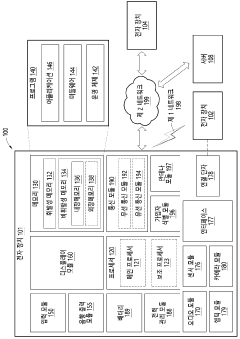
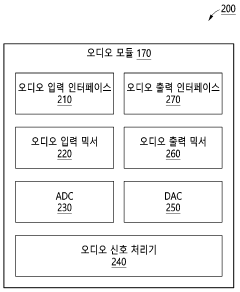
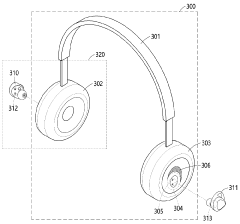
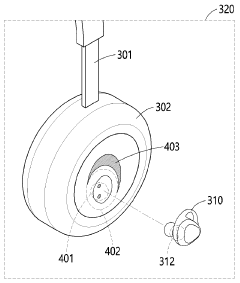
- A headphone device and wireless earphones system is designed with LVDS conversion circuits and DACs to convert signals and power, allowing for efficient data transmission and power sharing between the units, enabling combined operation and improved audio output.
Apparatus and method for encoding or decoding directional audio coding parameters using quantization and entropy coding
PatentActiveCN111656442B
Innovation
- By grouping the diffusion parameters and direction parameters and quantizing and encoding them at different resolutions, using weighted averaging and entropy coding techniques, the bitrate is reduced while maintaining the quality of the audio signal.


Collaborative Audio Project Workflow
Collaborative audio projects require a structured workflow to ensure seamless integration of LDAC (Low Latency Audio Codec) technology. The process typically begins with project planning and team formation, where roles and responsibilities are clearly defined. This stage involves identifying the project scope, objectives, and technical requirements, including the specific implementation of LDAC.
Once the project is initiated, the next phase focuses on setting up the collaborative environment. This includes selecting appropriate digital audio workstations (DAWs) that support LDAC, establishing secure file-sharing systems, and configuring version control mechanisms. It's crucial to ensure all team members have access to compatible hardware and software that can handle LDAC encoding and decoding.
The audio recording and production phase follows, where team members contribute their parts remotely. LDAC implementation becomes critical during this stage, as it allows for high-quality audio transmission over Bluetooth connections. Engineers must configure LDAC settings to optimize for the project's specific needs, balancing between audio quality and latency requirements.
Post-production and mixing stages involve consolidating the various audio tracks and applying LDAC encoding to the final output. This process requires careful attention to maintain the high-fidelity audio quality that LDAC provides. Collaborative mixing sessions may utilize LDAC-enabled monitoring systems to ensure all team members are hearing the same high-quality audio representation.
Quality assurance and testing form a crucial part of the workflow. This involves rigorous testing of the LDAC implementation across different devices and playback scenarios to ensure consistent performance. Feedback loops are established to address any issues related to audio quality, synchronization, or compatibility.
The final stages of the workflow include mastering and delivery. Here, the LDAC-encoded audio is fine-tuned for various distribution platforms, ensuring optimal playback quality across different devices and streaming services. Documentation of the LDAC implementation process and settings is essential for future reference and potential updates.
Throughout the entire workflow, continuous communication and coordination among team members are vital. Regular check-ins, progress updates, and collaborative problem-solving sessions help maintain project momentum and address any challenges in LDAC implementation. By following this structured approach, collaborative sound projects can effectively leverage LDAC technology to produce high-quality audio outcomes.
Once the project is initiated, the next phase focuses on setting up the collaborative environment. This includes selecting appropriate digital audio workstations (DAWs) that support LDAC, establishing secure file-sharing systems, and configuring version control mechanisms. It's crucial to ensure all team members have access to compatible hardware and software that can handle LDAC encoding and decoding.
The audio recording and production phase follows, where team members contribute their parts remotely. LDAC implementation becomes critical during this stage, as it allows for high-quality audio transmission over Bluetooth connections. Engineers must configure LDAC settings to optimize for the project's specific needs, balancing between audio quality and latency requirements.
Post-production and mixing stages involve consolidating the various audio tracks and applying LDAC encoding to the final output. This process requires careful attention to maintain the high-fidelity audio quality that LDAC provides. Collaborative mixing sessions may utilize LDAC-enabled monitoring systems to ensure all team members are hearing the same high-quality audio representation.
Quality assurance and testing form a crucial part of the workflow. This involves rigorous testing of the LDAC implementation across different devices and playback scenarios to ensure consistent performance. Feedback loops are established to address any issues related to audio quality, synchronization, or compatibility.
The final stages of the workflow include mastering and delivery. Here, the LDAC-encoded audio is fine-tuned for various distribution platforms, ensuring optimal playback quality across different devices and streaming services. Documentation of the LDAC implementation process and settings is essential for future reference and potential updates.
Throughout the entire workflow, continuous communication and coordination among team members are vital. Regular check-ins, progress updates, and collaborative problem-solving sessions help maintain project momentum and address any challenges in LDAC implementation. By following this structured approach, collaborative sound projects can effectively leverage LDAC technology to produce high-quality audio outcomes.
LDAC Licensing and Legal Considerations
When implementing LDAC in collaborative sound projects, it is crucial to consider the licensing and legal aspects to ensure compliance and avoid potential legal issues. Sony Corporation, the developer of LDAC, has specific licensing requirements that must be adhered to for commercial use of the technology.
LDAC is a proprietary audio coding technology, and its use is subject to licensing agreements. Organizations intending to incorporate LDAC into their products or services must obtain a license from Sony. This licensing process typically involves negotiating terms, paying licensing fees, and agreeing to specific usage conditions. The exact terms of the license may vary depending on the nature and scale of the project.
It is important to note that LDAC is protected by various patents and intellectual property rights. Unauthorized use of the technology could lead to patent infringement claims and legal consequences. Therefore, project managers and developers must ensure they have the necessary permissions and licenses before implementing LDAC in their collaborative sound projects.
For open-source projects or non-commercial applications, the licensing requirements may differ. Sony has made certain LDAC-related software components available under open-source licenses, such as the Apache License 2.0. However, it is essential to carefully review the terms of these open-source licenses and ensure that the project's use aligns with the permitted usage outlined in the license agreements.
Collaborative sound projects often involve multiple parties, each potentially contributing different technologies or intellectual property. When implementing LDAC, it is crucial to clearly define the roles and responsibilities of each party concerning licensing and compliance. This may include designating a responsible party for obtaining and managing the LDAC license, as well as establishing protocols for ensuring ongoing compliance with licensing terms.
Additionally, projects using LDAC should consider implementing proper documentation and tracking mechanisms to demonstrate compliance with licensing requirements. This may include maintaining records of license agreements, usage logs, and any communications with Sony regarding the use of LDAC technology.
It is also advisable to conduct regular audits or reviews to ensure continued compliance with LDAC licensing terms, especially as projects evolve or expand. This proactive approach can help identify and address any potential licensing issues before they escalate into legal problems.
Given the complex nature of audio technology licensing, it may be beneficial for collaborative sound projects to seek legal counsel or consult with intellectual property experts. These professionals can provide guidance on navigating the licensing process, interpreting license agreements, and ensuring that the project's use of LDAC aligns with all legal and contractual obligations.
LDAC is a proprietary audio coding technology, and its use is subject to licensing agreements. Organizations intending to incorporate LDAC into their products or services must obtain a license from Sony. This licensing process typically involves negotiating terms, paying licensing fees, and agreeing to specific usage conditions. The exact terms of the license may vary depending on the nature and scale of the project.
It is important to note that LDAC is protected by various patents and intellectual property rights. Unauthorized use of the technology could lead to patent infringement claims and legal consequences. Therefore, project managers and developers must ensure they have the necessary permissions and licenses before implementing LDAC in their collaborative sound projects.
For open-source projects or non-commercial applications, the licensing requirements may differ. Sony has made certain LDAC-related software components available under open-source licenses, such as the Apache License 2.0. However, it is essential to carefully review the terms of these open-source licenses and ensure that the project's use aligns with the permitted usage outlined in the license agreements.
Collaborative sound projects often involve multiple parties, each potentially contributing different technologies or intellectual property. When implementing LDAC, it is crucial to clearly define the roles and responsibilities of each party concerning licensing and compliance. This may include designating a responsible party for obtaining and managing the LDAC license, as well as establishing protocols for ensuring ongoing compliance with licensing terms.
Additionally, projects using LDAC should consider implementing proper documentation and tracking mechanisms to demonstrate compliance with licensing requirements. This may include maintaining records of license agreements, usage logs, and any communications with Sony regarding the use of LDAC technology.
It is also advisable to conduct regular audits or reviews to ensure continued compliance with LDAC licensing terms, especially as projects evolve or expand. This proactive approach can help identify and address any potential licensing issues before they escalate into legal problems.
Given the complex nature of audio technology licensing, it may be beneficial for collaborative sound projects to seek legal counsel or consult with intellectual property experts. These professionals can provide guidance on navigating the licensing process, interpreting license agreements, and ensuring that the project's use of LDAC aligns with all legal and contractual obligations.
Unlock deeper insights with PatSnap Eureka Quick Research — get a full tech report to explore trends and direct your research. Try now!
Generate Your Research Report Instantly with AI Agent
Supercharge your innovation with PatSnap Eureka AI Agent Platform!