

Nylon 46: Comprehensive Analysis Of High-Performance Polyamide For Advanced Engineering Applications
JUL 8, 20259 MIN READ
Generate Your Research Report Instantly with AI Agent
PatSnap Eureka helps you evaluate technical feasibility & market potential.
Silicone Rubber in Robotics: Background and Objectives
Silicone rubber has emerged as a revolutionary material in the field of advanced robotics, offering unique properties that address many challenges in robot design and functionality. The journey of silicone rubber in robotics began in the late 20th century, with initial applications in simple seals and gaskets. However, as robotics technology advanced, engineers and researchers recognized the potential of silicone rubber to enhance robot performance, particularly in areas requiring flexibility, durability, and biocompatibility.
The evolution of silicone rubber in robotics has been driven by the increasing demand for more versatile and adaptable robotic systems. Traditional rigid materials often limited the capabilities of robots, especially in environments where compliance and soft interaction were crucial. Silicone rubber, with its elastomeric properties, offered a solution to these limitations, enabling the development of soft robotics and more human-like robotic systems.
One of the key trends in silicone rubber application for robotics is the development of artificial muscles and actuators. These components mimic the flexibility and strength of biological muscles, allowing for more natural and efficient movement in robotic systems. Another significant trend is the use of silicone rubber in creating sensitive tactile sensors, which greatly enhance a robot's ability to interact with its environment and handle delicate objects.
The objectives of implementing silicone rubber in advanced robotics design are multifaceted. Primarily, researchers and engineers aim to create more adaptable and resilient robotic systems capable of operating in diverse environments. This includes developing robots that can safely interact with humans, navigate complex terrains, and perform tasks requiring fine motor skills and sensory feedback.
Furthermore, the integration of silicone rubber in robotics seeks to improve energy efficiency and reduce the overall weight of robotic systems. By replacing heavier, rigid components with lightweight, flexible silicone parts, robots can achieve greater mobility and reduced power consumption. This is particularly crucial in the development of autonomous and mobile robotic platforms.
Another key objective is to enhance the biocompatibility of robotic systems, especially for medical and healthcare applications. Silicone rubber's non-toxic and hypoallergenic properties make it an ideal material for robots designed to interact directly with human tissue or operate within the human body, such as in surgical robotics or prosthetic devices.
As we look towards the future, the implementation of silicone rubber in advanced robotics design aims to push the boundaries of what robots can achieve. From more lifelike humanoid robots to highly specialized industrial and medical robots, silicone rubber is expected to play a crucial role in shaping the next generation of robotic technologies, enabling innovations that were previously thought impossible.
The evolution of silicone rubber in robotics has been driven by the increasing demand for more versatile and adaptable robotic systems. Traditional rigid materials often limited the capabilities of robots, especially in environments where compliance and soft interaction were crucial. Silicone rubber, with its elastomeric properties, offered a solution to these limitations, enabling the development of soft robotics and more human-like robotic systems.
One of the key trends in silicone rubber application for robotics is the development of artificial muscles and actuators. These components mimic the flexibility and strength of biological muscles, allowing for more natural and efficient movement in robotic systems. Another significant trend is the use of silicone rubber in creating sensitive tactile sensors, which greatly enhance a robot's ability to interact with its environment and handle delicate objects.
The objectives of implementing silicone rubber in advanced robotics design are multifaceted. Primarily, researchers and engineers aim to create more adaptable and resilient robotic systems capable of operating in diverse environments. This includes developing robots that can safely interact with humans, navigate complex terrains, and perform tasks requiring fine motor skills and sensory feedback.
Furthermore, the integration of silicone rubber in robotics seeks to improve energy efficiency and reduce the overall weight of robotic systems. By replacing heavier, rigid components with lightweight, flexible silicone parts, robots can achieve greater mobility and reduced power consumption. This is particularly crucial in the development of autonomous and mobile robotic platforms.
Another key objective is to enhance the biocompatibility of robotic systems, especially for medical and healthcare applications. Silicone rubber's non-toxic and hypoallergenic properties make it an ideal material for robots designed to interact directly with human tissue or operate within the human body, such as in surgical robotics or prosthetic devices.
As we look towards the future, the implementation of silicone rubber in advanced robotics design aims to push the boundaries of what robots can achieve. From more lifelike humanoid robots to highly specialized industrial and medical robots, silicone rubber is expected to play a crucial role in shaping the next generation of robotic technologies, enabling innovations that were previously thought impossible.
Market Analysis for Silicone-Based Robotic Components
The market for silicone-based robotic components is experiencing significant growth, driven by the increasing demand for advanced robotics across various industries. Silicone rubber, with its unique properties such as flexibility, durability, and resistance to extreme temperatures, is becoming a crucial material in the design and manufacturing of robotic systems.
The global robotics market is projected to reach substantial value in the coming years, with silicone-based components playing a vital role in this expansion. Industries such as healthcare, manufacturing, automotive, and aerospace are the primary drivers of this growth. In healthcare, silicone-based robotic components are being utilized in surgical robots, prosthetics, and rehabilitation devices, offering improved performance and patient comfort.
Manufacturing and industrial automation sectors are adopting silicone-based robotic components for their ability to withstand harsh environments and provide precise control. These components are particularly valuable in applications involving high temperatures, chemical exposure, or repetitive movements. The automotive industry is incorporating silicone-based robotic components in assembly lines and in the development of autonomous vehicles, where durability and reliability are paramount.
The aerospace sector is another significant market for silicone-based robotic components, utilizing them in unmanned aerial vehicles (UAVs) and space exploration robots. The material's resistance to extreme temperatures and radiation makes it ideal for these challenging environments.
Key market trends include the development of soft robotics, where silicone rubber is a preferred material due to its flexibility and biocompatibility. This trend is particularly evident in the creation of human-robot interaction devices and biomimetic robots. Additionally, the integration of smart materials and sensors into silicone-based components is opening new avenues for advanced robotic applications.
Geographically, North America and Europe are currently the largest markets for silicone-based robotic components, owing to their advanced robotics industries and research initiatives. However, the Asia-Pacific region is expected to witness the fastest growth, driven by rapid industrialization and increasing investments in robotics technology.
Challenges in the market include the high cost of specialized silicone materials and the need for advanced manufacturing techniques. However, ongoing research and development efforts are focused on addressing these issues, potentially leading to more cost-effective solutions in the future.
As the demand for more sophisticated and versatile robots continues to rise, the market for silicone-based robotic components is poised for sustained growth. The material's unique properties make it an essential element in the advancement of robotics technology, enabling the creation of more adaptable, resilient, and efficient robotic systems across various industries.
The global robotics market is projected to reach substantial value in the coming years, with silicone-based components playing a vital role in this expansion. Industries such as healthcare, manufacturing, automotive, and aerospace are the primary drivers of this growth. In healthcare, silicone-based robotic components are being utilized in surgical robots, prosthetics, and rehabilitation devices, offering improved performance and patient comfort.
Manufacturing and industrial automation sectors are adopting silicone-based robotic components for their ability to withstand harsh environments and provide precise control. These components are particularly valuable in applications involving high temperatures, chemical exposure, or repetitive movements. The automotive industry is incorporating silicone-based robotic components in assembly lines and in the development of autonomous vehicles, where durability and reliability are paramount.
The aerospace sector is another significant market for silicone-based robotic components, utilizing them in unmanned aerial vehicles (UAVs) and space exploration robots. The material's resistance to extreme temperatures and radiation makes it ideal for these challenging environments.
Key market trends include the development of soft robotics, where silicone rubber is a preferred material due to its flexibility and biocompatibility. This trend is particularly evident in the creation of human-robot interaction devices and biomimetic robots. Additionally, the integration of smart materials and sensors into silicone-based components is opening new avenues for advanced robotic applications.
Geographically, North America and Europe are currently the largest markets for silicone-based robotic components, owing to their advanced robotics industries and research initiatives. However, the Asia-Pacific region is expected to witness the fastest growth, driven by rapid industrialization and increasing investments in robotics technology.
Challenges in the market include the high cost of specialized silicone materials and the need for advanced manufacturing techniques. However, ongoing research and development efforts are focused on addressing these issues, potentially leading to more cost-effective solutions in the future.
As the demand for more sophisticated and versatile robots continues to rise, the market for silicone-based robotic components is poised for sustained growth. The material's unique properties make it an essential element in the advancement of robotics technology, enabling the creation of more adaptable, resilient, and efficient robotic systems across various industries.
Current Challenges in Silicone Rubber Robotics Integration
The integration of silicone rubber in advanced robotics design faces several significant challenges. One of the primary obstacles is achieving the optimal balance between flexibility and strength. While silicone rubber offers excellent elasticity, it often lacks the structural integrity required for load-bearing components in robotic systems. This necessitates innovative design approaches to reinforce silicone structures without compromising their flexibility.
Another critical challenge lies in the precise control and actuation of silicone-based robotic components. Traditional actuation methods, such as electric motors or hydraulic systems, are not always compatible with the soft, deformable nature of silicone rubber. This incompatibility has led to the need for developing new actuation techniques specifically tailored for soft robotics, such as pneumatic or fluidic actuation systems.
The durability and longevity of silicone rubber in robotic applications also present significant concerns. Repeated deformation and exposure to various environmental factors can lead to material fatigue and degradation over time. Researchers and engineers must address these issues to ensure the long-term reliability and performance of silicone-based robotic systems.
Furthermore, the manufacturing and fabrication of complex silicone rubber structures for robotics pose unique challenges. Traditional manufacturing methods are often inadequate for creating intricate, multi-material designs that combine silicone with other materials. This has spurred research into advanced manufacturing techniques, including 3D printing and molding processes specifically adapted for silicone-based robotics.
The integration of sensors and electronic components within silicone rubber structures is another area of difficulty. The soft, flexible nature of silicone can interfere with the functionality of rigid electronic components, necessitating the development of flexible electronics and novel sensing technologies compatible with soft materials.
Lastly, there is a significant challenge in modeling and simulating the behavior of silicone rubber in robotic applications. The non-linear, hyperelastic properties of silicone make it difficult to accurately predict its performance under various conditions. This complicates the design process and requires advanced computational models and simulation tools to effectively design and optimize silicone-based robotic systems.
Another critical challenge lies in the precise control and actuation of silicone-based robotic components. Traditional actuation methods, such as electric motors or hydraulic systems, are not always compatible with the soft, deformable nature of silicone rubber. This incompatibility has led to the need for developing new actuation techniques specifically tailored for soft robotics, such as pneumatic or fluidic actuation systems.
The durability and longevity of silicone rubber in robotic applications also present significant concerns. Repeated deformation and exposure to various environmental factors can lead to material fatigue and degradation over time. Researchers and engineers must address these issues to ensure the long-term reliability and performance of silicone-based robotic systems.
Furthermore, the manufacturing and fabrication of complex silicone rubber structures for robotics pose unique challenges. Traditional manufacturing methods are often inadequate for creating intricate, multi-material designs that combine silicone with other materials. This has spurred research into advanced manufacturing techniques, including 3D printing and molding processes specifically adapted for silicone-based robotics.
The integration of sensors and electronic components within silicone rubber structures is another area of difficulty. The soft, flexible nature of silicone can interfere with the functionality of rigid electronic components, necessitating the development of flexible electronics and novel sensing technologies compatible with soft materials.
Lastly, there is a significant challenge in modeling and simulating the behavior of silicone rubber in robotic applications. The non-linear, hyperelastic properties of silicone make it difficult to accurately predict its performance under various conditions. This complicates the design process and requires advanced computational models and simulation tools to effectively design and optimize silicone-based robotic systems.
Existing Silicone Rubber Applications in Robotics
01 Composition and formulation of silicone rubber
Silicone rubber compositions typically consist of silicone polymers, fillers, and curing agents. The formulation can be adjusted to achieve specific properties such as hardness, elasticity, and heat resistance. Various additives may be incorporated to enhance performance characteristics or provide additional functionalities.- Composition and preparation of silicone rubber: Silicone rubber is typically composed of silicone polymers, fillers, and curing agents. The preparation process often involves mixing these components, shaping the mixture, and then curing it to form the final rubber product. Various additives can be incorporated to enhance specific properties such as strength, flexibility, or heat resistance.
- Modification of silicone rubber properties: The properties of silicone rubber can be modified through the addition of specific compounds or by altering the polymer structure. This can include improving mechanical strength, increasing thermal stability, enhancing electrical properties, or adjusting the rubber's hardness or elasticity to suit specific applications.
- Silicone rubber in medical and healthcare applications: Silicone rubber is widely used in medical and healthcare applications due to its biocompatibility, flexibility, and durability. It can be formulated for use in medical devices, implants, prosthetics, and drug delivery systems. Special grades of silicone rubber can be developed to meet specific medical requirements such as sterilization resistance or long-term implantation.
- Silicone rubber composites and blends: Silicone rubber can be combined with other materials to create composites or blends with enhanced properties. This can involve incorporating nanoparticles, fibers, or other polymers to improve characteristics such as tear strength, abrasion resistance, or electrical conductivity. These composites find applications in various industries including automotive, electronics, and construction.
- Manufacturing processes for silicone rubber products: Various manufacturing processes are used to produce silicone rubber products, including injection molding, extrusion, compression molding, and liquid silicone rubber molding. Each process has its advantages and is suited for different types of products or production volumes. Innovations in manufacturing techniques focus on improving efficiency, reducing waste, and enhancing product quality.
02 Manufacturing processes for silicone rubber products
Manufacturing processes for silicone rubber products include molding, extrusion, and calendering. These processes involve mixing the silicone rubber compound, shaping it into the desired form, and then curing it through heat or other methods. Advanced techniques may be employed to create complex shapes or integrate silicone rubber with other materials.Expand Specific Solutions03 Modifications and improvements to silicone rubber properties
Researchers continually work on modifying and improving silicone rubber properties. This includes enhancing thermal stability, increasing tear strength, improving chemical resistance, and developing self-healing capabilities. Novel approaches may involve the incorporation of nanoparticles or the creation of hybrid materials combining silicone rubber with other polymers.Expand Specific Solutions04 Applications of silicone rubber in various industries
Silicone rubber finds applications in diverse industries due to its unique properties. It is used in medical devices, automotive parts, electrical insulation, consumer products, and aerospace components. The material's biocompatibility, durability, and resistance to extreme temperatures make it suitable for a wide range of specialized applications.Expand Specific Solutions05 Environmental considerations and sustainability of silicone rubber
The environmental impact and sustainability of silicone rubber are increasingly important considerations. Research focuses on developing eco-friendly production methods, improving recyclability, and creating biodegradable silicone rubber alternatives. Efforts are also directed towards reducing energy consumption in manufacturing processes and exploring bio-based raw materials for silicone rubber production.Expand Specific Solutions
Key Players in Silicone Rubber and Robotics Industries
The implementation of silicone rubber in advanced robotics design is currently in a growth phase, with the market expanding rapidly due to increasing demand for flexible and durable materials in robotics. The global market size for silicone rubber in robotics is projected to grow significantly over the next few years. Technologically, silicone rubber applications in robotics are advancing, with companies like Shin-Etsu Chemical, Wacker Chemie, and Momentive Performance Materials leading innovation. These firms are developing specialized silicone formulations for improved flexibility, durability, and sensor integration in robotic applications. However, the technology is still evolving, with ongoing research focused on enhancing properties such as self-healing capabilities and improved electrical conductivity for more advanced robotic systems.
Shin-Etsu Chemical Co., Ltd.
Technical Solution: Shin-Etsu Chemical Co., Ltd. has pioneered the development of high-performance silicone rubber for advanced robotics. Their KE series of silicone elastomers offers exceptional heat resistance and electrical properties, ideal for robotic applications in extreme environments[1]. Shin-Etsu's liquid silicone rubber (LSR) technology enables the production of complex, precision-molded parts with excellent dimensional stability, crucial for intricate robotic components[2]. The company's silicone materials also feature self-adhesive properties, facilitating the integration of multiple components in robotic systems[3]. Shin-Etsu's silicone rubbers demonstrate remarkable resistance to compression set, ensuring long-term performance in dynamic robotic applications[4].
Strengths: Superior heat resistance and electrical properties, precision molding capabilities. Weaknesses: Higher cost compared to conventional elastomers, may require specialized processing techniques.
Wacker Chemie AG
Technical Solution: Wacker Chemie AG has developed advanced silicone rubber compounds specifically designed for robotics applications. Their ELASTOSIL® LR 3003 series offers high tear resistance and elongation, crucial for flexible robotic components[1]. The company's liquid silicone rubber (LSR) technology allows for complex geometries and integrated functions, enabling the creation of soft, skin-like textures for human-robot interaction[2]. Wacker's silicone elastomers also provide excellent electrical insulation properties, making them suitable for sensor integration in robotic systems[3]. Their materials demonstrate long-term stability against environmental factors, ensuring durability in various operating conditions[4].
Strengths: High flexibility, durability, and customizability for diverse robotic applications. Weaknesses: May require specialized processing equipment and expertise for optimal implementation.
Innovative Silicone Rubber Technologies for Robotics
Silicone rubber compositions, their preparation and use
PatentInactiveEP1557446A1
Innovation
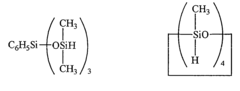
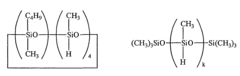
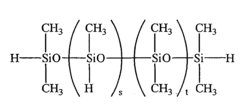
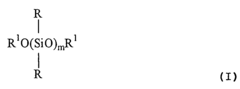
- A silicone rubber composition comprising an organopolysiloxane with a degree of polymerization of 100 or higher and at least two silicon-bonded alkenyl groups, combined with wet silica having a specific surface area of 50 m^2/g or larger and a water content of 4% or lower, and an effective curing agent, which inhibits foaming during hot air vulcanization and enhances electrical properties.
Antistatic silicone rubber mold-making material
PatentInactiveUS20100285168A1
Innovation
- Incorporating a small amount of an ionically conductive antistatic agent into the silicone rubber composition curable by addition reaction, which retains insulator performance and provides excellent antistatic properties without sacrificing heat resistance.
Environmental Impact of Silicone Rubber in Robotics
The implementation of silicone rubber in advanced robotics design has significant environmental implications that warrant careful consideration. Silicone rubber, while offering numerous advantages in robotics applications, also presents certain environmental challenges throughout its lifecycle.
During the production phase, the manufacturing of silicone rubber involves energy-intensive processes and the use of various chemicals. These processes can contribute to greenhouse gas emissions and potential chemical pollution if not properly managed. However, compared to many traditional materials used in robotics, silicone rubber production generally has a lower environmental footprint due to its relatively simple composition and manufacturing requirements.
In the usage phase, silicone rubber demonstrates several environmentally favorable characteristics. Its durability and resistance to degradation mean that robotic components made from silicone rubber have extended lifespans, reducing the need for frequent replacements. This longevity contributes to resource conservation and waste reduction. Additionally, silicone rubber's flexibility and adaptability often allow for the creation of more efficient and energy-saving robotic designs, potentially lowering the overall environmental impact of robotic systems during operation.
However, the end-of-life stage presents notable environmental concerns. Silicone rubber is not biodegradable and can persist in the environment for extended periods if not properly disposed of or recycled. While technically recyclable, the recycling of silicone rubber is not widely practiced due to economic and technological limitations. This lack of widespread recycling infrastructure can lead to increased waste in landfills or incineration, both of which have negative environmental consequences.
On a positive note, recent advancements in recycling technologies are showing promise for more efficient silicone rubber recycling. These developments could significantly mitigate the end-of-life environmental impact of silicone rubber in robotics. Furthermore, the potential for using bio-based silicone rubbers, derived from renewable resources, is being explored as a more sustainable alternative to traditional petroleum-based silicones.
When considering the overall environmental impact, it's crucial to conduct comprehensive lifecycle assessments. These assessments should compare silicone rubber with alternative materials in robotics, taking into account factors such as energy consumption, resource depletion, emissions, and waste generation across all stages of the product lifecycle. Such analyses often reveal that the environmental benefits of silicone rubber in terms of durability, energy efficiency, and performance can outweigh its end-of-life challenges in many robotics applications.
During the production phase, the manufacturing of silicone rubber involves energy-intensive processes and the use of various chemicals. These processes can contribute to greenhouse gas emissions and potential chemical pollution if not properly managed. However, compared to many traditional materials used in robotics, silicone rubber production generally has a lower environmental footprint due to its relatively simple composition and manufacturing requirements.
In the usage phase, silicone rubber demonstrates several environmentally favorable characteristics. Its durability and resistance to degradation mean that robotic components made from silicone rubber have extended lifespans, reducing the need for frequent replacements. This longevity contributes to resource conservation and waste reduction. Additionally, silicone rubber's flexibility and adaptability often allow for the creation of more efficient and energy-saving robotic designs, potentially lowering the overall environmental impact of robotic systems during operation.
However, the end-of-life stage presents notable environmental concerns. Silicone rubber is not biodegradable and can persist in the environment for extended periods if not properly disposed of or recycled. While technically recyclable, the recycling of silicone rubber is not widely practiced due to economic and technological limitations. This lack of widespread recycling infrastructure can lead to increased waste in landfills or incineration, both of which have negative environmental consequences.
On a positive note, recent advancements in recycling technologies are showing promise for more efficient silicone rubber recycling. These developments could significantly mitigate the end-of-life environmental impact of silicone rubber in robotics. Furthermore, the potential for using bio-based silicone rubbers, derived from renewable resources, is being explored as a more sustainable alternative to traditional petroleum-based silicones.
When considering the overall environmental impact, it's crucial to conduct comprehensive lifecycle assessments. These assessments should compare silicone rubber with alternative materials in robotics, taking into account factors such as energy consumption, resource depletion, emissions, and waste generation across all stages of the product lifecycle. Such analyses often reveal that the environmental benefits of silicone rubber in terms of durability, energy efficiency, and performance can outweigh its end-of-life challenges in many robotics applications.
Safety Standards for Silicone-Based Robotic Systems
The implementation of silicone rubber in advanced robotics design necessitates the establishment of comprehensive safety standards for silicone-based robotic systems. These standards are crucial to ensure the safe operation and interaction of robots with humans and the environment. The development of safety standards involves a multi-faceted approach, considering the unique properties of silicone rubber and its applications in robotics.
One of the primary considerations in safety standards is the mechanical properties of silicone rubber. Standards must address the material's durability, elasticity, and resistance to wear and tear. This includes specifying acceptable ranges for tensile strength, elongation at break, and tear resistance. These parameters are essential to prevent unexpected failures during robot operation, which could lead to safety hazards.
Chemical safety is another critical aspect of the standards. Silicone rubber used in robotics must meet strict requirements for biocompatibility and non-toxicity, especially for robots designed to interact with humans or operate in sensitive environments. Standards should define acceptable levels of chemical leaching and outgassing, ensuring that the material remains stable and safe throughout its lifecycle.
Thermal properties of silicone rubber also play a significant role in safety considerations. Standards must specify the acceptable temperature ranges for operation, storage, and exposure to extreme conditions. This includes defining thermal conductivity limits and heat resistance properties to prevent overheating or thermal degradation that could compromise the robot's safety.
Electrical safety standards are paramount, particularly for robots with integrated electronic components. These standards should address the dielectric strength of silicone rubber, its insulation properties, and its ability to dissipate static electricity. Guidelines for proper grounding and shielding of electrical components encased in silicone rubber must be established to prevent electrical hazards.
Standards for environmental resistance are essential to ensure the longevity and safety of silicone-based robotic systems in various operating conditions. This includes resistance to UV radiation, moisture, chemicals, and microbial growth. Specifications for weathering tests and accelerated aging protocols should be included to predict long-term performance and safety.
The safety standards must also address the manufacturing and quality control processes for silicone-based robotic components. This includes guidelines for material purity, mixing ratios, curing processes, and final product testing. Traceability requirements should be established to ensure that all components can be tracked back to their source materials and manufacturing batches.
Lastly, the standards should include protocols for regular maintenance, inspection, and replacement of silicone components in robotic systems. This ensures that potential degradation or wear is detected early, preventing safety issues that could arise from material failure over time.
One of the primary considerations in safety standards is the mechanical properties of silicone rubber. Standards must address the material's durability, elasticity, and resistance to wear and tear. This includes specifying acceptable ranges for tensile strength, elongation at break, and tear resistance. These parameters are essential to prevent unexpected failures during robot operation, which could lead to safety hazards.
Chemical safety is another critical aspect of the standards. Silicone rubber used in robotics must meet strict requirements for biocompatibility and non-toxicity, especially for robots designed to interact with humans or operate in sensitive environments. Standards should define acceptable levels of chemical leaching and outgassing, ensuring that the material remains stable and safe throughout its lifecycle.
Thermal properties of silicone rubber also play a significant role in safety considerations. Standards must specify the acceptable temperature ranges for operation, storage, and exposure to extreme conditions. This includes defining thermal conductivity limits and heat resistance properties to prevent overheating or thermal degradation that could compromise the robot's safety.
Electrical safety standards are paramount, particularly for robots with integrated electronic components. These standards should address the dielectric strength of silicone rubber, its insulation properties, and its ability to dissipate static electricity. Guidelines for proper grounding and shielding of electrical components encased in silicone rubber must be established to prevent electrical hazards.
Standards for environmental resistance are essential to ensure the longevity and safety of silicone-based robotic systems in various operating conditions. This includes resistance to UV radiation, moisture, chemicals, and microbial growth. Specifications for weathering tests and accelerated aging protocols should be included to predict long-term performance and safety.
The safety standards must also address the manufacturing and quality control processes for silicone-based robotic components. This includes guidelines for material purity, mixing ratios, curing processes, and final product testing. Traceability requirements should be established to ensure that all components can be tracked back to their source materials and manufacturing batches.
Lastly, the standards should include protocols for regular maintenance, inspection, and replacement of silicone components in robotic systems. This ensures that potential degradation or wear is detected early, preventing safety issues that could arise from material failure over time.
Unlock deeper insights with PatSnap Eureka Quick Research — get a full tech report to explore trends and direct your research. Try now!
Generate Your Research Report Instantly with AI Agent
Supercharge your innovation with PatSnap Eureka AI Agent Platform!