How to Tailor Auditory Technologies Based on LDAC Provisions?
JUL 4, 20258 MIN READ
Generate Your Research Report Instantly with AI Agent
PatSnap Eureka helps you evaluate technical feasibility & market potential.
LDAC Technology Evolution and Objectives
LDAC (Low Delay Audio Codec) technology has undergone significant evolution since its inception, driven by the growing demand for high-quality wireless audio transmission. Developed by Sony in 2015, LDAC aimed to address the limitations of existing Bluetooth audio codecs, particularly in terms of audio quality and latency.
The primary objective of LDAC was to enable near-lossless audio transmission over Bluetooth connections, providing a superior listening experience for users of wireless audio devices. This goal was achieved through innovative compression techniques and increased data transfer rates, allowing for transmission of audio data up to 990 kbps, significantly higher than previous Bluetooth codecs.
As LDAC technology progressed, its objectives expanded to include broader compatibility across devices and platforms. Initially exclusive to Sony products, LDAC was later made available to other manufacturers through Android's AOSP (Android Open Source Project) in 2017. This move aimed to establish LDAC as a standard for high-quality wireless audio across the industry.
The evolution of LDAC has been closely tied to advancements in Bluetooth technology. With the introduction of Bluetooth 5.0 and subsequent versions, LDAC has been able to leverage improved connection stability and range, further enhancing its performance and reliability in real-world scenarios.
Another key objective in LDAC's development has been the reduction of power consumption while maintaining high audio quality. This focus on energy efficiency has been crucial for the adoption of LDAC in portable devices, where battery life is a critical factor.
Recent developments in LDAC technology have aimed at improving its adaptability to various listening environments and device capabilities. This includes the implementation of dynamic bitrate adjustment, allowing the codec to optimize performance based on connection quality and device specifications.
Looking forward, the objectives for LDAC technology include further reducing latency for applications such as gaming and virtual reality, expanding multi-channel audio support for immersive sound experiences, and improving integration with emerging audio technologies like spatial audio and personalized sound profiles.
The ongoing evolution of LDAC technology reflects a broader trend in the audio industry towards wireless solutions that can match or exceed the quality of wired connections. As consumer expectations for audio quality continue to rise, LDAC's development trajectory is likely to focus on pushing the boundaries of wireless audio fidelity while addressing practical considerations such as compatibility, power efficiency, and user experience.
The primary objective of LDAC was to enable near-lossless audio transmission over Bluetooth connections, providing a superior listening experience for users of wireless audio devices. This goal was achieved through innovative compression techniques and increased data transfer rates, allowing for transmission of audio data up to 990 kbps, significantly higher than previous Bluetooth codecs.
As LDAC technology progressed, its objectives expanded to include broader compatibility across devices and platforms. Initially exclusive to Sony products, LDAC was later made available to other manufacturers through Android's AOSP (Android Open Source Project) in 2017. This move aimed to establish LDAC as a standard for high-quality wireless audio across the industry.
The evolution of LDAC has been closely tied to advancements in Bluetooth technology. With the introduction of Bluetooth 5.0 and subsequent versions, LDAC has been able to leverage improved connection stability and range, further enhancing its performance and reliability in real-world scenarios.
Another key objective in LDAC's development has been the reduction of power consumption while maintaining high audio quality. This focus on energy efficiency has been crucial for the adoption of LDAC in portable devices, where battery life is a critical factor.
Recent developments in LDAC technology have aimed at improving its adaptability to various listening environments and device capabilities. This includes the implementation of dynamic bitrate adjustment, allowing the codec to optimize performance based on connection quality and device specifications.
Looking forward, the objectives for LDAC technology include further reducing latency for applications such as gaming and virtual reality, expanding multi-channel audio support for immersive sound experiences, and improving integration with emerging audio technologies like spatial audio and personalized sound profiles.
The ongoing evolution of LDAC technology reflects a broader trend in the audio industry towards wireless solutions that can match or exceed the quality of wired connections. As consumer expectations for audio quality continue to rise, LDAC's development trajectory is likely to focus on pushing the boundaries of wireless audio fidelity while addressing practical considerations such as compatibility, power efficiency, and user experience.
Market Demand for High-Resolution Audio
The market demand for high-resolution audio has been steadily growing in recent years, driven by consumers' increasing desire for superior sound quality and immersive listening experiences. This trend is particularly evident in the premium audio segment, where audiophiles and music enthusiasts are willing to invest in high-end equipment and services that can deliver studio-quality sound.
The rise of streaming services has played a significant role in shaping this demand. As more consumers subscribe to platforms offering lossless and high-resolution audio options, there's a growing awareness of the differences in audio quality. This has led to a surge in demand for compatible devices and technologies that can fully utilize these high-fidelity audio streams.
In the hardware sector, there's been a noticeable uptick in sales of high-resolution audio-capable devices. This includes dedicated digital audio players, high-end headphones, and home audio systems designed to support formats like FLAC, DSD, and MQA. The smartphone industry has also responded to this trend, with many flagship models now featuring advanced audio capabilities, including support for high-resolution codecs like LDAC.
The automotive industry is another key driver of high-resolution audio demand. Luxury car manufacturers are increasingly incorporating premium audio systems as standard features or high-value options, recognizing the importance of sound quality to discerning customers. This has created new opportunities for audio technology companies to develop tailored solutions for in-vehicle entertainment systems.
Professional and prosumer markets are also contributing to the demand for high-resolution audio technologies. Recording studios, content creators, and live sound professionals are constantly seeking ways to improve audio quality throughout the production and distribution chain. This has led to increased adoption of high-resolution audio workflows and technologies in professional settings.
The growing popularity of immersive audio formats, such as Dolby Atmos and Sony 360 Reality Audio, is further fueling the demand for advanced audio technologies. These formats require specialized hardware and software solutions to deliver their full potential, creating new market opportunities for technology providers.
As consumer awareness of high-resolution audio continues to grow, there's an increasing expectation for seamless integration of these technologies across various devices and platforms. This presents both challenges and opportunities for companies developing audio solutions, particularly in areas like wireless audio transmission where technologies like LDAC play a crucial role in maintaining audio quality over Bluetooth connections.
The rise of streaming services has played a significant role in shaping this demand. As more consumers subscribe to platforms offering lossless and high-resolution audio options, there's a growing awareness of the differences in audio quality. This has led to a surge in demand for compatible devices and technologies that can fully utilize these high-fidelity audio streams.
In the hardware sector, there's been a noticeable uptick in sales of high-resolution audio-capable devices. This includes dedicated digital audio players, high-end headphones, and home audio systems designed to support formats like FLAC, DSD, and MQA. The smartphone industry has also responded to this trend, with many flagship models now featuring advanced audio capabilities, including support for high-resolution codecs like LDAC.
The automotive industry is another key driver of high-resolution audio demand. Luxury car manufacturers are increasingly incorporating premium audio systems as standard features or high-value options, recognizing the importance of sound quality to discerning customers. This has created new opportunities for audio technology companies to develop tailored solutions for in-vehicle entertainment systems.
Professional and prosumer markets are also contributing to the demand for high-resolution audio technologies. Recording studios, content creators, and live sound professionals are constantly seeking ways to improve audio quality throughout the production and distribution chain. This has led to increased adoption of high-resolution audio workflows and technologies in professional settings.
The growing popularity of immersive audio formats, such as Dolby Atmos and Sony 360 Reality Audio, is further fueling the demand for advanced audio technologies. These formats require specialized hardware and software solutions to deliver their full potential, creating new market opportunities for technology providers.
As consumer awareness of high-resolution audio continues to grow, there's an increasing expectation for seamless integration of these technologies across various devices and platforms. This presents both challenges and opportunities for companies developing audio solutions, particularly in areas like wireless audio transmission where technologies like LDAC play a crucial role in maintaining audio quality over Bluetooth connections.
LDAC Technical Challenges and Limitations
LDAC (Low Delay Audio Codec) technology, while offering significant advancements in wireless audio transmission, faces several technical challenges and limitations that need to be addressed for optimal performance and wider adoption.
One of the primary challenges is the high computational complexity required for encoding and decoding LDAC streams. The codec's ability to transmit high-resolution audio at up to 990 kbps demands substantial processing power, which can strain the resources of mobile devices and wireless audio peripherals. This increased power consumption can lead to reduced battery life, potentially limiting the practical application of LDAC in portable devices.
Another significant limitation is the bandwidth requirement for LDAC transmission. While LDAC supports multiple bit rates, achieving the highest quality audio transmission necessitates a stable and high-bandwidth Bluetooth connection. In real-world scenarios, environmental factors and device limitations can result in connection instability, forcing the codec to switch to lower bit rates and potentially compromising audio quality.
Compatibility issues also pose a challenge for LDAC implementation. As a proprietary technology developed by Sony, LDAC is not universally supported across all devices and platforms. This lack of widespread adoption can create fragmentation in the market and limit the interoperability of LDAC-enabled devices with non-LDAC audio systems.
The variable bit rate nature of LDAC, while beneficial for adapting to different network conditions, introduces complexity in maintaining consistent audio quality. The codec must dynamically adjust its transmission parameters, which can lead to audible artifacts or dropouts during transitions between different bit rates.
Latency remains a concern, particularly in applications requiring precise audio-visual synchronization. Although LDAC offers lower latency compared to some other Bluetooth codecs, it may still introduce noticeable delays in scenarios such as gaming or live audio monitoring.
The implementation of LDAC in hardware also presents challenges. Manufacturers must integrate specialized chipsets capable of handling LDAC encoding and decoding, which can increase production costs and complexity. This requirement may limit LDAC adoption in lower-end audio devices.
Furthermore, the closed nature of LDAC's specifications can hinder third-party development and optimization. Unlike open-source codecs, the proprietary nature of LDAC restricts the ability of the wider audio community to contribute to its improvement or tailor it for specific use cases.
Addressing these challenges requires ongoing research and development efforts. Potential solutions may include optimizing the codec's algorithms for lower computational complexity, developing more efficient hardware implementations, and exploring ways to improve LDAC's performance under varying network conditions. Additionally, expanding compatibility and fostering industry partnerships could help overcome adoption barriers and drive further innovation in high-quality wireless audio transmission.
One of the primary challenges is the high computational complexity required for encoding and decoding LDAC streams. The codec's ability to transmit high-resolution audio at up to 990 kbps demands substantial processing power, which can strain the resources of mobile devices and wireless audio peripherals. This increased power consumption can lead to reduced battery life, potentially limiting the practical application of LDAC in portable devices.
Another significant limitation is the bandwidth requirement for LDAC transmission. While LDAC supports multiple bit rates, achieving the highest quality audio transmission necessitates a stable and high-bandwidth Bluetooth connection. In real-world scenarios, environmental factors and device limitations can result in connection instability, forcing the codec to switch to lower bit rates and potentially compromising audio quality.
Compatibility issues also pose a challenge for LDAC implementation. As a proprietary technology developed by Sony, LDAC is not universally supported across all devices and platforms. This lack of widespread adoption can create fragmentation in the market and limit the interoperability of LDAC-enabled devices with non-LDAC audio systems.
The variable bit rate nature of LDAC, while beneficial for adapting to different network conditions, introduces complexity in maintaining consistent audio quality. The codec must dynamically adjust its transmission parameters, which can lead to audible artifacts or dropouts during transitions between different bit rates.
Latency remains a concern, particularly in applications requiring precise audio-visual synchronization. Although LDAC offers lower latency compared to some other Bluetooth codecs, it may still introduce noticeable delays in scenarios such as gaming or live audio monitoring.
The implementation of LDAC in hardware also presents challenges. Manufacturers must integrate specialized chipsets capable of handling LDAC encoding and decoding, which can increase production costs and complexity. This requirement may limit LDAC adoption in lower-end audio devices.
Furthermore, the closed nature of LDAC's specifications can hinder third-party development and optimization. Unlike open-source codecs, the proprietary nature of LDAC restricts the ability of the wider audio community to contribute to its improvement or tailor it for specific use cases.
Addressing these challenges requires ongoing research and development efforts. Potential solutions may include optimizing the codec's algorithms for lower computational complexity, developing more efficient hardware implementations, and exploring ways to improve LDAC's performance under varying network conditions. Additionally, expanding compatibility and fostering industry partnerships could help overcome adoption barriers and drive further innovation in high-quality wireless audio transmission.
Current LDAC Implementation Strategies
01 Hearing aid technologies
Advancements in hearing aid technologies focus on improving sound quality, noise reduction, and user comfort. These innovations include digital signal processing, adaptive algorithms, and miniaturization of components to create more effective and discreet hearing aids. Some devices incorporate wireless connectivity for seamless integration with other audio devices.- Hearing aid technologies: Advancements in hearing aid technologies focus on improving sound quality, noise reduction, and user comfort. These innovations include digital signal processing, adaptive feedback cancellation, and miniaturization of components. Modern hearing aids can be customized to individual hearing profiles and can integrate with other devices for enhanced functionality.
- Audio processing and enhancement: Audio processing technologies aim to improve sound quality, clarity, and intelligibility in various applications. This includes noise cancellation, speech recognition, spatial audio rendering, and sound localization. Advanced algorithms and machine learning techniques are employed to enhance audio experiences in devices such as smartphones, headphones, and smart speakers.
- Cochlear implant technologies: Cochlear implant technologies focus on restoring hearing for individuals with severe to profound hearing loss. These devices convert sound into electrical signals that directly stimulate the auditory nerve. Ongoing research aims to improve electrode design, speech processing strategies, and integration with residual acoustic hearing.
- Auditory training and therapy: Auditory training and therapy technologies aim to improve listening skills, speech perception, and cognitive function related to hearing. These may include computer-based training programs, virtual reality applications, and gamified exercises designed to enhance auditory processing abilities in both children and adults with hearing impairments.
- Biometric audio analysis: Biometric audio analysis technologies use voice and sound patterns for identification, authentication, and health monitoring purposes. This includes voice recognition systems, emotion detection from speech, and the analysis of breathing sounds for medical diagnostics. These technologies have applications in security, healthcare, and human-computer interaction.
02 Audio processing and enhancement
Audio processing technologies aim to improve sound quality, clarity, and intelligibility in various applications. These include noise cancellation, speech recognition, and spatial audio rendering. Advanced algorithms and machine learning techniques are employed to enhance audio experiences in communication systems, entertainment devices, and virtual reality environments.Expand Specific Solutions03 Cochlear implant technologies
Cochlear implant technologies focus on developing advanced devices to restore hearing for individuals with severe to profound hearing loss. These implants convert sound into electrical signals that directly stimulate the auditory nerve. Ongoing research aims to improve speech recognition, music perception, and overall sound quality for users.Expand Specific Solutions04 Auditory diagnostic and monitoring systems
Innovative diagnostic and monitoring systems are being developed to assess hearing health, detect auditory disorders, and track treatment progress. These technologies include advanced audiometry equipment, otoacoustic emission analyzers, and wearable devices for continuous monitoring of auditory function in various environments.Expand Specific Solutions05 Voice and speech technologies
Voice and speech technologies encompass a wide range of applications, including voice recognition, text-to-speech synthesis, and voice analysis for medical diagnostics. These technologies utilize machine learning and natural language processing to improve human-computer interaction, accessibility features, and communication aids for individuals with speech impairments.Expand Specific Solutions
Key Players in LDAC Ecosystem
The auditory technology landscape based on LDAC provisions is in a mature stage, with a significant market size driven by consumer demand for high-quality audio experiences. The technology's maturity is evident from the involvement of major players like Sony (LDAC developer), Harman Becker Automotive Systems, and Analog Devices. These companies, along with others like MediaTek and Fraunhofer-Gesellschaft, are actively advancing LDAC-based solutions. The competitive field is diverse, including both specialized audio firms and broader technology companies, indicating a robust ecosystem. As the market evolves, we're seeing increased integration of LDAC technology across various devices and platforms, suggesting continued growth and innovation in this space.
Harman Becker Automotive Systems GmbH
Technical Solution: Harman has tailored LDAC technology for automotive applications, focusing on creating high-fidelity in-car audio experiences. Their approach involves integrating LDAC with advanced digital signal processing (DSP) techniques to compensate for vehicle acoustics and road noise[7]. Harman's implementation includes a multi-zone audio system that leverages LDAC's high bandwidth to deliver personalized audio streams to different areas of the vehicle without quality loss[9]. The company has also developed adaptive equalization algorithms that work in conjunction with LDAC to optimize sound reproduction based on the car's interior and occupant positions[11].
Strengths: Specialized for automotive environments, integration with vehicle acoustics, and multi-zone capabilities. Weaknesses: Limited to high-end vehicle markets and potential complexity in implementation for varied car models.
MediaTek, Inc.
Technical Solution: MediaTek has integrated LDAC technology into its mobile chipset solutions, focusing on optimizing power consumption and processing efficiency. Their approach includes dedicated hardware acceleration for LDAC encoding and decoding, significantly reducing CPU load and battery drain[2]. MediaTek's implementation also features adaptive bit rate selection algorithms that dynamically adjust the audio quality based on the connection stability and device capabilities[4]. The company has developed a unified audio framework that seamlessly integrates LDAC with other Bluetooth codecs, ensuring compatibility across a wide range of devices and use cases[6].
Strengths: Efficient hardware implementation, wide device compatibility, and optimized power consumption. Weaknesses: Dependence on device manufacturers' adoption and potential performance variations across different chipset models.
Core LDAC Patents and Innovations
Audio enhancement system
PatentInactiveUS7302062B2
Innovation
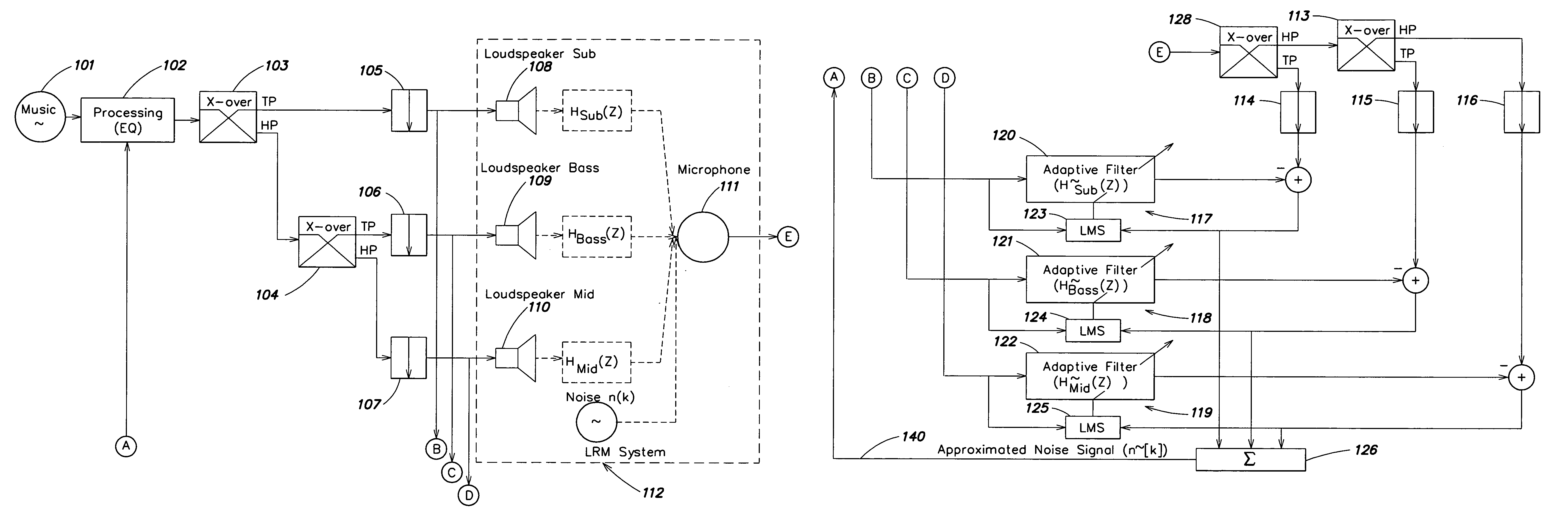
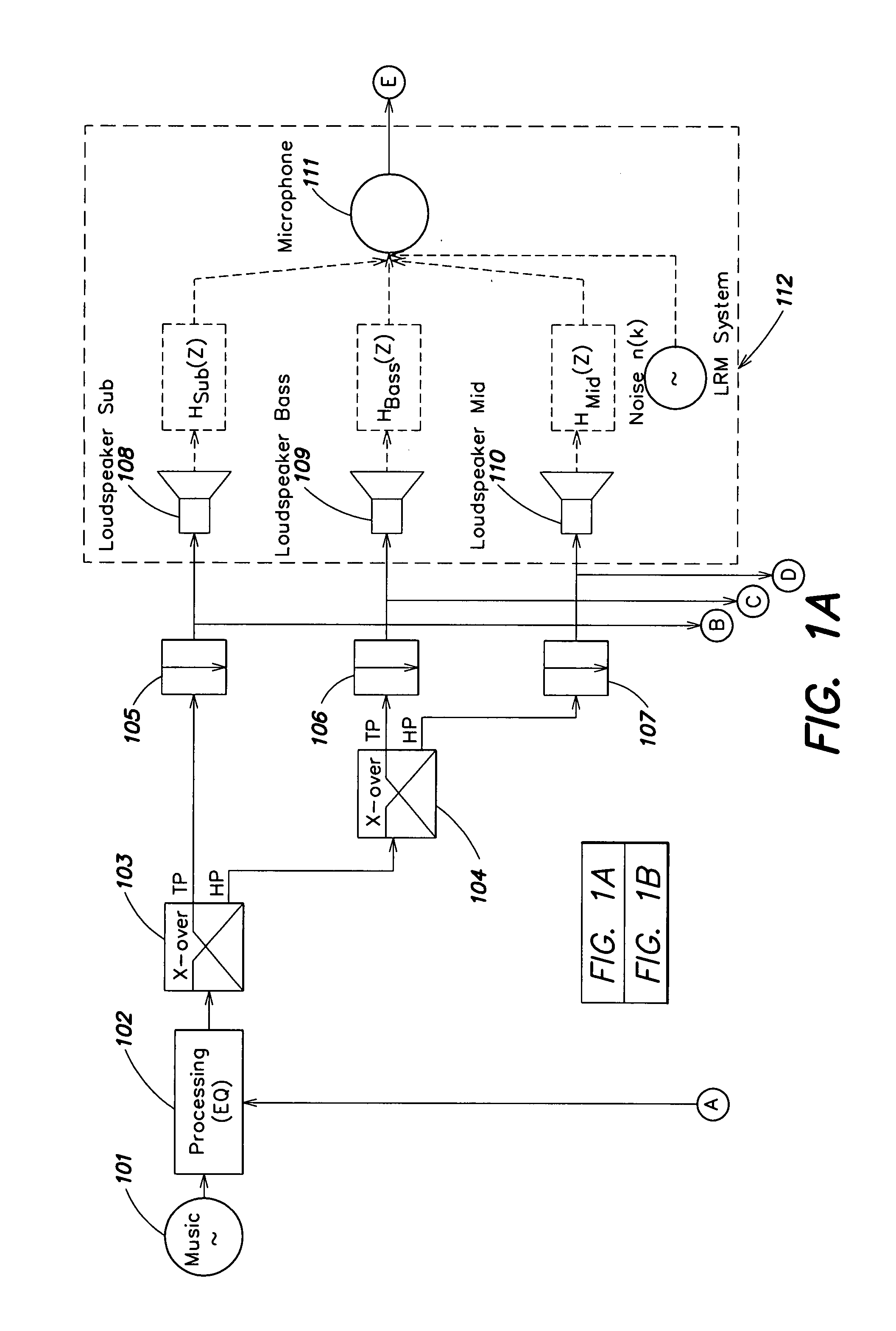
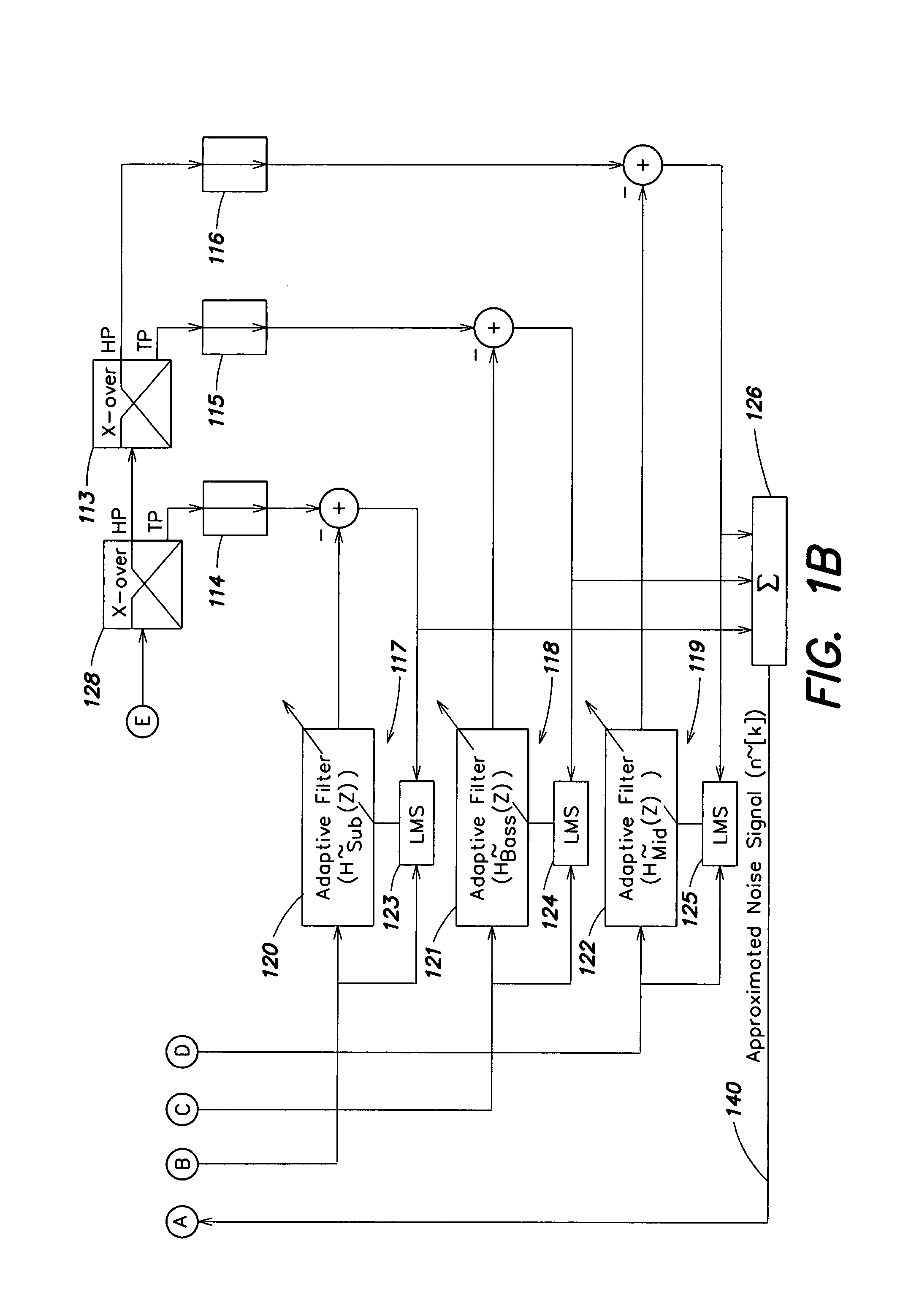
- A dynamic equalizer control system that uses linear predictive coding (LPC) to analyze ambient noise and adjust sound output, considering the spectral distribution of noise and psychoacoustic aspects, to enhance the audio listening experience by boosting music levels and controlling gain and equalization accordingly.
Speaker protection excursion oversight
PatentActiveGB2559012A
Innovation
- Implementing a speaker protection system using multiple speaker models with oversight logic that adjusts based on feedback information, allowing for low-complexity models that reduce power consumption while maintaining effective protection by determining a correction factor for excursion predictions.


Bluetooth Audio Standards Landscape
The Bluetooth audio standards landscape has undergone significant evolution since the introduction of Bluetooth technology. Initially designed for basic audio transmission, Bluetooth has continuously adapted to meet the growing demands for high-quality wireless audio experiences. The Advanced Audio Distribution Profile (A2DP) marked a crucial milestone, enabling stereo audio streaming and laying the foundation for subsequent advancements.
In recent years, the landscape has been dominated by several key codecs and standards. The Sub-band Coding (SBC) codec, while universal, has been supplemented by more advanced options. aptX and its variants, developed by Qualcomm, have gained prominence for their low-latency and high-quality audio transmission. Apple's AAC codec has become a staple in iOS devices, offering improved audio quality within the Apple ecosystem.
The introduction of Sony's LDAC codec has further pushed the boundaries of Bluetooth audio quality. LDAC allows for transmission of high-resolution audio content, supporting up to 990 kbps bitrates. This development has been particularly significant for audiophiles and users seeking premium audio experiences on wireless devices.
The Bluetooth Special Interest Group (SIG) has also introduced its own advancements, notably the LE Audio standard. This new standard brings improvements in power efficiency, audio quality, and multi-stream capabilities, potentially revolutionizing hearing aid technology and public audio broadcasts.
The current landscape is characterized by a mix of proprietary and open standards, each with its strengths and limitations. Manufacturers and developers must navigate this complex ecosystem, often implementing multiple codecs to ensure compatibility across various devices and platforms. The challenge lies in balancing audio quality, latency, power consumption, and device compatibility.
As the demand for high-quality wireless audio continues to grow, the Bluetooth audio standards landscape is likely to see further innovations. Future developments may focus on increasing bandwidth, reducing latency, and improving energy efficiency. The integration of artificial intelligence and machine learning could lead to more adaptive and context-aware audio experiences, tailoring sound output based on environmental factors and user preferences.
In recent years, the landscape has been dominated by several key codecs and standards. The Sub-band Coding (SBC) codec, while universal, has been supplemented by more advanced options. aptX and its variants, developed by Qualcomm, have gained prominence for their low-latency and high-quality audio transmission. Apple's AAC codec has become a staple in iOS devices, offering improved audio quality within the Apple ecosystem.
The introduction of Sony's LDAC codec has further pushed the boundaries of Bluetooth audio quality. LDAC allows for transmission of high-resolution audio content, supporting up to 990 kbps bitrates. This development has been particularly significant for audiophiles and users seeking premium audio experiences on wireless devices.
The Bluetooth Special Interest Group (SIG) has also introduced its own advancements, notably the LE Audio standard. This new standard brings improvements in power efficiency, audio quality, and multi-stream capabilities, potentially revolutionizing hearing aid technology and public audio broadcasts.
The current landscape is characterized by a mix of proprietary and open standards, each with its strengths and limitations. Manufacturers and developers must navigate this complex ecosystem, often implementing multiple codecs to ensure compatibility across various devices and platforms. The challenge lies in balancing audio quality, latency, power consumption, and device compatibility.
As the demand for high-quality wireless audio continues to grow, the Bluetooth audio standards landscape is likely to see further innovations. Future developments may focus on increasing bandwidth, reducing latency, and improving energy efficiency. The integration of artificial intelligence and machine learning could lead to more adaptive and context-aware audio experiences, tailoring sound output based on environmental factors and user preferences.
LDAC Interoperability Considerations
LDAC interoperability considerations are crucial for ensuring seamless integration and optimal performance of LDAC-enabled devices across various platforms and ecosystems. As LDAC technology continues to gain traction in the audio industry, addressing interoperability challenges becomes paramount for manufacturers and developers.
One of the primary considerations is codec compatibility. LDAC, being a proprietary technology developed by Sony, requires proper licensing and implementation to ensure compatibility with different devices and operating systems. Manufacturers must adhere to the LDAC specifications and guidelines to guarantee consistent performance across various hardware configurations.
Another critical aspect is the implementation of adaptive bit rate (ABR) mechanisms. LDAC supports multiple bit rates, ranging from 330 kbps to 990 kbps, depending on the connection quality and device capabilities. Ensuring that devices can dynamically adjust the bit rate based on real-time conditions is essential for maintaining optimal audio quality and connection stability.
Bluetooth version compatibility is also a significant factor in LDAC interoperability. While LDAC is designed to work with Bluetooth 4.0 and above, optimal performance is achieved with Bluetooth 5.0 and newer versions. Manufacturers must consider the Bluetooth stack implementation and ensure proper support for LDAC within their devices' firmware.
Power management is another crucial consideration, especially for battery-powered devices. LDAC's high-quality audio transmission requires more processing power and bandwidth compared to standard Bluetooth codecs. Implementing efficient power management techniques and optimizing the LDAC encoding/decoding processes can help extend battery life without compromising audio quality.
User interface and experience considerations are equally important. Devices should provide clear indications of LDAC connectivity status, allowing users to easily identify when LDAC is active and when it switches to alternative codecs. This transparency helps users understand and manage their audio experience effectively.
Lastly, firmware update mechanisms play a vital role in LDAC interoperability. As the LDAC technology evolves and new features or optimizations are introduced, devices should have robust firmware update capabilities to ensure long-term compatibility and performance improvements. This includes over-the-air (OTA) update support and user-friendly update processes.
One of the primary considerations is codec compatibility. LDAC, being a proprietary technology developed by Sony, requires proper licensing and implementation to ensure compatibility with different devices and operating systems. Manufacturers must adhere to the LDAC specifications and guidelines to guarantee consistent performance across various hardware configurations.
Another critical aspect is the implementation of adaptive bit rate (ABR) mechanisms. LDAC supports multiple bit rates, ranging from 330 kbps to 990 kbps, depending on the connection quality and device capabilities. Ensuring that devices can dynamically adjust the bit rate based on real-time conditions is essential for maintaining optimal audio quality and connection stability.
Bluetooth version compatibility is also a significant factor in LDAC interoperability. While LDAC is designed to work with Bluetooth 4.0 and above, optimal performance is achieved with Bluetooth 5.0 and newer versions. Manufacturers must consider the Bluetooth stack implementation and ensure proper support for LDAC within their devices' firmware.
Power management is another crucial consideration, especially for battery-powered devices. LDAC's high-quality audio transmission requires more processing power and bandwidth compared to standard Bluetooth codecs. Implementing efficient power management techniques and optimizing the LDAC encoding/decoding processes can help extend battery life without compromising audio quality.
User interface and experience considerations are equally important. Devices should provide clear indications of LDAC connectivity status, allowing users to easily identify when LDAC is active and when it switches to alternative codecs. This transparency helps users understand and manage their audio experience effectively.
Lastly, firmware update mechanisms play a vital role in LDAC interoperability. As the LDAC technology evolves and new features or optimizations are introduced, devices should have robust firmware update capabilities to ensure long-term compatibility and performance improvements. This includes over-the-air (OTA) update support and user-friendly update processes.
Unlock deeper insights with PatSnap Eureka Quick Research — get a full tech report to explore trends and direct your research. Try now!
Generate Your Research Report Instantly with AI Agent
Supercharge your innovation with PatSnap Eureka AI Agent Platform!