How to Upgrade Workspace Efficiency with QLED?
JUN 20, 20259 MIN READ
Generate Your Research Report Instantly with AI Agent
Patsnap Eureka helps you evaluate technical feasibility & market potential.
QLED Technology Evolution and Workspace Goals
QLED (Quantum Dot Light Emitting Diode) technology has undergone significant evolution since its inception, revolutionizing display technology and paving the way for enhanced workspace efficiency. The journey of QLED began with the discovery of quantum dots in the 1980s, but it wasn't until the early 2000s that researchers started exploring their potential in display applications.
The primary goal of QLED technology in workspace environments is to provide superior visual performance, energy efficiency, and ergonomic benefits. As the technology progressed, it aimed to address the limitations of traditional LCD and OLED displays, such as color accuracy, brightness, and longevity. QLED displays offer wider color gamuts, higher peak brightness, and improved color volume, which are crucial for tasks requiring precise color representation and high visual clarity.
In the context of workspace efficiency, QLED technology seeks to enhance productivity by reducing eye strain and improving overall visual comfort. The technology's ability to produce vibrant colors and deep blacks contributes to better contrast ratios, making it easier for users to discern details and work for extended periods without fatigue. Additionally, QLED displays aim to minimize blue light emission, which is known to disrupt sleep patterns and cause eye discomfort during prolonged use.
Another key objective of QLED technology in workspaces is to improve energy efficiency. By utilizing quantum dots, QLED displays can achieve higher brightness levels with lower power consumption compared to traditional display technologies. This not only reduces energy costs but also aligns with sustainability goals in modern workplaces.
The evolution of QLED technology has also focused on enhancing durability and lifespan. Early quantum dot displays faced challenges with degradation over time, particularly when exposed to air and moisture. Recent advancements have led to the development of more stable quantum dot materials and improved encapsulation techniques, resulting in displays that maintain their performance characteristics for longer periods.
As QLED technology continues to evolve, it aims to integrate seamlessly with other workplace technologies. This includes compatibility with various devices and operating systems, as well as the ability to support advanced features such as touch interactivity and flexible form factors. The goal is to create versatile display solutions that can adapt to diverse workspace requirements, from individual desktops to large-scale collaborative environments.
In summary, the evolution of QLED technology and its workspace goals center around delivering superior visual quality, enhancing user comfort and productivity, improving energy efficiency, and providing durable, versatile display solutions. As the technology matures, it promises to play an increasingly significant role in upgrading workspace efficiency across various industries and applications.
The primary goal of QLED technology in workspace environments is to provide superior visual performance, energy efficiency, and ergonomic benefits. As the technology progressed, it aimed to address the limitations of traditional LCD and OLED displays, such as color accuracy, brightness, and longevity. QLED displays offer wider color gamuts, higher peak brightness, and improved color volume, which are crucial for tasks requiring precise color representation and high visual clarity.
In the context of workspace efficiency, QLED technology seeks to enhance productivity by reducing eye strain and improving overall visual comfort. The technology's ability to produce vibrant colors and deep blacks contributes to better contrast ratios, making it easier for users to discern details and work for extended periods without fatigue. Additionally, QLED displays aim to minimize blue light emission, which is known to disrupt sleep patterns and cause eye discomfort during prolonged use.
Another key objective of QLED technology in workspaces is to improve energy efficiency. By utilizing quantum dots, QLED displays can achieve higher brightness levels with lower power consumption compared to traditional display technologies. This not only reduces energy costs but also aligns with sustainability goals in modern workplaces.
The evolution of QLED technology has also focused on enhancing durability and lifespan. Early quantum dot displays faced challenges with degradation over time, particularly when exposed to air and moisture. Recent advancements have led to the development of more stable quantum dot materials and improved encapsulation techniques, resulting in displays that maintain their performance characteristics for longer periods.
As QLED technology continues to evolve, it aims to integrate seamlessly with other workplace technologies. This includes compatibility with various devices and operating systems, as well as the ability to support advanced features such as touch interactivity and flexible form factors. The goal is to create versatile display solutions that can adapt to diverse workspace requirements, from individual desktops to large-scale collaborative environments.
In summary, the evolution of QLED technology and its workspace goals center around delivering superior visual quality, enhancing user comfort and productivity, improving energy efficiency, and providing durable, versatile display solutions. As the technology matures, it promises to play an increasingly significant role in upgrading workspace efficiency across various industries and applications.
Market Demand for QLED in Professional Environments
The demand for QLED technology in professional environments has been steadily increasing, driven by the need for enhanced visual performance and workspace efficiency. As businesses seek to optimize their operations and create more productive work environments, QLED displays are emerging as a key solution to address these needs.
In office settings, QLED technology is gaining traction due to its superior color accuracy, brightness, and energy efficiency compared to traditional LCD displays. The improved visual quality offered by QLED screens reduces eye strain and fatigue, particularly in long working hours, leading to increased productivity and employee well-being. This is especially crucial in industries such as graphic design, video editing, and data analysis, where color accuracy and image clarity are paramount.
The healthcare sector is another area where QLED displays are seeing growing demand. In medical imaging applications, the high contrast ratio and wide color gamut of QLED screens enable more accurate diagnosis and interpretation of medical images. This improved visual fidelity can lead to better patient outcomes and more efficient healthcare delivery.
In the education sector, QLED technology is being adopted for interactive whiteboards and large-format displays in classrooms and lecture halls. The enhanced visibility and color reproduction of QLED screens improve the learning experience, making it easier for students to engage with visual content and for educators to present complex information more effectively.
The retail industry is also embracing QLED technology for digital signage and in-store displays. The vibrant colors and high brightness of QLED screens attract customer attention and enhance the overall shopping experience, potentially leading to increased sales and brand engagement.
As remote work and virtual collaboration become more prevalent, there is a growing demand for QLED displays in home office setups. Professionals are investing in high-quality screens to improve their work-from-home experience, with QLED technology offering superior visual performance for video conferencing, document editing, and multitasking.
The market for QLED in professional environments is expected to expand further as businesses increasingly recognize the long-term benefits of investing in advanced display technology. The potential for improved productivity, reduced eye strain, and enhanced visual communication is driving adoption across various industries.
However, the widespread adoption of QLED technology in professional settings still faces some challenges, including higher initial costs compared to traditional displays and the need for infrastructure upgrades to support these advanced screens. Despite these hurdles, the market trend indicates a growing preference for QLED technology as businesses prioritize workspace efficiency and employee well-being.
In office settings, QLED technology is gaining traction due to its superior color accuracy, brightness, and energy efficiency compared to traditional LCD displays. The improved visual quality offered by QLED screens reduces eye strain and fatigue, particularly in long working hours, leading to increased productivity and employee well-being. This is especially crucial in industries such as graphic design, video editing, and data analysis, where color accuracy and image clarity are paramount.
The healthcare sector is another area where QLED displays are seeing growing demand. In medical imaging applications, the high contrast ratio and wide color gamut of QLED screens enable more accurate diagnosis and interpretation of medical images. This improved visual fidelity can lead to better patient outcomes and more efficient healthcare delivery.
In the education sector, QLED technology is being adopted for interactive whiteboards and large-format displays in classrooms and lecture halls. The enhanced visibility and color reproduction of QLED screens improve the learning experience, making it easier for students to engage with visual content and for educators to present complex information more effectively.
The retail industry is also embracing QLED technology for digital signage and in-store displays. The vibrant colors and high brightness of QLED screens attract customer attention and enhance the overall shopping experience, potentially leading to increased sales and brand engagement.
As remote work and virtual collaboration become more prevalent, there is a growing demand for QLED displays in home office setups. Professionals are investing in high-quality screens to improve their work-from-home experience, with QLED technology offering superior visual performance for video conferencing, document editing, and multitasking.
The market for QLED in professional environments is expected to expand further as businesses increasingly recognize the long-term benefits of investing in advanced display technology. The potential for improved productivity, reduced eye strain, and enhanced visual communication is driving adoption across various industries.
However, the widespread adoption of QLED technology in professional settings still faces some challenges, including higher initial costs compared to traditional displays and the need for infrastructure upgrades to support these advanced screens. Despite these hurdles, the market trend indicates a growing preference for QLED technology as businesses prioritize workspace efficiency and employee well-being.
QLED Display Challenges in Workspace Settings
QLED displays, while offering numerous advantages in workspace settings, face several challenges that need to be addressed to fully realize their potential for enhancing productivity and efficiency. One of the primary concerns is the issue of color accuracy and consistency over extended periods of use. In professional environments where color-critical work is performed, such as graphic design or video editing, even slight deviations in color reproduction can lead to significant discrepancies in the final output.
Another challenge lies in the management of power consumption and heat generation. QLED displays, particularly larger models, can consume substantial amounts of energy, which may lead to increased operational costs for businesses. Additionally, the heat generated by these displays can contribute to workplace discomfort and potentially impact the longevity of the technology itself.
Glare and reflection pose significant hurdles in workspace environments with varying lighting conditions. While QLED technology offers improved brightness levels, managing reflections from ambient light sources remains a concern, especially in open-plan offices or spaces with large windows. This can lead to eye strain and reduced visibility, ultimately impacting worker productivity and comfort.
The integration of QLED displays with existing workplace technologies and systems presents another set of challenges. Ensuring seamless connectivity and compatibility with a wide range of devices, operating systems, and software applications is crucial for maintaining workflow efficiency. This includes addressing issues related to input lag and response times, which are particularly important in fast-paced, collaborative work environments.
Durability and longevity of QLED displays in high-use workplace settings are also areas of concern. The potential for image retention or burn-in, although less prevalent than in OLED technology, still requires consideration, especially in scenarios where static content is displayed for extended periods. Furthermore, the overall lifespan of QLED displays in comparison to traditional LCD panels needs to be evaluated in terms of long-term cost-effectiveness for businesses.
Lastly, the environmental impact of QLED technology in workplace settings cannot be overlooked. The manufacturing process and materials used in QLED displays raise questions about sustainability and end-of-life disposal. As businesses increasingly prioritize eco-friendly practices, addressing these environmental concerns becomes crucial for widespread adoption in professional environments.
Another challenge lies in the management of power consumption and heat generation. QLED displays, particularly larger models, can consume substantial amounts of energy, which may lead to increased operational costs for businesses. Additionally, the heat generated by these displays can contribute to workplace discomfort and potentially impact the longevity of the technology itself.
Glare and reflection pose significant hurdles in workspace environments with varying lighting conditions. While QLED technology offers improved brightness levels, managing reflections from ambient light sources remains a concern, especially in open-plan offices or spaces with large windows. This can lead to eye strain and reduced visibility, ultimately impacting worker productivity and comfort.
The integration of QLED displays with existing workplace technologies and systems presents another set of challenges. Ensuring seamless connectivity and compatibility with a wide range of devices, operating systems, and software applications is crucial for maintaining workflow efficiency. This includes addressing issues related to input lag and response times, which are particularly important in fast-paced, collaborative work environments.
Durability and longevity of QLED displays in high-use workplace settings are also areas of concern. The potential for image retention or burn-in, although less prevalent than in OLED technology, still requires consideration, especially in scenarios where static content is displayed for extended periods. Furthermore, the overall lifespan of QLED displays in comparison to traditional LCD panels needs to be evaluated in terms of long-term cost-effectiveness for businesses.
Lastly, the environmental impact of QLED technology in workplace settings cannot be overlooked. The manufacturing process and materials used in QLED displays raise questions about sustainability and end-of-life disposal. As businesses increasingly prioritize eco-friendly practices, addressing these environmental concerns becomes crucial for widespread adoption in professional environments.
Current QLED Implementations for Productivity Enhancement
01 Quantum dot composition optimization
Improving QLED efficiency through optimizing the composition of quantum dots. This includes adjusting the core-shell structure, doping with specific elements, and controlling the size distribution of quantum dots to enhance light emission and reduce energy loss.- Quantum dot composition optimization: Improving QLED efficiency through optimizing the composition of quantum dots. This includes adjusting the core-shell structure, doping with specific elements, and controlling the size distribution of quantum dots to enhance light emission and reduce energy loss.
- Hole transport layer engineering: Enhancing QLED efficiency by developing advanced hole transport layers. This involves using novel materials, optimizing layer thickness, and improving the interface between the hole transport layer and the emissive layer to facilitate better charge carrier movement.
- Electron transport layer improvements: Boosting QLED efficiency through innovations in electron transport layers. This includes developing new materials with higher electron mobility, optimizing layer morphology, and enhancing the interface with the emissive layer to improve electron injection and transport.
- Light outcoupling enhancement: Increasing QLED efficiency by improving light extraction. This involves implementing optical structures such as microlenses, nanopatterns, or photonic crystals to reduce total internal reflection and enhance light outcoupling from the device.
- Device architecture optimization: Enhancing QLED efficiency through innovative device architectures. This includes developing tandem structures, implementing color conversion layers, and optimizing the overall stack design to improve charge balance and light emission efficiency.
02 Hole transport layer enhancement
Enhancing the hole transport layer in QLEDs to improve charge carrier balance and increase overall device efficiency. This involves developing new materials or modifying existing ones to optimize hole injection and transport properties.Expand Specific Solutions03 Electron transport layer optimization
Optimizing the electron transport layer to improve electron injection and transport in QLEDs. This includes developing novel materials or modifying existing ones to enhance electron mobility and reduce energy barriers at interfaces.Expand Specific Solutions04 Light outcoupling techniques
Implementing advanced light outcoupling techniques to increase the external quantum efficiency of QLEDs. This involves using nanostructures, microlens arrays, or other optical elements to reduce total internal reflection and improve light extraction.Expand Specific Solutions05 Device architecture optimization
Optimizing the overall device architecture of QLEDs to improve efficiency. This includes exploring novel layer stacking sequences, developing tandem structures, or implementing micro-cavity effects to enhance light emission and reduce energy losses.Expand Specific Solutions
Key QLED Manufacturers and Workspace Solution Providers
The QLED technology for upgrading workspace efficiency is in a growth phase, with increasing market size and technological maturity. Major players like Samsung Display, BOE Technology, and Sharp are driving innovation in this field. The market is expanding as businesses seek to enhance productivity through advanced display solutions. QLED's improved color accuracy, brightness, and energy efficiency make it attractive for workspace applications. Companies such as Huawei and OSRAM are also contributing to the technology's development, indicating a competitive landscape. The involvement of research institutions like Zhejiang University and Fraunhofer-Gesellschaft suggests ongoing advancements in QLED technology, potentially leading to further improvements in workspace efficiency solutions.
BOE Technology Group Co., Ltd.
Technical Solution: BOE has developed advanced QLED technology for workspace displays, focusing on high color gamut, brightness, and energy efficiency. Their QLED displays utilize quantum dot technology to enhance color accuracy and vibrancy. BOE's QLED panels feature a wide color gamut covering over 90% of the DCI-P3 color space, peak brightness levels exceeding 1000 nits, and low power consumption. The company has also implemented local dimming technology to improve contrast ratios and HDR performance, resulting in more vivid and lifelike images.
Strengths: Superior color reproduction, high brightness, and energy efficiency. Weaknesses: Higher production costs compared to traditional LCD panels, potential for burn-in with static images.
Shenzhen China Star Optoelectronics Semicon Display Tech Co.
Technical Solution: CSOT has developed QLED display technology for workspace applications, focusing on high refresh rates and low blue light emission. Their QLED panels feature a 144Hz refresh rate, reducing motion blur and improving visual comfort during fast-paced work. CSOT's displays incorporate a specialized blue light filter that reduces harmful blue light emissions by up to 30% without significantly affecting color accuracy. The company has also implemented an advanced local dimming algorithm that enhances contrast ratios while minimizing power consumption, contributing to improved workspace efficiency and reduced eye strain.
Strengths: High refresh rates, reduced blue light emission, and advanced local dimming. Weaknesses: Less established brand recognition in the global market compared to some competitors.
QLED Innovations for Eye Comfort and Color Accuracy
QLED device efficiency improving method based on femtosecond laser processing
PatentPendingCN118234339A
Innovation
- Femtosecond laser processing technology is used to form a cross-linked structure at the interface between the hole transport layer and the quantum dot light-emitting layer of the semi-finished QLED device. Through the precise control of the femtosecond laser, the hole transmission efficiency is improved, and electrons are emitted without damaging the device. Spin coating and encapsulation of transfer layer.


Display device and pixel lighting control method therefor
PatentPendingUS20240013710A1
Innovation
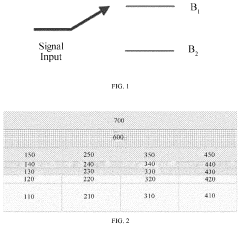
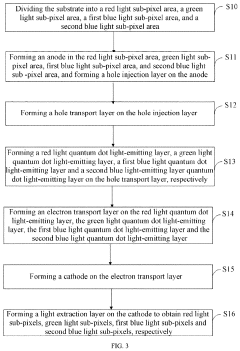
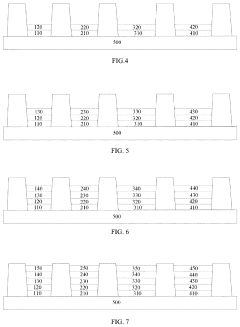
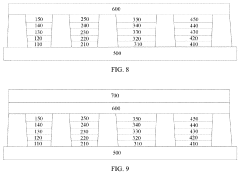
- A display device comprising a plurality of pixels, each including a red light sub-pixel, a green light sub-pixel, a first blue light sub-pixel, and a second blue light sub-pixel, where the first blue light sub-pixel is configured to emit light at high brightness and the second blue light sub-pixel is configured to emit light at low brightness, with the first blue light sub-pixel having high efficiency and the second blue light sub-pixel having a long lifetime, allowing for independent control based on brightness requirements.
Energy Efficiency and Sustainability of QLED in Offices
QLED (Quantum Dot Light Emitting Diode) technology has emerged as a promising solution for enhancing energy efficiency and sustainability in office environments. The implementation of QLED displays in workspaces offers significant advantages in terms of power consumption and environmental impact compared to traditional lighting and display technologies.
QLED displays consume substantially less energy than conventional LCD or LED screens, primarily due to their ability to produce brighter and more vibrant colors with less power input. This reduced energy consumption translates directly into lower electricity costs for businesses and a smaller carbon footprint. Studies have shown that QLED displays can be up to 25% more energy-efficient than their LED counterparts, making them an attractive option for companies looking to reduce their environmental impact and operational costs.
The longevity of QLED technology also contributes to its sustainability profile. QLED displays typically have a longer lifespan than traditional display technologies, reducing the frequency of replacements and, consequently, electronic waste. This durability not only decreases the environmental impact associated with manufacturing and disposing of electronic devices but also provides cost savings for businesses in the long term.
Furthermore, QLED technology allows for the creation of larger, bezel-less displays that can enhance collaborative work environments without significantly increasing energy consumption. These expansive displays can replace multiple smaller screens, streamlining office setups and potentially reducing the overall number of devices required in a workspace.
The color accuracy and high contrast ratios of QLED displays also contribute to improved visual ergonomics in office settings. This can lead to reduced eye strain for employees, potentially increasing productivity and well-being. The enhanced visual experience may also result in lower lighting requirements in office spaces, further contributing to energy savings.
In terms of materials and manufacturing, QLED technology utilizes quantum dots, which are typically made from non-toxic materials and can be produced using less energy-intensive processes compared to some other display technologies. This aspect aligns with the growing demand for more environmentally friendly production methods in the electronics industry.
As businesses increasingly prioritize sustainability and seek to reduce their environmental impact, the adoption of QLED technology in office spaces represents a tangible step towards these goals. The combination of energy efficiency, longevity, and improved visual performance makes QLED an attractive option for companies looking to upgrade their workspace efficiency while simultaneously enhancing their sustainability credentials.
QLED displays consume substantially less energy than conventional LCD or LED screens, primarily due to their ability to produce brighter and more vibrant colors with less power input. This reduced energy consumption translates directly into lower electricity costs for businesses and a smaller carbon footprint. Studies have shown that QLED displays can be up to 25% more energy-efficient than their LED counterparts, making them an attractive option for companies looking to reduce their environmental impact and operational costs.
The longevity of QLED technology also contributes to its sustainability profile. QLED displays typically have a longer lifespan than traditional display technologies, reducing the frequency of replacements and, consequently, electronic waste. This durability not only decreases the environmental impact associated with manufacturing and disposing of electronic devices but also provides cost savings for businesses in the long term.
Furthermore, QLED technology allows for the creation of larger, bezel-less displays that can enhance collaborative work environments without significantly increasing energy consumption. These expansive displays can replace multiple smaller screens, streamlining office setups and potentially reducing the overall number of devices required in a workspace.
The color accuracy and high contrast ratios of QLED displays also contribute to improved visual ergonomics in office settings. This can lead to reduced eye strain for employees, potentially increasing productivity and well-being. The enhanced visual experience may also result in lower lighting requirements in office spaces, further contributing to energy savings.
In terms of materials and manufacturing, QLED technology utilizes quantum dots, which are typically made from non-toxic materials and can be produced using less energy-intensive processes compared to some other display technologies. This aspect aligns with the growing demand for more environmentally friendly production methods in the electronics industry.
As businesses increasingly prioritize sustainability and seek to reduce their environmental impact, the adoption of QLED technology in office spaces represents a tangible step towards these goals. The combination of energy efficiency, longevity, and improved visual performance makes QLED an attractive option for companies looking to upgrade their workspace efficiency while simultaneously enhancing their sustainability credentials.
Ergonomic Considerations for QLED Workspace Integration
Integrating QLED technology into workspaces requires careful consideration of ergonomic factors to ensure optimal user comfort and productivity. The implementation of QLED displays in office environments presents unique challenges and opportunities for enhancing workspace efficiency while prioritizing employee well-being.
One of the primary ergonomic considerations for QLED workspace integration is the reduction of eye strain and fatigue. QLED displays offer superior brightness and contrast ratios compared to traditional LCD screens, which can help reduce eye fatigue during extended periods of use. However, it is crucial to implement proper brightness settings and ambient lighting conditions to prevent glare and maintain visual comfort throughout the workday.
The positioning of QLED displays within the workspace is another critical ergonomic factor. Proper monitor height and viewing distance are essential to maintain correct posture and reduce neck and shoulder strain. Adjustable monitor arms or stands should be utilized to allow users to customize their display setup according to their individual needs and preferences.
Color accuracy and consistency across QLED displays are vital for maintaining visual ergonomics, especially in collaborative work environments. QLED technology's wide color gamut and high color volume capabilities can enhance color representation, but it is essential to ensure proper calibration and color management to prevent eye strain and maintain consistent visual experiences across different workstations.
The potential for larger screen sizes and curved displays offered by QLED technology presents both opportunities and challenges for workspace ergonomics. While larger displays can increase productivity by allowing for more efficient multitasking and improved visibility of complex data, they may also require users to make more frequent head and eye movements. Curved displays can help mitigate this issue by providing a more immersive and ergonomic viewing experience, reducing eye and neck strain associated with viewing large flat screens.
Heat generation and energy efficiency are additional ergonomic considerations for QLED workspace integration. QLED displays generally produce less heat than traditional LED or OLED displays, which can contribute to a more comfortable work environment. However, proper ventilation and thermal management should still be considered in the overall workspace design to ensure optimal comfort and energy efficiency.
Lastly, the integration of QLED technology should consider the potential for reduced blue light emissions. While QLED displays typically emit less harmful blue light than traditional LED displays, implementing additional blue light reduction features or software can further enhance visual comfort and potentially improve sleep quality for users who work extended hours.
One of the primary ergonomic considerations for QLED workspace integration is the reduction of eye strain and fatigue. QLED displays offer superior brightness and contrast ratios compared to traditional LCD screens, which can help reduce eye fatigue during extended periods of use. However, it is crucial to implement proper brightness settings and ambient lighting conditions to prevent glare and maintain visual comfort throughout the workday.
The positioning of QLED displays within the workspace is another critical ergonomic factor. Proper monitor height and viewing distance are essential to maintain correct posture and reduce neck and shoulder strain. Adjustable monitor arms or stands should be utilized to allow users to customize their display setup according to their individual needs and preferences.
Color accuracy and consistency across QLED displays are vital for maintaining visual ergonomics, especially in collaborative work environments. QLED technology's wide color gamut and high color volume capabilities can enhance color representation, but it is essential to ensure proper calibration and color management to prevent eye strain and maintain consistent visual experiences across different workstations.
The potential for larger screen sizes and curved displays offered by QLED technology presents both opportunities and challenges for workspace ergonomics. While larger displays can increase productivity by allowing for more efficient multitasking and improved visibility of complex data, they may also require users to make more frequent head and eye movements. Curved displays can help mitigate this issue by providing a more immersive and ergonomic viewing experience, reducing eye and neck strain associated with viewing large flat screens.
Heat generation and energy efficiency are additional ergonomic considerations for QLED workspace integration. QLED displays generally produce less heat than traditional LED or OLED displays, which can contribute to a more comfortable work environment. However, proper ventilation and thermal management should still be considered in the overall workspace design to ensure optimal comfort and energy efficiency.
Lastly, the integration of QLED technology should consider the potential for reduced blue light emissions. While QLED displays typically emit less harmful blue light than traditional LED displays, implementing additional blue light reduction features or software can further enhance visual comfort and potentially improve sleep quality for users who work extended hours.
Unlock deeper insights with Patsnap Eureka Quick Research — get a full tech report to explore trends and direct your research. Try now!
Generate Your Research Report Instantly with AI Agent
Supercharge your innovation with Patsnap Eureka AI Agent Platform!