

How to Use Active Alignment for Enhanced Optical Systems
APR 15, 20269 MIN READ
Generate Your Research Report Instantly with AI Agent
PatSnap Eureka helps you evaluate technical feasibility & market potential.
Active Alignment Technology Background and Objectives
Active alignment technology has emerged as a critical enablement for modern optical systems, addressing the fundamental challenge of achieving precise component positioning in increasingly complex photonic assemblies. This technology represents a paradigm shift from traditional passive alignment methods, where optical components are positioned based on mechanical tolerances and fixed mounting structures. The evolution of active alignment stems from the growing demand for higher performance optical systems across telecommunications, consumer electronics, automotive, and industrial applications.
The historical development of active alignment can be traced back to the early fiber optic communication systems of the 1980s, where the need for efficient light coupling between laser diodes and optical fibers drove initial innovations. Early implementations relied on manual adjustment processes with real-time optical power monitoring. As semiconductor manufacturing advanced and optical component miniaturization accelerated, the precision requirements exceeded what passive alignment could reliably achieve, necessitating automated active alignment solutions.
Contemporary optical systems face unprecedented challenges in terms of alignment precision, with tolerances often measured in sub-micron ranges. The proliferation of multi-channel optical transceivers, complex lens assemblies in smartphone cameras, LiDAR systems for autonomous vehicles, and high-density photonic integrated circuits has created a technological landscape where active alignment is not merely advantageous but essential for achieving target performance specifications.
The primary objective of implementing active alignment technology is to maximize optical coupling efficiency while minimizing insertion losses and maintaining long-term stability. This involves real-time optimization of component positioning through feedback-controlled mechanical systems that respond to optical performance metrics. The technology aims to achieve coupling efficiencies exceeding 90% in fiber-to-chip connections and maintain positional accuracy within nanometer ranges.
Secondary objectives include reducing manufacturing cycle times through automation, improving yield rates in optical assembly processes, and enabling the production of increasingly complex optical systems that would be impossible to manufacture using passive alignment techniques. The technology also targets enhanced reliability and repeatability in mass production environments, where consistent optical performance across thousands of units is paramount for commercial viability.
The historical development of active alignment can be traced back to the early fiber optic communication systems of the 1980s, where the need for efficient light coupling between laser diodes and optical fibers drove initial innovations. Early implementations relied on manual adjustment processes with real-time optical power monitoring. As semiconductor manufacturing advanced and optical component miniaturization accelerated, the precision requirements exceeded what passive alignment could reliably achieve, necessitating automated active alignment solutions.
Contemporary optical systems face unprecedented challenges in terms of alignment precision, with tolerances often measured in sub-micron ranges. The proliferation of multi-channel optical transceivers, complex lens assemblies in smartphone cameras, LiDAR systems for autonomous vehicles, and high-density photonic integrated circuits has created a technological landscape where active alignment is not merely advantageous but essential for achieving target performance specifications.
The primary objective of implementing active alignment technology is to maximize optical coupling efficiency while minimizing insertion losses and maintaining long-term stability. This involves real-time optimization of component positioning through feedback-controlled mechanical systems that respond to optical performance metrics. The technology aims to achieve coupling efficiencies exceeding 90% in fiber-to-chip connections and maintain positional accuracy within nanometer ranges.
Secondary objectives include reducing manufacturing cycle times through automation, improving yield rates in optical assembly processes, and enabling the production of increasingly complex optical systems that would be impossible to manufacture using passive alignment techniques. The technology also targets enhanced reliability and repeatability in mass production environments, where consistent optical performance across thousands of units is paramount for commercial viability.
Market Demand for Enhanced Optical System Precision
The global optical systems market is experiencing unprecedented growth driven by the increasing demand for precision across multiple high-technology sectors. Telecommunications infrastructure requires ultra-precise optical alignment for fiber optic networks, data centers, and 5G deployment, where even microscopic misalignments can result in significant signal loss and system degradation. The automotive industry's rapid adoption of LiDAR systems for autonomous vehicles has created substantial demand for enhanced optical precision, as these systems require millimeter-level accuracy for safe navigation and obstacle detection.
Consumer electronics manufacturers are pushing the boundaries of optical system miniaturization while maintaining exceptional performance standards. Smartphone cameras, augmented reality devices, and virtual reality headsets demand increasingly sophisticated optical alignment solutions to deliver superior image quality and user experiences. The medical device sector represents another critical growth area, where surgical lasers, diagnostic imaging equipment, and minimally invasive surgical instruments require extraordinary precision to ensure patient safety and treatment efficacy.
Industrial automation and manufacturing sectors are driving significant demand for precision optical systems in quality control, measurement, and inspection applications. Advanced manufacturing processes, particularly in semiconductor fabrication and precision machining, require optical systems with sub-micron alignment accuracy. The aerospace and defense industries continue to demand cutting-edge optical precision for satellite communications, surveillance systems, and guidance technologies.
The scientific research community, including astronomy, physics laboratories, and materials science facilities, requires optical systems with exceptional stability and precision for breakthrough discoveries. These applications often push the technological envelope, demanding alignment tolerances that exceed current industry standards.
Market pressures are intensifying as end-users across all sectors demand higher performance, greater reliability, and reduced manufacturing costs. Traditional passive alignment methods are increasingly inadequate for meeting these stringent requirements, creating a compelling market opportunity for active alignment technologies. The convergence of artificial intelligence, machine learning, and advanced sensor technologies is enabling new possibilities for real-time optical system optimization and adaptive precision control.
Consumer electronics manufacturers are pushing the boundaries of optical system miniaturization while maintaining exceptional performance standards. Smartphone cameras, augmented reality devices, and virtual reality headsets demand increasingly sophisticated optical alignment solutions to deliver superior image quality and user experiences. The medical device sector represents another critical growth area, where surgical lasers, diagnostic imaging equipment, and minimally invasive surgical instruments require extraordinary precision to ensure patient safety and treatment efficacy.
Industrial automation and manufacturing sectors are driving significant demand for precision optical systems in quality control, measurement, and inspection applications. Advanced manufacturing processes, particularly in semiconductor fabrication and precision machining, require optical systems with sub-micron alignment accuracy. The aerospace and defense industries continue to demand cutting-edge optical precision for satellite communications, surveillance systems, and guidance technologies.
The scientific research community, including astronomy, physics laboratories, and materials science facilities, requires optical systems with exceptional stability and precision for breakthrough discoveries. These applications often push the technological envelope, demanding alignment tolerances that exceed current industry standards.
Market pressures are intensifying as end-users across all sectors demand higher performance, greater reliability, and reduced manufacturing costs. Traditional passive alignment methods are increasingly inadequate for meeting these stringent requirements, creating a compelling market opportunity for active alignment technologies. The convergence of artificial intelligence, machine learning, and advanced sensor technologies is enabling new possibilities for real-time optical system optimization and adaptive precision control.
Current State and Challenges of Active Alignment Systems
Active alignment technology has reached a mature stage in several key application areas, particularly in fiber optic communications and high-precision optical instrumentation. Current systems predominantly utilize piezoelectric actuators, voice coil motors, and MEMS-based positioning devices to achieve sub-micron positioning accuracy. These systems typically operate in closed-loop configurations with real-time feedback from photodetectors, cameras, or interferometric sensors.
The telecommunications industry has successfully implemented active alignment in fiber-to-chip coupling applications, achieving coupling efficiencies exceeding 90% in production environments. Similarly, advanced microscopy systems and laser processing equipment routinely employ active alignment to maintain optimal beam positioning and focus control. However, these implementations are largely confined to controlled laboratory or manufacturing environments where external disturbances are minimized.
Despite technological advances, several critical challenges continue to limit broader adoption of active alignment systems. Speed remains a primary constraint, as current alignment algorithms often require several seconds to minutes for convergence, making them unsuitable for real-time applications requiring rapid reconfiguration. The trade-off between alignment speed and precision presents a fundamental limitation in dynamic optical systems.
Environmental sensitivity poses another significant challenge. Temperature fluctuations, mechanical vibrations, and electromagnetic interference can disrupt alignment stability, requiring sophisticated compensation mechanisms. Current systems struggle to maintain alignment accuracy in harsh industrial environments or mobile platforms where such disturbances are prevalent.
Cost considerations significantly impact market penetration, particularly in consumer applications. High-precision actuators, advanced control electronics, and sophisticated sensing systems contribute to substantial system costs. The complexity of integration and calibration procedures further increases implementation expenses, limiting adoption to high-value applications.
Power consumption represents an emerging challenge as optical systems become increasingly portable. Continuous operation of positioning actuators and control electronics can significantly impact battery life in mobile devices. Current active alignment systems lack energy-efficient operation modes that could enable broader deployment in power-constrained applications.
Scalability issues arise when implementing active alignment in multi-channel optical systems. Cross-coupling effects between adjacent channels and the exponential increase in control complexity with channel count present significant engineering challenges. Existing solutions often require individualized control systems for each channel, resulting in prohibitive cost and complexity scaling.
The telecommunications industry has successfully implemented active alignment in fiber-to-chip coupling applications, achieving coupling efficiencies exceeding 90% in production environments. Similarly, advanced microscopy systems and laser processing equipment routinely employ active alignment to maintain optimal beam positioning and focus control. However, these implementations are largely confined to controlled laboratory or manufacturing environments where external disturbances are minimized.
Despite technological advances, several critical challenges continue to limit broader adoption of active alignment systems. Speed remains a primary constraint, as current alignment algorithms often require several seconds to minutes for convergence, making them unsuitable for real-time applications requiring rapid reconfiguration. The trade-off between alignment speed and precision presents a fundamental limitation in dynamic optical systems.
Environmental sensitivity poses another significant challenge. Temperature fluctuations, mechanical vibrations, and electromagnetic interference can disrupt alignment stability, requiring sophisticated compensation mechanisms. Current systems struggle to maintain alignment accuracy in harsh industrial environments or mobile platforms where such disturbances are prevalent.
Cost considerations significantly impact market penetration, particularly in consumer applications. High-precision actuators, advanced control electronics, and sophisticated sensing systems contribute to substantial system costs. The complexity of integration and calibration procedures further increases implementation expenses, limiting adoption to high-value applications.
Power consumption represents an emerging challenge as optical systems become increasingly portable. Continuous operation of positioning actuators and control electronics can significantly impact battery life in mobile devices. Current active alignment systems lack energy-efficient operation modes that could enable broader deployment in power-constrained applications.
Scalability issues arise when implementing active alignment in multi-channel optical systems. Cross-coupling effects between adjacent channels and the exponential increase in control complexity with channel count present significant engineering challenges. Existing solutions often require individualized control systems for each channel, resulting in prohibitive cost and complexity scaling.
Current Active Alignment Implementation Solutions
01 Optical component active alignment systems
Active alignment techniques are employed in optical systems to precisely position and align optical components such as lenses, fibers, and sensors. These systems utilize real-time feedback mechanisms to adjust component positions during assembly, ensuring optimal optical coupling and performance. The alignment process typically involves measuring optical parameters like light intensity or signal quality while making micro-adjustments to achieve maximum transmission efficiency.- Optical component active alignment systems: Active alignment techniques are employed in optical systems to precisely position and align optical components such as lenses, fibers, and sensors. These systems utilize real-time feedback mechanisms to adjust component positions during assembly, ensuring optimal optical coupling and performance. The alignment process typically involves measuring optical parameters and making iterative adjustments to achieve maximum signal transmission or image quality.
- Active alignment in semiconductor packaging: In semiconductor and microelectronic packaging, active alignment methods are used to precisely position chips, dies, and interconnects. These techniques involve monitoring electrical or optical signals during the alignment process to ensure accurate placement and bonding. The approach improves yield and performance by compensating for manufacturing tolerances and achieving precise registration between components.
- Vision-based active alignment enhancement: Vision systems and image processing algorithms are integrated into active alignment processes to enhance positioning accuracy. These systems capture real-time images of components during alignment and use pattern recognition, edge detection, or feature matching to guide precise positioning. The visual feedback enables automated alignment with sub-micron accuracy and reduces manual intervention in assembly processes.
- Multi-axis active alignment mechanisms: Advanced alignment systems incorporate multi-axis positioning stages that enable simultaneous adjustment in multiple degrees of freedom. These mechanisms combine linear and rotational movements to achieve complex alignment requirements. Precision actuators and control systems work together to optimize component positioning through coordinated multi-dimensional adjustments, improving overall alignment efficiency and accuracy.
- Active alignment with feedback control systems: Closed-loop feedback control systems are implemented to continuously monitor and adjust alignment parameters during the assembly process. These systems measure performance metrics such as signal strength, coupling efficiency, or positional accuracy and automatically adjust actuator positions to maintain optimal alignment. The feedback mechanisms compensate for environmental variations, thermal drift, and mechanical tolerances to ensure stable and repeatable alignment results.
02 Active alignment enhancement through image processing
Image processing and computer vision techniques are utilized to enhance active alignment procedures. These methods involve capturing images of alignment targets or optical signals, analyzing the image data to determine misalignment parameters, and providing feedback for correction. Advanced algorithms can detect alignment features, calculate positioning errors, and guide automated adjustment mechanisms to achieve precise alignment with improved accuracy and speed.Expand Specific Solutions03 Multi-axis active alignment mechanisms
Multi-axis positioning systems enable active alignment by providing independent control over multiple degrees of freedom. These mechanisms incorporate precision actuators and stages that can adjust position and orientation in multiple axes simultaneously. The systems allow for fine-tuning of component placement in three-dimensional space, accommodating both translational and rotational adjustments to optimize alignment between optical or mechanical elements.Expand Specific Solutions04 Active alignment with real-time monitoring and feedback
Real-time monitoring systems continuously measure alignment quality during the alignment process and provide immediate feedback for adjustment. These systems employ sensors to detect alignment metrics such as optical power, signal strength, or positional accuracy. The feedback loop enables dynamic correction of alignment errors, allowing for adaptive control that compensates for environmental factors and ensures stable, optimized alignment throughout the assembly process.Expand Specific Solutions05 Automated active alignment for manufacturing
Automated active alignment systems integrate robotic handling, precision positioning, and measurement technologies to streamline manufacturing processes. These systems reduce manual intervention by automatically performing alignment sequences, including component loading, position adjustment, quality verification, and fixation. The automation improves throughput, consistency, and yield in high-volume production environments while maintaining tight alignment tolerances required for optical and optoelectronic device assembly.Expand Specific Solutions
Key Players in Active Alignment and Optical Industries
The active alignment technology for enhanced optical systems represents a rapidly evolving market driven by increasing demand for precision optics in automotive, telecommunications, and consumer electronics applications. The industry is transitioning from early adoption to mainstream implementation, with market growth fueled by autonomous vehicles, 5G infrastructure, and AR/VR devices. Technology maturity varies significantly across players, with established companies like Intel Corp., TDK Corp., and Mitsubishi Electric Corp. leading in manufacturing capabilities and system integration. Specialized firms such as Opto-Alignment Technology Inc. and isMedia Co. Ltd. focus on dedicated active alignment solutions, while research institutions like RWTH Aachen University and Institute of Automation Chinese Academy of Sciences drive fundamental innovations. The competitive landscape shows consolidation trends, with larger corporations acquiring specialized capabilities to enhance their optical system portfolios and maintain technological leadership.
II-VI Delaware, Inc.
Technical Solution: II-VI Delaware implements active alignment technology primarily for their photonics and laser systems manufacturing. Their approach utilizes advanced beam steering mechanisms combined with real-time optical power monitoring to achieve optimal coupling efficiency in fiber-optic components and laser modules. The company's active alignment systems employ precision motorized stages with closed-loop feedback control, enabling dynamic adjustment of optical elements during operation. Their technology integrates wavelength-specific optimization algorithms and thermal compensation mechanisms to maintain alignment stability across varying environmental conditions. The systems are particularly effective for high-power laser applications and telecommunications components, where maintaining precise optical alignment is critical for performance and reliability. II-VI's active alignment solutions also incorporate automated testing protocols to ensure consistent quality control.
Strengths: Strong integration with high-power laser and photonics applications, robust thermal compensation capabilities for industrial environments. Weaknesses: Focus primarily on specific market segments may limit broader optical system applications and customization flexibility.
Mitsubishi Electric Corp.
Technical Solution: Mitsubishi Electric applies active alignment technology across multiple optical system applications including industrial laser processing, optical sensors, and display systems. Their active alignment solutions utilize precision servo motors and optical feedback systems to achieve accurate positioning of optical components during both manufacturing and operational phases. The company's technology incorporates advanced image processing algorithms and machine vision systems to detect and correct misalignment in real-time. Their active alignment systems feature modular designs that can be customized for different optical configurations and include automated calibration routines that adapt to various environmental conditions. Mitsubishi's approach emphasizes reliability and long-term stability, incorporating predictive maintenance algorithms and remote monitoring capabilities to ensure consistent optical performance in industrial applications.
Strengths: Broad industrial application experience with robust and reliable systems designed for harsh manufacturing environments and comprehensive automation integration. Weaknesses: General industrial focus may lack specialized optimization for cutting-edge optical research applications and premium pricing for comprehensive solutions.
Core Patents in Active Alignment Enhancement
Active Alignment Technique for Measuring Tilt Errors in Aspheric Surfaces During Optical Assembly Using Lens Alignment Station (LAS)
PatentActiveUS20210095955A1
Innovation
- An optical alignment system and method that utilizes interference patterns created by illuminating the edges of optical surfaces with laser light to detect tilt errors, employing a test mount, laser, detector, and processing circuit to determine tilt and centration errors, allowing for precise alignment of aspheric surfaces.


Active Alignment Using Continuous Motion Sweeps and Temporal Interpolation
PatentActiveUS20130274923A1
Innovation
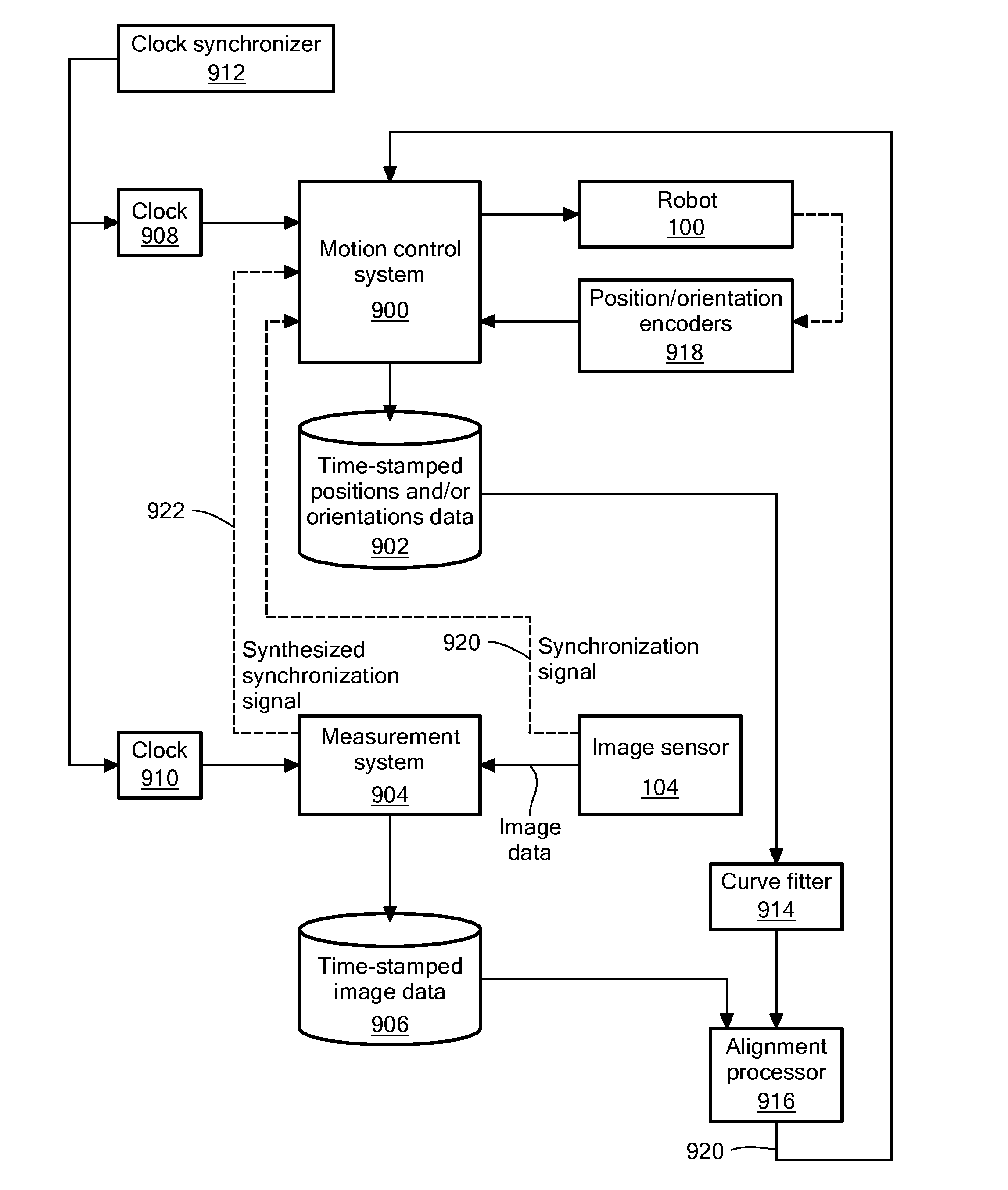
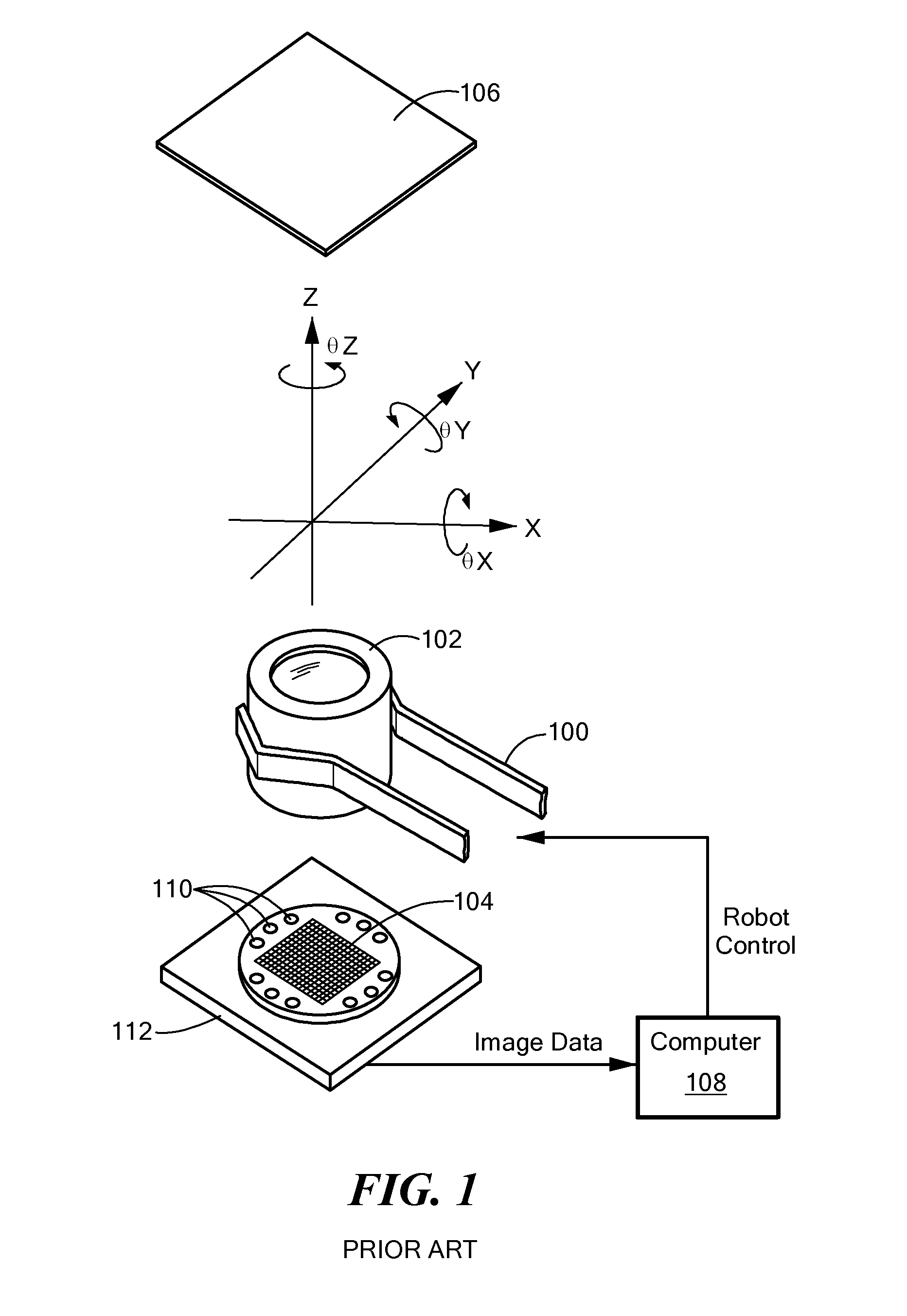
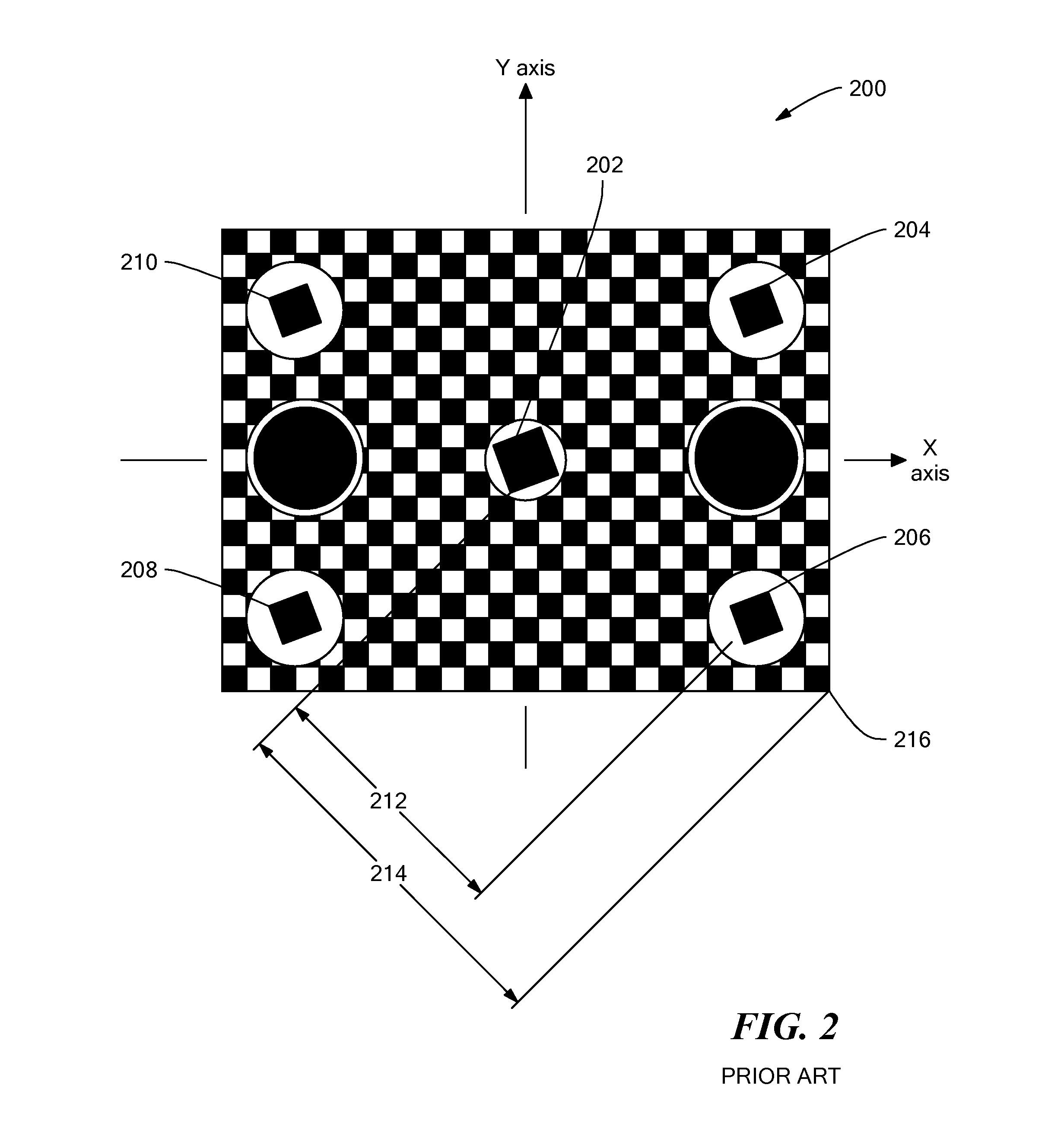
- A computer-implemented method involving continuous motion sweeps of optical elements to collect and analyze alignment data, using a robot to estimate and adjust the position of optical elements based on optical signals and image data from a digital image sensor, allowing for precise alignment across multiple degrees of freedom.

Manufacturing Standards for Active Alignment Systems
The manufacturing standards for active alignment systems represent a critical framework that ensures consistent quality, reliability, and performance across optical system production. These standards encompass precision requirements, environmental controls, equipment specifications, and process validation protocols that collectively define the manufacturing excellence necessary for advanced optical applications.
Precision tolerances constitute the foundation of active alignment manufacturing standards, with positioning accuracy requirements typically specified in sub-micron ranges. Linear positioning tolerances often demand accuracy within ±0.1 micrometers, while angular positioning must maintain precision within ±0.01 degrees. These stringent requirements necessitate the use of high-resolution actuators, precision measurement systems, and vibration-isolated manufacturing environments to achieve consistent results across production volumes.
Environmental control standards play a crucial role in maintaining manufacturing consistency. Temperature stability requirements typically specify variations within ±0.1°C during alignment processes, while humidity control must maintain levels between 45-55% relative humidity. Cleanroom classifications ranging from ISO Class 6 to ISO Class 8 are commonly specified depending on the optical component sensitivity and application requirements.
Equipment calibration and validation standards ensure measurement accuracy and process repeatability. Calibration intervals for critical measurement equipment are typically established at 6-month cycles, with traceability to national measurement standards required. Automated alignment systems must demonstrate repeatability within specified tolerances through statistical process control methods, with capability indices (Cpk) exceeding 1.33 for critical parameters.
Process documentation and quality assurance standards mandate comprehensive recording of alignment parameters, environmental conditions, and measurement results. Standard operating procedures must detail step-by-step alignment sequences, acceptance criteria, and corrective action protocols. Real-time monitoring systems are increasingly required to track process variations and trigger automatic adjustments when parameters drift beyond acceptable limits.
Validation protocols establish the framework for qualifying new alignment processes and equipment. These standards typically require demonstration of process capability through statistical analysis of production data, with minimum sample sizes and confidence intervals specified. Ongoing process monitoring requirements ensure continued compliance with established performance criteria throughout the product lifecycle.
Precision tolerances constitute the foundation of active alignment manufacturing standards, with positioning accuracy requirements typically specified in sub-micron ranges. Linear positioning tolerances often demand accuracy within ±0.1 micrometers, while angular positioning must maintain precision within ±0.01 degrees. These stringent requirements necessitate the use of high-resolution actuators, precision measurement systems, and vibration-isolated manufacturing environments to achieve consistent results across production volumes.
Environmental control standards play a crucial role in maintaining manufacturing consistency. Temperature stability requirements typically specify variations within ±0.1°C during alignment processes, while humidity control must maintain levels between 45-55% relative humidity. Cleanroom classifications ranging from ISO Class 6 to ISO Class 8 are commonly specified depending on the optical component sensitivity and application requirements.
Equipment calibration and validation standards ensure measurement accuracy and process repeatability. Calibration intervals for critical measurement equipment are typically established at 6-month cycles, with traceability to national measurement standards required. Automated alignment systems must demonstrate repeatability within specified tolerances through statistical process control methods, with capability indices (Cpk) exceeding 1.33 for critical parameters.
Process documentation and quality assurance standards mandate comprehensive recording of alignment parameters, environmental conditions, and measurement results. Standard operating procedures must detail step-by-step alignment sequences, acceptance criteria, and corrective action protocols. Real-time monitoring systems are increasingly required to track process variations and trigger automatic adjustments when parameters drift beyond acceptable limits.
Validation protocols establish the framework for qualifying new alignment processes and equipment. These standards typically require demonstration of process capability through statistical analysis of production data, with minimum sample sizes and confidence intervals specified. Ongoing process monitoring requirements ensure continued compliance with established performance criteria throughout the product lifecycle.
Cost-Benefit Analysis of Active Alignment Adoption
The economic evaluation of active alignment technology adoption reveals a complex investment landscape where initial capital expenditure must be weighed against long-term operational benefits. Implementation costs typically range from $200,000 to $2 million per production line, depending on system complexity and precision requirements. These upfront investments encompass specialized hardware, software licensing, integration services, and comprehensive staff training programs.
Manufacturing efficiency gains represent the most significant cost offset, with active alignment systems demonstrating 40-60% reduction in assembly time compared to passive alignment methods. This acceleration stems from automated feedback loops that eliminate iterative manual adjustments, reducing labor costs and increasing throughput capacity. Quality improvements translate directly to reduced warranty claims and field service expenses, with defect rates dropping by 70-85% in typical implementations.
The technology's impact on yield rates provides substantial financial returns, particularly in high-volume production environments. Active alignment systems consistently achieve 95-98% first-pass yields compared to 75-85% for traditional methods. This improvement eliminates costly rework cycles and reduces material waste, generating savings that often justify initial investments within 18-24 months.
Long-term operational benefits extend beyond direct manufacturing costs. Enhanced product reliability reduces customer support expenses and strengthens brand reputation, leading to increased market share and premium pricing opportunities. Additionally, the precision capabilities of active alignment enable development of next-generation optical products that would be economically unfeasible with conventional assembly methods.
Risk assessment indicates that delayed adoption may result in competitive disadvantage, as industry leaders increasingly standardize on active alignment for critical applications. The technology's scalability ensures that initial investments remain viable as production volumes grow, while continuous software updates extend system lifecycles and maintain technological relevance.
Return on investment calculations typically show break-even points between 12-30 months, with cumulative savings reaching 200-400% of initial investment over five-year periods. These projections assume moderate production volumes and conservative efficiency improvements, suggesting that actual returns may exceed baseline expectations in optimized implementations.
Manufacturing efficiency gains represent the most significant cost offset, with active alignment systems demonstrating 40-60% reduction in assembly time compared to passive alignment methods. This acceleration stems from automated feedback loops that eliminate iterative manual adjustments, reducing labor costs and increasing throughput capacity. Quality improvements translate directly to reduced warranty claims and field service expenses, with defect rates dropping by 70-85% in typical implementations.
The technology's impact on yield rates provides substantial financial returns, particularly in high-volume production environments. Active alignment systems consistently achieve 95-98% first-pass yields compared to 75-85% for traditional methods. This improvement eliminates costly rework cycles and reduces material waste, generating savings that often justify initial investments within 18-24 months.
Long-term operational benefits extend beyond direct manufacturing costs. Enhanced product reliability reduces customer support expenses and strengthens brand reputation, leading to increased market share and premium pricing opportunities. Additionally, the precision capabilities of active alignment enable development of next-generation optical products that would be economically unfeasible with conventional assembly methods.
Risk assessment indicates that delayed adoption may result in competitive disadvantage, as industry leaders increasingly standardize on active alignment for critical applications. The technology's scalability ensures that initial investments remain viable as production volumes grow, while continuous software updates extend system lifecycles and maintain technological relevance.
Return on investment calculations typically show break-even points between 12-30 months, with cumulative savings reaching 200-400% of initial investment over five-year periods. These projections assume moderate production volumes and conservative efficiency improvements, suggesting that actual returns may exceed baseline expectations in optimized implementations.
Unlock deeper insights with PatSnap Eureka Quick Research — get a full tech report to explore trends and direct your research. Try now!
Generate Your Research Report Instantly with AI Agent
Supercharge your innovation with PatSnap Eureka AI Agent Platform!