

Integrating AI-driven models for proactive gate valve maintenance
AUG 20, 20259 MIN READ
Generate Your Research Report Instantly with AI Agent
PatSnap Eureka helps you evaluate technical feasibility & market potential.
AI-Driven Valve Maintenance: Background and Objectives
Gate valve maintenance has long been a critical aspect of industrial operations, particularly in sectors such as oil and gas, water treatment, and chemical processing. Traditionally, maintenance strategies have relied on periodic inspections and reactive measures, often leading to unexpected downtime and costly repairs. The integration of AI-driven models for proactive gate valve maintenance represents a significant leap forward in this field, aiming to revolutionize the way industries approach equipment upkeep.
The evolution of gate valve maintenance techniques has been closely tied to advancements in sensor technology, data analytics, and artificial intelligence. Early maintenance practices were primarily based on fixed schedules or run-to-failure approaches. As technology progressed, condition-based maintenance emerged, utilizing basic sensors to monitor valve performance. The current trend towards AI-driven proactive maintenance marks the latest stage in this technological progression.
The primary objective of integrating AI-driven models for gate valve maintenance is to transition from reactive to predictive and prescriptive maintenance strategies. By leveraging machine learning algorithms and advanced analytics, these models aim to accurately forecast potential valve failures, optimize maintenance schedules, and provide actionable insights for engineers and technicians. This shift promises to significantly reduce unplanned downtime, extend equipment lifespan, and improve overall operational efficiency.
Another key goal is to enhance the understanding of valve degradation patterns and failure modes. AI models can process vast amounts of historical and real-time data, identifying subtle correlations and patterns that may be imperceptible to human analysts. This deep insight into valve behavior enables more informed decision-making and the development of tailored maintenance strategies for specific operational contexts.
The integration of AI-driven models also aims to address the growing complexity of industrial systems and the increasing demand for reliability in critical infrastructure. As industries face pressure to improve efficiency and reduce environmental impact, proactive valve maintenance becomes crucial in minimizing leaks, optimizing energy consumption, and ensuring compliance with stringent regulations.
Furthermore, the adoption of AI-driven maintenance aligns with the broader trend of digital transformation in industry. It represents a step towards the realization of smart factories and intelligent infrastructure, where interconnected systems continuously monitor and optimize their own performance. This technological evolution is expected to drive innovation in related fields, such as materials science and sensor technology, further advancing the capabilities of gate valve maintenance systems.
The evolution of gate valve maintenance techniques has been closely tied to advancements in sensor technology, data analytics, and artificial intelligence. Early maintenance practices were primarily based on fixed schedules or run-to-failure approaches. As technology progressed, condition-based maintenance emerged, utilizing basic sensors to monitor valve performance. The current trend towards AI-driven proactive maintenance marks the latest stage in this technological progression.
The primary objective of integrating AI-driven models for gate valve maintenance is to transition from reactive to predictive and prescriptive maintenance strategies. By leveraging machine learning algorithms and advanced analytics, these models aim to accurately forecast potential valve failures, optimize maintenance schedules, and provide actionable insights for engineers and technicians. This shift promises to significantly reduce unplanned downtime, extend equipment lifespan, and improve overall operational efficiency.
Another key goal is to enhance the understanding of valve degradation patterns and failure modes. AI models can process vast amounts of historical and real-time data, identifying subtle correlations and patterns that may be imperceptible to human analysts. This deep insight into valve behavior enables more informed decision-making and the development of tailored maintenance strategies for specific operational contexts.
The integration of AI-driven models also aims to address the growing complexity of industrial systems and the increasing demand for reliability in critical infrastructure. As industries face pressure to improve efficiency and reduce environmental impact, proactive valve maintenance becomes crucial in minimizing leaks, optimizing energy consumption, and ensuring compliance with stringent regulations.
Furthermore, the adoption of AI-driven maintenance aligns with the broader trend of digital transformation in industry. It represents a step towards the realization of smart factories and intelligent infrastructure, where interconnected systems continuously monitor and optimize their own performance. This technological evolution is expected to drive innovation in related fields, such as materials science and sensor technology, further advancing the capabilities of gate valve maintenance systems.
Market Demand Analysis for Smart Valve Maintenance
The market demand for smart valve maintenance, particularly in the context of integrating AI-driven models for proactive gate valve maintenance, has been experiencing significant growth in recent years. This surge is primarily driven by the increasing need for operational efficiency, cost reduction, and improved safety in various industries that heavily rely on valve systems.
Industries such as oil and gas, water treatment, power generation, and chemical processing are at the forefront of adopting smart valve maintenance solutions. These sectors face critical challenges related to equipment reliability, downtime reduction, and regulatory compliance, making them prime candidates for AI-driven maintenance technologies.
The global smart valve market, which encompasses intelligent maintenance solutions, is projected to expand substantially over the next decade. This growth is fueled by the rising adoption of Industrial Internet of Things (IIoT) technologies and the increasing focus on predictive maintenance strategies across industrial sectors.
One of the key drivers of market demand is the potential for significant cost savings through proactive maintenance. By implementing AI-driven models, companies can predict valve failures before they occur, reducing unplanned downtime and extending the lifespan of critical equipment. This proactive approach not only minimizes maintenance costs but also enhances overall operational efficiency.
Safety considerations are another crucial factor driving the demand for smart valve maintenance solutions. In high-risk industries like oil and gas, valve failures can lead to catastrophic events. AI-powered predictive maintenance can help identify potential safety hazards early, allowing for timely interventions and reducing the risk of accidents.
The push for sustainability and environmental compliance is also contributing to the growing market demand. Smart valve maintenance systems can optimize valve performance, leading to reduced energy consumption and minimized emissions. This aligns with the increasing global focus on environmental responsibility and regulatory requirements for industrial operations.
Furthermore, the ongoing digital transformation across industries is creating a favorable environment for the adoption of AI-driven maintenance solutions. As companies invest in digitalization initiatives, the integration of smart valve maintenance becomes a natural extension of their broader digital strategy.
However, the market also faces certain challenges. The high initial investment required for implementing AI-driven maintenance systems can be a barrier for some organizations, particularly small and medium-sized enterprises. Additionally, concerns about data security and the need for specialized skills to manage these advanced systems may slow adoption in some sectors.
Industries such as oil and gas, water treatment, power generation, and chemical processing are at the forefront of adopting smart valve maintenance solutions. These sectors face critical challenges related to equipment reliability, downtime reduction, and regulatory compliance, making them prime candidates for AI-driven maintenance technologies.
The global smart valve market, which encompasses intelligent maintenance solutions, is projected to expand substantially over the next decade. This growth is fueled by the rising adoption of Industrial Internet of Things (IIoT) technologies and the increasing focus on predictive maintenance strategies across industrial sectors.
One of the key drivers of market demand is the potential for significant cost savings through proactive maintenance. By implementing AI-driven models, companies can predict valve failures before they occur, reducing unplanned downtime and extending the lifespan of critical equipment. This proactive approach not only minimizes maintenance costs but also enhances overall operational efficiency.
Safety considerations are another crucial factor driving the demand for smart valve maintenance solutions. In high-risk industries like oil and gas, valve failures can lead to catastrophic events. AI-powered predictive maintenance can help identify potential safety hazards early, allowing for timely interventions and reducing the risk of accidents.
The push for sustainability and environmental compliance is also contributing to the growing market demand. Smart valve maintenance systems can optimize valve performance, leading to reduced energy consumption and minimized emissions. This aligns with the increasing global focus on environmental responsibility and regulatory requirements for industrial operations.
Furthermore, the ongoing digital transformation across industries is creating a favorable environment for the adoption of AI-driven maintenance solutions. As companies invest in digitalization initiatives, the integration of smart valve maintenance becomes a natural extension of their broader digital strategy.
However, the market also faces certain challenges. The high initial investment required for implementing AI-driven maintenance systems can be a barrier for some organizations, particularly small and medium-sized enterprises. Additionally, concerns about data security and the need for specialized skills to manage these advanced systems may slow adoption in some sectors.
Current State and Challenges in AI-Driven Valve Maintenance
The integration of AI-driven models for proactive gate valve maintenance represents a significant advancement in industrial asset management. Currently, the field is experiencing rapid growth, with various AI techniques being applied to predict valve failures, optimize maintenance schedules, and enhance overall system reliability.
Machine learning algorithms, particularly supervised learning models, are being widely used to analyze historical valve performance data and identify patterns that precede failures. These models can predict potential issues days or even weeks in advance, allowing for timely interventions. Deep learning techniques, such as convolutional neural networks (CNNs) and recurrent neural networks (RNNs), are also being employed to process complex sensor data from valves, including vibration patterns, pressure readings, and temperature fluctuations.
Real-time monitoring systems equipped with AI capabilities are becoming increasingly common in industrial settings. These systems continuously collect and analyze data from gate valves, providing instant alerts and recommendations for maintenance actions. The integration of Internet of Things (IoT) devices with AI models has further enhanced the ability to gather and process vast amounts of data from distributed valve systems.
Despite these advancements, several challenges persist in the field of AI-driven valve maintenance. One major hurdle is the quality and quantity of available data. Many industrial facilities lack comprehensive historical data on valve performance and failures, which is crucial for training accurate AI models. Additionally, the data that is available may be inconsistent or contain noise, requiring sophisticated preprocessing techniques.
Another significant challenge is the interpretability of AI models. While complex deep learning models can achieve high accuracy in predicting valve failures, their decision-making processes are often opaque. This "black box" nature can make it difficult for maintenance teams to trust and act upon the model's recommendations, especially in critical industrial applications where safety is paramount.
The integration of AI models with existing industrial control systems and workflows presents another set of challenges. Many facilities still rely on legacy systems that may not be compatible with modern AI technologies. Upgrading these systems can be costly and time-consuming, requiring significant investment and potential downtime.
Lastly, there is a growing need for skilled professionals who can develop, implement, and maintain AI-driven valve maintenance systems. The interdisciplinary nature of this field, combining mechanical engineering, data science, and industrial automation, creates a unique skill set that is currently in short supply in the industry.
Machine learning algorithms, particularly supervised learning models, are being widely used to analyze historical valve performance data and identify patterns that precede failures. These models can predict potential issues days or even weeks in advance, allowing for timely interventions. Deep learning techniques, such as convolutional neural networks (CNNs) and recurrent neural networks (RNNs), are also being employed to process complex sensor data from valves, including vibration patterns, pressure readings, and temperature fluctuations.
Real-time monitoring systems equipped with AI capabilities are becoming increasingly common in industrial settings. These systems continuously collect and analyze data from gate valves, providing instant alerts and recommendations for maintenance actions. The integration of Internet of Things (IoT) devices with AI models has further enhanced the ability to gather and process vast amounts of data from distributed valve systems.
Despite these advancements, several challenges persist in the field of AI-driven valve maintenance. One major hurdle is the quality and quantity of available data. Many industrial facilities lack comprehensive historical data on valve performance and failures, which is crucial for training accurate AI models. Additionally, the data that is available may be inconsistent or contain noise, requiring sophisticated preprocessing techniques.
Another significant challenge is the interpretability of AI models. While complex deep learning models can achieve high accuracy in predicting valve failures, their decision-making processes are often opaque. This "black box" nature can make it difficult for maintenance teams to trust and act upon the model's recommendations, especially in critical industrial applications where safety is paramount.
The integration of AI models with existing industrial control systems and workflows presents another set of challenges. Many facilities still rely on legacy systems that may not be compatible with modern AI technologies. Upgrading these systems can be costly and time-consuming, requiring significant investment and potential downtime.
Lastly, there is a growing need for skilled professionals who can develop, implement, and maintain AI-driven valve maintenance systems. The interdisciplinary nature of this field, combining mechanical engineering, data science, and industrial automation, creates a unique skill set that is currently in short supply in the industry.
Existing AI Solutions for Proactive Valve Maintenance
01 Automated model maintenance and updates
AI-driven systems can automatically maintain and update machine learning models. This includes continuous learning from new data, adapting to changing environments, and optimizing model performance without manual intervention. Such systems can detect when model performance degrades and trigger retraining or fine-tuning processes.- Automated model maintenance and updates: AI-driven systems can automatically maintain and update machine learning models. This includes monitoring model performance, detecting drift, and implementing necessary adjustments without human intervention. Such systems can continuously improve model accuracy and efficiency, ensuring optimal performance over time.
- Predictive maintenance for AI models: Predictive maintenance techniques are applied to AI models to anticipate and prevent potential issues before they occur. This approach uses historical data and real-time monitoring to forecast when a model might degrade or fail, allowing for proactive maintenance and minimizing downtime.
- Federated learning for distributed model maintenance: Federated learning techniques are employed to maintain and update AI models across distributed systems. This approach allows for model improvements without centralizing sensitive data, enhancing privacy and enabling collaborative model maintenance across multiple organizations or devices.
- Explainable AI for model diagnostics and maintenance: Explainable AI techniques are integrated into model maintenance processes to provide insights into model behavior and decision-making. This aids in diagnosing issues, understanding model limitations, and guiding maintenance efforts to improve model performance and reliability.
- Automated data quality management for model maintenance: AI-driven systems are used to automatically manage data quality for model maintenance. These systems can detect and correct data anomalies, ensure data consistency, and maintain up-to-date training datasets. This approach helps in preserving model accuracy and relevance over time.
02 Anomaly detection and error handling in AI models
AI-driven maintenance systems incorporate advanced anomaly detection algorithms to identify unusual patterns or errors in model behavior. These systems can automatically diagnose issues, implement error handling procedures, and alert human operators when necessary. This ensures the reliability and robustness of AI models in production environments.Expand Specific Solutions03 Federated learning for distributed model maintenance
Federated learning techniques are employed to maintain and update AI models across distributed systems. This approach allows for model improvements without centralizing sensitive data, ensuring privacy and enabling collaborative learning across multiple organizations or devices. It facilitates the maintenance of AI models in scenarios where data cannot be shared directly.Expand Specific Solutions04 Explainable AI for model maintenance transparency
Incorporating explainable AI techniques in model maintenance processes enhances transparency and trust. These methods provide insights into model decisions, making it easier to identify and address issues during maintenance. Explainable AI aids in debugging, validating model updates, and ensuring compliance with regulatory requirements in AI system maintenance.Expand Specific Solutions05 Version control and rollback mechanisms for AI models
Implementing robust version control and rollback mechanisms for AI models ensures smooth maintenance and updates. These systems track changes, manage different versions of models, and allow for quick rollbacks in case of issues. This approach minimizes downtime and maintains system stability during the model maintenance process.Expand Specific Solutions
Key Players in AI and Valve Maintenance Industries
The integration of AI-driven models for proactive gate valve maintenance is in its early stages, with the market showing significant growth potential. The technology's maturity varies across companies, with established players like Siemens AG and Accenture Global Solutions Ltd. leading in implementation. Emerging companies such as Averroes.ai, Inc. are focusing on specialized AI applications for predictive maintenance. The competitive landscape is diverse, including traditional industrial giants and innovative startups, reflecting the technology's broad applicability across sectors. As the market expands, we can expect increased competition and rapid advancements in AI-driven maintenance solutions.
Saudi Arabian Oil Co.
Technical Solution: Saudi Aramco has implemented an AI-driven predictive maintenance system for gate valves across its vast oil and gas operations. The company's approach combines IoT sensors, edge computing, and advanced machine learning models to monitor valve health in real-time. The system analyzes data such as valve position, pressure drops, and acoustic emissions to identify potential issues[5]. Saudi Aramco's solution also incorporates computer vision technology to analyze thermal images of valves, detecting leaks or abnormal temperature patterns. The AI models are trained on the company's extensive historical maintenance data, allowing for highly accurate failure predictions specific to their operating environments. The system integrates with Saudi Aramco's enterprise asset management platform, automatically generating work orders for preventive maintenance when necessary[6].
Strengths: Tailored to oil and gas industry requirements; Extensive real-world validation in harsh environments; Integration with existing enterprise systems. Weaknesses: Solution may be highly specialized to Saudi Aramco's specific operations; Potential challenges in adapting to other industries.
Siemens AG
Technical Solution: Siemens has developed an AI-powered predictive maintenance system for gate valves as part of its broader Industrial IoT platform. The solution utilizes a combination of edge computing and cloud-based analytics to process data from smart sensors attached to valves. Machine learning algorithms analyze patterns in valve operation, including opening and closing times, pressure differentials, and stem position[2]. The system can detect early signs of wear, corrosion, or misalignment, enabling timely interventions. Siemens' approach also incorporates digital twin technology, creating virtual models of gate valves to simulate different operating conditions and optimize maintenance schedules[4]. The AI models are continuously refined using federated learning techniques, allowing insights to be shared across multiple installations while maintaining data privacy.
Strengths: Robust integration with existing industrial control systems; Strong focus on cybersecurity; Extensive industrial domain expertise. Weaknesses: Potentially complex implementation in legacy environments; May require specialized training for maintenance personnel.
Core AI Innovations for Valve Health Monitoring
Smart valve system capable of active control, malfunction diagnosis, and operation status monitoring by artificial intelligence learning
PatentWO2023153675A1
Innovation
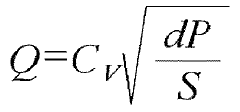
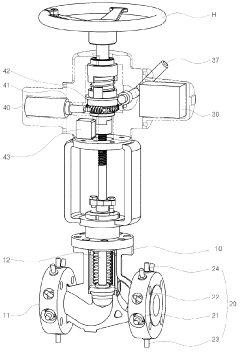
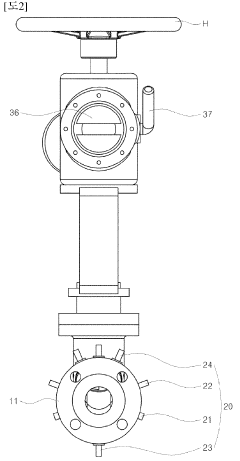
- A smart valve system equipped with sensors for pressure, temperature, and vibration monitoring, utilizing artificial intelligence algorithms to predict flow rates and valve failures, and controlling the valve actuator based on real-time data without the need for auxiliary equipment, enabling active flow control and fault diagnosis.
Predictive maintenance system using machine learning for equipment failure prediction
PatentPendingIN202321029924A
Innovation
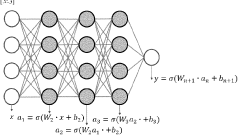
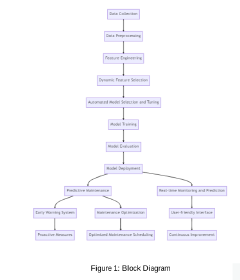
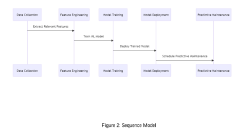
- A robust predictive maintenance system using advanced machine learning algorithms, incorporating sensor data, historical records, and dynamic feature selection, with a user-friendly interface and self-learning capabilities, enabling real-time monitoring and proactive maintenance scheduling, and supporting continuous improvement and cost reduction.
Regulatory Framework for AI in Industrial Maintenance
The regulatory framework for AI in industrial maintenance is evolving rapidly as governments and industry bodies recognize the potential benefits and risks associated with integrating AI-driven models for proactive maintenance, such as in gate valve systems. This framework aims to ensure the safe, ethical, and effective implementation of AI technologies while promoting innovation and competitiveness in the industrial sector.
At the international level, organizations like the International Organization for Standardization (ISO) and the International Electrotechnical Commission (IEC) are developing standards for AI in industrial applications. These standards focus on safety, reliability, and interoperability of AI systems, providing guidelines for manufacturers and operators implementing AI-driven maintenance solutions.
In the United States, the National Institute of Standards and Technology (NIST) has published the AI Risk Management Framework, which offers guidance on managing risks associated with AI systems. This framework is particularly relevant for industrial maintenance applications, as it addresses issues such as bias, transparency, and accountability in AI decision-making processes.
The European Union has taken a proactive approach with its proposed AI Act, which categorizes AI systems based on their risk level. AI-driven maintenance systems for critical infrastructure, including those used in industrial settings, may fall under the high-risk category, requiring stringent compliance measures such as risk assessments, data quality management, and human oversight.
Specific to industrial maintenance, regulatory bodies like the Occupational Safety and Health Administration (OSHA) in the US are adapting their guidelines to incorporate AI-driven maintenance practices. These guidelines emphasize the importance of human-AI collaboration, ensuring that AI systems complement rather than replace human expertise in maintenance operations.
Data protection regulations, such as the General Data Protection Regulation (GDPR) in the EU and the California Consumer Privacy Act (CCPA) in the US, also play a crucial role in shaping the regulatory landscape for AI in industrial maintenance. These regulations impose strict requirements on data collection, processing, and storage, which are essential considerations when implementing AI-driven maintenance systems that rely on large volumes of sensor and operational data.
Industry-specific regulations, such as those in the oil and gas sector, are being updated to address the use of AI in maintenance activities. For example, the American Petroleum Institute (API) is developing guidelines for the implementation of AI in pipeline integrity management, which could have implications for gate valve maintenance practices.
As the field of AI-driven industrial maintenance continues to advance, regulatory frameworks are likely to evolve, balancing the need for innovation with safety and ethical considerations. Companies implementing AI-driven models for proactive gate valve maintenance must stay informed about these regulatory developments and ensure compliance to mitigate risks and maximize the benefits of these technologies.
At the international level, organizations like the International Organization for Standardization (ISO) and the International Electrotechnical Commission (IEC) are developing standards for AI in industrial applications. These standards focus on safety, reliability, and interoperability of AI systems, providing guidelines for manufacturers and operators implementing AI-driven maintenance solutions.
In the United States, the National Institute of Standards and Technology (NIST) has published the AI Risk Management Framework, which offers guidance on managing risks associated with AI systems. This framework is particularly relevant for industrial maintenance applications, as it addresses issues such as bias, transparency, and accountability in AI decision-making processes.
The European Union has taken a proactive approach with its proposed AI Act, which categorizes AI systems based on their risk level. AI-driven maintenance systems for critical infrastructure, including those used in industrial settings, may fall under the high-risk category, requiring stringent compliance measures such as risk assessments, data quality management, and human oversight.
Specific to industrial maintenance, regulatory bodies like the Occupational Safety and Health Administration (OSHA) in the US are adapting their guidelines to incorporate AI-driven maintenance practices. These guidelines emphasize the importance of human-AI collaboration, ensuring that AI systems complement rather than replace human expertise in maintenance operations.
Data protection regulations, such as the General Data Protection Regulation (GDPR) in the EU and the California Consumer Privacy Act (CCPA) in the US, also play a crucial role in shaping the regulatory landscape for AI in industrial maintenance. These regulations impose strict requirements on data collection, processing, and storage, which are essential considerations when implementing AI-driven maintenance systems that rely on large volumes of sensor and operational data.
Industry-specific regulations, such as those in the oil and gas sector, are being updated to address the use of AI in maintenance activities. For example, the American Petroleum Institute (API) is developing guidelines for the implementation of AI in pipeline integrity management, which could have implications for gate valve maintenance practices.
As the field of AI-driven industrial maintenance continues to advance, regulatory frameworks are likely to evolve, balancing the need for innovation with safety and ethical considerations. Companies implementing AI-driven models for proactive gate valve maintenance must stay informed about these regulatory developments and ensure compliance to mitigate risks and maximize the benefits of these technologies.
Cost-Benefit Analysis of AI-Driven Valve Maintenance
The implementation of AI-driven models for proactive gate valve maintenance presents a compelling case for cost-benefit analysis. This approach offers significant potential for optimizing maintenance strategies, reducing downtime, and extending equipment lifespan. However, it also requires substantial initial investment and ongoing operational costs.
On the benefit side, AI-driven maintenance can lead to substantial cost savings through predictive maintenance. By accurately forecasting valve failures, companies can schedule maintenance during planned downtimes, avoiding unexpected shutdowns that can cost millions in lost production. This proactive approach also extends the lifespan of gate valves, reducing the frequency and cost of replacements.
Furthermore, AI models can optimize maintenance schedules, ensuring that interventions occur at the most cost-effective times. This prevents both premature maintenance, which wastes resources, and delayed maintenance, which risks costly failures. The improved reliability resulting from AI-driven maintenance can also enhance overall plant efficiency and productivity.
However, these benefits must be weighed against the costs of implementing and maintaining an AI-driven system. Initial expenses include the development or procurement of AI models, installation of sensors and data collection systems, and integration with existing maintenance management systems. Ongoing costs encompass data storage, processing power, and regular model updates to ensure accuracy.
Training personnel to operate and interpret AI systems represents another significant cost. This includes not only initial training but also ongoing education to keep pace with evolving AI technologies. Additionally, there may be resistance to change among maintenance staff, requiring careful change management strategies.
The return on investment (ROI) for AI-driven valve maintenance can vary widely depending on factors such as the scale of operations, the criticality of the valves, and the current maintenance practices. In high-value industries like oil and gas or chemical processing, where valve failures can have catastrophic consequences, the benefits often outweigh the costs significantly.
To accurately assess the cost-benefit ratio, companies must conduct thorough analyses of their specific operational contexts. This includes evaluating the current costs of valve maintenance and failures, estimating the potential savings from AI-driven approaches, and projecting the total cost of ownership for AI systems over their expected lifespan.
On the benefit side, AI-driven maintenance can lead to substantial cost savings through predictive maintenance. By accurately forecasting valve failures, companies can schedule maintenance during planned downtimes, avoiding unexpected shutdowns that can cost millions in lost production. This proactive approach also extends the lifespan of gate valves, reducing the frequency and cost of replacements.
Furthermore, AI models can optimize maintenance schedules, ensuring that interventions occur at the most cost-effective times. This prevents both premature maintenance, which wastes resources, and delayed maintenance, which risks costly failures. The improved reliability resulting from AI-driven maintenance can also enhance overall plant efficiency and productivity.
However, these benefits must be weighed against the costs of implementing and maintaining an AI-driven system. Initial expenses include the development or procurement of AI models, installation of sensors and data collection systems, and integration with existing maintenance management systems. Ongoing costs encompass data storage, processing power, and regular model updates to ensure accuracy.
Training personnel to operate and interpret AI systems represents another significant cost. This includes not only initial training but also ongoing education to keep pace with evolving AI technologies. Additionally, there may be resistance to change among maintenance staff, requiring careful change management strategies.
The return on investment (ROI) for AI-driven valve maintenance can vary widely depending on factors such as the scale of operations, the criticality of the valves, and the current maintenance practices. In high-value industries like oil and gas or chemical processing, where valve failures can have catastrophic consequences, the benefits often outweigh the costs significantly.
To accurately assess the cost-benefit ratio, companies must conduct thorough analyses of their specific operational contexts. This includes evaluating the current costs of valve maintenance and failures, estimating the potential savings from AI-driven approaches, and projecting the total cost of ownership for AI systems over their expected lifespan.
Unlock deeper insights with PatSnap Eureka Quick Research — get a full tech report to explore trends and direct your research. Try now!
Generate Your Research Report Instantly with AI Agent
Supercharge your innovation with PatSnap Eureka AI Agent Platform!