

Material compatibility studies for next-generation smart gate valves
AUG 20, 20259 MIN READ
Generate Your Research Report Instantly with AI Agent
PatSnap Eureka helps you evaluate technical feasibility & market potential.
Smart Valve Evolution
The evolution of smart valve technology has been a journey of continuous innovation and adaptation to meet the ever-growing demands of industrial processes. Initially, traditional gate valves were simple mechanical devices used to control fluid flow. However, as industries became more complex and automated, the need for more sophisticated valve systems emerged.
In the 1980s and 1990s, the first generation of "smart" valves began to appear. These valves incorporated basic sensors and actuators, allowing for remote operation and rudimentary monitoring capabilities. This marked a significant shift from purely mechanical systems to electro-mechanical ones, enabling improved control and efficiency in various applications.
The early 2000s saw the introduction of more advanced smart valve systems. These incorporated microprocessors and digital communication protocols, enabling real-time data collection and analysis. This generation of smart valves could provide valuable insights into flow rates, pressure, and valve health, facilitating predictive maintenance and optimizing process control.
As we entered the 2010s, the concept of the Industrial Internet of Things (IIoT) began to take shape, and smart valve technology evolved accordingly. Integration with broader industrial control systems became a key focus, with valves now capable of seamless communication within complex networks. This era also saw the introduction of more sophisticated diagnostics and self-calibration features, further enhancing reliability and reducing downtime.
The current generation of smart gate valves represents a convergence of multiple technologies. Advanced materials science has led to the development of valve components that can withstand extreme conditions and corrosive environments. Artificial intelligence and machine learning algorithms are being incorporated to enable predictive analytics and autonomous decision-making capabilities.
Looking towards the future, the next generation of smart gate valves is poised to push the boundaries even further. Material compatibility studies are at the forefront of this evolution, aiming to develop valves that can operate in increasingly challenging environments while maintaining long-term reliability. This includes research into novel alloys, composites, and surface treatments that can resist corrosion, erosion, and high temperatures.
Moreover, the integration of nanotechnology is expected to play a significant role in enhancing the sensing capabilities of smart valves. Nanoscale sensors embedded within valve components could provide unprecedented levels of accuracy in monitoring flow characteristics, material degradation, and even chemical composition of the fluids being controlled.
In the 1980s and 1990s, the first generation of "smart" valves began to appear. These valves incorporated basic sensors and actuators, allowing for remote operation and rudimentary monitoring capabilities. This marked a significant shift from purely mechanical systems to electro-mechanical ones, enabling improved control and efficiency in various applications.
The early 2000s saw the introduction of more advanced smart valve systems. These incorporated microprocessors and digital communication protocols, enabling real-time data collection and analysis. This generation of smart valves could provide valuable insights into flow rates, pressure, and valve health, facilitating predictive maintenance and optimizing process control.
As we entered the 2010s, the concept of the Industrial Internet of Things (IIoT) began to take shape, and smart valve technology evolved accordingly. Integration with broader industrial control systems became a key focus, with valves now capable of seamless communication within complex networks. This era also saw the introduction of more sophisticated diagnostics and self-calibration features, further enhancing reliability and reducing downtime.
The current generation of smart gate valves represents a convergence of multiple technologies. Advanced materials science has led to the development of valve components that can withstand extreme conditions and corrosive environments. Artificial intelligence and machine learning algorithms are being incorporated to enable predictive analytics and autonomous decision-making capabilities.
Looking towards the future, the next generation of smart gate valves is poised to push the boundaries even further. Material compatibility studies are at the forefront of this evolution, aiming to develop valves that can operate in increasingly challenging environments while maintaining long-term reliability. This includes research into novel alloys, composites, and surface treatments that can resist corrosion, erosion, and high temperatures.
Moreover, the integration of nanotechnology is expected to play a significant role in enhancing the sensing capabilities of smart valves. Nanoscale sensors embedded within valve components could provide unprecedented levels of accuracy in monitoring flow characteristics, material degradation, and even chemical composition of the fluids being controlled.
Market Demand Analysis
The market demand for next-generation smart gate valves is experiencing significant growth, driven by the increasing need for advanced flow control solutions across various industries. As industrial processes become more complex and automated, the requirement for precise, reliable, and intelligent valve systems has intensified. Smart gate valves, equipped with advanced sensors, actuators, and control systems, offer superior performance and efficiency compared to traditional valves.
In the oil and gas sector, which remains a primary market for gate valves, the demand for smart solutions is particularly strong. The industry's focus on operational efficiency, safety, and environmental compliance has led to increased adoption of smart valve technologies. These valves provide real-time monitoring, predictive maintenance capabilities, and remote operation features, which are crucial in challenging environments such as offshore platforms and remote pipelines.
The water and wastewater treatment industry is another key market driver for smart gate valves. As municipalities and industrial facilities upgrade their infrastructure to meet stricter environmental regulations and improve resource management, the need for intelligent flow control systems has grown. Smart gate valves enable precise control of water distribution, reduce leakage, and optimize treatment processes, contributing to overall system efficiency.
The power generation sector, including both conventional and renewable energy plants, is also showing increased interest in smart gate valve technologies. These valves play a critical role in managing steam flow, cooling systems, and other critical processes. The ability to monitor valve performance in real-time and predict maintenance needs is particularly valuable in ensuring continuous operation and minimizing downtime.
Chemical and petrochemical industries are adopting smart gate valves to enhance process control and safety. The corrosive and hazardous nature of many chemicals necessitates valves with advanced material compatibility and monitoring capabilities. Smart gate valves with integrated sensors can detect leaks, material degradation, or operational anomalies, providing an additional layer of safety and environmental protection.
Market analysts project a compound annual growth rate (CAGR) of 6-8% for the smart valve market over the next five years. This growth is attributed to the ongoing industrial digitalization trend, the increasing focus on predictive maintenance strategies, and the need for improved operational efficiency across industries. The Asia-Pacific region is expected to show the highest growth rate, driven by rapid industrialization and infrastructure development in countries like China and India.
As the demand for smart gate valves increases, manufacturers are focusing on developing more advanced materials that can withstand harsh operating conditions while maintaining compatibility with a wide range of fluids. This has led to a growing interest in material compatibility studies, as the performance and longevity of smart gate valves heavily depend on the selection of appropriate materials for specific applications.
In the oil and gas sector, which remains a primary market for gate valves, the demand for smart solutions is particularly strong. The industry's focus on operational efficiency, safety, and environmental compliance has led to increased adoption of smart valve technologies. These valves provide real-time monitoring, predictive maintenance capabilities, and remote operation features, which are crucial in challenging environments such as offshore platforms and remote pipelines.
The water and wastewater treatment industry is another key market driver for smart gate valves. As municipalities and industrial facilities upgrade their infrastructure to meet stricter environmental regulations and improve resource management, the need for intelligent flow control systems has grown. Smart gate valves enable precise control of water distribution, reduce leakage, and optimize treatment processes, contributing to overall system efficiency.
The power generation sector, including both conventional and renewable energy plants, is also showing increased interest in smart gate valve technologies. These valves play a critical role in managing steam flow, cooling systems, and other critical processes. The ability to monitor valve performance in real-time and predict maintenance needs is particularly valuable in ensuring continuous operation and minimizing downtime.
Chemical and petrochemical industries are adopting smart gate valves to enhance process control and safety. The corrosive and hazardous nature of many chemicals necessitates valves with advanced material compatibility and monitoring capabilities. Smart gate valves with integrated sensors can detect leaks, material degradation, or operational anomalies, providing an additional layer of safety and environmental protection.
Market analysts project a compound annual growth rate (CAGR) of 6-8% for the smart valve market over the next five years. This growth is attributed to the ongoing industrial digitalization trend, the increasing focus on predictive maintenance strategies, and the need for improved operational efficiency across industries. The Asia-Pacific region is expected to show the highest growth rate, driven by rapid industrialization and infrastructure development in countries like China and India.
As the demand for smart gate valves increases, manufacturers are focusing on developing more advanced materials that can withstand harsh operating conditions while maintaining compatibility with a wide range of fluids. This has led to a growing interest in material compatibility studies, as the performance and longevity of smart gate valves heavily depend on the selection of appropriate materials for specific applications.
Material Challenges
The development of next-generation smart gate valves presents significant material challenges that require careful consideration and innovative solutions. These challenges stem from the complex operating environments and the advanced functionalities demanded of modern valve systems.
One of the primary material challenges is the need for enhanced corrosion resistance. Smart gate valves are often exposed to harsh chemical environments, including acidic or alkaline fluids, which can rapidly degrade traditional materials. The development of advanced alloys or composite materials that can withstand these corrosive conditions without compromising performance is crucial.
Wear resistance is another critical factor, particularly for the sealing surfaces of the valve. The repeated opening and closing cycles, combined with potential abrasive particles in the fluid, can lead to premature wear and failure. Materials that exhibit superior hardness and toughness, such as ceramic coatings or advanced polymers, are being explored to address this challenge.
Temperature resistance poses a significant hurdle, especially in high-temperature applications such as power plants or oil refineries. Materials must maintain their mechanical properties and dimensional stability across a wide temperature range. This necessitates the development of new metal alloys or ceramic composites that can withstand extreme temperatures without degradation or thermal expansion issues.
The integration of smart technologies into gate valves introduces additional material challenges. Sensors and actuators embedded within the valve structure require materials that are not only mechanically robust but also compatible with electronic components. This includes considerations for electromagnetic shielding, thermal management, and the ability to incorporate conductive pathways without compromising the valve's structural integrity.
Biocompatibility and environmental sustainability are becoming increasingly important in material selection. For applications in the food and beverage industry or medical fields, materials must meet stringent regulatory requirements. Additionally, there is a growing emphasis on using environmentally friendly materials that are recyclable or biodegradable, aligning with global sustainability initiatives.
Weight reduction is another challenge, particularly for large-scale industrial applications where valve weight impacts installation and maintenance costs. The development of lightweight yet strong materials, such as advanced composites or metal foams, is an area of active research.
Lastly, the cost-effectiveness of materials remains a significant challenge. While advanced materials may offer superior properties, their high cost can limit widespread adoption. Striking a balance between performance and affordability is crucial for the commercial viability of next-generation smart gate valves.
One of the primary material challenges is the need for enhanced corrosion resistance. Smart gate valves are often exposed to harsh chemical environments, including acidic or alkaline fluids, which can rapidly degrade traditional materials. The development of advanced alloys or composite materials that can withstand these corrosive conditions without compromising performance is crucial.
Wear resistance is another critical factor, particularly for the sealing surfaces of the valve. The repeated opening and closing cycles, combined with potential abrasive particles in the fluid, can lead to premature wear and failure. Materials that exhibit superior hardness and toughness, such as ceramic coatings or advanced polymers, are being explored to address this challenge.
Temperature resistance poses a significant hurdle, especially in high-temperature applications such as power plants or oil refineries. Materials must maintain their mechanical properties and dimensional stability across a wide temperature range. This necessitates the development of new metal alloys or ceramic composites that can withstand extreme temperatures without degradation or thermal expansion issues.
The integration of smart technologies into gate valves introduces additional material challenges. Sensors and actuators embedded within the valve structure require materials that are not only mechanically robust but also compatible with electronic components. This includes considerations for electromagnetic shielding, thermal management, and the ability to incorporate conductive pathways without compromising the valve's structural integrity.
Biocompatibility and environmental sustainability are becoming increasingly important in material selection. For applications in the food and beverage industry or medical fields, materials must meet stringent regulatory requirements. Additionally, there is a growing emphasis on using environmentally friendly materials that are recyclable or biodegradable, aligning with global sustainability initiatives.
Weight reduction is another challenge, particularly for large-scale industrial applications where valve weight impacts installation and maintenance costs. The development of lightweight yet strong materials, such as advanced composites or metal foams, is an area of active research.
Lastly, the cost-effectiveness of materials remains a significant challenge. While advanced materials may offer superior properties, their high cost can limit widespread adoption. Striking a balance between performance and affordability is crucial for the commercial viability of next-generation smart gate valves.
Current Material Solutions
01 Corrosion-resistant materials for smart gate valves
Smart gate valves often require materials that can withstand corrosive environments. Stainless steel, titanium alloys, and specialized coatings are commonly used to enhance the valve's durability and longevity in harsh conditions. These materials provide excellent resistance to various chemicals and prevent degradation of valve components over time.- Material selection for smart gate valves: Smart gate valves require careful material selection to ensure compatibility with the fluid being controlled and the operating environment. Materials such as stainless steel, brass, and high-performance polymers are often used for their corrosion resistance and durability. The choice of material impacts the valve's performance, lifespan, and ability to withstand various pressures and temperatures.
- Sealing materials for smart gate valves: Proper sealing materials are crucial for the effective operation of smart gate valves. Elastomers like EPDM, FKM, and PTFE are commonly used for their chemical resistance and ability to maintain a tight seal under various conditions. The selection of sealing materials depends on factors such as temperature range, chemical compatibility, and pressure requirements.
- Coating technologies for enhanced compatibility: Advanced coating technologies can be applied to smart gate valve components to improve their material compatibility and performance. These coatings can enhance corrosion resistance, reduce friction, and extend the valve's lifespan. Techniques such as PVD, CVD, and electroplating are used to apply protective layers that are compatible with a wide range of fluids and operating conditions.
- Smart sensors and actuator materials: Smart gate valves incorporate sensors and actuators that require specific material considerations. Materials used for these components must be compatible with both the valve body and the electronic systems. Considerations include thermal stability, electromagnetic shielding, and resistance to environmental factors. Advanced materials like piezoelectric ceramics and shape memory alloys may be used for precise control and sensing capabilities.
- Compatibility with smart communication systems: The integration of smart communication systems in gate valves necessitates materials that are compatible with wireless technologies and data transmission. This includes considerations for electromagnetic interference shielding and materials that allow for the integration of antennas and other communication components. The chosen materials must maintain the valve's structural integrity while enabling seamless connectivity and data exchange.
02 Compatibility with high-temperature applications
Materials used in smart gate valves for high-temperature applications must maintain their structural integrity and performance under extreme heat. Advanced ceramics, high-temperature alloys, and specialized polymers are often employed to ensure proper functioning and sealing in elevated temperature environments.Expand Specific Solutions03 Smart materials for self-adjusting valves
Incorporation of smart materials, such as shape memory alloys or piezoelectric materials, allows for self-adjusting valve mechanisms. These materials can respond to changes in temperature, pressure, or electrical signals, enabling automatic adjustment of valve position or sealing force without external intervention.Expand Specific Solutions04 Compatibility with flow media
The materials used in smart gate valves must be compatible with the fluids or gases they control. This includes consideration of chemical reactions, erosion resistance, and prevention of contamination. Selection of appropriate materials ensures the longevity of the valve and maintains the purity of the flow media.Expand Specific Solutions05 Integration of sensors and electronic components
Smart gate valves often incorporate sensors and electronic components for monitoring and control. The materials used must be compatible with these electronic elements, providing proper insulation, protection from environmental factors, and allowing for seamless integration of smart features without compromising the valve's primary function.Expand Specific Solutions
Key Industry Players
The market for next-generation smart gate valves is in a growth phase, driven by increasing demand for advanced automation and control systems across industries. The global market size is estimated to be in the billions of dollars, with steady growth projected. Technologically, smart gate valves are evolving rapidly, incorporating IoT connectivity, advanced sensors, and AI-driven predictive maintenance capabilities. Key players like Emerson, Flowserve, and Schlumberger are leading innovation, while companies such as Taiwan Semiconductor Manufacturing Co., Samsung Electronics, and IBM are contributing expertise in semiconductors and AI integration, pushing the boundaries of valve intelligence and performance.
Danfoss A/S
Technical Solution: Danfoss A/S has been at the forefront of material compatibility research for smart gate valves in HVAC and refrigeration systems. Their approach combines advanced material science with IoT integration for optimal valve performance. Danfoss has developed proprietary alloys that offer exceptional resistance to both high and low temperatures, as well as compatibility with a wide range of refrigerants, including new low-GWP alternatives[5]. The company's smart valves incorporate advanced sensors and actuators made from carefully selected materials to ensure long-term stability and accuracy in diverse operating conditions[6].
Strengths: Leader in HVAC and refrigeration applications, strong focus on energy efficiency. Weaknesses: May have limited expertise in high-pressure or corrosive environments.
NOV, Inc.
Technical Solution: NOV, Inc. has developed advanced smart gate valves utilizing next-generation materials for enhanced performance in oil and gas applications. Their technology focuses on improving material compatibility through the use of corrosion-resistant alloys and advanced coatings. The company has implemented a multi-layer material approach, combining high-strength steel cores with outer layers of specialized alloys resistant to H2S, CO2, and other corrosive elements commonly found in oil and gas environments[1]. Additionally, NOV has integrated smart sensors and actuators into their valve designs, allowing for real-time monitoring of valve performance and early detection of potential material degradation[2].
Strengths: Extensive experience in oil and gas industry, proven track record in harsh environments. Weaknesses: May have limited applications outside of oil and gas sector.
Material Innovation Focus
Material systems for dielectrics and metal electrodes and methods for formation thereof
PatentWO2007005312A1
Innovation
- The formation of high-k dielectric layers and metal electrodes in the same processing chamber, using techniques like atomic layer deposition and chemical vapor deposition, with specific precursors such as metal halides and organometallic compounds, to create uniform and compatible dielectric and electrode layers that share common metals, reducing contamination and streamlining the manufacturing process.


Fully-depleted castellated gate MOSFET device and method of manufacture thereof
PatentInactiveUS7211864B2
Innovation
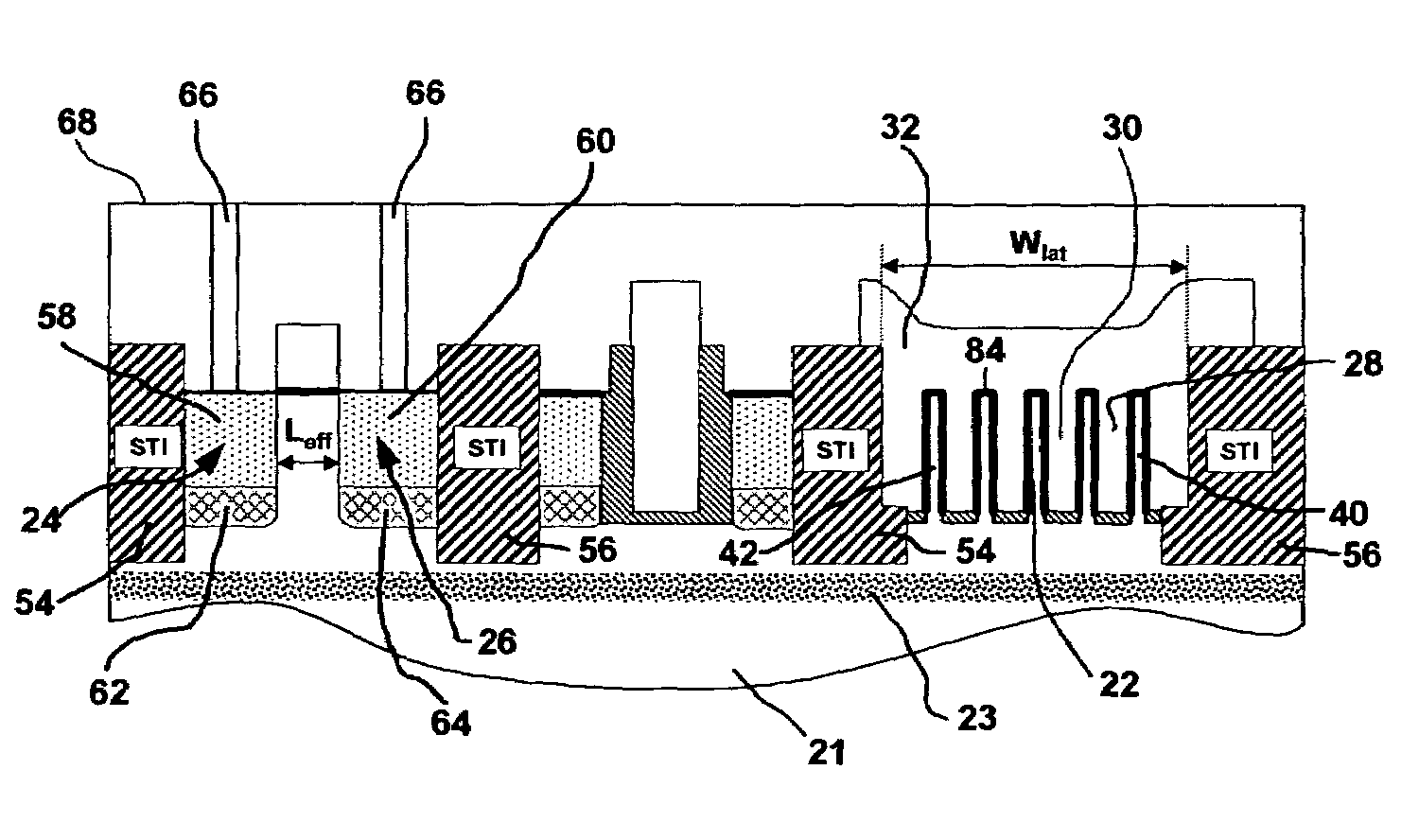
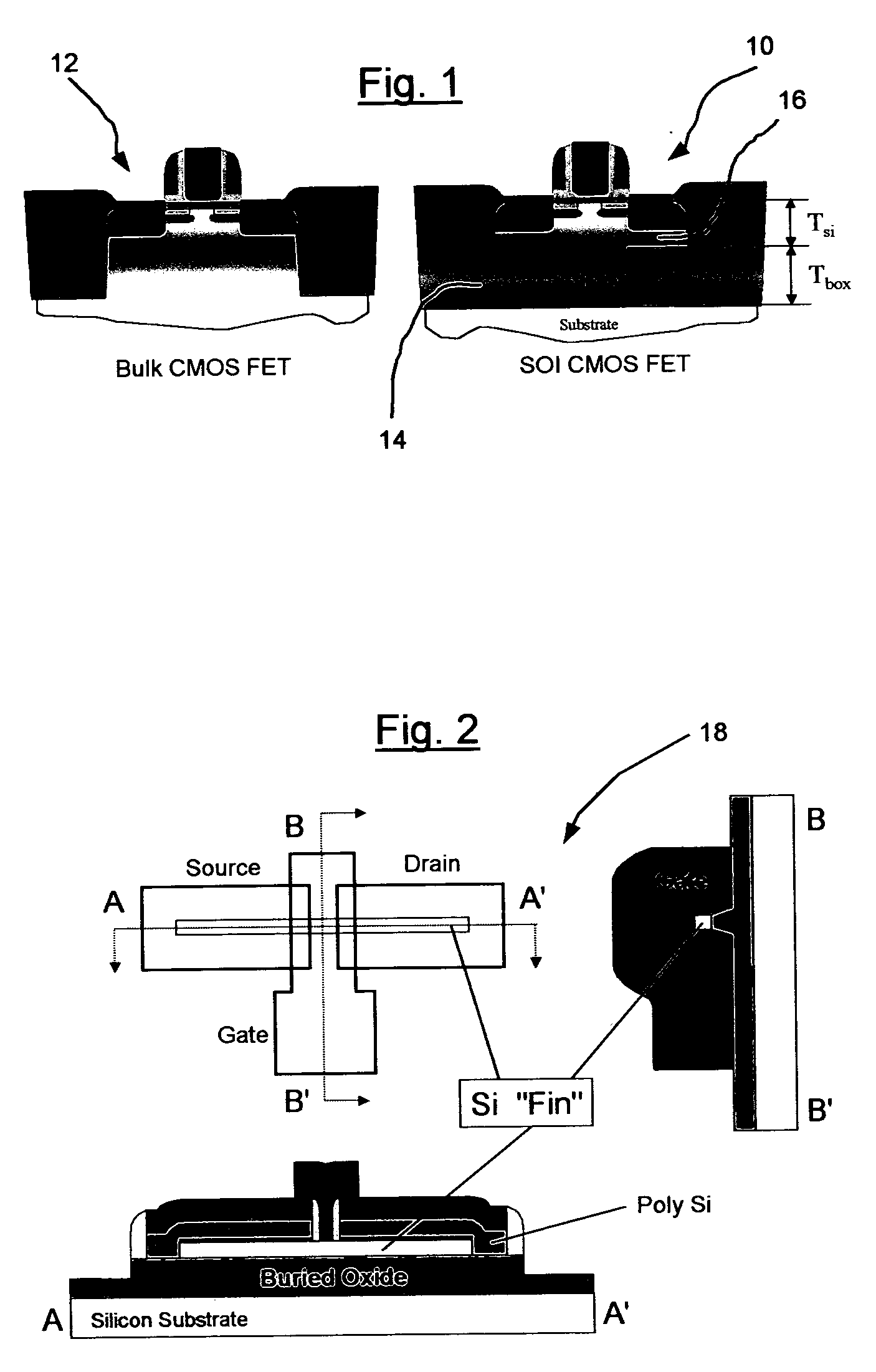
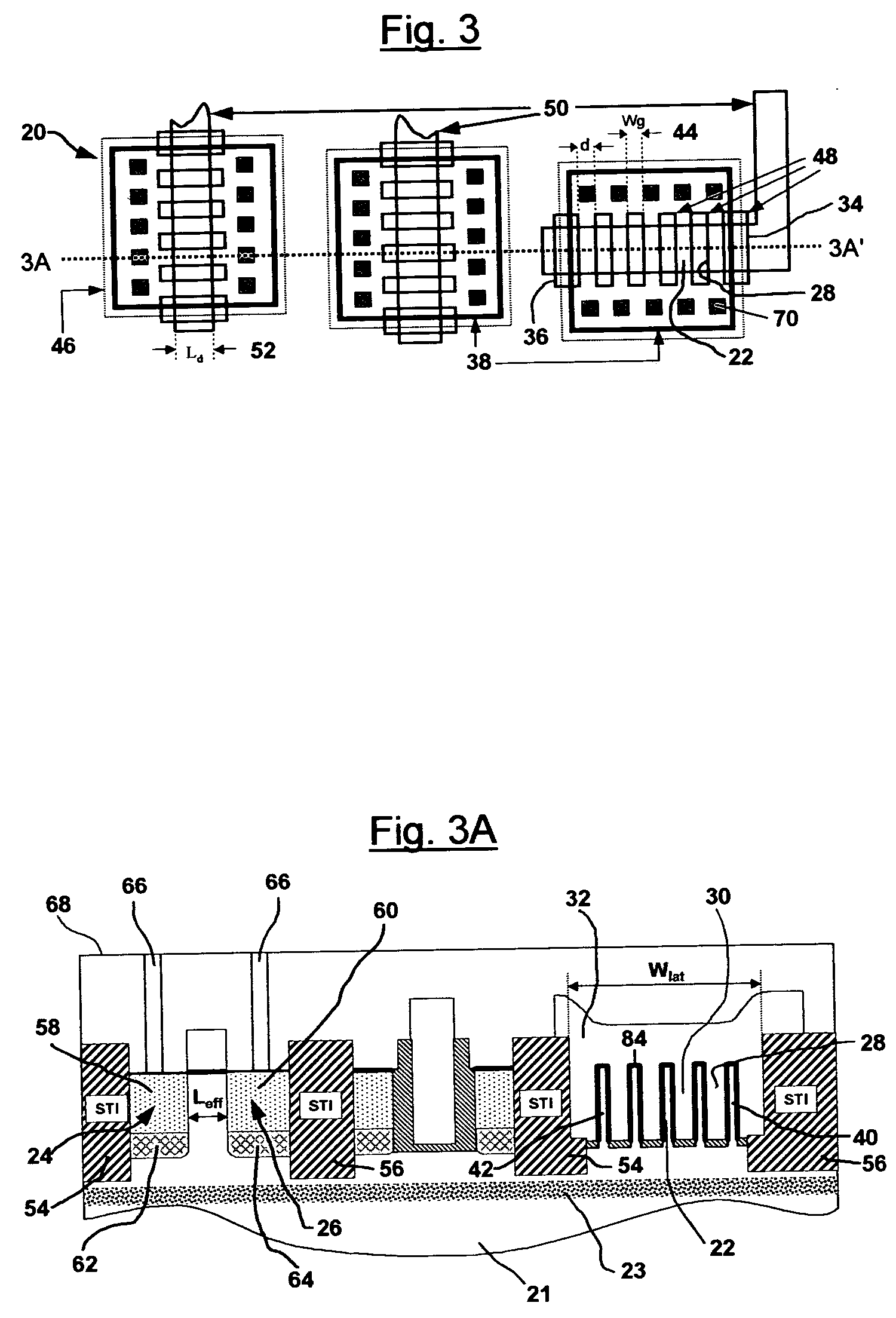
- A castellated-gate MOSFET device with vertically oriented channel structures and a thick gate oxide, capable of fully depleted operation, is developed, featuring enhanced ESD/EOS reliability, reduced latch-up susceptibility, and improved thermal conduction, which increases drive current and Unity Gain Frequency while maintaining low power consumption.

Regulatory Compliance
Regulatory compliance is a critical aspect of developing and implementing next-generation smart gate valves, particularly in the context of material compatibility studies. The valve industry is subject to stringent regulations and standards to ensure safety, reliability, and environmental protection across various applications, including oil and gas, water treatment, and chemical processing.
In the United States, the American Petroleum Institute (API) sets forth standards for valve design, manufacturing, and testing. API 6D and API 600 are particularly relevant for gate valves, specifying requirements for material selection, pressure ratings, and performance testing. The National Association of Corrosion Engineers (NACE) provides guidelines for material selection in corrosive environments, which is crucial for smart gate valves exposed to harsh operating conditions.
The European Union enforces the Pressure Equipment Directive (PED) 2014/68/EU, which mandates essential safety requirements for pressure equipment, including valves. This directive emphasizes material compatibility and requires manufacturers to consider factors such as chemical resistance, temperature limits, and mechanical properties when selecting materials for valve components.
For smart gate valves intended for use in hazardous locations, compliance with explosion protection standards is essential. The International Electrotechnical Commission (IEC) 60079 series of standards governs the design and use of electrical equipment in explosive atmospheres, which applies to the electronic components of smart valves.
Material compatibility studies must also consider environmental regulations, such as the Restriction of Hazardous Substances (RoHS) directive in the EU, which limits the use of certain hazardous materials in electrical and electronic equipment. This is particularly relevant for the smart components integrated into next-generation gate valves.
In the context of material compatibility, manufacturers must demonstrate compliance with food and drug regulations when valves are used in industries such as pharmaceuticals or food processing. The U.S. Food and Drug Administration (FDA) provides guidelines for materials that come into contact with food or drugs, ensuring they do not introduce contaminants or affect product quality.
Regulatory bodies also emphasize the importance of traceability and documentation. Manufacturers must maintain detailed records of material sourcing, testing procedures, and quality control measures to demonstrate compliance with applicable standards and regulations. This documentation is crucial for obtaining necessary certifications and approvals for market entry.
As smart gate valves incorporate advanced sensing and control technologies, compliance with cybersecurity regulations becomes increasingly important. Standards such as IEC 62443 for industrial automation and control systems security must be considered to protect against potential cyber threats and ensure the integrity of valve operations.
In the United States, the American Petroleum Institute (API) sets forth standards for valve design, manufacturing, and testing. API 6D and API 600 are particularly relevant for gate valves, specifying requirements for material selection, pressure ratings, and performance testing. The National Association of Corrosion Engineers (NACE) provides guidelines for material selection in corrosive environments, which is crucial for smart gate valves exposed to harsh operating conditions.
The European Union enforces the Pressure Equipment Directive (PED) 2014/68/EU, which mandates essential safety requirements for pressure equipment, including valves. This directive emphasizes material compatibility and requires manufacturers to consider factors such as chemical resistance, temperature limits, and mechanical properties when selecting materials for valve components.
For smart gate valves intended for use in hazardous locations, compliance with explosion protection standards is essential. The International Electrotechnical Commission (IEC) 60079 series of standards governs the design and use of electrical equipment in explosive atmospheres, which applies to the electronic components of smart valves.
Material compatibility studies must also consider environmental regulations, such as the Restriction of Hazardous Substances (RoHS) directive in the EU, which limits the use of certain hazardous materials in electrical and electronic equipment. This is particularly relevant for the smart components integrated into next-generation gate valves.
In the context of material compatibility, manufacturers must demonstrate compliance with food and drug regulations when valves are used in industries such as pharmaceuticals or food processing. The U.S. Food and Drug Administration (FDA) provides guidelines for materials that come into contact with food or drugs, ensuring they do not introduce contaminants or affect product quality.
Regulatory bodies also emphasize the importance of traceability and documentation. Manufacturers must maintain detailed records of material sourcing, testing procedures, and quality control measures to demonstrate compliance with applicable standards and regulations. This documentation is crucial for obtaining necessary certifications and approvals for market entry.
As smart gate valves incorporate advanced sensing and control technologies, compliance with cybersecurity regulations becomes increasingly important. Standards such as IEC 62443 for industrial automation and control systems security must be considered to protect against potential cyber threats and ensure the integrity of valve operations.
Environmental Impact
The environmental impact of next-generation smart gate valves is a critical consideration in material compatibility studies. These advanced valves, designed for enhanced performance and efficiency, must also align with sustainability goals and environmental regulations. The materials used in their construction play a significant role in determining their overall environmental footprint throughout their lifecycle.
One of the primary environmental concerns is the potential for leaching of harmful substances from valve materials into the surrounding environment. This is particularly crucial in applications involving water systems or sensitive ecosystems. Materials must be carefully selected to minimize the risk of contamination, ensuring that the valves do not introduce toxic elements or compounds into the environment during operation or disposal.
The durability and longevity of materials used in smart gate valves also have environmental implications. Materials that resist corrosion, wear, and degradation can significantly extend the operational life of these valves, reducing the frequency of replacements and associated resource consumption. This longevity directly translates to reduced waste generation and lower environmental impact over time.
Energy efficiency is another key factor in the environmental assessment of smart gate valve materials. Materials with low friction coefficients and high thermal efficiency can contribute to reduced energy consumption during valve operation. This not only lowers operational costs but also decreases the overall carbon footprint associated with the valve's use.
The recyclability and end-of-life management of valve materials are crucial aspects of their environmental impact. Materials that can be easily recycled or repurposed at the end of their useful life contribute to a circular economy model, reducing the demand for virgin resources and minimizing waste. Designers and engineers must consider the entire lifecycle of the valve, including its eventual decommissioning and disposal.
In the context of smart gate valves, the integration of electronic components and sensors introduces additional environmental considerations. The materials used in these components must be compatible with electronic waste regulations and recycling processes. This includes considerations for rare earth elements and potentially hazardous materials used in electronic sensors and control systems.
Climate resilience is an emerging concern in material selection for smart gate valves. As climate change leads to more extreme weather conditions, materials must be able to withstand a wider range of temperatures, pressures, and environmental stresses. This resilience ensures the longevity and reliability of the valves under changing environmental conditions, reducing the need for premature replacements and associated environmental impacts.
One of the primary environmental concerns is the potential for leaching of harmful substances from valve materials into the surrounding environment. This is particularly crucial in applications involving water systems or sensitive ecosystems. Materials must be carefully selected to minimize the risk of contamination, ensuring that the valves do not introduce toxic elements or compounds into the environment during operation or disposal.
The durability and longevity of materials used in smart gate valves also have environmental implications. Materials that resist corrosion, wear, and degradation can significantly extend the operational life of these valves, reducing the frequency of replacements and associated resource consumption. This longevity directly translates to reduced waste generation and lower environmental impact over time.
Energy efficiency is another key factor in the environmental assessment of smart gate valve materials. Materials with low friction coefficients and high thermal efficiency can contribute to reduced energy consumption during valve operation. This not only lowers operational costs but also decreases the overall carbon footprint associated with the valve's use.
The recyclability and end-of-life management of valve materials are crucial aspects of their environmental impact. Materials that can be easily recycled or repurposed at the end of their useful life contribute to a circular economy model, reducing the demand for virgin resources and minimizing waste. Designers and engineers must consider the entire lifecycle of the valve, including its eventual decommissioning and disposal.
In the context of smart gate valves, the integration of electronic components and sensors introduces additional environmental considerations. The materials used in these components must be compatible with electronic waste regulations and recycling processes. This includes considerations for rare earth elements and potentially hazardous materials used in electronic sensors and control systems.
Climate resilience is an emerging concern in material selection for smart gate valves. As climate change leads to more extreme weather conditions, materials must be able to withstand a wider range of temperatures, pressures, and environmental stresses. This resilience ensures the longevity and reliability of the valves under changing environmental conditions, reducing the need for premature replacements and associated environmental impacts.
Unlock deeper insights with PatSnap Eureka Quick Research — get a full tech report to explore trends and direct your research. Try now!
Generate Your Research Report Instantly with AI Agent
Supercharge your innovation with PatSnap Eureka AI Agent Platform!