

Simulation-led gate valve optimization for sustainable fuel management
AUG 20, 20259 MIN READ
Generate Your Research Report Instantly with AI Agent
PatSnap Eureka helps you evaluate technical feasibility & market potential.
Simulation-led Valve Design Evolution
The evolution of simulation-led valve design has been a transformative journey in the field of sustainable fuel management. This progression has been marked by significant advancements in computational capabilities and modeling techniques, enabling engineers to optimize gate valve performance with unprecedented precision and efficiency.
In the early stages of this evolution, simulations were primarily focused on basic fluid dynamics, using simplified models to predict flow patterns and pressure drops across valves. These rudimentary simulations provided valuable insights but were limited in their ability to capture complex interactions within the valve system.
As computational power increased, more sophisticated simulation techniques emerged. Finite Element Analysis (FEA) and Computational Fluid Dynamics (CFD) became integral tools in valve design, allowing for detailed analysis of structural integrity, fluid behavior, and thermal effects. This shift marked a significant leap forward in the ability to predict and optimize valve performance under various operating conditions.
The integration of multi-physics simulations represented another milestone in valve design evolution. Engineers could now simultaneously model fluid flow, heat transfer, and structural mechanics, providing a more holistic understanding of valve behavior. This integrated approach led to the development of valves with improved efficiency, durability, and reliability, crucial factors in sustainable fuel management systems.
Recent advancements have seen the incorporation of machine learning and artificial intelligence into simulation processes. These technologies enable rapid iteration of design parameters, automatically identifying optimal configurations based on predefined performance criteria. This has dramatically reduced design cycle times and improved the overall quality of valve designs.
Virtual prototyping and digital twin technologies have further revolutionized the design process. Engineers can now create highly accurate digital representations of valves, simulating their entire lifecycle from production to operation and maintenance. This approach not only optimizes initial design but also facilitates predictive maintenance strategies, enhancing the long-term sustainability of fuel management systems.
The latest frontier in simulation-led valve design involves real-time simulation capabilities. This allows for continuous monitoring and adjustment of valve performance in operational environments, ensuring optimal efficiency and reducing the risk of failures. Such advancements are particularly crucial in the context of sustainable fuel management, where system reliability and resource conservation are paramount.
As we look to the future, the integration of quantum computing and advanced materials science promises to push the boundaries of simulation-led valve design even further. These technologies may enable the development of valves with unprecedented levels of efficiency and durability, potentially revolutionizing sustainable fuel management practices across industries.
In the early stages of this evolution, simulations were primarily focused on basic fluid dynamics, using simplified models to predict flow patterns and pressure drops across valves. These rudimentary simulations provided valuable insights but were limited in their ability to capture complex interactions within the valve system.
As computational power increased, more sophisticated simulation techniques emerged. Finite Element Analysis (FEA) and Computational Fluid Dynamics (CFD) became integral tools in valve design, allowing for detailed analysis of structural integrity, fluid behavior, and thermal effects. This shift marked a significant leap forward in the ability to predict and optimize valve performance under various operating conditions.
The integration of multi-physics simulations represented another milestone in valve design evolution. Engineers could now simultaneously model fluid flow, heat transfer, and structural mechanics, providing a more holistic understanding of valve behavior. This integrated approach led to the development of valves with improved efficiency, durability, and reliability, crucial factors in sustainable fuel management systems.
Recent advancements have seen the incorporation of machine learning and artificial intelligence into simulation processes. These technologies enable rapid iteration of design parameters, automatically identifying optimal configurations based on predefined performance criteria. This has dramatically reduced design cycle times and improved the overall quality of valve designs.
Virtual prototyping and digital twin technologies have further revolutionized the design process. Engineers can now create highly accurate digital representations of valves, simulating their entire lifecycle from production to operation and maintenance. This approach not only optimizes initial design but also facilitates predictive maintenance strategies, enhancing the long-term sustainability of fuel management systems.
The latest frontier in simulation-led valve design involves real-time simulation capabilities. This allows for continuous monitoring and adjustment of valve performance in operational environments, ensuring optimal efficiency and reducing the risk of failures. Such advancements are particularly crucial in the context of sustainable fuel management, where system reliability and resource conservation are paramount.
As we look to the future, the integration of quantum computing and advanced materials science promises to push the boundaries of simulation-led valve design even further. These technologies may enable the development of valves with unprecedented levels of efficiency and durability, potentially revolutionizing sustainable fuel management practices across industries.
Market Demand for Sustainable Fuel Solutions
The market demand for sustainable fuel solutions has been steadily increasing in recent years, driven by growing environmental concerns, stringent regulations, and the need for more efficient energy management systems. The optimization of gate valves through simulation-led approaches plays a crucial role in meeting this demand, as it directly impacts the efficiency and sustainability of fuel management processes.
In the oil and gas industry, where gate valves are extensively used, there is a significant push towards reducing emissions and improving overall operational efficiency. Companies are actively seeking solutions that can minimize fuel waste, optimize flow control, and enhance the longevity of equipment. This has created a substantial market for advanced gate valve technologies that can contribute to sustainable fuel management.
The automotive sector is another key driver of demand for sustainable fuel solutions. With the global shift towards electric vehicles and alternative fuels, there is an increasing need for precise fuel management systems in traditional internal combustion engines to improve fuel efficiency and reduce emissions. Optimized gate valves can play a critical role in achieving these goals by ensuring accurate fuel delivery and minimizing losses.
In the aerospace industry, where fuel efficiency is paramount, there is a growing demand for advanced valve technologies that can withstand extreme conditions while maintaining optimal performance. Simulation-led gate valve optimization offers the potential to develop more robust and efficient fuel management systems for aircraft, leading to reduced fuel consumption and lower operating costs.
The power generation sector, particularly in the context of renewable energy integration, is also driving demand for sustainable fuel management solutions. As power plants increasingly incorporate diverse fuel sources, including natural gas and biofuels, the need for flexible and efficient valve systems becomes more pronounced. Optimized gate valves can help improve the overall efficiency of power generation processes and support the transition to cleaner energy sources.
Furthermore, the chemical and process industries are seeking ways to enhance their sustainability profiles, creating additional demand for optimized valve solutions. These industries require precise control over fluid flow and pressure, making gate valve optimization a critical factor in improving process efficiency and reducing energy consumption.
The market for sustainable fuel solutions is not limited to specific regions but is global in nature. Developed economies are focusing on upgrading existing infrastructure with more efficient technologies, while emerging markets are looking to leapfrog older technologies and implement state-of-the-art sustainable solutions from the outset.
As environmental regulations become more stringent worldwide, the demand for technologies that can demonstrate tangible improvements in fuel efficiency and emissions reduction is expected to grow significantly. This trend is likely to drive further investment in research and development of simulation-led gate valve optimization techniques, as companies seek to gain a competitive edge in the sustainable fuel management market.
In the oil and gas industry, where gate valves are extensively used, there is a significant push towards reducing emissions and improving overall operational efficiency. Companies are actively seeking solutions that can minimize fuel waste, optimize flow control, and enhance the longevity of equipment. This has created a substantial market for advanced gate valve technologies that can contribute to sustainable fuel management.
The automotive sector is another key driver of demand for sustainable fuel solutions. With the global shift towards electric vehicles and alternative fuels, there is an increasing need for precise fuel management systems in traditional internal combustion engines to improve fuel efficiency and reduce emissions. Optimized gate valves can play a critical role in achieving these goals by ensuring accurate fuel delivery and minimizing losses.
In the aerospace industry, where fuel efficiency is paramount, there is a growing demand for advanced valve technologies that can withstand extreme conditions while maintaining optimal performance. Simulation-led gate valve optimization offers the potential to develop more robust and efficient fuel management systems for aircraft, leading to reduced fuel consumption and lower operating costs.
The power generation sector, particularly in the context of renewable energy integration, is also driving demand for sustainable fuel management solutions. As power plants increasingly incorporate diverse fuel sources, including natural gas and biofuels, the need for flexible and efficient valve systems becomes more pronounced. Optimized gate valves can help improve the overall efficiency of power generation processes and support the transition to cleaner energy sources.
Furthermore, the chemical and process industries are seeking ways to enhance their sustainability profiles, creating additional demand for optimized valve solutions. These industries require precise control over fluid flow and pressure, making gate valve optimization a critical factor in improving process efficiency and reducing energy consumption.
The market for sustainable fuel solutions is not limited to specific regions but is global in nature. Developed economies are focusing on upgrading existing infrastructure with more efficient technologies, while emerging markets are looking to leapfrog older technologies and implement state-of-the-art sustainable solutions from the outset.
As environmental regulations become more stringent worldwide, the demand for technologies that can demonstrate tangible improvements in fuel efficiency and emissions reduction is expected to grow significantly. This trend is likely to drive further investment in research and development of simulation-led gate valve optimization techniques, as companies seek to gain a competitive edge in the sustainable fuel management market.
Current Challenges in Gate Valve Optimization
Gate valve optimization for sustainable fuel management faces several significant challenges in the current technological landscape. One of the primary issues is the complexity of fluid dynamics within the valve system. The intricate flow patterns, turbulence, and pressure variations make it difficult to accurately predict and model the valve's performance under various operating conditions. This complexity is further compounded when dealing with different types of fuels, each with unique properties and behaviors.
Another major challenge lies in the multiphysics nature of gate valve operations. The interplay between fluid dynamics, structural mechanics, and material science creates a complex system that is challenging to simulate accurately. Factors such as thermal effects, material degradation, and wear mechanisms must be considered simultaneously, requiring sophisticated modeling techniques and substantial computational resources.
The need for high-fidelity simulations presents another hurdle in gate valve optimization. While simplified models can provide quick insights, they often fail to capture the nuanced behaviors critical for sustainable fuel management. However, developing and running high-fidelity simulations is time-consuming and computationally expensive, creating a trade-off between accuracy and efficiency that researchers must constantly navigate.
Sustainability requirements add another layer of complexity to the optimization process. Designers must now consider not only the valve's performance but also its environmental impact, energy efficiency, and long-term durability. This multifaceted approach to optimization requires a delicate balance between often conflicting objectives, making the search for optimal solutions more challenging.
The rapid evolution of fuel technologies also poses a significant challenge. As new sustainable fuels are developed, gate valve designs must adapt quickly to accommodate their unique properties. This constant state of flux requires flexible simulation frameworks that can be easily modified to incorporate new fuel characteristics and operating conditions.
Data scarcity is another obstacle in the optimization process. While simulations can generate vast amounts of data, real-world operational data for gate valves in sustainable fuel applications is often limited. This lack of validation data makes it difficult to verify and refine simulation models, potentially leading to discrepancies between simulated and actual performance.
Lastly, the interdisciplinary nature of the problem presents a challenge in itself. Effective optimization requires expertise in fluid dynamics, materials science, control systems, and sustainability principles. Bridging these diverse fields and fostering collaboration between experts is crucial for developing holistic solutions but can be logistically and communicatively challenging.
Another major challenge lies in the multiphysics nature of gate valve operations. The interplay between fluid dynamics, structural mechanics, and material science creates a complex system that is challenging to simulate accurately. Factors such as thermal effects, material degradation, and wear mechanisms must be considered simultaneously, requiring sophisticated modeling techniques and substantial computational resources.
The need for high-fidelity simulations presents another hurdle in gate valve optimization. While simplified models can provide quick insights, they often fail to capture the nuanced behaviors critical for sustainable fuel management. However, developing and running high-fidelity simulations is time-consuming and computationally expensive, creating a trade-off between accuracy and efficiency that researchers must constantly navigate.
Sustainability requirements add another layer of complexity to the optimization process. Designers must now consider not only the valve's performance but also its environmental impact, energy efficiency, and long-term durability. This multifaceted approach to optimization requires a delicate balance between often conflicting objectives, making the search for optimal solutions more challenging.
The rapid evolution of fuel technologies also poses a significant challenge. As new sustainable fuels are developed, gate valve designs must adapt quickly to accommodate their unique properties. This constant state of flux requires flexible simulation frameworks that can be easily modified to incorporate new fuel characteristics and operating conditions.
Data scarcity is another obstacle in the optimization process. While simulations can generate vast amounts of data, real-world operational data for gate valves in sustainable fuel applications is often limited. This lack of validation data makes it difficult to verify and refine simulation models, potentially leading to discrepancies between simulated and actual performance.
Lastly, the interdisciplinary nature of the problem presents a challenge in itself. Effective optimization requires expertise in fluid dynamics, materials science, control systems, and sustainability principles. Bridging these diverse fields and fostering collaboration between experts is crucial for developing holistic solutions but can be logistically and communicatively challenging.
Existing Simulation-led Optimization Approaches
01 Improved sealing mechanisms
Gate valve optimization focuses on enhancing sealing mechanisms to prevent leakage and improve overall performance. This includes developing advanced sealing materials, optimizing seal geometry, and implementing innovative sealing techniques to ensure tight closure and minimize fluid loss.- Improved sealing mechanisms: Gate valve optimization focuses on enhancing sealing mechanisms to prevent leakage and improve overall performance. This includes developing advanced sealing materials, optimizing seal geometry, and implementing innovative sealing techniques to ensure tight closure and minimize fluid loss.
- Actuator and control system enhancements: Optimization efforts target the improvement of actuator systems and control mechanisms for gate valves. This involves developing more efficient hydraulic or electric actuators, implementing advanced control algorithms, and integrating smart technologies for precise valve operation and monitoring.
- Material selection and coating technologies: Gate valve optimization includes the selection of advanced materials and application of specialized coatings to enhance durability, corrosion resistance, and overall performance. This involves using high-strength alloys, composite materials, and innovative surface treatments to extend valve lifespan and improve functionality in harsh environments.
- Flow optimization and pressure management: Efforts are made to optimize the internal geometry of gate valves to improve flow characteristics and manage pressure more effectively. This includes designing streamlined flow paths, implementing advanced computational fluid dynamics simulations, and developing pressure-balancing mechanisms to reduce operating forces and enhance valve performance.
- Maintenance and reliability improvements: Gate valve optimization focuses on enhancing maintenance procedures and improving overall reliability. This involves developing modular designs for easier maintenance, implementing condition monitoring systems for predictive maintenance, and creating self-diagnostic features to identify potential issues before they lead to valve failure.
02 Actuator and control system enhancements
Advancements in actuator design and control systems aim to improve gate valve operation. This involves developing more efficient actuators, implementing smart control systems, and integrating sensors for real-time monitoring and precise valve positioning.Expand Specific Solutions03 Material selection and coating technologies
Optimizing gate valves involves careful selection of materials and application of advanced coating technologies. This includes using corrosion-resistant alloys, implementing wear-resistant coatings, and developing composite materials to enhance durability and extend valve lifespan.Expand Specific Solutions04 Flow optimization and pressure management
Improving gate valve design to optimize flow characteristics and manage pressure more effectively. This involves refining valve geometry, implementing flow simulation techniques, and developing pressure-balancing mechanisms to reduce operating torque and improve overall efficiency.Expand Specific Solutions05 Maintenance and reliability improvements
Enhancing gate valve design to improve maintenance procedures and increase overall reliability. This includes developing modular designs for easier component replacement, implementing condition monitoring systems, and optimizing valve body construction to minimize wear and extend service intervals.Expand Specific Solutions
Key Players in Valve Simulation Industry
The simulation-led gate valve optimization for sustainable fuel management is in a nascent stage of development, with the market still emerging. The global focus on sustainable energy solutions is driving growth, but the market size remains relatively small. Technologically, this field is still evolving, with varying levels of maturity among key players. Companies like Robert Bosch GmbH, Continental Automotive Systems, and Mercedes-Benz Group AG are leveraging their automotive expertise to advance fuel management technologies. Research institutions such as Northwestern Polytechnical University and the Florida Solar Energy Center are contributing to the knowledge base. Hitachi Ltd. and Siemens AG are applying their industrial automation capabilities to this domain, while specialized firms like Woodward L'Orange GmbH are focusing on injection technology advancements.
Robert Bosch GmbH
Technical Solution: Robert Bosch GmbH has developed an advanced simulation-led gate valve optimization system for sustainable fuel management. Their approach utilizes computational fluid dynamics (CFD) and finite element analysis (FEA) to model and optimize gate valve performance. The system incorporates machine learning algorithms to predict valve behavior under various operating conditions, allowing for real-time adjustments to maximize fuel efficiency and reduce emissions[1][3]. Bosch's solution also integrates IoT sensors for continuous monitoring and data collection, enabling predictive maintenance and further optimization based on actual usage patterns[2].
Strengths: Comprehensive simulation capabilities, integration of machine learning for predictive optimization, and IoT-enabled real-time monitoring. Weaknesses: High initial implementation cost and complexity in integrating with existing fuel management systems.
Hitachi Ltd.
Technical Solution: Hitachi Ltd. has developed an innovative simulation-led gate valve optimization system for sustainable fuel management. Their approach leverages high-fidelity computational fluid dynamics (CFD) simulations coupled with artificial intelligence to optimize valve design and operation[7]. Hitachi's system utilizes a multi-physics simulation environment that accounts for fluid dynamics, structural mechanics, and thermal effects, providing a comprehensive analysis of valve performance. The company's solution also incorporates machine learning algorithms to predict valve wear and optimize maintenance schedules, reducing downtime and extending valve lifespan[8]. Additionally, Hitachi's system integrates with their Lumada IoT platform, enabling real-time monitoring and adaptive optimization of valve performance across entire fuel management systems[9].
Strengths: Multi-physics simulation capabilities, AI-driven predictive maintenance, and integration with IoT platform for system-wide optimization. Weaknesses: May require significant computational resources and specialized expertise for implementation and operation.
Innovative Simulation Techniques for Valves
Valve device, system and use thereof for injecting gaseous fuel
PatentWO2014037068A1
Innovation
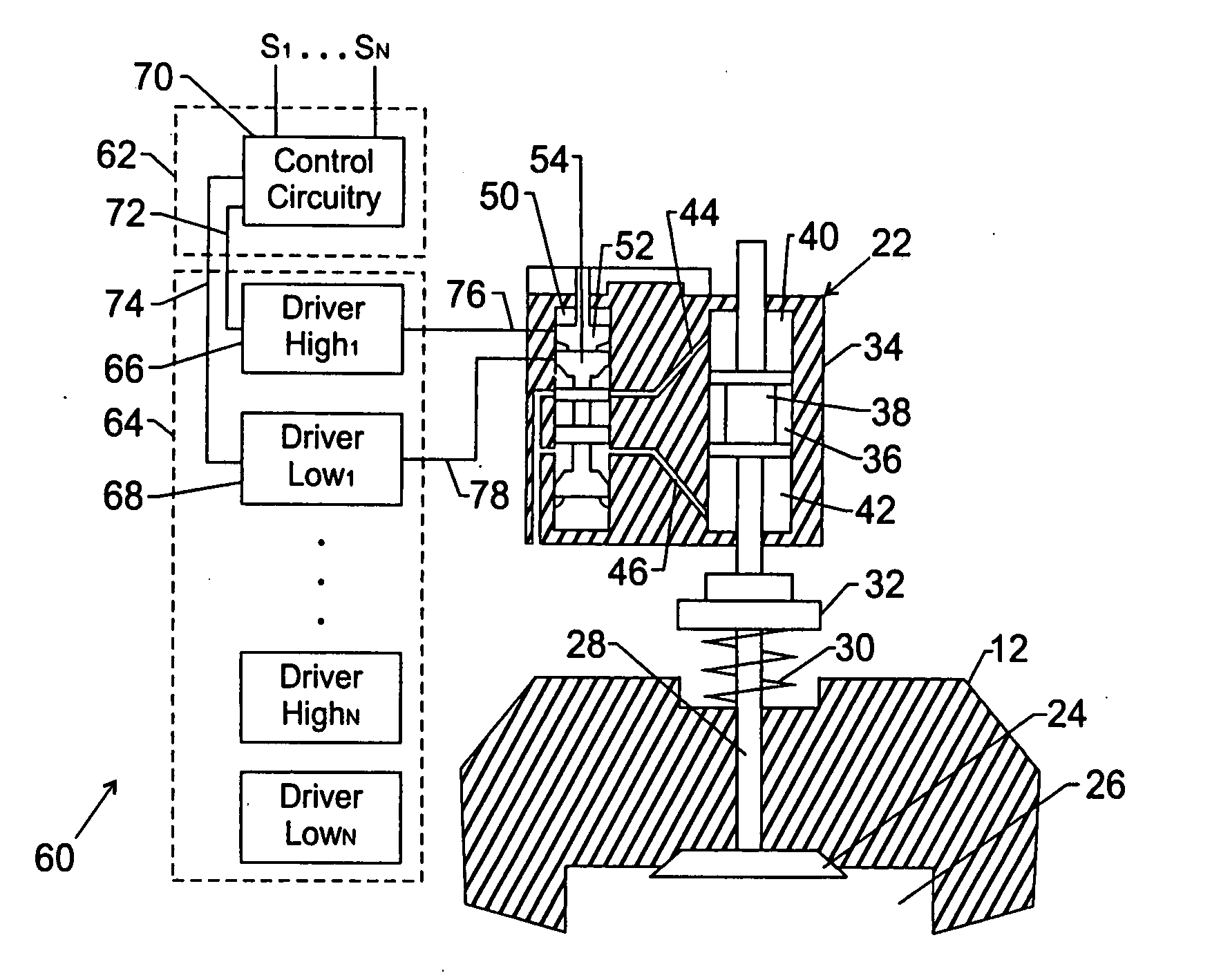
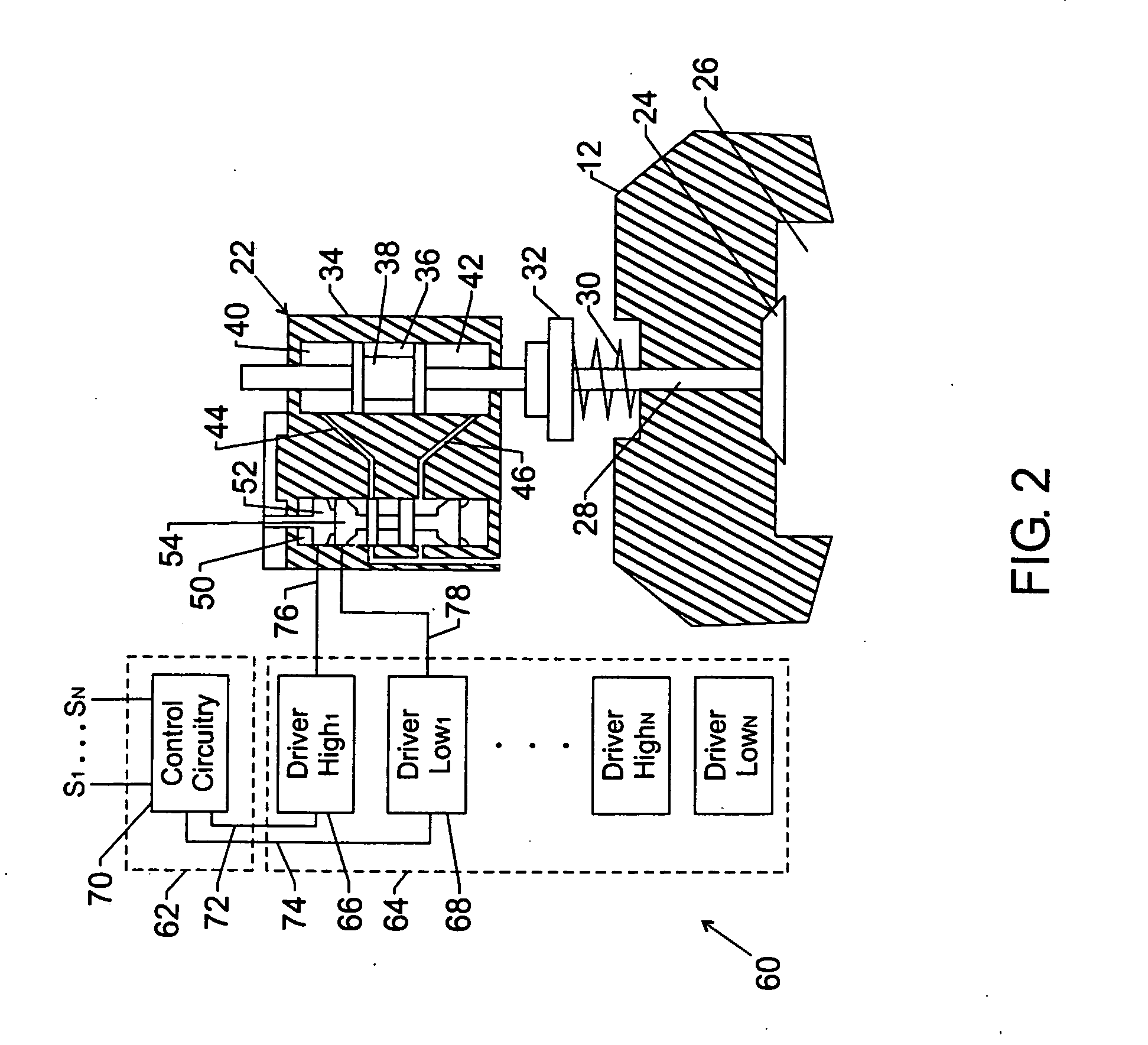
- A valve device and system that allows for direct injection of gaseous fuel into the combustion chamber, using a compact, annular design that integrates with conventional diesel injection systems, enabling flexible injection timing and quantity control without significant modifications, and utilizing a separate control unit for dual-fuel operation.


Quasi resonant gate controller for a power driver
PatentInactiveUS20060070591A1
Innovation
- The implementation of a quasi-resonant gate driver technology that utilizes small-scale semiconductors and a resonant gate inductor to minimize switching losses and power consumption, allowing for smaller and more efficient driver circuits, and reducing the overall size and complexity of the engine control package.

Environmental Impact Assessment
The environmental impact assessment of simulation-led gate valve optimization for sustainable fuel management reveals significant potential for reducing the ecological footprint of fuel systems. By leveraging advanced simulation techniques, engineers can optimize gate valve designs to minimize fuel leakage, reduce emissions, and improve overall system efficiency.
One of the primary environmental benefits of this approach is the reduction in fuel waste. Optimized gate valves can significantly decrease the likelihood of leaks and spills, which not only conserves valuable resources but also prevents soil and water contamination. This is particularly crucial in sensitive ecosystems where even small fuel leaks can have long-lasting detrimental effects on local flora and fauna.
Furthermore, the improved efficiency of optimized gate valves contributes to lower energy consumption in fuel management systems. This translates to reduced greenhouse gas emissions associated with fuel production, transportation, and usage. The cumulative effect of these optimizations across multiple industries could lead to a substantial decrease in carbon footprint, aligning with global efforts to combat climate change.
The simulation-led approach also enables the prediction and mitigation of potential environmental risks before implementation. By virtually testing various scenarios, engineers can identify and address potential failure modes that could lead to environmental hazards. This proactive risk management strategy significantly reduces the likelihood of accidents and their associated environmental impacts.
Additionally, optimized gate valves can extend the lifespan of fuel management systems, reducing the need for frequent replacements and the associated waste generation. This contributes to a more sustainable lifecycle for fuel infrastructure, minimizing the environmental impact of manufacturing and disposal processes.
The use of simulation technologies in gate valve optimization also promotes the development of more environmentally friendly materials. By testing various material properties in virtual environments, researchers can identify alternatives that offer superior performance while being more sustainable or recyclable. This could lead to a shift towards greener materials in fuel management systems, further reducing their environmental impact.
In conclusion, the environmental impact assessment of simulation-led gate valve optimization demonstrates its potential to significantly contribute to sustainable fuel management practices. By reducing waste, improving efficiency, mitigating risks, and promoting the use of sustainable materials, this approach aligns well with global environmental protection goals and sustainable development initiatives.
One of the primary environmental benefits of this approach is the reduction in fuel waste. Optimized gate valves can significantly decrease the likelihood of leaks and spills, which not only conserves valuable resources but also prevents soil and water contamination. This is particularly crucial in sensitive ecosystems where even small fuel leaks can have long-lasting detrimental effects on local flora and fauna.
Furthermore, the improved efficiency of optimized gate valves contributes to lower energy consumption in fuel management systems. This translates to reduced greenhouse gas emissions associated with fuel production, transportation, and usage. The cumulative effect of these optimizations across multiple industries could lead to a substantial decrease in carbon footprint, aligning with global efforts to combat climate change.
The simulation-led approach also enables the prediction and mitigation of potential environmental risks before implementation. By virtually testing various scenarios, engineers can identify and address potential failure modes that could lead to environmental hazards. This proactive risk management strategy significantly reduces the likelihood of accidents and their associated environmental impacts.
Additionally, optimized gate valves can extend the lifespan of fuel management systems, reducing the need for frequent replacements and the associated waste generation. This contributes to a more sustainable lifecycle for fuel infrastructure, minimizing the environmental impact of manufacturing and disposal processes.
The use of simulation technologies in gate valve optimization also promotes the development of more environmentally friendly materials. By testing various material properties in virtual environments, researchers can identify alternatives that offer superior performance while being more sustainable or recyclable. This could lead to a shift towards greener materials in fuel management systems, further reducing their environmental impact.
In conclusion, the environmental impact assessment of simulation-led gate valve optimization demonstrates its potential to significantly contribute to sustainable fuel management practices. By reducing waste, improving efficiency, mitigating risks, and promoting the use of sustainable materials, this approach aligns well with global environmental protection goals and sustainable development initiatives.
Regulatory Framework for Fuel Management Systems
The regulatory framework for fuel management systems plays a crucial role in ensuring the safe, efficient, and sustainable operation of gate valves in fuel handling processes. Governments and international organizations have established comprehensive regulations and standards to address the environmental, safety, and performance aspects of fuel management systems.
At the international level, organizations such as the International Organization for Standardization (ISO) and the International Electrotechnical Commission (IEC) have developed standards that provide guidelines for the design, manufacture, and operation of fuel management systems. These standards, including ISO 13709 and IEC 60079, address issues such as equipment safety, performance requirements, and explosion protection in hazardous environments.
In the United States, the Environmental Protection Agency (EPA) and the Occupational Safety and Health Administration (OSHA) have implemented regulations that directly impact fuel management systems. The EPA's Clean Air Act and Clean Water Act set limits on emissions and discharges from fuel handling facilities, while OSHA's Process Safety Management (PSM) standard outlines requirements for managing hazards associated with highly hazardous chemicals, including many fuels.
The European Union has established the ATEX Directive, which sets requirements for equipment and protective systems intended for use in potentially explosive atmospheres. This directive is particularly relevant for gate valves used in fuel management systems, as it ensures that equipment is designed and manufactured to minimize the risk of explosions.
Specific to gate valve optimization, regulatory bodies have implemented standards that address valve design, materials, testing, and performance. For instance, the American Petroleum Institute (API) has developed standards such as API 600 and API 6D, which provide specifications for steel gate valves and pipeline valves, respectively. These standards ensure that valves meet minimum requirements for pressure ratings, material selection, and testing procedures.
As sustainability becomes an increasingly important focus in fuel management, regulatory frameworks are evolving to incorporate environmental considerations. For example, the EU's Eco-Design Directive aims to improve the environmental performance of energy-related products, including components of fuel management systems. This directive encourages manufacturers to develop more energy-efficient and environmentally friendly products, which can influence the design and optimization of gate valves.
Compliance with these regulatory frameworks is essential for companies involved in simulation-led gate valve optimization. By adhering to these standards and regulations, organizations can ensure that their optimized valve designs not only meet performance requirements but also comply with safety and environmental regulations. This compliance is critical for obtaining necessary certifications and approvals for the use of optimized gate valves in fuel management systems across different jurisdictions.
At the international level, organizations such as the International Organization for Standardization (ISO) and the International Electrotechnical Commission (IEC) have developed standards that provide guidelines for the design, manufacture, and operation of fuel management systems. These standards, including ISO 13709 and IEC 60079, address issues such as equipment safety, performance requirements, and explosion protection in hazardous environments.
In the United States, the Environmental Protection Agency (EPA) and the Occupational Safety and Health Administration (OSHA) have implemented regulations that directly impact fuel management systems. The EPA's Clean Air Act and Clean Water Act set limits on emissions and discharges from fuel handling facilities, while OSHA's Process Safety Management (PSM) standard outlines requirements for managing hazards associated with highly hazardous chemicals, including many fuels.
The European Union has established the ATEX Directive, which sets requirements for equipment and protective systems intended for use in potentially explosive atmospheres. This directive is particularly relevant for gate valves used in fuel management systems, as it ensures that equipment is designed and manufactured to minimize the risk of explosions.
Specific to gate valve optimization, regulatory bodies have implemented standards that address valve design, materials, testing, and performance. For instance, the American Petroleum Institute (API) has developed standards such as API 600 and API 6D, which provide specifications for steel gate valves and pipeline valves, respectively. These standards ensure that valves meet minimum requirements for pressure ratings, material selection, and testing procedures.
As sustainability becomes an increasingly important focus in fuel management, regulatory frameworks are evolving to incorporate environmental considerations. For example, the EU's Eco-Design Directive aims to improve the environmental performance of energy-related products, including components of fuel management systems. This directive encourages manufacturers to develop more energy-efficient and environmentally friendly products, which can influence the design and optimization of gate valves.
Compliance with these regulatory frameworks is essential for companies involved in simulation-led gate valve optimization. By adhering to these standards and regulations, organizations can ensure that their optimized valve designs not only meet performance requirements but also comply with safety and environmental regulations. This compliance is critical for obtaining necessary certifications and approvals for the use of optimized gate valves in fuel management systems across different jurisdictions.
Unlock deeper insights with PatSnap Eureka Quick Research — get a full tech report to explore trends and direct your research. Try now!
Generate Your Research Report Instantly with AI Agent
Supercharge your innovation with PatSnap Eureka AI Agent Platform!