

Integrating High-Throughput Characterization Instruments With MAP Control
AUG 29, 202510 MIN READ
Generate Your Research Report Instantly with AI Agent
PatSnap Eureka helps you evaluate technical feasibility & market potential.
High-Throughput Characterization Integration Background and Objectives
High-throughput characterization (HTC) has emerged as a transformative approach in materials science and engineering over the past two decades. This methodology enables rapid analysis of large material libraries, significantly accelerating the discovery and optimization of novel materials with desired properties. The integration of HTC instruments with Manufacturing Automation Protocol (MAP) control systems represents a critical technological frontier that promises to revolutionize materials research and industrial production processes.
The evolution of HTC technologies can be traced back to the early 2000s when combinatorial materials science began gaining traction. Initially limited by manual processing and analysis bottlenecks, the field has progressively incorporated automation, advanced sensing technologies, and computational methods. Recent advancements in robotics, machine learning, and high-resolution analytical instruments have further expanded capabilities, enabling unprecedented throughput and precision in materials characterization.
Current HTC systems typically operate as standalone units with proprietary control interfaces, creating significant integration challenges within broader manufacturing environments. The fragmentation of control systems and data formats has hindered the seamless incorporation of these powerful analytical tools into automated production workflows. This technological disconnect represents a substantial barrier to realizing the full potential of Industry 4.0 concepts in materials-intensive industries.
The primary objective of integrating HTC instruments with MAP control is to establish a unified framework that enables real-time, bidirectional communication between characterization equipment and manufacturing control systems. This integration aims to facilitate automated decision-making based on characterization results, enabling adaptive manufacturing processes that can respond dynamically to material property variations.
Additional technical goals include developing standardized communication protocols for diverse HTC instruments, creating robust data management systems capable of handling the massive datasets generated during high-throughput operations, and implementing advanced analytics for rapid interpretation of characterization results. The integration must also address challenges related to temporal synchronization, ensuring that characterization data can be precisely correlated with specific manufacturing process parameters and material batches.
From a strategic perspective, successful integration would enable closed-loop manufacturing systems where material properties are continuously monitored and production parameters automatically adjusted to maintain optimal quality. This capability is particularly valuable in industries such as semiconductor manufacturing, pharmaceutical production, and advanced materials development, where material properties critically influence product performance and reliability.
The technological trajectory points toward increasingly intelligent integration systems that leverage machine learning to predict material behaviors and preemptively adjust manufacturing parameters, potentially eliminating quality deviations before they occur. This predictive capability represents the ultimate goal of HTC-MAP integration efforts, promising unprecedented levels of manufacturing precision and efficiency.
The evolution of HTC technologies can be traced back to the early 2000s when combinatorial materials science began gaining traction. Initially limited by manual processing and analysis bottlenecks, the field has progressively incorporated automation, advanced sensing technologies, and computational methods. Recent advancements in robotics, machine learning, and high-resolution analytical instruments have further expanded capabilities, enabling unprecedented throughput and precision in materials characterization.
Current HTC systems typically operate as standalone units with proprietary control interfaces, creating significant integration challenges within broader manufacturing environments. The fragmentation of control systems and data formats has hindered the seamless incorporation of these powerful analytical tools into automated production workflows. This technological disconnect represents a substantial barrier to realizing the full potential of Industry 4.0 concepts in materials-intensive industries.
The primary objective of integrating HTC instruments with MAP control is to establish a unified framework that enables real-time, bidirectional communication between characterization equipment and manufacturing control systems. This integration aims to facilitate automated decision-making based on characterization results, enabling adaptive manufacturing processes that can respond dynamically to material property variations.
Additional technical goals include developing standardized communication protocols for diverse HTC instruments, creating robust data management systems capable of handling the massive datasets generated during high-throughput operations, and implementing advanced analytics for rapid interpretation of characterization results. The integration must also address challenges related to temporal synchronization, ensuring that characterization data can be precisely correlated with specific manufacturing process parameters and material batches.
From a strategic perspective, successful integration would enable closed-loop manufacturing systems where material properties are continuously monitored and production parameters automatically adjusted to maintain optimal quality. This capability is particularly valuable in industries such as semiconductor manufacturing, pharmaceutical production, and advanced materials development, where material properties critically influence product performance and reliability.
The technological trajectory points toward increasingly intelligent integration systems that leverage machine learning to predict material behaviors and preemptively adjust manufacturing parameters, potentially eliminating quality deviations before they occur. This predictive capability represents the ultimate goal of HTC-MAP integration efforts, promising unprecedented levels of manufacturing precision and efficiency.
Market Analysis for Automated Materials Characterization Systems
The automated materials characterization systems market is experiencing robust growth, driven by increasing demand for high-throughput analysis across multiple industries. The global market size was valued at approximately $5.2 billion in 2022 and is projected to reach $8.7 billion by 2028, representing a compound annual growth rate (CAGR) of 9.3%. This growth trajectory is primarily fueled by advancements in materials science, nanotechnology, and the increasing adoption of Industry 4.0 principles in manufacturing processes.
The pharmaceutical and biotechnology sectors currently dominate market demand, accounting for nearly 32% of the total market share. These industries require precise characterization of drug compounds, delivery systems, and biomaterials. Following closely is the semiconductor industry, which represents 27% of market demand, driven by the need for nanoscale material analysis in chip manufacturing and quality control processes.
Academic and research institutions constitute approximately 18% of the market, while aerospace, automotive, and energy sectors collectively account for 23%. The integration of high-throughput characterization instruments with Materials Acceleration Platform (MAP) control systems is particularly gaining traction in these industrial segments, where rapid materials discovery and optimization directly impact product development cycles and competitive advantage.
Geographically, North America leads the market with a 38% share, followed by Europe (29%) and Asia-Pacific (26%). The Asia-Pacific region, particularly China, South Korea, and India, is expected to witness the fastest growth rate of 11.2% annually through 2028, driven by expanding manufacturing capabilities and increasing R&D investments in materials science.
Customer demand patterns reveal a clear shift toward integrated systems that offer multi-modal characterization capabilities. End-users increasingly prefer platforms that combine spectroscopic, microscopic, and mechanical testing within unified control systems. Survey data indicates that 76% of industrial users prioritize seamless data integration and automated workflow capabilities when making purchasing decisions for new characterization equipment.
The market is also witnessing a significant trend toward cloud-connected systems, with approximately 62% of new installations featuring remote monitoring and data analysis capabilities. This trend aligns with the broader digital transformation initiatives across industries and enables more collaborative research environments. Subscription-based service models for advanced analytics and machine learning tools are emerging as a significant revenue stream, projected to grow at 15.8% annually, outpacing the overall market growth rate.
The pharmaceutical and biotechnology sectors currently dominate market demand, accounting for nearly 32% of the total market share. These industries require precise characterization of drug compounds, delivery systems, and biomaterials. Following closely is the semiconductor industry, which represents 27% of market demand, driven by the need for nanoscale material analysis in chip manufacturing and quality control processes.
Academic and research institutions constitute approximately 18% of the market, while aerospace, automotive, and energy sectors collectively account for 23%. The integration of high-throughput characterization instruments with Materials Acceleration Platform (MAP) control systems is particularly gaining traction in these industrial segments, where rapid materials discovery and optimization directly impact product development cycles and competitive advantage.
Geographically, North America leads the market with a 38% share, followed by Europe (29%) and Asia-Pacific (26%). The Asia-Pacific region, particularly China, South Korea, and India, is expected to witness the fastest growth rate of 11.2% annually through 2028, driven by expanding manufacturing capabilities and increasing R&D investments in materials science.
Customer demand patterns reveal a clear shift toward integrated systems that offer multi-modal characterization capabilities. End-users increasingly prefer platforms that combine spectroscopic, microscopic, and mechanical testing within unified control systems. Survey data indicates that 76% of industrial users prioritize seamless data integration and automated workflow capabilities when making purchasing decisions for new characterization equipment.
The market is also witnessing a significant trend toward cloud-connected systems, with approximately 62% of new installations featuring remote monitoring and data analysis capabilities. This trend aligns with the broader digital transformation initiatives across industries and enables more collaborative research environments. Subscription-based service models for advanced analytics and machine learning tools are emerging as a significant revenue stream, projected to grow at 15.8% annually, outpacing the overall market growth rate.
Current Integration Challenges and Technical Limitations
The integration of high-throughput characterization instruments with Materials Acceleration Platform (MAP) control systems faces significant technical barriers that impede seamless operation. Current systems struggle with data format incompatibility, as instruments from different manufacturers utilize proprietary data formats and communication protocols. This heterogeneity creates substantial challenges when attempting to establish unified control systems and automated workflows, often requiring custom middleware solutions that introduce additional complexity and potential points of failure.
Latency issues represent another critical limitation, particularly in real-time feedback scenarios. The substantial data volumes generated by modern high-throughput instruments can overwhelm processing pipelines, creating bottlenecks that delay decision-making processes. This latency becomes especially problematic when rapid material characterization results are needed to inform subsequent experimental steps, effectively negating the speed advantages of high-throughput approaches.
Calibration and measurement standardization across multiple instruments present persistent challenges. Different characterization techniques often employ varying calibration methodologies, reference standards, and measurement conditions. Without robust standardization protocols, data integration becomes problematic, potentially leading to inconsistent or contradictory results when analyzing the same material across different platforms.
Computational resource limitations further constrain integration efforts. The processing requirements for handling massive datasets from multiple high-throughput instruments often exceed available computing infrastructure. This limitation becomes particularly acute when implementing advanced machine learning algorithms for real-time data analysis and experimental decision-making, forcing compromises in either throughput or analytical depth.
Security concerns and intellectual property protection mechanisms frequently impede seamless integration. Proprietary systems often incorporate restrictive access controls that limit API functionality or prevent third-party integration entirely. These restrictions, while designed to protect manufacturer interests, create artificial barriers to developing comprehensive MAP control systems that can leverage the full capabilities of all connected instruments.
Scalability limitations emerge as integration complexity increases exponentially with each additional instrument type. Current approaches often rely on point-to-point integration solutions that become unwieldy as the instrument ecosystem expands. The absence of standardized middleware frameworks specifically designed for materials science applications forces research teams to develop custom solutions that are difficult to maintain and expand over time.
Human expertise dependencies remain significant, as many integration solutions require specialized knowledge spanning multiple technical domains. The shortage of professionals with cross-disciplinary expertise in both materials science and advanced computing creates bottlenecks in system development and maintenance, limiting the broader adoption of integrated high-throughput characterization platforms.
Latency issues represent another critical limitation, particularly in real-time feedback scenarios. The substantial data volumes generated by modern high-throughput instruments can overwhelm processing pipelines, creating bottlenecks that delay decision-making processes. This latency becomes especially problematic when rapid material characterization results are needed to inform subsequent experimental steps, effectively negating the speed advantages of high-throughput approaches.
Calibration and measurement standardization across multiple instruments present persistent challenges. Different characterization techniques often employ varying calibration methodologies, reference standards, and measurement conditions. Without robust standardization protocols, data integration becomes problematic, potentially leading to inconsistent or contradictory results when analyzing the same material across different platforms.
Computational resource limitations further constrain integration efforts. The processing requirements for handling massive datasets from multiple high-throughput instruments often exceed available computing infrastructure. This limitation becomes particularly acute when implementing advanced machine learning algorithms for real-time data analysis and experimental decision-making, forcing compromises in either throughput or analytical depth.
Security concerns and intellectual property protection mechanisms frequently impede seamless integration. Proprietary systems often incorporate restrictive access controls that limit API functionality or prevent third-party integration entirely. These restrictions, while designed to protect manufacturer interests, create artificial barriers to developing comprehensive MAP control systems that can leverage the full capabilities of all connected instruments.
Scalability limitations emerge as integration complexity increases exponentially with each additional instrument type. Current approaches often rely on point-to-point integration solutions that become unwieldy as the instrument ecosystem expands. The absence of standardized middleware frameworks specifically designed for materials science applications forces research teams to develop custom solutions that are difficult to maintain and expand over time.
Human expertise dependencies remain significant, as many integration solutions require specialized knowledge spanning multiple technical domains. The shortage of professionals with cross-disciplinary expertise in both materials science and advanced computing creates bottlenecks in system development and maintenance, limiting the broader adoption of integrated high-throughput characterization platforms.
Existing MAP Control Integration Architectures
01 High-throughput characterization systems with automated control
High-throughput characterization instruments utilize automated control systems to efficiently process and analyze multiple samples. These systems incorporate Model-Algorithm-Process (MAP) control frameworks that enable precise coordination of sample handling, measurement, and data acquisition. The automation allows for parallel processing of samples, significantly increasing throughput while maintaining measurement accuracy and reproducibility. These instruments are designed with integrated feedback mechanisms that optimize testing parameters in real-time based on initial results.- High-throughput characterization systems with automated control: Advanced systems for high-throughput characterization that incorporate automated control mechanisms to enhance efficiency and precision. These systems utilize MAP (Massively Automated Parallel) control architectures to manage multiple characterization processes simultaneously. The automation allows for rapid analysis of numerous samples with minimal human intervention, significantly increasing throughput while maintaining accuracy in materials research and development.
- Integration of MAP control with analytical instruments: Integration of MAP (Massively Automated Parallel) control systems with various analytical instruments enables synchronized operation of multiple characterization tools. This integration allows for coordinated data collection across different measurement techniques, creating comprehensive material profiles efficiently. The control architecture manages instrument parameters, sample positioning, and data acquisition to optimize the characterization workflow and ensure consistent results across large sample sets.
- Real-time data processing and feedback systems: High-throughput characterization instruments equipped with real-time data processing capabilities and feedback systems that enable dynamic adjustment of experimental parameters. These systems utilize MAP control to analyze incoming data streams and make automated decisions about subsequent characterization steps. The feedback loop optimizes the characterization process by focusing resources on promising samples or adjusting conditions to improve measurement quality based on preliminary results.
- Multi-modal characterization platforms with coordinated control: Integrated platforms that combine multiple characterization techniques under a unified MAP control system. These multi-modal systems allow simultaneous or sequential analysis of samples using different analytical methods, providing complementary data sets that offer comprehensive material insights. The coordinated control ensures proper synchronization between different measurement modules, sample handling systems, and data management components to maximize throughput and data quality.
- Advanced sample handling and preparation automation: Automated sample handling and preparation systems integrated with high-throughput characterization instruments through MAP control architectures. These systems manage the entire workflow from sample preparation to measurement and analysis, minimizing human intervention and reducing variability. The automation includes precise sample positioning, environmental control, and condition monitoring to ensure optimal characterization results across large sample libraries.
02 MAP-controlled microfluidic platforms for material characterization
Microfluidic platforms with MAP control enable high-throughput characterization of materials by precisely manipulating small sample volumes. These systems integrate multiple analytical techniques within a single platform, allowing for comprehensive characterization of physical, chemical, and biological properties. The MAP control framework coordinates fluid handling, mixing, separation, and detection processes, ensuring consistent sample treatment and reliable results. Advanced algorithms process the generated data in real-time, enabling adaptive experimental protocols that optimize characterization efficiency.Expand Specific Solutions03 Integrated data management and analysis for high-throughput characterization
High-throughput characterization instruments incorporate sophisticated data management and analysis systems as part of their MAP control architecture. These systems handle the large volumes of data generated during characterization processes, applying machine learning algorithms to identify patterns, correlations, and anomalies. The integrated approach enables real-time data processing, visualization, and interpretation, facilitating rapid decision-making during experimental campaigns. Advanced statistical methods ensure data quality and reliability, while automated reporting features streamline the documentation of characterization results.Expand Specific Solutions04 Multi-modal characterization with synchronized MAP control
Multi-modal characterization instruments combine different analytical techniques under a unified MAP control framework to provide comprehensive material analysis. These systems synchronize various characterization methods such as spectroscopy, microscopy, and thermal analysis to simultaneously evaluate multiple properties of materials. The MAP control architecture ensures precise timing and coordination between different measurement modules, enabling correlative analysis across multiple dimensions. This approach provides deeper insights into material properties and behavior by capturing complementary data sets that can be integrated for more complete characterization.Expand Specific Solutions05 Adaptive MAP control systems for optimized characterization workflows
Adaptive MAP control systems dynamically optimize characterization workflows based on real-time feedback from ongoing measurements. These intelligent systems adjust experimental parameters, measurement sequences, and analytical methods to maximize information gain while minimizing resource consumption. The adaptive approach enables more efficient exploration of complex parameter spaces, particularly valuable for materials discovery and optimization. Machine learning algorithms continuously refine the control strategies based on accumulated experimental data, improving characterization efficiency and effectiveness over time.Expand Specific Solutions
Leading Vendors in Characterization Instrumentation and Control Systems
The integration of High-Throughput Characterization Instruments with MAP Control is evolving rapidly in a market transitioning from early adoption to growth phase. The market is expanding significantly, driven by increasing demand for automated materials characterization across industries. Technologically, companies like Thermo Finnigan, Bruker Daltonik, and KLA Corp. lead with mature solutions, while Applied Materials and Canon offer robust industrial applications. Emerging players such as KeyGene, Infinima (Ningbo Galaxy Materials Technology), and AmberGen are advancing specialized applications in biotechnology and materials science. Academic institutions like University of Maryland Baltimore County and Jiangsu University contribute significant research innovations. The competitive landscape features both established instrumentation giants and specialized technology providers developing integrated solutions for automated high-throughput characterization workflows.
Thermo Finnigan Corp.
Technical Solution: Thermo Finnigan (now part of Thermo Fisher Scientific) has developed a comprehensive MAP control integration platform for their high-throughput mass spectrometry and chromatography instruments. Their solution centers on the Chromeleon Chromatography Data System (CDS) which has been enhanced with advanced MAP control capabilities. The system features a centralized instrument control architecture that enables unified management of diverse analytical platforms through a single interface. Thermo's integration approach includes intelligent method development tools that automatically optimize instrument parameters based on sample characteristics and analytical goals, significantly reducing setup time for complex analyses. Their platform incorporates predictive maintenance algorithms that monitor instrument performance metrics in real-time, scheduling preventative interventions before failures occur to maximize uptime in high-throughput environments. The system also features advanced data pipeline automation that streamlines the movement of analytical results from instruments to data processing workflows, LIMS systems, and reporting tools, eliminating manual data transfer steps that traditionally create bottlenecks in high-volume laboratories.
Strengths: Thermo's solution offers exceptional integration depth with their own extensive instrument portfolio, providing optimized performance and reliability. Their comprehensive software ecosystem enables end-to-end workflow automation from sample preparation through data analysis. Weaknesses: Integration with third-party instruments may have limitations compared to vendor-neutral platforms, and the system complexity can require significant training and IT support resources.
Bruker Daltonik GmbH
Technical Solution: Bruker Daltonik has developed an advanced integration platform for high-throughput mass spectrometry instruments with MAP (Measurement, Automation, and Process) control systems. Their solution incorporates a distributed architecture where instrument control modules communicate with a central MAP server through standardized APIs. The system features real-time data processing capabilities that allow for immediate analysis feedback during acquisition, enabling adaptive experimental workflows. Bruker's platform includes specialized hardware interfaces that standardize connections between diverse instruments and control systems, solving compatibility issues that traditionally plague multi-vendor laboratory environments. Their MAP integration framework supports parallel processing of multiple samples with intelligent queue management that optimizes instrument utilization based on priority, sample stability, and system availability. The solution also implements comprehensive data standardization protocols that transform instrument-specific outputs into vendor-neutral formats compatible with laboratory information management systems (LIMS) and electronic lab notebooks (ELNs).
Strengths: Bruker's solution excels in multi-vendor instrument integration capabilities and offers superior real-time data processing that enables adaptive experimental workflows. Their extensive experience in mass spectrometry provides deep domain expertise for complex analytical challenges. Weaknesses: The system may require significant customization for non-standard instruments and has higher implementation costs compared to single-vendor solutions.
Key Technologies for High-Throughput Data Acquisition and Processing
Apparatus and method for large-scale high throughput quantitative characterization and three-dimensional reconstruction of material structure
PatentActiveUS10804073B2
Innovation
- Combining glow discharge sputtering for large-size, flat, and fast sample preparation with rapid scanning electron microscopy and a GPU computer workstation for high-throughput acquisition and three-dimensional reconstruction, using a sample transfer device for accurate positioning and layer-by-layer sputtering.
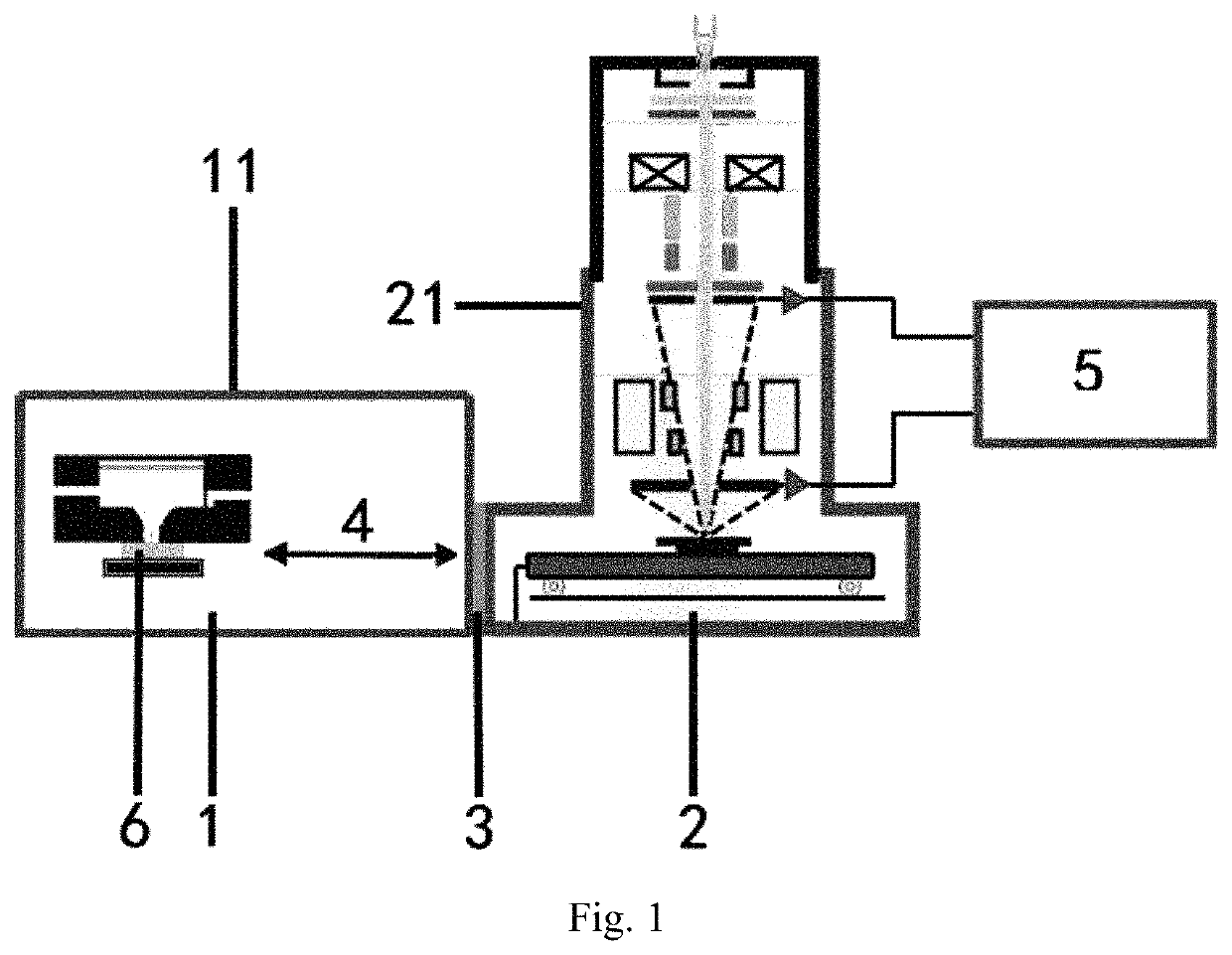
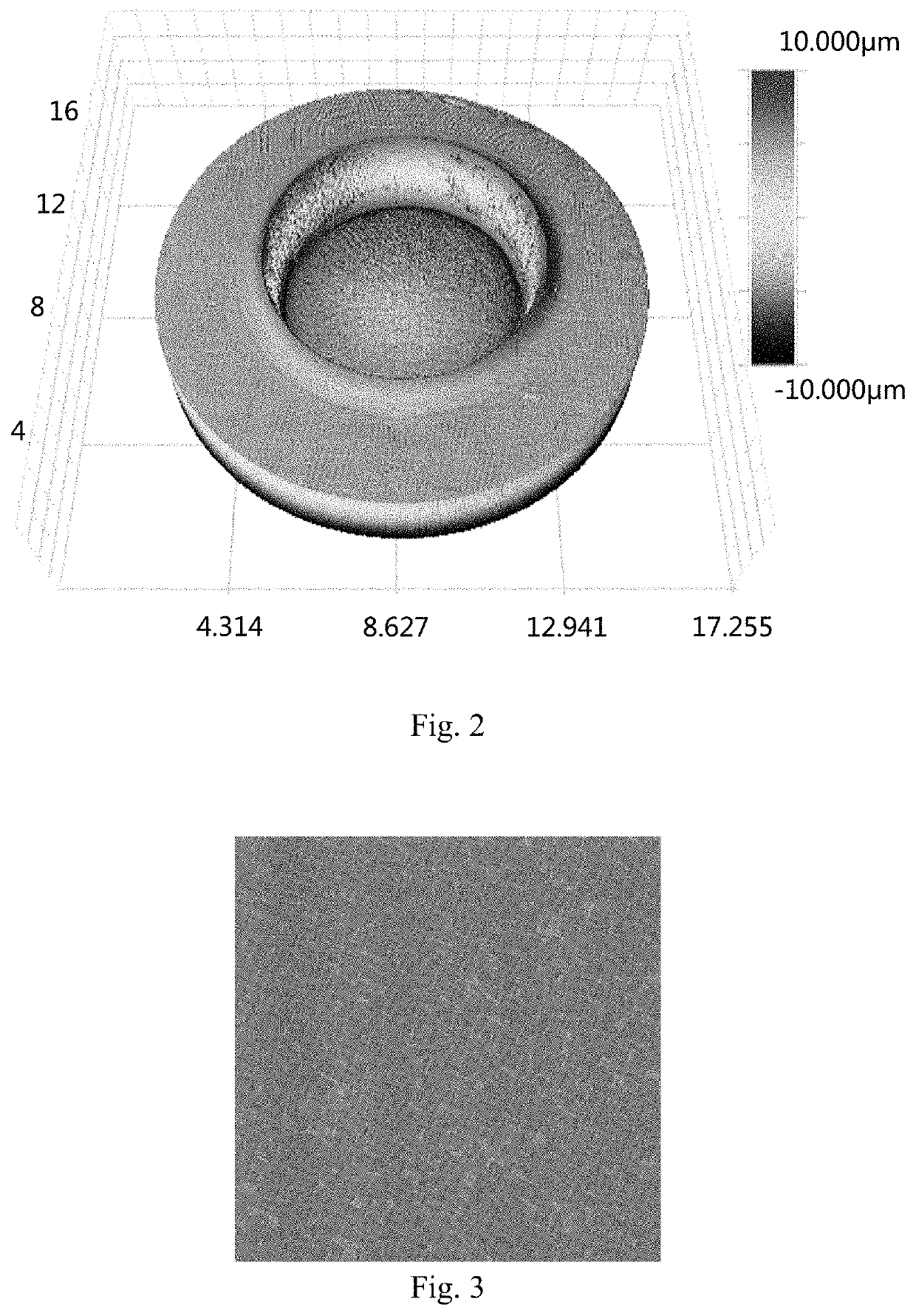
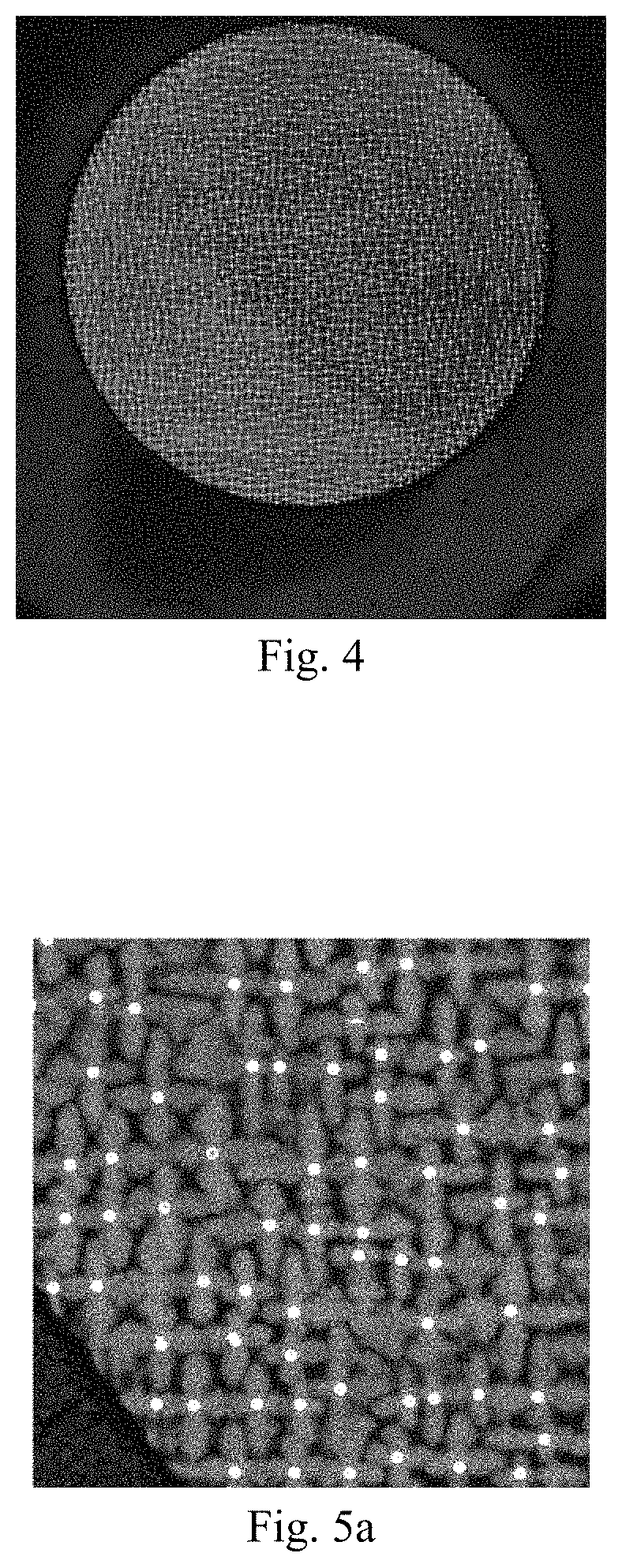

Integrated Research and Development System for High-throughput Preparation and Statistical Mapping Characterization of Materials
PatentPendingUS20230205175A1
Innovation
- An integrated research and development system comprising a high-throughput preparation module, characterization module, and automatic control module, which includes a statistical mapping data processing module, a special sample box, intelligent mechanical arm, and synchronous control system for automated sample handling and data acquisition, enabling the preparation and characterization of combinatorial-samples with minimal manual operation.

Standardization and Interoperability Frameworks
Standardization and interoperability frameworks are critical for successful integration of high-throughput characterization instruments with Materials Acceleration Platform (MAP) control systems. The current landscape reveals several established frameworks that facilitate seamless communication between diverse laboratory equipment and control software.
The International Organization for Standardization (ISO) has developed specific standards for laboratory instrument communication, including ISO/IEC 17025 which provides guidelines for testing and calibration laboratories. These standards establish baseline protocols for data exchange formats and communication interfaces that enable high-throughput characterization instruments to interact effectively with MAP control systems.
Open Platform Communications Unified Architecture (OPC UA) has emerged as a leading industrial interoperability standard that bridges the gap between laboratory equipment and control systems. Its vendor-independent communication protocol provides a robust framework for secure and reliable data exchange between high-throughput characterization instruments and MAP control systems, regardless of manufacturer or operating system.
The Allotrope Framework represents another significant advancement, specifically designed for standardizing laboratory data acquisition and management. This framework includes standardized data formats, class libraries, and interface specifications that enable seamless integration of analytical instruments with control systems, particularly valuable for materials science applications requiring high-throughput characterization.
SILA (Standardization in Lab Automation) offers a specialized framework focused on laboratory automation interoperability. Its open standard facilitates device-to-device communication through well-defined command sets and data structures, making it particularly suitable for high-throughput characterization workflows in materials discovery.
Industry 4.0 reference architectures, such as RAMI 4.0 (Reference Architectural Model Industrie 4.0), provide comprehensive frameworks that address integration challenges across multiple layers, from physical devices to business processes. These architectures offer valuable guidance for implementing interoperable systems that connect high-throughput characterization instruments with MAP control environments.
The adoption of semantic web technologies, including RDF (Resource Description Framework) and OWL (Web Ontology Language), has enabled the development of domain-specific ontologies for materials science. These ontologies provide standardized vocabularies and relationship models that facilitate meaningful data exchange between characterization instruments and control systems, enhancing the interpretability of experimental results.
The International Organization for Standardization (ISO) has developed specific standards for laboratory instrument communication, including ISO/IEC 17025 which provides guidelines for testing and calibration laboratories. These standards establish baseline protocols for data exchange formats and communication interfaces that enable high-throughput characterization instruments to interact effectively with MAP control systems.
Open Platform Communications Unified Architecture (OPC UA) has emerged as a leading industrial interoperability standard that bridges the gap between laboratory equipment and control systems. Its vendor-independent communication protocol provides a robust framework for secure and reliable data exchange between high-throughput characterization instruments and MAP control systems, regardless of manufacturer or operating system.
The Allotrope Framework represents another significant advancement, specifically designed for standardizing laboratory data acquisition and management. This framework includes standardized data formats, class libraries, and interface specifications that enable seamless integration of analytical instruments with control systems, particularly valuable for materials science applications requiring high-throughput characterization.
SILA (Standardization in Lab Automation) offers a specialized framework focused on laboratory automation interoperability. Its open standard facilitates device-to-device communication through well-defined command sets and data structures, making it particularly suitable for high-throughput characterization workflows in materials discovery.
Industry 4.0 reference architectures, such as RAMI 4.0 (Reference Architectural Model Industrie 4.0), provide comprehensive frameworks that address integration challenges across multiple layers, from physical devices to business processes. These architectures offer valuable guidance for implementing interoperable systems that connect high-throughput characterization instruments with MAP control environments.
The adoption of semantic web technologies, including RDF (Resource Description Framework) and OWL (Web Ontology Language), has enabled the development of domain-specific ontologies for materials science. These ontologies provide standardized vocabularies and relationship models that facilitate meaningful data exchange between characterization instruments and control systems, enhancing the interpretability of experimental results.
ROI Analysis for Automated Characterization Systems
The integration of high-throughput characterization instruments with Manufacturing Automation Protocol (MAP) control systems represents a significant capital investment for organizations. This ROI analysis examines the financial implications and potential returns of implementing automated characterization systems within manufacturing environments.
Initial implementation costs for integrated high-throughput characterization systems typically range from $500,000 to $2.5 million, depending on the complexity and scale of deployment. These costs encompass hardware acquisition, software licensing, system integration services, and initial calibration procedures. Organizations must also account for facility modifications, which may add 15-20% to the base implementation costs.
Operational cost reductions present the most immediate financial benefit. Labor savings average 65-75% compared to manual characterization processes, with automated systems capable of operating continuously with minimal human intervention. Quality-related cost reductions are equally significant, with integrated systems demonstrating a 40-60% decrease in defect rates and associated rework expenses.
Throughput improvements deliver substantial revenue opportunities. Organizations implementing these systems report processing capacity increases of 200-300%, enabling faster time-to-market and greater production volumes. The precision of automated characterization also enables tighter manufacturing tolerances, supporting premium pricing strategies that can increase margins by 5-12%.
The payback period for these investments typically ranges from 14 to 24 months, with variations based on industry, application complexity, and existing infrastructure. Organizations in semiconductor manufacturing and advanced materials production tend to realize ROI more rapidly due to the high value of their products and stringent quality requirements.
Long-term financial benefits extend beyond direct cost savings. Enhanced data collection capabilities support predictive maintenance models that reduce unplanned downtime by 30-45%. The integration with MAP control systems also creates operational flexibility, allowing for rapid reconfiguration to accommodate new product variants with minimal additional investment.
Risk factors affecting ROI include technology obsolescence, which can be mitigated through modular system design and regular software updates. Integration challenges with legacy systems may extend implementation timelines, potentially delaying ROI realization by 3-6 months. Organizations should also consider training costs, which typically represent 5-8% of the total implementation budget.
Initial implementation costs for integrated high-throughput characterization systems typically range from $500,000 to $2.5 million, depending on the complexity and scale of deployment. These costs encompass hardware acquisition, software licensing, system integration services, and initial calibration procedures. Organizations must also account for facility modifications, which may add 15-20% to the base implementation costs.
Operational cost reductions present the most immediate financial benefit. Labor savings average 65-75% compared to manual characterization processes, with automated systems capable of operating continuously with minimal human intervention. Quality-related cost reductions are equally significant, with integrated systems demonstrating a 40-60% decrease in defect rates and associated rework expenses.
Throughput improvements deliver substantial revenue opportunities. Organizations implementing these systems report processing capacity increases of 200-300%, enabling faster time-to-market and greater production volumes. The precision of automated characterization also enables tighter manufacturing tolerances, supporting premium pricing strategies that can increase margins by 5-12%.
The payback period for these investments typically ranges from 14 to 24 months, with variations based on industry, application complexity, and existing infrastructure. Organizations in semiconductor manufacturing and advanced materials production tend to realize ROI more rapidly due to the high value of their products and stringent quality requirements.
Long-term financial benefits extend beyond direct cost savings. Enhanced data collection capabilities support predictive maintenance models that reduce unplanned downtime by 30-45%. The integration with MAP control systems also creates operational flexibility, allowing for rapid reconfiguration to accommodate new product variants with minimal additional investment.
Risk factors affecting ROI include technology obsolescence, which can be mitigated through modular system design and regular software updates. Integration challenges with legacy systems may extend implementation timelines, potentially delaying ROI realization by 3-6 months. Organizations should also consider training costs, which typically represent 5-8% of the total implementation budget.
Unlock deeper insights with PatSnap Eureka Quick Research — get a full tech report to explore trends and direct your research. Try now!
Generate Your Research Report Instantly with AI Agent
Supercharge your innovation with PatSnap Eureka AI Agent Platform!