Integrating LDAC for Seamless Audio Broadcasting
JUL 4, 20259 MIN READ
Generate Your Research Report Instantly with AI Agent
Patsnap Eureka helps you evaluate technical feasibility & market potential.
LDAC Technology Evolution
LDAC, developed by Sony in 2015, has undergone significant evolution since its inception. Initially designed to address the limitations of existing Bluetooth audio codecs, LDAC aimed to provide high-resolution audio transmission over Bluetooth connections. The technology's evolution can be traced through several key milestones and improvements.
In its early stages, LDAC supported a maximum bitrate of 990 kbps, which was a substantial improvement over the standard SBC codec used in most Bluetooth audio devices. This allowed for near-lossless audio quality, particularly beneficial for audiophiles and music enthusiasts. The codec's adaptive bitrate feature, which could adjust between 330 kbps and 990 kbps based on connection stability, was a crucial innovation in maintaining consistent audio quality.
As the technology matured, Sony focused on expanding LDAC's compatibility and integration with various devices and platforms. A significant breakthrough came in 2017 when Google announced native support for LDAC in Android 8.0 (Oreo) and subsequent versions. This integration greatly increased LDAC's accessibility and adoption across a wide range of Android devices.
Further developments saw improvements in power efficiency and latency reduction. These advancements were critical for enhancing battery life in wireless audio devices and improving synchronization between audio and video, particularly important for gaming and video streaming applications.
In recent years, LDAC has seen enhancements in its error correction and packet loss concealment algorithms. These improvements have resulted in more robust performance in challenging wireless environments, maintaining high audio quality even in areas with significant electromagnetic interference or when the audio source and receiver are at greater distances.
The codec's evolution has also included optimizations for various audio formats and sampling rates. While initially focused on high-resolution audio, later iterations of LDAC have improved performance across a broader spectrum of audio qualities, from standard CD-quality to ultra-high-resolution formats.
As the demand for seamless audio broadcasting has grown, LDAC has adapted to support multi-point connections, allowing a single audio source to stream to multiple receivers simultaneously. This feature has opened up new possibilities for applications in public spaces, shared listening experiences, and professional audio setups.
Looking towards the future, LDAC's evolution is likely to continue focusing on further reducing latency, improving energy efficiency, and expanding compatibility with emerging wireless technologies and audio formats. The integration of LDAC with other cutting-edge audio technologies, such as 3D audio and adaptive EQ, represents the next frontier in its technological progression.
In its early stages, LDAC supported a maximum bitrate of 990 kbps, which was a substantial improvement over the standard SBC codec used in most Bluetooth audio devices. This allowed for near-lossless audio quality, particularly beneficial for audiophiles and music enthusiasts. The codec's adaptive bitrate feature, which could adjust between 330 kbps and 990 kbps based on connection stability, was a crucial innovation in maintaining consistent audio quality.
As the technology matured, Sony focused on expanding LDAC's compatibility and integration with various devices and platforms. A significant breakthrough came in 2017 when Google announced native support for LDAC in Android 8.0 (Oreo) and subsequent versions. This integration greatly increased LDAC's accessibility and adoption across a wide range of Android devices.
Further developments saw improvements in power efficiency and latency reduction. These advancements were critical for enhancing battery life in wireless audio devices and improving synchronization between audio and video, particularly important for gaming and video streaming applications.
In recent years, LDAC has seen enhancements in its error correction and packet loss concealment algorithms. These improvements have resulted in more robust performance in challenging wireless environments, maintaining high audio quality even in areas with significant electromagnetic interference or when the audio source and receiver are at greater distances.
The codec's evolution has also included optimizations for various audio formats and sampling rates. While initially focused on high-resolution audio, later iterations of LDAC have improved performance across a broader spectrum of audio qualities, from standard CD-quality to ultra-high-resolution formats.
As the demand for seamless audio broadcasting has grown, LDAC has adapted to support multi-point connections, allowing a single audio source to stream to multiple receivers simultaneously. This feature has opened up new possibilities for applications in public spaces, shared listening experiences, and professional audio setups.
Looking towards the future, LDAC's evolution is likely to continue focusing on further reducing latency, improving energy efficiency, and expanding compatibility with emerging wireless technologies and audio formats. The integration of LDAC with other cutting-edge audio technologies, such as 3D audio and adaptive EQ, represents the next frontier in its technological progression.
Market Demand Analysis
The market demand for LDAC (Low Latency Audio Codec) integration in audio broadcasting has been steadily growing, driven by the increasing consumer appetite for high-quality wireless audio experiences. As more users adopt wireless headphones, speakers, and other audio devices, the need for efficient, high-fidelity audio transmission becomes paramount.
The global wireless audio market, which LDAC technology directly impacts, has been experiencing significant growth. This expansion is fueled by the rising popularity of smart devices, the proliferation of music streaming services, and the increasing adoption of Internet of Things (IoT) technologies. The demand for seamless audio broadcasting is particularly strong in sectors such as home entertainment, automotive audio systems, and professional audio equipment.
Consumer expectations for audio quality have risen dramatically in recent years. With the advent of high-resolution audio formats and the widespread availability of lossless music streaming services, users are becoming more discerning about audio fidelity. This trend has created a substantial market opportunity for technologies like LDAC, which can deliver near CD-quality audio over Bluetooth connections.
The automotive industry represents a significant growth area for LDAC integration. As vehicles become more connected and infotainment systems grow in sophistication, there is an increasing demand for high-quality wireless audio solutions. LDAC's ability to provide superior audio quality while maintaining low latency makes it an attractive option for in-car entertainment systems.
In the professional audio sector, the need for reliable, high-fidelity wireless audio transmission is acute. Live events, broadcast studios, and recording facilities are all potential markets for LDAC-enabled devices. The technology's ability to transmit audio with minimal loss of quality addresses a long-standing challenge in professional audio applications.
The gaming industry is another sector driving demand for LDAC integration. As online gaming and e-sports continue to grow, the need for high-quality, low-latency audio becomes increasingly important. LDAC's capabilities align well with the requirements of competitive gamers who require precise audio cues and clear communication.
Market analysis indicates that consumers are willing to pay a premium for devices that offer superior audio quality. This trend suggests that products integrating LDAC technology have the potential to command higher prices and generate better profit margins for manufacturers.
However, the market demand for LDAC integration is not without challenges. The technology's adoption is somewhat limited by its proprietary nature, as it is owned by Sony. This factor may influence its widespread integration across different brands and platforms. Additionally, the market faces competition from other high-quality audio codecs, which may impact LDAC's market share.
The global wireless audio market, which LDAC technology directly impacts, has been experiencing significant growth. This expansion is fueled by the rising popularity of smart devices, the proliferation of music streaming services, and the increasing adoption of Internet of Things (IoT) technologies. The demand for seamless audio broadcasting is particularly strong in sectors such as home entertainment, automotive audio systems, and professional audio equipment.
Consumer expectations for audio quality have risen dramatically in recent years. With the advent of high-resolution audio formats and the widespread availability of lossless music streaming services, users are becoming more discerning about audio fidelity. This trend has created a substantial market opportunity for technologies like LDAC, which can deliver near CD-quality audio over Bluetooth connections.
The automotive industry represents a significant growth area for LDAC integration. As vehicles become more connected and infotainment systems grow in sophistication, there is an increasing demand for high-quality wireless audio solutions. LDAC's ability to provide superior audio quality while maintaining low latency makes it an attractive option for in-car entertainment systems.
In the professional audio sector, the need for reliable, high-fidelity wireless audio transmission is acute. Live events, broadcast studios, and recording facilities are all potential markets for LDAC-enabled devices. The technology's ability to transmit audio with minimal loss of quality addresses a long-standing challenge in professional audio applications.
The gaming industry is another sector driving demand for LDAC integration. As online gaming and e-sports continue to grow, the need for high-quality, low-latency audio becomes increasingly important. LDAC's capabilities align well with the requirements of competitive gamers who require precise audio cues and clear communication.
Market analysis indicates that consumers are willing to pay a premium for devices that offer superior audio quality. This trend suggests that products integrating LDAC technology have the potential to command higher prices and generate better profit margins for manufacturers.
However, the market demand for LDAC integration is not without challenges. The technology's adoption is somewhat limited by its proprietary nature, as it is owned by Sony. This factor may influence its widespread integration across different brands and platforms. Additionally, the market faces competition from other high-quality audio codecs, which may impact LDAC's market share.
LDAC Integration Challenges
Integrating LDAC (Low Latency Audio Codec) for seamless audio broadcasting presents several significant challenges that need to be addressed. One of the primary obstacles is ensuring compatibility across diverse hardware and software platforms. LDAC, being a proprietary codec developed by Sony, may not be natively supported by all devices, requiring extensive adaptation and optimization efforts.
The high bitrate of LDAC, while beneficial for audio quality, poses challenges in terms of bandwidth management and power consumption. Implementing LDAC in broadcasting scenarios necessitates robust network infrastructure capable of handling the increased data throughput. This is particularly crucial in live streaming applications where low latency is paramount.
Another challenge lies in maintaining consistent audio quality across varying network conditions. LDAC's adaptive bitrate feature, while advantageous, requires sophisticated algorithms to seamlessly switch between different quality levels without introducing audible artifacts or interruptions in the audio stream.
Latency management is a critical aspect of LDAC integration. While LDAC offers lower latency compared to some other high-quality codecs, achieving the ultra-low latency required for real-time broadcasting applications remains challenging. This necessitates careful optimization of the entire audio processing chain, from encoding to transmission and decoding.
Interoperability with existing audio systems and codecs is another hurdle. Many broadcasting setups rely on established codecs and protocols. Integrating LDAC seamlessly into these environments without disrupting existing workflows or requiring complete system overhauls is a complex task that demands careful planning and execution.
The licensing and intellectual property aspects of LDAC integration also present challenges. As a proprietary technology, implementing LDAC may involve navigating complex licensing agreements and potential royalty payments, which can impact the overall cost and feasibility of integration for some organizations.
Ensuring consistent performance across different device types, from smartphones to high-end audio equipment, adds another layer of complexity. The varying processing capabilities and audio subsystems of these devices necessitate extensive testing and optimization to guarantee a uniform listening experience.
Lastly, the challenge of future-proofing the integration cannot be overlooked. As audio technology continues to evolve, ensuring that the LDAC implementation remains compatible with emerging standards and capable of leveraging future improvements in the codec is crucial for long-term viability in the broadcasting industry.
The high bitrate of LDAC, while beneficial for audio quality, poses challenges in terms of bandwidth management and power consumption. Implementing LDAC in broadcasting scenarios necessitates robust network infrastructure capable of handling the increased data throughput. This is particularly crucial in live streaming applications where low latency is paramount.
Another challenge lies in maintaining consistent audio quality across varying network conditions. LDAC's adaptive bitrate feature, while advantageous, requires sophisticated algorithms to seamlessly switch between different quality levels without introducing audible artifacts or interruptions in the audio stream.
Latency management is a critical aspect of LDAC integration. While LDAC offers lower latency compared to some other high-quality codecs, achieving the ultra-low latency required for real-time broadcasting applications remains challenging. This necessitates careful optimization of the entire audio processing chain, from encoding to transmission and decoding.
Interoperability with existing audio systems and codecs is another hurdle. Many broadcasting setups rely on established codecs and protocols. Integrating LDAC seamlessly into these environments without disrupting existing workflows or requiring complete system overhauls is a complex task that demands careful planning and execution.
The licensing and intellectual property aspects of LDAC integration also present challenges. As a proprietary technology, implementing LDAC may involve navigating complex licensing agreements and potential royalty payments, which can impact the overall cost and feasibility of integration for some organizations.
Ensuring consistent performance across different device types, from smartphones to high-end audio equipment, adds another layer of complexity. The varying processing capabilities and audio subsystems of these devices necessitate extensive testing and optimization to guarantee a uniform listening experience.
Lastly, the challenge of future-proofing the integration cannot be overlooked. As audio technology continues to evolve, ensuring that the LDAC implementation remains compatible with emerging standards and capable of leveraging future improvements in the codec is crucial for long-term viability in the broadcasting industry.
Current LDAC Solutions
01 LDAC codec implementation for high-quality audio transmission
LDAC is a high-resolution audio codec developed for Bluetooth audio transmission. It enables the transmission of high-quality audio data at higher bit rates compared to standard codecs. The implementation of LDAC in audio devices can significantly improve the overall audio quality, providing a near lossless audio experience for users.- LDAC codec implementation for high-quality audio transmission: LDAC is a high-resolution audio codec developed for Bluetooth audio transmission. It enables the transmission of high-quality audio data by efficiently encoding and compressing audio signals. The codec supports various bit rates and sampling frequencies, allowing for flexible adaptation to different audio sources and transmission conditions.
- Audio quality enhancement through signal processing: Various signal processing techniques are employed to enhance audio quality in LDAC systems. These may include noise reduction, dynamic range compression, and equalization. Advanced algorithms are used to optimize the audio signal before encoding, ensuring the best possible quality within the constraints of the transmission system.
- Adaptive bit rate and sampling frequency selection: LDAC systems incorporate adaptive mechanisms to select optimal bit rates and sampling frequencies based on network conditions and device capabilities. This ensures consistent audio quality and minimizes dropouts or interruptions in varying transmission environments.
- Integration with audio playback devices and systems: LDAC technology is integrated into various audio playback devices and systems, including smartphones, headphones, and home audio equipment. This integration involves optimizing hardware and software components to support the codec's high-quality audio transmission capabilities.
- Compatibility and interoperability with other audio standards: LDAC is designed to be compatible and interoperable with other audio standards and protocols. This ensures seamless integration with existing audio ecosystems and allows for fallback to alternative codecs when LDAC is not supported by all devices in a connection.
02 Audio signal processing and enhancement techniques
Various signal processing techniques are employed to enhance audio quality in LDAC-enabled devices. These may include noise reduction, dynamic range compression, and frequency response optimization. Advanced algorithms are used to analyze and adjust audio signals in real-time, resulting in clearer and more balanced sound output.Expand Specific Solutions03 Integration of LDAC with wireless audio systems
LDAC technology is integrated into various wireless audio systems, including headphones, speakers, and car audio systems. This integration allows for high-fidelity audio streaming over Bluetooth connections, maintaining audio quality comparable to wired connections while providing the convenience of wireless technology.Expand Specific Solutions04 Adaptive bit rate and audio quality optimization
LDAC incorporates adaptive bit rate technology to optimize audio quality based on network conditions and device capabilities. The system can dynamically adjust the bit rate and encoding parameters to maintain the best possible audio quality while ensuring stable transmission, even in challenging wireless environments.Expand Specific Solutions05 Compatibility and interoperability with audio standards
LDAC is designed to be compatible with various audio standards and formats, ensuring broad interoperability across different devices and platforms. This includes support for high-resolution audio formats and seamless integration with existing audio ecosystems, allowing users to experience high-quality audio across a wide range of devices and content sources.Expand Specific Solutions
Key LDAC Industry Players
The integration of LDAC for seamless audio broadcasting is in a growth phase, with increasing market size due to rising demand for high-quality wireless audio solutions. The technology's maturity is advancing rapidly, driven by key players like Sony Group Corp., the original developer of LDAC. Other major companies such as Samsung Electronics, LG Electronics, and Qualcomm are also contributing to the ecosystem's development. The competitive landscape is characterized by a mix of established electronics giants and specialized audio technology firms, with companies like Fraunhofer-Gesellschaft and Cirrus Logic bringing expertise in audio codecs and signal processing. As the technology becomes more widespread, we can expect increased adoption across various consumer electronics and professional audio applications.
Samsung Electronics Co., Ltd.
Technical Solution: Samsung has taken a multi-faceted approach to integrating high-quality audio codecs for seamless broadcasting. While not directly implementing LDAC, Samsung has developed its own Scalable Codec technology, which adapts the bit rate between 88kbps and 512kbps based on Bluetooth connection quality[9]. This technology is integrated into Samsung's Galaxy Buds and smartphones, ensuring optimal audio quality in various environments. Additionally, Samsung has partnered with other codec providers to support multiple high-quality audio standards, including AAC and aptX, in their devices[10]. To enhance seamless audio broadcasting, Samsung has implemented features like Bluetooth Dual Audio, allowing simultaneous streaming to two Bluetooth devices, and Smart Things Find for easy device pairing and management[11].
Strengths: Proprietary Scalable Codec, support for multiple audio standards, ecosystem integration. Weaknesses: Lack of native LDAC support may limit compatibility with some high-end audio devices.
LG Electronics, Inc.
Technical Solution: LG Electronics has focused on integrating multiple high-quality audio codecs, including LDAC, into their devices to ensure seamless audio broadcasting across various platforms. Their approach involves implementing LDAC support in their flagship smartphones and audio products, allowing for high-resolution audio streaming up to 24-bit/96kHz[12]. LG has also developed their own digital signal processing (DSP) technology, which they call Hi-Fi Quad DAC, to complement high-quality codecs and improve overall audio performance[13]. To enhance seamless integration, LG has implemented features like Bluetooth Dual Play, enabling audio streaming to two Bluetooth speakers simultaneously, and has partnered with Meridian Audio to fine-tune their audio technologies[14]. LG's strategy also includes supporting other codecs like aptX HD and AAC to ensure broad compatibility across different devices and platforms.
Strengths: Support for multiple high-quality codecs including LDAC, proprietary DSP technology, partnerships with audio experts. Weaknesses: Implementation may vary across product lines, potentially leading to inconsistent user experiences.
LDAC Core Innovations
Data communication over inaudible signals
PatentPendingUS20250007623A1
Innovation
- The use of inaudible signals embedded in audio channels for data communication, enabling seamless access to interactive features through robust encoding and decoding techniques, leveraging ultrasonic tones and other frequencies imperceptible to humans, to facilitate efficient and secure data transmission without the need for extensive user input.


Headphone device coupled to wireless earphones, operating method therefor, and wireless earphones
PatentWO2024043480A1
Innovation
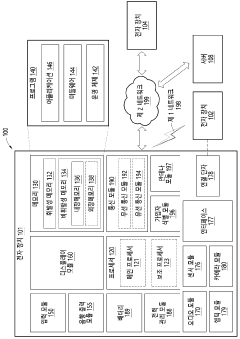
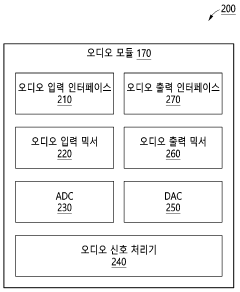
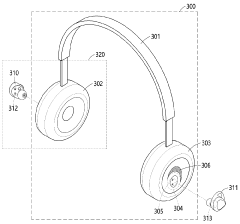
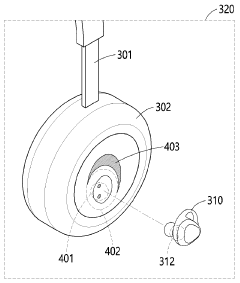
- A headphone device and wireless earphones system is designed with LVDS conversion circuits and DACs to convert signals and power, allowing for efficient data transmission and power sharing between the units, enabling combined operation and improved audio output.
LDAC Compatibility Issues
LDAC compatibility issues present significant challenges in integrating this advanced audio codec for seamless audio broadcasting. One of the primary concerns is the limited device support for LDAC technology. While Sony, the developer of LDAC, has made efforts to expand its adoption, many devices in the market still lack native LDAC support, particularly in the non-Sony ecosystem.
This compatibility gap creates fragmentation in the audio broadcasting landscape, where high-quality LDAC streams may not be accessible to all users. The issue is further compounded by the fact that LDAC requires specific hardware capabilities, including powerful processors and optimized Bluetooth chipsets, which are not universally available across all devices.
Another critical compatibility issue lies in the software implementation. LDAC's complex encoding and decoding processes demand specialized software libraries and drivers. These components may not be readily available or easily integrated into existing audio broadcasting systems, especially those built on older or proprietary platforms.
The variable bitrate nature of LDAC also poses challenges in maintaining consistent audio quality across different network conditions and device capabilities. Broadcasting systems need to be adaptable to dynamically adjust the LDAC bitrate, which may not be feasible for all existing infrastructure without significant modifications.
Interoperability with other audio codecs is another area of concern. In scenarios where LDAC is not supported, fallback mechanisms to alternative codecs like SBC or AAC must be seamlessly implemented. This requirement adds complexity to the broadcasting system and may introduce latency or quality degradation during codec switching.
Furthermore, the licensing model of LDAC technology can be a barrier to widespread adoption in audio broadcasting systems. While Sony has made efforts to open up LDAC licensing, the terms and costs associated with its implementation may still be prohibitive for some broadcasters or device manufacturers.
Lastly, the power consumption characteristics of LDAC, especially at higher bitrates, can be a limiting factor for battery-powered devices. This aspect needs careful consideration in mobile broadcasting scenarios to ensure that the enhanced audio quality does not come at the expense of significantly reduced battery life.
Addressing these compatibility issues requires a multi-faceted approach, involving hardware manufacturers, software developers, and industry standardization bodies. Collaborative efforts are needed to expand LDAC support across a broader range of devices and platforms, while also developing more efficient implementation strategies to overcome the current limitations.
This compatibility gap creates fragmentation in the audio broadcasting landscape, where high-quality LDAC streams may not be accessible to all users. The issue is further compounded by the fact that LDAC requires specific hardware capabilities, including powerful processors and optimized Bluetooth chipsets, which are not universally available across all devices.
Another critical compatibility issue lies in the software implementation. LDAC's complex encoding and decoding processes demand specialized software libraries and drivers. These components may not be readily available or easily integrated into existing audio broadcasting systems, especially those built on older or proprietary platforms.
The variable bitrate nature of LDAC also poses challenges in maintaining consistent audio quality across different network conditions and device capabilities. Broadcasting systems need to be adaptable to dynamically adjust the LDAC bitrate, which may not be feasible for all existing infrastructure without significant modifications.
Interoperability with other audio codecs is another area of concern. In scenarios where LDAC is not supported, fallback mechanisms to alternative codecs like SBC or AAC must be seamlessly implemented. This requirement adds complexity to the broadcasting system and may introduce latency or quality degradation during codec switching.
Furthermore, the licensing model of LDAC technology can be a barrier to widespread adoption in audio broadcasting systems. While Sony has made efforts to open up LDAC licensing, the terms and costs associated with its implementation may still be prohibitive for some broadcasters or device manufacturers.
Lastly, the power consumption characteristics of LDAC, especially at higher bitrates, can be a limiting factor for battery-powered devices. This aspect needs careful consideration in mobile broadcasting scenarios to ensure that the enhanced audio quality does not come at the expense of significantly reduced battery life.
Addressing these compatibility issues requires a multi-faceted approach, involving hardware manufacturers, software developers, and industry standardization bodies. Collaborative efforts are needed to expand LDAC support across a broader range of devices and platforms, while also developing more efficient implementation strategies to overcome the current limitations.
LDAC Licensing Framework
The LDAC licensing framework plays a crucial role in the integration and adoption of LDAC technology for seamless audio broadcasting. Sony, the developer of LDAC, has established a comprehensive licensing program to ensure widespread implementation while protecting its intellectual property.
Under this framework, companies seeking to incorporate LDAC into their products must obtain a license from Sony. The licensing process typically involves several steps, including technical evaluation, negotiation of terms, and compliance with Sony's quality standards. This approach allows Sony to maintain control over the technology's implementation and ensure consistent performance across different devices.
The licensing terms generally include royalty payments based on the number of units sold or a percentage of the product's selling price. However, Sony has adopted a flexible approach to encourage adoption, offering different licensing models to suit various business needs. These may include volume-based discounts, cross-licensing agreements, or even royalty-free arrangements in certain strategic partnerships.
One key aspect of the LDAC licensing framework is the provision of technical support and resources to licensees. Sony provides detailed documentation, software development kits (SDKs), and reference designs to facilitate smooth integration. This support helps manufacturers overcome technical challenges and accelerate time-to-market for LDAC-enabled products.
The framework also includes certification processes to ensure that products implementing LDAC meet Sony's quality standards. This certification typically involves testing for audio quality, latency, and compatibility with other LDAC-enabled devices. Products that pass these tests can display the LDAC logo, providing consumers with assurance of high-quality audio performance.
Sony has made efforts to expand the LDAC ecosystem by collaborating with major technology companies and industry consortia. For instance, LDAC has been integrated into the Android Open Source Project (AOSP), making it readily available to Android device manufacturers. This strategic move has significantly increased LDAC's market penetration and user base.
The licensing framework also addresses interoperability concerns. Sony works with licensees to ensure that LDAC-enabled devices from different manufacturers can communicate seamlessly. This interoperability is crucial for creating a cohesive ecosystem of high-quality audio products.
As the audio technology landscape evolves, Sony continues to refine its licensing framework. The company has shown willingness to adapt to market demands, such as exploring options for integrating LDAC with emerging wireless audio standards and expanding its application beyond traditional consumer electronics into areas like automotive audio and professional broadcasting equipment.
Under this framework, companies seeking to incorporate LDAC into their products must obtain a license from Sony. The licensing process typically involves several steps, including technical evaluation, negotiation of terms, and compliance with Sony's quality standards. This approach allows Sony to maintain control over the technology's implementation and ensure consistent performance across different devices.
The licensing terms generally include royalty payments based on the number of units sold or a percentage of the product's selling price. However, Sony has adopted a flexible approach to encourage adoption, offering different licensing models to suit various business needs. These may include volume-based discounts, cross-licensing agreements, or even royalty-free arrangements in certain strategic partnerships.
One key aspect of the LDAC licensing framework is the provision of technical support and resources to licensees. Sony provides detailed documentation, software development kits (SDKs), and reference designs to facilitate smooth integration. This support helps manufacturers overcome technical challenges and accelerate time-to-market for LDAC-enabled products.
The framework also includes certification processes to ensure that products implementing LDAC meet Sony's quality standards. This certification typically involves testing for audio quality, latency, and compatibility with other LDAC-enabled devices. Products that pass these tests can display the LDAC logo, providing consumers with assurance of high-quality audio performance.
Sony has made efforts to expand the LDAC ecosystem by collaborating with major technology companies and industry consortia. For instance, LDAC has been integrated into the Android Open Source Project (AOSP), making it readily available to Android device manufacturers. This strategic move has significantly increased LDAC's market penetration and user base.
The licensing framework also addresses interoperability concerns. Sony works with licensees to ensure that LDAC-enabled devices from different manufacturers can communicate seamlessly. This interoperability is crucial for creating a cohesive ecosystem of high-quality audio products.
As the audio technology landscape evolves, Sony continues to refine its licensing framework. The company has shown willingness to adapt to market demands, such as exploring options for integrating LDAC with emerging wireless audio standards and expanding its application beyond traditional consumer electronics into areas like automotive audio and professional broadcasting equipment.
Unlock deeper insights with Patsnap Eureka Quick Research — get a full tech report to explore trends and direct your research. Try now!
Generate Your Research Report Instantly with AI Agent
Supercharge your innovation with Patsnap Eureka AI Agent Platform!