

LDAC as a Catalyst for Emerging Audio Technologies
JUL 4, 20259 MIN READ
Generate Your Research Report Instantly with AI Agent
PatSnap Eureka helps you evaluate technical feasibility & market potential.
LDAC Evolution and Objectives
LDAC (Low Latency Audio Codec) has emerged as a significant player in the realm of high-quality audio transmission, particularly in the context of wireless audio devices. Developed by Sony in 2015, LDAC has evolved from a proprietary technology to an open standard, marking a pivotal shift in the audio industry's approach to wireless audio quality.
The evolution of LDAC is closely tied to the increasing demand for high-fidelity audio in wireless devices. As consumers have become more discerning about audio quality, the limitations of traditional Bluetooth codecs like SBC (Sub-Band Codec) have become apparent. LDAC was conceived to address these limitations, offering a solution that could transmit audio at up to 990 kbps, significantly higher than the typical 328 kbps of SBC.
LDAC's development trajectory has been characterized by continuous improvements in efficiency and compatibility. Initially exclusive to Sony devices, the codec has gradually expanded its reach through partnerships and licensing agreements. A major milestone was reached when LDAC became part of the Android Open Source Project (AOSP) with Android 8.0 Oreo, making it accessible to a wider range of devices and manufacturers.
The primary objective of LDAC has been to bridge the gap between wired and wireless audio quality. By employing advanced encoding techniques and leveraging increased bandwidth, LDAC aims to deliver near-lossless audio quality over Bluetooth connections. This aligns with the broader industry trend towards high-resolution audio and the growing popularity of lossless streaming services.
Another key objective of LDAC has been to maintain low latency, crucial for applications such as gaming and video playback. The codec's ability to adapt its bitrate based on connection quality and device capabilities demonstrates its focus on balancing quality with practical usability across various scenarios.
Looking forward, LDAC's evolution is likely to focus on further improving energy efficiency, expanding device compatibility, and potentially integrating with emerging audio technologies such as spatial audio and advanced noise cancellation. As a catalyst for emerging audio technologies, LDAC sets a benchmark for wireless audio quality and pushes the boundaries of what's possible in mobile and portable audio devices.
The ongoing development of LDAC reflects the audio industry's broader shift towards high-quality wireless solutions. Its success has spurred competition and innovation, leading to the development of other advanced audio codecs. This competitive landscape is driving rapid advancements in wireless audio technology, benefiting consumers and pushing the entire industry towards higher standards of audio fidelity and performance.
The evolution of LDAC is closely tied to the increasing demand for high-fidelity audio in wireless devices. As consumers have become more discerning about audio quality, the limitations of traditional Bluetooth codecs like SBC (Sub-Band Codec) have become apparent. LDAC was conceived to address these limitations, offering a solution that could transmit audio at up to 990 kbps, significantly higher than the typical 328 kbps of SBC.
LDAC's development trajectory has been characterized by continuous improvements in efficiency and compatibility. Initially exclusive to Sony devices, the codec has gradually expanded its reach through partnerships and licensing agreements. A major milestone was reached when LDAC became part of the Android Open Source Project (AOSP) with Android 8.0 Oreo, making it accessible to a wider range of devices and manufacturers.
The primary objective of LDAC has been to bridge the gap between wired and wireless audio quality. By employing advanced encoding techniques and leveraging increased bandwidth, LDAC aims to deliver near-lossless audio quality over Bluetooth connections. This aligns with the broader industry trend towards high-resolution audio and the growing popularity of lossless streaming services.
Another key objective of LDAC has been to maintain low latency, crucial for applications such as gaming and video playback. The codec's ability to adapt its bitrate based on connection quality and device capabilities demonstrates its focus on balancing quality with practical usability across various scenarios.
Looking forward, LDAC's evolution is likely to focus on further improving energy efficiency, expanding device compatibility, and potentially integrating with emerging audio technologies such as spatial audio and advanced noise cancellation. As a catalyst for emerging audio technologies, LDAC sets a benchmark for wireless audio quality and pushes the boundaries of what's possible in mobile and portable audio devices.
The ongoing development of LDAC reflects the audio industry's broader shift towards high-quality wireless solutions. Its success has spurred competition and innovation, leading to the development of other advanced audio codecs. This competitive landscape is driving rapid advancements in wireless audio technology, benefiting consumers and pushing the entire industry towards higher standards of audio fidelity and performance.
Audio Market Demand Analysis
The audio technology market has experienced significant growth in recent years, driven by increasing consumer demand for high-quality sound experiences across various devices and platforms. LDAC, as a cutting-edge audio codec technology, is poised to play a crucial role in shaping the future of this market.
Consumer preferences have shifted towards premium audio experiences, with a growing emphasis on high-resolution audio content and immersive sound environments. This trend is evident in the rising popularity of high-end headphones, wireless speakers, and home theater systems. The global headphone market alone is projected to reach substantial growth in the coming years, with a significant portion attributed to premium and wireless segments.
The automotive industry has also become a key driver of audio technology demand. Advanced in-car entertainment systems and the integration of high-quality audio solutions have become important differentiators for vehicle manufacturers. This trend is expected to continue as autonomous vehicles gain traction, potentially transforming cars into mobile entertainment hubs.
The proliferation of streaming services and the increasing availability of high-resolution audio content have further fueled the demand for advanced audio technologies. Consumers are seeking ways to maximize the quality of their listening experiences, creating opportunities for technologies like LDAC that can deliver near-lossless audio over Bluetooth connections.
In the professional audio sector, there is a growing need for high-fidelity wireless audio solutions in live performances, studio recordings, and broadcast applications. LDAC's capabilities in transmitting high-resolution audio wirelessly position it as a potential game-changer in these professional settings.
The gaming industry represents another significant market for advanced audio technologies. With the rise of competitive gaming and virtual reality experiences, immersive audio has become a critical component of game design. Technologies that can deliver low-latency, high-quality audio are in high demand to enhance gaming experiences and provide competitive advantages.
As smart home ecosystems continue to evolve, there is an increasing demand for seamless, high-quality audio integration across various devices. This trend creates opportunities for technologies like LDAC to enhance the audio capabilities of smart speakers, multi-room audio systems, and other connected home devices.
The ongoing global shift towards remote work and virtual collaboration has also highlighted the importance of clear, high-quality audio in communication technologies. This trend is likely to drive further innovation in audio codecs and transmission technologies to improve the quality of voice and video calls.
Consumer preferences have shifted towards premium audio experiences, with a growing emphasis on high-resolution audio content and immersive sound environments. This trend is evident in the rising popularity of high-end headphones, wireless speakers, and home theater systems. The global headphone market alone is projected to reach substantial growth in the coming years, with a significant portion attributed to premium and wireless segments.
The automotive industry has also become a key driver of audio technology demand. Advanced in-car entertainment systems and the integration of high-quality audio solutions have become important differentiators for vehicle manufacturers. This trend is expected to continue as autonomous vehicles gain traction, potentially transforming cars into mobile entertainment hubs.
The proliferation of streaming services and the increasing availability of high-resolution audio content have further fueled the demand for advanced audio technologies. Consumers are seeking ways to maximize the quality of their listening experiences, creating opportunities for technologies like LDAC that can deliver near-lossless audio over Bluetooth connections.
In the professional audio sector, there is a growing need for high-fidelity wireless audio solutions in live performances, studio recordings, and broadcast applications. LDAC's capabilities in transmitting high-resolution audio wirelessly position it as a potential game-changer in these professional settings.
The gaming industry represents another significant market for advanced audio technologies. With the rise of competitive gaming and virtual reality experiences, immersive audio has become a critical component of game design. Technologies that can deliver low-latency, high-quality audio are in high demand to enhance gaming experiences and provide competitive advantages.
As smart home ecosystems continue to evolve, there is an increasing demand for seamless, high-quality audio integration across various devices. This trend creates opportunities for technologies like LDAC to enhance the audio capabilities of smart speakers, multi-room audio systems, and other connected home devices.
The ongoing global shift towards remote work and virtual collaboration has also highlighted the importance of clear, high-quality audio in communication technologies. This trend is likely to drive further innovation in audio codecs and transmission technologies to improve the quality of voice and video calls.
LDAC Technical Challenges
LDAC, as an advanced audio codec technology, faces several technical challenges in its implementation and widespread adoption. One of the primary hurdles is achieving high-quality audio transmission over Bluetooth connections while maintaining low latency and minimal power consumption. The codec must compress audio data efficiently without compromising sound quality, which requires sophisticated algorithms and processing capabilities.
Another significant challenge lies in ensuring compatibility across a wide range of devices and platforms. As LDAC is primarily developed by Sony, its integration into non-Sony devices can be complex, requiring careful consideration of hardware and software requirements. This compatibility issue extends to various operating systems and audio processing chips, necessitating extensive testing and optimization.
The dynamic nature of Bluetooth connections presents additional challenges for LDAC. Fluctuations in signal strength and interference can affect the codec's performance, potentially leading to audio dropouts or quality degradation. Developing robust error correction and adaptive bitrate mechanisms is crucial to maintain consistent audio quality under varying network conditions.
Power efficiency remains a critical concern, particularly for portable devices. LDAC's high-quality audio transmission demands significant processing power, which can strain battery life. Balancing audio quality with energy consumption requires ongoing refinement of the codec's algorithms and implementation.
Latency is another key challenge, especially in applications requiring real-time audio processing, such as gaming or live performances. While LDAC offers improved latency compared to some other Bluetooth codecs, further reductions are necessary to meet the demands of time-sensitive audio applications.
The evolving landscape of audio technologies also poses challenges for LDAC. As new audio formats and immersive sound technologies emerge, LDAC must adapt to support these advancements while maintaining backward compatibility. This includes addressing the growing demand for spatial audio and object-based sound formats.
Lastly, the proprietary nature of LDAC technology presents challenges in terms of widespread adoption and standardization. While Sony has made efforts to license the technology, the codec's closed-source nature can limit its integration and optimization by third-party developers and manufacturers. Balancing intellectual property protection with the need for broader industry support remains an ongoing challenge for LDAC's development and deployment.
Another significant challenge lies in ensuring compatibility across a wide range of devices and platforms. As LDAC is primarily developed by Sony, its integration into non-Sony devices can be complex, requiring careful consideration of hardware and software requirements. This compatibility issue extends to various operating systems and audio processing chips, necessitating extensive testing and optimization.
The dynamic nature of Bluetooth connections presents additional challenges for LDAC. Fluctuations in signal strength and interference can affect the codec's performance, potentially leading to audio dropouts or quality degradation. Developing robust error correction and adaptive bitrate mechanisms is crucial to maintain consistent audio quality under varying network conditions.
Power efficiency remains a critical concern, particularly for portable devices. LDAC's high-quality audio transmission demands significant processing power, which can strain battery life. Balancing audio quality with energy consumption requires ongoing refinement of the codec's algorithms and implementation.
Latency is another key challenge, especially in applications requiring real-time audio processing, such as gaming or live performances. While LDAC offers improved latency compared to some other Bluetooth codecs, further reductions are necessary to meet the demands of time-sensitive audio applications.
The evolving landscape of audio technologies also poses challenges for LDAC. As new audio formats and immersive sound technologies emerge, LDAC must adapt to support these advancements while maintaining backward compatibility. This includes addressing the growing demand for spatial audio and object-based sound formats.
Lastly, the proprietary nature of LDAC technology presents challenges in terms of widespread adoption and standardization. While Sony has made efforts to license the technology, the codec's closed-source nature can limit its integration and optimization by third-party developers and manufacturers. Balancing intellectual property protection with the need for broader industry support remains an ongoing challenge for LDAC's development and deployment.
Current LDAC Solutions
01 Audio codec technology for wireless devices
LDAC is an advanced audio codec technology developed for high-quality wireless audio transmission. It enables the transmission of high-resolution audio data over Bluetooth connections, providing improved sound quality compared to standard Bluetooth codecs. LDAC supports various bit rates and can adapt to different network conditions to maintain optimal audio performance.- LDAC codec implementation in audio devices: LDAC (Low Latency Audio Codec) is implemented in various audio devices to provide high-quality wireless audio transmission. This technology enables efficient compression and decompression of audio data, allowing for improved sound quality and reduced latency in Bluetooth audio streaming.
- LDAC integration with audio processing systems: LDAC codec is integrated into audio processing systems to enhance the overall audio experience. This integration allows for seamless compatibility with various audio sources and output devices, enabling high-resolution audio playback across different platforms and devices.
- LDAC application in wireless audio transmission: LDAC technology is applied in wireless audio transmission systems to improve the quality and efficiency of Bluetooth audio streaming. This application enables the transmission of high-resolution audio data over Bluetooth connections, providing near-lossless audio quality for compatible devices.
- LDAC optimization for power efficiency: Optimization techniques are employed to enhance the power efficiency of LDAC codec implementation. These techniques focus on reducing power consumption during audio processing and transmission, making LDAC more suitable for use in battery-powered devices without compromising audio quality.
- LDAC compatibility with audio standards and protocols: LDAC codec is designed to be compatible with various audio standards and protocols. This compatibility ensures that LDAC can be widely adopted across different audio ecosystems, allowing for seamless integration with existing audio technologies and devices.
02 Integration with audio processing systems
LDAC can be integrated into various audio processing systems and devices. This includes implementation in smartphones, portable audio players, wireless headphones, and home audio systems. The technology can work alongside other audio processing features such as noise cancellation and spatial audio to enhance the overall listening experience.Expand Specific Solutions03 Compatibility with Bluetooth standards
LDAC is designed to be compatible with existing Bluetooth standards while offering enhanced audio quality. It can operate within the Bluetooth A2DP (Advanced Audio Distribution Profile) framework, allowing for seamless integration with a wide range of Bluetooth-enabled devices. This compatibility ensures broad adoption and interoperability across different manufacturers and device types.Expand Specific Solutions04 Power efficiency and battery life optimization
LDAC technology incorporates power efficiency features to optimize battery life in wireless audio devices. The codec can adjust its bit rate and processing requirements based on the audio content and available power, helping to extend the battery life of portable devices without significantly compromising audio quality.Expand Specific Solutions05 Application in multi-channel audio systems
LDAC can be applied in multi-channel audio systems, supporting high-quality wireless transmission for surround sound setups. This enables the creation of wireless home theater systems and multi-room audio configurations with minimal latency and high fidelity. The technology can handle multiple audio streams simultaneously, making it suitable for complex audio environments.Expand Specific Solutions
Key LDAC Industry Players
The LDAC technology landscape is characterized by a competitive and rapidly evolving market, with major players from various sectors of the audio and semiconductor industries. The market is in a growth phase, driven by increasing demand for high-quality wireless audio solutions. While the exact market size is not specified, the presence of numerous established companies indicates significant potential. Technologically, LDAC is relatively mature, with companies like Sony (the original developer), Qualcomm, and MediaTek leading the way. Other key players such as Analog Devices, Texas Instruments, and Cirrus Logic are contributing to the advancement of audio codecs and related technologies. The involvement of diverse companies, from semiconductor manufacturers to consumer electronics giants, suggests a robust ecosystem supporting LDAC's continued development and adoption.
Fraunhofer-Gesellschaft eV
Technical Solution: Fraunhofer-Gesellschaft, as the developer of LDAC (Low Latency and High-Quality Bluetooth Audio Codec), has positioned LDAC as a catalyst for emerging audio technologies. Their approach focuses on high-resolution audio transmission over Bluetooth, achieving up to 990 kbps bitrate[1]. This allows for near lossless audio quality, supporting up to 96 kHz sampling rates and 32-bit per sample depth[2]. Fraunhofer has integrated LDAC with their 3D audio technologies, such as MPEG-H, to create immersive audio experiences in wireless headphones and speakers. They've also developed LDAC-compatible hardware solutions, including audio DSPs and Bluetooth SoCs, to facilitate wider adoption in the consumer electronics market[3].
Strengths: Superior audio quality, low latency, and compatibility with high-resolution audio formats. Weaknesses: Higher power consumption compared to standard Bluetooth codecs, and limited support in older devices.
QUALCOMM, Inc.
Technical Solution: Qualcomm has incorporated LDAC support into their Snapdragon Sound technology platform, which aims to deliver high-quality, low-latency audio experiences across various devices. Their implementation focuses on optimizing LDAC for mobile and wearable devices, with a particular emphasis on power efficiency. Qualcomm has developed custom DSP algorithms that work in conjunction with LDAC to reduce power consumption while maintaining audio quality[6]. They've also integrated LDAC with their aptX Adaptive codec, allowing for seamless switching between codecs based on content type and network conditions. Qualcomm's LDAC implementation extends to their Bluetooth audio SoCs, enabling manufacturers to easily incorporate high-quality wireless audio capabilities into their products[7].
Strengths: Widespread adoption due to Qualcomm's dominant position in mobile chipsets, focus on power efficiency. Weaknesses: Dependence on Qualcomm hardware for optimal performance, potential licensing costs for manufacturers.
LDAC Core Innovations
Audio enhancement system
PatentInactiveUS7302062B2
Innovation
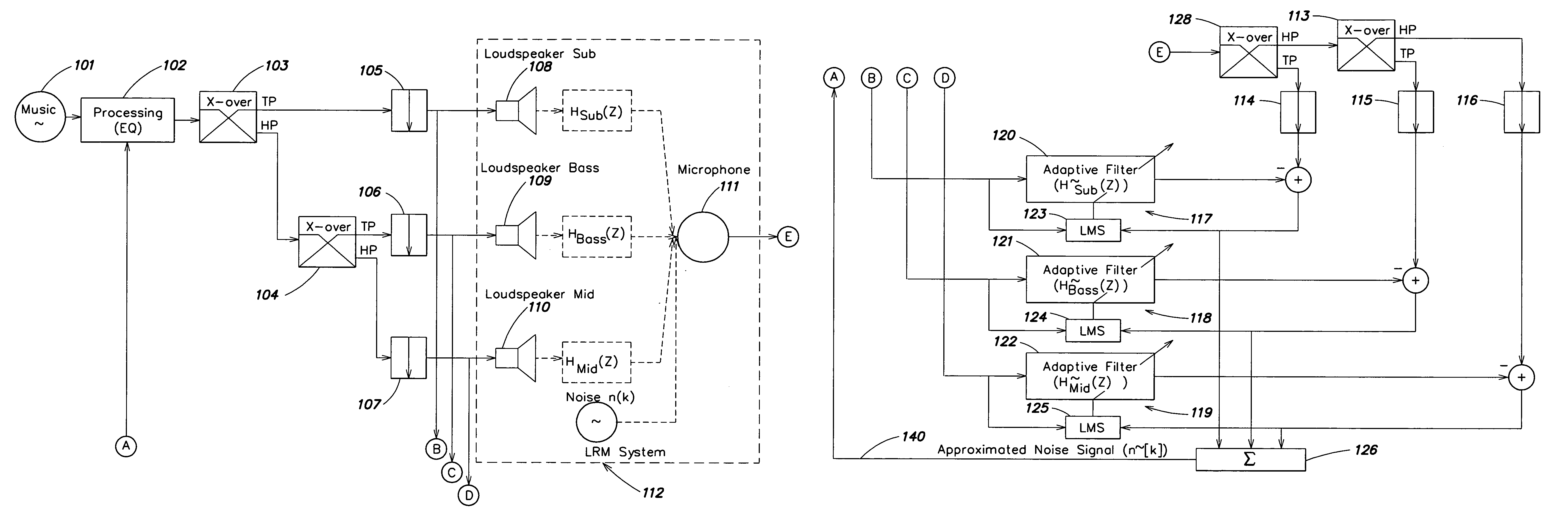
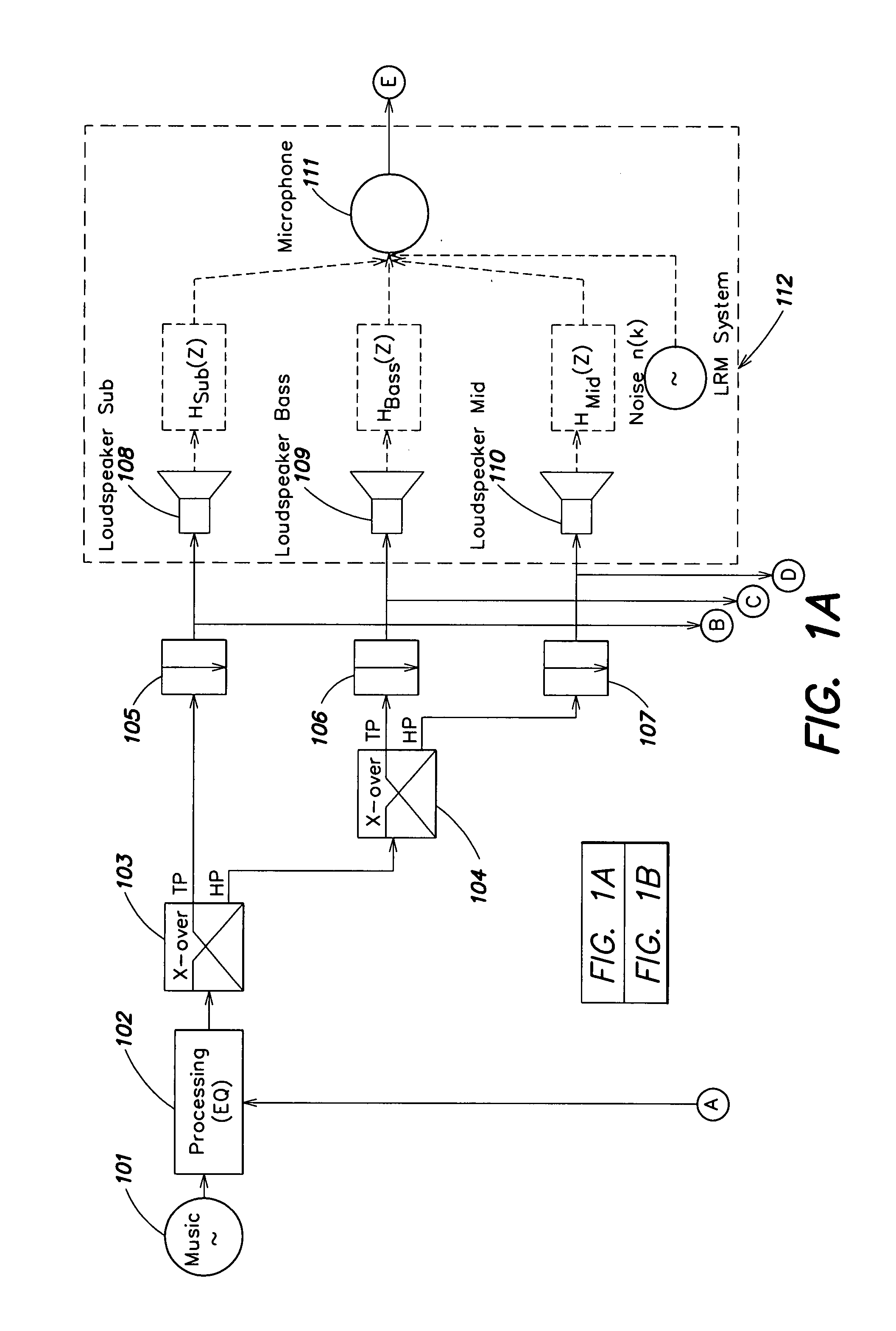
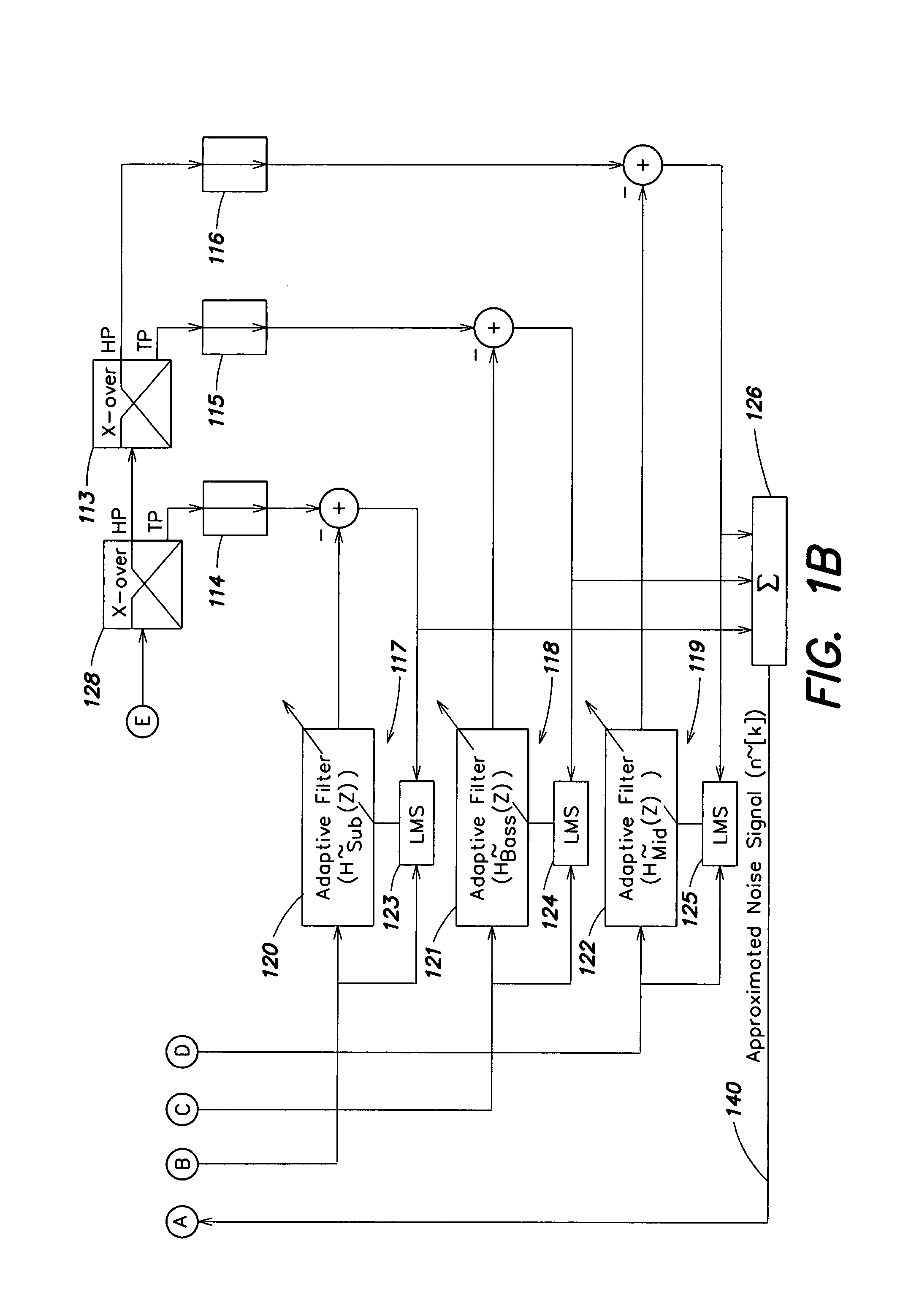
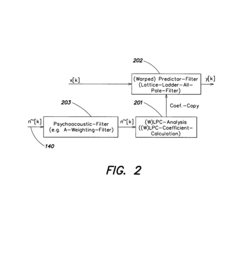
- A dynamic equalizer control system that uses linear predictive coding (LPC) to analyze ambient noise and adjust sound output, considering the spectral distribution of noise and psychoacoustic aspects, to enhance the audio listening experience by boosting music levels and controlling gain and equalization accordingly.
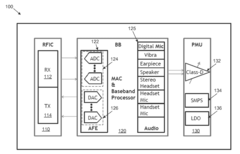
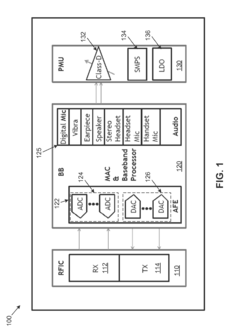
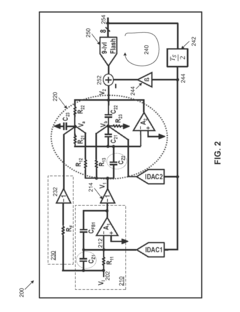
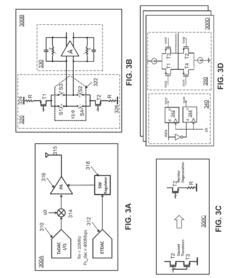
Analog and audio mixed-signal front end for 4g/LTE cellular system-on-chip
PatentActiveUS20150194979A1
Innovation
- The integration of a CMOS cellular system-on-chip (SoC) with an embedded analog front-end (AFE) and enhanced audio capabilities, utilizing a wideband sigma-delta architecture for analog-to-digital converters (ADCs) and push-pull digital-to-analog converters (DACs), along with optimized filter structures and power management units, to achieve high signal-to-noise-and-distortion ratio (SNDR) and reduce power consumption.
LDAC Ecosystem Integration
The integration of LDAC into the broader audio technology ecosystem represents a significant advancement in high-quality wireless audio transmission. As a catalyst for emerging audio technologies, LDAC has fostered a rich ecosystem of compatible devices, software applications, and services that leverage its capabilities to deliver superior audio experiences.
At the core of the LDAC ecosystem are the hardware manufacturers who have adopted this codec. Major smartphone brands, including Sony, LG, and OnePlus, have integrated LDAC support into their flagship devices, enabling users to experience high-resolution audio wirelessly. This adoption has created a ripple effect, encouraging other manufacturers to follow suit and expand the range of LDAC-compatible devices.
In the realm of audio equipment, numerous headphone and speaker manufacturers have embraced LDAC technology. Companies like Sony, Audio-Technica, and Fiio have developed premium wireless headphones and earbuds that utilize LDAC to deliver near-lossless audio quality. This has significantly elevated the wireless listening experience for audiophiles and casual listeners alike.
The LDAC ecosystem extends beyond hardware to encompass software applications and streaming services. Music streaming platforms have begun to recognize the value of high-resolution audio and are increasingly offering LDAC-compatible streams. This synergy between hardware capabilities and content delivery has created a more cohesive and immersive audio ecosystem for consumers.
Furthermore, the integration of LDAC has spurred innovation in related audio technologies. Manufacturers are developing advanced digital-to-analog converters (DACs) and amplifiers optimized for LDAC transmission, further enhancing the overall audio quality. This has led to a new generation of portable audio players and wireless receivers that can fully leverage LDAC's capabilities.
The LDAC ecosystem has also influenced the development of complementary technologies. For instance, advancements in Bluetooth Low Energy (BLE) audio have been partly driven by the need to support high-bitrate codecs like LDAC while maintaining energy efficiency. This symbiotic relationship between LDAC and other emerging audio technologies has accelerated progress in the wireless audio domain.
As the LDAC ecosystem continues to grow, it is fostering collaboration between different sectors of the audio industry. Hardware manufacturers, software developers, and content providers are working together to create seamless, end-to-end solutions that maximize the potential of high-resolution wireless audio. This collaborative approach is not only enhancing the user experience but also driving further innovation in the field of audio technology.
At the core of the LDAC ecosystem are the hardware manufacturers who have adopted this codec. Major smartphone brands, including Sony, LG, and OnePlus, have integrated LDAC support into their flagship devices, enabling users to experience high-resolution audio wirelessly. This adoption has created a ripple effect, encouraging other manufacturers to follow suit and expand the range of LDAC-compatible devices.
In the realm of audio equipment, numerous headphone and speaker manufacturers have embraced LDAC technology. Companies like Sony, Audio-Technica, and Fiio have developed premium wireless headphones and earbuds that utilize LDAC to deliver near-lossless audio quality. This has significantly elevated the wireless listening experience for audiophiles and casual listeners alike.
The LDAC ecosystem extends beyond hardware to encompass software applications and streaming services. Music streaming platforms have begun to recognize the value of high-resolution audio and are increasingly offering LDAC-compatible streams. This synergy between hardware capabilities and content delivery has created a more cohesive and immersive audio ecosystem for consumers.
Furthermore, the integration of LDAC has spurred innovation in related audio technologies. Manufacturers are developing advanced digital-to-analog converters (DACs) and amplifiers optimized for LDAC transmission, further enhancing the overall audio quality. This has led to a new generation of portable audio players and wireless receivers that can fully leverage LDAC's capabilities.
The LDAC ecosystem has also influenced the development of complementary technologies. For instance, advancements in Bluetooth Low Energy (BLE) audio have been partly driven by the need to support high-bitrate codecs like LDAC while maintaining energy efficiency. This symbiotic relationship between LDAC and other emerging audio technologies has accelerated progress in the wireless audio domain.
As the LDAC ecosystem continues to grow, it is fostering collaboration between different sectors of the audio industry. Hardware manufacturers, software developers, and content providers are working together to create seamless, end-to-end solutions that maximize the potential of high-resolution wireless audio. This collaborative approach is not only enhancing the user experience but also driving further innovation in the field of audio technology.
LDAC Standardization Efforts
LDAC standardization efforts have been a crucial aspect of Sony's strategy to establish LDAC as a leading audio codec in the industry. The process began in 2015 when Sony introduced LDAC as a proprietary technology, initially available exclusively on Sony devices. Recognizing the importance of widespread adoption for long-term success, Sony embarked on a journey to standardize LDAC across various platforms and devices.
A significant milestone in LDAC standardization was achieved in 2017 when Google announced native support for LDAC in Android 8.0 (Oreo) and subsequent versions. This integration allowed Android device manufacturers to implement LDAC without additional licensing, greatly expanding its potential user base. The move also positioned LDAC as a viable alternative to other high-quality Bluetooth audio codecs.
In parallel with Android integration, Sony pursued standardization through industry bodies. The company worked closely with the Bluetooth Special Interest Group (SIG) to ensure LDAC's compatibility with Bluetooth audio specifications. This collaboration resulted in LDAC becoming an official part of the Bluetooth standard, further solidifying its position in the wireless audio ecosystem.
Sony also engaged with the Japan Audio Society (JAS) to establish LDAC as a recognized high-resolution wireless audio technology. The JAS certification for LDAC helped to validate its performance claims and increase consumer confidence in the technology. This certification process involved rigorous testing and documentation of LDAC's capabilities in transmitting high-resolution audio over Bluetooth connections.
To facilitate broader adoption, Sony implemented a licensing program for LDAC technology. This program allowed other manufacturers to incorporate LDAC into their products, subject to quality control and certification processes. The licensing strategy balanced Sony's intellectual property rights with the need for wider market penetration, encouraging innovation while maintaining control over the technology's implementation.
Standardization efforts extended to the realm of software development as well. Sony released Software Development Kits (SDKs) and Application Programming Interfaces (APIs) for LDAC, enabling third-party developers to integrate the codec into various applications and platforms. This move fostered an ecosystem of LDAC-compatible software solutions, further entrenching the technology in the audio industry.
As LDAC gained traction, Sony continued to refine the standardization process, addressing interoperability issues and enhancing performance across different devices and scenarios. The company actively participated in industry forums and conferences to promote LDAC and gather feedback from partners and competitors alike, using this input to guide future development and standardization efforts.
A significant milestone in LDAC standardization was achieved in 2017 when Google announced native support for LDAC in Android 8.0 (Oreo) and subsequent versions. This integration allowed Android device manufacturers to implement LDAC without additional licensing, greatly expanding its potential user base. The move also positioned LDAC as a viable alternative to other high-quality Bluetooth audio codecs.
In parallel with Android integration, Sony pursued standardization through industry bodies. The company worked closely with the Bluetooth Special Interest Group (SIG) to ensure LDAC's compatibility with Bluetooth audio specifications. This collaboration resulted in LDAC becoming an official part of the Bluetooth standard, further solidifying its position in the wireless audio ecosystem.
Sony also engaged with the Japan Audio Society (JAS) to establish LDAC as a recognized high-resolution wireless audio technology. The JAS certification for LDAC helped to validate its performance claims and increase consumer confidence in the technology. This certification process involved rigorous testing and documentation of LDAC's capabilities in transmitting high-resolution audio over Bluetooth connections.
To facilitate broader adoption, Sony implemented a licensing program for LDAC technology. This program allowed other manufacturers to incorporate LDAC into their products, subject to quality control and certification processes. The licensing strategy balanced Sony's intellectual property rights with the need for wider market penetration, encouraging innovation while maintaining control over the technology's implementation.
Standardization efforts extended to the realm of software development as well. Sony released Software Development Kits (SDKs) and Application Programming Interfaces (APIs) for LDAC, enabling third-party developers to integrate the codec into various applications and platforms. This move fostered an ecosystem of LDAC-compatible software solutions, further entrenching the technology in the audio industry.
As LDAC gained traction, Sony continued to refine the standardization process, addressing interoperability issues and enhancing performance across different devices and scenarios. The company actively participated in industry forums and conferences to promote LDAC and gather feedback from partners and competitors alike, using this input to guide future development and standardization efforts.
Unlock deeper insights with PatSnap Eureka Quick Research — get a full tech report to explore trends and direct your research. Try now!
Generate Your Research Report Instantly with AI Agent
Supercharge your innovation with PatSnap Eureka AI Agent Platform!