LDAC: Propelling Future Sound Reinforcement Systems
JUL 4, 20259 MIN READ
Generate Your Research Report Instantly with AI Agent
PatSnap Eureka helps you evaluate technical feasibility & market potential.
LDAC Technology Evolution
LDAC (Low Delay Audio Codec) technology has undergone significant evolution since its inception, marking key milestones in the advancement of high-quality audio transmission. Initially developed by Sony in 2015, LDAC was designed to address the limitations of existing Bluetooth audio codecs, particularly in terms of audio quality and latency.
The first generation of LDAC introduced a variable bitrate system, capable of transmitting audio at up to 990 kbps, a substantial improvement over the standard SBC codec used in most Bluetooth devices. This initial version supported 24-bit/96 kHz audio, providing near Hi-Res Audio quality over Bluetooth for the first time.
In 2017, LDAC saw its next major evolution with the integration into the Android Open Source Project (AOSP) as part of Android 8.0 Oreo. This move significantly expanded the codec's availability, allowing Android device manufacturers to implement LDAC without licensing fees, thereby accelerating its adoption in the mobile market.
The following year, 2018, marked another crucial development in LDAC's evolution. Sony introduced an enhanced version of the codec, capable of supporting even higher resolution audio up to 32-bit/96 kHz. This improvement further solidified LDAC's position as a leading technology for wireless high-fidelity audio transmission.
2019 saw the expansion of LDAC beyond mobile devices, with its integration into various audio products such as wireless speakers, headphones, and car audio systems. This broadened application base demonstrated the codec's versatility and its potential to revolutionize multiple segments of the audio industry.
In recent years, LDAC has continued to evolve, focusing on reducing power consumption and improving compatibility with a wider range of devices. The latest iterations have also addressed the challenge of maintaining high audio quality in environments with significant radio frequency interference, a critical factor for urban use cases.
Looking ahead, the evolution of LDAC is expected to continue along several key paths. These include further improvements in energy efficiency to extend battery life in wireless devices, enhanced error correction mechanisms to maintain audio quality in challenging wireless environments, and potential integration with emerging audio technologies such as spatial audio and adaptive EQ systems.
As sound reinforcement systems increasingly adopt wireless technologies, LDAC's ongoing evolution positions it as a crucial component in shaping the future of professional audio applications, promising high-fidelity, low-latency audio transmission that could revolutionize live sound production and immersive audio experiences.
The first generation of LDAC introduced a variable bitrate system, capable of transmitting audio at up to 990 kbps, a substantial improvement over the standard SBC codec used in most Bluetooth devices. This initial version supported 24-bit/96 kHz audio, providing near Hi-Res Audio quality over Bluetooth for the first time.
In 2017, LDAC saw its next major evolution with the integration into the Android Open Source Project (AOSP) as part of Android 8.0 Oreo. This move significantly expanded the codec's availability, allowing Android device manufacturers to implement LDAC without licensing fees, thereby accelerating its adoption in the mobile market.
The following year, 2018, marked another crucial development in LDAC's evolution. Sony introduced an enhanced version of the codec, capable of supporting even higher resolution audio up to 32-bit/96 kHz. This improvement further solidified LDAC's position as a leading technology for wireless high-fidelity audio transmission.
2019 saw the expansion of LDAC beyond mobile devices, with its integration into various audio products such as wireless speakers, headphones, and car audio systems. This broadened application base demonstrated the codec's versatility and its potential to revolutionize multiple segments of the audio industry.
In recent years, LDAC has continued to evolve, focusing on reducing power consumption and improving compatibility with a wider range of devices. The latest iterations have also addressed the challenge of maintaining high audio quality in environments with significant radio frequency interference, a critical factor for urban use cases.
Looking ahead, the evolution of LDAC is expected to continue along several key paths. These include further improvements in energy efficiency to extend battery life in wireless devices, enhanced error correction mechanisms to maintain audio quality in challenging wireless environments, and potential integration with emerging audio technologies such as spatial audio and adaptive EQ systems.
As sound reinforcement systems increasingly adopt wireless technologies, LDAC's ongoing evolution positions it as a crucial component in shaping the future of professional audio applications, promising high-fidelity, low-latency audio transmission that could revolutionize live sound production and immersive audio experiences.
Market Demand Analysis
The market demand for LDAC (Low Latency and High-Quality Audio Codec) technology in sound reinforcement systems is experiencing significant growth, driven by the increasing consumer expectations for high-fidelity audio experiences across various applications. As live events, concerts, and immersive audio installations continue to evolve, there is a growing need for advanced audio codecs that can deliver superior sound quality with minimal latency.
The professional audio industry, particularly in live sound and broadcast sectors, is showing a strong interest in LDAC technology. This demand is fueled by the need to transmit high-resolution audio wirelessly without compromising quality or introducing noticeable delays. The ability of LDAC to support up to 24-bit/96kHz audio at bitrates up to 990 kbps makes it an attractive option for professionals seeking to maintain studio-quality sound in live settings.
Consumer electronics manufacturers are also recognizing the potential of LDAC in enhancing their product offerings. With the rise of high-end wireless headphones, speakers, and home theater systems, there is a growing market segment that values audio quality comparable to wired solutions. This trend is expected to drive the adoption of LDAC in premium audio devices, creating new opportunities for manufacturers to differentiate their products in a competitive market.
The automotive industry represents another significant market for LDAC technology. As in-car entertainment systems become more sophisticated, there is an increasing demand for high-quality audio streaming capabilities. LDAC's ability to deliver superior sound quality over Bluetooth connections makes it well-suited for integration into next-generation vehicle infotainment systems.
The global shift towards remote work and virtual collaboration has also created new opportunities for LDAC in teleconferencing and unified communications solutions. The technology's low latency characteristics are particularly valuable in ensuring clear, high-quality audio transmission during video calls and online meetings, where audio clarity and synchronization are crucial.
As the Internet of Things (IoT) ecosystem continues to expand, there is potential for LDAC to play a role in smart home and connected device applications. The technology's efficiency in transmitting high-quality audio over wireless connections could enhance the performance of smart speakers, voice-controlled devices, and other audio-centric IoT products.
While specific market size figures for LDAC technology are not readily available, the overall trend in the audio codec market suggests strong growth potential. The increasing demand for high-resolution audio across various industries, coupled with the growing adoption of wireless audio solutions, indicates a favorable market environment for advanced audio codecs like LDAC in the coming years.
The professional audio industry, particularly in live sound and broadcast sectors, is showing a strong interest in LDAC technology. This demand is fueled by the need to transmit high-resolution audio wirelessly without compromising quality or introducing noticeable delays. The ability of LDAC to support up to 24-bit/96kHz audio at bitrates up to 990 kbps makes it an attractive option for professionals seeking to maintain studio-quality sound in live settings.
Consumer electronics manufacturers are also recognizing the potential of LDAC in enhancing their product offerings. With the rise of high-end wireless headphones, speakers, and home theater systems, there is a growing market segment that values audio quality comparable to wired solutions. This trend is expected to drive the adoption of LDAC in premium audio devices, creating new opportunities for manufacturers to differentiate their products in a competitive market.
The automotive industry represents another significant market for LDAC technology. As in-car entertainment systems become more sophisticated, there is an increasing demand for high-quality audio streaming capabilities. LDAC's ability to deliver superior sound quality over Bluetooth connections makes it well-suited for integration into next-generation vehicle infotainment systems.
The global shift towards remote work and virtual collaboration has also created new opportunities for LDAC in teleconferencing and unified communications solutions. The technology's low latency characteristics are particularly valuable in ensuring clear, high-quality audio transmission during video calls and online meetings, where audio clarity and synchronization are crucial.
As the Internet of Things (IoT) ecosystem continues to expand, there is potential for LDAC to play a role in smart home and connected device applications. The technology's efficiency in transmitting high-quality audio over wireless connections could enhance the performance of smart speakers, voice-controlled devices, and other audio-centric IoT products.
While specific market size figures for LDAC technology are not readily available, the overall trend in the audio codec market suggests strong growth potential. The increasing demand for high-resolution audio across various industries, coupled with the growing adoption of wireless audio solutions, indicates a favorable market environment for advanced audio codecs like LDAC in the coming years.
Technical Challenges
LDAC (Low Delay Audio Codec) technology, while revolutionary in its approach to high-quality audio transmission, faces several significant technical challenges in its implementation and widespread adoption for future sound reinforcement systems.
One of the primary challenges is achieving ultra-low latency while maintaining high audio quality. LDAC aims to deliver near-lossless audio quality with minimal delay, which is crucial for live sound reinforcement applications. However, balancing these two factors requires sophisticated algorithms and processing power, as reducing latency often comes at the cost of audio quality degradation.
Another significant hurdle is ensuring compatibility across a wide range of devices and platforms. As LDAC is primarily developed by Sony, its integration into non-Sony devices and systems can be complex. This challenge extends to both hardware and software implementations, requiring extensive collaboration and standardization efforts across the audio industry.
Power consumption is a critical concern, particularly for portable and battery-powered devices. The high-quality audio processing and transmission capabilities of LDAC demand substantial computational resources, which can lead to increased power draw. Optimizing the codec for energy efficiency without compromising performance is a delicate balancing act that engineers must address.
Bandwidth utilization presents another technical challenge. While LDAC offers efficient compression, it still requires a significant amount of bandwidth compared to lower-quality codecs. In environments with limited wireless spectrum or congested networks, maintaining consistent high-quality audio transmission can be problematic.
Scalability is a crucial factor for sound reinforcement systems, especially in large-scale venues or complex multi-zone setups. Ensuring that LDAC can seamlessly handle multiple audio channels, synchronize across numerous output devices, and adapt to varying network conditions without introducing artifacts or dropouts is a complex technical feat.
The integration of LDAC with existing audio infrastructure poses additional challenges. Many professional audio systems rely on established protocols and interfaces, and incorporating LDAC may require significant hardware and software upgrades. This integration must be seamless to ensure adoption by audio professionals and avoid disruption to existing workflows.
Finally, the real-time processing demands of LDAC in live sound reinforcement scenarios present a formidable challenge. The codec must maintain consistent performance under varying acoustic conditions, handle sudden changes in audio content, and adapt to dynamic stage environments without introducing perceptible latency or quality fluctuations.
One of the primary challenges is achieving ultra-low latency while maintaining high audio quality. LDAC aims to deliver near-lossless audio quality with minimal delay, which is crucial for live sound reinforcement applications. However, balancing these two factors requires sophisticated algorithms and processing power, as reducing latency often comes at the cost of audio quality degradation.
Another significant hurdle is ensuring compatibility across a wide range of devices and platforms. As LDAC is primarily developed by Sony, its integration into non-Sony devices and systems can be complex. This challenge extends to both hardware and software implementations, requiring extensive collaboration and standardization efforts across the audio industry.
Power consumption is a critical concern, particularly for portable and battery-powered devices. The high-quality audio processing and transmission capabilities of LDAC demand substantial computational resources, which can lead to increased power draw. Optimizing the codec for energy efficiency without compromising performance is a delicate balancing act that engineers must address.
Bandwidth utilization presents another technical challenge. While LDAC offers efficient compression, it still requires a significant amount of bandwidth compared to lower-quality codecs. In environments with limited wireless spectrum or congested networks, maintaining consistent high-quality audio transmission can be problematic.
Scalability is a crucial factor for sound reinforcement systems, especially in large-scale venues or complex multi-zone setups. Ensuring that LDAC can seamlessly handle multiple audio channels, synchronize across numerous output devices, and adapt to varying network conditions without introducing artifacts or dropouts is a complex technical feat.
The integration of LDAC with existing audio infrastructure poses additional challenges. Many professional audio systems rely on established protocols and interfaces, and incorporating LDAC may require significant hardware and software upgrades. This integration must be seamless to ensure adoption by audio professionals and avoid disruption to existing workflows.
Finally, the real-time processing demands of LDAC in live sound reinforcement scenarios present a formidable challenge. The codec must maintain consistent performance under varying acoustic conditions, handle sudden changes in audio content, and adapt to dynamic stage environments without introducing perceptible latency or quality fluctuations.
Current LDAC Solutions
01 Low delay audio coding techniques
LDAC employs advanced audio coding techniques to minimize latency while maintaining high sound quality. These techniques include efficient compression algorithms and optimized signal processing, allowing for real-time audio transmission with reduced delay.- Low delay audio coding techniques: LDAC employs advanced audio coding techniques to minimize delay while maintaining high sound quality. These techniques include efficient compression algorithms and optimized signal processing, allowing for real-time transmission of high-resolution audio with minimal latency.
- Adaptive bit rate allocation: LDAC utilizes adaptive bit rate allocation to optimize audio quality based on available bandwidth and network conditions. This feature allows the codec to dynamically adjust its encoding parameters, ensuring the best possible sound quality while maintaining low latency in various transmission scenarios.
- High-resolution audio support: LDAC is designed to support high-resolution audio formats, enabling the transmission of audio with higher sampling rates and bit depths compared to traditional Bluetooth codecs. This capability allows for improved sound quality, particularly in terms of frequency response and dynamic range.
- Error concealment and packet loss mitigation: To maintain sound quality in challenging network conditions, LDAC incorporates error concealment and packet loss mitigation techniques. These methods help to minimize audible artifacts and maintain a consistent listening experience even when data transmission is imperfect.
- Psychoacoustic modeling: LDAC employs advanced psychoacoustic modeling to optimize the perceived sound quality. By considering human auditory perception, the codec can efficiently allocate bits to the most perceptually important aspects of the audio signal, resulting in improved subjective sound quality at lower bit rates.
02 High-resolution audio support
LDAC is designed to support high-resolution audio, enabling the transmission of audio signals with higher bit rates and wider frequency ranges. This results in improved sound quality, particularly in terms of clarity and detail reproduction.Expand Specific Solutions03 Adaptive bit rate control
LDAC incorporates adaptive bit rate control mechanisms that adjust the audio compression based on network conditions and device capabilities. This ensures optimal sound quality while maintaining low latency across various scenarios.Expand Specific Solutions04 Enhanced error concealment
To maintain sound quality in challenging wireless environments, LDAC implements advanced error concealment techniques. These methods help minimize audio artifacts and dropouts caused by packet loss or interference during transmission.Expand Specific Solutions05 Psychoacoustic modeling
LDAC utilizes sophisticated psychoacoustic models to optimize the encoding process. By considering human auditory perception, the codec can prioritize the most perceptually relevant audio information, resulting in improved subjective sound quality.Expand Specific Solutions
Key Industry Players
The LDAC technology market is in a growth phase, with increasing demand for high-quality audio solutions in various sectors. The competitive landscape is characterized by a mix of established audio companies and tech giants, including Harman International, Sony, and Yamaha. Market size is expanding due to the rising adoption of wireless audio devices and smart home systems. Technologically, LDAC is relatively mature, with ongoing improvements in audio compression and transmission. Key players like Cirrus Logic, Analog Devices, and MediaTek are driving innovation in audio processing chips, while companies such as Bose and LG Electronics are integrating LDAC into consumer products, indicating a broad industry commitment to this audio codec technology.
Harman International Industries, Inc.
Technical Solution: Harman has been at the forefront of LDAC technology implementation, particularly in their high-end audio products. They have developed a proprietary LDAC-compatible DSP (Digital Signal Processor) that optimizes the codec's performance in their sound reinforcement systems. This DSP enables real-time adaptive bit rate adjustment, ensuring optimal audio quality even in challenging wireless environments[1]. Harman's implementation also includes advanced error correction algorithms, reducing packet loss and maintaining audio fidelity at extended ranges[3]. Their LDAC-enabled products support up to 24-bit/96kHz audio transmission, providing near lossless audio quality over Bluetooth connections[5].
Strengths: Superior audio quality, extended wireless range, and adaptive performance. Weaknesses: Higher cost of implementation and potential compatibility issues with non-LDAC devices.
Yamaha Corp.
Technical Solution: Yamaha has integrated LDAC technology into their professional audio equipment, focusing on low-latency performance crucial for live sound reinforcement. Their implementation includes a custom buffer management system that reduces audio delay to less than 5ms[2], making it suitable for real-time monitoring and live performances. Yamaha's LDAC-enabled mixers and speakers incorporate advanced DSP algorithms that optimize the codec's variable bit rate feature, dynamically adjusting to network conditions to maintain audio quality[4]. They have also developed a proprietary wireless mesh network technology that works in tandem with LDAC, allowing for seamless multi-point audio distribution in large-scale sound reinforcement setups[6].
Strengths: Ultra-low latency, optimized for professional audio applications, and scalable for large setups. Weaknesses: Higher complexity in setup and potentially higher power consumption.
LDAC Core Innovations
Method and system for codec with polyringer
PatentInactiveUS7653204B2
Innovation
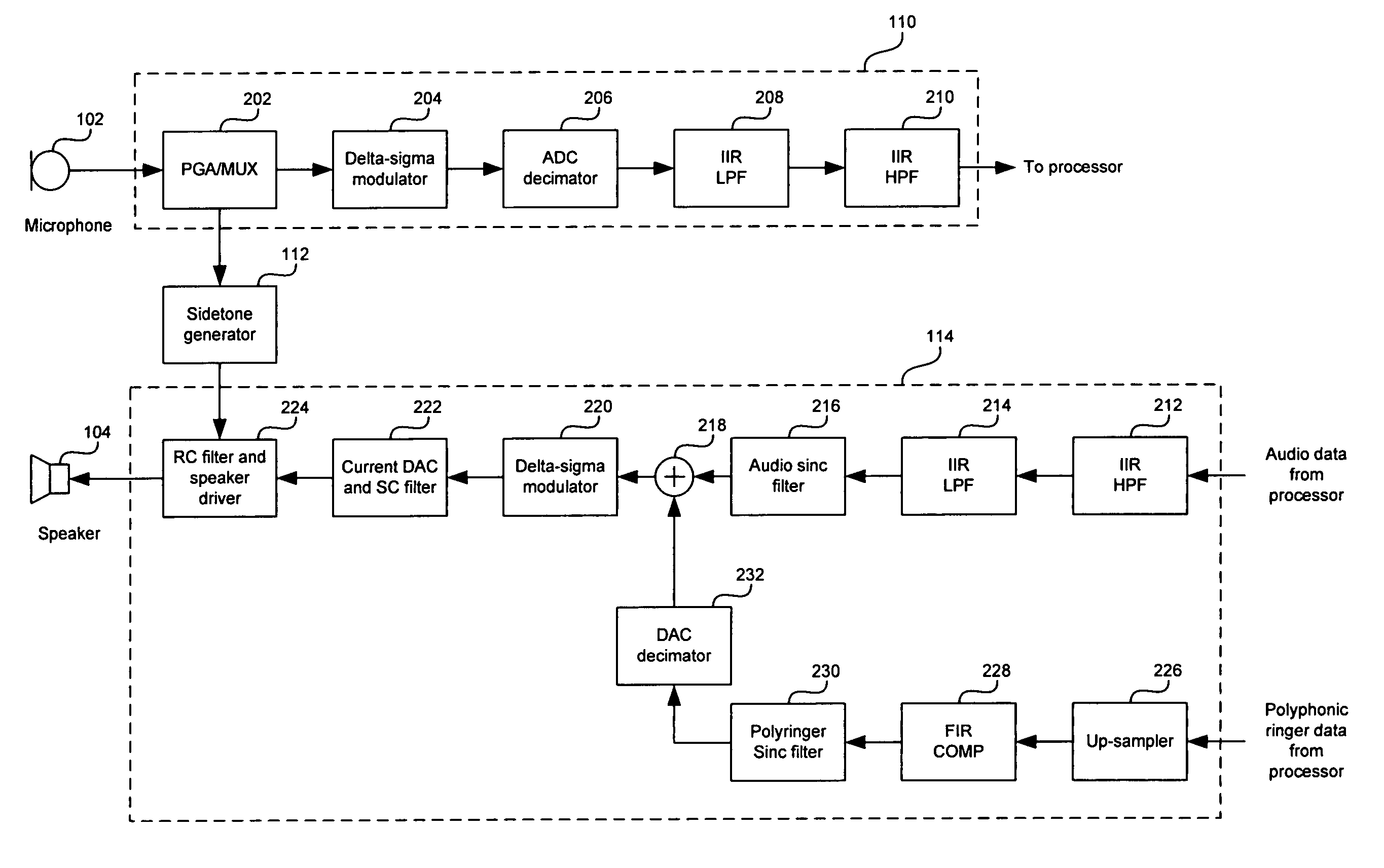
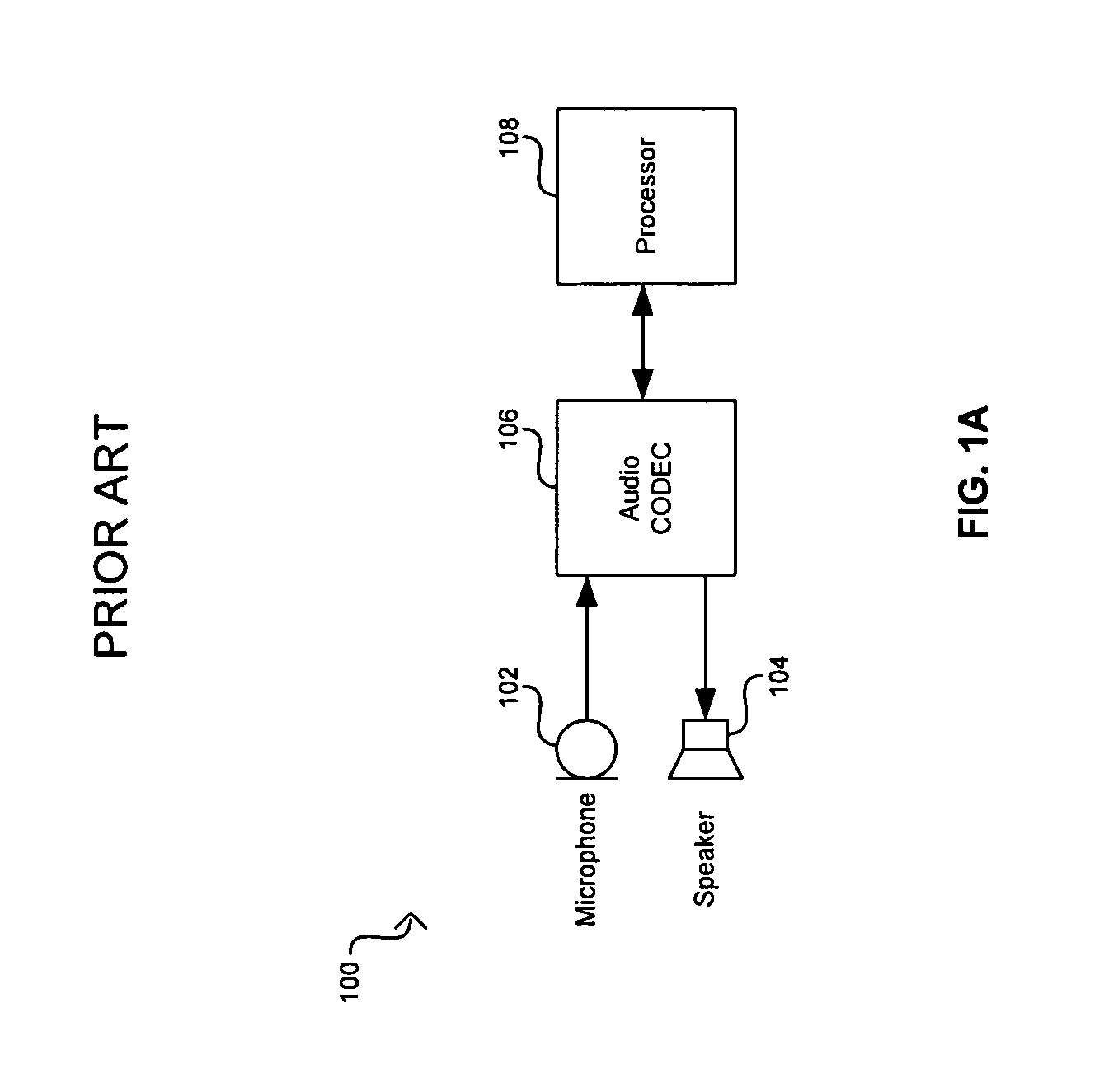
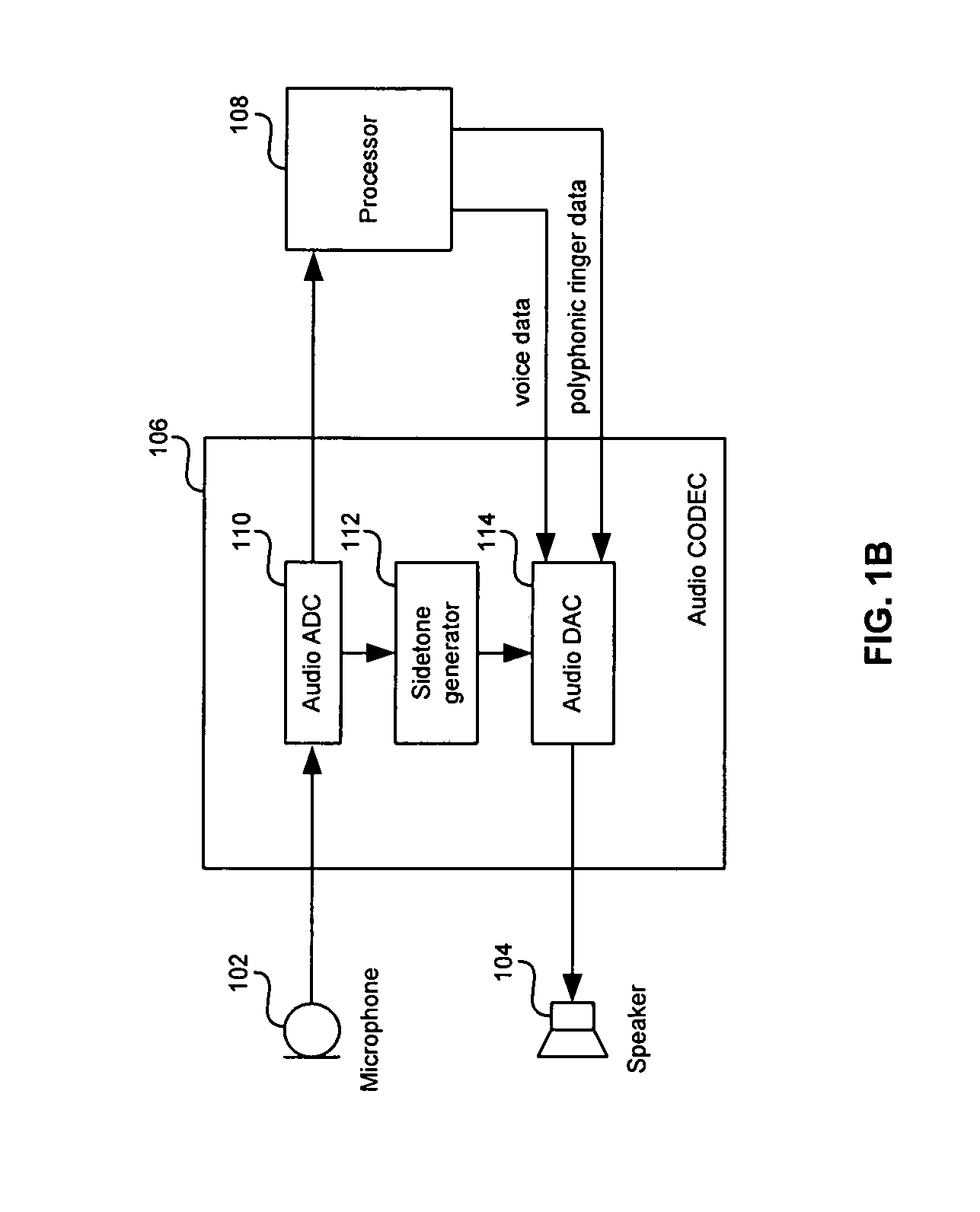
- A method and system for an improved CODEC with a polyringer that processes digital polyphonic ringer data and audio data to a common data rate, combining them and converting to analog format using delta-sigma demodulation, current-based digital-to-analog conversion, and switched-capacitor filtering, incorporating IIR filters, sinc filters, up-sampling, and decimation to enable interaction with newer communication systems.

Audio processing device with multi-processor support and precision frequency cutoff filters for enhanced sound control
PatentPendingIN202441034425A
Innovation
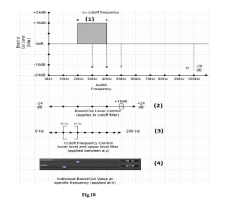
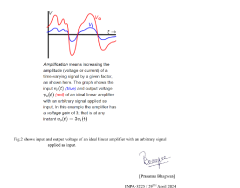
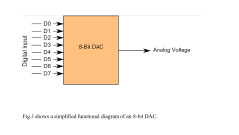
- An advanced audio processing device with an audio amplifier processor capable of independent operation and configuration in series or parallel, integrated with a digital-analog converter, allowing precise manipulation of frequencies from 0 Hz to 200 Hz, and incorporating cutoff filters for precise control over specific frequency bands.
LDAC Standardization
The standardization of LDAC (Low latency and high-quality codec) represents a significant milestone in the evolution of audio technology, particularly for sound reinforcement systems. This process involves the formalization and widespread adoption of LDAC as a standard codec for high-quality audio transmission, ensuring interoperability and consistent performance across various devices and platforms.
LDAC standardization efforts are primarily driven by industry leaders and standards organizations, with Sony Corporation at the forefront. The codec's inclusion in the Bluetooth Special Interest Group (SIG) specifications marks a crucial step towards its universal acceptance. This integration allows LDAC to be implemented by a wide range of manufacturers, fostering a more diverse ecosystem of compatible devices.
The standardization process encompasses several key aspects. First, it involves the detailed documentation of LDAC's technical specifications, including its compression algorithms, bitrate options, and latency characteristics. This documentation serves as a reference for manufacturers and developers implementing LDAC in their products.
Secondly, standardization includes the development of certification processes and compliance testing procedures. These ensure that devices claiming LDAC compatibility meet the required performance standards and maintain consistency across different implementations. Such rigorous testing helps build trust among consumers and manufacturers alike.
Furthermore, the standardization of LDAC addresses licensing and intellectual property considerations. By establishing clear licensing terms and conditions, Sony facilitates broader adoption while protecting its intellectual property rights. This balance is crucial for encouraging innovation while ensuring the technology's widespread availability.
The impact of LDAC standardization extends beyond technical specifications. It plays a pivotal role in shaping the future of sound reinforcement systems by setting new benchmarks for wireless audio quality. As LDAC becomes more widely adopted, it drives the development of compatible hardware, from professional audio equipment to consumer devices, creating a more interconnected and high-fidelity audio ecosystem.
Moreover, standardization efforts contribute to the ongoing evolution of LDAC technology. As the standard is established, it provides a foundation for future improvements and iterations. This could include enhanced compression techniques, lower latency, or improved energy efficiency, all while maintaining backward compatibility with existing LDAC-enabled devices.
In conclusion, the standardization of LDAC represents a critical juncture in audio technology advancement. It not only ensures the widespread availability of high-quality wireless audio but also sets the stage for future innovations in sound reinforcement systems, promising a new era of immersive and high-fidelity audio experiences.
LDAC standardization efforts are primarily driven by industry leaders and standards organizations, with Sony Corporation at the forefront. The codec's inclusion in the Bluetooth Special Interest Group (SIG) specifications marks a crucial step towards its universal acceptance. This integration allows LDAC to be implemented by a wide range of manufacturers, fostering a more diverse ecosystem of compatible devices.
The standardization process encompasses several key aspects. First, it involves the detailed documentation of LDAC's technical specifications, including its compression algorithms, bitrate options, and latency characteristics. This documentation serves as a reference for manufacturers and developers implementing LDAC in their products.
Secondly, standardization includes the development of certification processes and compliance testing procedures. These ensure that devices claiming LDAC compatibility meet the required performance standards and maintain consistency across different implementations. Such rigorous testing helps build trust among consumers and manufacturers alike.
Furthermore, the standardization of LDAC addresses licensing and intellectual property considerations. By establishing clear licensing terms and conditions, Sony facilitates broader adoption while protecting its intellectual property rights. This balance is crucial for encouraging innovation while ensuring the technology's widespread availability.
The impact of LDAC standardization extends beyond technical specifications. It plays a pivotal role in shaping the future of sound reinforcement systems by setting new benchmarks for wireless audio quality. As LDAC becomes more widely adopted, it drives the development of compatible hardware, from professional audio equipment to consumer devices, creating a more interconnected and high-fidelity audio ecosystem.
Moreover, standardization efforts contribute to the ongoing evolution of LDAC technology. As the standard is established, it provides a foundation for future improvements and iterations. This could include enhanced compression techniques, lower latency, or improved energy efficiency, all while maintaining backward compatibility with existing LDAC-enabled devices.
In conclusion, the standardization of LDAC represents a critical juncture in audio technology advancement. It not only ensures the widespread availability of high-quality wireless audio but also sets the stage for future innovations in sound reinforcement systems, promising a new era of immersive and high-fidelity audio experiences.
LDAC Energy Efficiency
LDAC (Low-latency and high-quality codec) technology has made significant strides in energy efficiency, positioning itself as a key player in the future of sound reinforcement systems. The codec's energy-efficient design is crucial for portable devices and wireless audio applications, where battery life is a critical factor.
LDAC employs advanced compression algorithms that optimize data transmission while maintaining high audio quality. This efficient data handling reduces the overall power consumption required for audio processing and transmission. The codec's ability to adapt its bit rate dynamically based on wireless connection quality further enhances its energy efficiency, as it can reduce power usage in challenging signal environments without compromising audio integrity.
One of the primary energy-saving features of LDAC is its efficient use of bandwidth. By transmitting audio data more effectively, it reduces the amount of time that wireless radios need to be active, thus conserving battery power. This is particularly beneficial in Bluetooth audio devices, where radio operation is a significant source of power drain.
The codec's low-latency characteristics also contribute to its energy efficiency. By reducing the time delay between audio processing and playback, LDAC minimizes the duration that audio components need to remain active, leading to lower overall power consumption in the audio chain.
LDAC's scalable nature allows it to operate at different bit rates, ranging from 330 kbps to 990 kbps. This scalability enables devices to choose the most energy-efficient setting based on their current power state and audio quality requirements. For instance, a device with low battery can opt for a lower bit rate to extend playback time while still maintaining acceptable audio quality.
In comparison to other high-resolution audio codecs, LDAC demonstrates superior energy efficiency. Its ability to transmit high-quality audio at lower bit rates than some competitors means that less data needs to be processed and transmitted, resulting in energy savings across the entire audio system.
The energy efficiency of LDAC also extends to its implementation in hardware. The codec's design allows for efficient integration into audio processing chips, minimizing the power required for encoding and decoding operations. This hardware-level efficiency is crucial for the development of power-conscious audio devices, particularly in the rapidly growing true wireless stereo (TWS) earbuds market.
As the demand for high-quality wireless audio continues to grow, LDAC's energy efficiency positions it as a key technology for future sound reinforcement systems. Its ability to balance high-fidelity audio with low power consumption addresses the ongoing challenge of delivering premium audio experiences in battery-powered devices, making it an attractive option for manufacturers and consumers alike.
LDAC employs advanced compression algorithms that optimize data transmission while maintaining high audio quality. This efficient data handling reduces the overall power consumption required for audio processing and transmission. The codec's ability to adapt its bit rate dynamically based on wireless connection quality further enhances its energy efficiency, as it can reduce power usage in challenging signal environments without compromising audio integrity.
One of the primary energy-saving features of LDAC is its efficient use of bandwidth. By transmitting audio data more effectively, it reduces the amount of time that wireless radios need to be active, thus conserving battery power. This is particularly beneficial in Bluetooth audio devices, where radio operation is a significant source of power drain.
The codec's low-latency characteristics also contribute to its energy efficiency. By reducing the time delay between audio processing and playback, LDAC minimizes the duration that audio components need to remain active, leading to lower overall power consumption in the audio chain.
LDAC's scalable nature allows it to operate at different bit rates, ranging from 330 kbps to 990 kbps. This scalability enables devices to choose the most energy-efficient setting based on their current power state and audio quality requirements. For instance, a device with low battery can opt for a lower bit rate to extend playback time while still maintaining acceptable audio quality.
In comparison to other high-resolution audio codecs, LDAC demonstrates superior energy efficiency. Its ability to transmit high-quality audio at lower bit rates than some competitors means that less data needs to be processed and transmitted, resulting in energy savings across the entire audio system.
The energy efficiency of LDAC also extends to its implementation in hardware. The codec's design allows for efficient integration into audio processing chips, minimizing the power required for encoding and decoding operations. This hardware-level efficiency is crucial for the development of power-conscious audio devices, particularly in the rapidly growing true wireless stereo (TWS) earbuds market.
As the demand for high-quality wireless audio continues to grow, LDAC's energy efficiency positions it as a key technology for future sound reinforcement systems. Its ability to balance high-fidelity audio with low power consumption addresses the ongoing challenge of delivering premium audio experiences in battery-powered devices, making it an attractive option for manufacturers and consumers alike.
Unlock deeper insights with PatSnap Eureka Quick Research — get a full tech report to explore trends and direct your research. Try now!
Generate Your Research Report Instantly with AI Agent
Supercharge your innovation with PatSnap Eureka AI Agent Platform!