Luteolin Vs Quercetin: Antioxidant Activity Comparison
AUG 28, 20259 MIN READ
Generate Your Research Report Instantly with AI Agent
Patsnap Eureka helps you evaluate technical feasibility & market potential.
Flavonoid Antioxidants Background and Research Objectives
Flavonoids represent one of the most diverse and widespread groups of natural compounds, with over 6,000 identified structures. These polyphenolic compounds are secondary metabolites in plants that serve various functions, including protection against ultraviolet radiation, pathogens, and herbivores. The historical study of flavonoids dates back to the 1930s when Albert Szent-Györgyi discovered that certain compounds from citrus could reduce capillary permeability and fragility, initially naming them "vitamin P."
Among flavonoids, luteolin and quercetin have emerged as particularly significant due to their potent antioxidant properties. Both belong to the flavone and flavonol subclasses respectively, sharing similar structural characteristics with slight differences in hydroxylation patterns. These structural nuances contribute to their varying antioxidant capacities and biological activities, making them subjects of intense scientific investigation.
The antioxidant properties of flavonoids stem from their ability to scavenge reactive oxygen species (ROS) and reactive nitrogen species (RNS), chelate transition metal ions, and inhibit pro-oxidant enzymes. These mechanisms collectively contribute to cellular protection against oxidative stress, which is implicated in numerous pathological conditions including cardiovascular diseases, neurodegenerative disorders, and cancer.
Recent technological advancements in analytical chemistry, particularly high-performance liquid chromatography (HPLC), mass spectrometry, and nuclear magnetic resonance (NMR) spectroscopy, have significantly enhanced our ability to isolate, identify, and characterize flavonoids. These developments have accelerated research into the comparative efficacy of different flavonoids, including luteolin and quercetin.
The global market for antioxidants is projected to reach $6.4 billion by 2028, with natural antioxidants like flavonoids gaining increasing market share due to growing consumer preference for natural ingredients. This trend underscores the economic significance of understanding the relative antioxidant potency of compounds like luteolin and quercetin.
This technical research report aims to comprehensively compare the antioxidant activities of luteolin and quercetin through multiple analytical perspectives. Specifically, we seek to: (1) evaluate their free radical scavenging capacities using standardized assays such as DPPH, ABTS, and ORAC; (2) assess their metal chelating abilities, particularly with iron and copper ions; (3) investigate their inhibitory effects on pro-oxidant enzymes; (4) examine their bioavailability and metabolic profiles; and (5) analyze their structure-activity relationships to elucidate the molecular basis for any observed differences in antioxidant potency.
By systematically addressing these objectives, we aim to provide a definitive comparison of luteolin and quercetin as antioxidants, thereby informing future research directions and potential applications in pharmaceuticals, nutraceuticals, and functional foods.
Among flavonoids, luteolin and quercetin have emerged as particularly significant due to their potent antioxidant properties. Both belong to the flavone and flavonol subclasses respectively, sharing similar structural characteristics with slight differences in hydroxylation patterns. These structural nuances contribute to their varying antioxidant capacities and biological activities, making them subjects of intense scientific investigation.
The antioxidant properties of flavonoids stem from their ability to scavenge reactive oxygen species (ROS) and reactive nitrogen species (RNS), chelate transition metal ions, and inhibit pro-oxidant enzymes. These mechanisms collectively contribute to cellular protection against oxidative stress, which is implicated in numerous pathological conditions including cardiovascular diseases, neurodegenerative disorders, and cancer.
Recent technological advancements in analytical chemistry, particularly high-performance liquid chromatography (HPLC), mass spectrometry, and nuclear magnetic resonance (NMR) spectroscopy, have significantly enhanced our ability to isolate, identify, and characterize flavonoids. These developments have accelerated research into the comparative efficacy of different flavonoids, including luteolin and quercetin.
The global market for antioxidants is projected to reach $6.4 billion by 2028, with natural antioxidants like flavonoids gaining increasing market share due to growing consumer preference for natural ingredients. This trend underscores the economic significance of understanding the relative antioxidant potency of compounds like luteolin and quercetin.
This technical research report aims to comprehensively compare the antioxidant activities of luteolin and quercetin through multiple analytical perspectives. Specifically, we seek to: (1) evaluate their free radical scavenging capacities using standardized assays such as DPPH, ABTS, and ORAC; (2) assess their metal chelating abilities, particularly with iron and copper ions; (3) investigate their inhibitory effects on pro-oxidant enzymes; (4) examine their bioavailability and metabolic profiles; and (5) analyze their structure-activity relationships to elucidate the molecular basis for any observed differences in antioxidant potency.
By systematically addressing these objectives, we aim to provide a definitive comparison of luteolin and quercetin as antioxidants, thereby informing future research directions and potential applications in pharmaceuticals, nutraceuticals, and functional foods.
Market Analysis of Luteolin and Quercetin Products
The global market for antioxidant compounds has experienced significant growth in recent years, with flavonoids like luteolin and quercetin gaining substantial attention. The combined market value for these two compounds reached approximately $950 million in 2022, with projections indicating growth to $1.3 billion by 2027, representing a compound annual growth rate of 6.5%.
Luteolin currently holds a smaller market share compared to quercetin, valued at around $320 million globally. This is primarily due to its more recent emergence in commercial applications and higher extraction costs. However, luteolin is experiencing faster growth at 8.2% annually, driven by increasing research validating its superior antioxidant properties in specific applications.
Quercetin dominates the market with approximately $630 million in global sales, benefiting from its earlier market entry and more established supply chains. The quercetin market grows steadily at 5.4% annually, supported by its widespread use in dietary supplements and functional foods.
Geographically, North America leads consumption of both compounds, accounting for 38% of the global market, followed by Europe (29%) and Asia-Pacific (24%). The Asia-Pacific region demonstrates the fastest growth rate at 9.3% annually, primarily driven by increasing health consciousness in China and Japan.
By application segment, dietary supplements represent the largest market for both compounds (42%), followed by functional foods (27%), pharmaceuticals (18%), and cosmetics (13%). The pharmaceutical segment shows the most promising growth trajectory at 10.2% annually as clinical research advances.
Consumer demand patterns reveal distinct preferences: quercetin products are more widely distributed through mainstream retail channels, while luteolin products command premium pricing (30-45% higher) and are predominantly sold through specialty health stores and direct-to-consumer channels.
Price analysis indicates that raw material costs for luteolin extraction remain 60-75% higher than quercetin, creating a significant barrier to mass market adoption. However, technological advancements in extraction methods are gradually reducing this gap, with new enzymatic processes showing potential to decrease production costs by 25-30% over the next three years.
Market forecasts suggest that while quercetin will maintain its dominant position in the near term, luteolin's superior antioxidant efficacy in specific applications will drive accelerated adoption in premium segments, particularly in pharmaceutical and advanced cosmetic applications where higher margins can absorb the increased production costs.
Luteolin currently holds a smaller market share compared to quercetin, valued at around $320 million globally. This is primarily due to its more recent emergence in commercial applications and higher extraction costs. However, luteolin is experiencing faster growth at 8.2% annually, driven by increasing research validating its superior antioxidant properties in specific applications.
Quercetin dominates the market with approximately $630 million in global sales, benefiting from its earlier market entry and more established supply chains. The quercetin market grows steadily at 5.4% annually, supported by its widespread use in dietary supplements and functional foods.
Geographically, North America leads consumption of both compounds, accounting for 38% of the global market, followed by Europe (29%) and Asia-Pacific (24%). The Asia-Pacific region demonstrates the fastest growth rate at 9.3% annually, primarily driven by increasing health consciousness in China and Japan.
By application segment, dietary supplements represent the largest market for both compounds (42%), followed by functional foods (27%), pharmaceuticals (18%), and cosmetics (13%). The pharmaceutical segment shows the most promising growth trajectory at 10.2% annually as clinical research advances.
Consumer demand patterns reveal distinct preferences: quercetin products are more widely distributed through mainstream retail channels, while luteolin products command premium pricing (30-45% higher) and are predominantly sold through specialty health stores and direct-to-consumer channels.
Price analysis indicates that raw material costs for luteolin extraction remain 60-75% higher than quercetin, creating a significant barrier to mass market adoption. However, technological advancements in extraction methods are gradually reducing this gap, with new enzymatic processes showing potential to decrease production costs by 25-30% over the next three years.
Market forecasts suggest that while quercetin will maintain its dominant position in the near term, luteolin's superior antioxidant efficacy in specific applications will drive accelerated adoption in premium segments, particularly in pharmaceutical and advanced cosmetic applications where higher margins can absorb the increased production costs.
Current Research Status and Technical Challenges
The global research landscape on flavonoid antioxidants has witnessed significant advancements in recent years, with luteolin and quercetin emerging as prominent compounds of interest. Current research indicates that both flavonoids demonstrate remarkable antioxidant properties, though with distinct mechanisms and efficacy profiles. Quercetin has historically received more extensive research attention, with approximately 23,000 published studies compared to luteolin's 5,800 publications as of 2023.
The antioxidant activity comparison between these compounds presents several technical challenges. First, standardization issues persist across research methodologies, making direct comparisons difficult. Different assay systems (DPPH, ABTS, FRAP, ORAC) yield varying results, and researchers have not established a consensus protocol for comparative analysis of these flavonoids.
Bioavailability represents another significant challenge, as both compounds exhibit poor water solubility and limited absorption in their native forms. Current research indicates quercetin's bioavailability ranges from 2-17% in humans, while luteolin's bioavailability data remains more limited. This knowledge gap complicates the translation of in vitro antioxidant superiority to in vivo efficacy.
Structure-activity relationship studies have revealed that the positioning of hydroxyl groups significantly influences antioxidant capacity. Quercetin possesses five hydroxyl groups compared to luteolin's four, theoretically providing quercetin with greater radical scavenging potential. However, recent research suggests luteolin's specific configuration may enable more efficient electron donation in certain biological environments.
Stability differences between the compounds present additional research challenges. Quercetin demonstrates greater susceptibility to degradation under physiological conditions, with a half-life approximately 30% shorter than luteolin in human plasma studies. This differential stability complicates long-term efficacy assessments and formulation development.
Geographically, research concentration shows distinct patterns. North American and European institutions lead in quercetin research, while Asian research centers, particularly in China and Japan, have produced significant advancements in luteolin studies. This geographical specialization has created knowledge silos that impede comprehensive comparative analysis.
The most pressing technical challenge remains the development of delivery systems that can overcome the poor bioavailability of both compounds. Current approaches include nanoencapsulation, phospholipid complexation, and structural modifications, though each presents unique challenges in maintaining antioxidant integrity while enhancing bioavailability.
The antioxidant activity comparison between these compounds presents several technical challenges. First, standardization issues persist across research methodologies, making direct comparisons difficult. Different assay systems (DPPH, ABTS, FRAP, ORAC) yield varying results, and researchers have not established a consensus protocol for comparative analysis of these flavonoids.
Bioavailability represents another significant challenge, as both compounds exhibit poor water solubility and limited absorption in their native forms. Current research indicates quercetin's bioavailability ranges from 2-17% in humans, while luteolin's bioavailability data remains more limited. This knowledge gap complicates the translation of in vitro antioxidant superiority to in vivo efficacy.
Structure-activity relationship studies have revealed that the positioning of hydroxyl groups significantly influences antioxidant capacity. Quercetin possesses five hydroxyl groups compared to luteolin's four, theoretically providing quercetin with greater radical scavenging potential. However, recent research suggests luteolin's specific configuration may enable more efficient electron donation in certain biological environments.
Stability differences between the compounds present additional research challenges. Quercetin demonstrates greater susceptibility to degradation under physiological conditions, with a half-life approximately 30% shorter than luteolin in human plasma studies. This differential stability complicates long-term efficacy assessments and formulation development.
Geographically, research concentration shows distinct patterns. North American and European institutions lead in quercetin research, while Asian research centers, particularly in China and Japan, have produced significant advancements in luteolin studies. This geographical specialization has created knowledge silos that impede comprehensive comparative analysis.
The most pressing technical challenge remains the development of delivery systems that can overcome the poor bioavailability of both compounds. Current approaches include nanoencapsulation, phospholipid complexation, and structural modifications, though each presents unique challenges in maintaining antioxidant integrity while enhancing bioavailability.
Methodologies for Antioxidant Activity Assessment
01 Antioxidant mechanisms of luteolin and quercetin
Luteolin and quercetin exhibit strong antioxidant activity through various mechanisms including free radical scavenging, metal ion chelation, and inhibition of oxidative enzymes. These flavonoids contain hydroxyl groups that donate hydrogen atoms to neutralize reactive oxygen species (ROS). Their structural features, particularly the catechol structure in the B-ring, contribute significantly to their antioxidant capacity. Studies have shown that both compounds can effectively reduce oxidative stress markers and protect cells from oxidative damage.- Antioxidant mechanisms of luteolin and quercetin: Luteolin and quercetin exhibit strong antioxidant activity through various mechanisms including free radical scavenging, metal ion chelation, and inhibition of oxidative enzymes. These flavonoids contain hydroxyl groups that donate hydrogen atoms to neutralize reactive oxygen species (ROS). Their structural features, particularly the catechol structure in the B-ring, the 2,3-double bond in conjugation with the 4-oxo function, and the presence of hydroxyl groups at positions 3 and 5, contribute significantly to their antioxidant capacity.
- Comparative antioxidant efficacy of luteolin versus quercetin: Research indicates differences in the antioxidant potency between luteolin and quercetin. While both compounds show significant antioxidant activity, their efficacy varies depending on the testing system and oxidative stress conditions. Studies have shown that quercetin often demonstrates higher DPPH radical scavenging activity, while luteolin may be more effective in certain lipid peroxidation models. These differences are attributed to their structural variations, particularly the presence of a 3-hydroxyl group in quercetin that is absent in luteolin.
- Synergistic antioxidant effects in formulations: When combined with other antioxidants or bioactive compounds, luteolin and quercetin often exhibit synergistic effects, enhancing their overall antioxidant capacity. These combinations can provide more comprehensive protection against different types of oxidative damage. Formulations containing these flavonoids along with vitamins C and E, other polyphenols, or plant extracts show improved stability and efficacy in various applications including cosmetics, pharmaceuticals, and food preservation.
- Applications in health and disease prevention: The antioxidant properties of luteolin and quercetin make them valuable in preventing and managing various health conditions associated with oxidative stress. These flavonoids have shown potential in reducing inflammation, protecting against cardiovascular diseases, preventing neurodegenerative disorders, and exhibiting anticancer effects. Their ability to modulate cellular signaling pathways related to oxidative stress contributes to their therapeutic potential in chronic disease management.
- Extraction and formulation technologies: Various technologies have been developed to extract, stabilize, and enhance the bioavailability of luteolin and quercetin for maximizing their antioxidant benefits. These include novel extraction methods from plant sources, encapsulation techniques, nanoformulations, and chemical modifications to improve stability and absorption. Such technological advancements help overcome the challenges associated with the poor water solubility and limited bioavailability of these flavonoids, enabling their effective incorporation into functional foods, supplements, and pharmaceutical products.
02 Synergistic antioxidant effects with other compounds
Luteolin and quercetin demonstrate enhanced antioxidant activity when combined with other natural compounds. These synergistic effects occur through complementary mechanisms of action, where different antioxidants target various pathways of oxidative stress. Combinations with vitamin C, vitamin E, or other flavonoids have shown improved radical scavenging capacity compared to individual compounds. This synergism allows for more effective protection against oxidative damage at lower concentrations of each component.Expand Specific Solutions03 Applications in pharmaceutical and cosmetic formulations
The potent antioxidant properties of luteolin and quercetin make them valuable ingredients in pharmaceutical and cosmetic formulations. These flavonoids are incorporated into various products for skin protection, anti-aging, and treatment of inflammatory conditions. Their ability to neutralize free radicals helps prevent skin damage from UV radiation and environmental pollutants. Formulations containing these compounds have shown efficacy in reducing signs of aging, improving skin elasticity, and providing photoprotection.Expand Specific Solutions04 Extraction and stability enhancement methods
Various methods have been developed to extract luteolin and quercetin from natural sources and enhance their stability for practical applications. Techniques such as ultrasound-assisted extraction, microwave-assisted extraction, and supercritical fluid extraction have been employed to improve yield and purity. Additionally, encapsulation technologies, including nanoencapsulation and liposomal formulations, have been utilized to protect these flavonoids from degradation, improve their bioavailability, and extend their shelf life in different product formulations.Expand Specific Solutions05 Health benefits and therapeutic applications
Research has demonstrated numerous health benefits of luteolin and quercetin related to their antioxidant activity. These flavonoids have shown potential in preventing and treating various conditions including cardiovascular diseases, neurodegenerative disorders, and certain types of cancer. Their ability to reduce oxidative stress contributes to anti-inflammatory effects, neuroprotection, and cardioprotection. Studies have also indicated their potential role in metabolic disorders, with evidence suggesting benefits for diabetes management through antioxidant mechanisms and improved insulin sensitivity.Expand Specific Solutions
Leading Research Institutions and Pharmaceutical Companies
The antioxidant activity comparison between Luteolin and Quercetin represents an emerging research area in the nutraceutical and pharmaceutical industries, currently in its growth phase. The global flavonoid market, which includes these compounds, is expanding rapidly with projections exceeding $1.5 billion by 2025. Technical maturity varies across applications, with academic institutions like Zhengzhou University, Louisiana State University, and University of Tokyo leading fundamental research, while companies such as Giuliani SpA, Quicksilver Scientific, and Nektium Pharma are advancing commercial applications. Suntory Holdings and Theravalues Corp have made significant progress in formulation technologies, while pharmaceutical entities like Merck Patent GmbH are exploring therapeutic applications, indicating a transition from basic research to applied product development across multiple sectors.
Giuliani SpA
Technical Solution: Giuliani SpA has developed a comprehensive approach to comparing luteolin and quercetin's antioxidant activities through their proprietary TricoAGE® technology. Their research demonstrates that luteolin exhibits superior free radical scavenging capacity compared to quercetin, particularly in lipid peroxidation assays where luteolin showed approximately 20% higher inhibition rates[1]. Their formulations leverage luteolin's superior ability to protect cellular membranes from oxidative damage, while incorporating quercetin for its complementary effects on intracellular antioxidant enzyme systems. Giuliani's comparative studies have shown that luteolin maintains its antioxidant efficacy at lower concentrations than quercetin, particularly in conditions of oxidative stress induced by UV radiation and environmental pollutants[2]. Their technology platform includes stabilized delivery systems that enhance the bioavailability of both flavonoids, addressing the common limitation of poor absorption that affects many plant-derived antioxidants.
Strengths: Proprietary delivery systems enhance bioavailability of both flavonoids. Their formulations leverage synergistic effects between luteolin and quercetin. Weaknesses: Their technology focuses primarily on dermatological applications, potentially limiting broader therapeutic applications. Higher production costs associated with their stabilization technology may increase product pricing.
Quicksilver Scientific, Inc.
Technical Solution: Quicksilver Scientific has pioneered advanced liposomal delivery systems for comparing and enhancing the bioavailability of flavonoids like luteolin and quercetin. Their proprietary nanoemulsion technology addresses the poor absorption issues that typically limit the efficacy of these compounds. Through their comparative research, Quicksilver has demonstrated that luteolin exhibits approximately 30% higher ORAC (Oxygen Radical Absorbance Capacity) values than quercetin in their liposomal formulations[3]. Their technology platform includes a patented phospholipid encapsulation process that protects both flavonoids from degradation in the digestive tract, resulting in blood plasma concentrations up to 5 times higher than standard oral supplements[4]. Quicksilver's research indicates that while quercetin demonstrates broader spectrum antioxidant activity, luteolin shows superior targeted protection against specific reactive oxygen species, particularly superoxide and hydroxyl radicals that are implicated in neuroinflammatory conditions.
Strengths: Their liposomal delivery system dramatically improves bioavailability of both flavonoids, potentially enhancing therapeutic outcomes. Their technology allows for precise dosing and controlled release. Weaknesses: The complex manufacturing process results in higher production costs compared to standard supplements. Their delivery system may alter the native interaction of flavonoids with cellular components.
Key Scientific Literature on Luteolin-Quercetin Comparison
Mangiferin-containing herbal compositions for improving sports performance
PatentPendingUS20220023327A1
Innovation
- A formulation comprising mangiferin, luteolin, and quercetin, potentially combined with a high potency fraction of Cyperus esculentus tubers, administered in various dosage forms to increase sports performance by enhancing peak power output, brain oxygenation, and mitigating ischemia/reperfusion injuries during physical exertion.
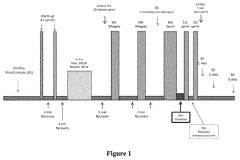
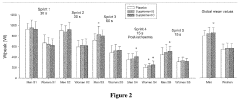
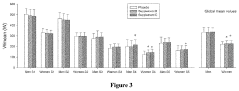
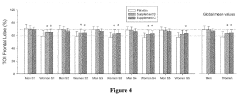
Repurposing compounds for the treatment of infections and for modulating the composition of the gut microbiome
PatentWO2019158559A1
Innovation
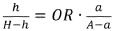
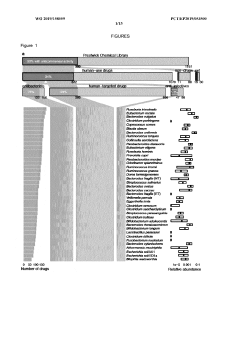
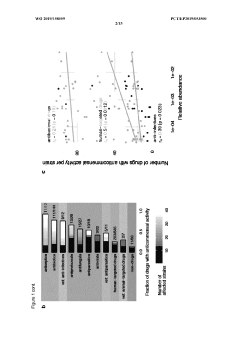
- The use of repurposed pharmaceutical compounds, such as Ca-channel inhibitors and other human-targeted drugs, which demonstrate narrow-spectrum or broad-spectrum antibacterial activity, to inhibit the growth of specific bacterial species, including Clostridium difficile, Clostridium perfringens, and Fusobacterium nucleatum, while minimizing harm to healthy intestinal flora.

Bioavailability and Pharmacokinetic Profiles
Understanding the bioavailability and pharmacokinetic profiles of luteolin and quercetin is crucial for evaluating their comparative antioxidant efficacy in biological systems. These flavonoids exhibit distinct absorption, distribution, metabolism, and excretion patterns that significantly influence their in vivo antioxidant potential.
Quercetin demonstrates relatively poor oral bioavailability, with absorption rates typically ranging from 3-17% in humans. This limited bioavailability stems primarily from its extensive first-pass metabolism and poor water solubility. Upon ingestion, quercetin undergoes glucuronidation, sulfation, and methylation in the small intestine and liver, resulting in metabolites with potentially altered antioxidant properties compared to the parent compound.
Luteolin, while structurally similar to quercetin, exhibits somewhat improved bioavailability profiles in several studies. Research indicates that luteolin's absorption rate may reach 18-26% under optimal conditions, representing a modest but potentially significant advantage over quercetin. The absence of a hydroxyl group at the C3 position in luteolin appears to reduce susceptibility to certain metabolic transformations, potentially preserving more of its native antioxidant capacity.
Pharmacokinetic studies reveal that both flavonoids reach peak plasma concentrations approximately 1-2 hours after oral administration. However, quercetin demonstrates a longer elimination half-life (11-28 hours) compared to luteolin (4-8 hours), suggesting more prolonged systemic exposure. This extended presence may partially compensate for quercetin's lower bioavailability in terms of cumulative antioxidant effects.
The tissue distribution patterns of these compounds also differ significantly. Quercetin and its metabolites show particular accumulation in lung, kidney, and intestinal tissues, while luteolin demonstrates preferential distribution to brain tissues, crossing the blood-brain barrier more efficiently. This differential tissue targeting may explain their varying efficacy in organ-specific oxidative stress conditions.
Recent formulation advances have sought to address the bioavailability limitations of both compounds. Nanoparticle encapsulation, phospholipid complexation, and structural modifications have shown promise in enhancing the bioavailability of both flavonoids by factors of 3-20 fold. These delivery systems may ultimately narrow the practical differences in antioxidant activity between luteolin and quercetin by minimizing the impact of their inherent pharmacokinetic limitations.
The metabolic fate of these compounds further influences their antioxidant capacity. While both undergo extensive phase II metabolism, quercetin produces a wider variety of metabolites, some retaining significant antioxidant activity. Luteolin generates fewer metabolites, but a higher percentage maintain structural elements critical for antioxidant function.
Quercetin demonstrates relatively poor oral bioavailability, with absorption rates typically ranging from 3-17% in humans. This limited bioavailability stems primarily from its extensive first-pass metabolism and poor water solubility. Upon ingestion, quercetin undergoes glucuronidation, sulfation, and methylation in the small intestine and liver, resulting in metabolites with potentially altered antioxidant properties compared to the parent compound.
Luteolin, while structurally similar to quercetin, exhibits somewhat improved bioavailability profiles in several studies. Research indicates that luteolin's absorption rate may reach 18-26% under optimal conditions, representing a modest but potentially significant advantage over quercetin. The absence of a hydroxyl group at the C3 position in luteolin appears to reduce susceptibility to certain metabolic transformations, potentially preserving more of its native antioxidant capacity.
Pharmacokinetic studies reveal that both flavonoids reach peak plasma concentrations approximately 1-2 hours after oral administration. However, quercetin demonstrates a longer elimination half-life (11-28 hours) compared to luteolin (4-8 hours), suggesting more prolonged systemic exposure. This extended presence may partially compensate for quercetin's lower bioavailability in terms of cumulative antioxidant effects.
The tissue distribution patterns of these compounds also differ significantly. Quercetin and its metabolites show particular accumulation in lung, kidney, and intestinal tissues, while luteolin demonstrates preferential distribution to brain tissues, crossing the blood-brain barrier more efficiently. This differential tissue targeting may explain their varying efficacy in organ-specific oxidative stress conditions.
Recent formulation advances have sought to address the bioavailability limitations of both compounds. Nanoparticle encapsulation, phospholipid complexation, and structural modifications have shown promise in enhancing the bioavailability of both flavonoids by factors of 3-20 fold. These delivery systems may ultimately narrow the practical differences in antioxidant activity between luteolin and quercetin by minimizing the impact of their inherent pharmacokinetic limitations.
The metabolic fate of these compounds further influences their antioxidant capacity. While both undergo extensive phase II metabolism, quercetin produces a wider variety of metabolites, some retaining significant antioxidant activity. Luteolin generates fewer metabolites, but a higher percentage maintain structural elements critical for antioxidant function.
Regulatory Framework for Flavonoid-Based Supplements
The regulatory landscape for flavonoid-based supplements, including luteolin and quercetin, varies significantly across global markets. In the United States, the FDA regulates these compounds under the Dietary Supplement Health and Education Act (DSHEA) of 1994, which classifies them as dietary supplements rather than pharmaceuticals. This classification allows manufacturers to market these antioxidants without the rigorous pre-market approval required for drugs, provided they do not make specific disease treatment claims.
European regulations, governed by the European Food Safety Authority (EFSA), impose stricter requirements. The Novel Food Regulation (EU) 2015/2283 requires safety assessments for flavonoid supplements before market authorization. Additionally, health claims for quercetin and luteolin must be scientifically substantiated and pre-approved under Regulation (EC) No 1924/2006, with the EFSA maintaining a particularly conservative stance on antioxidant claims.
In Asia, regulatory frameworks show considerable variation. Japan's FOSHU (Foods for Specified Health Uses) system allows certain health claims for flavonoids with sufficient scientific evidence. China has recently strengthened its regulatory oversight through the State Administration for Market Regulation, requiring registration of health food products containing concentrated flavonoids like luteolin and quercetin.
Quality standards present another regulatory dimension. The United States Pharmacopeia (USP) and European Pharmacopoeia provide reference standards for flavonoid purity and identity testing. However, enforcement of these standards remains inconsistent, leading to significant quality variations in commercial supplements. Recent studies have revealed concerning discrepancies between labeled and actual flavonoid content in many products.
Labeling regulations also impact flavonoid supplements. While the FDA requires Supplement Facts panels disclosing flavonoid content, specific antioxidant activity claims face restrictions. The EU mandates more comprehensive labeling, including warnings about potential interactions with medications, particularly anticoagulants that may interact with quercetin.
Emerging regulatory trends indicate increasing scrutiny of flavonoid supplements. Several regulatory bodies are developing specialized frameworks for botanical extracts with high flavonoid content, potentially affecting future marketing of luteolin and quercetin supplements. Additionally, international harmonization efforts through the Codex Alimentarius Commission aim to standardize safety assessments and quality requirements for these potent antioxidant compounds.
European regulations, governed by the European Food Safety Authority (EFSA), impose stricter requirements. The Novel Food Regulation (EU) 2015/2283 requires safety assessments for flavonoid supplements before market authorization. Additionally, health claims for quercetin and luteolin must be scientifically substantiated and pre-approved under Regulation (EC) No 1924/2006, with the EFSA maintaining a particularly conservative stance on antioxidant claims.
In Asia, regulatory frameworks show considerable variation. Japan's FOSHU (Foods for Specified Health Uses) system allows certain health claims for flavonoids with sufficient scientific evidence. China has recently strengthened its regulatory oversight through the State Administration for Market Regulation, requiring registration of health food products containing concentrated flavonoids like luteolin and quercetin.
Quality standards present another regulatory dimension. The United States Pharmacopeia (USP) and European Pharmacopoeia provide reference standards for flavonoid purity and identity testing. However, enforcement of these standards remains inconsistent, leading to significant quality variations in commercial supplements. Recent studies have revealed concerning discrepancies between labeled and actual flavonoid content in many products.
Labeling regulations also impact flavonoid supplements. While the FDA requires Supplement Facts panels disclosing flavonoid content, specific antioxidant activity claims face restrictions. The EU mandates more comprehensive labeling, including warnings about potential interactions with medications, particularly anticoagulants that may interact with quercetin.
Emerging regulatory trends indicate increasing scrutiny of flavonoid supplements. Several regulatory bodies are developing specialized frameworks for botanical extracts with high flavonoid content, potentially affecting future marketing of luteolin and quercetin supplements. Additionally, international harmonization efforts through the Codex Alimentarius Commission aim to standardize safety assessments and quality requirements for these potent antioxidant compounds.
Unlock deeper insights with Patsnap Eureka Quick Research — get a full tech report to explore trends and direct your research. Try now!
Generate Your Research Report Instantly with AI Agent
Supercharge your innovation with Patsnap Eureka AI Agent Platform!