
Maximizing Audio Quality with LDAC Technology
JUL 4, 20258 MIN READ
Generate Your Research Report Instantly with AI Agent
Patsnap Eureka helps you evaluate technical feasibility & market potential.
LDAC Technology Evolution and Objectives
LDAC technology, developed by Sony in 2015, represents a significant leap forward in wireless audio transmission. This codec aims to deliver high-resolution audio over Bluetooth connections, addressing the longstanding challenge of maintaining audio quality in wireless systems. The evolution of LDAC technology is closely tied to the increasing demand for high-fidelity audio experiences in portable devices.
The primary objective of LDAC is to maximize audio quality while operating within the constraints of Bluetooth bandwidth. It achieves this by employing adaptive bit rate technology, which allows for transmission rates of up to 990 kbps, significantly higher than standard Bluetooth codecs. This adaptability enables LDAC to maintain optimal audio quality across varying wireless environments and device capabilities.
LDAC's development trajectory has been marked by continuous improvements in efficiency and compatibility. Initially exclusive to Sony devices, the technology has gradually expanded its reach through partnerships and licensing agreements. A key milestone was its inclusion in the Android Open Source Project (AOSP) in 2017, making it accessible to a wider range of devices and manufacturers.
The technology's evolution has been driven by the growing consumer appetite for high-resolution audio content and the proliferation of wireless audio devices. LDAC addresses the limitations of earlier Bluetooth codecs, which often resulted in noticeable quality loss during wireless transmission. By supporting 24-bit/96 kHz audio transmission, LDAC aims to preserve the nuances and depth of high-resolution audio files.
Looking ahead, the objectives for LDAC technology include further reducing latency, improving energy efficiency, and expanding device compatibility. There is also a focus on enhancing the codec's performance in challenging wireless environments, such as areas with high interference. Additionally, efforts are being made to integrate LDAC with emerging audio technologies, such as 3D audio and adaptive sound processing.
As the audio industry continues to evolve, LDAC technology is expected to play a crucial role in bridging the gap between wired and wireless audio quality. Its ongoing development aligns with the broader trend towards high-fidelity, immersive audio experiences across various consumer electronics. The technology's future iterations will likely focus on maintaining its position at the forefront of wireless audio transmission, continually pushing the boundaries of what's possible in terms of audio quality over Bluetooth connections.
The primary objective of LDAC is to maximize audio quality while operating within the constraints of Bluetooth bandwidth. It achieves this by employing adaptive bit rate technology, which allows for transmission rates of up to 990 kbps, significantly higher than standard Bluetooth codecs. This adaptability enables LDAC to maintain optimal audio quality across varying wireless environments and device capabilities.
LDAC's development trajectory has been marked by continuous improvements in efficiency and compatibility. Initially exclusive to Sony devices, the technology has gradually expanded its reach through partnerships and licensing agreements. A key milestone was its inclusion in the Android Open Source Project (AOSP) in 2017, making it accessible to a wider range of devices and manufacturers.
The technology's evolution has been driven by the growing consumer appetite for high-resolution audio content and the proliferation of wireless audio devices. LDAC addresses the limitations of earlier Bluetooth codecs, which often resulted in noticeable quality loss during wireless transmission. By supporting 24-bit/96 kHz audio transmission, LDAC aims to preserve the nuances and depth of high-resolution audio files.
Looking ahead, the objectives for LDAC technology include further reducing latency, improving energy efficiency, and expanding device compatibility. There is also a focus on enhancing the codec's performance in challenging wireless environments, such as areas with high interference. Additionally, efforts are being made to integrate LDAC with emerging audio technologies, such as 3D audio and adaptive sound processing.
As the audio industry continues to evolve, LDAC technology is expected to play a crucial role in bridging the gap between wired and wireless audio quality. Its ongoing development aligns with the broader trend towards high-fidelity, immersive audio experiences across various consumer electronics. The technology's future iterations will likely focus on maintaining its position at the forefront of wireless audio transmission, continually pushing the boundaries of what's possible in terms of audio quality over Bluetooth connections.
Market Demand for High-Resolution Audio
The demand for high-resolution audio has been steadily increasing in recent years, driven by consumers' growing desire for superior sound quality and immersive listening experiences. This trend is particularly evident in the premium audio market, where audiophiles and music enthusiasts are willing to invest in high-end equipment and technologies that can deliver exceptional audio fidelity.
The rise of streaming services and digital music platforms has played a significant role in shaping market demand for high-resolution audio. As more consumers become accustomed to the convenience of digital music, there is a parallel desire for improved audio quality that can match or surpass traditional physical formats like CDs and vinyl records.
LDAC technology, developed by Sony, addresses this market need by offering a wireless codec capable of transmitting high-resolution audio at up to 990 kbps. This is significantly higher than the bitrates offered by standard Bluetooth codecs, making LDAC an attractive solution for consumers seeking wireless audio without compromising on quality.
The automotive industry has also emerged as a key driver of demand for high-resolution audio technologies. Luxury car manufacturers are increasingly incorporating premium audio systems into their vehicles, recognizing that high-quality sound can be a significant differentiator in the competitive automotive market.
In the professional audio sector, there is a growing demand for high-resolution audio solutions in recording studios, live sound reinforcement, and post-production facilities. This demand is fueled by the need for accurate reproduction of audio content across various platforms and formats.
The gaming industry represents another significant market for high-resolution audio technologies. As game developers strive to create more immersive experiences, the demand for superior audio quality in gaming headsets and speakers has increased substantially.
Market research indicates that the global high-resolution audio market is expected to grow at a compound annual growth rate (CAGR) of over 8% from 2021 to 2026. This growth is attributed to factors such as increasing disposable income, growing awareness of audio quality among consumers, and technological advancements in audio processing and transmission.
However, challenges remain in the widespread adoption of high-resolution audio technologies. These include the need for compatible hardware, limited availability of high-resolution content, and consumer education on the benefits of high-quality audio. Addressing these challenges will be crucial for maximizing the market potential of technologies like LDAC in the high-resolution audio space.
The rise of streaming services and digital music platforms has played a significant role in shaping market demand for high-resolution audio. As more consumers become accustomed to the convenience of digital music, there is a parallel desire for improved audio quality that can match or surpass traditional physical formats like CDs and vinyl records.
LDAC technology, developed by Sony, addresses this market need by offering a wireless codec capable of transmitting high-resolution audio at up to 990 kbps. This is significantly higher than the bitrates offered by standard Bluetooth codecs, making LDAC an attractive solution for consumers seeking wireless audio without compromising on quality.
The automotive industry has also emerged as a key driver of demand for high-resolution audio technologies. Luxury car manufacturers are increasingly incorporating premium audio systems into their vehicles, recognizing that high-quality sound can be a significant differentiator in the competitive automotive market.
In the professional audio sector, there is a growing demand for high-resolution audio solutions in recording studios, live sound reinforcement, and post-production facilities. This demand is fueled by the need for accurate reproduction of audio content across various platforms and formats.
The gaming industry represents another significant market for high-resolution audio technologies. As game developers strive to create more immersive experiences, the demand for superior audio quality in gaming headsets and speakers has increased substantially.
Market research indicates that the global high-resolution audio market is expected to grow at a compound annual growth rate (CAGR) of over 8% from 2021 to 2026. This growth is attributed to factors such as increasing disposable income, growing awareness of audio quality among consumers, and technological advancements in audio processing and transmission.
However, challenges remain in the widespread adoption of high-resolution audio technologies. These include the need for compatible hardware, limited availability of high-resolution content, and consumer education on the benefits of high-quality audio. Addressing these challenges will be crucial for maximizing the market potential of technologies like LDAC in the high-resolution audio space.
LDAC Current State and Challenges
LDAC, developed by Sony, represents a significant advancement in Bluetooth audio codec technology. Currently, LDAC is widely recognized as one of the highest quality wireless audio transmission protocols available. It supports up to 24-bit/96kHz audio transmission at a maximum bitrate of 990 kbps, which is substantially higher than standard Bluetooth codecs like SBC or even aptX.
The current state of LDAC technology showcases its ability to deliver near CD-quality audio over Bluetooth connections. It has been adopted by numerous smartphone manufacturers and is supported by Android devices running version 8.0 (Oreo) and above. This widespread adoption has positioned LDAC as a leading solution for high-fidelity wireless audio transmission.
However, despite its advanced capabilities, LDAC faces several challenges in its current implementation. One primary issue is the variability in connection stability and audio quality across different devices and environments. LDAC operates at three different bitrates - 330 kbps, 660 kbps, and 990 kbps - automatically switching between them based on connection quality. While this adaptive approach helps maintain a stable connection, it can lead to inconsistent audio quality experiences for users.
Another challenge lies in the power consumption of LDAC-enabled devices. The high bitrate transmission requires more processing power and energy, potentially impacting battery life on both transmitting and receiving devices. This becomes particularly noticeable in portable devices like smartphones and wireless headphones, where battery life is a critical factor.
Compatibility issues also persist, as not all Bluetooth audio devices support LDAC. This limitation can lead to a fragmented user experience, where consumers may not always be able to take advantage of LDAC's superior audio quality across all their devices.
Furthermore, while LDAC offers impressive audio quality for a wireless codec, it still falls short of matching the fidelity of wired connections, especially for audiophiles and professional audio applications. The challenge remains to further reduce latency and increase bitrates without compromising connection stability or significantly increasing power consumption.
Lastly, as the demand for high-resolution audio content grows, LDAC faces the ongoing challenge of keeping pace with evolving audio standards and increasing consumer expectations for wireless audio quality. Continuous innovation is required to maintain its position as a leading high-fidelity Bluetooth codec in an increasingly competitive market.
The current state of LDAC technology showcases its ability to deliver near CD-quality audio over Bluetooth connections. It has been adopted by numerous smartphone manufacturers and is supported by Android devices running version 8.0 (Oreo) and above. This widespread adoption has positioned LDAC as a leading solution for high-fidelity wireless audio transmission.
However, despite its advanced capabilities, LDAC faces several challenges in its current implementation. One primary issue is the variability in connection stability and audio quality across different devices and environments. LDAC operates at three different bitrates - 330 kbps, 660 kbps, and 990 kbps - automatically switching between them based on connection quality. While this adaptive approach helps maintain a stable connection, it can lead to inconsistent audio quality experiences for users.
Another challenge lies in the power consumption of LDAC-enabled devices. The high bitrate transmission requires more processing power and energy, potentially impacting battery life on both transmitting and receiving devices. This becomes particularly noticeable in portable devices like smartphones and wireless headphones, where battery life is a critical factor.
Compatibility issues also persist, as not all Bluetooth audio devices support LDAC. This limitation can lead to a fragmented user experience, where consumers may not always be able to take advantage of LDAC's superior audio quality across all their devices.
Furthermore, while LDAC offers impressive audio quality for a wireless codec, it still falls short of matching the fidelity of wired connections, especially for audiophiles and professional audio applications. The challenge remains to further reduce latency and increase bitrates without compromising connection stability or significantly increasing power consumption.
Lastly, as the demand for high-resolution audio content grows, LDAC faces the ongoing challenge of keeping pace with evolving audio standards and increasing consumer expectations for wireless audio quality. Continuous innovation is required to maintain its position as a leading high-fidelity Bluetooth codec in an increasingly competitive market.
LDAC Implementation Strategies
01 LDAC codec for high-quality audio transmission
LDAC is a high-resolution audio codec technology that enables the transmission of high-quality audio over Bluetooth connections. It offers improved audio quality compared to standard Bluetooth codecs by supporting higher bitrates and a wider frequency range, resulting in a more detailed and immersive listening experience.- LDAC codec for high-quality audio transmission: LDAC is a high-resolution audio codec technology that enables the transmission of high-quality audio over Bluetooth connections. It offers improved audio quality compared to standard Bluetooth codecs by supporting higher bitrates and maintaining more audio information during compression.
- Audio signal processing for LDAC: Various signal processing techniques are employed to enhance the audio quality in LDAC technology. These may include advanced encoding algorithms, noise reduction, and optimization of frequency response to preserve audio fidelity during transmission and playback.
- Integration of LDAC with audio devices: LDAC technology is integrated into various audio devices such as smartphones, headphones, and speakers. This integration involves hardware and software implementations to ensure compatibility and optimal performance of the LDAC codec in different audio ecosystems.
- Adaptive bitrate and quality control in LDAC: LDAC incorporates adaptive bitrate and quality control mechanisms to maintain optimal audio quality under varying wireless conditions. This allows the codec to adjust its performance based on factors such as signal strength and available bandwidth.
- Comparison and benchmarking of LDAC audio quality: Studies and benchmarks are conducted to compare the audio quality of LDAC with other Bluetooth codecs and wired audio solutions. These comparisons help in quantifying the improvements in audio fidelity and overall listening experience provided by LDAC technology.
02 Audio signal processing for LDAC
Advanced signal processing techniques are employed in LDAC technology to optimize audio quality. These include noise reduction, dynamic range compression, and frequency response adjustments to enhance the overall sound reproduction and maintain high fidelity even in challenging wireless transmission environments.Expand Specific Solutions03 Adaptive bitrate and encoding for LDAC
LDAC technology incorporates adaptive bitrate and encoding mechanisms to maintain optimal audio quality under varying network conditions. The system can dynamically adjust the bitrate and encoding parameters to ensure consistent performance and minimize audio dropouts or artifacts during playback.Expand Specific Solutions04 Integration with audio devices and systems
LDAC technology is designed to seamlessly integrate with various audio devices and systems, including smartphones, headphones, speakers, and car audio systems. This integration allows for widespread adoption and compatibility, enabling users to experience high-quality audio across multiple platforms and devices.Expand Specific Solutions05 Energy efficiency in LDAC implementation
LDAC technology incorporates energy-efficient design principles to optimize power consumption during audio transmission and playback. This ensures that devices using LDAC can maintain extended battery life while still delivering high-quality audio, making it suitable for portable and wireless audio applications.Expand Specific Solutions
Key Players in LDAC Ecosystem
The LDAC technology market is in a growth phase, with increasing demand for high-quality audio solutions in wireless devices. The market size is expanding as more consumers seek premium audio experiences. Sony Group Corp. leads the competitive landscape, having developed LDAC as a proprietary codec. Other major players like Samsung Electronics, Fraunhofer-Gesellschaft, and Analog Devices are also active in the audio technology space. The technology's maturity is advancing, with Sony licensing LDAC to various manufacturers, while companies like Harman Becker Automotive Systems and Cirrus Logic are likely developing compatible solutions. As LDAC gains traction, we can expect increased adoption and potential improvements from these key industry players.
Sony Group Corp.
Technical Solution: Sony, the creator of LDAC technology, has developed a high-resolution audio codec that can transmit up to 990 kbps over Bluetooth connections[1]. LDAC employs adaptive bit rate technology, allowing it to adjust the transmission rate based on wireless conditions, ensuring optimal audio quality[2]. The codec supports 24-bit/96kHz audio transmission, preserving more detail than standard Bluetooth codecs[3]. Sony has integrated LDAC into various products, including headphones, speakers, and smartphones, creating a comprehensive ecosystem for high-quality wireless audio[4]. The company continues to refine LDAC, focusing on reducing latency and improving power efficiency while maintaining superior audio fidelity[5].
Strengths: Superior audio quality, wide ecosystem support, adaptive bit rate for stability. Weaknesses: Limited compatibility with non-Sony devices, higher power consumption compared to standard codecs.
Samsung Electronics Co., Ltd.
Technical Solution: Samsung has adopted LDAC technology in its Galaxy smartphones and wearables, enhancing their audio capabilities[6]. The company has also developed its own Scalable Codec, which dynamically adjusts the bit-rate between 88kbps and 512kbps based on Bluetooth connection strength[7]. This proprietary technology complements LDAC support, offering users flexibility in high-quality audio options. Samsung's implementation focuses on optimizing battery life while maintaining audio quality, particularly in their Galaxy Buds series[8]. The company has invested in AI-enhanced audio processing to further improve sound quality and noise cancellation in conjunction with high-resolution codecs[9].
Strengths: Wide device ecosystem, complementary proprietary codec, AI-enhanced audio processing. Weaknesses: Reliance on third-party LDAC technology, potential fragmentation with multiple codec support.
LDAC Core Innovations Analysis
Method and device for processing time-discrete audio sampled values
PatentWO2002103684A1
Innovation
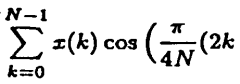
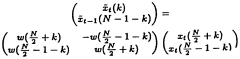
- The method involves performing Time Domain Aliasing Cancellation (TDAC) explicitly in the time domain before transformation, using a rotation matrix represented by lifting matrices to process discrete-time samples from different quarters of a window, ensuring integer windowing and transformation with Givens rotations and rounding, resulting in an integer modified discrete cosine transformation (INT MDCT) that avoids floating-point values and allows direct entropy coding.


Differential front-end continuous-time sigma-delta ADC using chopper stabilisation
PatentActiveUS20060139192A1
Innovation
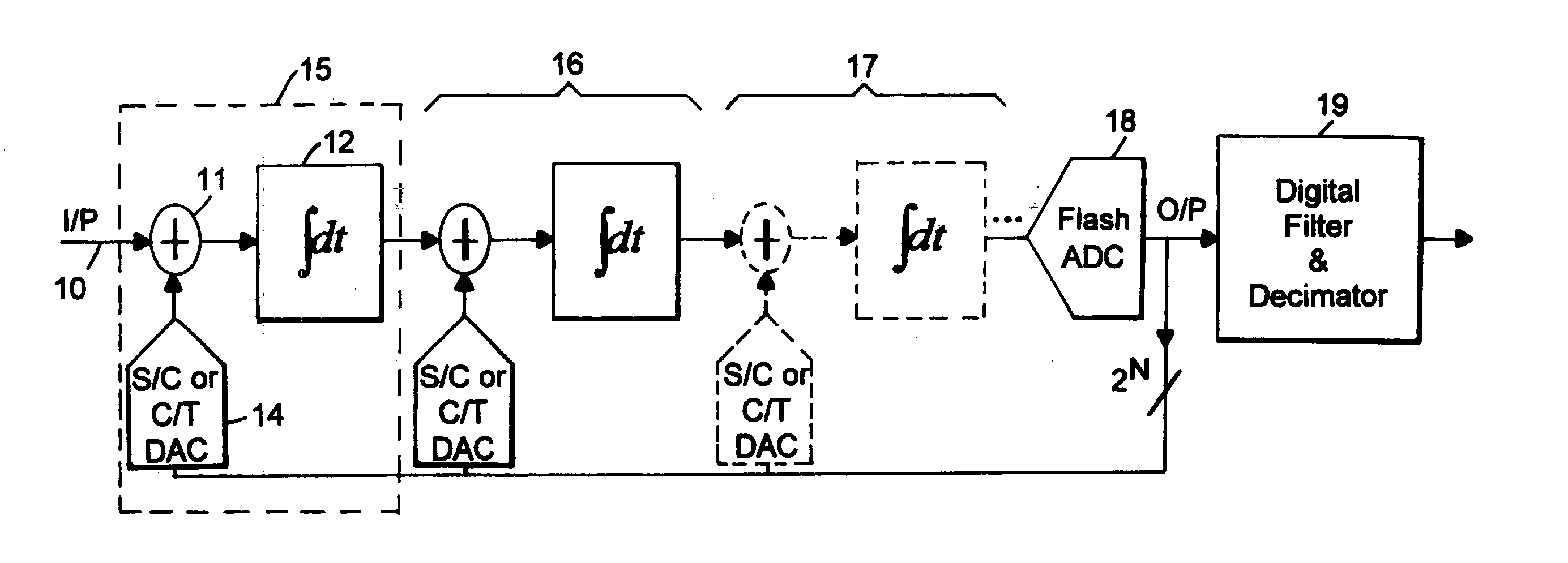
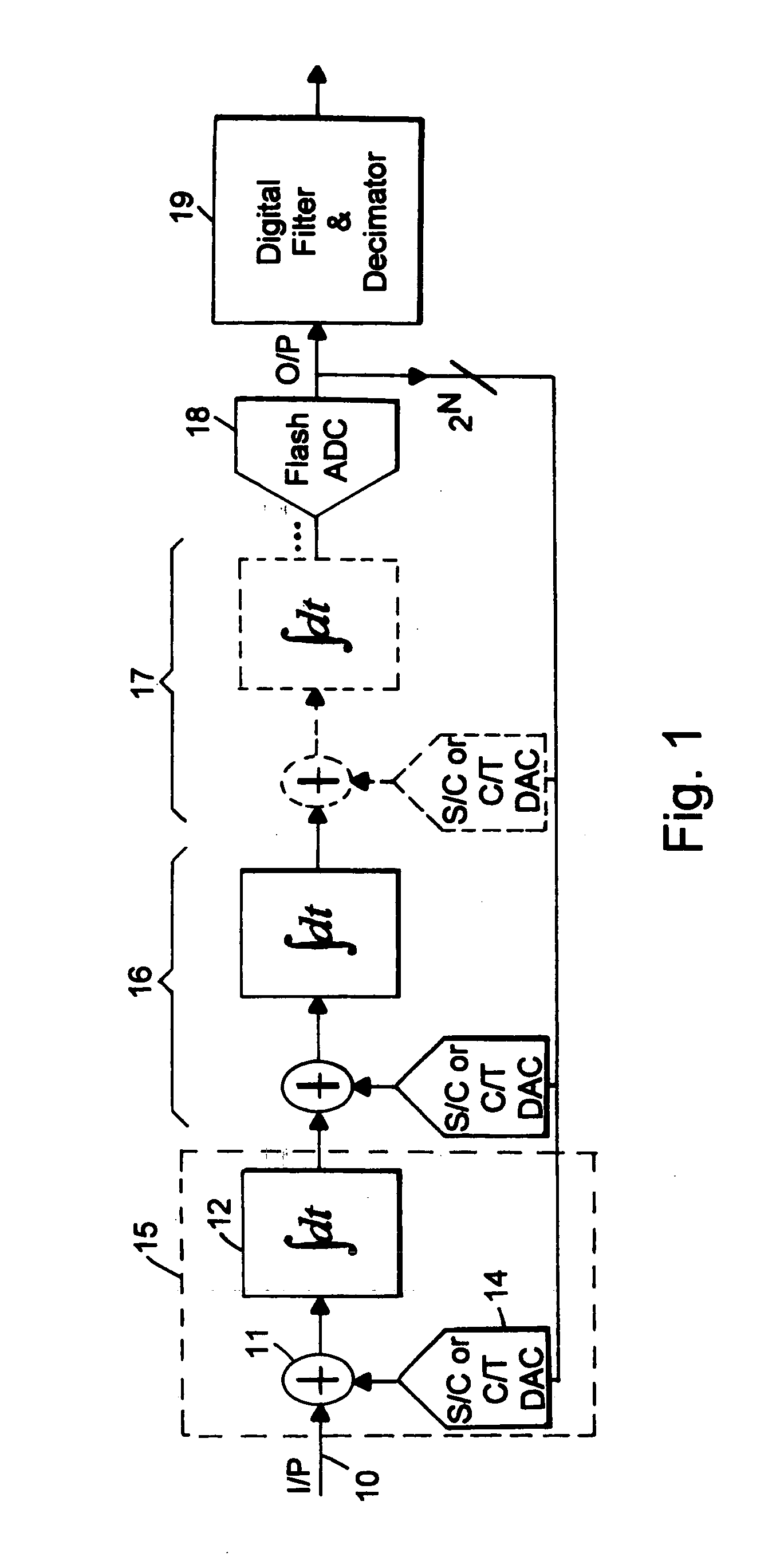
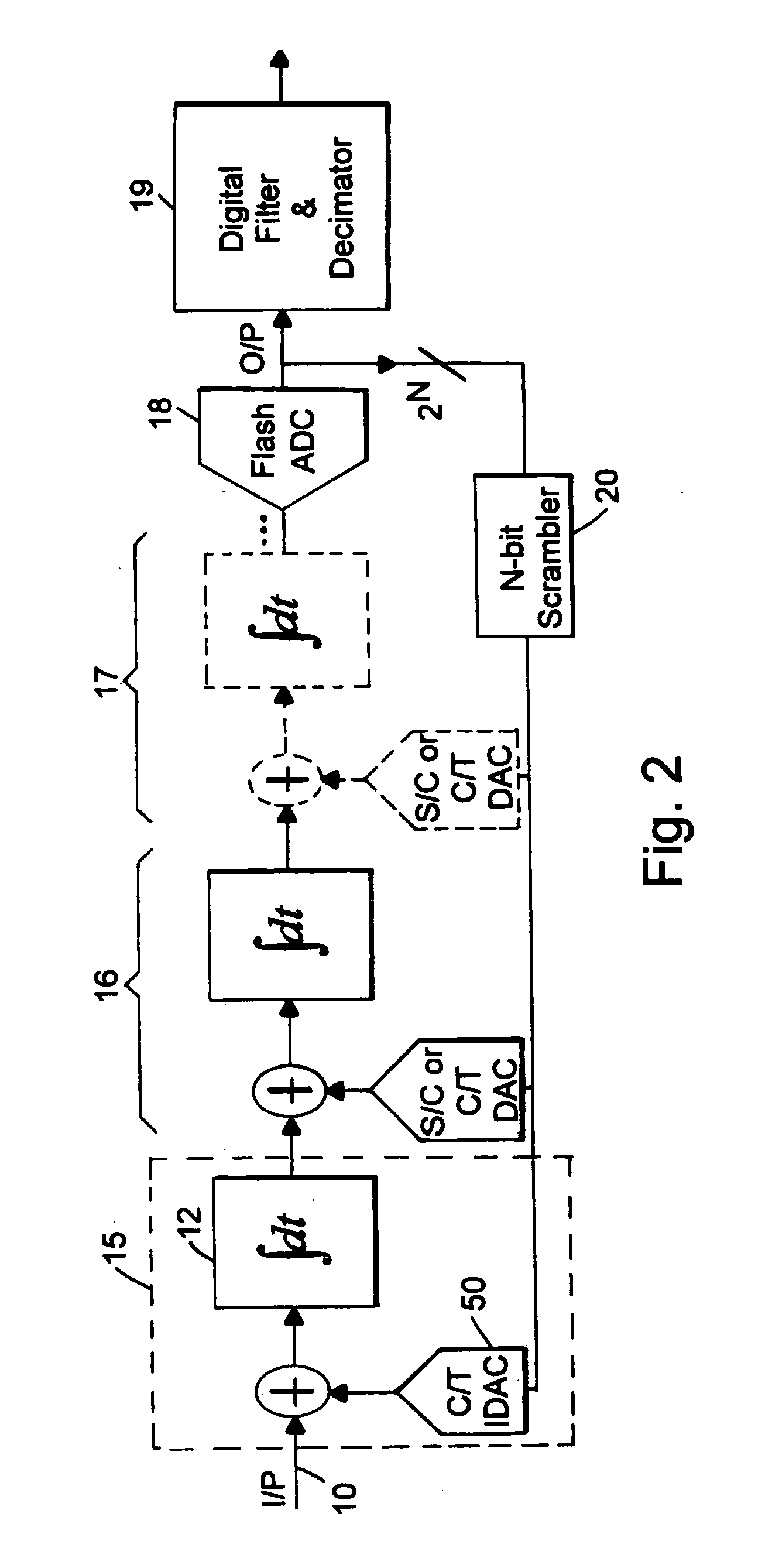
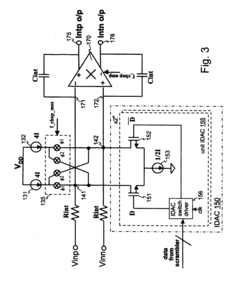
- A multi-bit continuous-time sigma-delta ADC with a front-end integrator stage and a multi-bit feedback current digital-to-analog converter (IDAC) that incorporates chopping switches and a scrambler to reduce flicker noise, allowing for smaller device areas and improved noise performance, and a chopper-stabilized integrator amplifier to mitigate clock jitter sensitivity.
LDAC Compatibility Issues
LDAC compatibility issues primarily stem from the technology's advanced nature and specific hardware requirements. As a high-resolution audio codec developed by Sony, LDAC aims to deliver near-lossless audio quality over Bluetooth connections. However, this advanced capability comes with certain limitations in terms of device compatibility.
One of the main compatibility challenges is the need for both the transmitting and receiving devices to support LDAC. While LDAC has been integrated into the Android operating system since version 8.0 (Oreo), its adoption is not universal across all Android devices. This creates a fragmented ecosystem where some Android devices can utilize LDAC, while others cannot.
Furthermore, LDAC is not natively supported by iOS devices, which limits its accessibility for a significant portion of the mobile market. This lack of cross-platform compatibility can be a significant hurdle for widespread adoption, especially in scenarios where users own devices from different ecosystems.
Another compatibility issue arises from the hardware requirements of LDAC. The codec demands more processing power and energy compared to standard Bluetooth audio codecs. This can lead to compatibility problems with older or less powerful devices that may struggle to handle the increased computational load, resulting in potential audio dropouts or reduced battery life.
LDAC also operates at different bit rates (330 kbps, 660 kbps, and 990 kbps), with the highest quality setting requiring a stable and strong Bluetooth connection. In environments with significant wireless interference or when devices are at the edge of their Bluetooth range, maintaining the highest quality LDAC transmission can be challenging, leading to potential compatibility issues in real-world usage scenarios.
The codec's complexity can also lead to implementation challenges for device manufacturers. Ensuring proper integration and optimization of LDAC in various hardware configurations requires significant engineering effort, which some manufacturers may choose to forgo, further limiting the codec's compatibility across devices.
Lastly, while LDAC is designed to work over Bluetooth, it may face compatibility issues with certain Bluetooth audio profiles or older Bluetooth versions. This can result in situations where devices that technically support LDAC may not be able to establish a connection or maintain optimal audio quality due to conflicts with other Bluetooth protocols or limitations.
One of the main compatibility challenges is the need for both the transmitting and receiving devices to support LDAC. While LDAC has been integrated into the Android operating system since version 8.0 (Oreo), its adoption is not universal across all Android devices. This creates a fragmented ecosystem where some Android devices can utilize LDAC, while others cannot.
Furthermore, LDAC is not natively supported by iOS devices, which limits its accessibility for a significant portion of the mobile market. This lack of cross-platform compatibility can be a significant hurdle for widespread adoption, especially in scenarios where users own devices from different ecosystems.
Another compatibility issue arises from the hardware requirements of LDAC. The codec demands more processing power and energy compared to standard Bluetooth audio codecs. This can lead to compatibility problems with older or less powerful devices that may struggle to handle the increased computational load, resulting in potential audio dropouts or reduced battery life.
LDAC also operates at different bit rates (330 kbps, 660 kbps, and 990 kbps), with the highest quality setting requiring a stable and strong Bluetooth connection. In environments with significant wireless interference or when devices are at the edge of their Bluetooth range, maintaining the highest quality LDAC transmission can be challenging, leading to potential compatibility issues in real-world usage scenarios.
The codec's complexity can also lead to implementation challenges for device manufacturers. Ensuring proper integration and optimization of LDAC in various hardware configurations requires significant engineering effort, which some manufacturers may choose to forgo, further limiting the codec's compatibility across devices.
Lastly, while LDAC is designed to work over Bluetooth, it may face compatibility issues with certain Bluetooth audio profiles or older Bluetooth versions. This can result in situations where devices that technically support LDAC may not be able to establish a connection or maintain optimal audio quality due to conflicts with other Bluetooth protocols or limitations.
LDAC Energy Efficiency
LDAC technology, developed by Sony, is renowned for its high-quality audio transmission capabilities. However, its energy efficiency is a crucial aspect that warrants careful consideration. LDAC operates at various bit rates, ranging from 330 kbps to 990 kbps, with each setting impacting both audio quality and power consumption.
At the highest bit rate of 990 kbps, LDAC delivers exceptional audio fidelity but consumes more energy. This setting is ideal for scenarios where power availability is not a constraint, such as home audio systems or devices connected to a stable power source. The 660 kbps mode offers a balanced approach, providing high-quality audio while moderating energy usage, making it suitable for portable devices with reasonable battery capacity.
The 330 kbps mode prioritizes energy efficiency, sacrificing some audio quality to extend battery life. This setting is particularly useful for mobile devices with limited power resources or in situations where extended playback time is crucial. LDAC's adaptive bit rate feature allows for dynamic switching between these modes based on connection stability and device capabilities, further optimizing energy usage.
Compared to other Bluetooth audio codecs, LDAC demonstrates competitive energy efficiency. While it may consume more power than basic codecs like SBC, it offers superior audio quality for the energy expended. When compared to aptX HD, another high-quality codec, LDAC shows comparable energy efficiency while potentially delivering better audio fidelity at higher bit rates.
Recent advancements in LDAC technology have focused on improving its energy efficiency without compromising audio quality. These improvements include optimized encoding algorithms and more efficient data compression techniques. Additionally, the integration of LDAC with newer Bluetooth versions, such as Bluetooth 5.0 and above, has led to reduced power consumption due to improved connection stability and data transfer rates.
Manufacturers implementing LDAC in their devices often employ various strategies to balance audio quality and energy efficiency. These may include intelligent power management systems that adjust LDAC settings based on battery levels, user preferences, and usage patterns. Some devices also feature dedicated hardware accelerators for LDAC processing, reducing the load on the main processor and thereby improving overall energy efficiency.
At the highest bit rate of 990 kbps, LDAC delivers exceptional audio fidelity but consumes more energy. This setting is ideal for scenarios where power availability is not a constraint, such as home audio systems or devices connected to a stable power source. The 660 kbps mode offers a balanced approach, providing high-quality audio while moderating energy usage, making it suitable for portable devices with reasonable battery capacity.
The 330 kbps mode prioritizes energy efficiency, sacrificing some audio quality to extend battery life. This setting is particularly useful for mobile devices with limited power resources or in situations where extended playback time is crucial. LDAC's adaptive bit rate feature allows for dynamic switching between these modes based on connection stability and device capabilities, further optimizing energy usage.
Compared to other Bluetooth audio codecs, LDAC demonstrates competitive energy efficiency. While it may consume more power than basic codecs like SBC, it offers superior audio quality for the energy expended. When compared to aptX HD, another high-quality codec, LDAC shows comparable energy efficiency while potentially delivering better audio fidelity at higher bit rates.
Recent advancements in LDAC technology have focused on improving its energy efficiency without compromising audio quality. These improvements include optimized encoding algorithms and more efficient data compression techniques. Additionally, the integration of LDAC with newer Bluetooth versions, such as Bluetooth 5.0 and above, has led to reduced power consumption due to improved connection stability and data transfer rates.
Manufacturers implementing LDAC in their devices often employ various strategies to balance audio quality and energy efficiency. These may include intelligent power management systems that adjust LDAC settings based on battery levels, user preferences, and usage patterns. Some devices also feature dedicated hardware accelerators for LDAC processing, reducing the load on the main processor and thereby improving overall energy efficiency.
Unlock deeper insights with Patsnap Eureka Quick Research — get a full tech report to explore trends and direct your research. Try now!
Generate Your Research Report Instantly with AI Agent
Supercharge your innovation with Patsnap Eureka AI Agent Platform!