QLED Displays: Unlocking Potential with AI Integration
JUN 20, 20259 MIN READ
Generate Your Research Report Instantly with AI Agent
PatSnap Eureka helps you evaluate technical feasibility & market potential.
QLED and AI Synergy
The integration of Artificial Intelligence (AI) with Quantum Dot Light-Emitting Diode (QLED) display technology represents a significant leap forward in the evolution of visual display systems. This synergy has the potential to revolutionize the way we interact with and experience digital content, offering unprecedented improvements in image quality, energy efficiency, and user experience.
AI algorithms can enhance QLED displays by optimizing color accuracy and brightness levels in real-time. Machine learning models can analyze incoming video signals and adjust the quantum dot emission to produce more vibrant and lifelike images. This dynamic adjustment can compensate for variations in ambient lighting conditions, ensuring optimal viewing experiences across diverse environments.
Furthermore, AI can significantly improve the power efficiency of QLED displays. By intelligently managing the power distribution to individual pixels based on content and viewing conditions, AI algorithms can reduce overall energy consumption without compromising image quality. This not only extends the lifespan of QLED devices but also contributes to sustainability efforts in consumer electronics.
The integration of AI with QLED technology also opens up new possibilities for personalized viewing experiences. AI can learn user preferences over time and automatically adjust display settings to suit individual tastes. This could include customizing color temperatures, contrast ratios, and even content recommendations based on viewing habits and environmental factors.
In the realm of image processing, AI can enhance QLED displays by implementing advanced upscaling techniques. Neural networks can be trained to intelligently interpolate lower resolution content, effectively increasing perceived resolution and sharpness on high-resolution QLED panels. This is particularly valuable as consumers increasingly demand 4K and 8K content on large-screen displays.
The synergy between QLED and AI also extends to the manufacturing process. AI-driven quality control systems can detect defects in quantum dot layers with greater accuracy and speed than traditional methods. This leads to higher yield rates and more consistent product quality, ultimately reducing production costs and improving consumer satisfaction.
Looking ahead, the combination of QLED and AI technologies may pave the way for more immersive and interactive display experiences. AI could enable QLED displays to adapt to the content being shown, adjusting not only visual parameters but also potentially integrating with other smart home systems to create holistic, context-aware environments.
AI algorithms can enhance QLED displays by optimizing color accuracy and brightness levels in real-time. Machine learning models can analyze incoming video signals and adjust the quantum dot emission to produce more vibrant and lifelike images. This dynamic adjustment can compensate for variations in ambient lighting conditions, ensuring optimal viewing experiences across diverse environments.
Furthermore, AI can significantly improve the power efficiency of QLED displays. By intelligently managing the power distribution to individual pixels based on content and viewing conditions, AI algorithms can reduce overall energy consumption without compromising image quality. This not only extends the lifespan of QLED devices but also contributes to sustainability efforts in consumer electronics.
The integration of AI with QLED technology also opens up new possibilities for personalized viewing experiences. AI can learn user preferences over time and automatically adjust display settings to suit individual tastes. This could include customizing color temperatures, contrast ratios, and even content recommendations based on viewing habits and environmental factors.
In the realm of image processing, AI can enhance QLED displays by implementing advanced upscaling techniques. Neural networks can be trained to intelligently interpolate lower resolution content, effectively increasing perceived resolution and sharpness on high-resolution QLED panels. This is particularly valuable as consumers increasingly demand 4K and 8K content on large-screen displays.
The synergy between QLED and AI also extends to the manufacturing process. AI-driven quality control systems can detect defects in quantum dot layers with greater accuracy and speed than traditional methods. This leads to higher yield rates and more consistent product quality, ultimately reducing production costs and improving consumer satisfaction.
Looking ahead, the combination of QLED and AI technologies may pave the way for more immersive and interactive display experiences. AI could enable QLED displays to adapt to the content being shown, adjusting not only visual parameters but also potentially integrating with other smart home systems to create holistic, context-aware environments.
Market Trends in AI-Enhanced Displays
The integration of AI into QLED display technology is driving significant market trends and reshaping the landscape of the display industry. As consumers increasingly demand smarter, more interactive, and personalized viewing experiences, AI-enhanced QLED displays are emerging as a key focus for manufacturers and tech companies alike.
One of the most prominent trends is the rise of AI-powered image processing algorithms that can dramatically improve picture quality. These algorithms can analyze and optimize each frame in real-time, enhancing contrast, color accuracy, and sharpness. This results in a more vibrant and lifelike viewing experience, particularly for HDR content. Major players in the display market are investing heavily in developing proprietary AI chips dedicated to these image processing tasks.
Another significant trend is the implementation of AI for content recommendation and personalization. Smart QLED TVs equipped with AI can learn user preferences and viewing habits, offering tailored content suggestions and creating a more engaging user interface. This trend is particularly important as streaming services continue to dominate the entertainment landscape, making content discovery a crucial feature for consumers.
AI is also being leveraged to improve energy efficiency in QLED displays. Machine learning algorithms can dynamically adjust brightness and power consumption based on ambient lighting conditions and content being displayed, leading to significant energy savings without compromising on picture quality. This trend aligns with growing consumer awareness of environmental issues and energy conservation.
The integration of voice assistants and natural language processing into QLED displays is another key market trend. AI-powered voice control is becoming increasingly sophisticated, allowing users to navigate content, adjust settings, and even control smart home devices through their displays. This trend is part of a broader move towards more intuitive and seamless user interactions with technology.
Furthermore, AI is enabling advanced upscaling capabilities in QLED displays. As 4K and 8K resolutions become more prevalent, there's a growing need to enhance lower-resolution content. AI algorithms can intelligently upscale content, filling in missing pixels and enhancing details to match the higher resolution of modern displays.
Lastly, there's a trend towards AI-driven predictive maintenance and self-diagnosis in QLED displays. These features can detect potential issues before they become noticeable to users, schedule maintenance, or even perform software updates to optimize performance. This not only improves the longevity of the displays but also enhances customer satisfaction by minimizing downtime and maintenance needs.
One of the most prominent trends is the rise of AI-powered image processing algorithms that can dramatically improve picture quality. These algorithms can analyze and optimize each frame in real-time, enhancing contrast, color accuracy, and sharpness. This results in a more vibrant and lifelike viewing experience, particularly for HDR content. Major players in the display market are investing heavily in developing proprietary AI chips dedicated to these image processing tasks.
Another significant trend is the implementation of AI for content recommendation and personalization. Smart QLED TVs equipped with AI can learn user preferences and viewing habits, offering tailored content suggestions and creating a more engaging user interface. This trend is particularly important as streaming services continue to dominate the entertainment landscape, making content discovery a crucial feature for consumers.
AI is also being leveraged to improve energy efficiency in QLED displays. Machine learning algorithms can dynamically adjust brightness and power consumption based on ambient lighting conditions and content being displayed, leading to significant energy savings without compromising on picture quality. This trend aligns with growing consumer awareness of environmental issues and energy conservation.
The integration of voice assistants and natural language processing into QLED displays is another key market trend. AI-powered voice control is becoming increasingly sophisticated, allowing users to navigate content, adjust settings, and even control smart home devices through their displays. This trend is part of a broader move towards more intuitive and seamless user interactions with technology.
Furthermore, AI is enabling advanced upscaling capabilities in QLED displays. As 4K and 8K resolutions become more prevalent, there's a growing need to enhance lower-resolution content. AI algorithms can intelligently upscale content, filling in missing pixels and enhancing details to match the higher resolution of modern displays.
Lastly, there's a trend towards AI-driven predictive maintenance and self-diagnosis in QLED displays. These features can detect potential issues before they become noticeable to users, schedule maintenance, or even perform software updates to optimize performance. This not only improves the longevity of the displays but also enhances customer satisfaction by minimizing downtime and maintenance needs.
QLED Technology: Current State and Challenges
QLED (Quantum Dot Light-Emitting Diode) technology has made significant strides in recent years, revolutionizing the display industry with its superior color reproduction and energy efficiency. However, the current state of QLED technology still faces several challenges that need to be addressed to unlock its full potential.
One of the primary advantages of QLED displays is their ability to produce vibrant and accurate colors. This is achieved through the use of quantum dots, which are semiconductor nanocrystals that emit light when excited by an electric current. The size of these quantum dots determines the color of light emitted, allowing for precise control over the display's color gamut. Currently, QLED technology can achieve up to 90% of the Rec. 2020 color space, surpassing traditional LED and OLED displays.
Despite these advancements, QLED displays still struggle with achieving true black levels and high contrast ratios compared to OLED technology. This is due to the use of a backlight system, which can lead to light bleeding and reduced contrast in dark scenes. Manufacturers have implemented local dimming techniques to mitigate this issue, but further improvements are needed to match the performance of OLED displays in this aspect.
Another challenge facing QLED technology is the stability and longevity of quantum dots. While significant progress has been made in improving the lifespan of these nanocrystals, they are still susceptible to degradation over time, particularly when exposed to heat and moisture. This can lead to color shift and reduced brightness in QLED displays, impacting their long-term performance and reliability.
The manufacturing process for QLED displays also presents challenges. The precise control required for quantum dot deposition and the need for high-quality materials contribute to higher production costs compared to traditional LED displays. This has limited the widespread adoption of QLED technology, particularly in the mid-range consumer market.
Energy efficiency is another area where QLED technology shows promise but still has room for improvement. While QLED displays are generally more energy-efficient than traditional LED displays, they have not yet reached the efficiency levels of OLED technology, particularly in displaying dark content.
As the industry continues to evolve, researchers and manufacturers are exploring new approaches to address these challenges. One promising avenue is the development of electroluminescent quantum dot displays, which would eliminate the need for a backlight system and potentially improve contrast ratios and energy efficiency. Additionally, advancements in quantum dot synthesis and encapsulation techniques are being pursued to enhance stability and longevity.
The integration of artificial intelligence (AI) into QLED technology presents exciting opportunities for overcoming current limitations. AI algorithms could be employed to optimize color reproduction, enhance contrast through intelligent local dimming, and even predict and compensate for quantum dot degradation over time. However, the successful implementation of AI in QLED displays will require significant research and development efforts to ensure seamless integration and real-time performance.
One of the primary advantages of QLED displays is their ability to produce vibrant and accurate colors. This is achieved through the use of quantum dots, which are semiconductor nanocrystals that emit light when excited by an electric current. The size of these quantum dots determines the color of light emitted, allowing for precise control over the display's color gamut. Currently, QLED technology can achieve up to 90% of the Rec. 2020 color space, surpassing traditional LED and OLED displays.
Despite these advancements, QLED displays still struggle with achieving true black levels and high contrast ratios compared to OLED technology. This is due to the use of a backlight system, which can lead to light bleeding and reduced contrast in dark scenes. Manufacturers have implemented local dimming techniques to mitigate this issue, but further improvements are needed to match the performance of OLED displays in this aspect.
Another challenge facing QLED technology is the stability and longevity of quantum dots. While significant progress has been made in improving the lifespan of these nanocrystals, they are still susceptible to degradation over time, particularly when exposed to heat and moisture. This can lead to color shift and reduced brightness in QLED displays, impacting their long-term performance and reliability.
The manufacturing process for QLED displays also presents challenges. The precise control required for quantum dot deposition and the need for high-quality materials contribute to higher production costs compared to traditional LED displays. This has limited the widespread adoption of QLED technology, particularly in the mid-range consumer market.
Energy efficiency is another area where QLED technology shows promise but still has room for improvement. While QLED displays are generally more energy-efficient than traditional LED displays, they have not yet reached the efficiency levels of OLED technology, particularly in displaying dark content.
As the industry continues to evolve, researchers and manufacturers are exploring new approaches to address these challenges. One promising avenue is the development of electroluminescent quantum dot displays, which would eliminate the need for a backlight system and potentially improve contrast ratios and energy efficiency. Additionally, advancements in quantum dot synthesis and encapsulation techniques are being pursued to enhance stability and longevity.
The integration of artificial intelligence (AI) into QLED technology presents exciting opportunities for overcoming current limitations. AI algorithms could be employed to optimize color reproduction, enhance contrast through intelligent local dimming, and even predict and compensate for quantum dot degradation over time. However, the successful implementation of AI in QLED displays will require significant research and development efforts to ensure seamless integration and real-time performance.
AI-Driven QLED Enhancement Solutions
01 Quantum dot light-emitting diode structure
QLED displays utilize a structure incorporating quantum dots as the light-emitting material. This structure typically includes layers such as a substrate, electrodes, quantum dot layer, and charge transport layers. The quantum dots are engineered to emit specific colors when electrically excited, providing high color purity and efficiency.- Quantum dot light-emitting diode structure: QLED displays utilize a structure incorporating quantum dots as the light-emitting material. This structure typically includes layers such as a substrate, electrodes, quantum dot layer, and charge transport layers. The quantum dots are engineered to emit specific colors when electrically excited, providing high color purity and efficiency.
- Color conversion and enhancement: QLED technology employs quantum dots for color conversion and enhancement. This involves using quantum dots to convert blue light from LEDs into pure red and green light, resulting in a wider color gamut and improved color accuracy compared to traditional LCD displays.
- Quantum dot synthesis and composition: The composition and synthesis of quantum dots play a crucial role in QLED display performance. Research focuses on developing quantum dots with improved stability, efficiency, and color purity. This includes exploring various materials, core-shell structures, and surface treatments to enhance the optical and electrical properties of quantum dots.
- QLED backlight technology: QLED displays often utilize quantum dots in the backlight system to enhance color performance. This involves incorporating quantum dots into a film or directly onto LED chips to produce more precise and vibrant colors. The technology aims to improve color gamut, brightness, and energy efficiency of the display.
- Manufacturing processes for QLED displays: Advancements in manufacturing processes are crucial for the commercialization of QLED displays. This includes developing methods for large-scale production of quantum dots, integrating quantum dots into display structures, and improving the overall yield and consistency of QLED panels. Techniques such as inkjet printing and photolithography are being explored to enhance manufacturing efficiency.
02 Color conversion and enhancement techniques
Various methods are employed to improve color performance in QLED displays. These include using color filters, optimizing quantum dot compositions, and implementing color conversion layers. Such techniques aim to enhance color gamut, improve color accuracy, and increase overall display efficiency.Expand Specific Solutions03 Quantum dot synthesis and deposition methods
Advanced techniques for synthesizing and depositing quantum dots are crucial for QLED display manufacturing. These methods focus on controlling quantum dot size, composition, and uniformity. Deposition techniques such as inkjet printing, photolithography, and transfer printing are used to create precise quantum dot patterns on display substrates.Expand Specific Solutions04 Backlight and optical management systems
QLED displays often incorporate sophisticated backlight and optical management systems. These may include light guide plates, reflectors, and optical films to enhance brightness, uniformity, and viewing angles. Advanced designs aim to minimize light loss and improve overall display efficiency.Expand Specific Solutions05 Driving and control circuits for QLED displays
Specialized driving and control circuits are developed for QLED displays to manage power consumption, optimize image quality, and ensure long-term stability. These circuits may include advanced timing controllers, voltage regulators, and compensation algorithms to address issues such as quantum dot degradation and color shift over time.Expand Specific Solutions
Key Players in QLED and AI Display Industry
The QLED display market is in a growth phase, driven by increasing demand for high-quality visual experiences and AI integration. The market size is expanding rapidly, with major players like Samsung Electronics, LG Display, and BOE Technology Group leading the charge. These companies are investing heavily in R&D to enhance QLED technology and incorporate AI capabilities. The technology maturity varies, with established firms like Samsung and LG having more advanced offerings, while emerging players like TCL China Star Optoelectronics and Hisense are quickly catching up. AI integration is becoming a key differentiator, with companies like Apple and Intel contributing to the ecosystem through complementary technologies. The competitive landscape is intense, with Asian manufacturers dominating but facing increasing competition from global tech giants.
BOE Technology Group Co., Ltd.
Technical Solution: BOE has developed an AI-enhanced QLED display technology that utilizes machine learning algorithms to optimize color accuracy, contrast, and brightness in real-time. Their system employs a neural network trained on vast datasets of image and video content to predict and adjust display parameters dynamically. This AI integration allows for adaptive local dimming, which significantly improves HDR performance and energy efficiency. BOE's QLED panels also incorporate AI-driven upscaling to enhance lower resolution content, making it appear sharper and more detailed on high-resolution displays.
Strengths: Superior image quality, energy efficiency, and content-adaptive performance. Weaknesses: Potential for increased cost and complexity in manufacturing and implementation.
Samsung Electronics Co., Ltd.
Technical Solution: Samsung has integrated AI into their QLED displays through their Quantum AI Processor. This system uses deep learning to analyze content and optimize picture quality on a scene-by-scene basis. The AI enhances contrast by precisely controlling the Quantum Mini LEDs, resulting in improved black levels and HDR performance. Samsung's AI also powers their upscaling technology, which can intelligently enhance lower resolution content to near-4K or 8K quality. Additionally, their AI sound optimization adjusts audio output based on the content and the viewing environment, creating a more immersive experience.
Strengths: Advanced AI processing capabilities, superior upscaling, and comprehensive ecosystem integration. Weaknesses: Proprietary technology may limit compatibility with third-party systems.
Innovative AI Algorithms for QLED Optimization
Method for operating artificial intelligence transparent display and artificial intelligence transparent display
PatentWO2017204394A1
Innovation
- An artificial intelligence transparent display system that incorporates sensors (facial recognition, voice recognition, and motion recognition) and a processor to analyze user information, generating reaction motion information and outputting interactive AI objects on a transparent display, enhancing user interaction and convenience.


Display device and method for driving same
PatentPendingEP4560615A1
Innovation
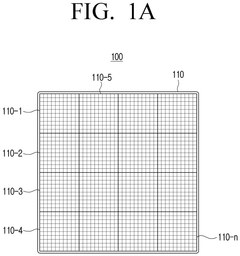
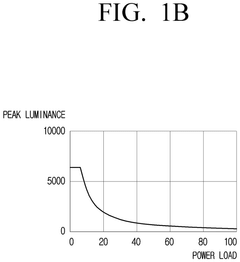
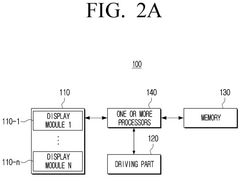
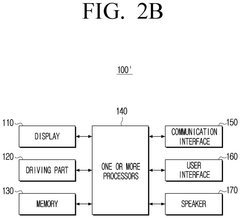
- A display device with a driving part that includes multiple driving modules connected to display areas, memory for storing current information, and processors to control the display. The processors use a trained AI model to identify images suitable for dynamic peaking, calculate peak luminance levels for each display area, and adjust the driving modules accordingly based on current information.
Energy Efficiency and Sustainability
The integration of AI with QLED display technology presents significant opportunities for enhancing energy efficiency and sustainability in the display industry. QLED displays already offer advantages in terms of power consumption compared to traditional LCD and OLED technologies. However, the incorporation of AI can further optimize energy usage and extend the lifespan of these displays.
AI algorithms can dynamically adjust brightness and contrast levels based on ambient lighting conditions and content being displayed. This intelligent adaptation ensures optimal viewing experience while minimizing unnecessary power consumption. Machine learning models can analyze user behavior patterns and preferences to predict optimal display settings, further reducing energy waste.
Moreover, AI-driven predictive maintenance can significantly extend the lifespan of QLED displays. By continuously monitoring performance parameters and detecting early signs of degradation, AI systems can recommend timely interventions to prevent premature failure. This proactive approach not only reduces electronic waste but also enhances the overall sustainability of QLED technology.
The integration of AI can also optimize the manufacturing process of QLED displays. Machine learning algorithms can fine-tune production parameters, reducing material waste and improving yield rates. This leads to more efficient use of resources and a smaller environmental footprint for each unit produced.
In terms of recycling and end-of-life management, AI can play a crucial role in improving the circularity of QLED displays. Advanced image recognition and sorting algorithms can enhance the efficiency of recycling processes, enabling more effective recovery of valuable materials from discarded displays.
Furthermore, AI-powered supply chain optimization can reduce the carbon footprint associated with the production and distribution of QLED displays. By predicting demand patterns and optimizing logistics, companies can minimize overproduction and reduce transportation-related emissions.
As the display industry moves towards more sustainable practices, the synergy between QLED technology and AI offers a promising path forward. By leveraging AI to enhance energy efficiency, extend product lifespan, optimize manufacturing, and improve recycling processes, QLED displays can significantly reduce their environmental impact while delivering superior performance to consumers.
AI algorithms can dynamically adjust brightness and contrast levels based on ambient lighting conditions and content being displayed. This intelligent adaptation ensures optimal viewing experience while minimizing unnecessary power consumption. Machine learning models can analyze user behavior patterns and preferences to predict optimal display settings, further reducing energy waste.
Moreover, AI-driven predictive maintenance can significantly extend the lifespan of QLED displays. By continuously monitoring performance parameters and detecting early signs of degradation, AI systems can recommend timely interventions to prevent premature failure. This proactive approach not only reduces electronic waste but also enhances the overall sustainability of QLED technology.
The integration of AI can also optimize the manufacturing process of QLED displays. Machine learning algorithms can fine-tune production parameters, reducing material waste and improving yield rates. This leads to more efficient use of resources and a smaller environmental footprint for each unit produced.
In terms of recycling and end-of-life management, AI can play a crucial role in improving the circularity of QLED displays. Advanced image recognition and sorting algorithms can enhance the efficiency of recycling processes, enabling more effective recovery of valuable materials from discarded displays.
Furthermore, AI-powered supply chain optimization can reduce the carbon footprint associated with the production and distribution of QLED displays. By predicting demand patterns and optimizing logistics, companies can minimize overproduction and reduce transportation-related emissions.
As the display industry moves towards more sustainable practices, the synergy between QLED technology and AI offers a promising path forward. By leveraging AI to enhance energy efficiency, extend product lifespan, optimize manufacturing, and improve recycling processes, QLED displays can significantly reduce their environmental impact while delivering superior performance to consumers.
User Experience and Interaction Design
The integration of AI with QLED displays is revolutionizing user experience and interaction design, creating more intuitive and personalized interfaces. AI algorithms can analyze user behavior patterns and preferences, allowing QLED displays to adapt their content and settings in real-time. This dynamic adjustment enhances visual comfort and engagement, tailoring the viewing experience to individual users.
AI-powered gesture and voice recognition systems are transforming how users interact with QLED displays. These advanced input methods enable more natural and effortless control, eliminating the need for traditional remote controls or touch interfaces. Users can navigate content, adjust settings, and access features through simple hand movements or voice commands, creating a more immersive and seamless interaction experience.
Contextual awareness is another key aspect of AI integration in QLED displays. By leveraging sensors and data from connected devices, AI can understand the user's environment and activities, adjusting display parameters accordingly. For instance, the display might automatically dim in low-light conditions or increase contrast when bright sunlight is detected, ensuring optimal visibility and reducing eye strain.
Personalization is a significant benefit of AI-enhanced QLED displays. Machine learning algorithms can analyze viewing habits, content preferences, and usage patterns to create tailored recommendations and customized user interfaces. This level of personalization not only improves user satisfaction but also increases engagement and time spent interacting with the display.
AI-driven accessibility features are expanding the usability of QLED displays for individuals with disabilities. Advanced image recognition and natural language processing can provide real-time audio descriptions for visually impaired users or generate closed captions for those with hearing impairments. These AI-powered assistive technologies make QLED displays more inclusive and user-friendly for a broader audience.
The integration of AI also enables predictive maintenance and self-optimization of QLED displays. By continuously monitoring performance metrics and user feedback, AI algorithms can detect potential issues before they become noticeable, schedule maintenance, or adjust display parameters to maintain optimal performance over time. This proactive approach enhances reliability and extends the lifespan of QLED displays, improving overall user satisfaction and reducing downtime.
AI-powered gesture and voice recognition systems are transforming how users interact with QLED displays. These advanced input methods enable more natural and effortless control, eliminating the need for traditional remote controls or touch interfaces. Users can navigate content, adjust settings, and access features through simple hand movements or voice commands, creating a more immersive and seamless interaction experience.
Contextual awareness is another key aspect of AI integration in QLED displays. By leveraging sensors and data from connected devices, AI can understand the user's environment and activities, adjusting display parameters accordingly. For instance, the display might automatically dim in low-light conditions or increase contrast when bright sunlight is detected, ensuring optimal visibility and reducing eye strain.
Personalization is a significant benefit of AI-enhanced QLED displays. Machine learning algorithms can analyze viewing habits, content preferences, and usage patterns to create tailored recommendations and customized user interfaces. This level of personalization not only improves user satisfaction but also increases engagement and time spent interacting with the display.
AI-driven accessibility features are expanding the usability of QLED displays for individuals with disabilities. Advanced image recognition and natural language processing can provide real-time audio descriptions for visually impaired users or generate closed captions for those with hearing impairments. These AI-powered assistive technologies make QLED displays more inclusive and user-friendly for a broader audience.
The integration of AI also enables predictive maintenance and self-optimization of QLED displays. By continuously monitoring performance metrics and user feedback, AI algorithms can detect potential issues before they become noticeable, schedule maintenance, or adjust display parameters to maintain optimal performance over time. This proactive approach enhances reliability and extends the lifespan of QLED displays, improving overall user satisfaction and reducing downtime.
Unlock deeper insights with PatSnap Eureka Quick Research — get a full tech report to explore trends and direct your research. Try now!
Generate Your Research Report Instantly with AI Agent
Supercharge your innovation with PatSnap Eureka AI Agent Platform!