Silicone Rubber: Elevating Performance in High-Temperature Settings
JUL 8, 20259 MIN READ
Generate Your Research Report Instantly with AI Agent
Patsnap Eureka helps you evaluate technical feasibility & market potential.
Silicone Rubber Evolution and Objectives
Silicone rubber has a rich history dating back to the 1940s when it was first developed as a high-performance elastomer. Initially used in niche applications, its unique properties quickly garnered attention across various industries. The evolution of silicone rubber has been driven by the increasing demand for materials capable of withstanding extreme conditions, particularly high temperatures.
In the early stages, silicone rubber was primarily utilized in aerospace and automotive industries due to its thermal stability and resistance to weathering. As manufacturing processes improved, the material found its way into consumer products, medical devices, and construction applications. The continuous refinement of silicone rubber formulations has led to significant enhancements in its performance characteristics over the decades.
The primary objective in the development of silicone rubber for high-temperature settings has been to push the boundaries of its thermal resistance while maintaining or improving other desirable properties. Researchers and engineers have focused on enhancing the material's ability to retain its elasticity, strength, and electrical insulation properties at elevated temperatures.
One of the key trends in silicone rubber evolution has been the incorporation of reinforcing fillers and additives. These additions have allowed for the creation of specialized compounds tailored for specific high-temperature applications. For instance, the integration of silica particles has improved the material's mechanical strength and tear resistance at high temperatures.
Another significant development has been the advancement in cross-linking technologies. Modern silicone rubbers utilize sophisticated cross-linking agents and catalysts that enable more efficient and uniform curing processes. This has resulted in materials with improved thermal stability and reduced degradation under prolonged exposure to high temperatures.
The ongoing research in silicone rubber technology aims to address several critical objectives. These include extending the upper temperature limit of silicone rubber applications, improving its resistance to thermal cycling, and enhancing its overall durability in harsh environments. Additionally, there is a growing focus on developing silicone rubber formulations that combine high-temperature performance with other specialized properties such as flame retardancy, chemical resistance, and biocompatibility.
As industries continue to push the boundaries of operational conditions, the evolution of silicone rubber remains crucial. The material's ability to perform in high-temperature settings is not only a testament to its versatility but also a driving force for innovation in polymer science and materials engineering.
In the early stages, silicone rubber was primarily utilized in aerospace and automotive industries due to its thermal stability and resistance to weathering. As manufacturing processes improved, the material found its way into consumer products, medical devices, and construction applications. The continuous refinement of silicone rubber formulations has led to significant enhancements in its performance characteristics over the decades.
The primary objective in the development of silicone rubber for high-temperature settings has been to push the boundaries of its thermal resistance while maintaining or improving other desirable properties. Researchers and engineers have focused on enhancing the material's ability to retain its elasticity, strength, and electrical insulation properties at elevated temperatures.
One of the key trends in silicone rubber evolution has been the incorporation of reinforcing fillers and additives. These additions have allowed for the creation of specialized compounds tailored for specific high-temperature applications. For instance, the integration of silica particles has improved the material's mechanical strength and tear resistance at high temperatures.
Another significant development has been the advancement in cross-linking technologies. Modern silicone rubbers utilize sophisticated cross-linking agents and catalysts that enable more efficient and uniform curing processes. This has resulted in materials with improved thermal stability and reduced degradation under prolonged exposure to high temperatures.
The ongoing research in silicone rubber technology aims to address several critical objectives. These include extending the upper temperature limit of silicone rubber applications, improving its resistance to thermal cycling, and enhancing its overall durability in harsh environments. Additionally, there is a growing focus on developing silicone rubber formulations that combine high-temperature performance with other specialized properties such as flame retardancy, chemical resistance, and biocompatibility.
As industries continue to push the boundaries of operational conditions, the evolution of silicone rubber remains crucial. The material's ability to perform in high-temperature settings is not only a testament to its versatility but also a driving force for innovation in polymer science and materials engineering.
High-Temp Market Demand Analysis
The demand for high-temperature silicone rubber products has been steadily increasing across various industries, driven by the growing need for materials that can withstand extreme conditions. The automotive sector, in particular, has shown a significant surge in demand for high-temperature silicone rubber components. With the rise of electric vehicles and the continuous evolution of internal combustion engines, there is an increasing requirement for materials that can maintain their properties under elevated temperatures.
In the aerospace industry, the push for more efficient and lightweight aircraft has led to a greater adoption of high-temperature silicone rubber in seals, gaskets, and insulation materials. The ability of these materials to retain their flexibility and performance characteristics at extreme temperatures makes them invaluable in this sector.
The electronics industry has also become a major consumer of high-temperature silicone rubber products. As electronic devices become more compact and powerful, the need for effective heat management solutions has grown. High-temperature silicone rubber is increasingly used in thermal interface materials, encapsulants, and protective coatings for electronic components.
The energy sector, particularly in renewable energy applications such as solar panels and wind turbines, has shown a rising demand for high-temperature silicone rubber. These materials play a crucial role in ensuring the longevity and efficiency of energy-generating equipment exposed to harsh environmental conditions.
Market analysts project that the global high-temperature silicone rubber market will continue to expand at a compound annual growth rate (CAGR) of over 6% in the coming years. This growth is attributed to the increasing industrialization in emerging economies, the ongoing technological advancements in various sectors, and the stringent regulations regarding safety and performance in high-temperature applications.
The healthcare industry has also emerged as a significant consumer of high-temperature silicone rubber products. The material's biocompatibility, coupled with its ability to withstand sterilization processes, makes it ideal for medical devices and equipment that require high-temperature resistance.
As industries continue to push the boundaries of performance and efficiency, the demand for advanced high-temperature silicone rubber formulations is expected to rise. Manufacturers are investing in research and development to create products with even higher temperature resistance, improved mechanical properties, and enhanced durability. This ongoing innovation is likely to open up new application areas and further drive market growth in the coming years.
In the aerospace industry, the push for more efficient and lightweight aircraft has led to a greater adoption of high-temperature silicone rubber in seals, gaskets, and insulation materials. The ability of these materials to retain their flexibility and performance characteristics at extreme temperatures makes them invaluable in this sector.
The electronics industry has also become a major consumer of high-temperature silicone rubber products. As electronic devices become more compact and powerful, the need for effective heat management solutions has grown. High-temperature silicone rubber is increasingly used in thermal interface materials, encapsulants, and protective coatings for electronic components.
The energy sector, particularly in renewable energy applications such as solar panels and wind turbines, has shown a rising demand for high-temperature silicone rubber. These materials play a crucial role in ensuring the longevity and efficiency of energy-generating equipment exposed to harsh environmental conditions.
Market analysts project that the global high-temperature silicone rubber market will continue to expand at a compound annual growth rate (CAGR) of over 6% in the coming years. This growth is attributed to the increasing industrialization in emerging economies, the ongoing technological advancements in various sectors, and the stringent regulations regarding safety and performance in high-temperature applications.
The healthcare industry has also emerged as a significant consumer of high-temperature silicone rubber products. The material's biocompatibility, coupled with its ability to withstand sterilization processes, makes it ideal for medical devices and equipment that require high-temperature resistance.
As industries continue to push the boundaries of performance and efficiency, the demand for advanced high-temperature silicone rubber formulations is expected to rise. Manufacturers are investing in research and development to create products with even higher temperature resistance, improved mechanical properties, and enhanced durability. This ongoing innovation is likely to open up new application areas and further drive market growth in the coming years.
Current Challenges in Silicone Rubber Tech
Silicone rubber, despite its widespread use in high-temperature applications, faces several significant challenges that limit its performance and durability in extreme conditions. One of the primary issues is thermal degradation, which occurs when silicone rubber is exposed to prolonged high temperatures. This degradation process leads to a breakdown of the polymer structure, resulting in a loss of mechanical properties and reduced service life.
Another critical challenge is the trade-off between heat resistance and mechanical strength. As silicone rubber formulations are modified to withstand higher temperatures, they often sacrifice flexibility and elasticity. This compromise can lead to brittleness and cracking under stress, particularly in applications that require both heat resistance and mechanical durability.
The issue of thermal conductivity also presents a significant hurdle. While silicone rubber is valued for its insulating properties, in some high-temperature applications, improved heat dissipation is necessary. Enhancing thermal conductivity without compromising other essential properties remains a complex challenge for material scientists and engineers.
Outgassing is another concern in high-temperature settings, especially in aerospace and electronics applications. At elevated temperatures, silicone rubber can release volatile organic compounds (VOCs), which may contaminate sensitive components or interfere with other materials in the system. Developing formulations that minimize outgassing while maintaining high-temperature performance is an ongoing challenge.
The interaction between silicone rubber and other materials at high temperatures also presents difficulties. In composite structures or multi-material assemblies, differences in thermal expansion coefficients can lead to stress, delamination, or failure at material interfaces. Ensuring compatibility and adhesion under extreme thermal conditions requires careful material selection and design considerations.
Furthermore, the long-term stability of additives and fillers used to enhance high-temperature performance is a persistent issue. These components may degrade or migrate over time, leading to a gradual decline in the material's properties. Developing stable, high-performance additives that remain effective throughout the material's service life is an ongoing area of research and development.
Lastly, the challenge of accurately predicting and modeling the behavior of silicone rubber in high-temperature environments remains. The complex interplay of chemical, physical, and mechanical changes that occur under extreme conditions makes it difficult to develop reliable predictive models. This limitation hampers the design process and necessitates extensive empirical testing, which can be time-consuming and costly.
Another critical challenge is the trade-off between heat resistance and mechanical strength. As silicone rubber formulations are modified to withstand higher temperatures, they often sacrifice flexibility and elasticity. This compromise can lead to brittleness and cracking under stress, particularly in applications that require both heat resistance and mechanical durability.
The issue of thermal conductivity also presents a significant hurdle. While silicone rubber is valued for its insulating properties, in some high-temperature applications, improved heat dissipation is necessary. Enhancing thermal conductivity without compromising other essential properties remains a complex challenge for material scientists and engineers.
Outgassing is another concern in high-temperature settings, especially in aerospace and electronics applications. At elevated temperatures, silicone rubber can release volatile organic compounds (VOCs), which may contaminate sensitive components or interfere with other materials in the system. Developing formulations that minimize outgassing while maintaining high-temperature performance is an ongoing challenge.
The interaction between silicone rubber and other materials at high temperatures also presents difficulties. In composite structures or multi-material assemblies, differences in thermal expansion coefficients can lead to stress, delamination, or failure at material interfaces. Ensuring compatibility and adhesion under extreme thermal conditions requires careful material selection and design considerations.
Furthermore, the long-term stability of additives and fillers used to enhance high-temperature performance is a persistent issue. These components may degrade or migrate over time, leading to a gradual decline in the material's properties. Developing stable, high-performance additives that remain effective throughout the material's service life is an ongoing area of research and development.
Lastly, the challenge of accurately predicting and modeling the behavior of silicone rubber in high-temperature environments remains. The complex interplay of chemical, physical, and mechanical changes that occur under extreme conditions makes it difficult to develop reliable predictive models. This limitation hampers the design process and necessitates extensive empirical testing, which can be time-consuming and costly.
Existing High-Temp Silicone Solutions
01 Improved mechanical properties of silicone rubber
Various methods are employed to enhance the mechanical properties of silicone rubber, including tensile strength, elongation, and tear resistance. This can be achieved through the incorporation of reinforcing fillers, optimizing the curing process, or using specific additives. These improvements make silicone rubber more durable and suitable for a wider range of applications.- Improved mechanical properties of silicone rubber: Various methods and compositions are used to enhance the mechanical properties of silicone rubber, including tensile strength, elongation, and tear resistance. This can be achieved through the incorporation of specific additives, fillers, or by modifying the polymer structure.
- Heat resistance and thermal stability: Techniques are developed to improve the heat resistance and thermal stability of silicone rubber, allowing it to maintain its properties at high temperatures. This can involve the use of specific cross-linking agents, heat-resistant additives, or modifications to the silicone backbone.
- Electrical insulation properties: Methods to enhance the electrical insulation properties of silicone rubber are explored, making it suitable for various electrical and electronic applications. This can include the incorporation of specific fillers or additives that improve dielectric strength and resistivity.
- Chemical resistance and durability: Formulations and processing techniques are developed to improve the chemical resistance and overall durability of silicone rubber. This can involve the use of specific additives or surface treatments to enhance resistance to oils, solvents, and other aggressive chemicals.
- Optical and surface properties: Innovations in silicone rubber formulations focus on enhancing optical clarity, light transmission, and surface properties such as hydrophobicity or hydrophilicity. This can involve the use of specific additives, surface treatments, or modifications to the polymer structure.
02 Heat resistance and thermal stability
Silicone rubber formulations are developed to withstand high temperatures and maintain their properties over extended periods of exposure to heat. This involves the use of specific silicone polymers, cross-linking agents, and heat-stabilizing additives. The improved heat resistance allows for applications in automotive, aerospace, and industrial sectors where high-temperature performance is critical.Expand Specific Solutions03 Electrical insulation properties
Silicone rubber compositions are tailored to provide excellent electrical insulation properties. This includes high dielectric strength, low dielectric constant, and good arc resistance. These properties are achieved through careful selection of base polymers and additives, making silicone rubber ideal for use in electrical and electronic applications.Expand Specific Solutions04 Chemical resistance and weatherability
Formulations are developed to enhance the chemical resistance and weatherability of silicone rubber. This involves incorporating specific additives and modifying the polymer structure to resist degradation from UV radiation, ozone, and various chemicals. These improvements extend the lifespan of silicone rubber products in outdoor and harsh chemical environments.Expand Specific Solutions05 Customized performance for specific applications
Silicone rubber compositions are tailored for specific end-use requirements, such as medical grade silicones, food-safe formulations, or specialty automotive applications. This involves careful selection of raw materials, processing methods, and additives to meet stringent performance criteria while maintaining biocompatibility, low toxicity, or other application-specific properties.Expand Specific Solutions
Key Players in Silicone Industry
The silicone rubber industry for high-temperature applications is in a mature growth phase, characterized by steady market expansion and ongoing technological advancements. The global market size for high-temperature silicone rubber is projected to reach several billion dollars by 2025, driven by increasing demand in automotive, aerospace, and electronics sectors. Leading players like Shin-Etsu Chemical, Wacker Chemie, and Dow Silicones dominate the market with their advanced product portfolios and strong R&D capabilities. Emerging companies such as Zhejiang Xinan Chemical and Jiangsu Tianchen New Materials are also making significant strides in product innovation. The technology is well-established, but continuous improvements in heat resistance, durability, and specialized formulations are pushing the boundaries of silicone rubber performance in extreme temperature environments.
Shin-Etsu Chemical Co., Ltd.
Technical Solution: Shin-Etsu Chemical has developed advanced silicone rubber compounds specifically designed for high-temperature applications. Their proprietary formulations incorporate heat-resistant additives and cross-linking agents that maintain structural integrity at temperatures up to 300°C [1]. The company's silicone rubber products feature improved thermal stability, reduced outgassing, and enhanced electrical insulation properties at elevated temperatures [2]. Shin-Etsu has also introduced fluorosilicone rubber variants that offer superior chemical resistance in high-temperature environments, making them suitable for automotive and aerospace applications [3].
Strengths: Industry-leading thermal stability, wide range of specialized formulations, and extensive R&D capabilities. Weaknesses: Higher cost compared to conventional rubber materials, limited flexibility in extreme cold temperatures.
Wacker Chemie AG
Technical Solution: Wacker Chemie has developed ELASTOSIL® R plus 4370/60, a high-temperature resistant silicone rubber compound. This material maintains its elasticity and mechanical properties at temperatures up to 285°C for extended periods [4]. The company's HCR silicone rubber series incorporates proprietary stabilizers and reinforcing fillers to enhance long-term heat resistance [5]. Wacker has also introduced ELASTOSIL® LR 3003/60 FR, a liquid silicone rubber grade that combines high-temperature performance with flame retardancy, meeting stringent industry standards such as UL94 V-0 [6].
Strengths: Comprehensive product portfolio, excellent long-term heat stability, and compliance with industry standards. Weaknesses: Relatively high production costs, potential for reduced tear strength at extreme temperatures.
Core Innovations in Heat-Resistant Silicones
Heat resistant silicone rubber composition
PatentInactiveJP2016518461A
Innovation
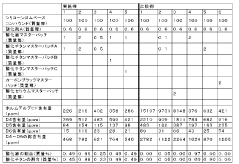
- Incorporating titanium oxide and iron oxide in amounts of 0.1% by mass or more into the silicone rubber composition, with titanium oxide having a BET specific surface area of 10 m²/g or more, to reduce the generation of formaldehyde and low-molecular-weight organosiloxanes.
Millable silicone rubber composition
PatentWO2024128165A1
Innovation
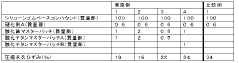
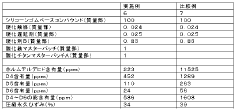
- A millable silicone rubber composition is developed by blending a platinum compound, titanium oxide, cerium oxide, and magnesium ferrite with an organopolysiloxane and reinforcing silica, along with an organic peroxide, to create a cured product with enhanced heat resistance and flame retardancy.

Environmental Impact of Silicone Production
The production of silicone rubber, while offering numerous benefits for high-temperature applications, also raises significant environmental concerns. The manufacturing process involves energy-intensive steps and the use of potentially harmful chemicals, which can have far-reaching ecological impacts if not properly managed.
One of the primary environmental issues associated with silicone production is the energy consumption required for the various stages of manufacturing. The process typically involves high-temperature reactions and energy-intensive purification steps, contributing to increased carbon emissions and greenhouse gas production. This energy demand often relies on fossil fuel sources, further exacerbating the carbon footprint of silicone rubber production.
Chemical usage in silicone manufacturing also poses environmental risks. The production of silicone rubber involves the use of chlorosilanes, which can release hydrochloric acid as a byproduct. If not properly contained and treated, this acid can lead to soil and water contamination, potentially harming local ecosystems and biodiversity. Additionally, the use of organic solvents in the production process can result in the emission of volatile organic compounds (VOCs), contributing to air pollution and potentially affecting air quality in surrounding areas.
Water consumption is another significant environmental factor in silicone production. The manufacturing process requires substantial amounts of water for cooling and cleaning purposes. This high water demand can strain local water resources, particularly in water-scarce regions, and may lead to conflicts with other water users in the area.
Waste management is a critical aspect of the environmental impact of silicone production. The process generates various waste streams, including solid waste, wastewater, and air emissions. Proper treatment and disposal of these waste products are essential to minimize environmental contamination and comply with regulatory standards. Inadequate waste management practices can lead to long-term environmental degradation and potential health risks for nearby communities.
However, it is important to note that the silicone industry has been making efforts to improve its environmental performance. Many manufacturers are implementing cleaner production technologies, waste reduction strategies, and energy efficiency measures to mitigate their environmental impact. Some companies are also exploring the use of renewable energy sources and developing more sustainable production methods to reduce their carbon footprint.
Furthermore, the durability and long lifespan of silicone rubber products can potentially offset some of the environmental impacts associated with their production. The extended use of silicone rubber in high-temperature settings can reduce the need for frequent replacements, potentially leading to lower overall resource consumption and waste generation in the long term.
One of the primary environmental issues associated with silicone production is the energy consumption required for the various stages of manufacturing. The process typically involves high-temperature reactions and energy-intensive purification steps, contributing to increased carbon emissions and greenhouse gas production. This energy demand often relies on fossil fuel sources, further exacerbating the carbon footprint of silicone rubber production.
Chemical usage in silicone manufacturing also poses environmental risks. The production of silicone rubber involves the use of chlorosilanes, which can release hydrochloric acid as a byproduct. If not properly contained and treated, this acid can lead to soil and water contamination, potentially harming local ecosystems and biodiversity. Additionally, the use of organic solvents in the production process can result in the emission of volatile organic compounds (VOCs), contributing to air pollution and potentially affecting air quality in surrounding areas.
Water consumption is another significant environmental factor in silicone production. The manufacturing process requires substantial amounts of water for cooling and cleaning purposes. This high water demand can strain local water resources, particularly in water-scarce regions, and may lead to conflicts with other water users in the area.
Waste management is a critical aspect of the environmental impact of silicone production. The process generates various waste streams, including solid waste, wastewater, and air emissions. Proper treatment and disposal of these waste products are essential to minimize environmental contamination and comply with regulatory standards. Inadequate waste management practices can lead to long-term environmental degradation and potential health risks for nearby communities.
However, it is important to note that the silicone industry has been making efforts to improve its environmental performance. Many manufacturers are implementing cleaner production technologies, waste reduction strategies, and energy efficiency measures to mitigate their environmental impact. Some companies are also exploring the use of renewable energy sources and developing more sustainable production methods to reduce their carbon footprint.
Furthermore, the durability and long lifespan of silicone rubber products can potentially offset some of the environmental impacts associated with their production. The extended use of silicone rubber in high-temperature settings can reduce the need for frequent replacements, potentially leading to lower overall resource consumption and waste generation in the long term.
Regulatory Framework for Silicone Materials
The regulatory framework for silicone materials in high-temperature applications is a complex and evolving landscape. Globally, various regulatory bodies have established guidelines and standards to ensure the safety and performance of silicone rubber products in demanding thermal environments. The United States Food and Drug Administration (FDA) plays a crucial role in regulating silicone materials used in food contact applications, medical devices, and pharmaceutical packaging that may be exposed to high temperatures during processing or use.
In the European Union, the European Chemicals Agency (ECHA) oversees the Registration, Evaluation, Authorization, and Restriction of Chemicals (REACH) regulation, which impacts the production and use of silicone rubber compounds. REACH requires manufacturers and importers to assess and manage the risks associated with substances they produce or import, including those used in high-temperature silicone rubber formulations.
The International Organization for Standardization (ISO) has developed several standards relevant to silicone rubber in high-temperature settings. ISO 6502, for example, specifies methods for assessing the heat resistance of rubber and elastomers, which is particularly relevant for silicone materials designed for extreme thermal conditions.
Industry-specific regulations also govern the use of silicone rubber in high-temperature applications. In the automotive sector, the Society of Automotive Engineers (SAE) has established standards for materials used in engine compartments and other high-heat areas. The aerospace industry, regulated by entities such as the Federal Aviation Administration (FAA) and the European Union Aviation Safety Agency (EASA), imposes stringent requirements on materials used in aircraft engines and other high-temperature zones.
Environmental considerations are increasingly shaping the regulatory landscape for silicone materials. Many jurisdictions are implementing stricter controls on volatile organic compounds (VOCs) emissions, which can affect the formulation and curing processes of silicone rubber intended for high-temperature use. The European Union's Restriction of Hazardous Substances (RoHS) directive, while primarily focused on electronics, has implications for silicone rubber components used in high-temperature electronic applications.
As the demand for high-performance silicone rubber in extreme thermal environments continues to grow, regulatory bodies are likely to refine and expand their frameworks. This ongoing evolution presents both challenges and opportunities for manufacturers and researchers working to elevate the performance of silicone rubber in high-temperature settings. Staying abreast of these regulatory developments is crucial for ensuring compliance, driving innovation, and maintaining market competitiveness in this specialized field.
In the European Union, the European Chemicals Agency (ECHA) oversees the Registration, Evaluation, Authorization, and Restriction of Chemicals (REACH) regulation, which impacts the production and use of silicone rubber compounds. REACH requires manufacturers and importers to assess and manage the risks associated with substances they produce or import, including those used in high-temperature silicone rubber formulations.
The International Organization for Standardization (ISO) has developed several standards relevant to silicone rubber in high-temperature settings. ISO 6502, for example, specifies methods for assessing the heat resistance of rubber and elastomers, which is particularly relevant for silicone materials designed for extreme thermal conditions.
Industry-specific regulations also govern the use of silicone rubber in high-temperature applications. In the automotive sector, the Society of Automotive Engineers (SAE) has established standards for materials used in engine compartments and other high-heat areas. The aerospace industry, regulated by entities such as the Federal Aviation Administration (FAA) and the European Union Aviation Safety Agency (EASA), imposes stringent requirements on materials used in aircraft engines and other high-temperature zones.
Environmental considerations are increasingly shaping the regulatory landscape for silicone materials. Many jurisdictions are implementing stricter controls on volatile organic compounds (VOCs) emissions, which can affect the formulation and curing processes of silicone rubber intended for high-temperature use. The European Union's Restriction of Hazardous Substances (RoHS) directive, while primarily focused on electronics, has implications for silicone rubber components used in high-temperature electronic applications.
As the demand for high-performance silicone rubber in extreme thermal environments continues to grow, regulatory bodies are likely to refine and expand their frameworks. This ongoing evolution presents both challenges and opportunities for manufacturers and researchers working to elevate the performance of silicone rubber in high-temperature settings. Staying abreast of these regulatory developments is crucial for ensuring compliance, driving innovation, and maintaining market competitiveness in this specialized field.
Unlock deeper insights with Patsnap Eureka Quick Research — get a full tech report to explore trends and direct your research. Try now!
Generate Your Research Report Instantly with AI Agent
Supercharge your innovation with Patsnap Eureka AI Agent Platform!