
Fishing tool for snagged fishing line
a fishing line and fishing tool technology, applied in fishing, other angling devices, animal husbandry, etc., can solve the problems of fishing line being caught or snagged, fishing deep below the surface can be so challenging, fishing line is very strong, cable or braided lines are easy to catch and snag, etc., to facilitate the forceful pulling of snagged fishing lines
Patent Information
- Authority / Receiving Office
- US · United States
- Patent Type
- Patents(United States)
- Current Assignee / Owner
- Publication Date
- 2005-02-08
- Estimated Expiration
- Not applicable · inactive patent
Smart Images
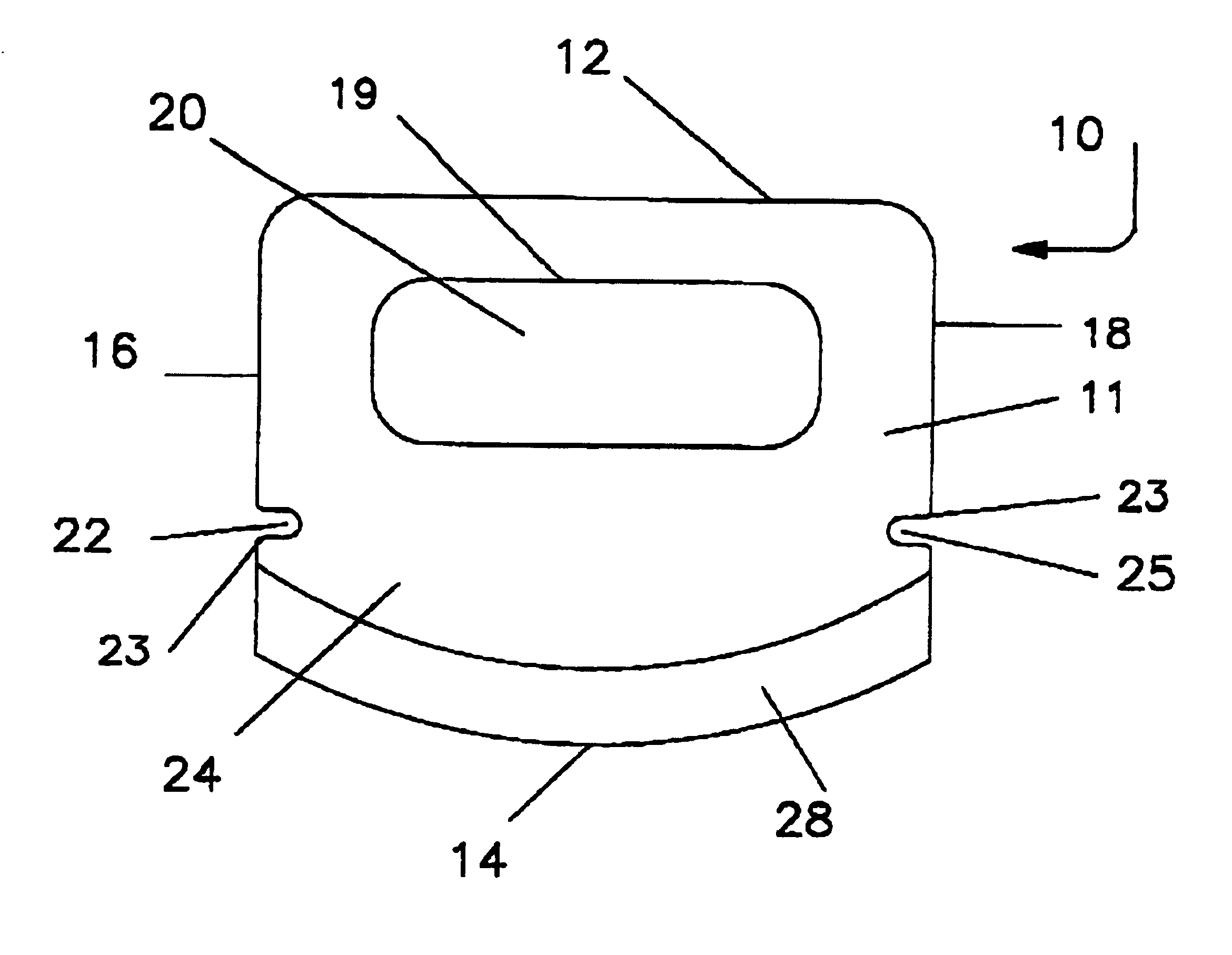
Figure 1 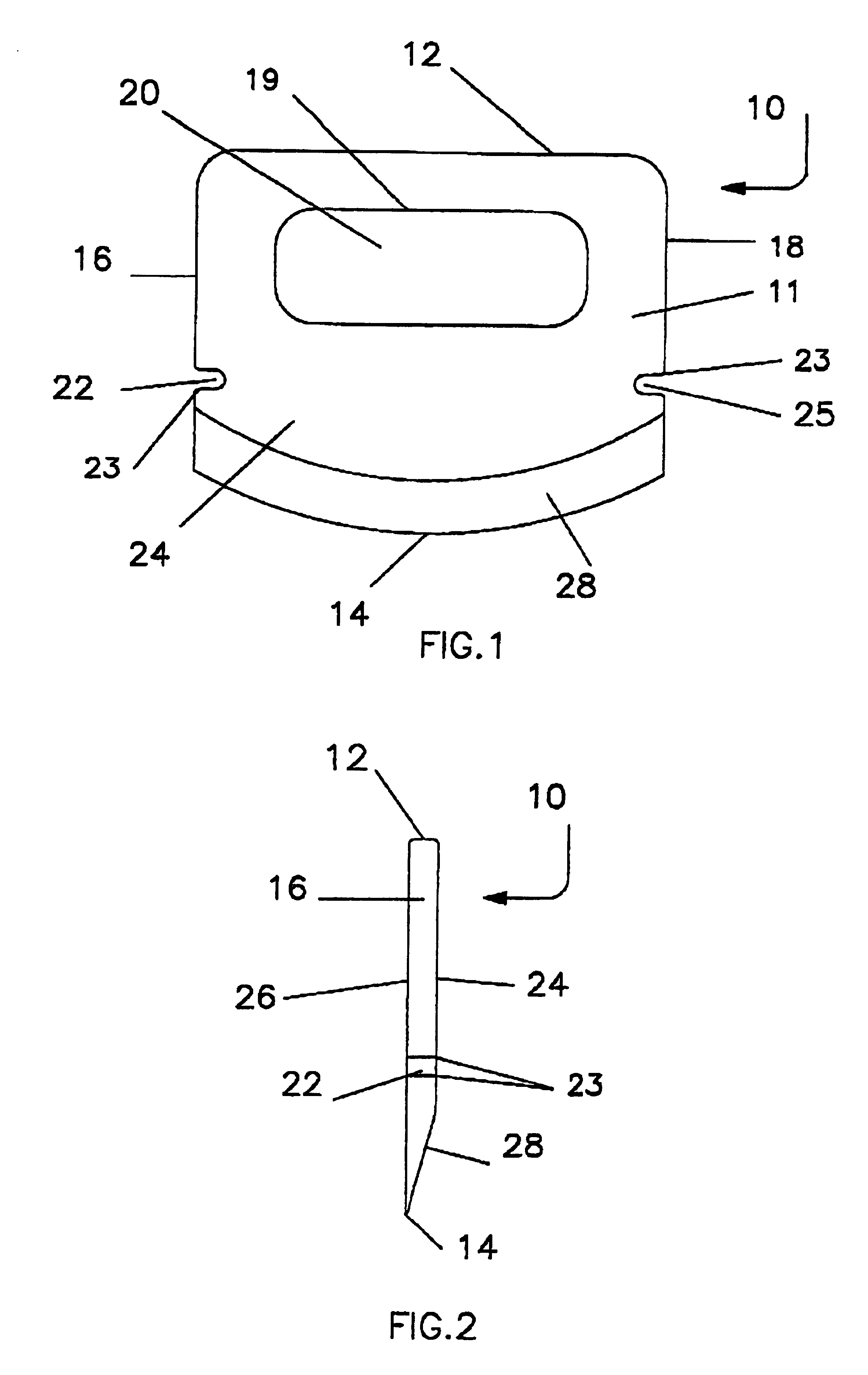
Figure 2 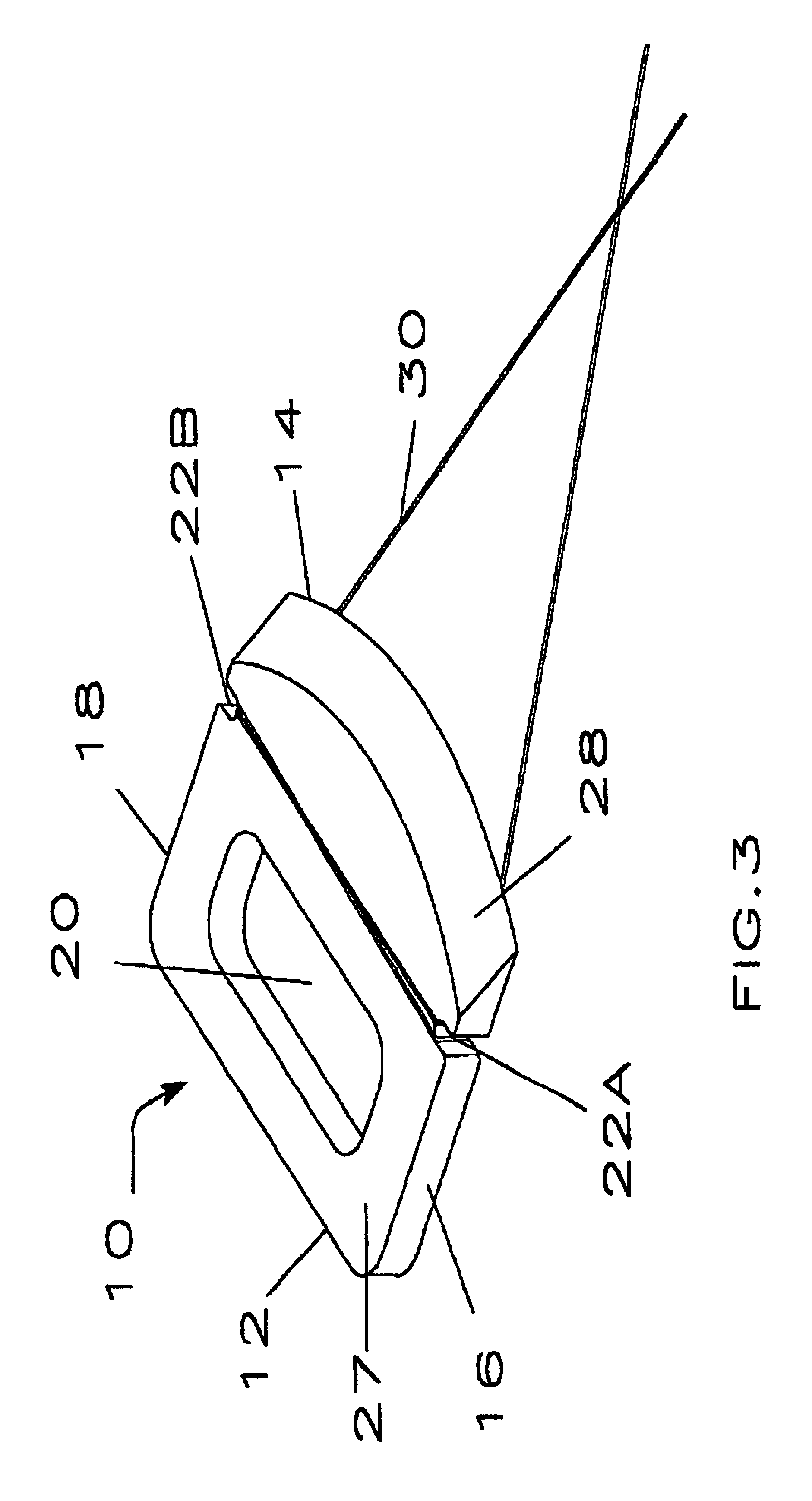
Figure 3
Abstract
Description
FIELD OF THE INVENTIONThis invention relates generally to fishing tools and, in particular, to fishing tools for releasing snagged fishing lines.BACKGROUND OF THE INVENTIONFishermen have long recognized that fishing the depths of most bodies of water can be rewarding since more fish are known to inhabit the bottom of these locations than the surface. The rocks, vegetation, and various debris that invest this region of a stream, lake, or pond serve as a welcome habitat for many fish.The very reason this environment is so inviting to a fish is why, however, fishing deep below the surface can also be so challenging. Many a fishing line has become caught or snagged when its hook, lure or other tackle gets entangled on a sunken tree limb or patch of submerged weeds.While cutting the line is always an option, most fishermen prefer at least attempting to free the snagged tackle by pulling and jerking on the line. The problem is that some fishing lines, especially cable or braided lines, ar...
Examples
Embodiment Construction
FIG. 1 shows a fishing tool 10 in accordance with this invention. Fishing tool 10 has a body 11 that includes an upper edge 12, a beveled lower edge 14 and first and second side edges 16, 18. Fishing tool 10 is also provided with a handle 19 in the form of a grip-aperture 20 spaced inward from upper edge 12 and sized to accommodate at least two fingers when held by the user.
Two notches 22 are spaced below grip-aperture 20, one along each side edge 16, 18. In the preferred embodiment illustrated by FIG. 1, notches 22 have flat and parallel notch-sidewalls 23 and a rounded bottom 25. Bottom 25 presents a curved profile.
As can be seen in FIG. 1, each notch 22 is substantially at a right angle with respect to corresponding side edge 16, 18. An orthogonal orientation for notches 22 with respect to side edges 16, 18 is highly preferred because it facilitates quicker release of line 30 from tool 10 after the line has been dislodged from its snag.
As further seen in FIG. 1, notches 22 are in...