
Antistatic drum cloth for mine
An electrostatic cylinder, mining technology, applied in the direction of fabrics, textiles, textiles and papermaking, can solve the problem of unsuitable weaving density of mine anti-static cylinder cloth, and achieve the effect of reasonable mechanical properties and high strength
Patent Information
- Authority / Receiving Office
- CN · China
- Current Assignee / Owner
- Publication Date
- 2010-08-04
- Estimated Expiration
- Not applicable · inactive patent
Smart Images
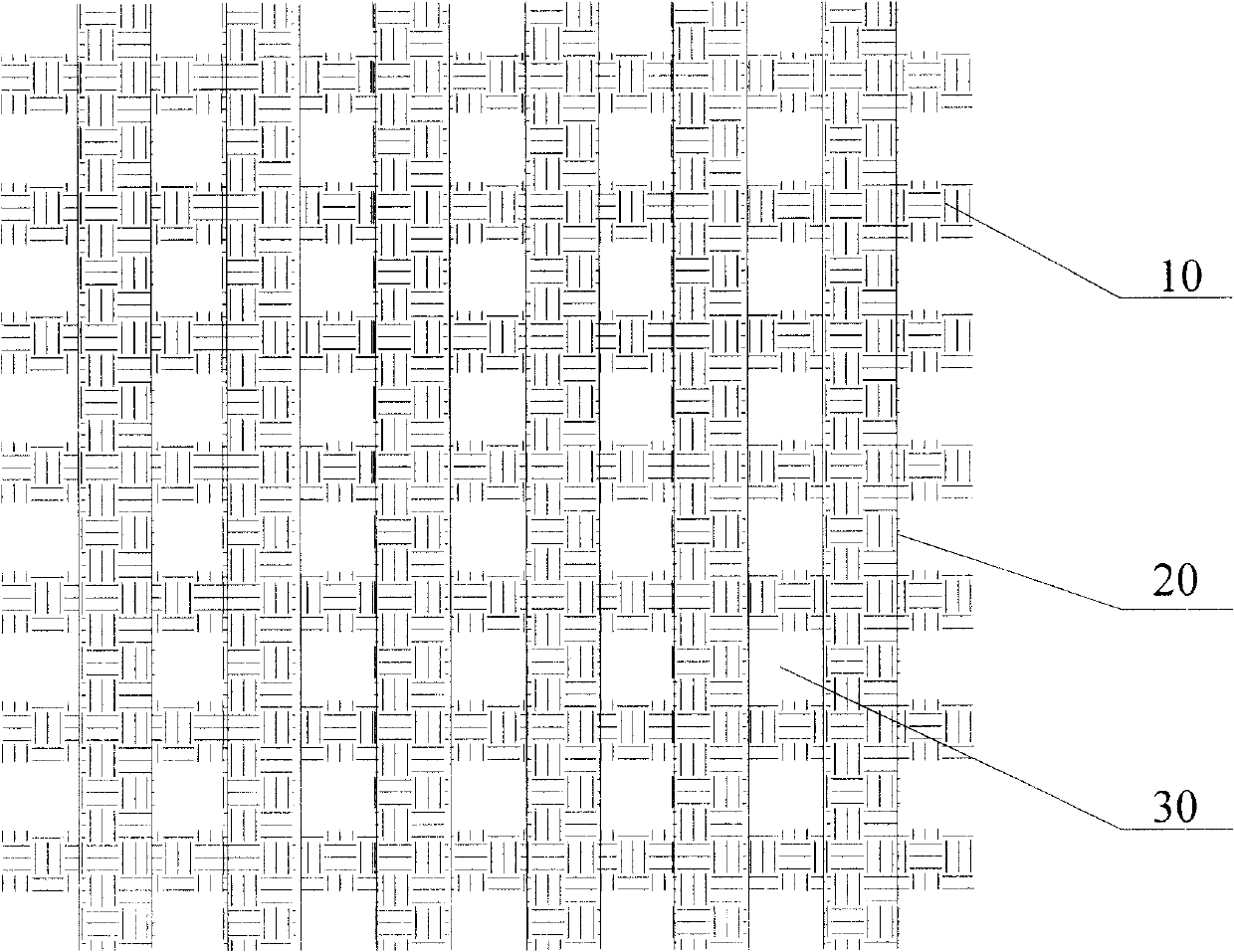
Figure 1 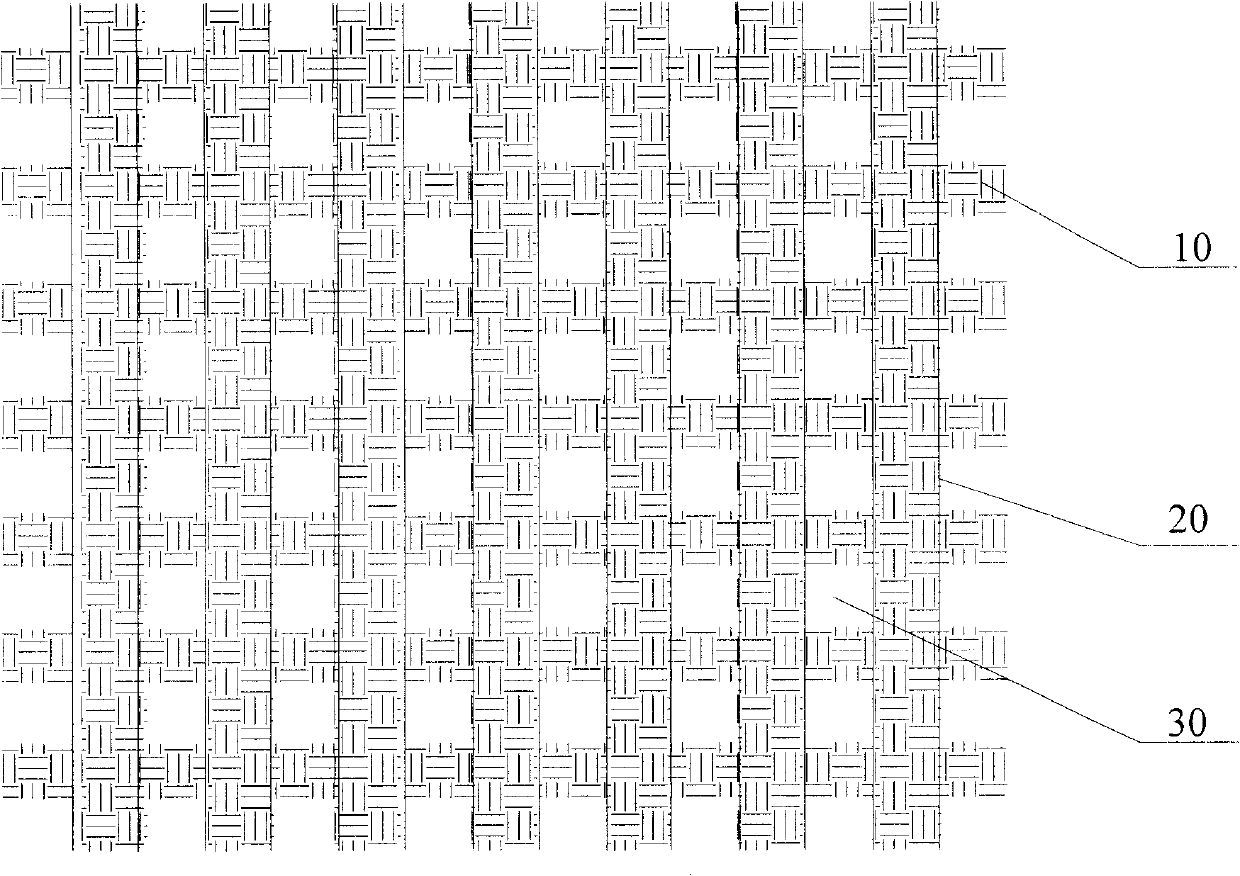
Figure 2 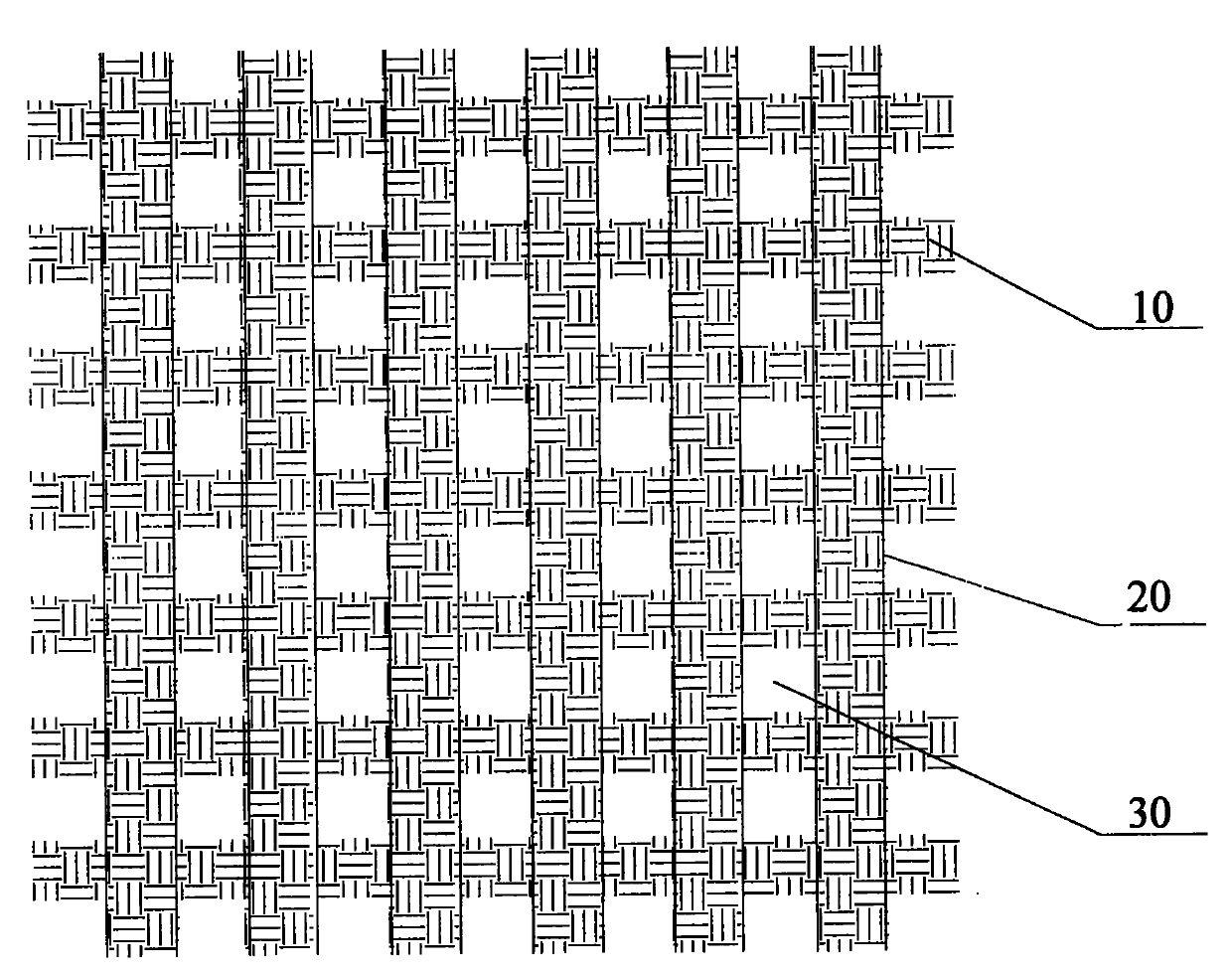
Figure 3
Abstract
Description
technical field
[0001] The invention relates to an antistatic cloth for mines. Background technique
[0002] In engineering construction, especially in the process of backfilling after mining (such as coal mines), special mine anti-static cloth bags are required to fill additives and a certain proportion of ore, slag, cement, coal gangue and other filling materials through high pressure. The pumping station injects into the working face after mining. Ensure that the filling material leaks water and does not leak slurry, and the filling material solidifies into a filling layer within a specified time to prevent the sinking of the goaf and prevent the mining area from collapsing or the tail dam from breaking. This bag is formed by interweaving monofilaments of a certain width in the warp direction (horizontal direction) and weft direction (vertical direction). Weave density to drain liquid water or waste in the bag.
[0003] But the existing mine antistatic tube cloth affec...
Examples
Embodiment Construction
[0020] The present invention will be described in detail below with reference to the accompanying drawings and in combination with embodiments.
[0021] figure 1 and figure 2 The top view structure of the antistatic cloth for mines according to the embodiment of the present invention is shown. Such as figure 1 and figure 2 As shown, the mine antistatic cloth according to the embodiment of the present invention is formed by interweaving monofilaments in the warp and weft directions, and within a square area of 2.5 cm by 2.5 cm, the number of monofilaments in the warp direction is at least 7 , up to 12; the number of monofilaments in the weft direction is at least 6 and up to 11. For example, the weave density is 7×6 or 12×11. The material and structure of the monofilament 10 in the warp direction and the monofilament 20 in the weft direction are generally the same, so as to be common and easy to manufacture. Of course, different materials and structures can also be con...