
Adaptive image scaling method based on content
An adaptive zooming and image technology, applied in the field of image processing, can solve problems such as information loss
Patent Information
- Authority / Receiving Office
- CN · China
- Current Assignee / Owner
- Publication Date
- 2011-11-23
- Estimated Expiration
- Not applicable · inactive patent
Smart Images
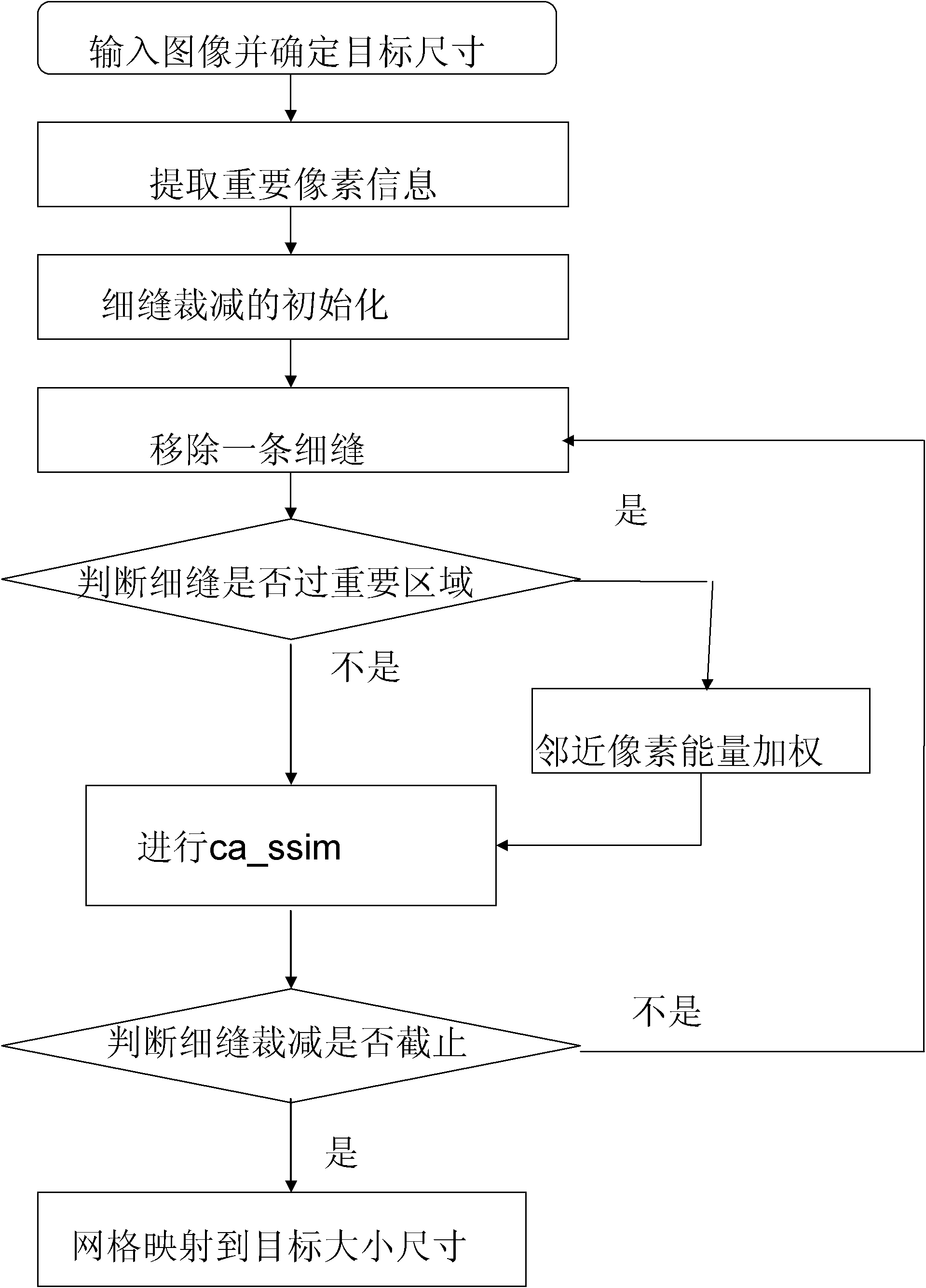
Figure 1 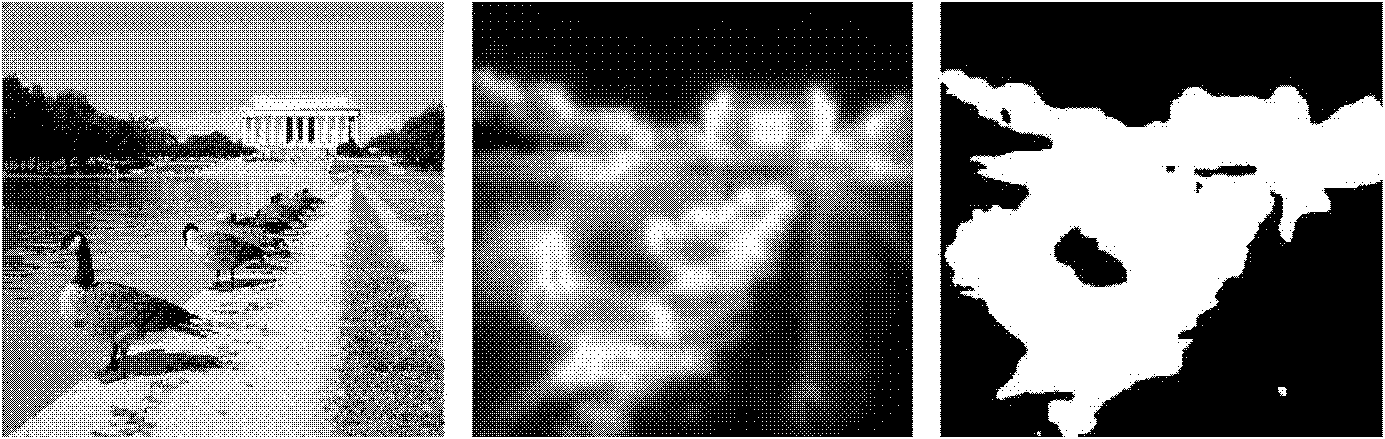
Figure 2 
Figure 3
Abstract
Description
technical field
[0001] The invention relates to the technical field of image processing, in particular to the research and realization of a content-based image adaptive scaling method. Specifically, it is a method of content adaptation based on the combination of fine seam cutting and grid mapping optimization. Background technique
[0002] With the rapid development of mobile multimedia technology, such as the continuous upgrading of mobile phones and high-definition televisions, display terminals of different types and sizes are emerging to meet various user needs. In order to ensure that users of different devices can comfortably watch the same image content, this requires an image relocation system to make the image content adaptive to user terminals of different sizes and different proportions. Research on adaptive technology that maintains the main content of the image has important application significance.
[0003] Many content adaptive methods have been proposed, ...
Examples
Embodiment Construction
[0057] In the specific implementation manner, with reference to the accompanying drawings, a complete method for evaluating the similarity of image content recognition based on the combination of thin seam cutting and grid mapping will be described.
[0058] The technical solution process is as attached to the manual figure 1 As shown, this embodiment is implemented for a BMP bitmap whose original image is 683*1024 pixels.
[0059] 1) Read in the original image with a size of 683*1024 as a reference image, attached to the manual figure 1 , which is 683 pixels wide and 1024 pixels high. And set the target size of the output image, its size is 683*768 pixels.
[0060] 2) Use the saliency map to extract the important information of the reference image, and use the threshold to set the pixels in the important area to 0 and the pixels in the non-important area to 1, and refer to these information to further evaluate the content of important information.
[0061] Further said s...