

Sample detection apparatus
A sample detection and sample technology, applied in the direction of measuring devices, sampling devices, instruments, etc., can solve the problems of inability to detect, inability to perform sufficient immune response, inability to perform immune response, etc.
Patent Information
- Authority / Receiving Office
- CN · China
- Patent Type
- Applications(China)
- Current Assignee / Owner
- Publication Date
- 2014-08-06
- Estimated Expiration
- Not applicable · inactive patent
Smart Images
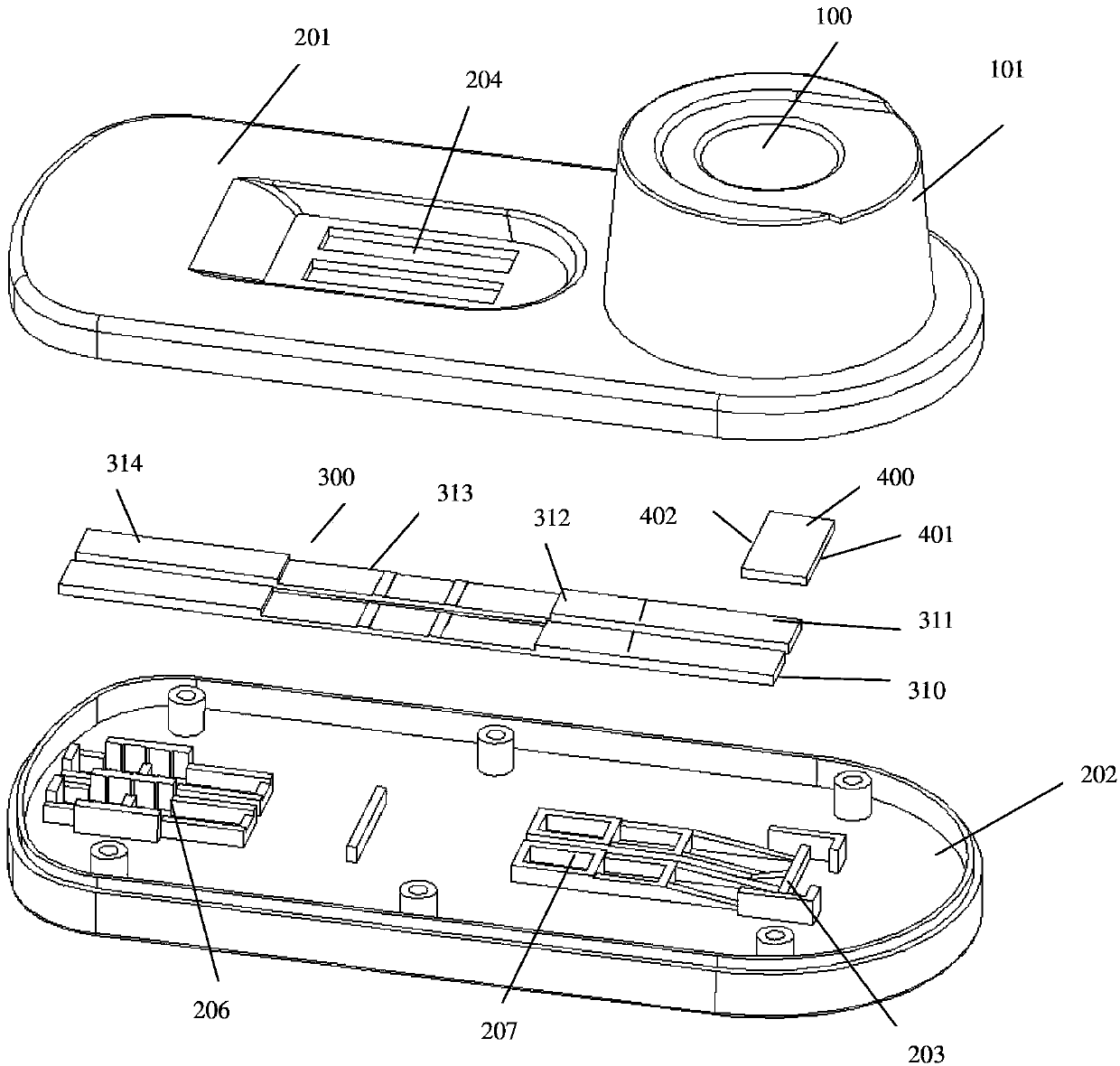
Figure 1 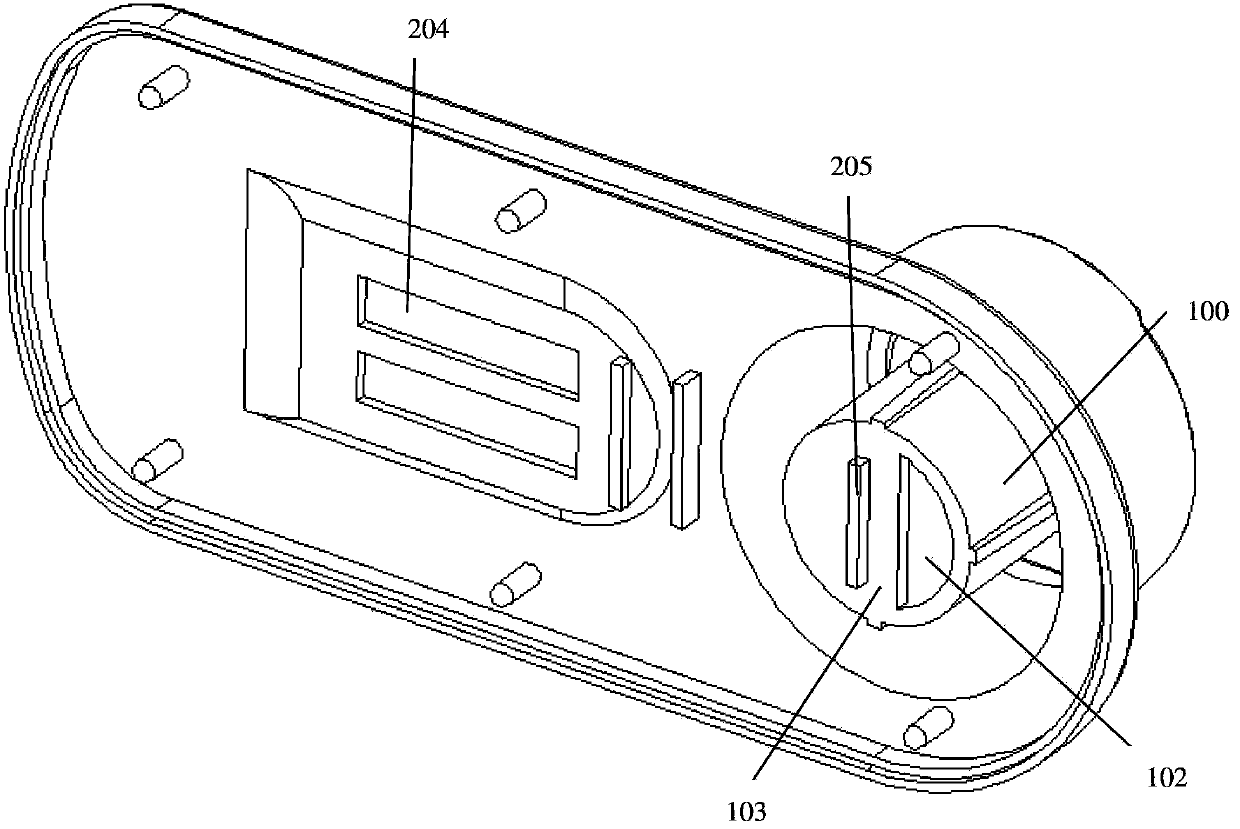
Figure 2 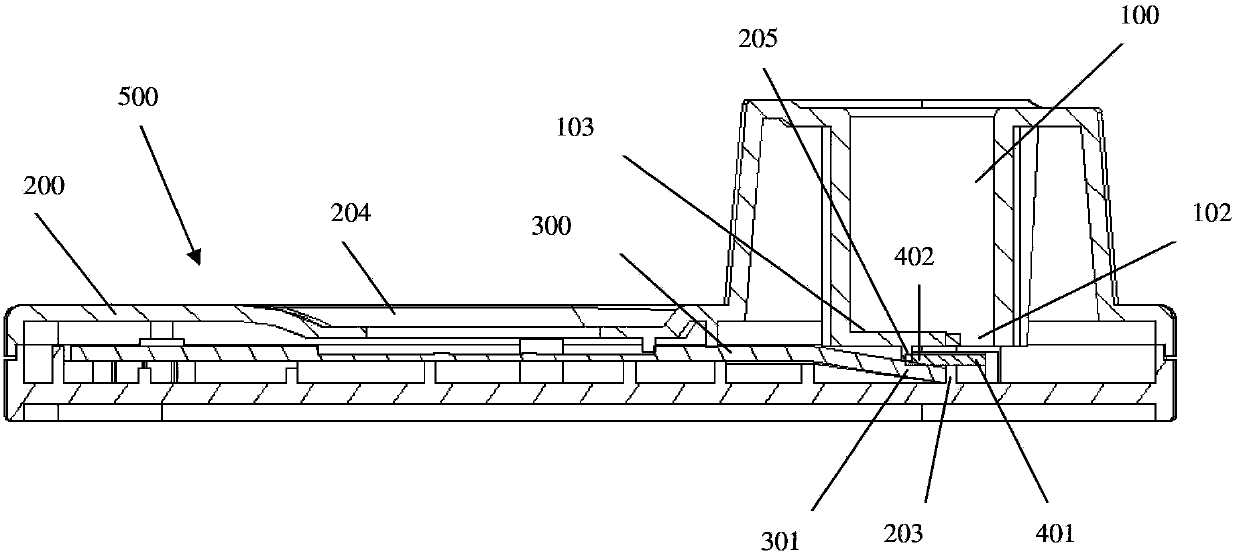
Figure 3
Abstract
Description
technical field
[0001] The invention relates to a sample detection device, in particular to a cavity of the sample detection device with both collection and detection functions. Background technique
[0002] Illegal drug abuse is a well-recognized and worsening social problem in our society. In 2003, the US Department of Health and Human Services found that about 19.5 million Americans, or 8.2% of the population over the age of 12, were taking illegal drugs. "Recent illicit drug use" refers to use of an illicit drug within the month preceding the investigation by the U.S. Department of Health and Human Services. Cannabis was found to be the most commonly used illicit drug, accounting for 6.2% (14.6 million). An estimated 2.3 million people (1.0%) are currently using cocaine, 604,000 have used crack, 1 million are using hallucinogens, and an estimated 119,000 are using heroin.
[0003] To combat drug abuse and monitor this social problem, drug testing has become a standard...
Examples
Embodiment