
Stable underwater communication node awakening signal detection method
A wake-up signal and underwater communication technology, applied in wireless communication, sustainable communication technology, advanced technology, etc., can solve the problems of low frequency resolution, poor ability to adapt to environmental noise, and increase false alarms
Patent Information
- Authority / Receiving Office
- CN · China
- Current Assignee / Owner
- Publication Date
- 2016-04-06
Smart Images
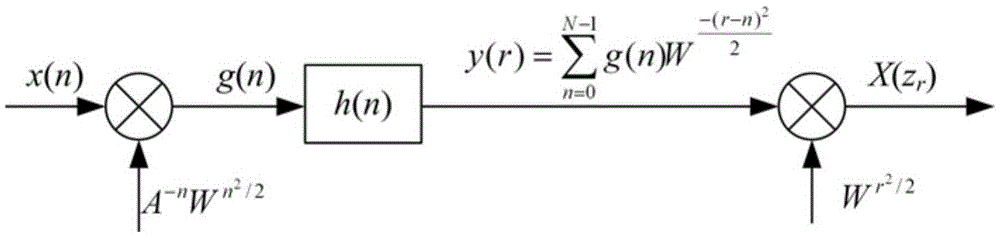
Figure 1 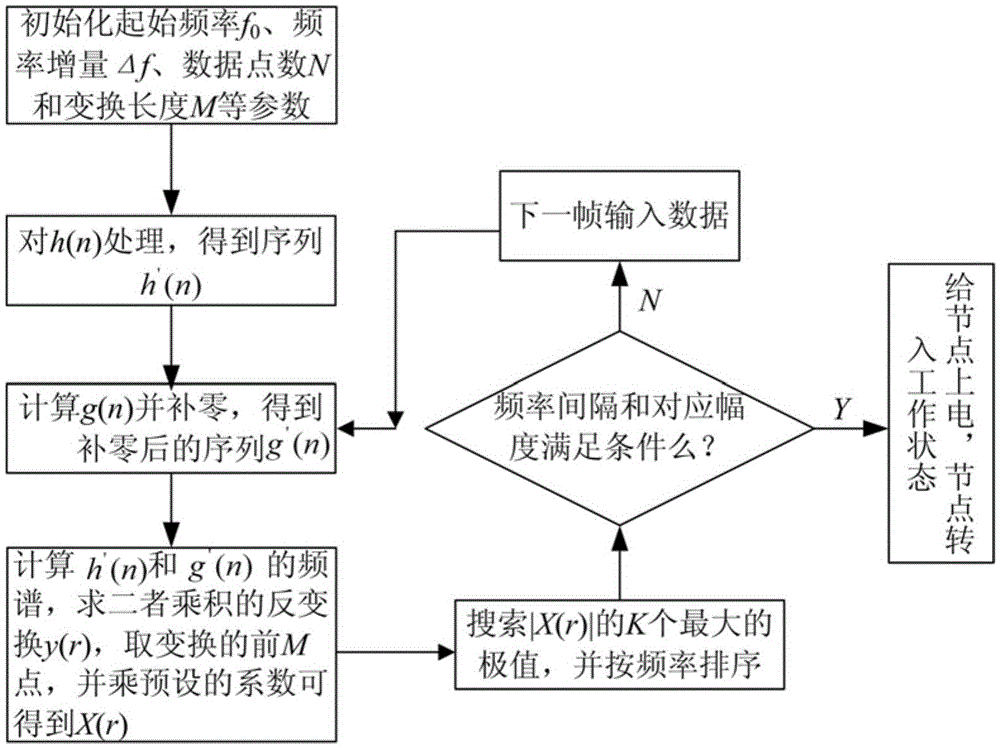
Figure 2 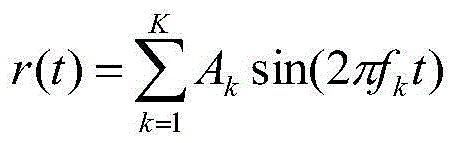
Figure 3
Abstract
Description
technical field
[0001] The invention belongs to the field of underwater communication, and in particular relates to a robust method for detecting wake-up signals of underwater communication nodes. Background technique
[0002] Underwater wireless sensor networks are mainly divided into two types: underwater data monitoring network and underwater data transmission network according to their functions. These networks are composed of various wireless sensor nodes, including fixed communication or gateway nodes such as various floating / submersible buoys, and various mobile nodes such as UUV or surface ships. Fixed communication or gateway nodes need to perform monitoring and data transmission tasks underwater for a long time, so they can only be powered by batteries, especially the batteries of nodes deployed in the open sea are not easy to update and maintain, so power consumption is reduced and the working time of nodes is extended , which is the prerequisite for the long-ter...
Examples
Embodiment Construction
[0032] The present invention will be described in further detail below in conjunction with the accompanying drawings.
[0033] The main purpose of the present invention is to provide a wake-up signal detection algorithm for underwater wireless sensor network communication nodes, by designing dual-frequency or multi-frequency wake-up signals with similar frequencies, combined with chirp Z transform (ChirpZTransform, CZT) on the unit circle ) to refine the spectrum, and use the relatively constant characteristics of frequency interval and amplitude parameters to discriminate the signal, so as to solve the problems of poor anti-interference ability and high false alarm in existing methods. The specific technical scheme is as follows:
[0034] 1. The reference form of the transmitted wake-up signal is shown in formula (1):
[0035] r ( t ) = Σ k = ...