
Call enhancement control method based on sip
A control method and call enhancement technology, applied in electrical components, transmission systems, etc., can solve the problem that the SIP protocol cannot adapt to the exchange of integrated services of the short-wave communication network.
Patent Information
- Authority / Receiving Office
- CN · China
- Patent Type
- Patents(China)
- Current Assignee / Owner
- Publication Date
- 2018-08-10
Smart Images
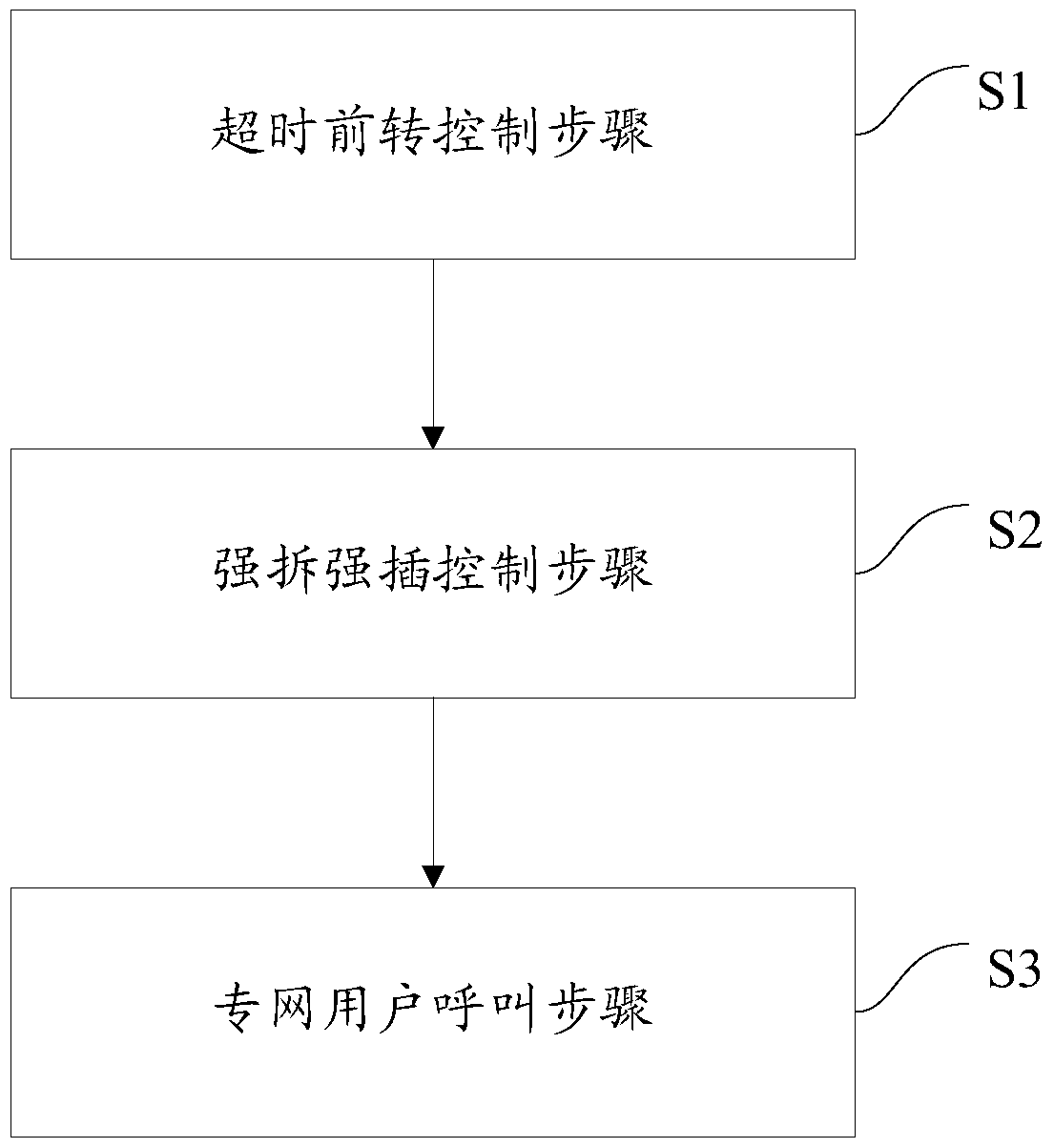
Figure 1 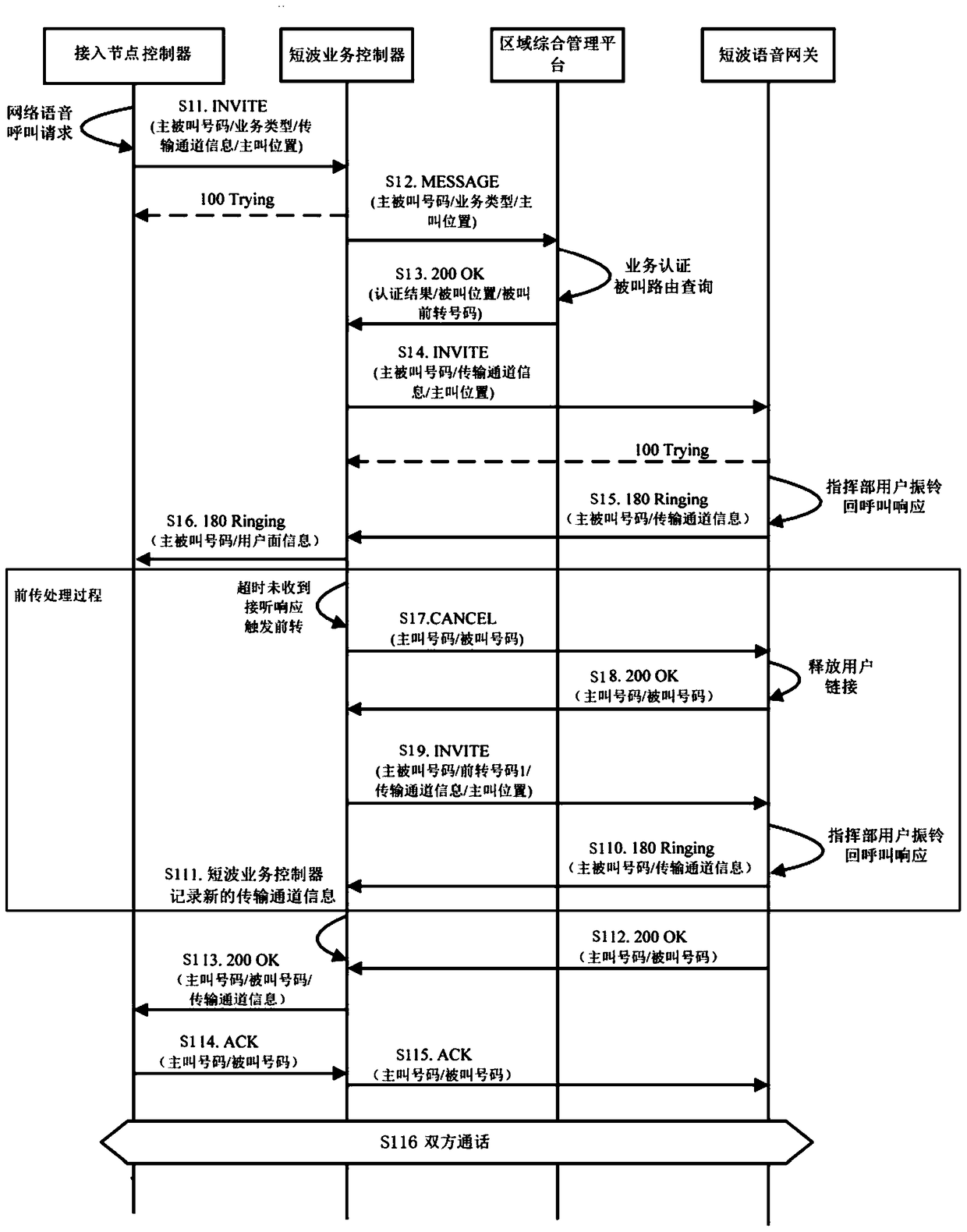
Figure 2 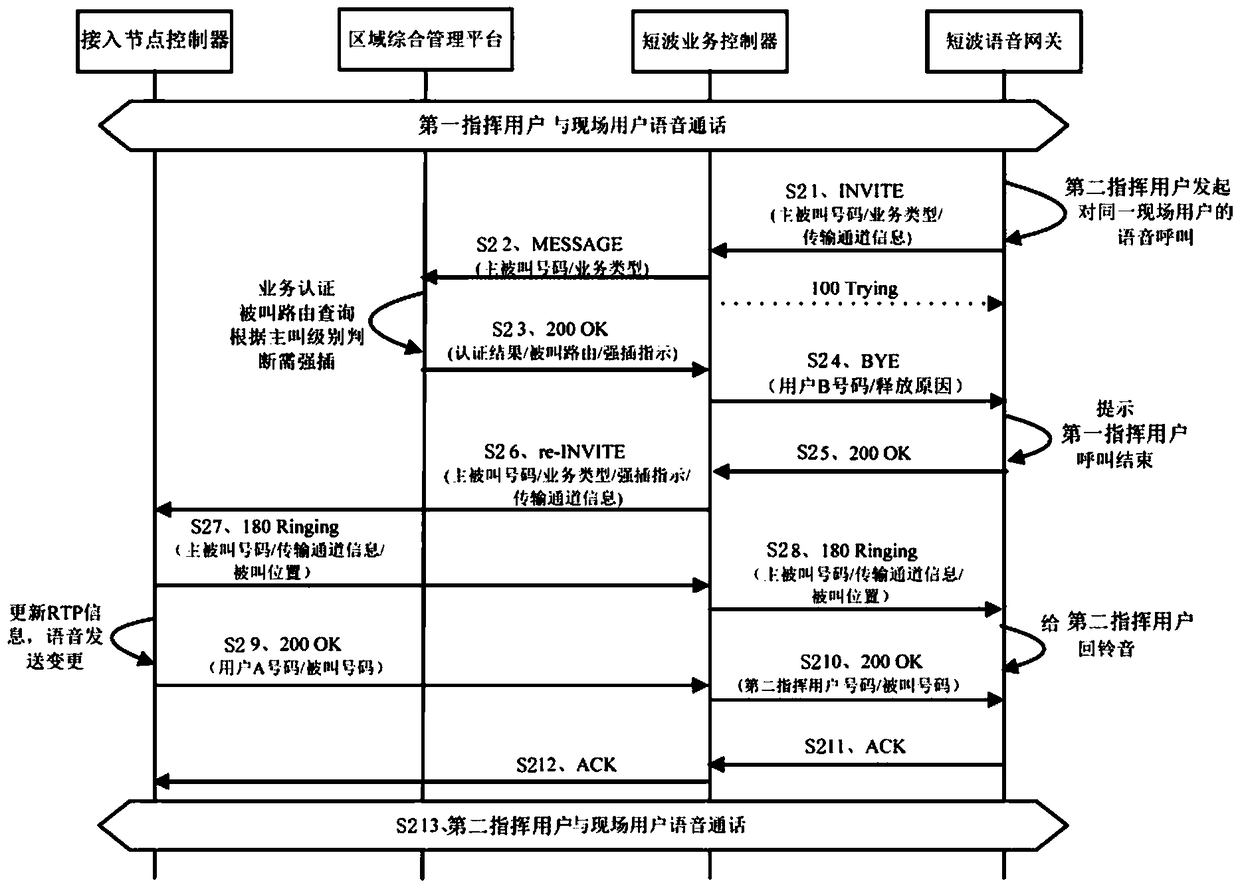
Figure 3
Abstract
Description
technical field
[0001] The invention belongs to the technical field of shortwave communication, in particular to a SIP-based call enhancement control method. Background technique
[0002] The SIP protocol (Session Initiation Protocol, Session Initiation Protocol) is a multimedia communication protocol formulated by the IETF (Internet Engineering Task Force, Internet Engineering Task Force). It is a text-based application-layer control protocol for creating, modifying, and releasing sessions with one or more participants.
[0003] The SIP protocol is generally only applicable to the simple two-party call establishment process. In the actual call process between the two parties, there will be some special situations, such as one user not answering after timeout, multiple users calling a user, calling a private network user, etc., the SIP protocol is Out to the relevant call control, can not adapt to the exchange of integrated services in the short-wave communication network. ...
Examples
Embodiment Construction
[0015] In order to make the object, technical solution and advantages of the present invention clearer, the present invention will be further described in detail below in conjunction with the accompanying drawings and embodiments. It should be understood that the specific embodiments described here are only used to explain the present invention, not to limit the present invention.
[0016] In order to illustrate the technical solutions of the present invention, specific examples are used below to illustrate.
[0017] figure 1 The flow of the SIP-based call enhancement control method provided by the embodiment of the present invention is shown, and only the parts related to the embodiment of the present invention are shown for convenience of description.
[0018] The SIP-based call enhancement control method provided in this embodiment includes the following steps:
[0019] Step S1, overtime forwarding control step: the on-site user uses the default number to call the command...