

An automatic unpacking and unloading method
An automatic, material-packing technology, applied in packaging, transportation and packaging, unsealing of packaging objects, etc., can solve the problems of easy mixing of materials, waste of residual materials, and woven bag debris contaminating raw materials, etc., to reduce consumption and prevent raw material waste. Effect
Patent Information
- Authority / Receiving Office
- CN · China
- Patent Type
- Patents(China)
- Current Assignee / Owner
- Publication Date
- 2018-10-19
- Estimated Expiration
- Not applicable · inactive patent
Smart Images
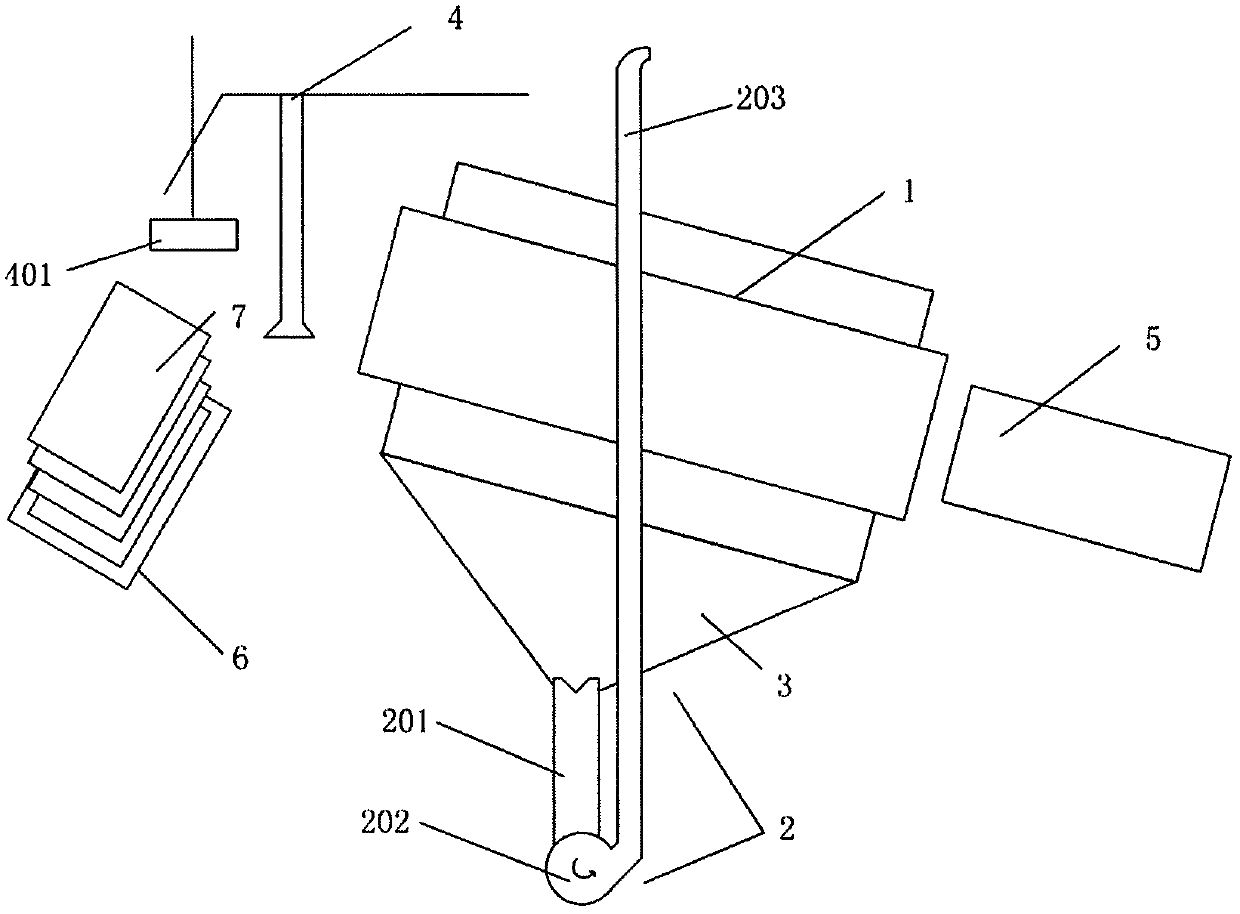
Figure 1 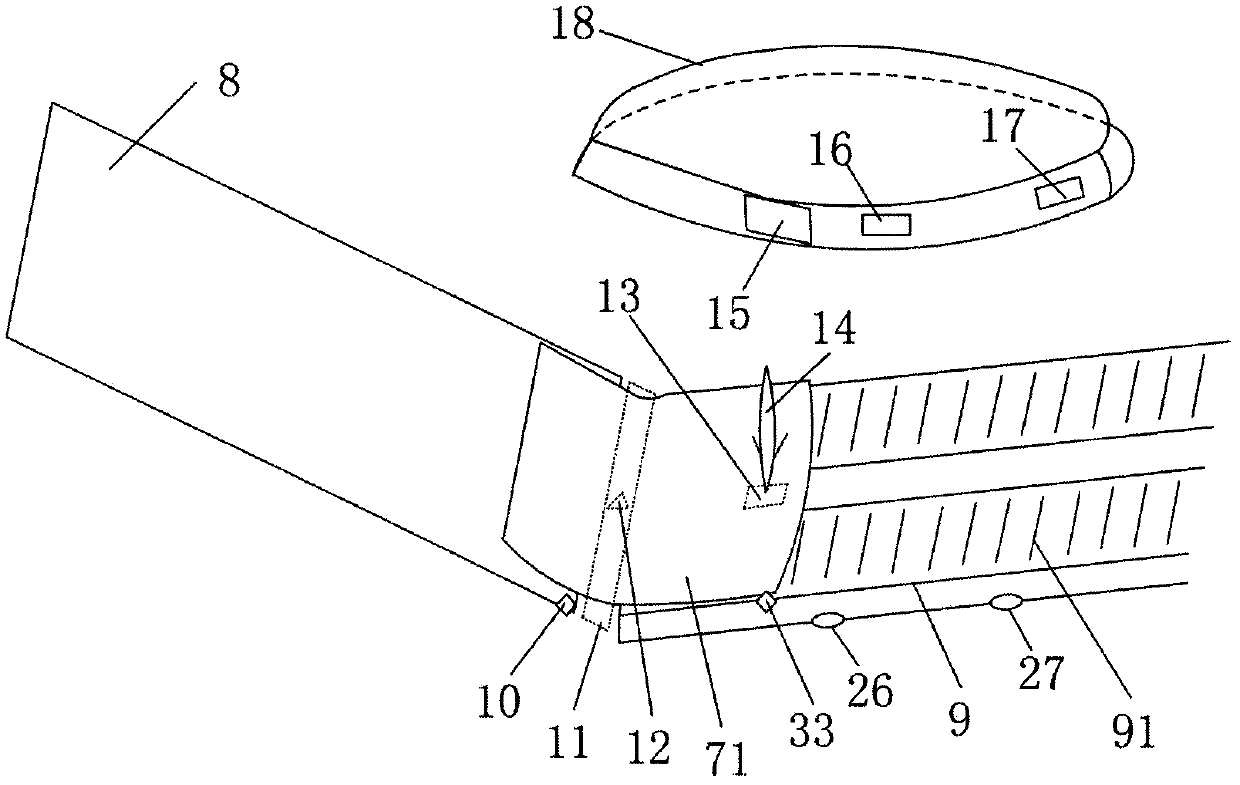
Figure 2 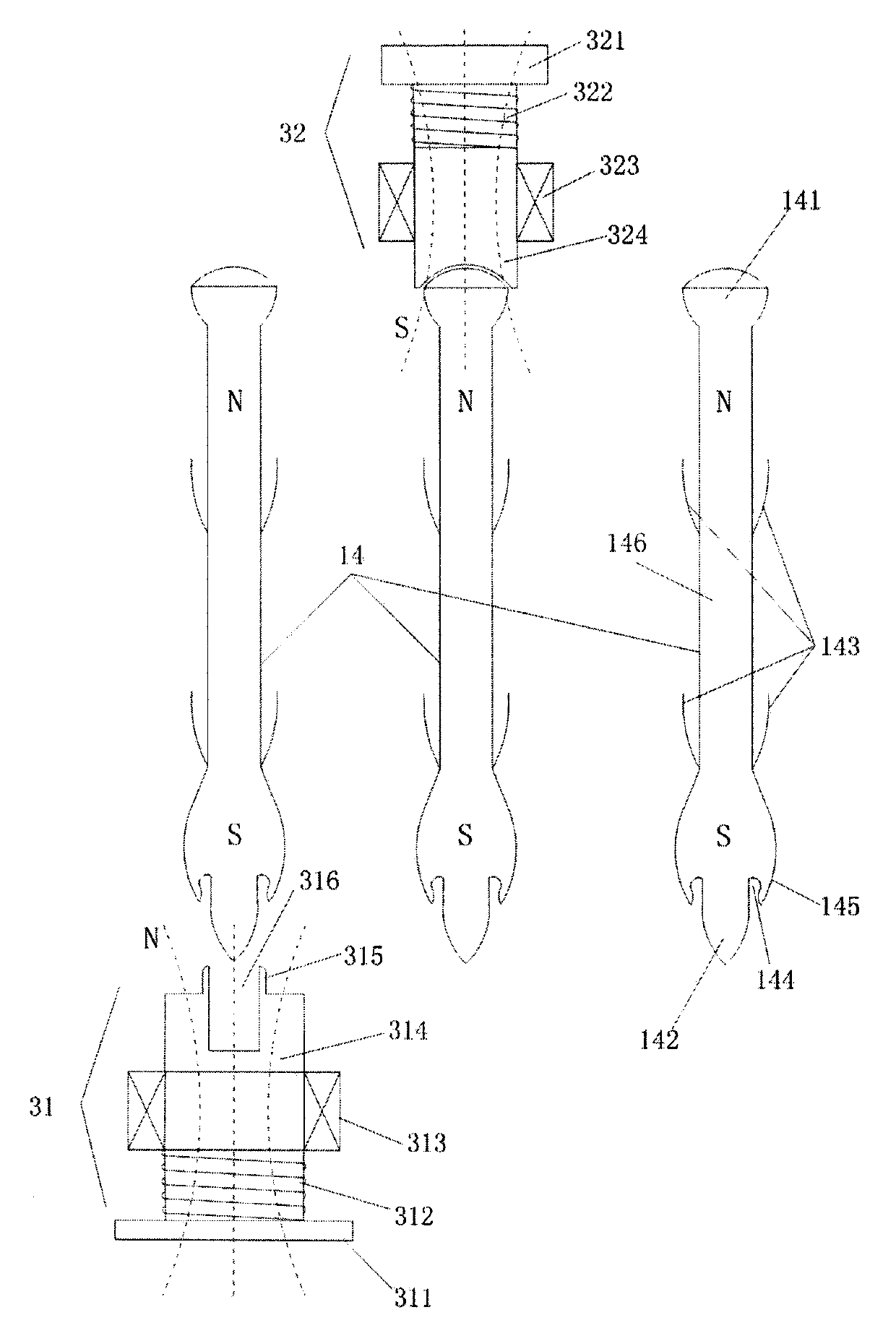
Figure 3
Abstract
Description
technical field
[0001] The invention relates to the technical field of automatic feeding, in particular to an automatic unpacking and unloading method for industrial production. Background technique
[0002] The main raw material for the production of plastics (such as biaxially oriented film BOPP) is polymer particle PP material, which is generally packed and transported in woven bags. At present, most of the feeding of granular materials in China is done manually, and there are many disadvantages in manual feeding. First of all, manual feeding seriously reduces the degree of automation of the process, and manual unpacking is labor-intensive and prone to fatigue, resulting in unstable feeding speed, which is prone to problems that the manual speed cannot keep up with supporting equipment; secondly, material bag feeding and cutting is a heavy task. It is tedious manual labor, and it is difficult for manual feeding to be efficient and smooth all-weather. Therefore, the plas...
Examples
Embodiment Construction
[0029] Preferred embodiments of the present invention will be described in detail below with reference to the accompanying drawings, but the present invention is not limited to these embodiments. The present invention covers any alternatives, modifications, equivalent methods and schemes made within the spirit and scope of the present invention.
[0030] In order to provide the public with a thorough understanding of the present invention, specific details are set forth in the following preferred embodiments of the present invention, but those skilled in the art can fully understand the present invention without the description of these details.
[0031] In the following paragraphs the invention is described more specifically by way of example with reference to the accompanying drawings. It should be noted that all the drawings are in simplified form and use inaccurate scales, which are only used to facilitate and clearly assist the purpose of illustrating the embodiments of t...