
Nanofiber spherical silicon-based heterogeneous Fenton catalyst as well as synthetic method and application thereof
A technology of nanofibers and synthesis methods, applied in chemical instruments and methods, physical/chemical process catalysts, chemical/physical processes, etc., can solve the problem of low activity of heterogeneous Fenton catalysts, low utilization rate of hydrogen peroxide, and inability to free molecules Contact and other issues, to achieve the effect of easy recycling, easy access, high utilization rate
Patent Information
- Authority / Receiving Office
- CN · China
- Patent Type
- Applications(China)
- Current Assignee / Owner
- Publication Date
- 2018-03-06
Smart Images
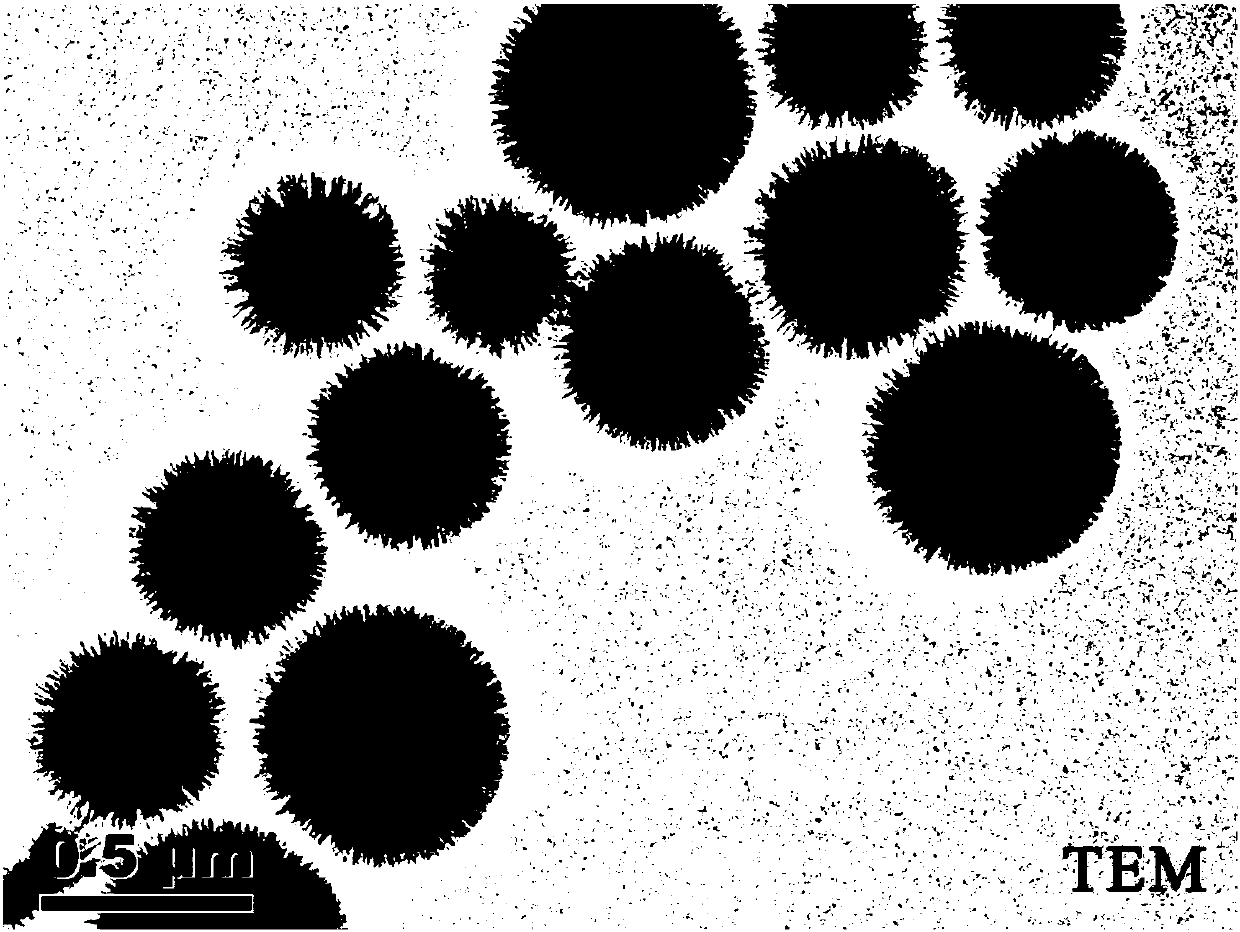
Figure 1 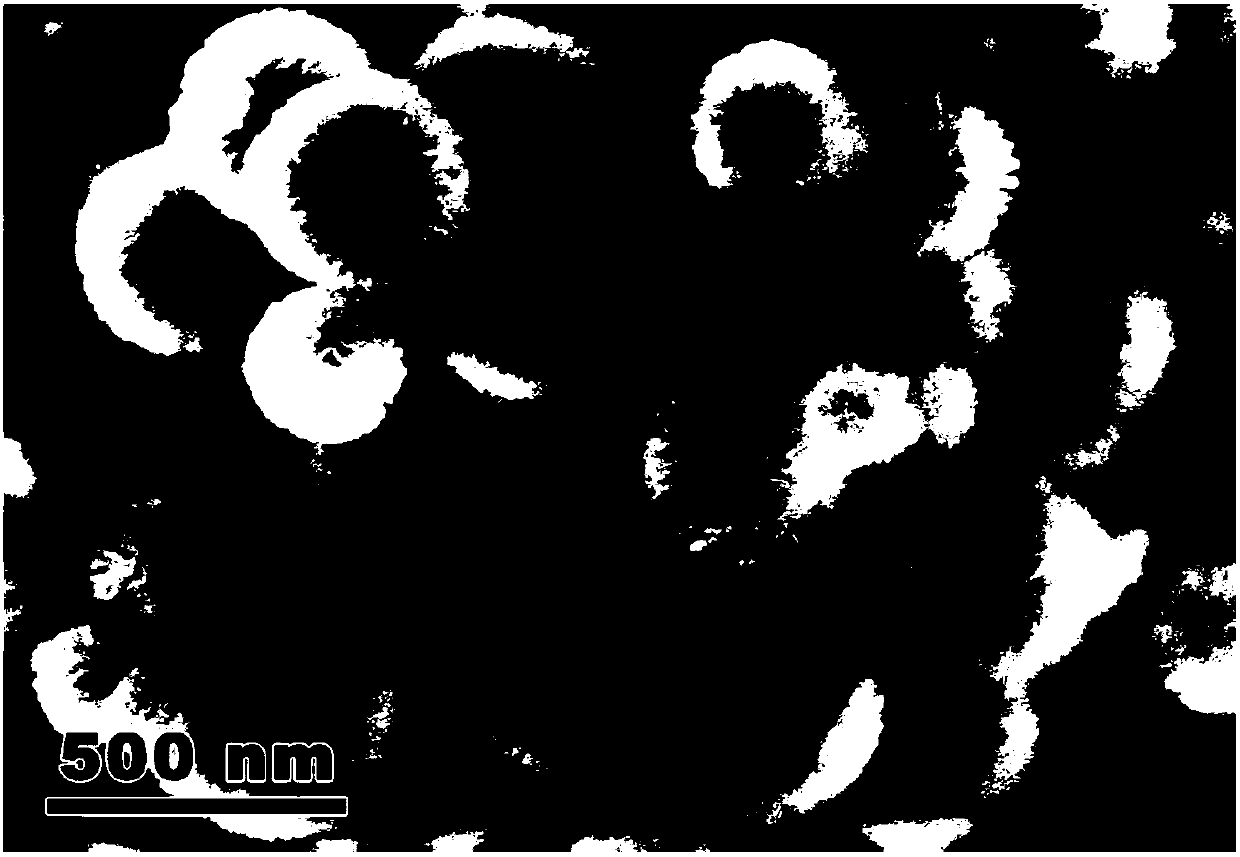
Figure 2 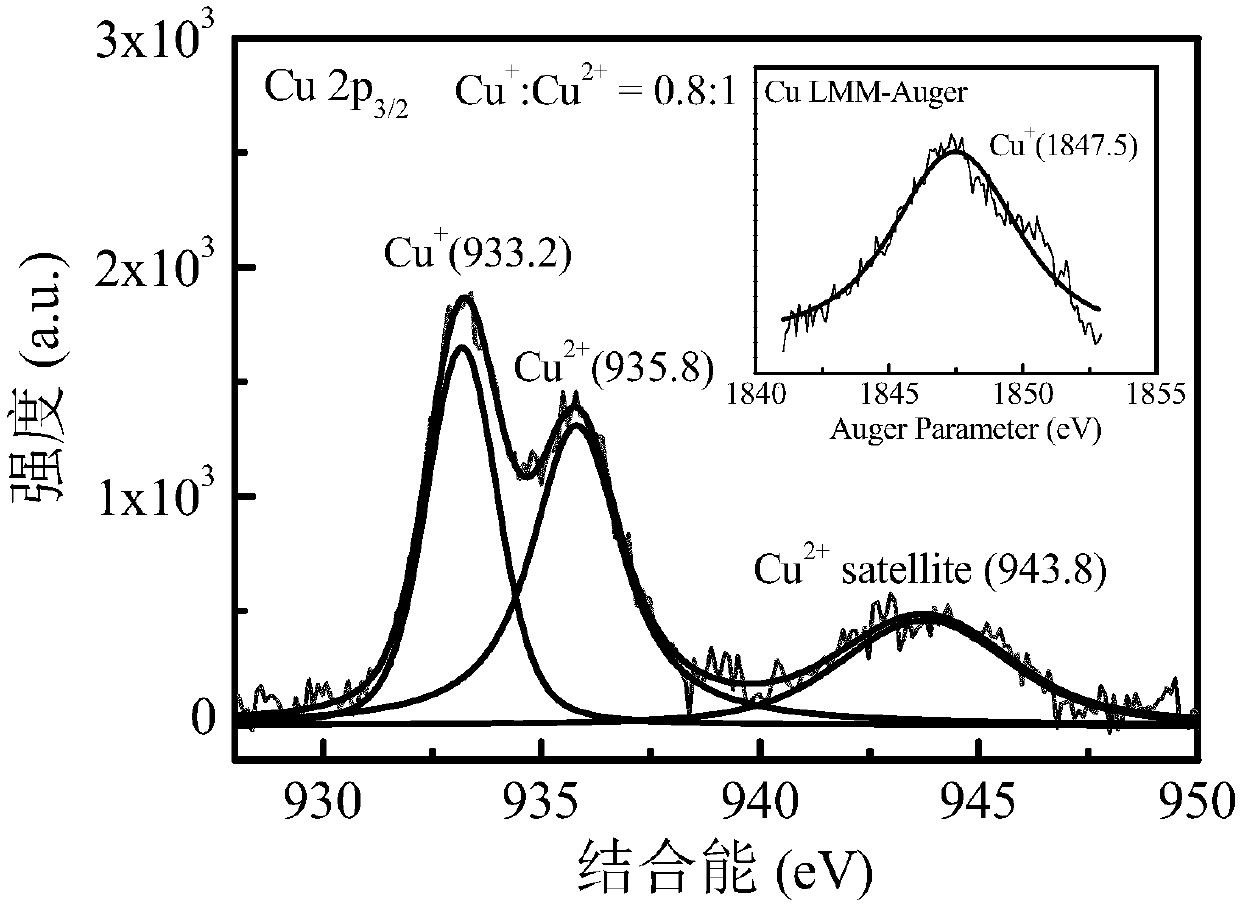
Figure 3
Abstract
Description
technical field
[0001] The invention belongs to the field of water treatment, and in particular relates to a nanofibrous spherical silicon-based heterogeneous Fenton catalyst and its synthesis method and application. Background technique
[0002] In recent years, a large number of refractory organic pollutants (such as pesticides, medicines and endocrine disruptors, etc.) have been continuously released into water bodies, which has seriously threatened the ecological environment and human life and health. However, traditional physical, chemical and biological water treatment technologies are often unable to effectively remove these persistent persistent pollutants.
[0003] The Fenton reaction is a typical advanced oxidation process, and it has become a potential technology of choice for the removal of such pollutants due to the generation of a large number of strong oxidizing hydroxyl radicals (·OH) in the reaction. However, the classic homogeneous Fenton reaction cannot b...
Examples
Embodiment
[0041] Nanofibrous spherical silicon-based heterogeneous Fenton catalyst F-Cu-SiO of the present invention 2 The synthetic method of NSs, comprises the following steps:
[0042] (1) Dissolve 5.0 mL of TEOS into a mixed solution consisting of 3.0 mL of n-pentanol and 50.0 mL of cyclohexane to form solution A.
[0043] (2) Dissolve 1.0 g of urea and 2.0 g of CPBH into 50.0 mL of deionized water to form solution B.
[0044](3) After A and B were mixed and stirred for 60 minutes, according to the molar ratio Si / Cu=50, Cu(NO 3 ) 2 ·3H 2 O solution, the resulting solution was continuously stirred at 45 °C for 60 min. The stirring speed described in this step is 450 rpm.
[0045] (4) The solution obtained in the above steps was placed in a high-pressure reactor, and the whole was placed in an oven at 120° C. for 5 hours.
[0046] (5) Take out the autoclave, and after natural cooling, filter the obtained solid product, alternately wash five times with deionized water and aceton...