
Metal article electronic tag identification method based on ultrahigh frequency RFID technology
A technology of electronic tags and identification methods, which is applied in the field of electronic tag identification of metal objects, can solve the problems of electronic tags with high volume and cost, and achieve the effects of wide application range, meeting design requirements, and low cost
Patent Information
- Authority / Receiving Office
- CN · China
- Patent Type
- Applications(China)
- Current Assignee / Owner
- Publication Date
- 2018-06-01
Smart Images
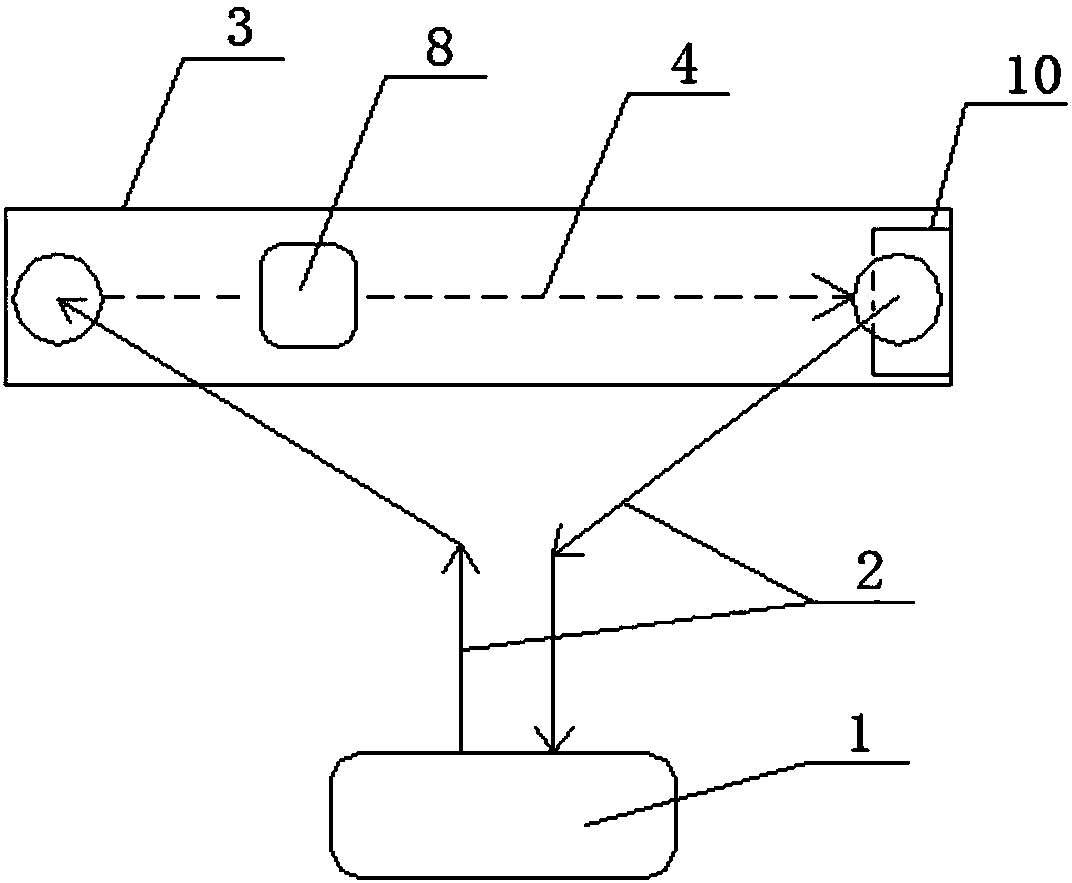
Figure 1 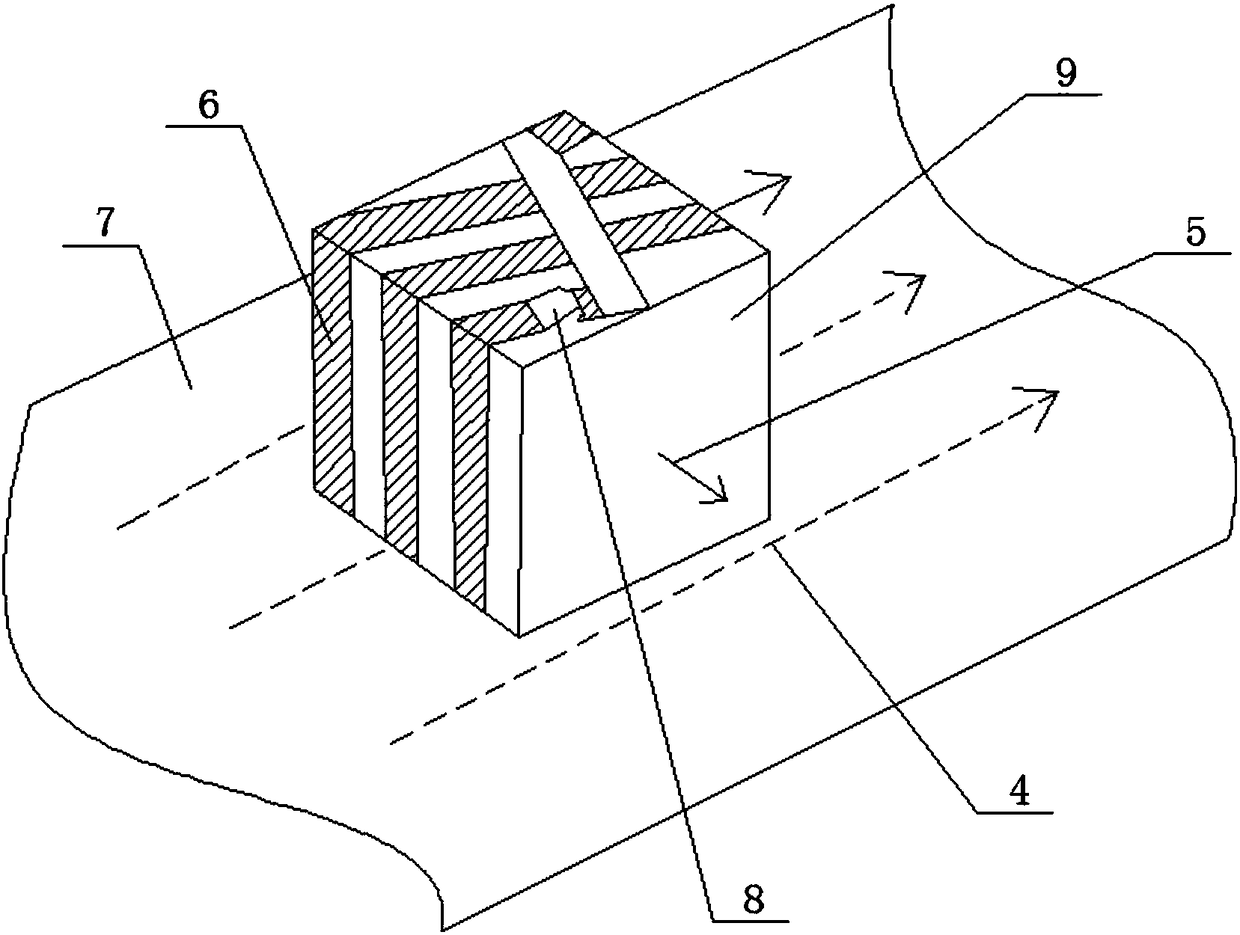
Figure 2
Abstract
Description
technical field
[0001] The invention relates to a metal object electronic tag identification method based on ultra-high frequency RFID technology, and belongs to the technical field of electronic tag identification. Background technique
[0002] RFID (radio frequency identification: radio frequency identification) is a non-contact automatic identification technology. It automatically identifies the target object and obtains relevant data through radio frequency signals. The identification work does not require manual intervention. It is a wireless version of the barcode; it is a communication technology. , can identify specific targets and read and write related data through radio signals, without the need to establish mechanical or optical contact between the identification system and specific targets.
[0003] The basic working method of UHF radio frequency identification (RFID) technology is that the identification device (commonly referred to as a reader) radiates an ele...
Examples
Embodiment
[0026] Use the ISO18000-6C UHF RFID reader to connect the parallel double-wire structure; let the end of one line touch one end of the metal strip, and the end of the other line touch the other end of the metal strip through a 50 ohm resistor. At this time, the reflection coefficient of the output port of the reader is actually measured to be -15dB; then an inductance of 30nH (presenting an inductive reactance of 173 ohms) is designed, and the UCODE G2XM chip of NXP Company (presenting an input capacitive reactance of 171 ohms) is packaged on both sides of the inductance. end. The packaged inductive electronic label is pasted on the surface of the metal strip, and the direction of the magnetic force line of the inductor is perpendicular to the direction of the metal strip. The measurement found that the reading effect is excellent, and the UHF RFID electronic tag of the metal object can be read when the output power of the reader is 10mW.
[0027] The metal object electronic ...