

Group target identification method based on high-resolution range-profile and single-pulse measurement angle
A high-resolution range image, single-pulse angle measurement technology, applied in character and pattern recognition, radio wave measurement systems, instruments, etc., can solve problems such as large computational complexity, different target speeds, and inability to extract HRRP, etc. Iterative efficiency and the effect of reducing the amount of computation
Patent Information
- Authority / Receiving Office
- CN · China
- Patent Type
- Applications(China)
- Current Assignee / Owner
- Publication Date
- 2019-07-16
Smart Images
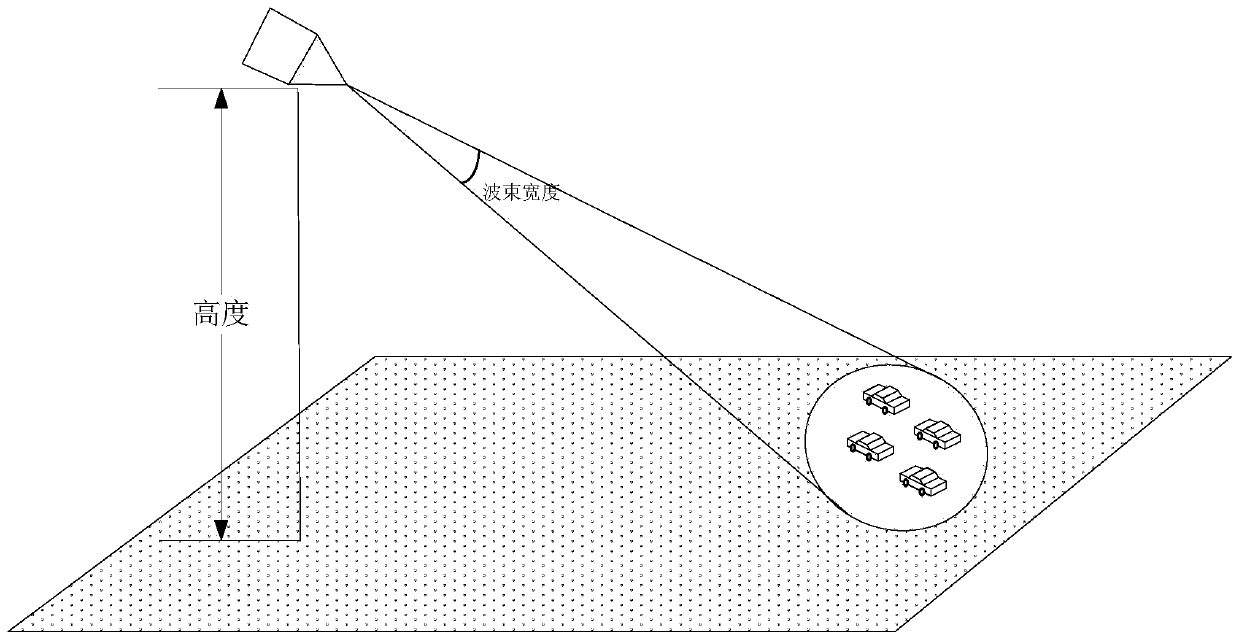
Figure 1 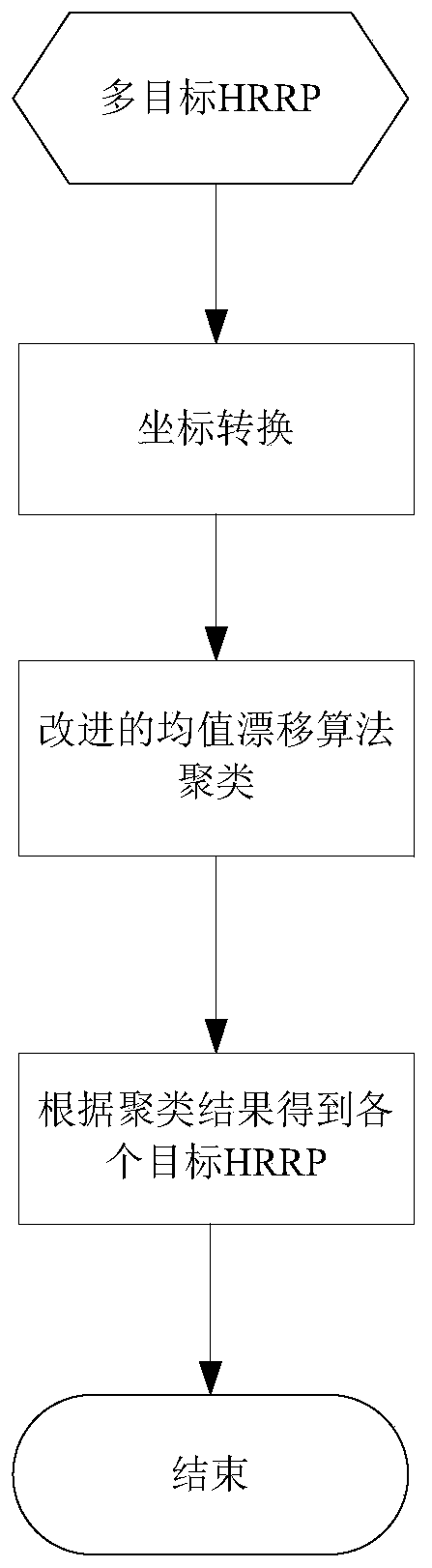
Figure 2 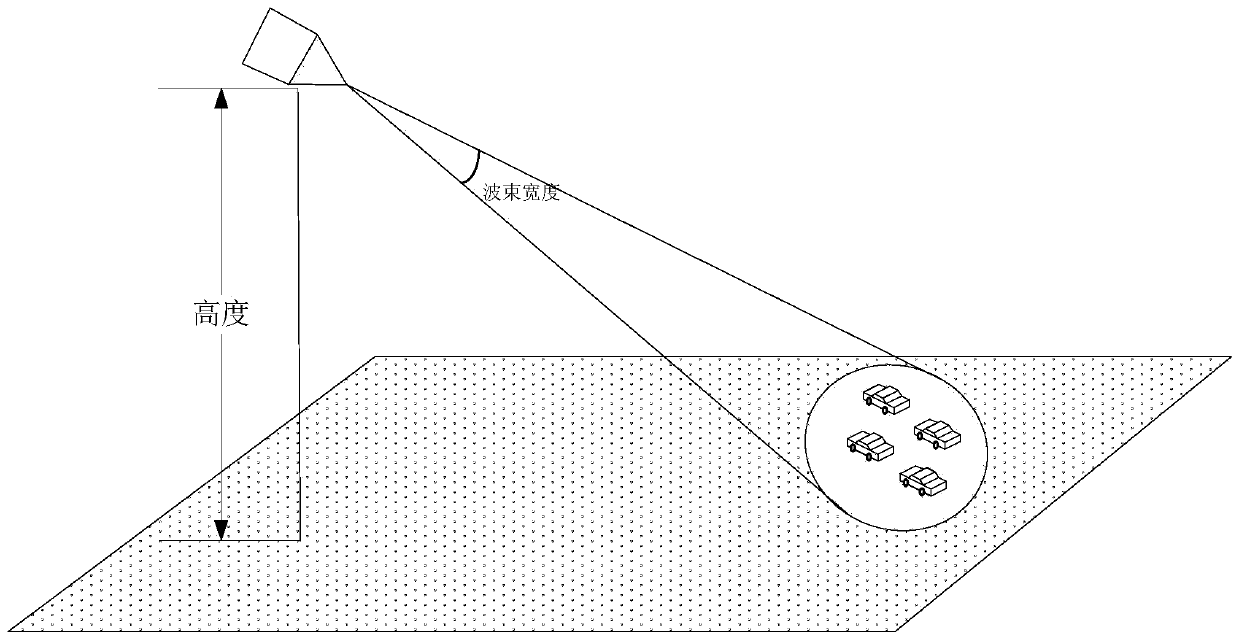
Figure 3
Abstract
Description
technical field
[0001] The invention relates to the field of radar signal processing, in particular to radar group target recognition processing, and proposes a new method for group target recognition based on high-resolution range image and single-pulse angle measurement. The number of targets has no constraints on the movement of each sub-target, and the proposed method has high noise robustness and a small amount of computation. Background technique
[0002] Radar target recognition is an important function of the radar system. The High Resolution Range Profile (HRRP) reflects the geometric structure information of the target in the direction of the radar line of sight, and is easy to obtain and process. Therefore, HRRP has been widely used in the field of radar target recognition. Wide range of applications. Monopulse radar has been widely used because of its high angle tracking accuracy, strong anti-interference ability, and high data rate. When there are group target...
Examples
Embodiment Construction
[0027] Now in conjunction with embodiment, accompanying drawing, the present invention will be further described:
[0028] The solution of the present invention to solve the technical problem is to obtain the amplitude, distance and azimuth error of each scattering point of the group target HRRP after preprocessing (including digital down-conversion, pulse compression, single-pulse angle measurement, etc.) on the distance high-resolution radar echo , the method first transforms the coordinates of "angular error-radial distance" into a two-dimensional plane of "azimuth distance-radial distance", then uses the improved mean shift algorithm to cluster the two-dimensional plane, and then determines The number of targets in the group target and extract the HRRP of each target.
[0029] figure 2 is the flow chart of group target recognition, and the amplitude, distance and azimuth error of each scattering point of group target HRRP are recorded as Q(A i , R i ,θ i ), i=1...N, w...