
Flame-retardant clothing and preparation process thereof
A preparation process and technology of flame retardant fabrics, applied in the field of textile products, can solve the problems of human injury, poor air permeability, easy oily kitchen clothes, etc., and achieve the effects of improving flexibility, good heat resistance, and ensuring cleanliness.
Patent Information
- Authority / Receiving Office
- CN · China
- Current Assignee / Owner
- Publication Date
- 2019-07-23
- Estimated Expiration
- Not applicable · inactive patent
Smart Images
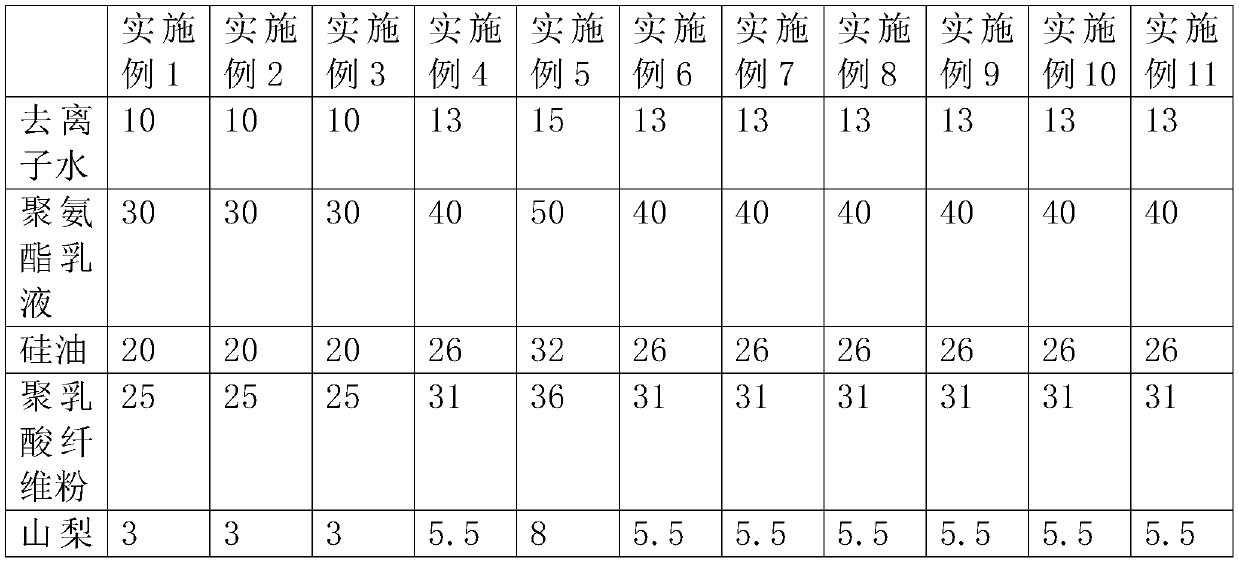
Figure 1 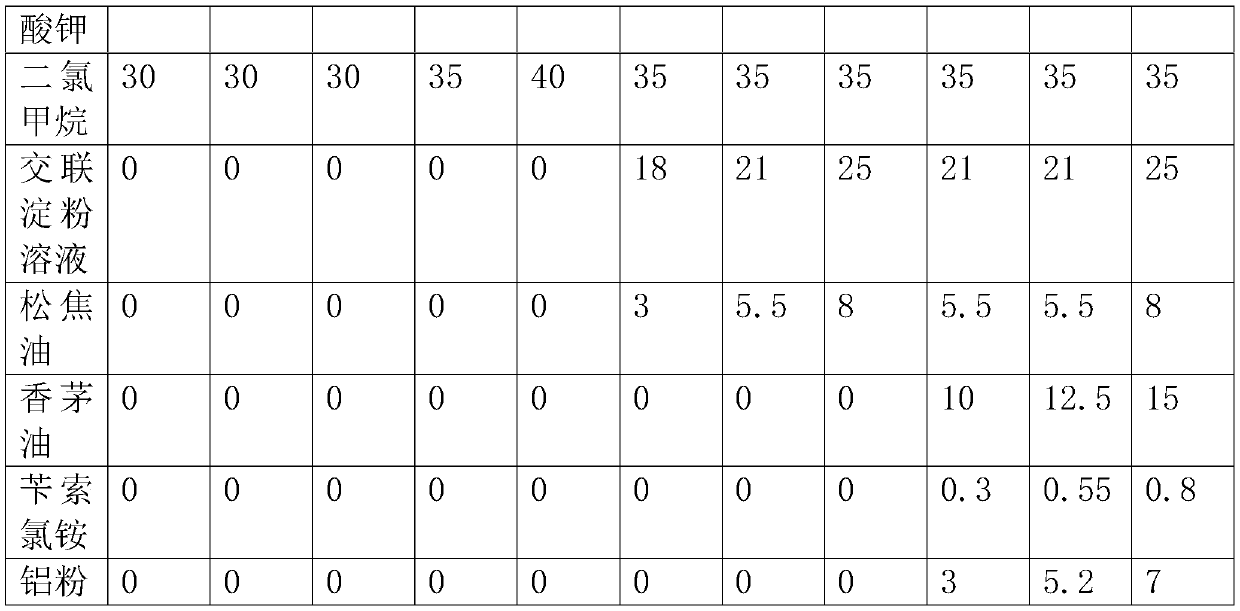
Figure 2 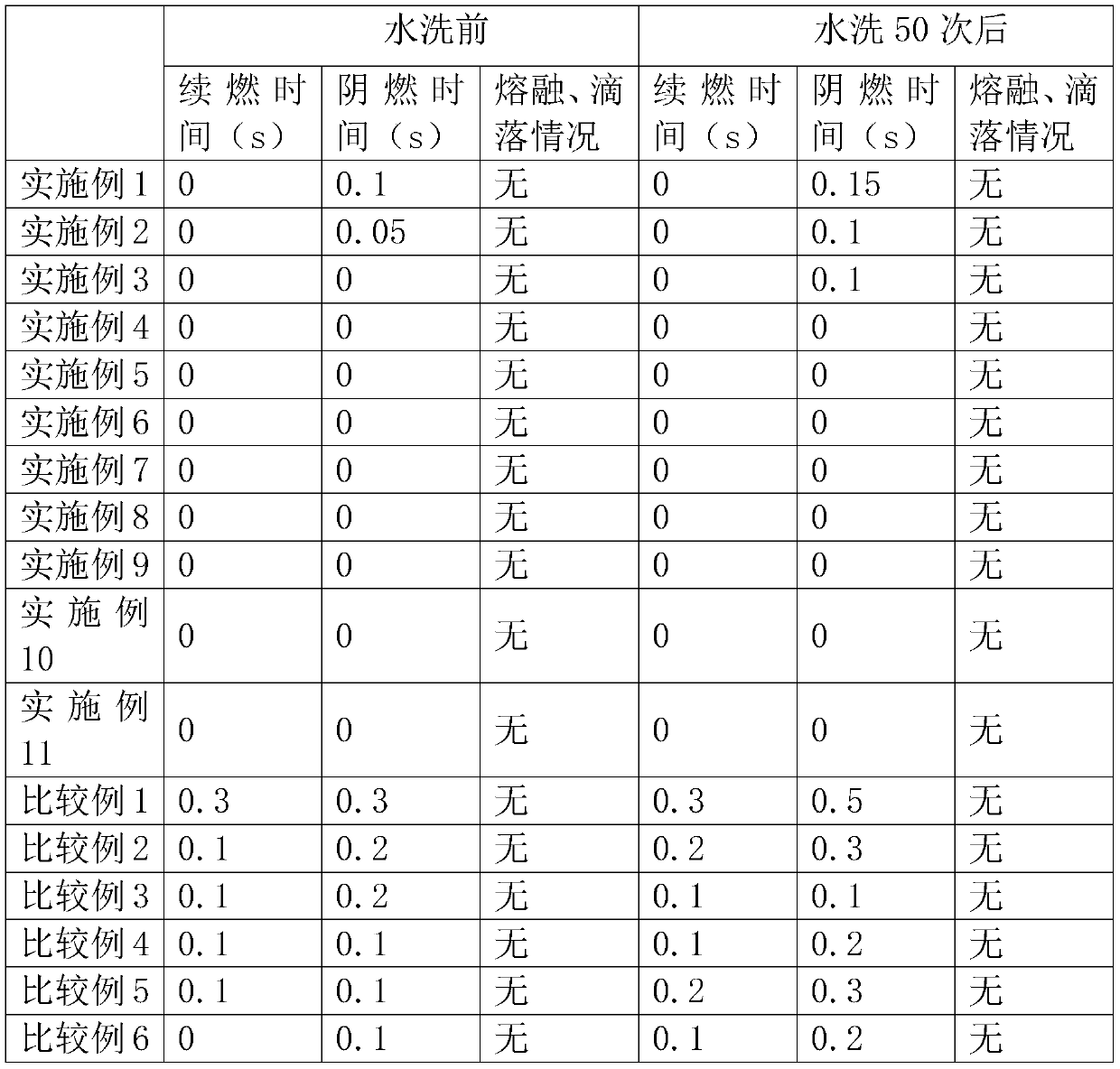
Figure 3
Abstract
Description
technical field
[0001] The invention relates to the field of textile products, more specifically, it relates to a flame-resistant clothing and a preparation process thereof. Background technique
[0002] Flame-retardant clothing is a special labor protection product designed and produced according to the national standard GB8965.1-2009. It has the characteristics of new style, reasonable structure design, convenient and comfortable wearing. Flame retardancy, breaking strength, tearing strength, bending length, etc. all meet national standards, and there is no discomfort or allergic reaction to the skin. The flame-retardant fiber in the fabric of the flame-retardant clothing greatly slows down the burning speed of the fiber, and it will extinguish itself immediately after the fire source is removed, and the burning part will be carbonized quickly without melting, dripping or piercing, giving people time to evacuate the burning site Or take off the burning clothes on the body...
Examples
Embodiment 1
[0063] A preparation process for flame retardant clothing, comprising the following steps:
[0064] S1. Pretreatment: Soak the flame-retardant fabric in clean water at a temperature of 25°C, then add ethanol to the clean water, wash the flame-retardant fabric, beat it, and finally centrifugally dehydrate to obtain a clean flame-retardant fabric.
[0065] In this embodiment, the weight ratio of ethanol to water is: 0.5:5.
[0066] The flame-retardant fabric in step S1 is made by weaving polyester fiber, flame-retardant acrylic fiber, flame-retardant vinylon and flame-retardant nylon.
[0067] In this embodiment, the polyester fiber in the flame-retardant fabric of step S1 is a vermiculite-modified polyester fiber, and the preparation method of the vermiculite-modified polyester fiber is as follows:
[0068] (1) Grind 10 parts by mass of vermiculite to a particle size of 325 meshes, mix evenly with 57 parts by mass of polyester masterbatch, heat to 300° C. to melt, and keep war...
Embodiment 2
[0098] The difference with embodiment 1 is:
[0099] A preparation process for flame retardant clothing, comprising the following steps:
[0100] S1. Pretreatment: Soak the flame-retardant fabric in clean water at a temperature of 28°C, then add ethanol to the clean water, wash the flame-retardant fabric, beat it, and finally centrifugally dehydrate to obtain a clean flame-retardant fabric.
[0101] In this embodiment, the weight ratio of ethanol to water is: 0.6:5.
[0102] The flame-retardant fabric of the flame-retardant fabric in step S1 is made of polyester fiber, flame-retardant acrylic fiber, flame-retardant vinylon and flame-retardant nylon mixed weaving.
[0103] In the present embodiment, the polyester fiber in step S1 is a vermiculite modified polyester fiber, and the preparation method of the vermiculite modified polyester fiber is as follows:
[0104] (1) Grind 13 parts by mass of vermiculite to a particle size of 325 meshes, mix evenly with 70 parts by mass of ...
Embodiment 3
[0133] The difference with embodiment 1 is:
[0134] A preparation process for flame retardant clothing, comprising the following steps:
[0135] S1. Pretreatment: Soak the flame-retardant fabric in clear water at a temperature of 30°C, then add ethanol to the clean water, wash the flame-retardant fabric, beat it, and finally centrifugally dehydrate to obtain a clean flame-retardant fabric.
[0136] In this embodiment, the weight ratio of ethanol to water is 0.8:5.
[0137] The flame-retardant fabric in step S1 is made by weaving polyester fiber, flame-retardant acrylic fiber, flame-retardant vinylon and flame-retardant nylon.
[0138] In this embodiment, the polyester fiber of the flame-retardant fabric in step S1 is a vermiculite-modified polyester fiber, and the preparation method of the vermiculite-modified polyester fiber is as follows:
[0139] (1) Grind 15 parts by mass of vermiculite to a particle size of 325 meshes, mix evenly with 85 parts by mass of polyester mast...