
Anti curling low solidification rate pu resin and preparation method thereof
A PU resin, low-solidification technology, used in coatings, textiles and papermaking, etc., can solve the problems of wasting manpower and material resources of synthetic leather factories, the feel of synthetic leather becomes soft, and the cell structure becomes larger, etc., and achieves good resilience. Energy, excellent physical properties, low solidification rate effect
Patent Information
- Authority / Receiving Office
- CN · China
- Patent Type
- Patents(China)
- Current Assignee / Owner
- Publication Date
- 2021-12-28
Smart Images
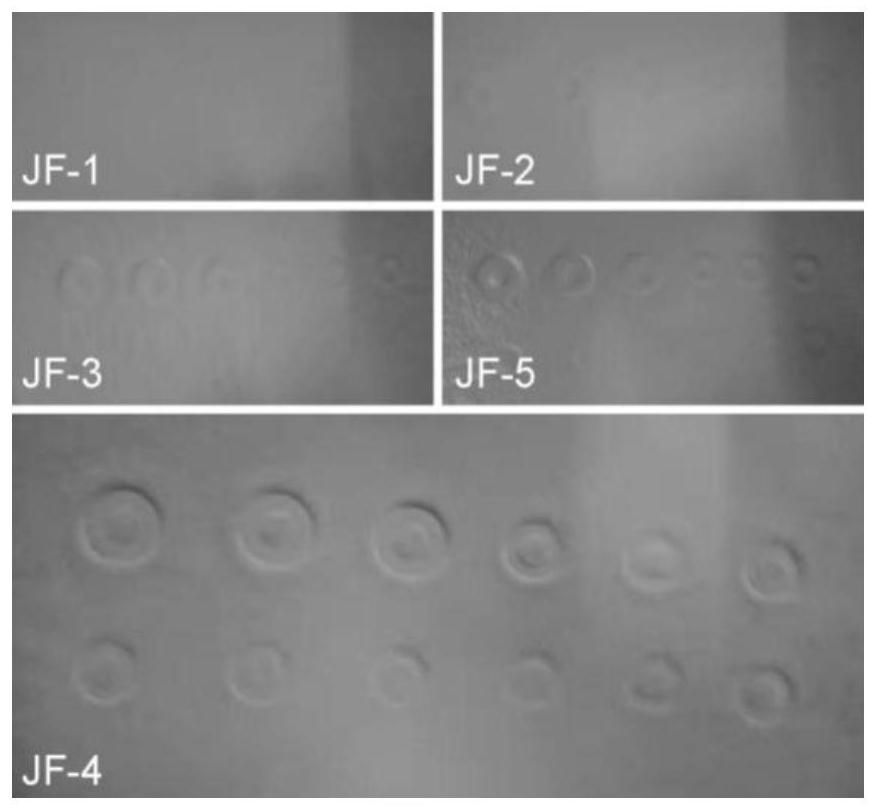
Figure 1
Abstract
Description
technical field
[0001] The invention relates to the field of PU resin preparation, in particular to an anti-curling low solidification rate PU resin and a preparation method thereof. Background technique
[0002] The resin for PU leather has been widely sought after by people in recent years because of its wide source of raw materials, low price, multi-function and hand feeling not inferior to genuine leather. Resin for PU leather can be divided into wet method and dry method resin. Wet method resin is to mix PU resin with wood powder, calcium powder and other fillers and disperse evenly at high speed, apply it on the surface of the base fabric, then solidify it in water, and dry it under pressure. And so on, you can make a wet bass. The main physical properties of wet bass are: resilience, thickness, peel strength, fullness, softness, Q elasticity, cell structure and solidification rate, etc. Add a small amount of color chips to the dry process resin, mix it into the DMF ...
Examples
Embodiment 1
[0022] Example 1: Take 250g of 4000 molecular weight polyester polyol (PEBA-4000) and put it into a 2000mL glass reactor, then add 0.001g of phosphoric acid, 0.2g of antioxidant BHT, 44g of BDO and 500g of solvent DMF into it, and stir thoroughly for 30min Then put in MDI (R value is set to 1), and then raise the temperature to 75-80°C to make it react to increase viscosity. During the reaction process, a small amount of MDI can be added in an appropriate amount. During the thickening process, DMF is continuously added to the reactor for dilution. After the thickening reaction is completed, methanol is used to terminate the reaction. Half an hour after the methanol is terminated, 0.5g of malic acid is added to prevent it from reducing viscosity. After continuing to stir for 1 hour, pack the resin in the glass reactor. The final viscosity of the resin is 200,000-240,000 (cps), and the solid content is 29.5-30.5%. The resin is named JF-1.
Embodiment 2
[0023] Embodiment 2: Get 250g 4000 molecular weight polyester polyol (PBHA-4000) and drop in the 2000mL glass reactor, then add 0.001g phosphoric acid, 0.2g antioxidant BHT, 30.3g EG and 500g solvent DMF to it respectively, fully After stirring for 30 minutes, add MDI (set the R value to 1), and then raise the temperature to 75-80°C to make it react to increase viscosity. During the reaction process, a small amount of MDI can be added in an appropriate amount. During the thickening process, DMF is continuously added to the reactor for dilution. After the thickening reaction is completed, methanol is used to terminate the reaction. Half an hour after the methanol is terminated, 0.5g of malic acid is added to prevent it from reducing viscosity. After continuing to stir for 1 hour, pack the resin in the glass reactor. The final viscosity of the resin is guaranteed to be 200,000-240,000 (cps), and the solid content is 29.5-30.5%. The resin is named JF-2.
Embodiment 3
[0024] Example 3: Put 250g of 4000 molecular weight polyester polyol (125g PEBA-4000+125g PBHA-4000) into a 2000mL glass reactor, and then add 0.001g of phosphoric acid, 0.2g of antioxidant BHT, and 20.2g of EG , 14.6g BDO and 500g solvent DMF, stir well for 30min and then put into MDI (R value is set to 1), then raise the temperature to 75-80°C to make it react to increase viscosity. During the reaction process, a small amount of MDI can be added in an appropriate amount. During the thickening process, DMF is continuously added to the reactor for dilution. After the thickening reaction is completed, methanol is used to terminate the reaction. Half an hour after the methanol is terminated, 0.5g of malic acid is added to prevent it from reducing viscosity. After continuing to stir for 1 hour, pack the resin in the glass reactor. The final viscosity of the resin is guaranteed to be 200,000-240,000 (cps), and the solid content is 29.5-30.5%. The resin is named JF-3.