
A method for predicting viscosity properties of cellulose bioinks
A technology of bio-ink and characteristic prediction, applied in genetic rules, special data processing applications, design optimization/simulation, etc., can solve problems such as inability to use linear fitting methods, inaccurate prediction results, lack of model comparison and selection, etc.
Patent Information
- Authority / Receiving Office
- CN · China
- Patent Type
- Patents(China)
- Current Assignee / Owner
- Publication Date
- 2022-07-08
Smart Images
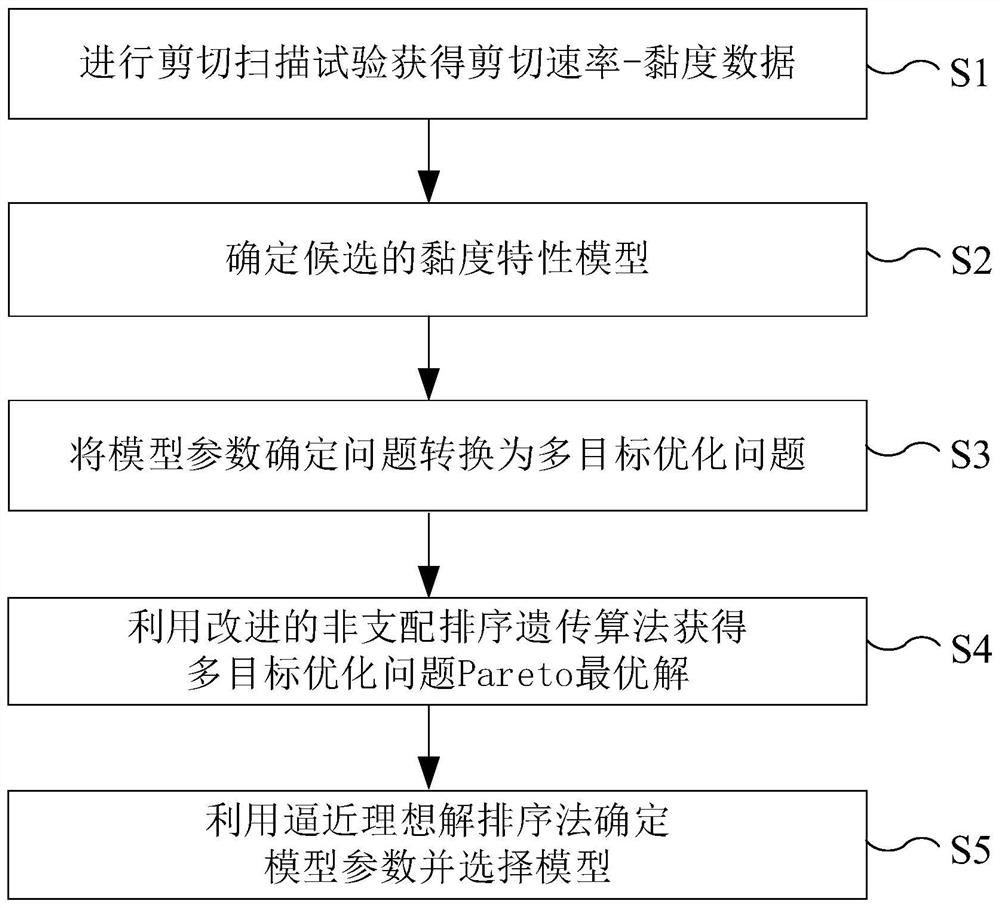
Figure 1 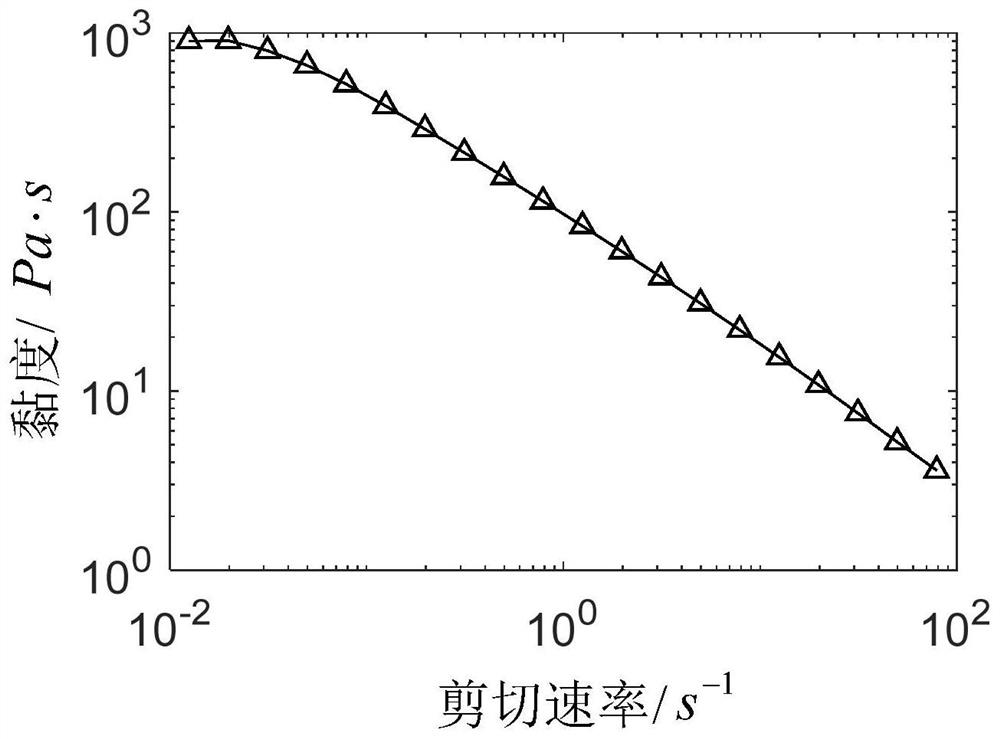
Figure 2 
Figure 3
Abstract
Description
technical field
[0001] The invention relates to the technical field of bio-inks for additive manufacturing, in particular to a method for predicting the viscosity characteristics of cellulose bio-inks. Background technique
[0002] Bioinks are defined as mixture gels containing biological components or biomaterials suitable for 3D printing using additive manufacturing techniques. In recent years, bioinks prepared from plant components (cellulose, lignin, etc.) have been widely used in academia, biology and industry due to the advantages of low price, non-toxic and harmless, sustainable and sufficient sources. It has been successfully applied in medical fields such as tissue culture and rehabilitation engineering, as well as in industrial fields such as batteries, sensors, and memory materials. Cellulose bioink is mainly prepared from cellulose and cellulose derivatives derived from cotton. It has good printing properties and mechanical properties. It is a typical representa...
Examples
Embodiment Construction
[0081] The present invention will be further described below with reference to the accompanying drawings and specific embodiments, but the following embodiments do not limit the present invention by any means.
[0082] like figure 1 As shown in the figure, taking the prediction of the viscosity characteristics of a cellulose bio-ink as an example, the specific implementation steps of the method for predicting the viscosity characteristics of a cellulose bio-ink of the present application are described, and the steps are as follows:
[0083] S1. Use a rotational rheometer to perform a shear scanning test on the cellulose bioink to obtain shear rate-viscosity data; specifically,
[0084] In this step, the rotational rheometer adopts the rotational rheometer ARES (Texas Instruments, USA), and selects two circular plate structures with a diameter of 25 mm as the geometric structure for the viscosity characteristic test, and sets two circular plates arranged in parallel. The spaci...