
Method for asynchronously compacting composite material components
A composite material component and composite material technology, which is applied in the field of compaction defects and composite material component forming with complex profiles, can solve the problems of difficult to achieve high-quality compaction of composite material components, and achieve the improvement of design and manufacturing limits and guarantee high quality. The effect of quality compaction
Patent Information
- Authority / Receiving Office
- CN · China
- Current Assignee / Owner
- Publication Date
- 2021-07-02
Smart Images
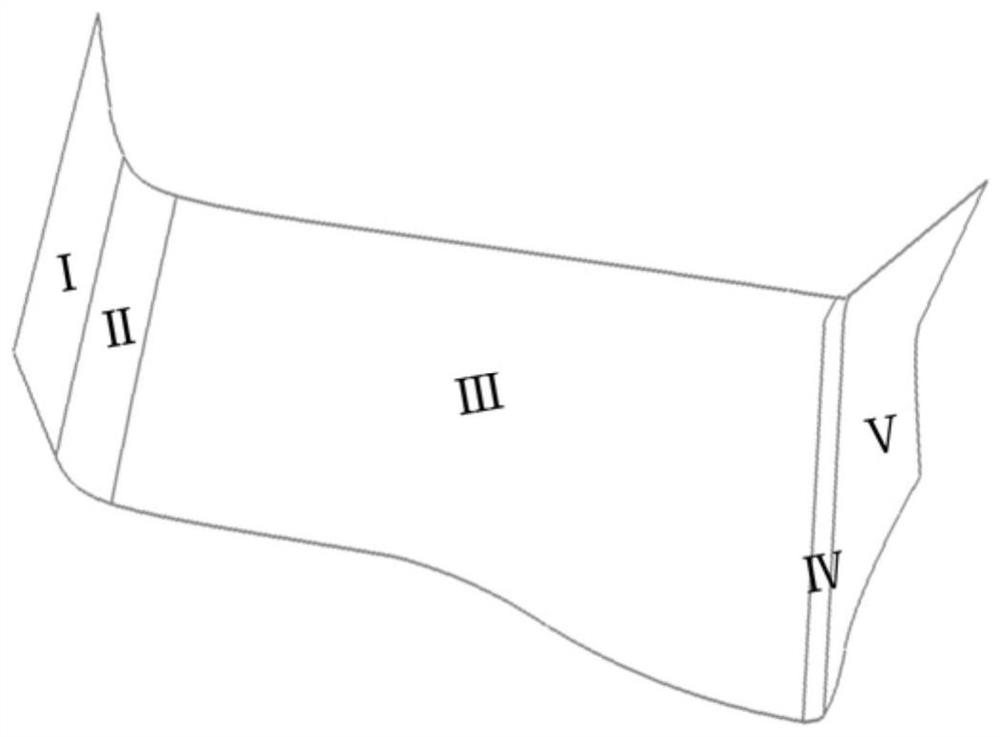
Figure 1 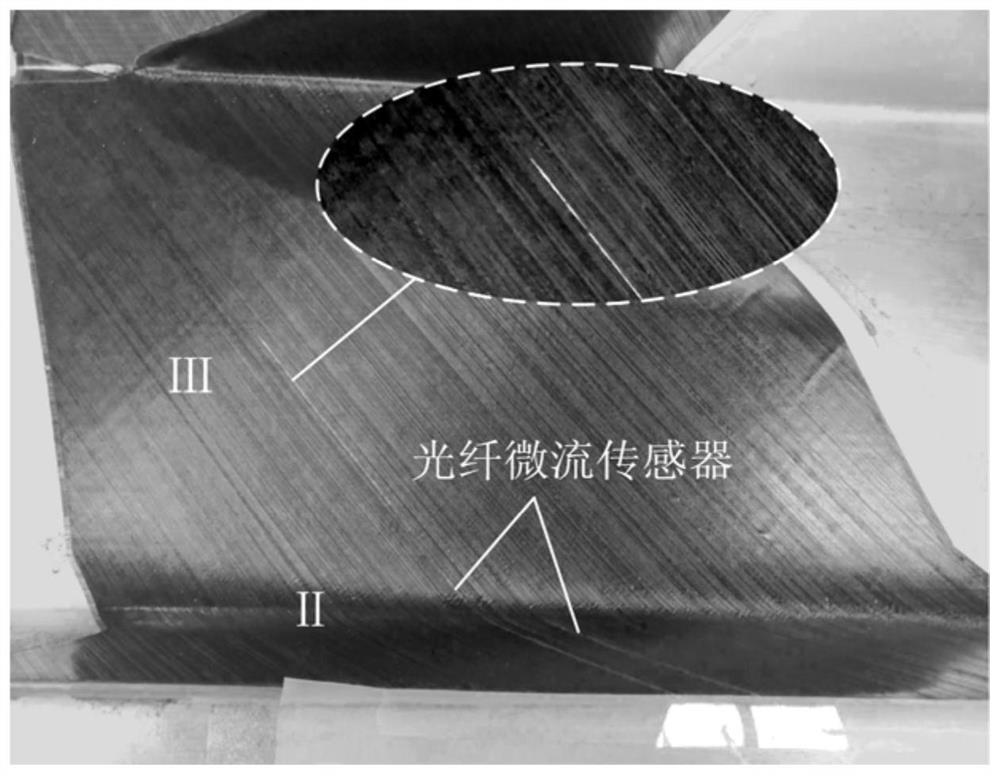
Figure 2 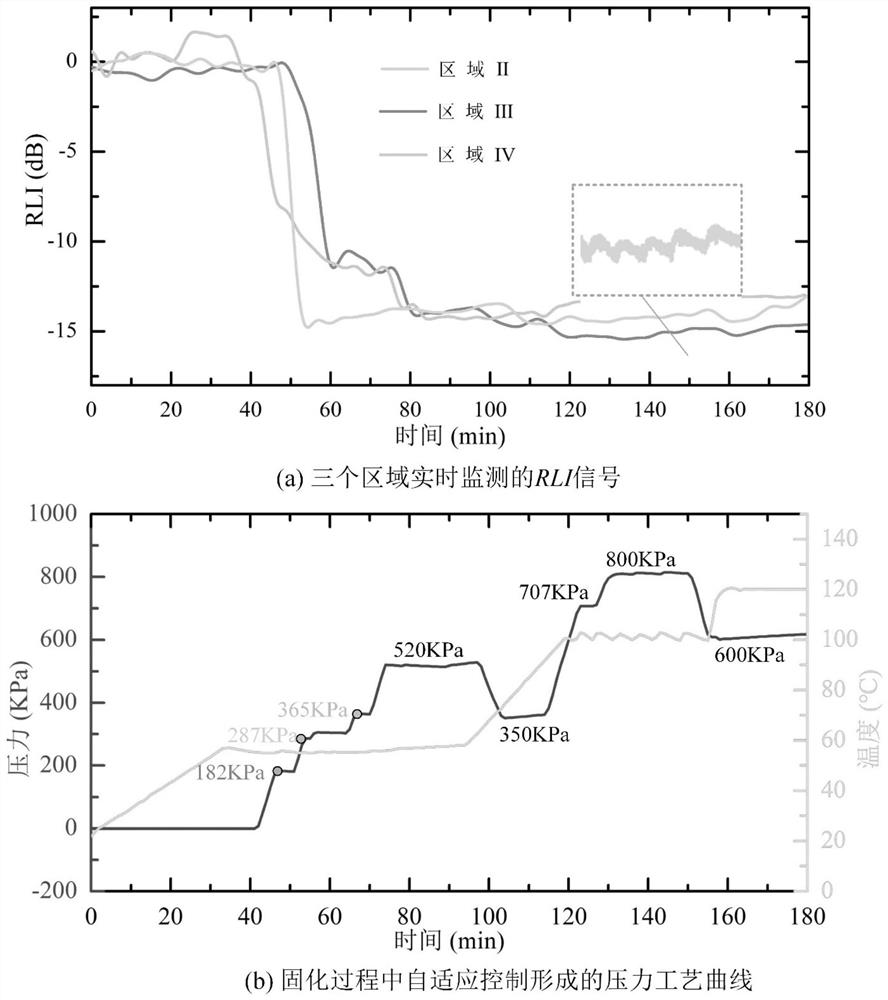
Figure 3
Abstract
Description
technical field
[0001] The invention relates to composite material molding technology, especially composite material component molding technology with complex profiles, in particular to a method for asynchronously compacting composite material components during curing to eliminate compaction defects such as overhead and folds. Background technique
[0002] Fiber-reinforced resin-based composites have excellent properties such as high specific strength, high specific modulus, fatigue resistance, and corrosion resistance. After nearly 40 years of development, composite materials are widely used in aviation and other fields, greatly reducing the structural weight of aircraft and shortening the manufacturing cycle. Bearing components.
[0003] In the existing pressure forming, in order to ensure the compaction of each position of the component, the pressure curve is preset before curing, and a large gas pressure is directly applied to compact the component during the curing pro...
Examples
example 2
[0037] The difference between this example and Example 1 is that the shape of the composite material component is U-shaped, and the microfluidic sensors are respectively arranged on the straight side and the lowest point of the U-shaped arc, and the rest are the same as the above-mentioned Example 1.
example 3
[0039] The difference between this example and Example 1 is that a commercially available dielectric sensor is used to monitor the resin flow.
example 4
[0041] The difference between this example and examples one, two and three is that the thickness of the composite material is 2cm.