
Cerebrovascular disease rehabilitation chair for clinical neurology
A technology for cerebrovascular disease and neurology, applied in dental chairs, dentistry, operating chairs, etc., can solve problems such as difficulty in relieving muscle atrophy in patients, inability to promote blood circulation in patients, and inconspicuous stimulation of muscle nerves, so as to relieve muscle atrophy, Exercise hand muscles and promote blood circulation
Patent Information
- Authority / Receiving Office
- CN · China
- Current Assignee / Owner
- Publication Date
- 2022-01-04
Smart Images
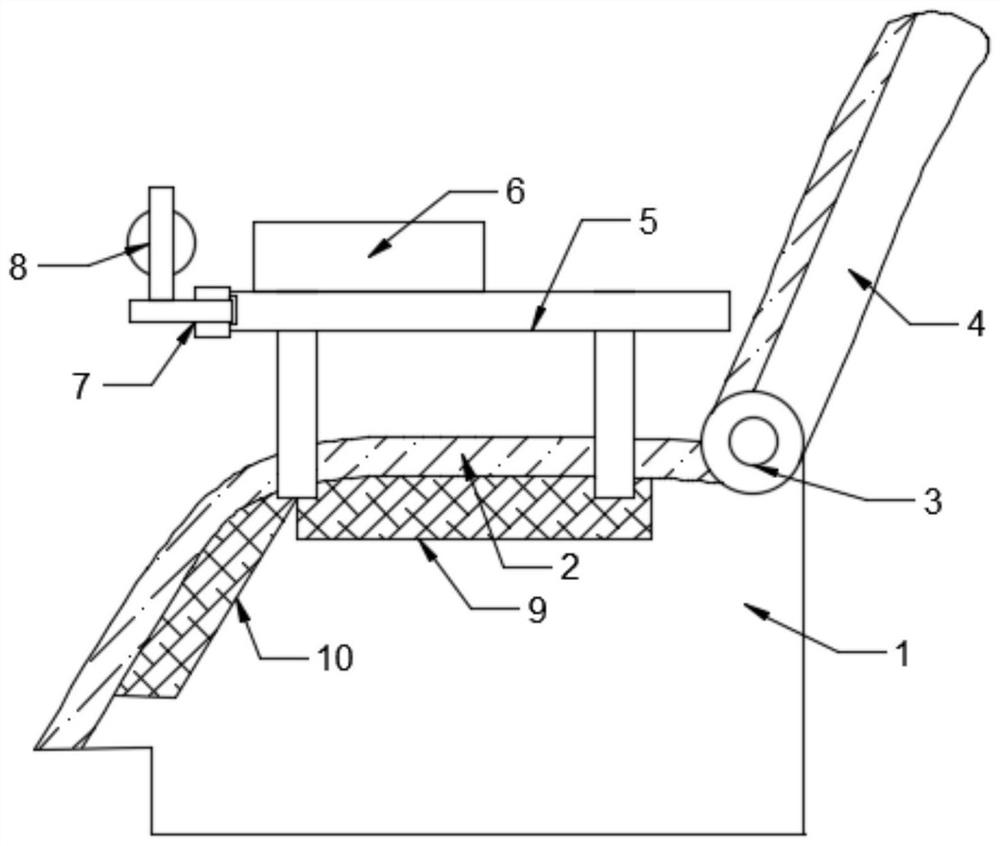
Figure 1 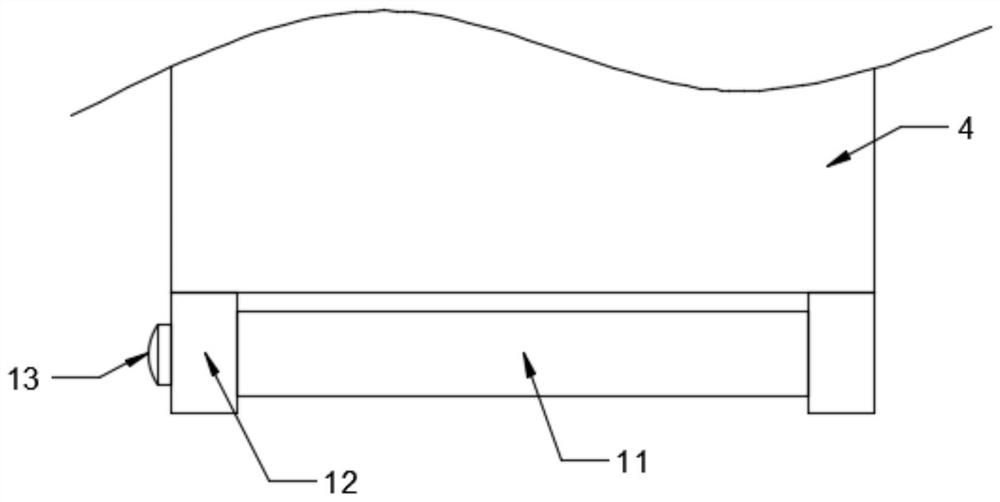
Figure 2 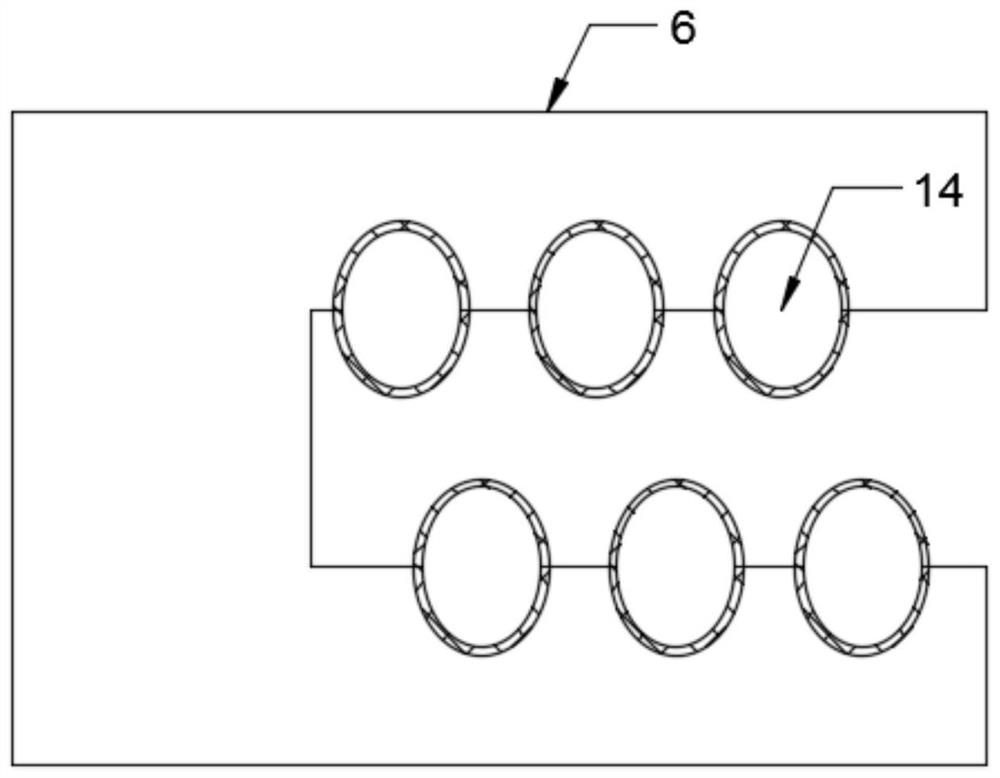
Figure 3
Abstract
Description
technical field
[0001] The invention relates to the technical field of medical devices, in particular to a rehabilitation chair for cerebrovascular disease in the department of clinical neurology. Background technique
[0002] Neurology is an independent secondary discipline that does not belong to the concept of internal medicine. The nervous system is composed of the brain, spinal cord and peripheral nerves. Neurology is the clinical medicine that studies nervous system diseases and skeletal muscle diseases, mainly through internal medicine. The types of diseases include spinal cord and cerebrovascular diseases, central nervous system infections, demyelinating diseases, movement disorders, epilepsy, headaches, degenerative diseases, genetic diseases of the nervous system, etc. Cerebrovascular disease refers to a group of diseases whose main clinical manifestations are cerebral hemorrhagic or ischemic injury symptoms caused by cerebral blood vessel rupture, bleeding or thr...
Examples
Embodiment Construction
[0023] The following will clearly and completely describe the technical solutions in the embodiments of the present invention with reference to the accompanying drawings in the embodiments of the present invention. Obviously, the described embodiments are only some, not all, embodiments of the present invention. Based on the embodiments of the present invention, all other embodiments obtained by persons of ordinary skill in the art without making creative efforts belong to the protection scope of the present invention.
[0024] In the description of the present invention, it should be noted that the terms "upper", "lower", "inner", "outer", "front end", "rear end", "both ends", "one end", "another end" The orientation or positional relationship indicated by etc. is based on the orientation or positional relationship shown in the drawings, and is only for the convenience of describing the present invention and simplifying the description, rather than indicating or implying that ...