

Carrier image enhancement method based on generative network
A carrier image, generative technology, applied in the field of information hiding, which can solve the problems of weak mobility, low security, and deceiving non-target steganalyzers.
Patent Information
- Authority / Receiving Office
- CN · China
- Patent Type
- Applications(China)
- Current Assignee / Owner
- Publication Date
- 2022-07-29
Smart Images
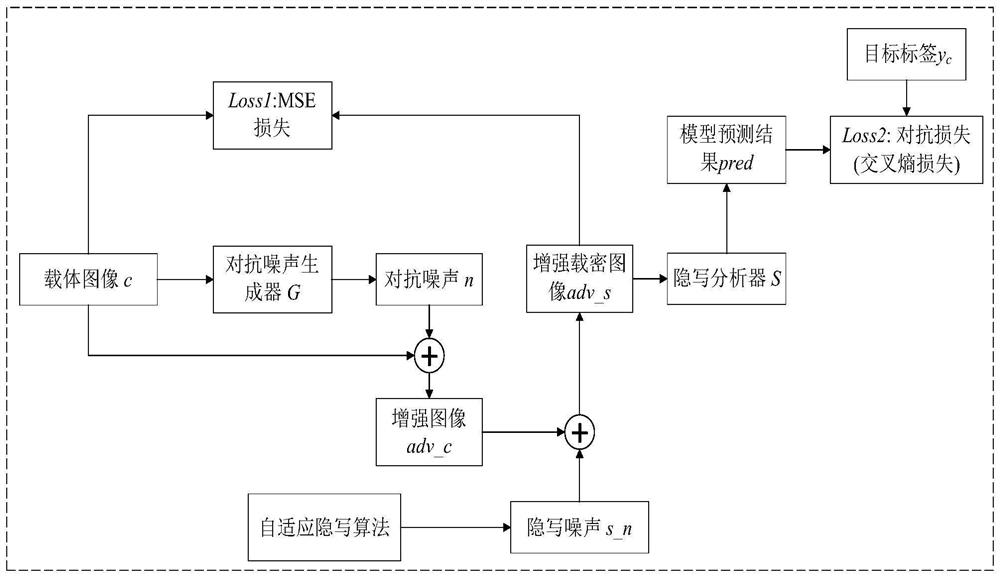
Figure 1 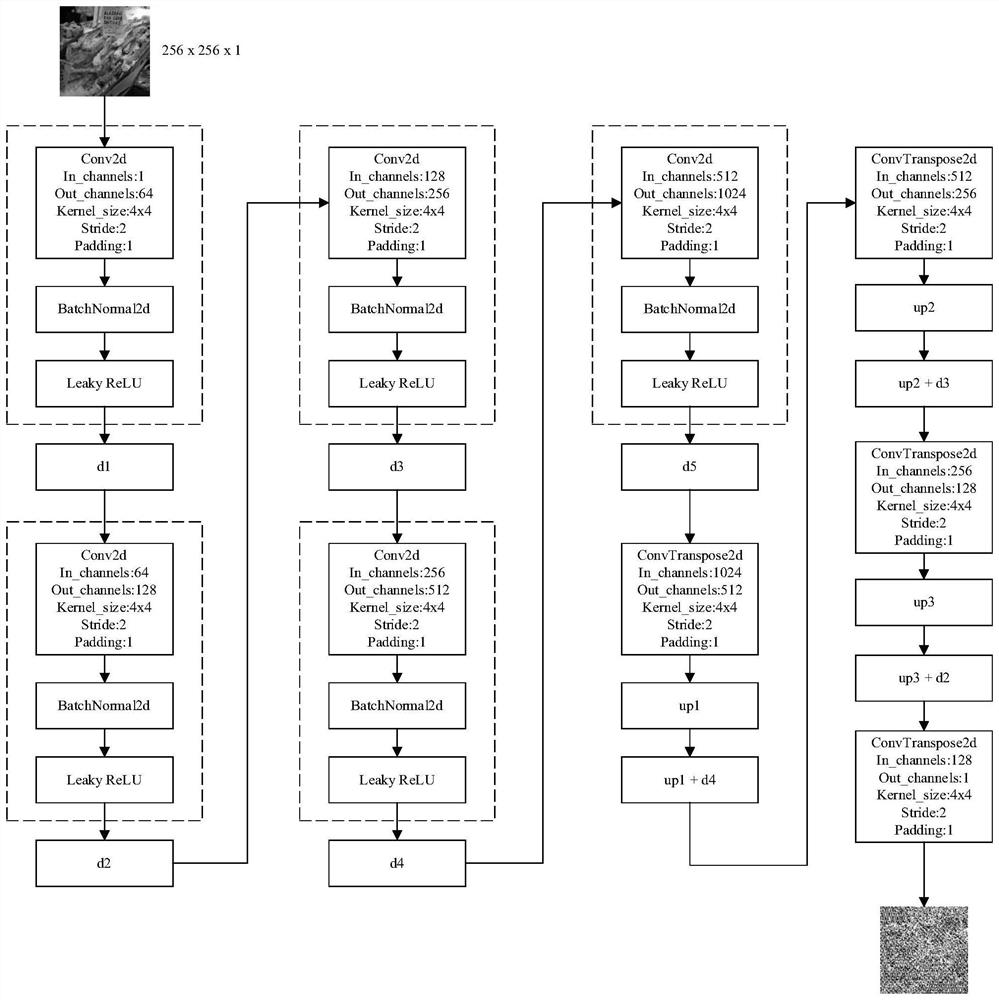
Figure 2 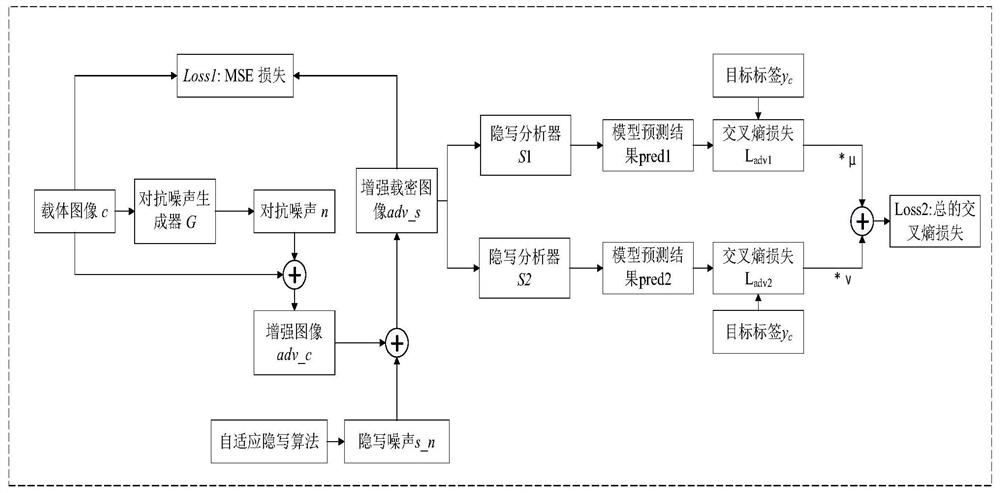
Figure 3
Abstract
Description
technical field
[0001] The invention relates to the technical field of information hiding, in particular to a carrier image enhancement method based on a generative network. Background technique
[0002] As one of the important technologies in the field of information hiding technology, image steganography uses the information redundancy of digital images to hide secret information, which is difficult to be detected. Image steganography hides secret information into normal image carriers, which greatly reduces the risk of malicious interception and tampering, so it is also widely used in the field of intelligence transmission. In recent years, image steganography researchers have proposed many spatially adaptive steganography algorithms that associate the embedded position of secret information with image content, such as HUGO (Highly Undetectable steGO), WOW (Wavelet Obtained Weights), S-UNIWARD (SpatialUniversal) Wavelet Relative Distortion), HILL (High-pass, Low-pass, an...
Examples
Embodiment 1
[0028] A carrier image enhancement method based on a generative network. By adding anti-noise to the carrier image, an enhanced carrier image is obtained. The enhanced carrier image can effectively deceive the steganalyzer and the traditional steganalysis method SRM after embedding secret information.
[0029] A. Training phase (eg figure 1 shown)
[0030] Step 1. Input the carrier image c in the training set into the anti-noise generator G. The anti-noise generator G can choose a fully convolutional network such as FCN and U-Net. In this example, the generator selects the FCN network whose structure is as follows figure 2 shown. The anti-noise generator will obtain the anti-noise n according to the content information of the carrier image.
[0031] Step 2. Add the adversarial noise n to the carrier image c to obtain the enhanced adversarial image adv_c.
[0032] Step 3. Use S-UNIWARD as the adaptive steganography algorithm in this example, generate steganographic noise s...
Embodiment 2
[0049] In order to improve the mobility, the present invention also considers a mobility improvement strategy based on a dual-target steganalyzer, according to the differences in the mobility of the anti-noise generators obtained when training with different target steganalyzers. Divide the steganalyzers into two groups, and then extract a steganalyzer from the two groups to combine, and jointly train as the target steganalyzer to provide adversarial loss, and the rest is the same as when attacking a single steganalyzer. keep it the same. Using two different steganalysis networks as the target steganalyzer can help the adversarial noise generator better learn the differences between the two different steganalyzers and find the common weaknesses between the two models, Generate more mobile adversarial noise.
[0050] A. Training phase (eg image 3 shown)
[0051] Specifically, steps 1 to 6 are the same as those in Embodiment 1.
[0052] Step 7. When implementing the mobilit...