
Audio logging for protected privacy
a technology for protecting privacy and recording, applied in the field of recording, to achieve the effect of facilitating the use of recorded time segments
Patent Information
- Authority / Receiving Office
- US · United States
- Patent Type
- Patents(United States)
- Current Assignee / Owner
- Publication Date
- 2019-03-19
Smart Images
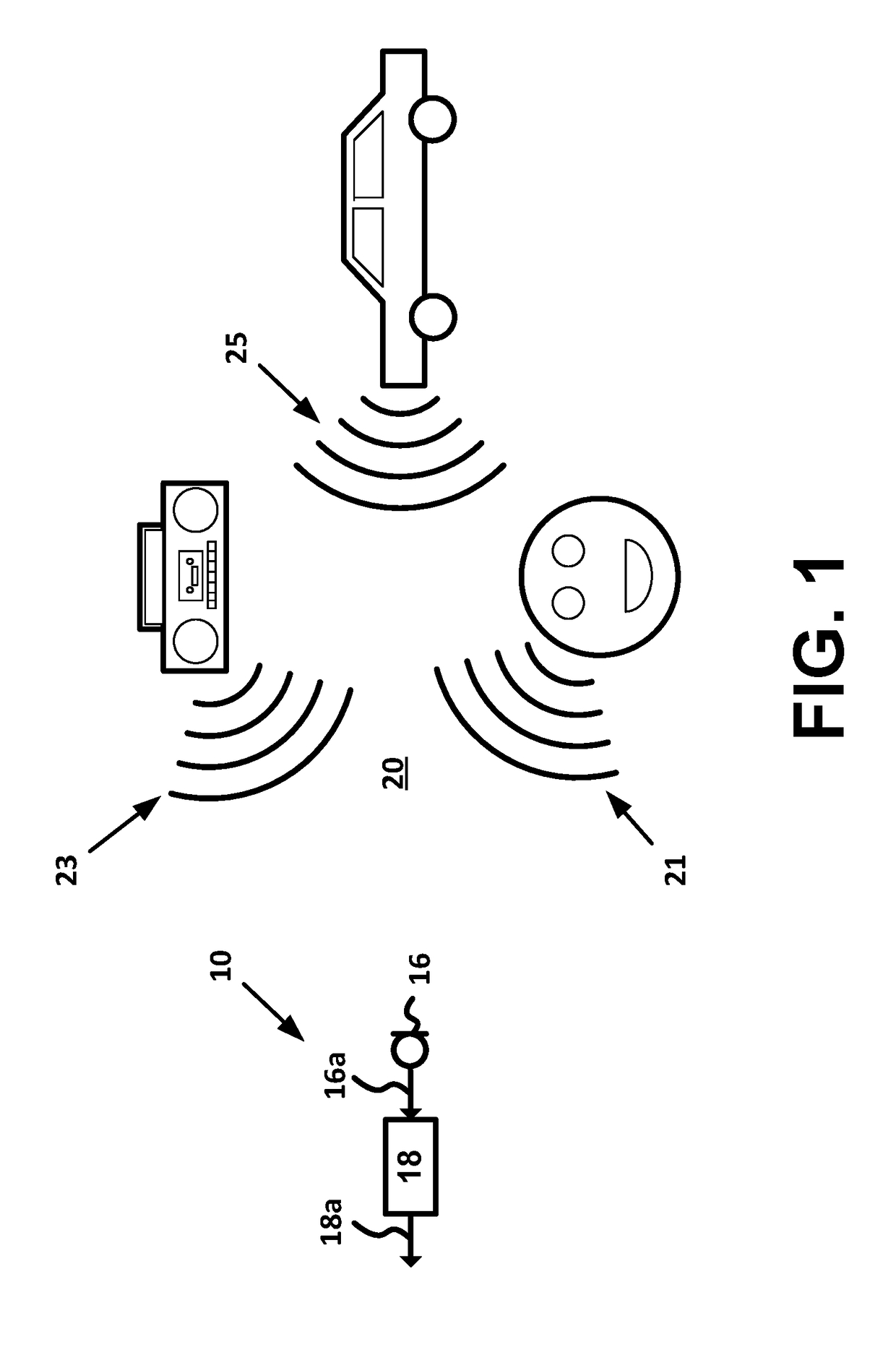
Figure 1 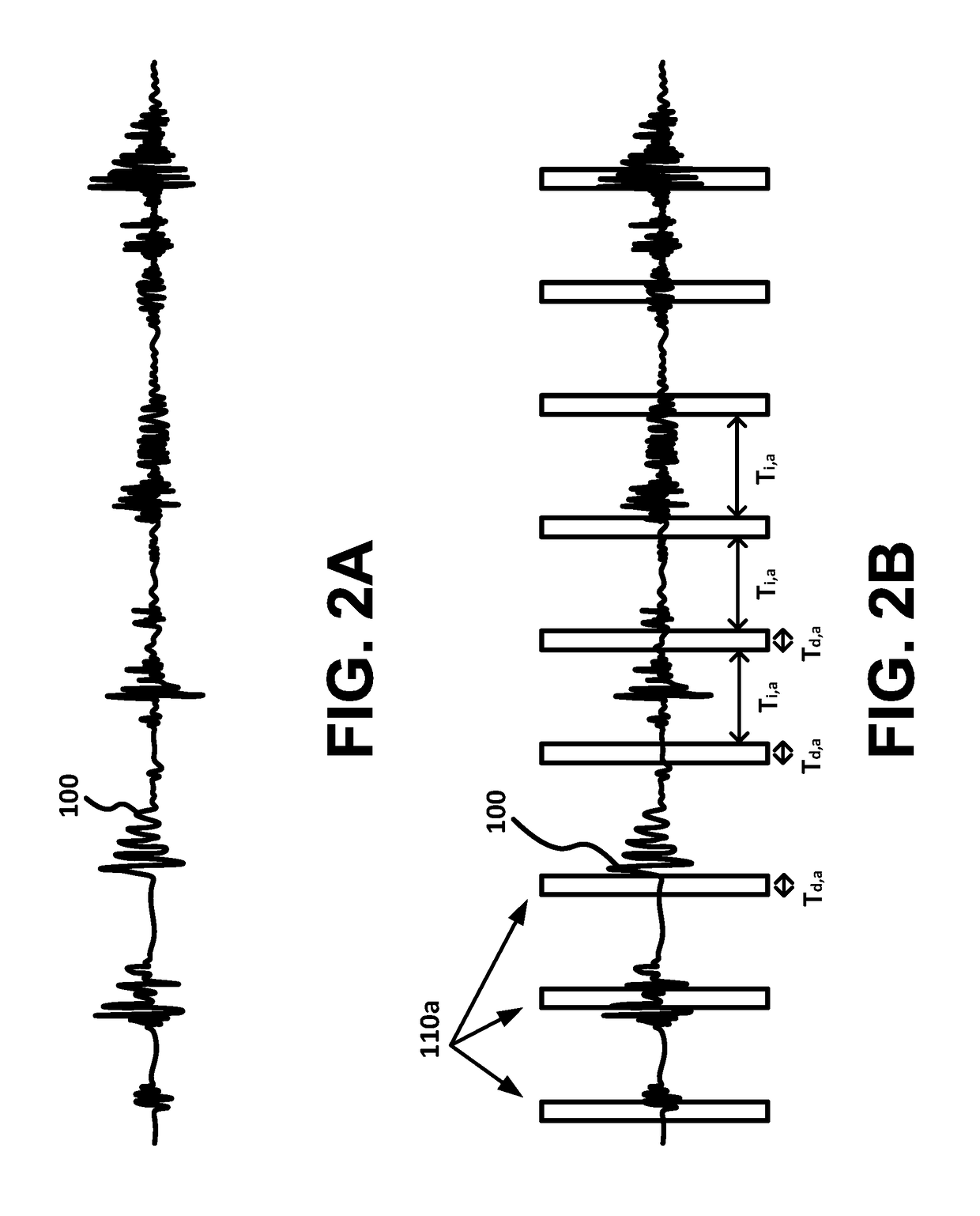
Figure 2 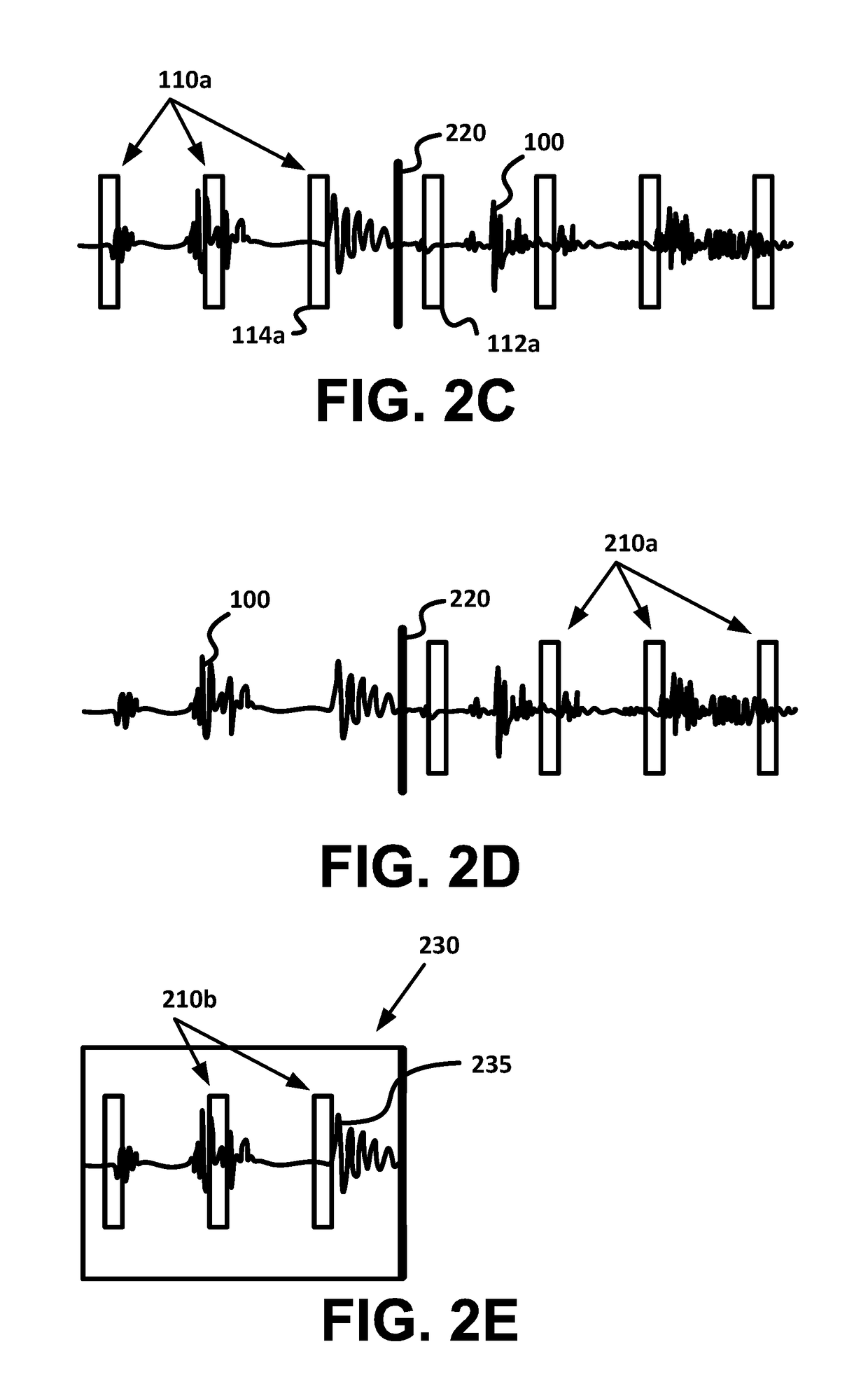
Figure 3
Abstract
Description
CROSS-REFERENCE TO RELATED APPLICATION
[0001] This application claims priority to U.S. Provisional Patent Application No. 62 / 264,948, filed Dec. 9, 2015, which is incorporated herein by reference.BACKGROUND
[0002] Unless otherwise indicated herein, the description provided in this section is not itself prior art to the claims and is not admitted to be prior art by inclusion in this section.
[0003] Various types of hearing prostheses provide people with different types of hearing loss with the ability to perceive sound. Hearing loss may be conductive, sensorineural, or some combination of both conductive and sensorineural. Conductive hearing loss typically results from a dysfunction in any of the mechanisms that ordinarily conduct sound waves through the outer ear, the eardrum, or the bones of the middle ear. Sensorineural hearing loss typically results from a dysfunction in the inner ear, including the cochlea where sound vibrations are converted into neural signals, or any other part of ...
Examples
Embodiment Construction
[0029]The present disclosure will focus on application in the context of hearing prosthesis or hearing prosthesis system. It will be understood, however, that principles of the disclosure can be applied as well in numerous other contexts, such as with respect to numerous other types of devices or systems that receive audio input. Further, even within the context of hearing prostheses, it will be understood that numerous variations from the specifics described will be possible. For instance, particular features could be rearranged, re-ordered, added, omitted, duplicated, or otherwise modified.
[0030]Devices as described herein can operate to receive audio input from an audio environment and to perform operations based on such received audio input. An audio environment at a particular location includes any sounds that are present at the particular location. Such an audio environment could include sounds generated by a variety of sources that are proximate to the particular location or ...