
Cold rolling process for metal tubes
Patent Information
- Authority / Receiving Office
- US · United States
- Current Assignee / Owner
- Publication Date
- 2006-12-28
Smart Images
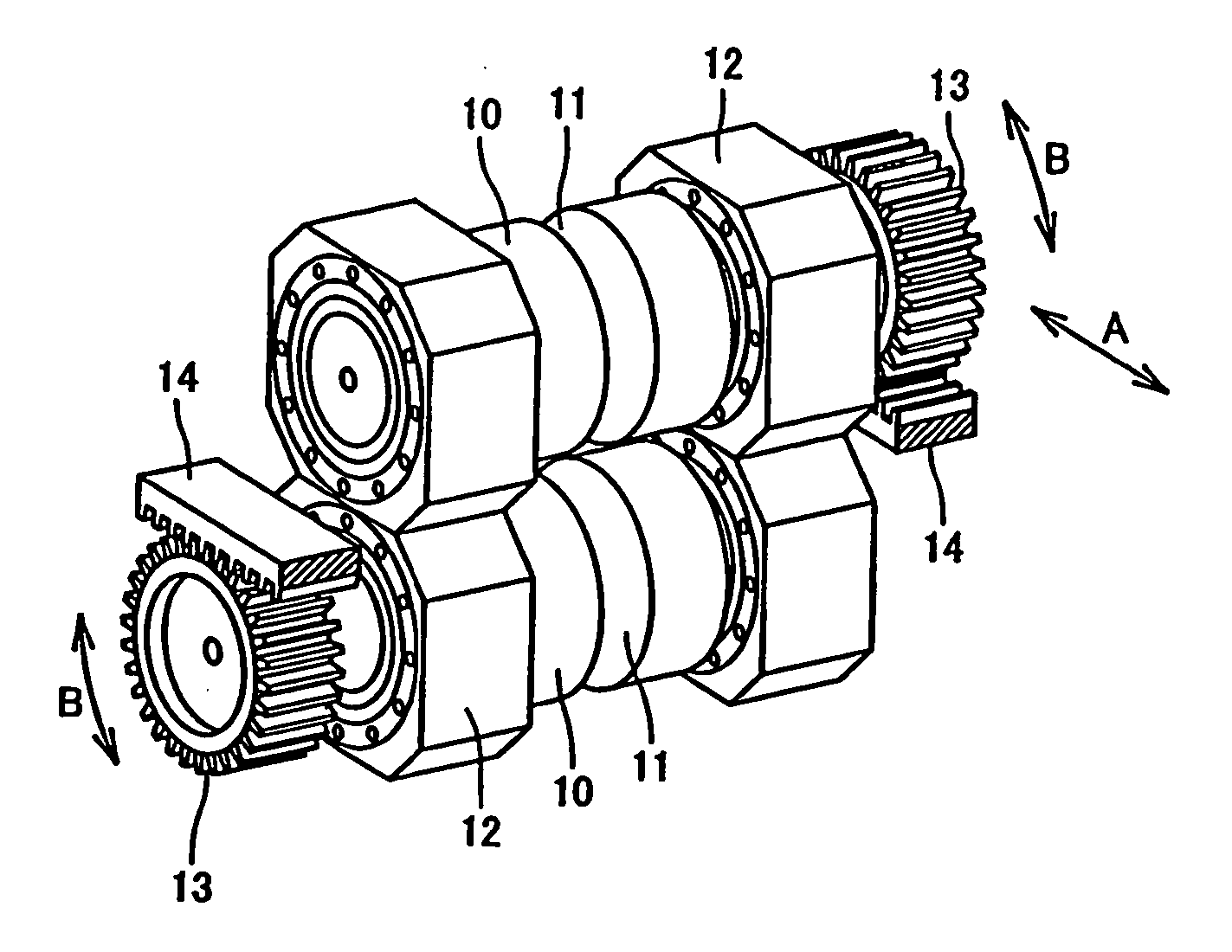
Figure 1 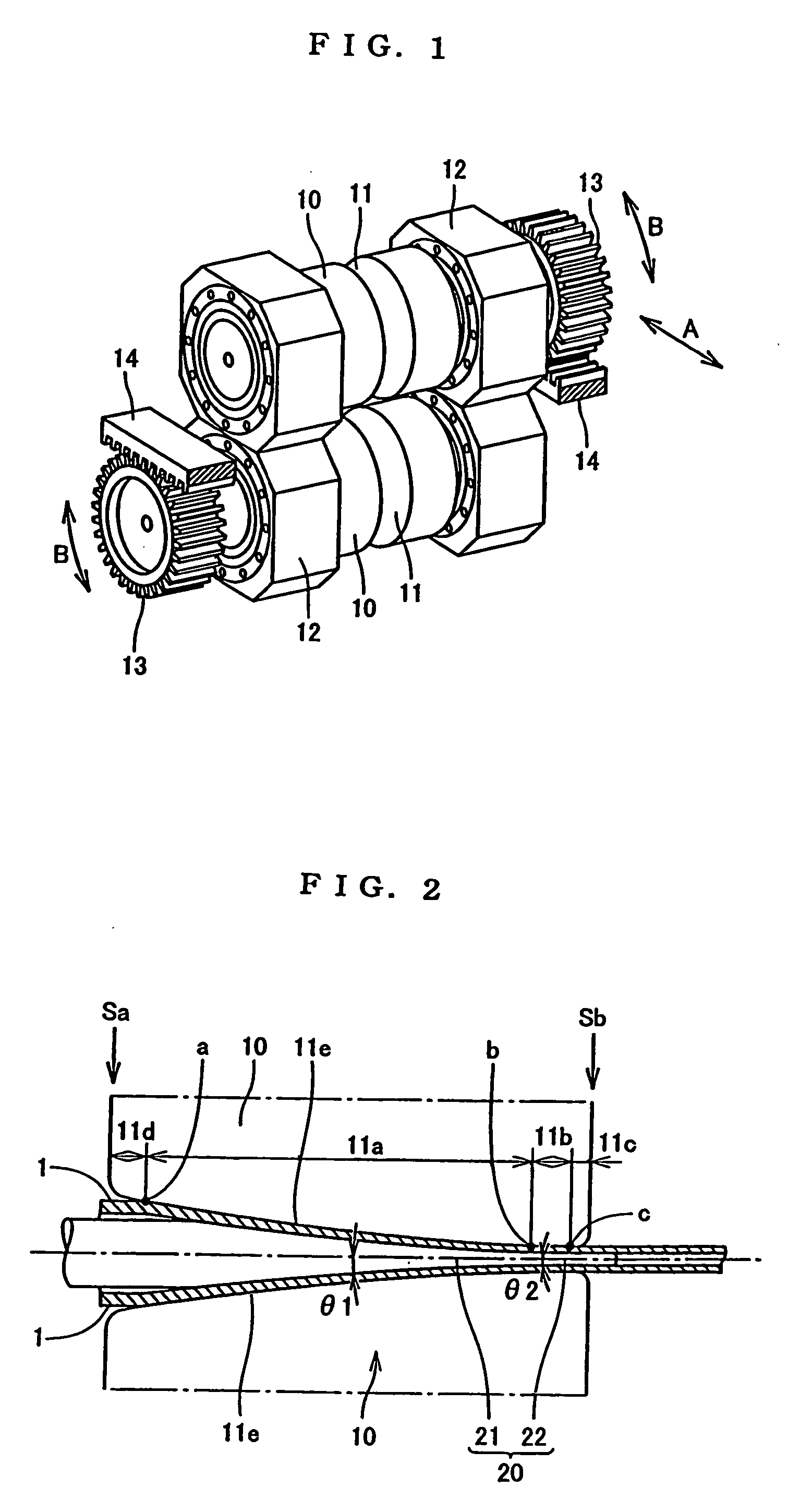
Figure 2 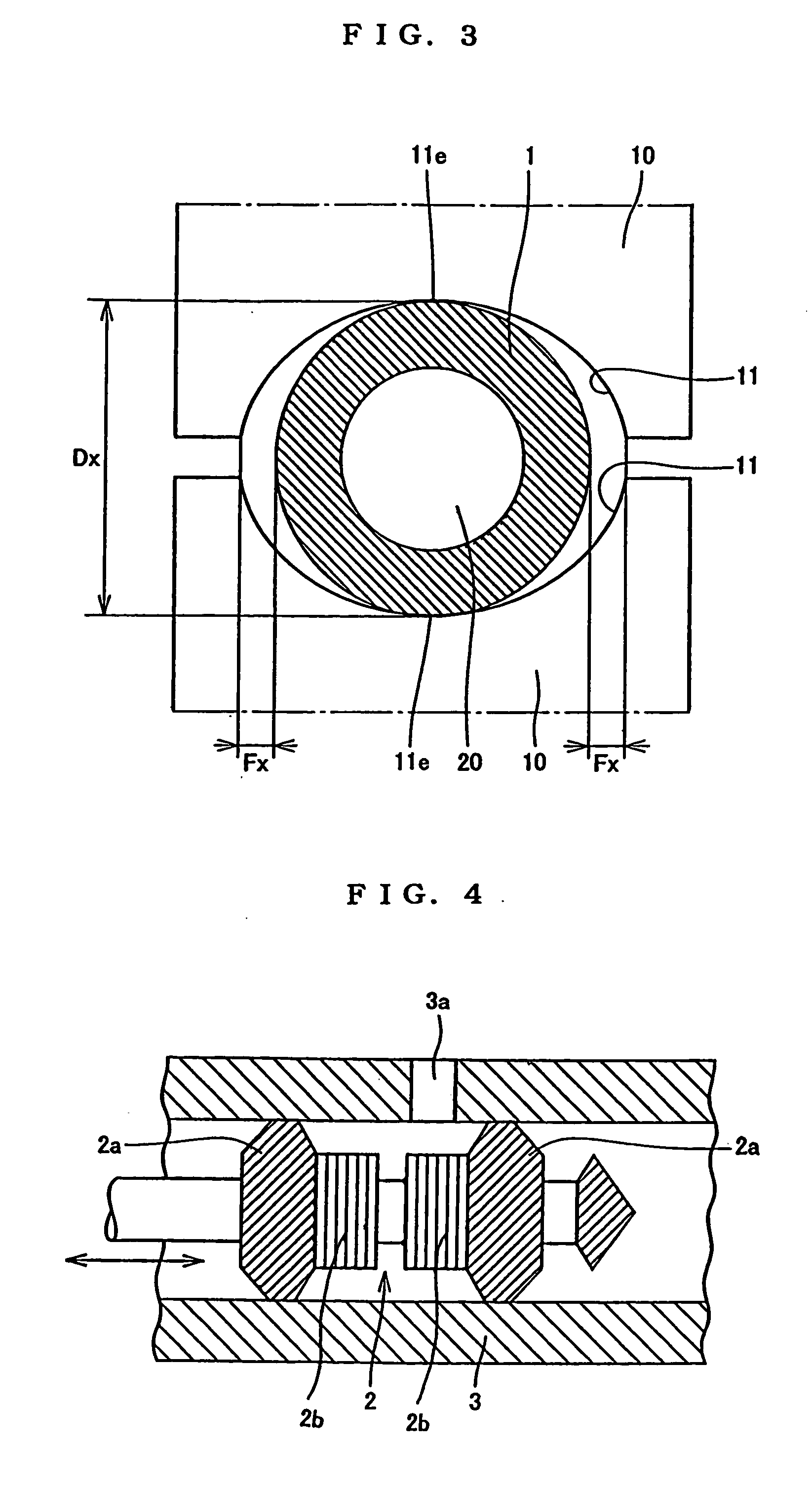
Figure 3
Abstract
Description
FIELD OF THE INVENTION
[0001] The present invention relates to a cold rolling process for metal tubes by pilger rolling, and more particularly, to a cold rolling process for metal tubes which have excellent dimensional accuracy after the final finishing stage as final sizing in pilger rolling, especially dimension-related shape characteristics (roundness) and surface property for the tube inside surface, thereby enabling to obtain a sufficiently high S / N ratio (signal to noise ratio) in conducting an inner coil eddy current testing. DESCRIPTION OF THE RELATED ART
[0002] Usually, as a cold working process for metal tubes, a cold drawing process by a draw bench and a cold rolling process by a pilger mill are customarily applied. In particular, since a cold rolling process by a pilger mill has a feature such that tube materials can be cold worked with a high reduction rate in comparison with a cold drawing process, the cold rolling process by the pilger mill (pilger rolling) is general...
Examples
examples
[0060] In Example, the S / N ratio is investigated for the metal tubes manufactured by finishing rolling which applies the process according to the present invention. As the test materials, the billets made of the materials corresponding to NCF690TB (30 Cr-60 Ni) specified in JIS Standard are prepared, and subjected to hot extrusion process to yield the tube blanks of 55 mm in outside diameter×32 mm in inside diameter, followed by grinding the outside surface thereof to make 54.75 mm in outside diameter×32 mm in inside diameter, to be the tube materials for pilger rolling.
[0061] The tube materials thus made are subjected to a preliminary rolling process to make the intermediate tubes of 25 mm in outside diameter×19 mm in inside diameter. In the subsequent final finishing rolling, the roll-dies whose side relief rate SR are varied to 0.5%, 1.0%, 1.5% and 2.0% (4 variants in all) and the mandrel where the taper θ1 in the primary deformation zone is adjusted to 0.25 degree and the taper...