
Dental compositions including thermally responsive additives, and the use thereof
a technology of additives and dental compositions, applied in the field of dental compositions including thermally responsive additives, can solve the problems of cohesive failure and adhesion failure within the hardened dental composition, and achieve the effects of reducing the bond strength of orthodontic appliances, sufficient bond strength, and reducing the bond strength
Patent Information
- Authority / Receiving Office
- US · United States
- Patent Type
- Applications(United States)
- Current Assignee / Owner
- Publication Date
- 2007-06-21
- Estimated Expiration
- Not applicable · inactive patent
Smart Images
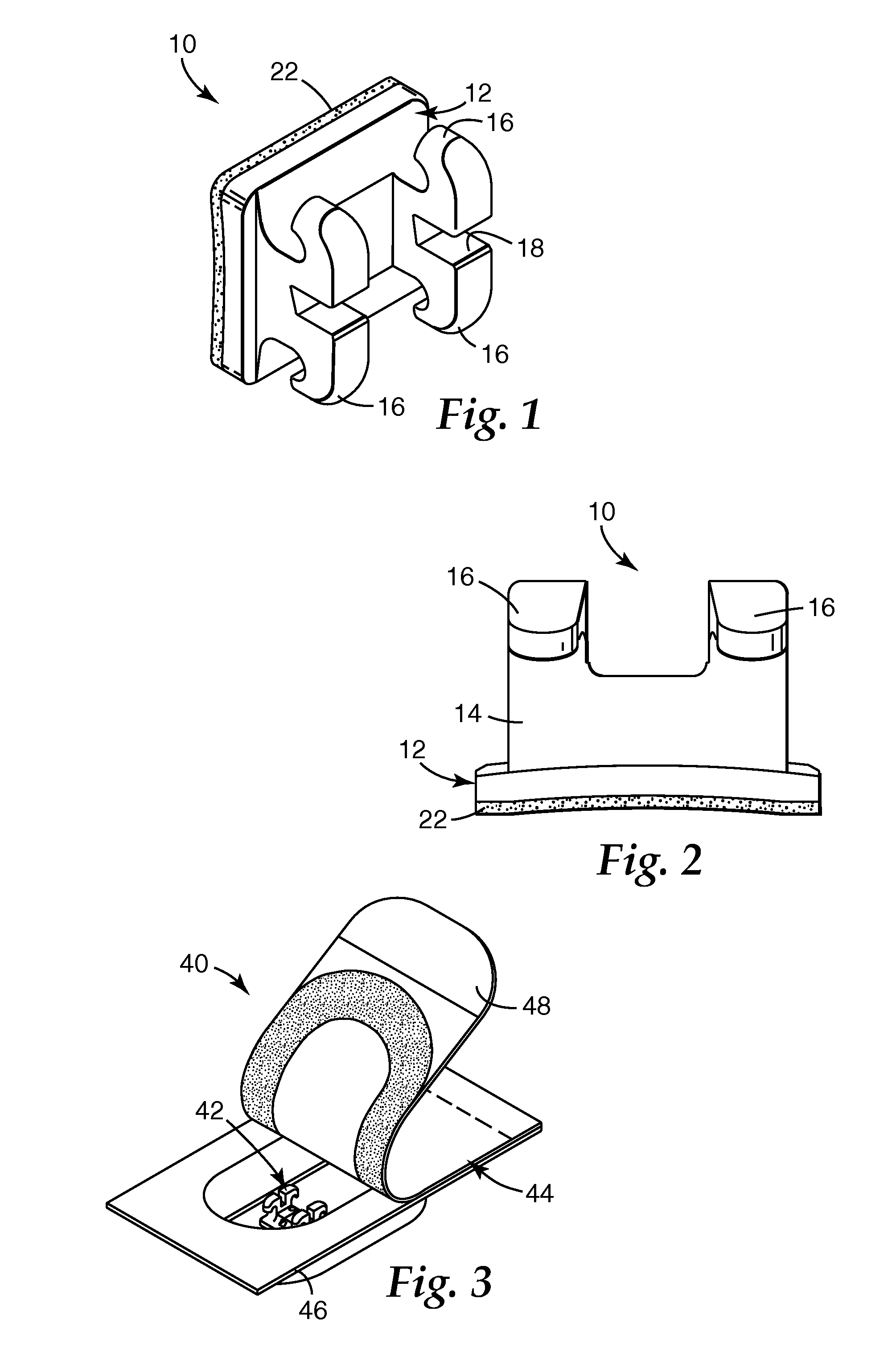
Figure 1 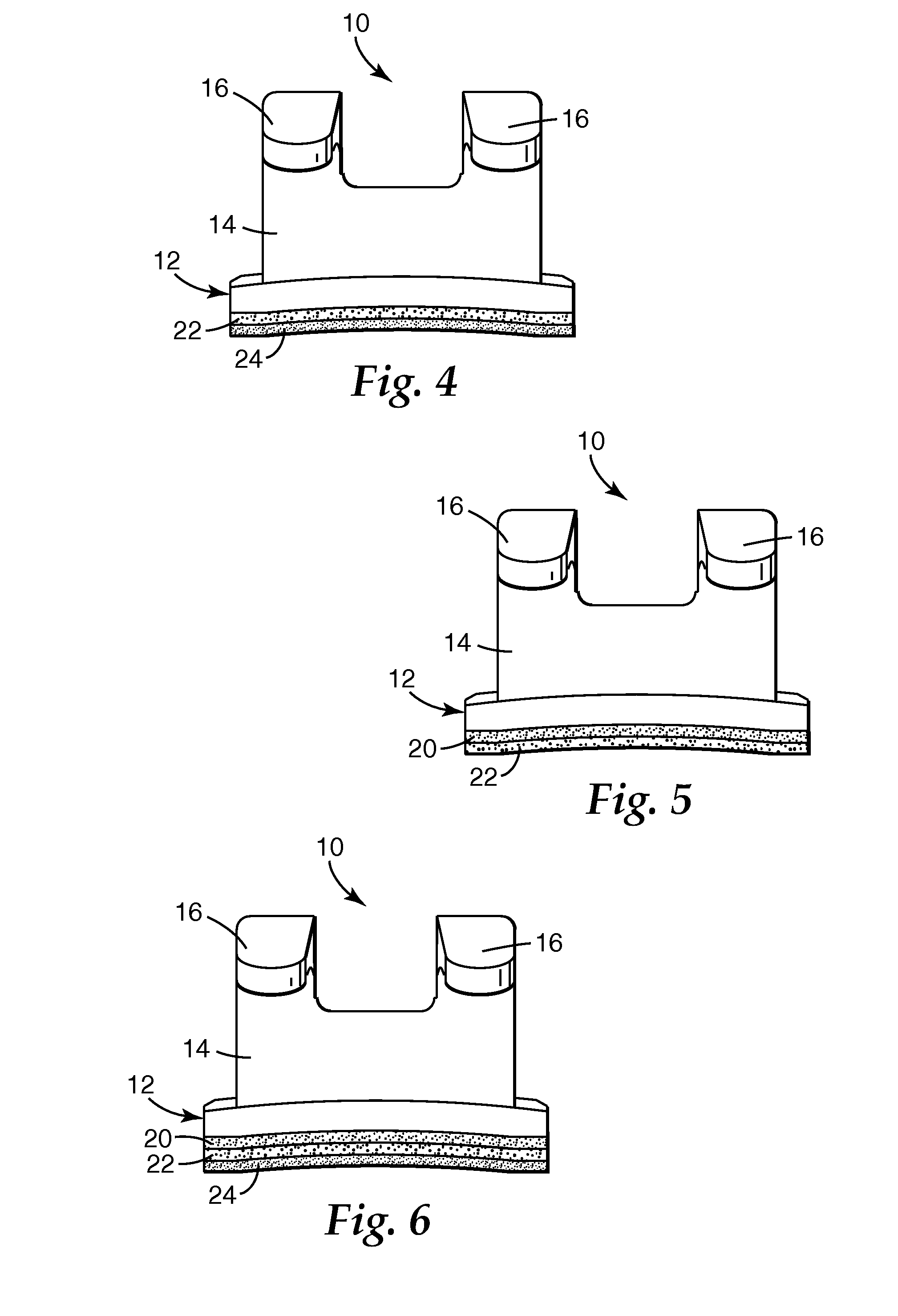
Figure 2 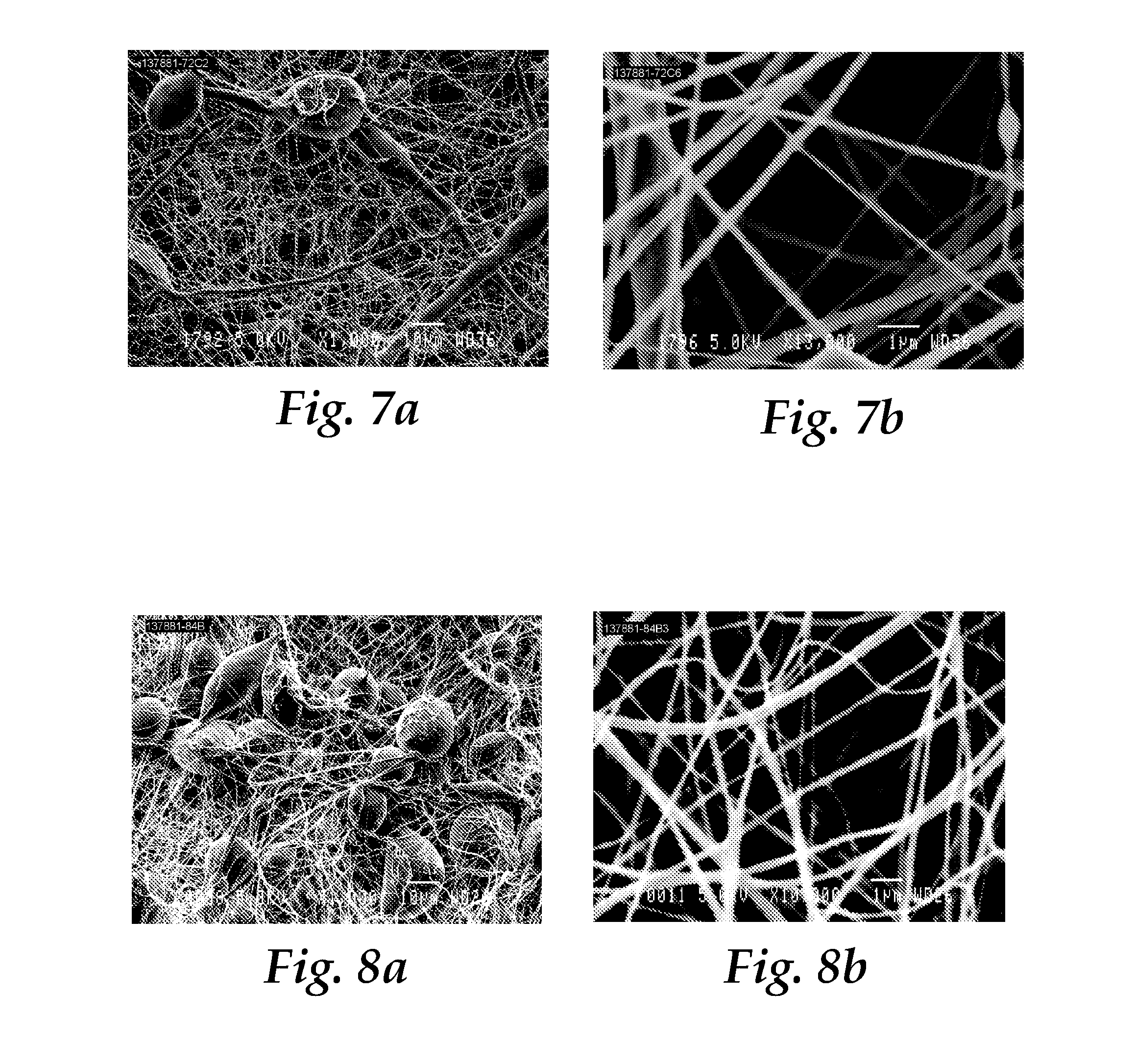
Figure 3
Abstract
Description
BACKGROUND
[0001] Orthodontic treatment involves movement of malpositioned teeth to orthodontically correct positions. Tiny orthodontic appliances known as brackets are connected to exterior surfaces of the patient's teeth, and an archwire is placed in a slot of each bracket. The archwire forms a track to guide movement of the teeth to desired positions for correct occlusion. End sections of the archwire are often received in appliances known as buccal tubes that are fixed to the patient's molar teeth. In recent years it has become common practice to use adhesives to bond orthodontic appliances to the surface of the tooth, using either direct or indirect methods. A variety of adhesives are available to the practitioner for bonding brackets to tooth surfaces, and many offer excellent bond strengths. High bond strengths are desirable for maintaining adhesion of the bracket to the tooth surface over the duration of the treatment process, which can typically be two years or more.
[0002] ...
Examples
example 11
Primer Composition
[0209] Example 11 was prepared by finely grinding the thermoplastic additive TONE P767 with a mortar and pestle and adding the resulting fine powder (40% by weight) into the commercial product TRANSBOND PLUS Self Etching Primer (3M Unitek).
examples 12-15
and
Comparative Example 3 (CE-3) Primer Compositions
[0210] Examples 12-15 were prepared by adding the thermoplastic additive TONE P767 into the commercial product SINGLE BOND / TRANSBOND MIP Moisture Insensitive Primer (3M Unitek). The additive was added to the Primer at levels of 0 wt.-% (Comparative Example 3), 5 wt.-% (Example 12), 10 wt.-% (Example 13), 15 wt.-% (Example 14), and 20 wt.-% (Example 15).
example 16
Adhesive Composition
[0211] Example 16 was prepared by mixing TONE P767 (30.5%) with Filler D (29.7%) and Resin B (39.8%). Thermal data was collected for a photocured (Model 2500 dental halogen lamp from 3M ESPE for 20 seconds) sample of Example 16 that had been heated, quenched in liquid nitrogen and then reheated. Two melt temperatures (Tm) were observed (54.24° C. and 57.70° C.), a result attributed most likely to the formation of two crystalline populations. Reheating and cooling gave rise to entirely reversible behavior.
Evaluations of Bond Strengths for Examples 1-9 and 12-15
Debonding of Brackets from Test Surfaces
[0212] Examples 12-15 (SINGLE BOND / TRANSBOND MIP Moisture Insensitive Primer containing various levels of TONE P767) were evaluated for shear bond strength using the Shear Bond Strength on Glass Test Method A described herein (with VICTORY Series metal brackets and photocured with a Model 5560 dental lamp). Heating was achieved by placing the samples in a conventio...