
Nutraceutical treatments for diabetic and non-diabetic wound healing
Patent Information
- Authority / Receiving Office
- US · United States
- Current Assignee / Owner
- Publication Date
- 2008-01-03
- Estimated Expiration
- Not applicable · inactive patent
Smart Images
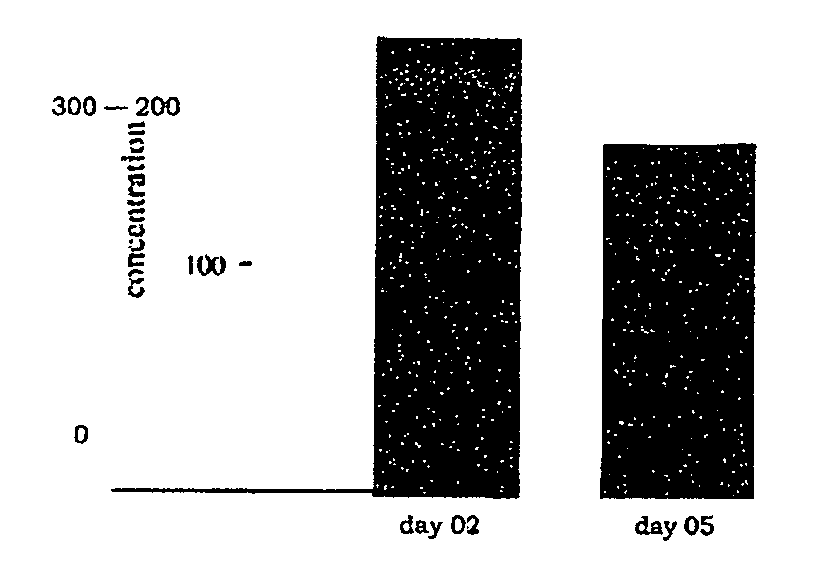
Figure 1 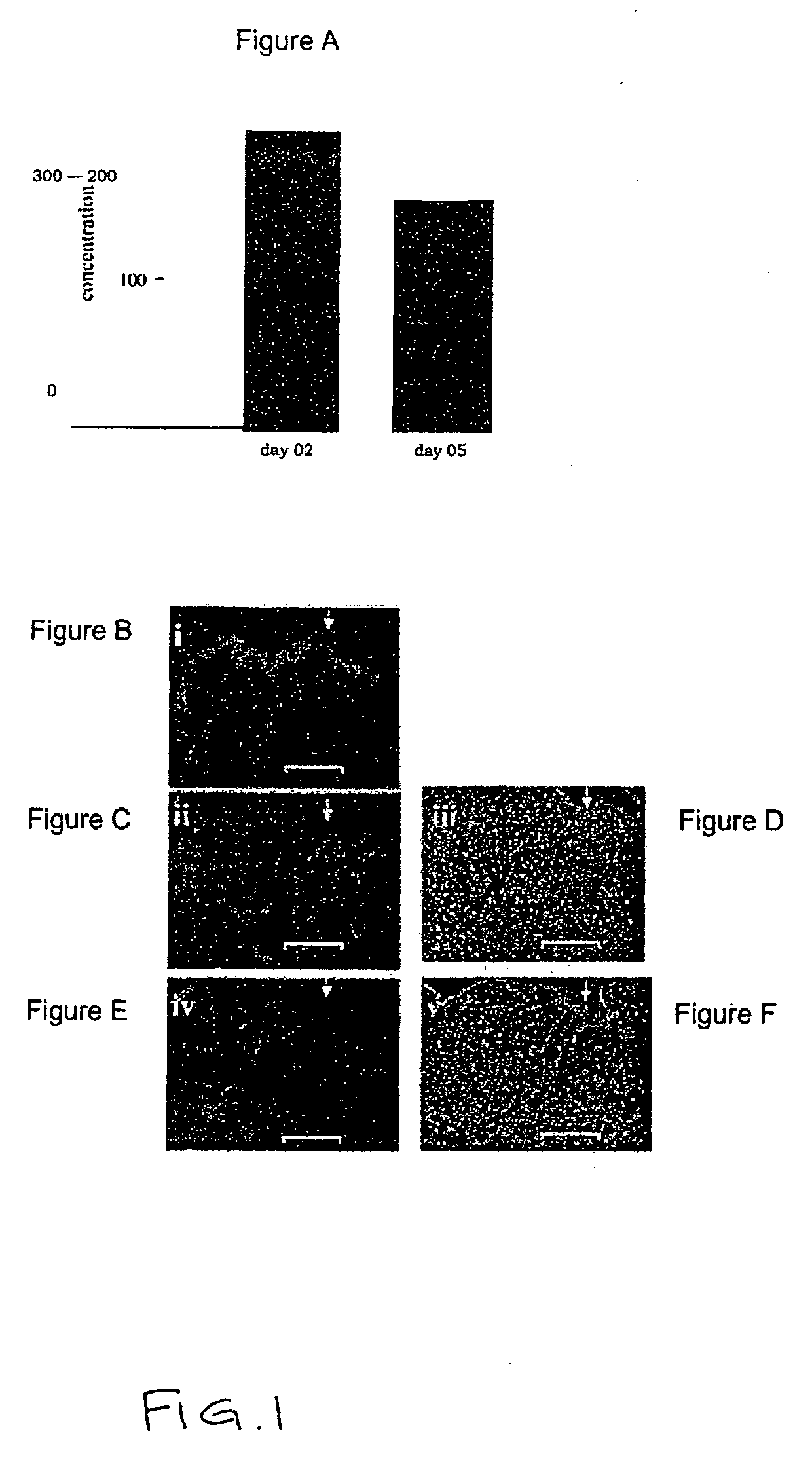
Figure 2 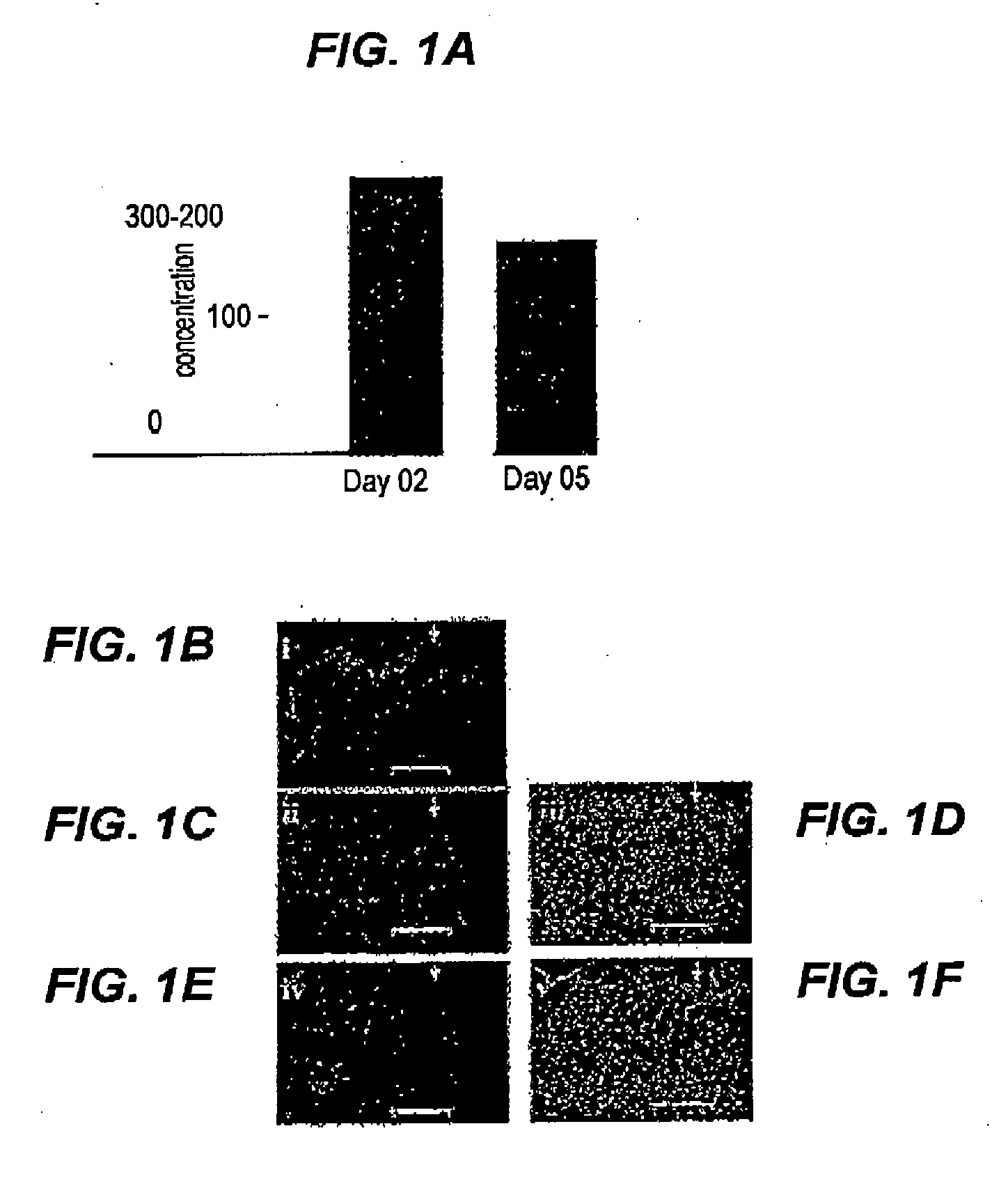
Figure 3
Abstract
Description
[0001] This application claims benefit of priority from Provisional application Ser. No. 60 / 809,542 filed May 31, 2006 and Ser. No. 60 / 810,741 filed Jun. 2, 2006FIELD OF THE INVENTION
[0002] The invention relates to proposed nutraceutical treatments for aiding in wound healing in diabetic and non-diabetic patients. BACKGROUND OF THE INVENTION
[0003] Skin is the largest organ of the human body, weighing approximately 10 pounds and covering an area of about 16 square feet. Skin is responsible for protecting the internal organs from the external world. Skin protects the body from heat, cold and physical injuries. It also provides sensory information about the nature of the external world and is the first defense against invasion by bacteria, viruses and other noxious compounds. The skin is also an excretory organ, disposing of wastes from the body in order to maintain homeostasis.
[0004] The epidermis is a stratified squamous epithelium forming the barrier that excludes harmful microbe...
Examples
example 1
[0087] Wound healing is impaired in type I diabetic mice. To determine the effect of the compostions described herein on wound healing in diabetic mammals, two full-thickness excisional wounds were placed on the dorsal skin of diabetic NOD / LtJ mice and matched control non-obese non-diabetic NOR / LtJ mice (12-15 wks, 5×10 mm wounds).
[0088] Results are shown in FIG. 1A. Wound area is shown as % of area of initial wound. Data are shown as mean±SD (n=4)*, p<0.05 versus corresponding non-diabetic control mice. As shown in FIG. 1B-FIG. 1C, histological analyses using hematoxylin and eosin staining of the wounds on day 3, post wounding, clearly demonstrated increased cellularity in NOD wounds versus NOR wounds (Scale bar=100 μm).
[0089] To visualize dead cells in the wound tissue, deoxynucleotidyl transferase-mediated dUTP nick end labeling (TUNEL) staining was optimized. Stained images show (FIG. 1D) a positive control that was generated by treating the tissue section treated with protein...