
System and method for healing a wound at a tissue site
a tissue site and system technology, applied in the field of tissue treatment, can solve the problems of pain or discomfort of patients, stress being applied to the skin or other tissue at the tissue site, damage to the tissue site, etc., and achieve the effect of reducing pressur
Patent Information
- Authority / Receiving Office
- US · United States
- Patent Type
- Applications(United States)
- Current Assignee / Owner
- Publication Date
- 2009-08-27
Smart Images
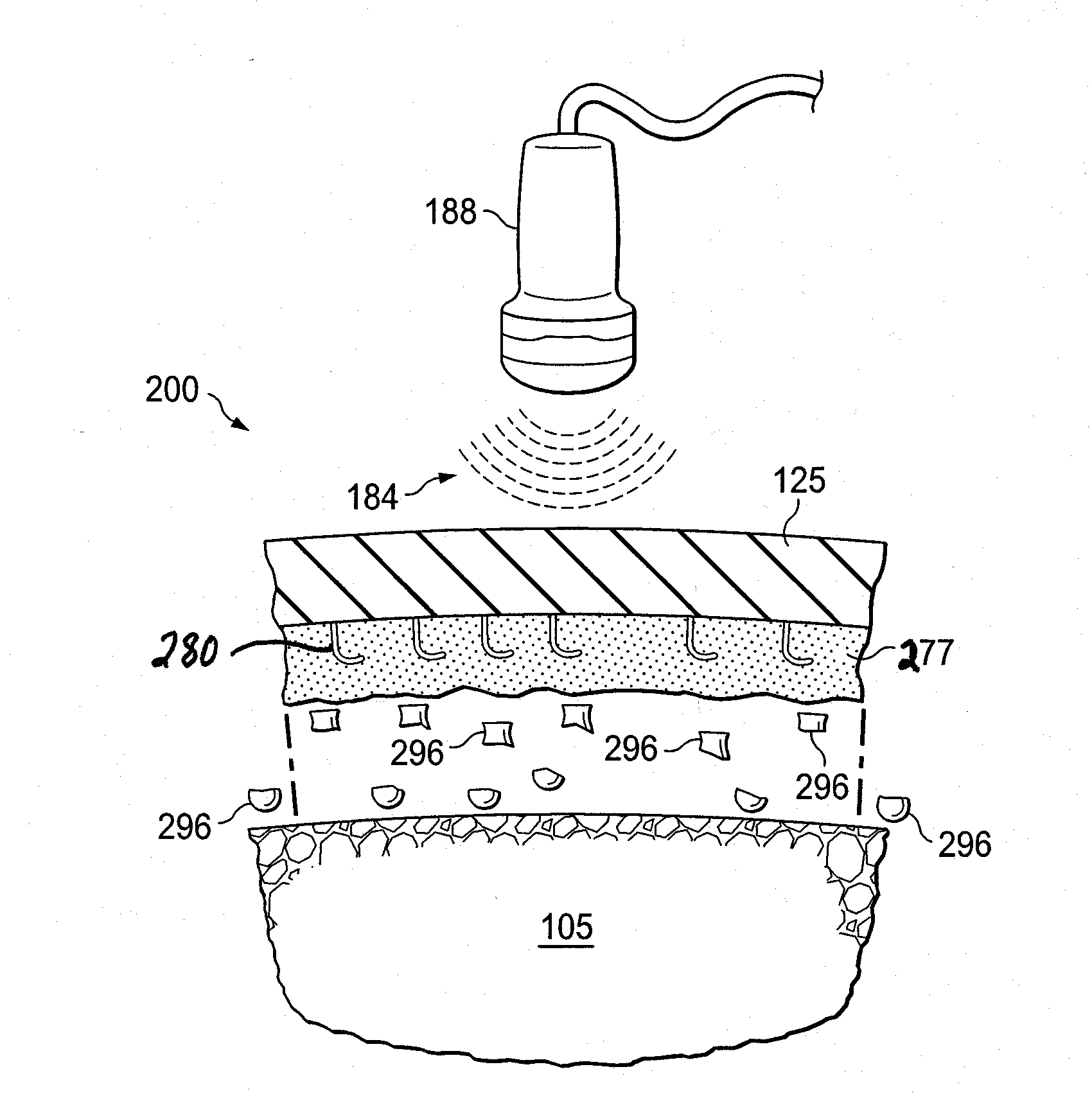
Figure 1 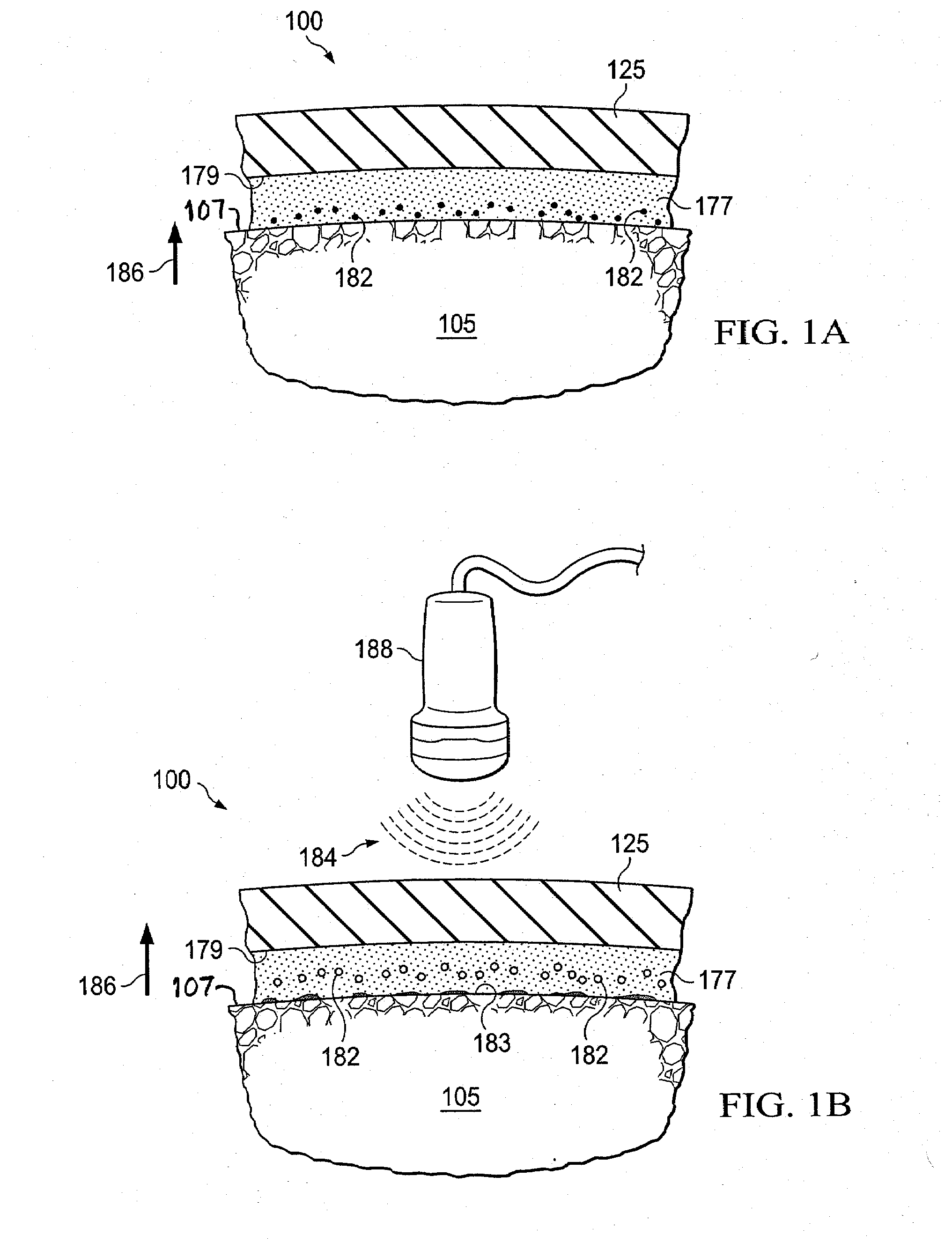
Figure 2 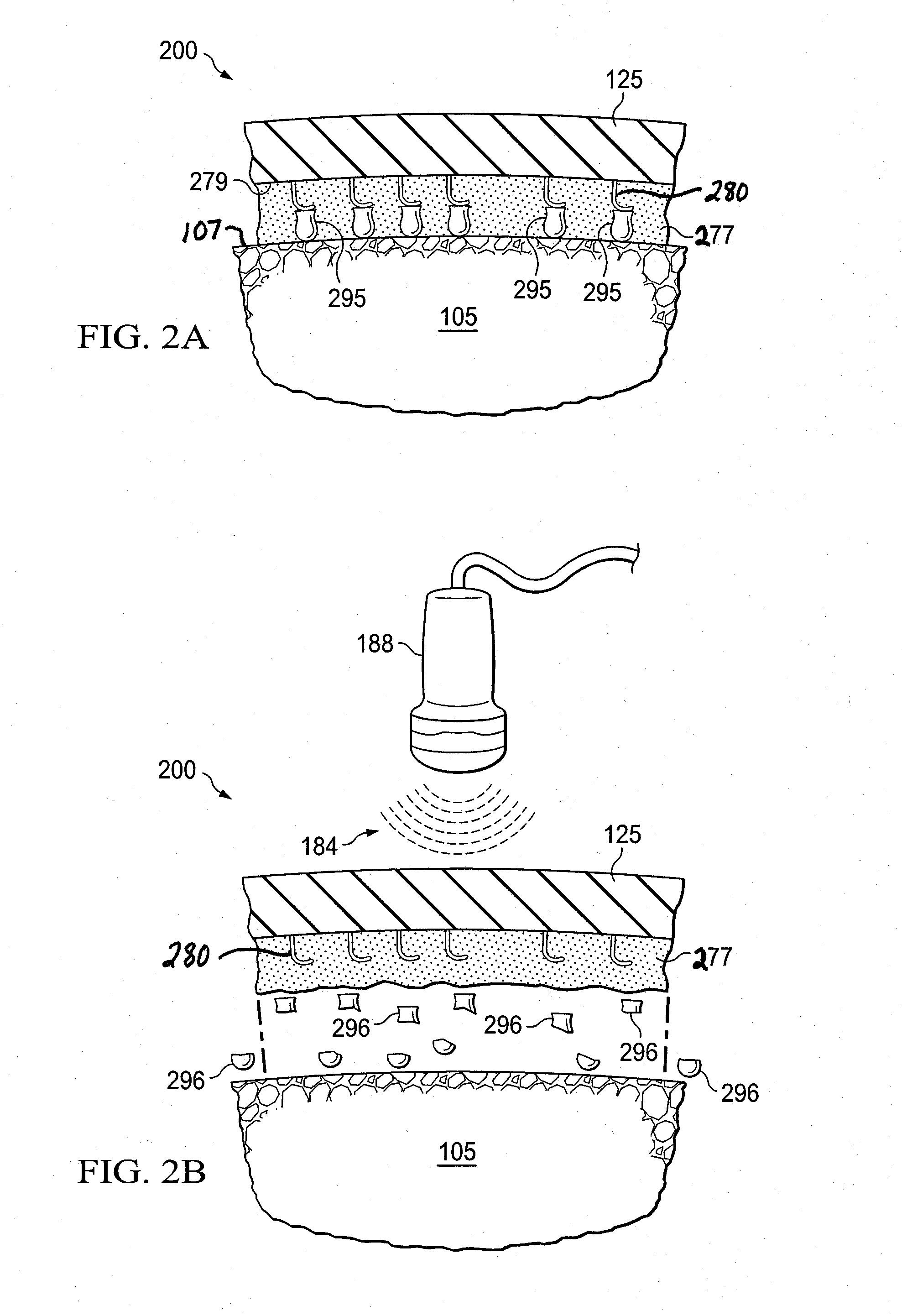
Figure 3
Abstract
Description
CROSS-REFERENCE TO RELATED APPLICATIONS
[0001] This application claims priority from U.S. Provisional Application Ser. No. 61 / 032,014, filed on Feb. 27, 2008, which is incorporated herein by reference in its entirety.FIELD OF THE INVENTION
[0002] The present application relates generally to the field of tissue treatment, and more specifically to a system and method for facilitating the application and removal of a drape from a tissue site.BACKGROUND OF THE INVENTION
[0003] Systems and devices currently exist for the treatment of tissue, such as wound tissue and skin tissue. Some current tissue treatment systems require the use of an adhesive drape to secure all or a portion of the tissue treatment system to a tissue site. For example, an adhesive drape can be used to secure a gauze portion of a bandage to a wound site by adhering to the skin or other tissue surrounding the wound.
[0004] However, when using drapes in current treatment systems, the act of removing the drape can result in pain...
Examples
example 1
[0142]A 7×7 cm piece of Avery V.A.C.® Therapy Drape was placed on a forearm (specimen 1). The force required to remove the drape 125 was measured by an instron.
[0143]A second piece of 7×7 cm drape 125 was placed on the opposite forearm (specimen 2). For this sample, 71.9 mg of jojoba liposomes (Florasomes from Floratech) were placed on the adhesive side of the drape prior to adhering to the forearm. Florasomes liposomes containing about 10% tocopherol (i.e., vitamin E); having a size of about 300 to about 1700 microns; and having an initial melting point of about 50 C. The drape was heated slightly by holding the opposite hand on the dressing for 1 minute. This dressing was attached to the instron and the force required to remove the drape was measured.
[0144]Results showed that specimen 1 required a maximum load of 2.44 N to remove. Specimen 2 required a maximum load of 1.48 N to remove. The liposomes slightly reduced maximum load to remove the drape in the absence of heat but such ...