
Attenuated salmonella enterica serovar paratyphi a and uses thereof
Patent Information
- Authority / Receiving Office
- US · United States
- Patent Type
- Applications(United States)
- Current Assignee / Owner
- Publication Date
- 2012-02-02
Smart Images
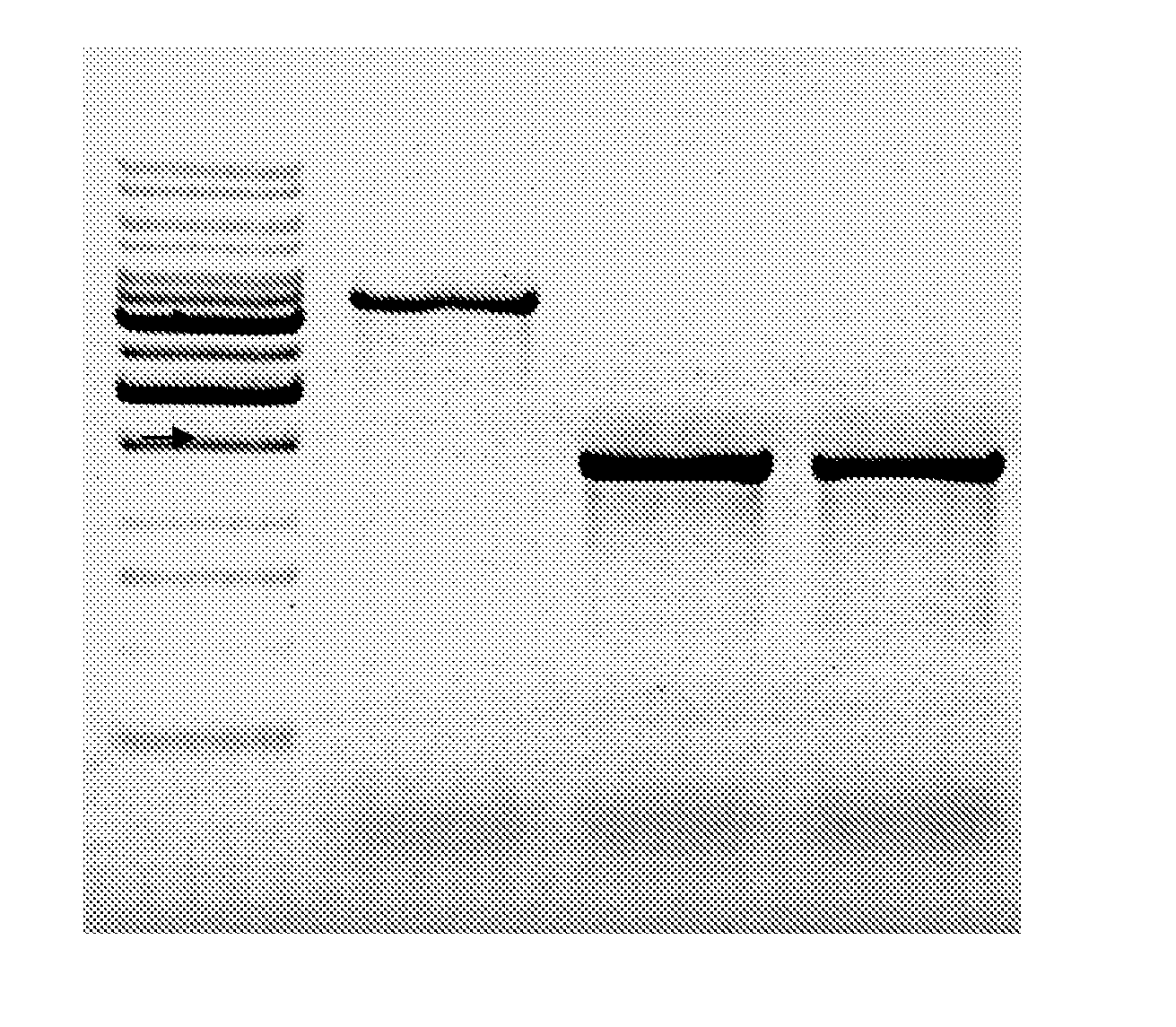
Figure 1 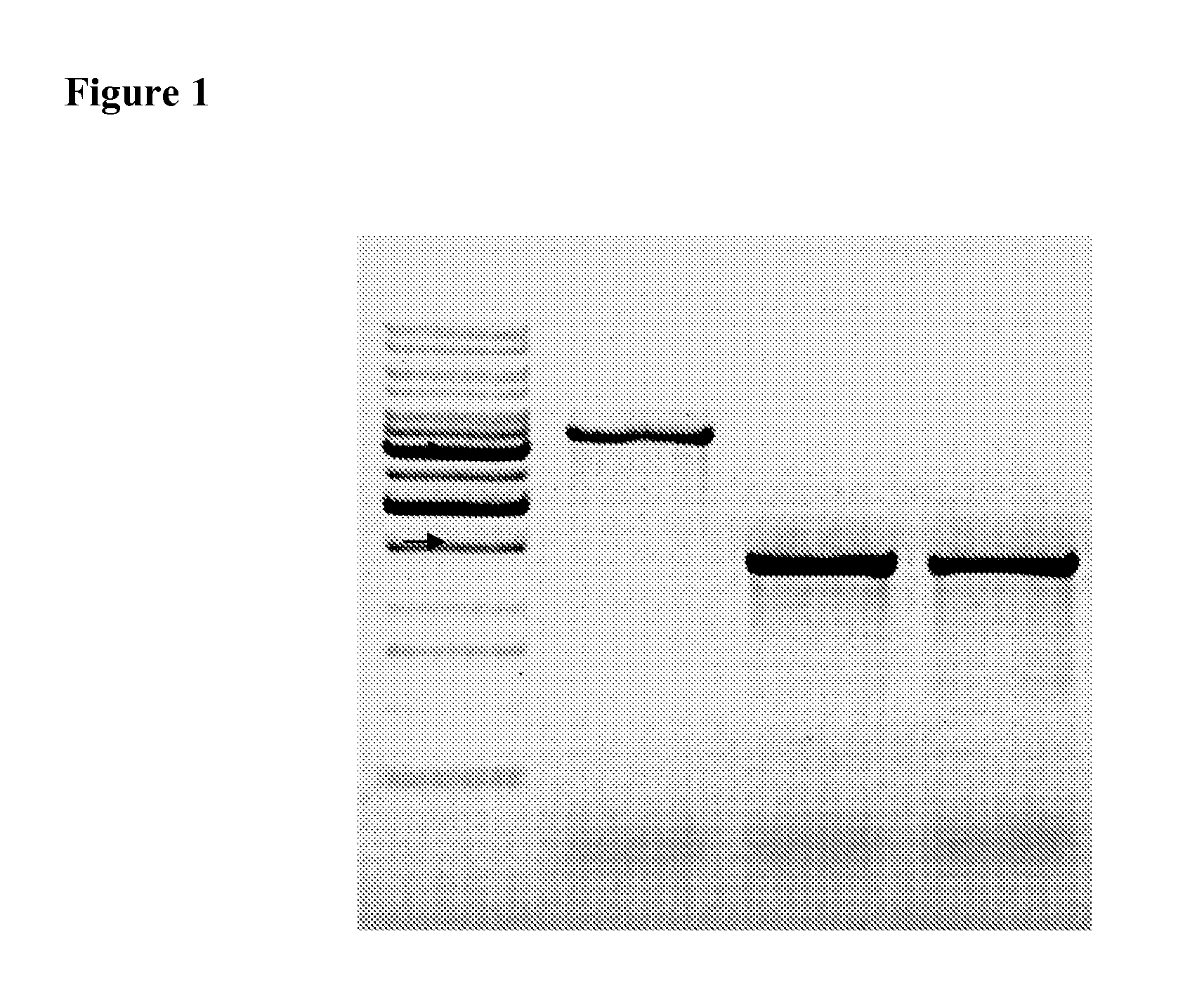
Figure 2 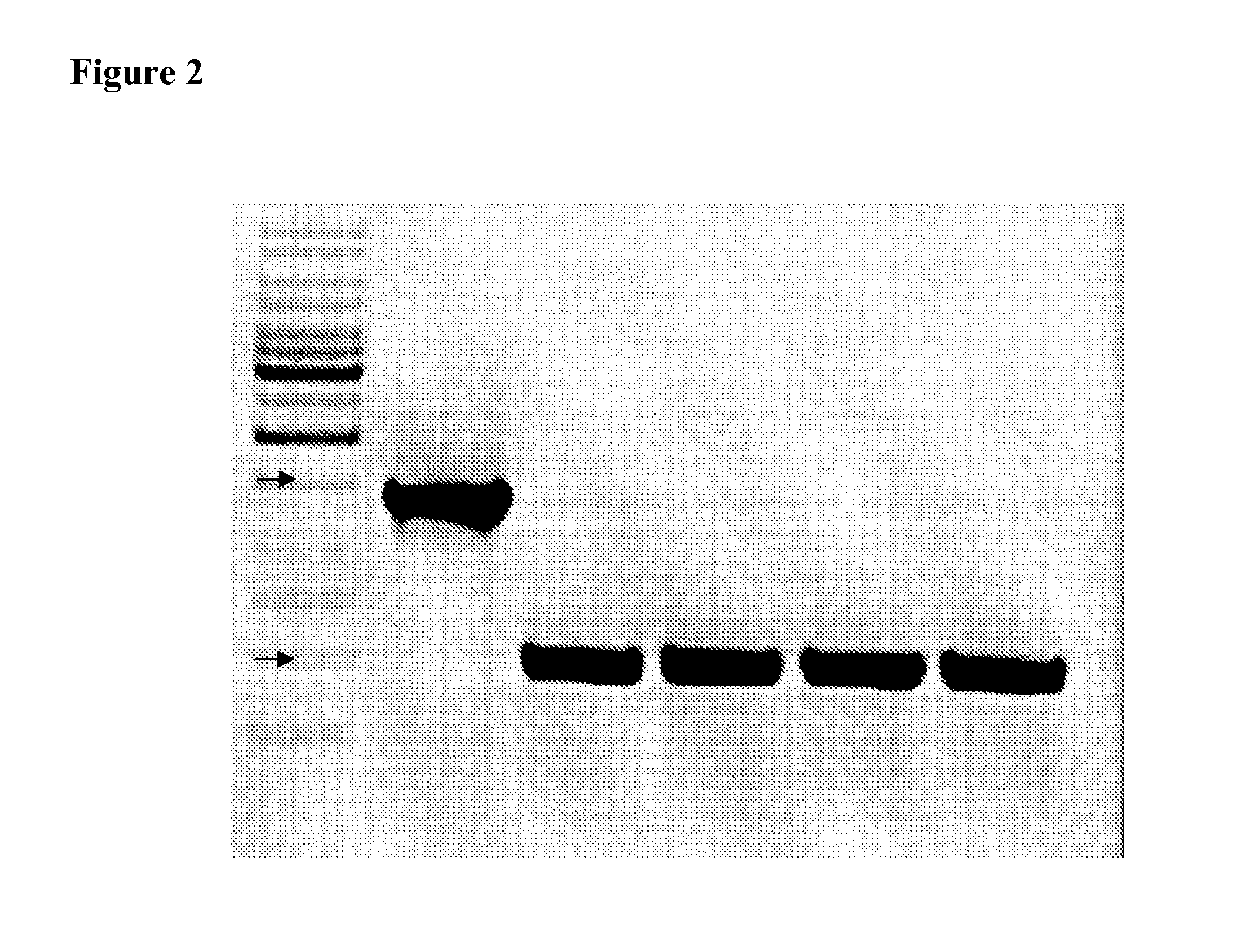
Figure 3
Abstract
Description
RELATED APPLICATIONS
[0001] The present application is a continuation-in-part of U.S. patent application Ser. No. 12 / 091,929, filed Apr. 28, 2008, which claims the benefit of International Application No. PCT / US06 / 42148, filed Oct. 30, 2006, and the benefit of U.S. Provisional Application No. 60 / 731,349, filed Oct. 28, 2005. The entire disclosure and teachings of the above-referenced Applications are incorporated herein by reference.STATEMENT OF FEDERALLY SPONSORED RESEARCH AND DEVELOPMENT
[0002] This invention was made with government support under NIH Grant No. A1029471 awarded by the National Institutes of Health. The government has certain rights in the invention.BACKGROUND OF THE INVENTION
[0003] Enteric fever caused by members of the genus Salmonella, including typhoid and paratyphoid fevers, continues to constitute a significant disease and mortality burden among populations in developing countries (Lancet 2005; 366:749-762) and represents a notable risk for travelers (Lancet Infec...
Examples
Embodiment Construction
A. Attenuated S. Paratyphi A Strains
[0036]The present invention relates to an attenuated S. Paratyphi A strain. Such attenuated S. Paratyphi A strains may be used to induce an immune response in a subject without causing disease in the subject.
[0037]The S. Paratyphi A strain used as the starting material of the present invention may be any S. Paratyphi A strain and the identity of the strain is not critical. Preferred S. Paratyphi A strains include S. Paratyphi A 9150 strain.
[0038]The S. Paratyphi A strains of the present invention are attenuated. As used herein, attenuated strains of S. Paratyphi A are those that have a reduced, decreased, or suppressed ability to cause disease in a subject, or those completely lacking in the ability to cause disease in a subject. Attenuated strains may exhibit reduced or no expression of one or more genes, may express one or more proteins with reduced or no activity, may exhibit a reduced ability to grow and divide, or a combination of two or more...