
Layered Emitter Coating Structure for Crack Resistance with PDAG Coatings
a technology of layered emitter and coating structure, applied in the direction of electrode construction, electrostatic separation details, lighting and heating apparatus, etc., can solve the problems of consuming power or other design problems, consuming power, and generally limited operating lifetime of devices, so as to reduce thermal solution footprint and volume, reduce vibration, and reduce power consumption
Patent Information
- Authority / Receiving Office
- US · United States
- Current Assignee / Owner
- Publication Date
- 2012-05-03
- Estimated Expiration
- Not applicable · inactive patent
Smart Images
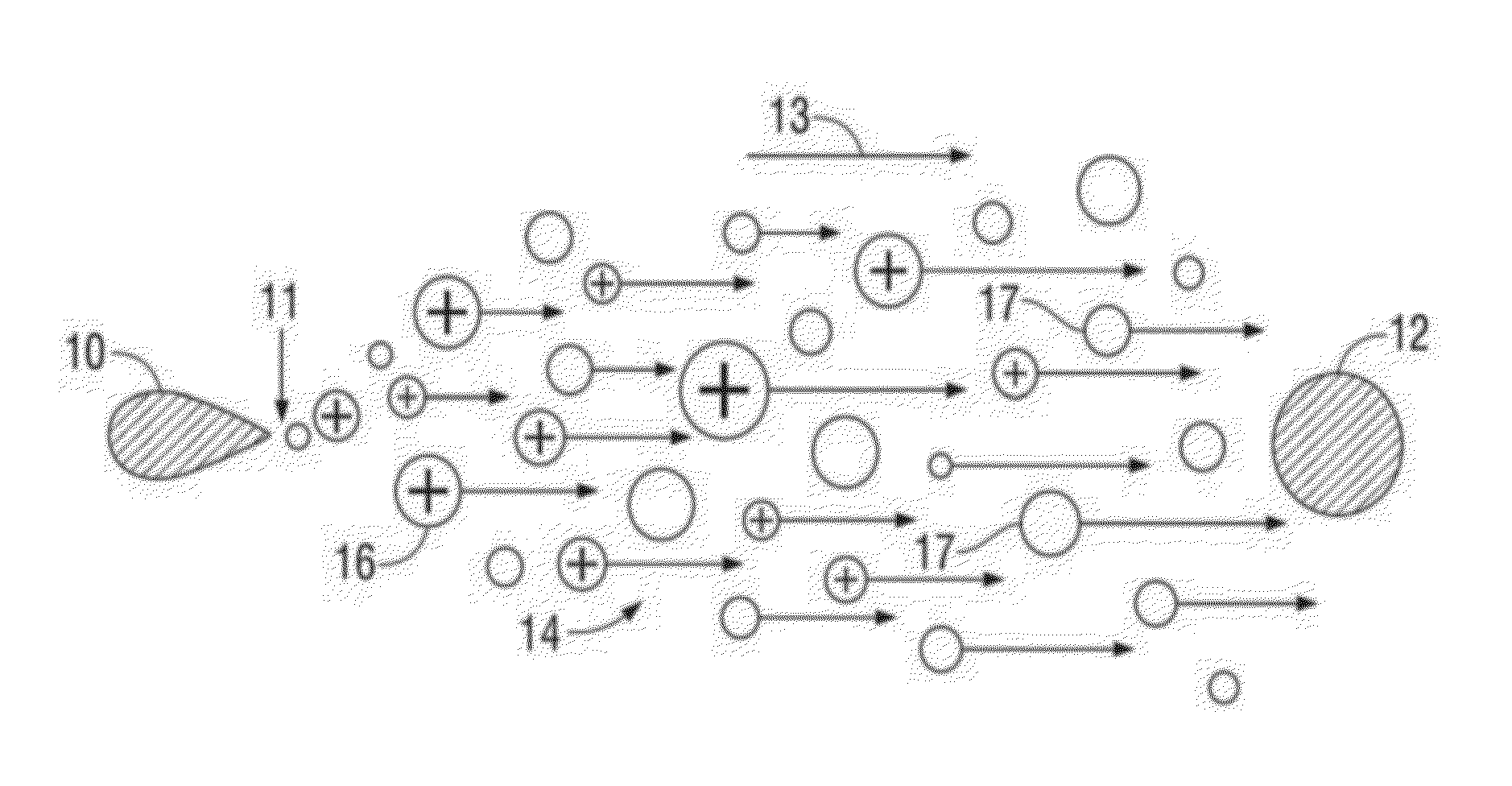
Figure 1 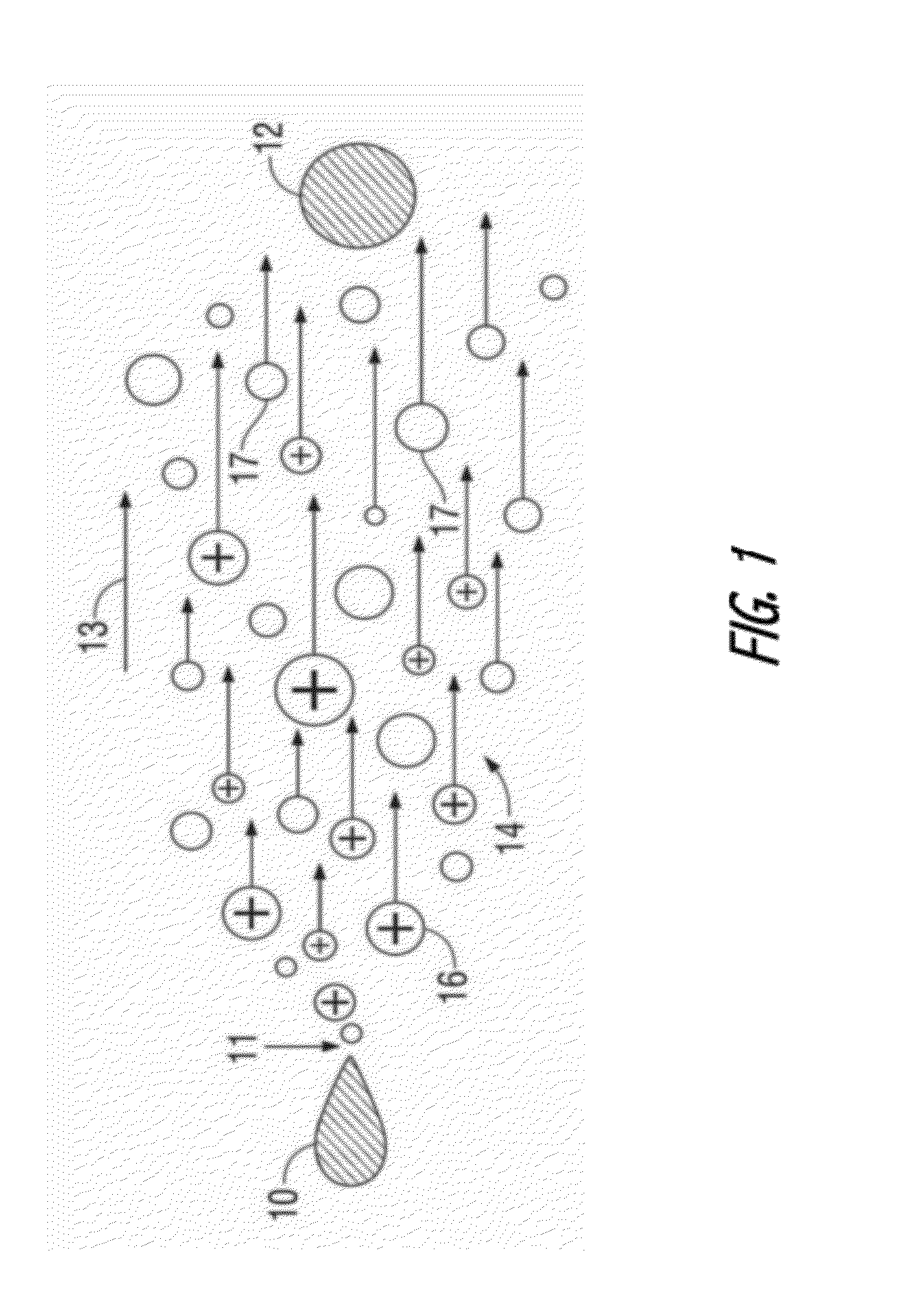
Figure 2 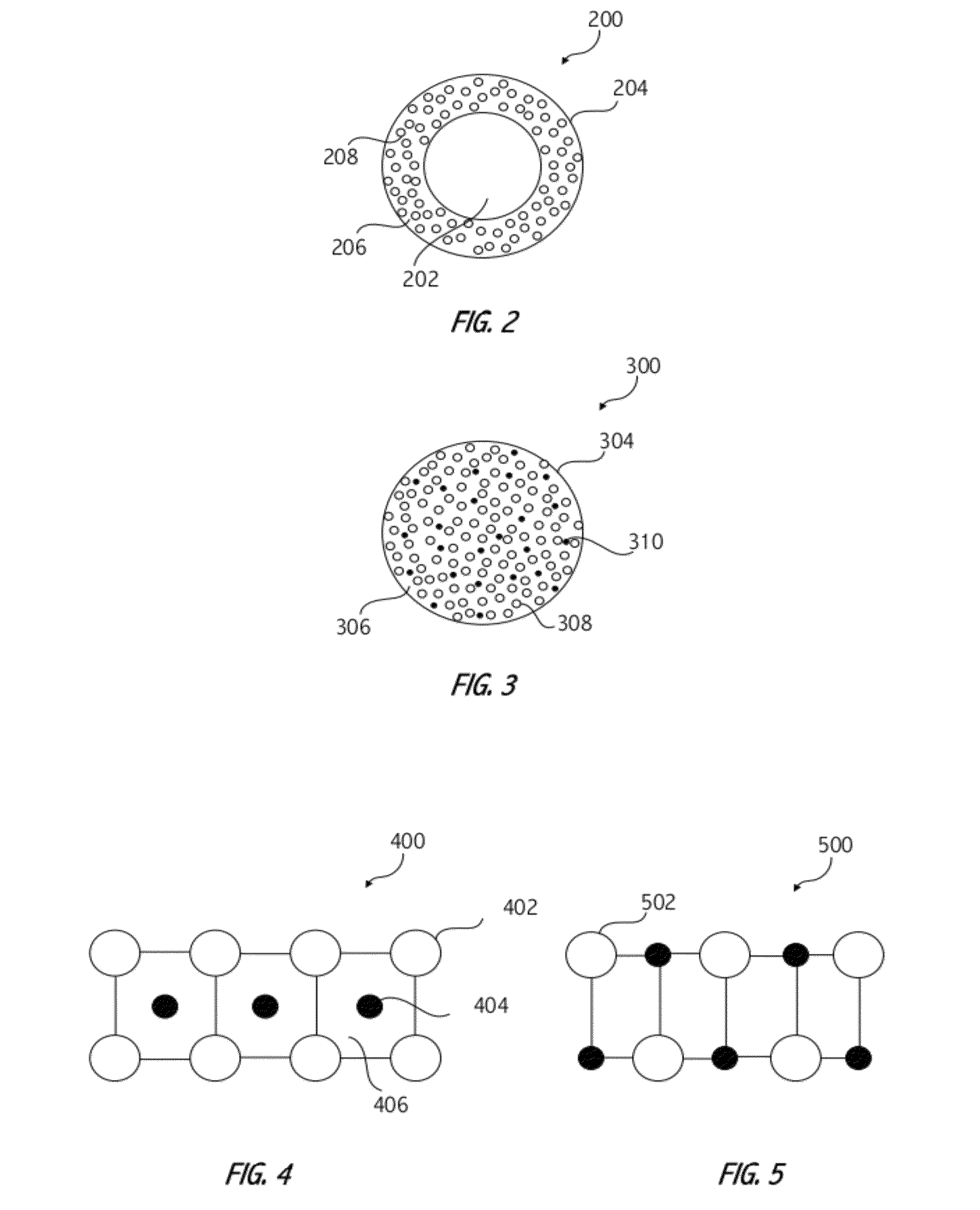
Figure 3
Abstract
Description
BACKGROUND
[0001] 1. Field of the Invention
[0002] This application relates generally to electrodes in electrohydrodynamic or electrostatic devices such as electrohydrodynamic fluid accelerators and electrostatic precipitators, and particularly to classes of materials that can be used to form such electrodes.
[0003] 2. Description of the Related Art
[0004] Many electronic devices and mechanically operated devices require air flow to help cool certain operating systems by convection. Cooling helps prevent device overheating and improves long term reliability. It is known to provide cooling air flow with the use of fans or other similar moving mechanical devices; however, such devices generally have limited operating lifetimes, produce noise or vibration, consume power or suffer from other design problems.
[0005] The use of an ion flow air mover device, such as an electrohydrodynamic (EHD) device or electro-fluid dynamic (EFD) device, may result in improved cooling efficiency, reduced vibration...
Examples
Embodiment Construction
[0090]Some implementations of thermal management systems described herein employ EHD devices to motivate flow of a fluid, typically air, based on acceleration of ions generated as a result of corona discharge. Other implementations may employ other ion generation and motivation techniques and will nonetheless be understood in the descriptive context provided herein. For example, in some implementations, techniques such as silent discharge, AC discharge, dielectric barrier discharge (DBD) or the like may be used to generate ions that are in turn accelerated in the presence of electrical fields to motivate fluid flow.
[0091]Typically, when a thermal management system is integrated into an operational environment, heat transfer paths (often implemented as heat pipes or using other technologies) are provided to transfer heat from where it is generated or dissipated to a location(s) within an enclosure where air flow motivated by an EHD device(s) flows over primary heat transfer surfaces....