
Solid state energy storage devices
a technology of energy storage devices and solid-state devices, which is applied in the direction of fixed capacitor details, stacked capacitors, fixed capacitors, etc., can solve the problems of inadequate conventional energy storage devices, achieve high energy density capacitive energy storage, improve energy storage efficiency, and improve energy storage efficiency
Patent Information
- Authority / Receiving Office
- US · United States
- Patent Type
- Applications(United States)
- Current Assignee / Owner
- Publication Date
- 2013-08-01
Smart Images
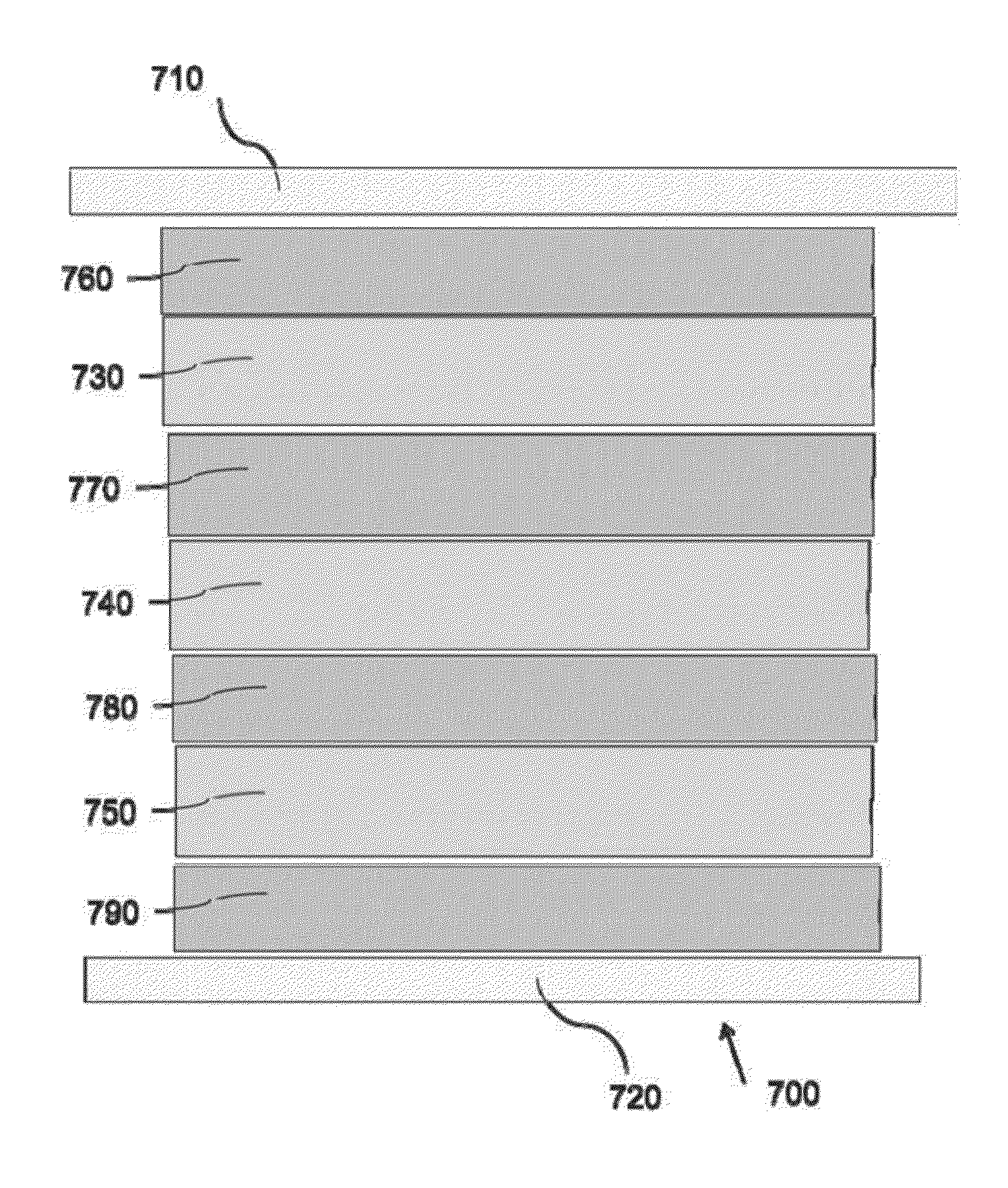
Figure 1 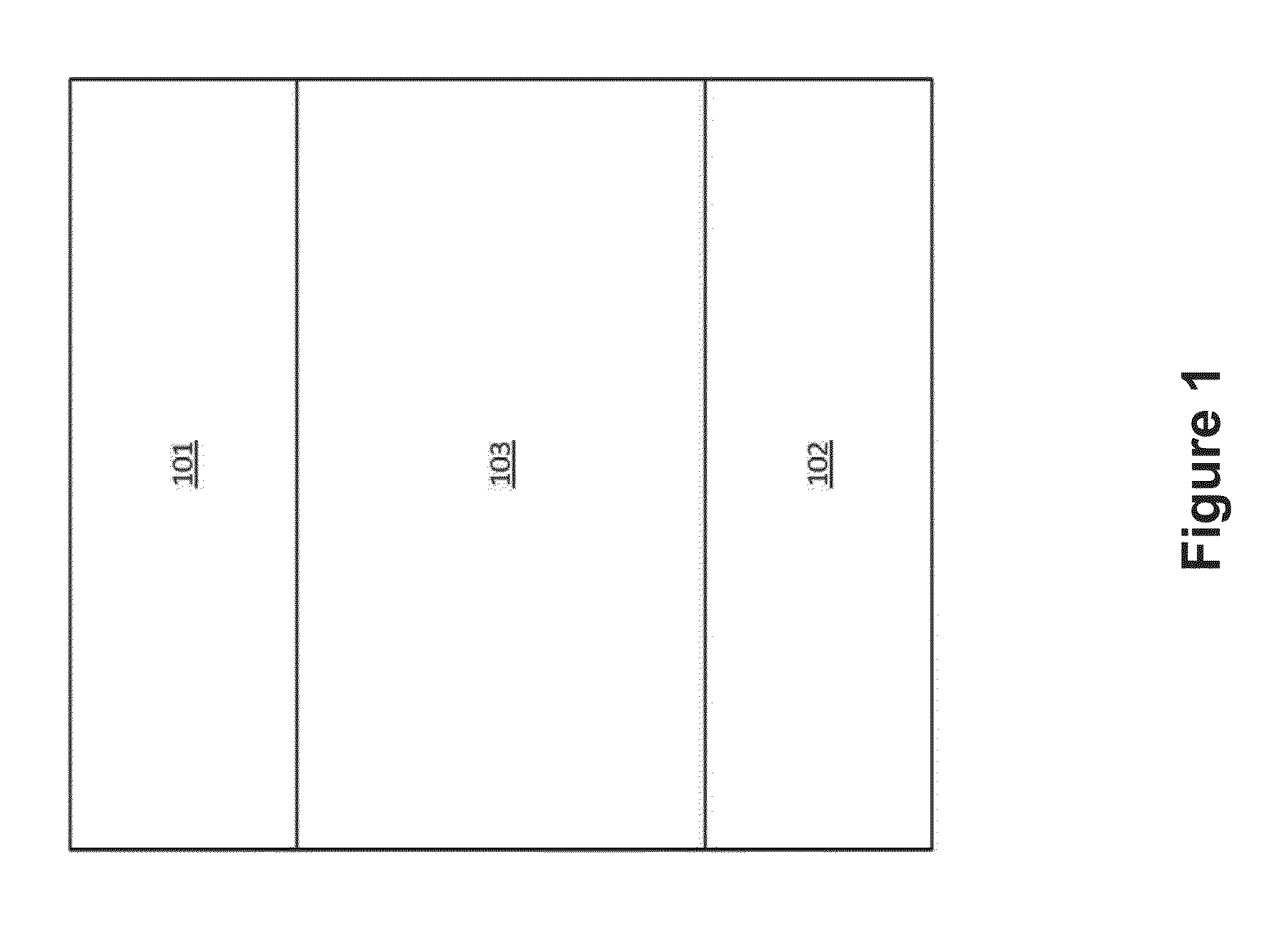
Figure 2 
Figure 3
Abstract
Description
CROSS-REFERENCES TO RELATED APPLICATIONS
[0001] This application claims priority to U.S. Provisional Patent Application No. 61 / 592,517, filed 30 Jan. 2012, entitled “SOLID STATE ENERGY STORAGE DEVICES”, which is incorporated by reference herein for all purposes.STATEMENT AS TO RIGHTS TO INVENTIONS MADE UNDER FEDERALLY SPONSORED RESEARCH AND DEVELOPMENT
[0002] NOT APPLICABLEREFERENCE TO A “SEQUENCE LISTING,” A TABLE, OR A COMPUTER PROGRAM LISTING APPENDIX SUBMITTED ON A COMPACT DISK
[0003] NOT APPLICABLEBACKGROUND OF THE INVENTION
[0004] Described in this patent application are devices for energy storage and methods of making and using such devices.
[0005] In general, a capacitive energy storage device comprises two electrodes with a dielectric material disposed between the electrodes. FIG. 1 is a simplified diagram illustrating a capacitive energy storage device. As shown in FIG. 1, dielectric material 103 is positioned between the electrodes 101 and 102. Upon application of a voltage across ...
Examples
Embodiment Construction
[0028]Described in this patent application are devices for energy storage and methods of making and using such devices. In various embodiments, blocking layers are provided between dielectric material and the electrodes of an energy storage device. The block layers are characterized by higher dielectric constant than the dielectric material. There are other embodiments as well.
[0029]Capacitive energy storage has well-known advantages versus electrochemical energy storage, e.g. in a battery. Compared to batteries, capacitors are able to store energy with very high power density, i.e. charge / recharge rates, have long shelf life with little degradation, and can be charged and discharged (cycled) hundreds of thousands or millions of times. However, capacitors often do not store energy in as little volume or weight as in a battery, or at low cost per energy stored, making capacitors impractical for applications such as in electric vehicles. Accordingly, it would be an advance in energy s...