
Cosmetic and dermatologic composition and uses thereof
a dermatologic composition and cosmetic technology, applied in the field of cosmetic and dermatologic composition, can solve the problems of gels having little interest in cosmetics, molecule tangle, and hindering the movement of water,
Patent Information
- Authority / Receiving Office
- US · United States
- Patent Type
- Patents(United States)
- Current Assignee / Owner
- Publication Date
- 2014-04-15
Smart Images
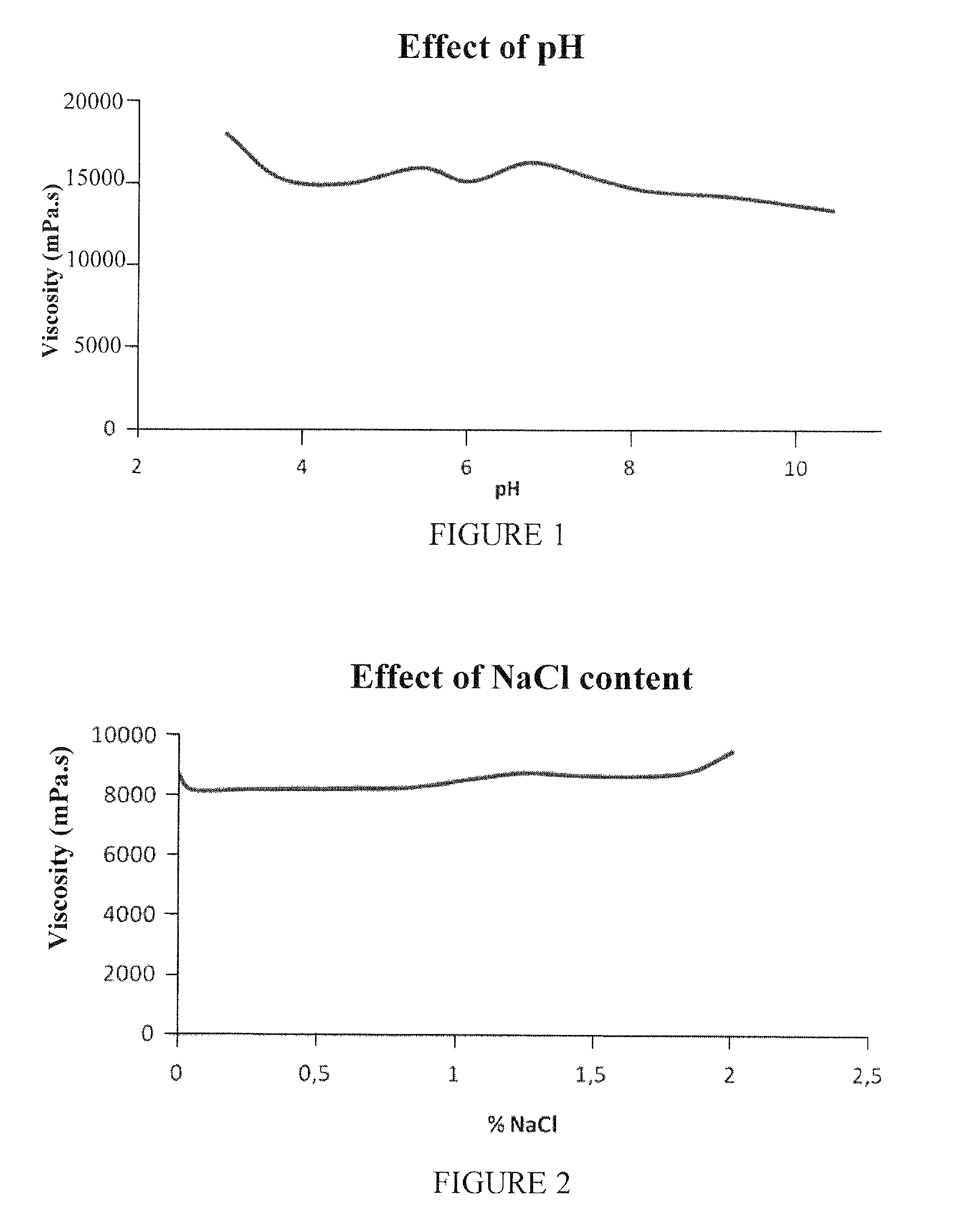
Figure 1 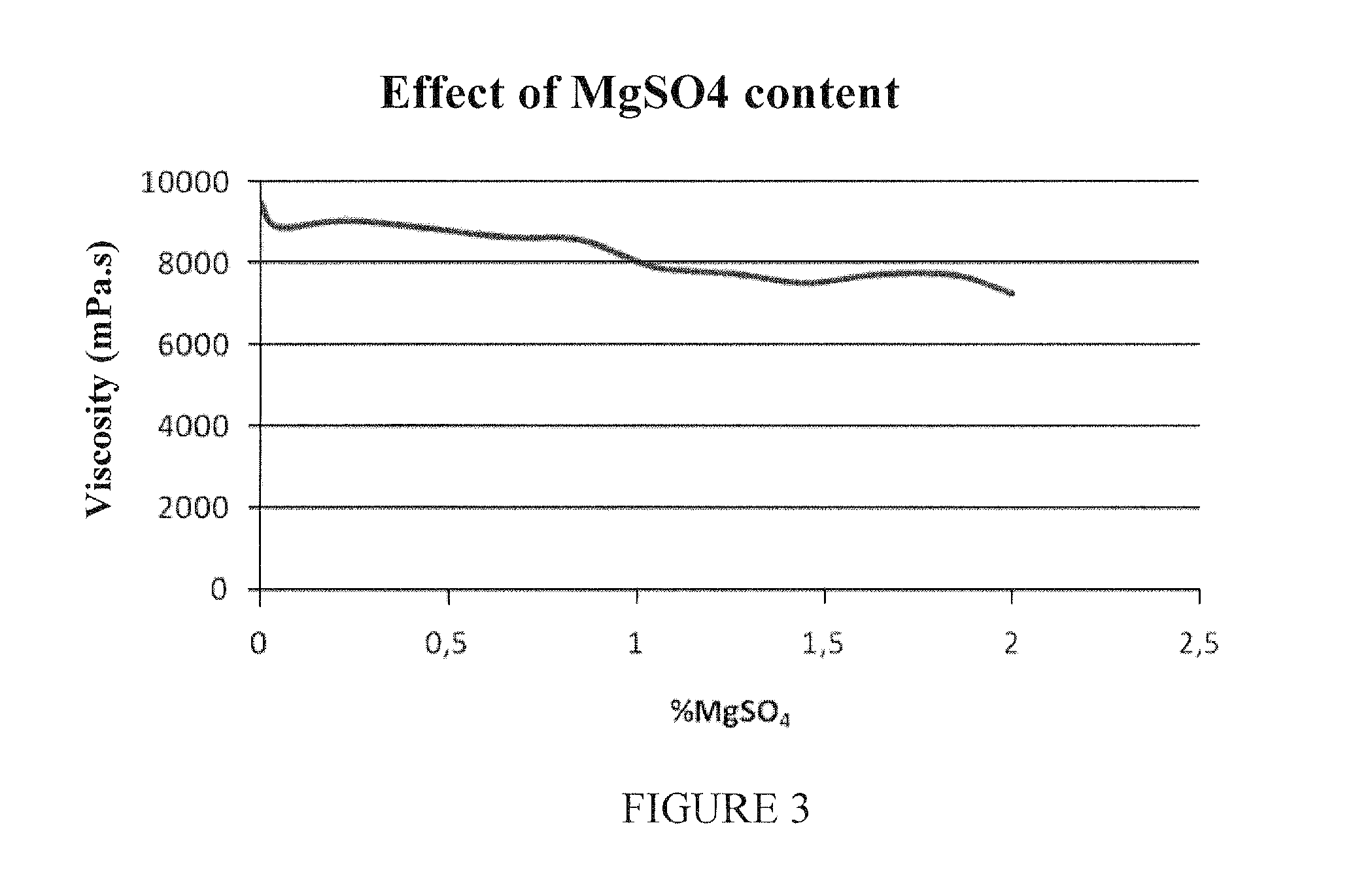
Figure 2
Abstract
Description
[0001] The present invention relates to the field of cosmetics and dermatology. More particularly it relates to a novel natural cosmetic and dermatologic formulation.TECHNOLOGICAL BACKGROUND OF THE INVENTION
[0002] The natural cosmetics market is undergoing rapid change and expansion. Natural cosmetics place priority on natural resources, promote the use of ingredients derived from organic farming, preserve the environment and reduce packaging. Labels defining natural cosmetics have been developed including the Ecocert certification body in France and BDIH in Germany. In particular, to be considered a natural cosmetic, the composition must not contain unauthorized or prohibited starting materials and must comply with a series of specifications.
[0003] In this context, formulators are setting out to develop formulations having the same sensory characteristics and effectiveness as the so-called conventional formulations while having access to a much more limited number of ingredients.[0004...
Examples
example 1
Sensory Study No. 1
[0059]Sensory testing was carried out under conditions conforming to V09-105 norms.
[0060]Twelve experts each evaluated three products during the same session using preestablished product-references and scales, in individual, independent tests.
[0061]The scale comprised values from 0 to 10. The value 0 corresponds to the absence of this descriptor in the product. The value 10 corresponds to the maximum value of this descriptor in the product.
[0062]In addition to the composition such as described in the table at 1% (by weight), the test products comprised 0.5% Dekaben C (preservative) and purified water (QSP 100%).
[0063]Furthermore, the composition (added at 1%) contained
[0064]35% sclerotium gum
[0065]15% xanthan gum
[0066]50% lecithin
[0067]and optionally 10% pullulan or fructan.
[0068]Each panelist entered his results which were then analyzed to determine if there was a difference between products with regard to the parameters tested. These results are presented in the...
example 2
Sensory Study No. 2
[0070]Sensory testing was carried out under conditions conforming to V09-105 norms.
[0071]Twenty experts each evaluated two products during the same session using preestablished product-references and scales, in individual, independent tests.
[0072]The scale comprised values from 0 to 10. The value 0 corresponds to the absence of this descriptor in the product. The value 10 corresponds to the maximum value of this descriptor in the product
[0073]Each panelist entered his results which were then analyzed to determine if there was a difference between products with regard to the parameters tested. These results are presented in the following table.
[0074]
Test No.45WaterWater 0.15%CompositionCarbopolas perETDexample 12020 0.5%at 1%Dekaben C0.5%NaOH qspCompositionDekaben CpH 5.5DifferenceShiny6.106.60No difference betweentestsSlippery8.357.35No difference betweentestsWhitening0.000.00No difference betweentestsSpreadability8.808.75No difference betweentestsTackiness2.501.3...
example 3
Effect of pH and Electrolytes on Viscosity
[0075]FIGS. 1-3 illustrate the effect of variations in pH or addition of mono- or divalent electrolytes on solutions containing 2% of a composition such as described in example 1. Viscosity was measured at room temperature with a viscometer (Rheo ELV8, spindle 4, 6 rpm, 3 minutes). pH and addition of mono- or divalent electrolytes had little effect on the viscosity of the solutions.