
Low-lead dry film lubricant composition
a technology of dry film lubricant and low-lead, which is applied in the direction of lubricant composition, petroleum industry, etc., to achieve the effects of improving adhesion, reducing friction coefficient, and improving lubrication and/or corrosion resistance to substrates
Patent Information
- Authority / Receiving Office
- US · United States
- Patent Type
- Patents(United States)
- Current Assignee / Owner
- Publication Date
- 2018-01-02
Smart Images
Figure 1 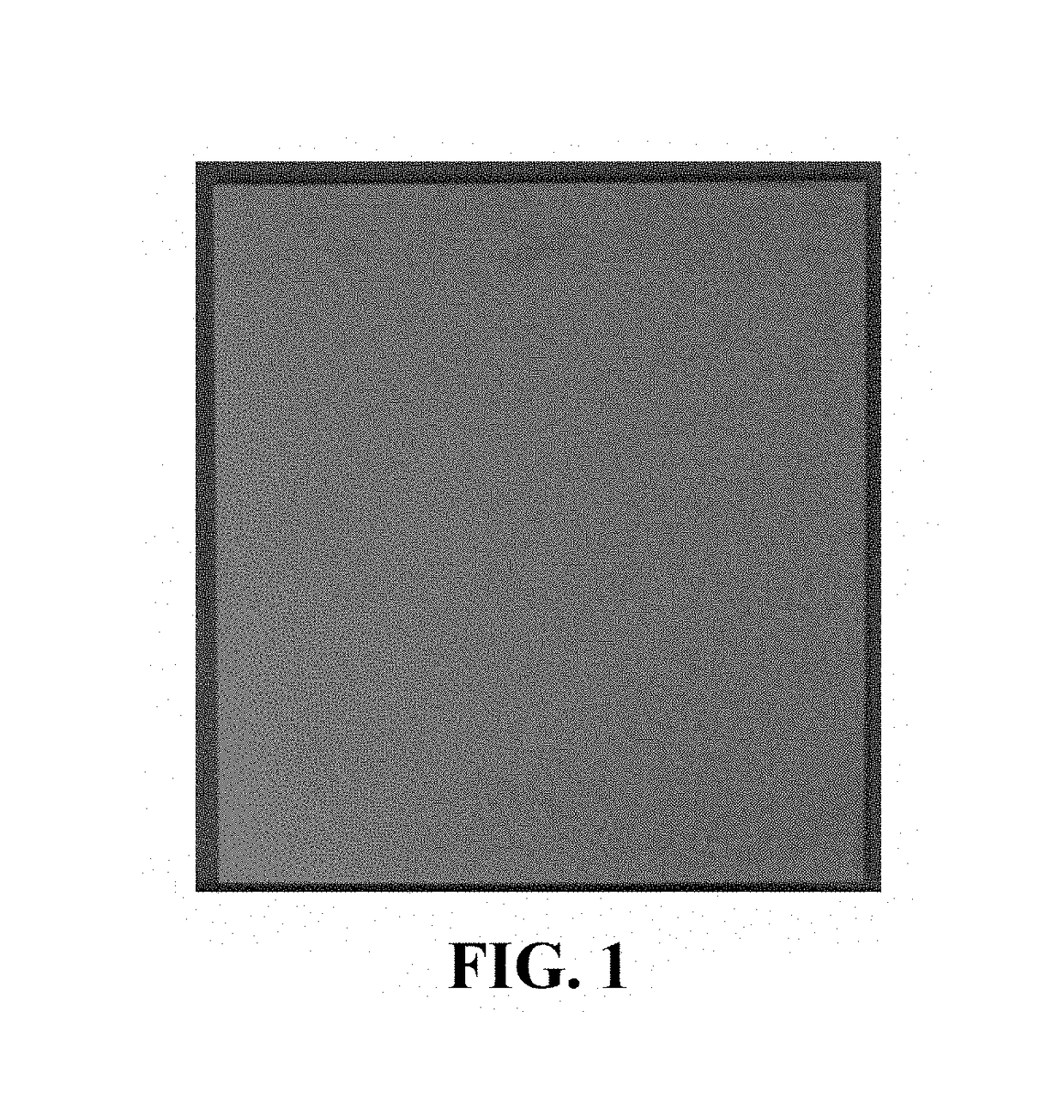
Figure 2 
Figure 3
Abstract
Description
BACKGROUND
[0001] Dry-film lubricants (compositions) are beneficial in various applications, due, in part, to their ability to lower the coefficient of friction.
[0002] Historically, dry-film lubricants have typically comprised lead, the use of which, over time, has been limited or banned as dangerous and / or environmentally unfriendly in many countries. Thus, focus within the industry has been directed to developing and adopting lead-free compositions and surface treatments to replace prior art lead-comprising compositions. For example, lead-free dry film lubricant compositions are described in U.S. Pat. No. 7,516,547.BRIEF DESCRIPTION
[0003] Briefly, the present technology satisfies a need for new and improved dry-film lubricant compositions. The present technology may address one or more of the problems and deficiencies of the art discussed above. However, it is contemplated that the technology may prove useful in addressing other problems and deficiencies in a number of technical areas...
Examples
examples
[0054]Certain non-limiting embodiments of the technology are described in the following examples.
[0055]Corrosion Testing
[0056]Sample preparation. Approximately 3×3 inch Marage 250 steel samples / substrates, representative of, inter alia, turbine engine shafts, were provided. The samples were grit-blasted with 220 mesh aluminum oxide, then cleaned ultrasonically in detergent.
[0057]Dry-film lubricant compositions were spray-coated onto the samples in uniform coatings having a thickness of approximately 0.3-10 mils (0.0003-0.01 inches) by means of an airbrush. The compositions comprised liquids / solvents that facilitated spraying.
[0058]FIG. 1 is a photograph of one of the steel samples after it was coated with a composition according to an embodiment of the technology. The photograph shown in FIG. 1 is representative of all of the samples, prior to salt (fog) spray testing.
[0059]The coating compositions that were spray-coated onto the samples consisted of the same materials (including mo...