
Antimicrobial coatings
The silica-based antimicrobial coating with covalently immobilized bioactive molecules addresses the limitations of existing coatings by providing a stable and effective solution against microbial growth and biofilm formation, ensuring prolonged antimicrobial activity and broad-spectrum efficacy.
Patent Information
- Application Number
- PCT/ES2024/070445
- Authority / Receiving Office
- WO · WO
- Patent Type
- Applications
- Current Assignee / Owner
- Priority Date
- 2023-07-14
- Filing Date
- 2024-07-12
- Publication Date
- 2025-01-23
AI Technical Summary
Current antimicrobial coatings face challenges such as poor robustness of bioactive molecule binding, low microbial activity, and limited surface reuse potential, making them ineffective against microbial growth and biofilm formation on various surfaces, including nosocomial infection-prone areas.
A silica-based antimicrobial coating with covalently immobilized bioactive molecules using a linker molecule, such as 3-aminopropyl triethoxysilane, forming stable Si-O-Si bonds, which enhances the coating's durability and antimicrobial effectiveness against bacteria, viruses, and fungi.
The coating effectively prevents microbial growth, inhibits biofilm formation, and maintains antimicrobial activity over multiple washes and uses, demonstrating robustness and broad-spectrum efficacy against pathogens like S. epidermidis and E. coli.
Smart Images

Figure IMGF000013_0001 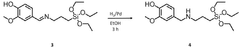
Figure IMGF000014_0001 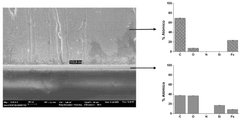
Figure 00000026_0000
Abstract
Description
[0001] DESCRIPTION
[0002] Antimicrobial coatings
[0003] Technical Field
[0004] The present invention relates to an antimicrobial coating, its preparation process and its use in preventing microbial growth, biofilm formation, inhibiting microbial adhesion and / or eliminating microbial cells adhering thereto.
[0005] Background of the Invention
[0006] Nosocomial infections are one of the most significant problems facing the healthcare system, being a leading cause of mortality and increased morbidity in hospitalized patients. One of the main causes of these infections is the ability of microbes to adhere to solid surfaces (biotic or abiotic). This ability leads to the formation of polymeric structures called biofilms. The function of biofilms is to act as a nutrient trap and as a physical barrier that prevents the penetration and diffusion of common antibiotics and disinfectants.
[0007] Biofilm formation begins with the adhesion of individual planktonic cells to a surface. These adherent cells develop into microcolonies that then proliferate into mature biofilms. Mature biofilms produce extracellular matrix (ECM) components that are critical for maintaining the distinctive structures of cell aggregates.
[0008] An effective strategy to prevent biofilm formation on biotic and abiotic surfaces is to deposit an antimicrobial layer on the surface of the material. There are several studies based on the immobilization or release of antimicrobial substances on different surfaces; however, depending on the application, these are not completely successful due to their limited efficacy or toxicity.
[0009] The immobilization or release of antimicrobial substances, such as metal derivatives, polyammonium salts, and antibiotics, has shown encouraging results. However, their use can be associated with side effects such as cytotoxicity, hypersensitivity, and inflammatory responses. Furthermore, the indiscriminate use of these substances has generated a larger problem: antimicrobial resistance. Antimicrobial resistance (AMR) occurs when bacteria, viruses, fungi, and / or parasites change over time and no longer respond to drugs, making infections more difficult to treat and increasing the risk of disease spread, severe illness, and death. As a result of drug resistance, antibiotics and other antimicrobial medications become ineffective, and infections become increasingly difficult or impossible to treat.
[0010] Various approaches have been employed in the search for effective antimicrobial surfaces, including adhesion resistance, contact killing, and biocide leaching. Among these approaches, contact killing appears to be the most promising; this approach involves chemical or physical modifications to bind an antimicrobial agent to the surface.
[0011] Among the most commonly applied strategies for surface modification are adsorption (through electrostatic interactions), ligand-receptor coupling and covalent binding (Vasilev K, Cook J, Ghesser HJ. Antibacterial surfaces for biomedical devices. Expert Rev Med Devices. 2009;6(5):553-567).
[0012] Covalent bonding offers several advantages by providing the most stable bonds between the bioactive compound and the surface. Some studies have reported the immobilization of certain bioactive molecules on stainless steel or other surfaces (plastic, titanium, and others), such as antibacterial peptides like magainin, nisin, and lysozyme, or the immobilization of biopolymers like chitosan.
[0013] Some of the recently developed strategies are described below.
[0014] Spanish patent application EP3326971A1, “Antimicrobial system”, discloses the functionalization of natural antimicrobials with thalkoxysilane groups on the surface of a mesoporous silica support.
[0015] The article “Antibacterial isoeugenol coating on stainless steel and polyethylene surfaces prevents biofilm growth” (Nielsen, CK, et al. "Antibacterial isoeugenol coating on stainless steel and polyethylene surfaces prevents biofilm growth". Journal of applied microbiology 124.1 (2018): 179-187) discloses coatings of stainless steel and polyethylene surfaces with eugenol, to prevent the growth of biofilms.
[0016] The document “Enhanced antimicrobial activity of essential oil components immobilized on silica particles” (Ruiz-Rico, Maria, et al. "Enhanced antimicrobial activity of essential oil components immobilized on silica particles." Food chemistry 233 (2017): 228-236.) discloses the immobilization of essential oils using 3-aminopropyl triethoxysilane, on three different silicon supports.
[0017] The document “Methods and supports for the immobilization of essential oil components and their effect on antimicrobial and antioxidant activity” (Cebrián Cabo, Santiago. "Methods and supports for the immobilization of essential oil components and their effect on antimicrobial and antioxidant activity." (2020)) describes the immobilization of essential oil components on silica nanoparticles.
[0018] International patent application WO2021107870A1 discloses an antimicrobial polymer and the preparation of surface coatings for antimicrobial applications.
[0019] International patent application WO2022067358A1 discloses an antimicrobial coating comprising a substrate, a binding molecule, and a biosurfactant, wherein the biosurfactant is covalently bound to the surface of the substrate material.
[0020] However, the strategies described in the prior art present several drawbacks, such as the weak bonding strength with the bioactive molecule, which eventually results in low microbial activity and low surface reuse potential. Furthermore, the systems described are not easily applicable to different surfaces, for example, walls or countertops, and / or elements, for example, surgical equipment or prostheses.
[0021] The present invention provides a solution to that problem.
[0022] Summary of the invention
[0023] In a first aspect, the invention relates to an antimicrobial coating comprising a layer of silica and bioactive molecules functionalized with a linking molecule, where the functionalized bioactive molecules are covalently immobilized to the surface of the silica by covalent bonds.
[0024] In a second aspect, the invention relates to a process for depositing an antimicrobial coating according to the first aspect of the invention comprising the following steps: a) providing a substrate, b) activating the surface of the substrate by treating the substrate with a solution of sulfuric acid and hydrogen peroxide, c) deposition of a silica layer on the surface of the substrate by polymerization of silica precursors in an alkaline medium, d) functionalization of the bioactive molecules by their reaction with the linking molecule in liquid phase, e) covalent immobilization of the functionalized bioactive molecules obtained in step d) on the silica layer generated in step c) by deposition of an alcoholic solution comprising the functionalized bioactive molecules, and f) drying of the surface at room temperature.
[0025] In a third aspect, the invention relates to an element, for example, surgical tools, or surfaces, for example, walls or floors, comprising at least partially an antimicrobial coating according to the first aspect or a coating prepared according to the second aspect of the invention.
[0026] In a fourth aspect, the invention relates to the use of an antimicrobial coating according to the first aspect, an antimicrobial coating prepared according to the second aspect or of an element or surface according to the third aspect of the invention in the prevention of microbial growth, biofilm formation, the inhibition of microbial adhesion and / or the elimination of microbial cells adhering thereto.
[0027] Description of the figures
[0028] Figure 1. HR-FESEM EDX analysis of SS and SS-S¡C>2 surfaces to determine the silica layer thickness of the SS-S¡C>2 surface. Figure 2. Comparison of counts (CFU, %) of the bacteria S. epidermidis after contact with functionalized (SS-S¡C>2-Van) and non-functionalized (SS, SS-OH and SS-S¡C>2) surfaces as a function of time.
[0029] Figure 3. Robustness of the antimicrobial effect of SS-S¡C>2-Van surfaces against S. epidermidis after several successive tests.
[0030] Figure 4. Comparison of counts (log CFU / ml, %) of E. coli bacteria after contact with functionalized (PP-S¡O2-Van) and non-functionalized (PP, PP-OH and PP-S¡C>2) surfaces after 24h.
[0031] Figure 5. Inhibitory capacity for the formation of biofilms on SS-S¡C>2- Van surfaces against S. epidermidis after 24h.
[0032] Figure 6. HR-FESEM EDX analysis of SS, SS-S¡C>2, SS-S¡C>2-Van and SS-SiC>2-Van surfaces after biofilm testing.
[0033] Figure 7. HR-FESEM EDX analysis of SS, SS-Van and SS-Van surfaces after biofilm testing.
[0034] Figure 8. Antimicrobial assay for inhibition of biofilm formation of different steel surfaces against S. epidermidis.
[0035] Figure 9. Antimicrobial test of inhibition of biofilm formation of the different steel surfaces against S. epidermidis in a second cycle of use.
[0036] Detailed description of the invention
[0037] The present invention provides an antimicrobial coating comprising a layer of silica and bioactive molecules functionalized with a linker molecule, wherein the functionalized bioactive molecules are covalently immobilized to the surface of the silica by covalent bonds.
[0038] The use of antimicrobial coatings enhanced by covalently immobilizing a bioactive antimicrobial molecule on the surface via a silica interlayer represents a novelty in this technical field, particularly with regard to the bacterium S. epidermidis, considered one of the most common causes of nosocomial infections and the main pathogen responsible for chronic infections associated with biofilms on tissues such as the skin, respiratory tract, and medical devices.
[0039] The term "antimicrobial" refers to an element that prevents the formation or development of microorganisms. Specifically, it refers to a coating that prevents microbial growth, biofilm formation, inhibits microbial adhesion, and / or eliminates adhering microbial cells.
[0040] The term “bioactive molecule” refers to molecules that possess antimicrobial activity, particularly antibacterial, antifungal and / or antiviral activity.
[0041] The term "polymer(s)" in the context of this application means oligomer(s), polymer(s) and copolymer(s), mixtures thereof, and in particular also their formation into organic and / or substantially organic-based composites. Typically, "polymer(s)" in the context of this application are predominantly or completely in the form of polymer(s) and / or copolymer(s).
[0042] The term “functionalize” refers to the modification of a surface or molecule to incorporate certain elements, for example, functional groups or molecules, that endow said surface with particular physicochemical properties.
[0043] The term "activate" refers to the ability, in a subsequent process step, for example, an immersion step, of an aqueous solution and / or dispersion near the substrate surface, to generate hydroxyl groups. In the process according to the invention, this creates a condition whereby a sequential layer can be formed on the substrate.
[0044] The term "covalent immobilization" refers to binding by means of a covalent bond. In particular, it refers to the binding between substrate and silica and the binding of silica to a bioactive molecule by means of covalent bonds.
[0045] More specifically, the present invention is based on the improvement and overcoming of the drawbacks and disadvantages of the already known methods, in particular those described in WO 2022067358. In particular, the known methods present leaching of the active sites, low antimicrobial activities and poor reproducibility in the coating of materials.
[0046] This antimicrobial coating can act against any microorganism, whether bacteria, viruses, microscopic fungi, yeasts, or protozoa. Thus, the coating tested on S. epidermidis serves as a model for other microorganisms.
[0047] The coating of the first aspect is covalently bonded to the substrate surface (S) via SO-Si bonds between the substrate and the silica layer. The covalent bonding between the substrate and the coating by means of a silica layer provides the coating with great robustness and allows the bioactive molecules to remain anchored to the substrate for an extended period of time, thereby maintaining the antimicrobial efficacy of the coated surface.
[0048] The silica layer arranged on the substrate is characterized by a thickness between 0.10 pm and 10 pm, preferably the silica layer arranged on the substrate has a thickness between 0.10 pm and 5 pm, and even more preferably between 0.10 pm and 2 pm.
[0049] In the strategies described in the prior art, for example in WO 2022067358, the bioactive molecule is linked by direct anchoring of the linking molecule to the steel surface, resulting in a Fe-O2 covalent bond. This type of bond is not very robust because the Fe-O2 bond is quite susceptible to hydrolysis, and therefore the resulting coating has a low reusability. However, in the coating of the invention, the silica layer reinforces the anchors to the steel, and the final anchoring of the linking molecule is carried out through Si-O2-Si bonds, which are much more stable.
[0050] Substrates that can be coated with the coatings of the invention are highly varied, such as metals, polymers, ceramics, and / or glass. Suitable metals include, among others, titanium, copper, gold, tin, nickel, aluminum, iron, cobalt, silver, platinum, magnesium, manganese, zinc, and metal alloys such as steel, bronze, or brass.
[0051] The polymer group includes conventional polymers, such as polyvinyl chloride (PVC), polyvinyl acid (PVA), polyethylene (PE), polystyrene (PS), polypropylene (PP), polycarbonate (PC), polyethylene terephthalate (PET), polyamide (PA), polyurethane (Pll), styrene, butadiene, acrylonitrile (ABS), or biodegradable polymers, such as polylactic acid (PLA), collagen, biorubber, or cellulose.
[0052] Ceramic materials of interest include, for example, TiO2, Al2O3, cermet-type materials, for example, WC-Co or WC-Co-Cr, or bi-component materials such as TiO2 + NiAl.
[0053] The coatings of the invention can cover the surface of the substrate completely or partially as needed.
[0054] In such antimicrobial coatings, it is preferred that the bioactive molecules be selected from the group of essential oil components (EOCs), organic acids, natural polymers, bacteriocins, and / or enzymes. In a preferred embodiment, the bioactive molecule is an essential oil component. In the most preferred embodiment, the bioactive molecule is selected from the following group of essential oil components: carvacrol, cinnamaldehyde, perillaldehyde, eugenol, thymol, vanillin, geraniol, caffene, thymoquinone, diallyldisulfite, allyl isothiocyanate, or mixtures thereof. In the even more preferred embodiment, the bioactive molecule is vanillin.The antimicrobial activity of EACs is not attributed to a single mechanism, but rather a cascade of reactions (cell wall degradation, cytoplasmic membrane damage, membrane protein damage, cytoplasmic coagulation, and proton depletion) that results in the destruction of microbial cells. Furthermore, EACs can penetrate formed biofilms and kill protected microorganisms.
[0055] In the coatings of the invention, the bioactive molecule is present in a concentration range of 0.5 to 1.5 mg / cm 2 , preferably in a range of 0.8 to 1.05 mg / cm 2 The bioactive molecule in these concentration ranges ensures the desired antimicrobial effect is produced.
[0056] As regards the spacer molecule, it is preferred that the linking molecule is an alkoxysilane, preferably the linking molecule is selected from the following group: 3-aminopropyl thioethoxysilane (APTES), chloromethyl thioethoxysilane, chloroethyl thioethoxysilane, chloropropylethyl thioethoxysilane, (3-mercaptopropyl) thioethoxysilane, (4-chlorophenyl thioethoxysilane, 3-(Triethoxysilyl)propionitrile, 3-(Triethoxysilyl)propyl isocyanate, more preferably the linking molecule is 3-aminopropyl thioethoxysilane (APTES). In the preferred embodiment of the first aspect, the functionalized bioactive molecules are linked to the silica by silicon-oxygen-silicon (Si-O-Si) covalent bonds. This Si-O-Si covalent bond between the bioactive molecule and the silica ensures a strong and long-lasting bond, so that the coating is resistant. over time and after multiple washes, maintaining its antimicrobial activity.
[0057] In its second aspect, the invention relates to a process for depositing an antimicrobial coating according to the first aspect on substrates comprising the following steps: a) providing a substrate; b) activating the surface of the substrate by treating the substrate with an activating solution; c) deposition of a silica layer on the surface of the substrate by polymerizing silica precursors in an alkaline medium; d) functionalizing the bioactive molecules by reacting them with the linking molecule in a liquid phase; e) covalent immobilization of the functionalized bioactive molecules obtained in step d) on the silica layer generated in step c) by applying a solution comprising the functionalized bioactive molecule, and f) drying the surface.
[0058] In a preferred embodiment of the second aspect, the substrates that can be coated by the invention are highly varied, such as, for example, metals, polymers, ceramic materials and / or glass. Suitable metals include, among others, titanium, copper, gold, tin, nickel, aluminum, iron, cobalt, silver, platinum, magnesium, manganese, zinc and metal alloys such as steels, bronze or brass. The group of polymers includes, among others, polyvinyl chloride (PVC), polyvinyl acid (PVA), polyethylene (PE), polystyrene (PS), polypropylene (PP), polycarbonate (PC), polyethylene terephthalate (PET), polyamide (PA), polyurethane (PU), styrene, butadiene, acrylonitrile (ABS), polylactic acid (PLA), collagen, biorubber, or cellulose. Ceramic materials of interest include, for example, TiO2, Al2O3, cermet-type materials, for example, WC-Co or WC-Co-Cr, or bi-component materials such as TiO2 + NiAl.In the embodiment of the second aspect, the activating solution of step b) is an acidic and / or oxidizing solution. In a preferred embodiment of the second aspect, the substrate surface is activated by an activating solution consisting of an aqueous solution of sulfuric acid, nitric acid, potassium persulfate, oxygen peroxide or a mixture thereof. The activation of the surface is carried out for less than 15 min, preferably 10 min. The contact between the aqueous solution and the substrate surface must be brief to avoid its corrosive effects and at the same time generate sufficient hydroxyl groups on the substrate surface.
[0059] In a preferred embodiment of the second aspect, the deposition of the silica layer in step c) occurs by in situ generation of silica from a precursor selected from the group consisting of tetramethyl orthosilicate (TMOS), tetraethyl orthosilicate (TEOS), methyltrimethoxysilane (MTMS), phenyltrimethoxysilane (PTMS), dimethyldimethoxysilane (DMDMS), and methacryloxypropyltrimethoxysilane (MPTMS). The most preferred precursor option is tetraethyl orthosilicate (TEOS).
[0060] In a preferred embodiment of the second aspect, the bioactive molecule is selected from the group of essential oils, natural polymeric organic acids, bacteriocins, enzymes, preferably the bioactive molecule is an essential oil. In a more preferred embodiment, the bioactive molecule is an essential oil component. In an even more preferred embodiment, the bioactive molecule is selected from the group of essential oil components (EOC) consisting of carvacrol, cinnamaldehyde, perillaldehyde, eugenol, thymol, vanillin, geraniol, caffene, thymoquinone, diallyldisulfite, allyl isothiocyanate or mixtures thereof. In the most preferred embodiment, the bioactive molecule is vanillin.
[0061] In a preferred embodiment of the second aspect, the linking molecule used in step d) is an alkoxysilane, preferably the linking molecule is selected from the following group: 3-aminopropyl triethoxysilane, chloromethyl triethoxysilane, chloroethyl triethoxysilane, chloropropylethyl triethoxysilane, (3-mercaptopropyl) triethoxysilane, (4-Chlorophenyl triethoxysilane, 3-(Triethoxysilyl)propionitrile, 3-(Triethoxysilyl)propyl isocyanate. In the most preferred embodiment the linking molecule is 3-aminopropyl triethoxysilane.
[0062] In a preferred embodiment of the second aspect, the solution of step e) comprising the functionalized bioactive molecule is a solution of pentane, cyclopentane, hexane, cyclohexane, benzene, toluene, 1,4-dioxane, chloroform, diethyl ether, dichloromethane (DCM), tetrahydrofuran (THF), acetone, dimethylformamide (DMF), acetonitrile (MeCN), dimethyl sulfoxide (DMSO), formic acid, n-butanol, isopropyl alcohol (IPA), methanol, ethanol, water or mixtures thereof. In a more preferred embodiment, the solution is an aqueous alcoholic solution, preferably a solution of ethanol and water. In a preferred embodiment, the drying of step d) occurs at room temperature.
[0063] In its third aspect, the invention relates to an element or surface comprising at least partially an antimicrobial coating according to the first aspect or a coating prepared according to the second aspect of the invention.
[0064] The elements or surfaces that may comprise the coating of the invention may be different materials, in particular they may be metal, polymers, ceramic materials and / or glass. Suitable metals include, among others, titanium, copper, gold, tin, nickel, aluminum, iron, cobalt, silver, platinum, magnesium, manganese, zinc and metal alloys such as steel, bronze or brass. The group of polymers includes, among others, polyvinyl chloride (PVC), polyvinyl acid (PVA), polyethylene (PE), polystyrene (PS), polypropylene (PP), polycarbonate (PC), polyethylene terephthalate (PET), polyamide (PA), polyurethane (PU), styrene, butadiene, acrylonitrile (ABS), polylactic acid (PLA), collagen, biorubber, or cellulose. Ceramic materials of interest include, for example, TiO2, Al2O3, cermet-type materials, for example, WC-Co or WC-Co-Cr, or bi-component materials such as TiO2 + NiAl.
[0065] Among the elements whose surfaces would be most interesting to cover are: a hygienic mask, a fabric, a cloth, clinical instruments, a wall, a floor, a piece of furniture, a handrail, a mobile device, a touch screen, or an air filter. In general, any surface of any object present in a place where hygiene is paramount and every effort must be made to maintain it, but where, unfortunately, the presence of various microorganisms is common, may be of interest.
[0066] In its fourth aspect, the invention relates to the use of an antimicrobial coating according to the first aspect, an antimicrobial coating prepared according to the second aspect, or of an element or surface according to the third aspect in the prevention of microbial growth, biofilm formation, the inhibition of microbial adhesion and / or the elimination of microbial cells adhering thereto.
[0067] The microorganism can be a bacterium, but also a virus, a microscopic fungus, yeast, or a protozoan. Bacteria are preferred. The invention will now be explained in greater detail using the Examples and Figures below.
[0068] Examples
[0069] Example 1. Functionalization of bioactive molecules
[0070] Example 1.1. Functionalization of bioactive molecules - vanillin
[0071] To functionalize the bioactive molecule, in this case vanillin, first, 1 g of vanillin was suspended in 25 mL of dichloromethane and then 1.2 mL of 3-aminopropyl triethoxysilane (APTES) was added to the mixture. The molar ratio between the reactants was 1:1 vanillin:APTES (Scheme 1). The mixture was stirred for 2 h, and after this, the suspension was evaporated under reduced pressure to obtain the corresponding alkoxysilane derivative, (E)-2-methoxy-4-(((3-triethoxysilyl)propyl)imino)methyl)phenol. In this first step, the reaction between vanillin and APTES gives rise to product 3 in which vanillin is linked to the ethoxy group by means of an amine bond (Scheme 1).
[0072] Diagram 1
[0073] In a second step, 5 mmol of alkoxysilane derivative (product 3) were solubilized in ethanol and 340 mg of Pd / C were added. Subsequently, a flow of N2 gas was passed through the reaction flask to displace O2. Then, a flow of H2 was added. The mixture was stirred for 3 h under an inert atmosphere. Finally, the reduced derivative, 2-methoxy-4-(((3-(triethoxysilyl)propyl)amino)methyl)phenol (Van-APTES), product 4, was filtered and evaporated under reduced pressure to obtain the pure compound as a pale yellow solid.
[0074] The ímine bond formed between the aldehyde group of vanillin and the amine group of APTES (3) was reduced to stabilize the bond of the vanillin group to the trialkoxysilane group (4), Van-APTES. The reduction reaction of the ímine bond was carried out by chemical hydrogenation using H2 and palladium on carbon (Pd / C) as catalysts (Scheme 2).
[0075] Diagram 2
[0076] Example 1.2. Functionalization of bioactive molecules - carvacrol, eugenol and thymol
[0077] To functionalize other bioactive molecules, in this case carvacrol, eugenol, and thymol, they were first transformed into aldehyde derivatives. In a second step, the aldehydes of carvacrol, eugenol, and thymol reacted with 3-aminopropyltriethoxysilane (APTES) to produce the corresponding alkoxysilane derivatives.
[0078] Carvacrol and thymol aldehydes were synthesized by direct formylation using paraformaldehyde.
[0079] In a typical synthesis, 150 mL of acetonitrile, 40 mmol of carvacrol or thymol, 150 mmol of trimethylamine, and 40 mmol of anhydrous MgSCU were placed into a round-bottom flask. The mixture was placed under an argon atmosphere and stirred for 15 min at room temperature. Subsequently, 270 mmol of paraformaldehyde was added, and the reaction mixture was heated under reflux for 3.5 h at 83 °C. The mixture was then allowed to cool to room temperature. The solution was acidified with 5% HCl solution (320 mL) and stirred for 30 min under an inert atmosphere. Finally, the organic portion was extracted with diethyl ether, and the solvents were removed under reduced pressure to obtain the carvacrol or thymol aldehyde.
[0080] Eugenol aldehyde was synthesized by a Reimer-Tiemann reaction. In a typical synthesis, 150 ml of water was heated to 80 °C in a round-bottom flask, and 22 mmol of eugenol was dissolved in the water. The heat was reduced to 60 °C, then 400 mmol of KOH and 88 mmol of chloroform were added. As the reaction was exothermic, chloroform was added at a rate of 1 ml / h over a period of 7 hours for safety reasons. The reaction mixture was maintained at 60 °C for an additional period of 8 hours. The solution was then acidified with 10% H2SO4 solution. The organic portion was extracted with n-butanone, and the solvents were removed under reduced pressure.
[0081] To facilitate the covalent immobilization of the essential oil components to the silica layer, the corresponding essential oil derivatives were synthesized. For this purpose, 2 ml of the aldehydes carvacrol, thymol or eugenol were reacted with 2.3 ml (10 mmol) of (3-aminopropyl)triethoxysilane (APTES) in the presence of dichloromethane (20 ml) and MgSCU, giving rise to the corresponding amines, which were subsequently reduced in the same manner as described for Van-APTES in example 1.1. The mixture was heated under reflux for 1 h, then filtered and evaporated under reduced pressure to obtain a clear liquid.
[0082] Example 2. Preparation of the antimicrobial coating
[0083] The preparation of the coatings of the invention is described below.
[0084] Example 2.1 Substrate activation - stainless steel (SS)
[0085] The first step in SS functionalization is the preparation of the stainless steel surface.
[0086] Before depositing the silica layer, the surface of the SS material must be properly degreased using ultrasonic degreasing in solvent vapors such as ethanol and acetone, and then with water. To this end, stainless steel plates (SS plates) were placed in a beaker (1 plate in 1 beaker) and sonicated for 10 min in each of the following chemicals in succession: acetone (70% v / v), ethanol, and deionized water.
[0087] After the washing process, the SS surface must be chemically treated with an acid or alkaline solution to activate the metal surface and expose the surface hydroxyl groups. Hydroxyl groups are formed by dissociative chemisorption of water molecules, and hydration and hydroxylation are generally considered to occur at the exposed lattice metal ion sites on the surface. This activation is important because the amount of hydroxyl groups obtained during the activation process strongly influences the initiation of silane bonding and, therefore, the formation of the silica film. Then, for the activation process, the washed SS materials were treated with piranha solution, obtaining SS-OH materials.
[0088] The corresponding piranha solution consisted of adding hydrogen peroxide to a beaker, to which concentrated sulfuric acid was slowly added, in a ratio of sulfuric acid to hydrogen peroxide of 7:3 (v / v). The resulting mixture was then gently stirred before use.
[0089] The cleaned SS plates were immersed in the piranha solution for 10 min. After this time, the plates were removed and placed in a second piranha solution for 5 min. After the second piranha treatment, the SS plates were rinsed twice in ultrapure water before being placed in an ultrapure water bath for 24 h. The resulting plates will be referred to as SS-OH. Thus, the surfaces of SS and SS-OH differ only in the presence of the generated hydroxyl groups on the SS-OH surfaces.
[0090] Hydroxyl groups are essential in forming strong covalent bonds with the silanol groups of the silica coating.
[0091] Example 2.2 Deposition of the silica layer on the support
[0092] SS-OH plates were treated with TEOS via a sol-gel procedure. The SS-OH plates were placed in a basic aqueous solution, heated to 80 °C, and then 5 mL of TEOS was added dropwise and the mixture was stirred for thirty minutes. The plates were rinsed twice in ultrapure water and dried at 100 °C overnight. Hydrolysis of TEOS produces silanol groups (Si-OH) in the presence of water and facilitates the rapid adsorption of silicate entities on the surface of the SS-OH material through hydrogen bonding, to further condense and form a metal-siloxane covalent bond (Me-O-Si-OH).
[0093] Silanol groups facilitate the covalent bonding of organic molecules to the surface, resulting in stable functionalization due to their excellent thermal, mechanical, and chemical stability. Field emission scanning electron microscopy (HR-FESEM) was used to study the thickness of the silica layer, comparing SS with SS-S¡C>2 (Fig. 1). As observed in the figure, the % O and S in the silica layer area increased, while the % C and Fe decreased. Nitrogen did not appear in any case, demonstrating that the silica layer is exclusively silica.
[0094] Example 2.3 Functionalization of the silica layer with bioactive molecules - vanillin
[0095] For the functionalization of the SS-S¡C>2 surface, this material was brought into contact with the previously synthesized vanillin derivative (Van-APTES) thus forming the SS-S¡C>2-Van materials. The bonding to the surfaces occurs by hydrolysis of the ethoxy groups of the Van-APTES derivative leading to the formation of silanols. The silanols of Van-APTES condense with the silanols of the SS-S¡C>2 surface and lead to the formation of Si-O-Si covalent bonds.
[0096] One g of Van-APTES was solubilized in ethanol. The solution was poured onto SS-SiC>2 plates, and the plates were shaken for 5.5 hours at room temperature. The plates were then washed with ethanol and dried at room temperature, yielding the SS-SiC>2-Van surfaces.
[0097] Example 2.4 Substrate activation - polypropylene (PP)
[0098] Focusing on the above, this invention also presents as an example the immobilization of an essential oil functionalized with an alkoxysilane (aminopropyltriethoxysilane, APTES), such as the antimicrobial bioactive molecule Vanillin, on a surface, such as polypropylene (PP).
[0099] The first step in PP functionalization is the preparation of the polypropylene surface. The PP surface must be chemically treated to expose the surface hydroxyl groups. To achieve this, the polypropylene (PP) plastic surface was treated with an oxidizing agent (potassium peroxydisulfate) to generate hydroxyl groups (PP-OH), which are important for functionalization. Potassium peroxydisulfate is used as a source of radicals in aqueous solution and is well known as an initiator of free radical polymerization and as an oxidizing agent.
[0100] The hydroxyl groups of PP are formed by the abstraction of a hydrogen (from the tertiary carbon present in each repeating unit of the polymer), leading to the formation of a macroradical that subsequently reacts with a second hydroxyl radical, resulting in the introduction of hydroxyl groups on the PP surface. This activation is important because the number of hydroxyl groups obtained during the activation process strongly influences the initiation of silane bonding and, therefore, the formation of the silica film.
[0101] Hydroxyl groups are essential in forming strong covalent bonds with the silanol groups of the silica coating.
[0102] Next, a silica layer coating was deposited and covalently immobilized with APTES-functionalized bioactive molecule as carried out in the processes described in Examples 2.2 and 2.3, giving rise to the surfaces PP-SIO2 and finally PP-S¡C>2-Van.
[0103] Example 3. Quantification of functionalization with bioactive molecules - SS-S¡C>2- Van.
[0104] To quantify the functionalization of the SS-S¡C>2-Van surface, a colorimetric surface assay was performed. For this purpose, ninhydrin was used as the colorimetric testing agent. Generally, ninhydrin is used in colorimetric assays for the recognition of amine groups, in these assays a color change from yellow to deep purple is observed only in the case of the presence of amino groups in the solution. The deep purple color, known as Ruhemann violet, is produced when two molecules of the compound ninhydrin (2,2-dihydroxyindane-1,3-dione) react with a primary amine, a secondary amine, or an amino acid.
[0105] Considering this, the ninhydrin assay was developed by immersing SS, SS-OH, SS-SIÜ2 and SS-S¡C>2-Van plates into the ninhydrin solution and the plates were left in contact with the solution for 10 min at 80 °C. After this time, it was observed that only the SS-SIÜ2 -Van plates turned purple, confirming the vanillin functionalization process on the surface. After that, SS-S¡C>2-Van plates were immersed in 5 ml of ethanol and sonicated for several hours to separate the Van-ninhydrin complex from the surface. When all the color was released from the SS plates due to the bound ninhydrin, the Van-ninhydrin content of the ethanol solvent was quantified by measuring its absorbance at 400 nm. A calibration curve was previously prepared with the Van-ninhydrin complex obtained by reacting ninhydrin with the Van-APTES derivative in ethanol (0.9 to 10.5 mg / mL) and was used for quantification.The same methodology was carried out for the bare and control surfaces: SS plates (bare surface), SS-OH and SS-S¡C>2 plates (control surfaces).
[0106] The result obtained was 0.95 ± 0.1 mg / cm 2 of functionalization on each SS-S¡C>2-Van steel surface. For SS, SS-OH and SS-SÍÜ2 plates the result obtained was 0 mg / cm 2 .
[0107] Example 4. Evaluation of microbial viability - SS-S¡O2-Van and PP-S¡O2-Van.
[0108] The antimicrobial activity of the coatings of the invention, particularly those of example 2 (SS-S¡O2-Van), against microorganisms was evaluated by in-vitro tests with S. epidermidis.
[0109] Microbial viability was assessed in liquid medium, allowing contact between bacteria and functionalized and non-functionalized surfaces during incubation, followed by plating to enumerate the remaining viable colony-forming units (CFUs). Materials coated with the coating of the invention were compared with materials such as stainless steel (SS), activated stainless steel (SS-OH), and silica-coated stainless steel (SS-SIO2); these were considered negative controls.
[0110] Antimicrobial efficacy was determined in liquid medium, in phosphate buffered saline (PBS). Dilutions inoculated with S. epidermidis in PBS were prepared to obtain a concentration of 10 4 cells / mL. A flask containing the functionalized SS-S¡C>2-Van surfaces was inoculated with 1 mL of S. epidermidis suspension to obtain a final concentration of 10 3cells / mL. SS, SS-OH, and SS-S¡O2 plates were treated following the same procedure as SS-S¡O2-Van. Finally, all samples were incubated with orbital shaking (120 rpm) at 37 °C for 24 h. To count viable cells, 100 pl aliquots of each sample suspension (SS, SS-OH, SS-S¡O2, and SS-S¡O2-Van) were taken and distributed onto tryptone soy agar (TSA) plates. After incubating the plate at 37 °C for 24 h, colonies were counted and the results obtained were expressed as percentage of log CFU / mL. All treatments were tested in triplicate.
[0111] SS-S¡C>2-Van surfaces showed an antimicrobial effect against S. epidermidis, leading to the complete elimination of the microorganism after 24 h of treatment compared to untreated surfaces (SS, SS-OH and SS-SÍO2). The results can be seen in Figure 2.
[0112] Additionally, the robustness of the antimicrobial activity was verified with successive cycles. The antimicrobial effect of the same plates previously used was evaluated to confirm the presence of the antimicrobial molecule (Van-APTES) on the surfaces.
[0113] The antimicrobial efficacy (Figure 3) was maintained in the following two tests (Test II and Test III), and a total reduction in bacterial viability was obtained after 72 hours of treatment. However, a decrease in the antimicrobial activity of the SS-S¡C>2-Van materials was observed in subsequent test cycles. Thus, the plates' efficacy reached 80% in Test IV and 40% in Test V (Figure 3) after 72 hours of incubation in the presence of bacteria. Despite this decrease, the plates' antimicrobial activity was significant.
[0114] The antimicrobial activity of the coatings of the invention, particularly those of Example 2.4 (PP-S¡C>2-Van), against microorganisms was evaluated by in vitro tests with Escherichia coli, which led to the total elimination of the microorganism after 24 h of treatment compared to untreated surfaces (PP, PP-OH and PP- S¡C>2). The results can be seen in Figure 4. The results showed that polypropylene surfaces functionalized with a CAEs, such as vanillin, reduced bacterial viability by 100% (Figure 4).
[0115] Example 5. Checking microbial adhesion- SS-S¡C>2-Van.
[0116] Another example carried out to confirm the antimicrobial capacity of our surfaces was to evaluate the ability of SS-S¡O2-Van surfaces to inhibit biofilm formation. Bacterial adhesion assays with SS-S¡O2-Van were performed in liquid medium, tryptic soy broth (TSB). Dilutions of S. epidermidis in TSB were prepared to obtain a concentration of 10 4 cells / mL.
[0117] A flask containing the functionalized SS-S¡C>2-Van plates was inoculated with 1 mL of S. epidermidis suspension to obtain a final concentration of 10 3cells / mL. Finally, all samples were incubated at 37 °C for 24 h. SS, SS-OH, and SS-S¡C>2 plates were also immersed in a similar bacterial suspension as a control. After incubation, non-adherent bacteria were removed by gently washing the plates with sterile phosphate-buffered saline (PBS) (pH 7.4). Each plate with adhered bacteria was placed in a flask containing 3 ml of sterile PBS and sonicated for 5 min. The sonicated solutions, containing the recovered bacteria, were serially diluted, and 100 μL of each dilution was spread onto Tryptic Soy Agar (TSA) plates. The plates were incubated overnight at 37 °C, and the number of colonies was counted the next day. Bacterial viability was expressed as % CFU. All treatments were assayed in triplicate.
[0118] The results in Figure 5 showed that SS-S¡C>2-Van surfaces were able to inhibit 75% of biofilm formation compared to SS, SS-OH and SS-S¡O2 plates.
[0119] Example 6. Preparation of comparative antimicrobial coating (SS-Van)
[0120] By way of comparative example, antimicrobial coatings were prepared according to the state of the art, in particular following the procedures described in WO2022067358A1. These procedures are briefly summarized in the following steps: a) providing a substrate, b) activating the substrate surface by treating the substrate with a solution of sulfuric acid and hydrogen peroxide, c) modifying the bioactive molecules, d) functionalizing the surface with the APTES liquid-phase binding molecule, e) covalent immobilization of the bioactive molecules modified in c) on the APTES surface of step d).
[0121] This procedure results in a direct bond between the steel and the bioactive molecule (vanillin) derivatized with APTES, through a direct anchoring of the linking molecule (APTES) on the steel surface (SS-Van surface).
[0122] Example 7. Quantification of the atomic % of the different surfaces.
[0123] Atomic % analyses were performed by HR-FESEM-EDX (High Resolution Field Emission Scanning Electron Microscope with X-ray detector) of the SS, SS-S¡C>2, SS-S¡C>2-Van and SS-Van surfaces, the latter two before and after the biofilm inhibition test, to verify the effectiveness of the functionalization of the bioactive molecules on steels before and after the test against biofilm.
[0124] Figure 6 shows the presence of nitrogen, silicon, a decrease in the percentage of Fe (25.1 for SS-S¡O2 and 0% for SS-S¡C>2-Van) and an increase in the percentage of C (59.7% for SS-S¡O2-Van), confirming the immobilization of the vanillin derivative on the surface.
[0125] Furthermore, the SS-S¡C>2-Van surface after the antibiofilm test maintained the presence of nitrogen and silicon, a decrease in the percentage of Fe with respect to SS and an increase in the percentage of C were observed, confirming the robustness of the vanillin bond to the surface and therefore the robustness of the coating.
[0126] In Figure 7 the presence of nitrogen, the presence of silicon, a decrease in the percentage of Fe (0% for SS-Van) and an increase in the percentage of C (61% for SS-Van) are observed in SS-Van, confirming the immobilization of the vanillin derivative on the surface. However, the SS-Van surface after the antibiofilm test completely loses nitrogen and silicon (which are found in the APTES that acts as a linking molecule between vanillin and steel) and whose presence remains exactly the same in the case of the SS-S¡C>2-Van surface before and after the antibiofilm test.
[0127] It is also worth noting that the percentage of Fe with respect to SS observed for SS-SiC>2-Van after the antibiofilm test was 2.7%, while the percentage of Fe with respect to SS observed for SS-Van after the antibiofilm test was 7.5%, confirming the loss of the vanillin derivative in SS-Van and the robustness of the SS-S¡C>2-Van coatings compared to SS-Van.
[0128] Example 8. Comparative antimicrobial assay for inhibition of biofilm formation.
[0129] The antimicrobial capacity, the inhibition of bacterial adhesion and, therefore, the reduction of biofilm formation on the SS-Van surfaces (based on WO2022067358A1) and SS-S¡C>2-Van (coating of the invention) were evaluated in liquid medium against the bacteria Staphylococcus epidermidis following the same procedure as example 5.
[0130] A bacterial adhesion test was performed with a concentration of 10 4 cells / mL in tryptic soy broth (TSB). SS, SS-OH (activated with a solution of sulfuric acid and hydrogen peroxide), and SS-S¡C>2 surfaces are also used as controls.
[0131] The SS, SS-OH, SS-S¡O2, SS-Van and SS-S¡O2-Van surfaces were inoculated with 1 mL of S. epidermidis suspension to obtain a final concentration of 10 3 cells / mL and all samples were incubated at 37°C for 24 h. After incubation, non-adherent bacteria were removed by gently washing the plates with sterile phosphate-buffered saline (PBS) (pH 7.4). Plating was then performed to enumerate the bacteria adhering to the surfaces.
[0132] The results, see Figure 8, show that the SS-S¡O2-Van surface inhibited 75% of biofilm formation, while the SS-Van surface could only inhibit 12% of biofilm formation, compared to the SS, SS-OH and SS-S¡O2 plates.
[0133] In addition, the robustness of the antimicrobial activity of the same surfaces was evaluated through a successive cycle. To this end, the potential of the surfaces previously used in a first trial as inhibitors of biofilm formation was tested.
[0134] As can be seen in Figure 9, the SS-S¡O2-Van surface continued to inhibit 40% of biofilm formation in its second cycle of use, while the SS-Van surface in this second cycle was unable to inhibit biofilm formation.
Claims
CLAIMS 1. An antimicrobial coating comprising a layer of silica and bioactive molecules functionalized with a linker molecule, wherein the functionalized bioactive molecules are attached to the silica surface by covalent bonds.
2. The antimicrobial coating according to the preceding claim, wherein the bioactive molecule is selected from the group of essential oil components (EOC), natural polymeric organic acids, bacteriocins, enzymes, preferably the bioactive molecule is an essential oil, more preferably the bioactive molecule is an essential oil component (EOC) selected from the group consisting of carvacrol, cinnamaldehyde, perillaldehyde, eugenol, thymol, vanillin, geraniol, caffene, thymoquinone, diallyldisulfite, allyl isothiocyanate or mixtures thereof.
3. The antimicrobial coating according to any of the preceding claims, wherein the linking molecule is an alkoxysilane, preferably the linking molecule is selected from the following group: 3-aminopropyl triethoxysilane, chloromethyl triethoxysilane, chloroethyl triethoxysilane, chloropropylethyl triethoxysilane, (3-mercaptopropyl) triethoxysilane, (4-Chlorophenyl triethoxysilane, 3-(Triethoxysilyl)propionitrile, 3-(Triethoxysilyl)propyl isocyanate, more preferably the linking molecule is 3-aminopropyl triethoxysilane.
4. The antimicrobial coating according to any of the preceding claims, applied at least partially on a substrate selected from the following group: metals, polymers, ceramic materials and / or glass.
5. The antimicrobial coating according to any of the preceding claims, wherein the functionalized bioactive molecules are bound to the silica by covalent silicon-oxygen-silicon (Si-O-Si) bonds.
6. A process for depositing an antimicrobial coating according to any one of claims 1 to 5 on substrates, comprising the following steps: a) providing a substrate; b) activating the surface of the substrate by treating the substrate with an activating solution; c) depositing a silica layer on the surface of the substrate by polymerizing silica precursors in an alkaline medium; d) functionalization of the bioactive molecules by reacting them with the linker molecule in a liquid phase; e) covalent immobilization of the functionalized bioactive molecules obtained in step d) on the silica layer generated in step c) by depositing a solution comprising the functionalized bioactive molecules; and f) drying the surface.
7. The process according to claim 6, wherein the deposition of the silica layer in step c) occurs by in situ generation of silica from a precursor selected from the group of tetramethyl orthosilicate (TMOS), tetraethyl orthosilicate (TEOS), methyltrimethoxysilane (MTMS), phenyltrimethoxysilane (PTMS), dimethyldimethoxysilane (DMDMS) and methacryloxypropyltrimethoxysilane (MPTMS), more preferably from tetraethyl orthosilicate (TEOS).
8. The process according to claims 6 to 7, wherein the bioactive molecule is selected from the group of components of essential oils, natural polymeric organic acids, bacteriocins, enzymes, preferably the bioactive molecule is an essential oil, more preferably the bioactive molecule is an essential oil component selected from the group consisting of carvacrol, cinnamaldehyde, perillaldehyde, eugenol, thymol, vanillin, geraniol, caffene, thymoquinone, diallyldisulfite, allyl isothiocyanate or mixtures thereof.
9. The process according to claims 6 to 8, wherein the linking molecule used in step d) is an alkoxysilane, preferably the linking molecule is selected from the following group: 3-aminopropyl triethoxysilane, chloromethyl triethoxysilane, chloroethyl triethoxysilane, chloropropylethyl triethoxysilane, (3-mercaptopropyl) triethoxysilane, (4-Chlorophenyl triethoxysilane, 3-(Triethoxysilyl)propionitrile, 3-(Triethoxysilyl)propyl isocyanate, more preferably the linking molecule is 3-aminopropyl triethoxysilane.
10. An element or surface comprising at least partially an antimicrobial coating according to any of the preceding claims 1 to 5 or a coating prepared according to claim 6 to 9.
11. The use of an antimicrobial coating according to claims 1 to 5, an antimicrobial coating prepared according to claim 6 to 9 or of an element or surface according to claim 10 in the prevention of microbial growth, biofilm formation, inhibition of microbial adhesion and / or elimination of microbial cells adhering thereto.
Citation Information
Patent Citations
Antimicrobial, insecticidal and acaricidal system
EP3326971A1
Antimicrobial agent, coating formulation, composite surface coating and methods of preparing the same
WO2021107870A1
Antimicrobial, insecticidal and acaricidal system
WO2017013294A1
Engineered multifunctional particles and thin durable coatings comprising crosslinked silane polymers containing urea
WO2022049583A1
Coating of materials with biosurfactant compounds
WO2022067358A1