

Analyzing CDI Reliability and Efficiency: Long-Term Data
APR 21, 20269 MIN READ
Generate Your Research Report Instantly with AI Agent
PatSnap Eureka helps you evaluate technical feasibility & market potential.
CDI System Background and Reliability Goals
Capacitive Deionization (CDI) technology has emerged as a promising electrochemical water treatment method that removes ionic contaminants through electrostatic adsorption on porous carbon electrodes. Unlike conventional desalination technologies such as reverse osmosis or thermal distillation, CDI operates at relatively low voltages and ambient temperatures, making it particularly attractive for brackish water treatment and water recycling applications.
The fundamental principle of CDI involves applying a low voltage across two porous carbon electrodes, creating an electric field that attracts and captures ions from the feed water. When the electrodes reach saturation, the polarity is reversed or the voltage is removed, allowing the concentrated brine to be discharged while the electrodes regenerate for the next cycle. This reversible process enables continuous operation with minimal chemical consumption and reduced environmental impact.
CDI technology has evolved significantly since its initial development in the 1960s, with major advancements in electrode materials, system architectures, and operational strategies. Modern CDI systems incorporate various configurations including flow-through electrodes, flow-by designs, and membrane CDI variants that enhance ion selectivity and prevent co-ion expulsion. The integration of ion-exchange membranes has particularly improved system efficiency by reducing energy consumption and increasing salt removal capacity.
The reliability goals for CDI systems center on achieving consistent long-term performance across multiple charge-discharge cycles while maintaining stable salt removal efficiency. Key reliability metrics include electrode stability, minimal capacity fade over extended operation periods, and resistance to fouling from organic matter and scaling. Industrial applications demand systems capable of operating continuously for thousands of cycles with predictable performance degradation patterns.
Efficiency targets for CDI technology focus on maximizing salt removal per unit of energy consumed, typically measured in terms of salt removal efficiency and energy consumption per cubic meter of treated water. Advanced CDI systems aim to achieve energy consumption levels below 1-2 kWh per cubic meter for brackish water treatment, while maintaining salt removal efficiencies exceeding 80% for target ion concentrations.
The establishment of comprehensive reliability and efficiency benchmarks requires extensive long-term data collection and analysis, encompassing various operational conditions, water qualities, and system configurations. These goals serve as the foundation for evaluating CDI technology maturity and commercial viability in competitive water treatment markets.
The fundamental principle of CDI involves applying a low voltage across two porous carbon electrodes, creating an electric field that attracts and captures ions from the feed water. When the electrodes reach saturation, the polarity is reversed or the voltage is removed, allowing the concentrated brine to be discharged while the electrodes regenerate for the next cycle. This reversible process enables continuous operation with minimal chemical consumption and reduced environmental impact.
CDI technology has evolved significantly since its initial development in the 1960s, with major advancements in electrode materials, system architectures, and operational strategies. Modern CDI systems incorporate various configurations including flow-through electrodes, flow-by designs, and membrane CDI variants that enhance ion selectivity and prevent co-ion expulsion. The integration of ion-exchange membranes has particularly improved system efficiency by reducing energy consumption and increasing salt removal capacity.
The reliability goals for CDI systems center on achieving consistent long-term performance across multiple charge-discharge cycles while maintaining stable salt removal efficiency. Key reliability metrics include electrode stability, minimal capacity fade over extended operation periods, and resistance to fouling from organic matter and scaling. Industrial applications demand systems capable of operating continuously for thousands of cycles with predictable performance degradation patterns.
Efficiency targets for CDI technology focus on maximizing salt removal per unit of energy consumed, typically measured in terms of salt removal efficiency and energy consumption per cubic meter of treated water. Advanced CDI systems aim to achieve energy consumption levels below 1-2 kWh per cubic meter for brackish water treatment, while maintaining salt removal efficiencies exceeding 80% for target ion concentrations.
The establishment of comprehensive reliability and efficiency benchmarks requires extensive long-term data collection and analysis, encompassing various operational conditions, water qualities, and system configurations. These goals serve as the foundation for evaluating CDI technology maturity and commercial viability in competitive water treatment markets.
Market Demand for Enhanced CDI Performance Analysis
The global water treatment market is experiencing unprecedented growth driven by increasing water scarcity, stringent environmental regulations, and rising demand for sustainable desalination technologies. Capacitive deionization has emerged as a promising alternative to traditional reverse osmosis systems, particularly in applications requiring energy-efficient brackish water treatment and industrial water purification.
Industrial sectors including semiconductor manufacturing, pharmaceutical production, and food processing are actively seeking CDI solutions that demonstrate superior long-term reliability metrics. These industries require consistent water quality standards over extended operational periods, making performance predictability a critical procurement criterion. The semiconductor industry alone represents a substantial market segment where even minor performance degradations can result in significant production losses.
Municipal water treatment facilities are increasingly evaluating CDI technology for distributed desalination systems, particularly in coastal regions and areas with limited freshwater resources. The technology's modular nature and lower energy consumption compared to pressure-driven membrane processes align with sustainability mandates and operational cost reduction objectives pursued by water utilities worldwide.
The agricultural sector presents another significant demand driver, where CDI systems are being considered for irrigation water treatment and soil salinity management. Long-term performance data becomes essential for agricultural applications due to seasonal operational patterns and the need for consistent crop yield protection over multi-year investment cycles.
Energy storage integration capabilities of CDI systems are creating new market opportunities in grid-scale applications where water treatment can be coupled with electrical energy storage functions. This dual-purpose functionality is attracting interest from renewable energy developers and utility companies seeking integrated infrastructure solutions.
Market adoption barriers primarily center around performance uncertainty over extended operational periods. Potential customers require comprehensive reliability data spanning multiple years to justify capital investments and operational transitions from established technologies. The absence of standardized long-term performance metrics has created market hesitation, particularly among risk-averse industrial customers.
Emerging markets in Asia-Pacific and Middle East regions show strong interest in CDI technology for addressing water security challenges. However, these markets demand proven performance data under diverse operating conditions and extended timeframes to support large-scale deployment decisions and infrastructure investments.
Industrial sectors including semiconductor manufacturing, pharmaceutical production, and food processing are actively seeking CDI solutions that demonstrate superior long-term reliability metrics. These industries require consistent water quality standards over extended operational periods, making performance predictability a critical procurement criterion. The semiconductor industry alone represents a substantial market segment where even minor performance degradations can result in significant production losses.
Municipal water treatment facilities are increasingly evaluating CDI technology for distributed desalination systems, particularly in coastal regions and areas with limited freshwater resources. The technology's modular nature and lower energy consumption compared to pressure-driven membrane processes align with sustainability mandates and operational cost reduction objectives pursued by water utilities worldwide.
The agricultural sector presents another significant demand driver, where CDI systems are being considered for irrigation water treatment and soil salinity management. Long-term performance data becomes essential for agricultural applications due to seasonal operational patterns and the need for consistent crop yield protection over multi-year investment cycles.
Energy storage integration capabilities of CDI systems are creating new market opportunities in grid-scale applications where water treatment can be coupled with electrical energy storage functions. This dual-purpose functionality is attracting interest from renewable energy developers and utility companies seeking integrated infrastructure solutions.
Market adoption barriers primarily center around performance uncertainty over extended operational periods. Potential customers require comprehensive reliability data spanning multiple years to justify capital investments and operational transitions from established technologies. The absence of standardized long-term performance metrics has created market hesitation, particularly among risk-averse industrial customers.
Emerging markets in Asia-Pacific and Middle East regions show strong interest in CDI technology for addressing water security challenges. However, these markets demand proven performance data under diverse operating conditions and extended timeframes to support large-scale deployment decisions and infrastructure investments.
Current CDI Reliability Challenges and Efficiency Gaps
Capacitive Deionization technology faces significant reliability challenges that impede its widespread commercial adoption. Membrane degradation represents one of the most critical issues, where ion-exchange membranes experience chemical deterioration under continuous operation cycles. This degradation manifests through reduced selectivity, increased electrical resistance, and eventual membrane failure, typically occurring after 1000-2000 operational cycles depending on water quality and operating conditions.
Electrode fouling constitutes another major reliability concern, particularly when treating real-world water sources containing organic compounds, suspended solids, and biological contaminants. Carbon electrode surfaces become progressively blocked by these contaminants, leading to reduced adsorption capacity and increased energy consumption. The fouling process is often irreversible without intensive cleaning procedures, which further compromise system longevity.
System efficiency gaps in CDI technology primarily stem from parasitic energy losses during charge-discharge cycles. Current CDI systems typically achieve energy recovery rates of only 60-70%, with significant losses occurring during the desorption phase when stored ions are released. This inefficiency directly impacts the technology's economic viability compared to conventional desalination methods.
Flow distribution irregularities within CDI modules create additional efficiency challenges. Non-uniform flow patterns result in incomplete utilization of electrode surfaces, leading to reduced salt removal capacity and increased pressure drops. These hydraulic inefficiencies become more pronounced in scaled-up systems, where maintaining uniform flow distribution across multiple electrode pairs becomes increasingly difficult.
Temperature sensitivity represents another critical efficiency gap, as CDI performance varies significantly with water temperature fluctuations. Higher temperatures generally improve ion mobility but can accelerate electrode degradation, while lower temperatures reduce overall system efficiency. Most current CDI systems lack effective temperature management strategies, resulting in inconsistent performance across different operating conditions.
Long-term operational data reveals that CDI systems experience gradual capacity decline even under optimal conditions. This performance degradation typically follows a logarithmic decay pattern, with initial rapid decline followed by slower deterioration. The root causes include irreversible chemical changes in electrode materials, accumulation of irreversibly adsorbed species, and structural modifications in the porous carbon matrix that reduce effective surface area over extended operation periods.
Electrode fouling constitutes another major reliability concern, particularly when treating real-world water sources containing organic compounds, suspended solids, and biological contaminants. Carbon electrode surfaces become progressively blocked by these contaminants, leading to reduced adsorption capacity and increased energy consumption. The fouling process is often irreversible without intensive cleaning procedures, which further compromise system longevity.
System efficiency gaps in CDI technology primarily stem from parasitic energy losses during charge-discharge cycles. Current CDI systems typically achieve energy recovery rates of only 60-70%, with significant losses occurring during the desorption phase when stored ions are released. This inefficiency directly impacts the technology's economic viability compared to conventional desalination methods.
Flow distribution irregularities within CDI modules create additional efficiency challenges. Non-uniform flow patterns result in incomplete utilization of electrode surfaces, leading to reduced salt removal capacity and increased pressure drops. These hydraulic inefficiencies become more pronounced in scaled-up systems, where maintaining uniform flow distribution across multiple electrode pairs becomes increasingly difficult.
Temperature sensitivity represents another critical efficiency gap, as CDI performance varies significantly with water temperature fluctuations. Higher temperatures generally improve ion mobility but can accelerate electrode degradation, while lower temperatures reduce overall system efficiency. Most current CDI systems lack effective temperature management strategies, resulting in inconsistent performance across different operating conditions.
Long-term operational data reveals that CDI systems experience gradual capacity decline even under optimal conditions. This performance degradation typically follows a logarithmic decay pattern, with initial rapid decline followed by slower deterioration. The root causes include irreversible chemical changes in electrode materials, accumulation of irreversibly adsorbed species, and structural modifications in the porous carbon matrix that reduce effective surface area over extended operation periods.
Existing CDI Performance Monitoring Solutions
01 CDI system diagnostic and fault detection methods
Advanced diagnostic techniques are employed to monitor CDI system performance and detect faults in real-time. These methods include sensor-based monitoring, signal analysis, and error detection algorithms that can identify misfires, timing issues, and component degradation. Implementation of comprehensive diagnostic systems helps prevent system failures and ensures consistent ignition performance across various operating conditions.- CDI system diagnostic and fault detection methods: Advanced diagnostic techniques are employed to monitor CDI system performance and detect faults in real-time. These methods include sensor-based monitoring, signal analysis, and error detection algorithms that can identify misfires, timing issues, and component degradation. Implementation of comprehensive diagnostic systems helps prevent system failures and ensures consistent ignition performance across various operating conditions.
- Energy storage and discharge optimization in CDI circuits: Optimization of capacitor charging and discharging cycles improves the energy efficiency of CDI systems. Techniques include precise control of charging voltage, optimized capacitor selection, and improved switching mechanisms to minimize energy losses. These enhancements result in more consistent spark energy delivery and reduced power consumption, particularly important for battery-powered applications.
- CDI timing control and ignition precision: Advanced timing control mechanisms enhance ignition accuracy and engine performance. These systems utilize microprocessor-based controllers, adaptive timing algorithms, and feedback mechanisms to adjust ignition timing based on engine speed, load, and environmental conditions. Precise timing control reduces emissions, improves fuel efficiency, and enhances overall engine reliability.
- Component durability and thermal management: Improvements in component materials and thermal management extend CDI system lifespan and reliability. Enhanced insulation materials, heat-resistant components, and efficient heat dissipation designs protect critical elements from thermal stress and environmental factors. These advancements ensure stable operation under extreme temperatures and harsh conditions, reducing maintenance requirements and system failures.
- Multi-cylinder CDI coordination and synchronization: Sophisticated coordination systems manage ignition timing across multiple cylinders to optimize engine performance. These systems employ centralized control units, synchronized triggering mechanisms, and cylinder-specific adjustments to ensure balanced combustion and smooth engine operation. Proper synchronization reduces vibration, improves power output, and enhances fuel economy in multi-cylinder engines.
02 CDI circuit optimization for improved energy efficiency
Circuit design improvements focus on reducing energy losses and maximizing ignition energy transfer. This includes optimized capacitor charging circuits, reduced switching losses, and improved transformer designs. Enhanced circuit topologies enable better energy conversion efficiency while maintaining reliable spark generation across different engine speeds and loads.Expand Specific Solutions03 Timing control precision enhancement
Advanced timing control mechanisms improve ignition accuracy through digital signal processing and microcontroller-based systems. These systems provide precise spark timing adjustment based on engine parameters, resulting in improved combustion efficiency and reduced emissions. Enhanced timing resolution and adaptive algorithms contribute to better engine performance across various operating conditions.Expand Specific Solutions04 Component durability and thermal management
Reliability improvements through enhanced component selection and thermal management strategies. This includes use of high-temperature resistant materials, improved heat dissipation designs, and protective circuits against voltage spikes and environmental stress. These enhancements extend component lifespan and maintain consistent performance under harsh operating conditions.Expand Specific Solutions05 Multi-spark and high-frequency ignition systems
Implementation of multi-spark discharge and high-frequency ignition technologies to improve combustion reliability and efficiency. These systems generate multiple sparks per ignition cycle or operate at elevated frequencies, ensuring more complete fuel combustion and improved cold-start performance. The technology enhances ignition reliability under challenging conditions such as lean fuel mixtures or high engine speeds.Expand Specific Solutions
Key Players in CDI and Long-Term Data Analytics
The CDI (Clinical Documentation Integrity) reliability and efficiency market represents a mature healthcare technology sector experiencing steady growth, driven by increasing regulatory compliance requirements and reimbursement optimization needs. The market demonstrates significant scale with established players like Iodine Software LLC leading specialized AI-powered CDI solutions, while major technology corporations including Intel Corp., QUALCOMM Inc., Samsung Electronics, and LG Electronics provide underlying infrastructure and processing capabilities. Academic institutions such as Tsinghua University, Beihang University, and Huazhong University of Science & Technology contribute advanced research in data analytics and machine learning applications. The technology maturity varies across segments, with companies like Honor Device Co. and telecommunications providers Orange SA enabling mobile and connectivity solutions, while power grid operators including State Grid Corp. of China and China Southern Power Grid demonstrate enterprise-scale data management implementations that inform CDI system architectures and reliability standards.
QUALCOMM, Inc.
Technical Solution: QUALCOMM has developed advanced CDI (Coherent Detection and Interference) solutions integrated into their 5G chipsets, focusing on long-term reliability through adaptive signal processing algorithms. Their Snapdragon X series modems incorporate machine learning-based interference mitigation techniques that continuously analyze signal quality over extended periods. The company's approach includes real-time monitoring of phase noise, frequency offset compensation, and dynamic threshold adjustment to maintain optimal performance. Their CDI systems demonstrate improved spectral efficiency of up to 30% in challenging RF environments while maintaining consistent performance over operational lifespans exceeding 10 years through advanced calibration mechanisms and temperature compensation algorithms.
Strengths: Industry-leading 5G modem technology with proven long-term stability, extensive field deployment data. Weaknesses: High power consumption in mobile applications, complex integration requirements for third-party systems.
State Grid Corp. of China
Technical Solution: State Grid has implemented comprehensive CDI reliability analysis systems across their smart grid infrastructure, focusing on power line communication and grid monitoring applications. Their approach involves continuous data collection from thousands of substations over multi-year periods, analyzing coherent detection performance under varying environmental conditions. The company has developed proprietary algorithms for predicting CDI system degradation patterns, incorporating factors such as temperature cycling, humidity exposure, and electromagnetic interference from high-voltage equipment. Their long-term studies span over 15 years of operational data, providing insights into failure modes and maintenance optimization strategies for critical grid communication systems.
Strengths: Massive real-world deployment scale providing extensive long-term data, robust environmental testing capabilities. Weaknesses: Limited to power grid applications, slower adoption of cutting-edge CDI technologies compared to telecom sector.
Core Innovations in CDI Long-Term Data Analysis
Capacitive deionization device
PatentInactiveUS20110147212A1
Innovation
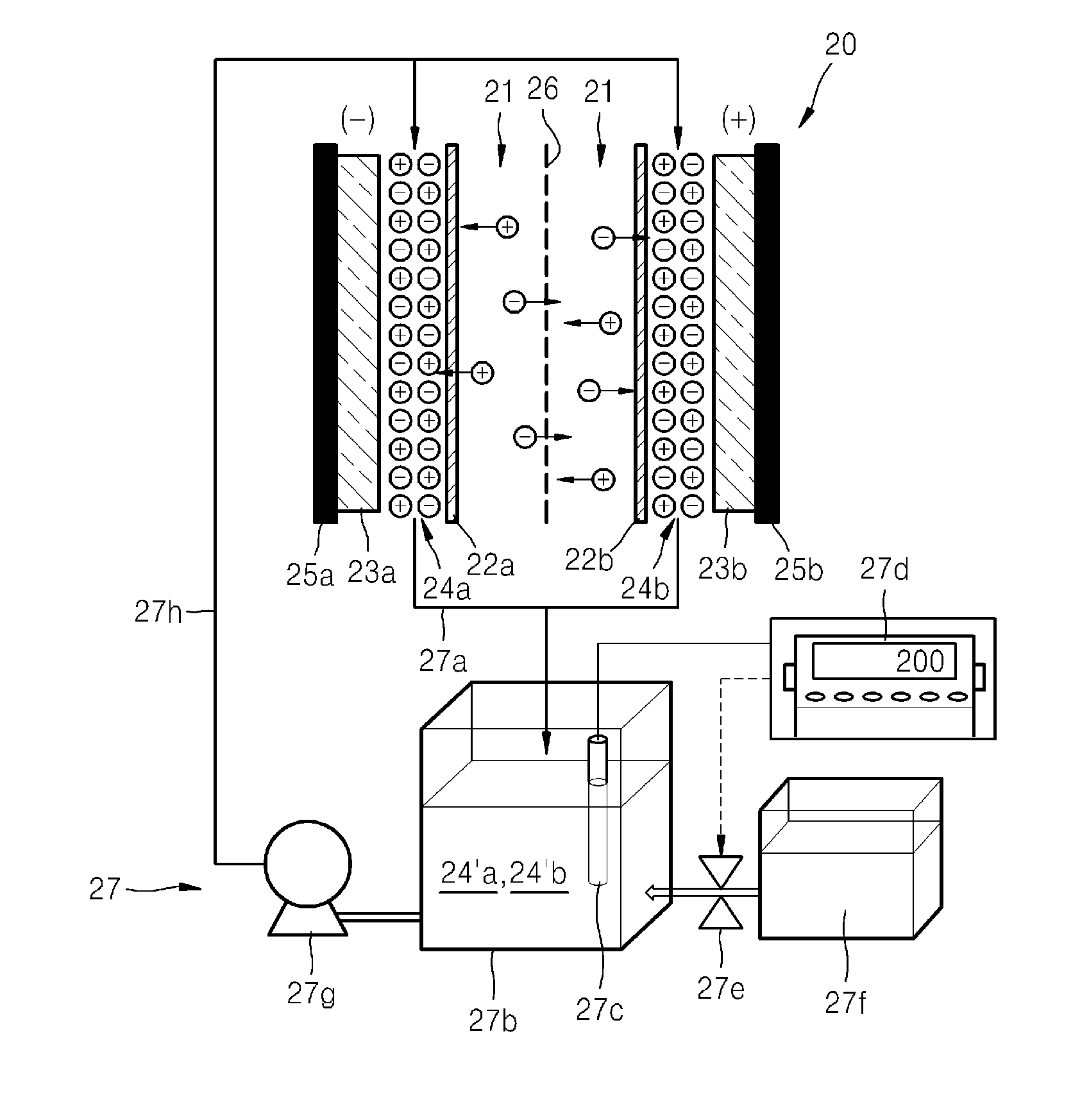
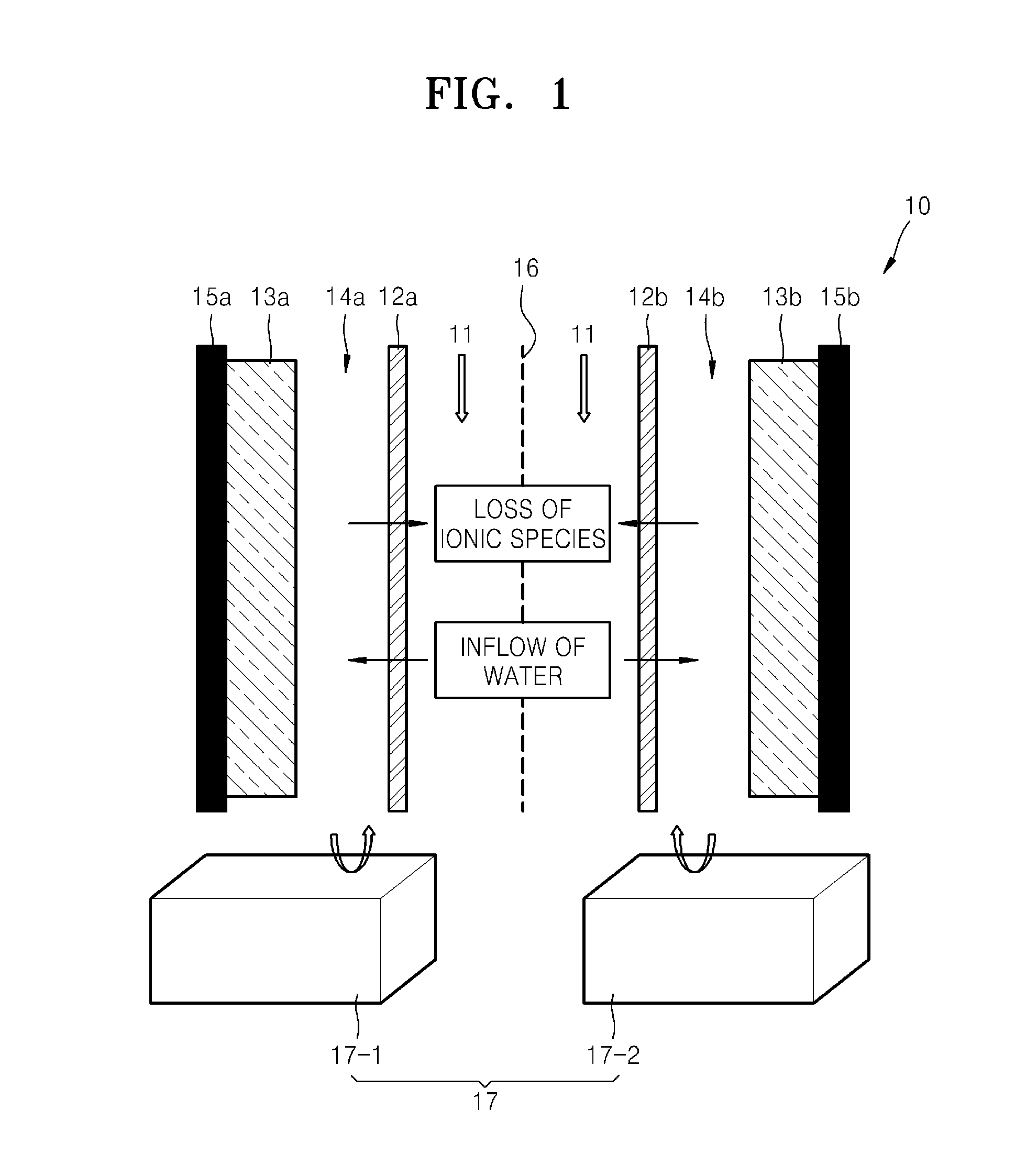
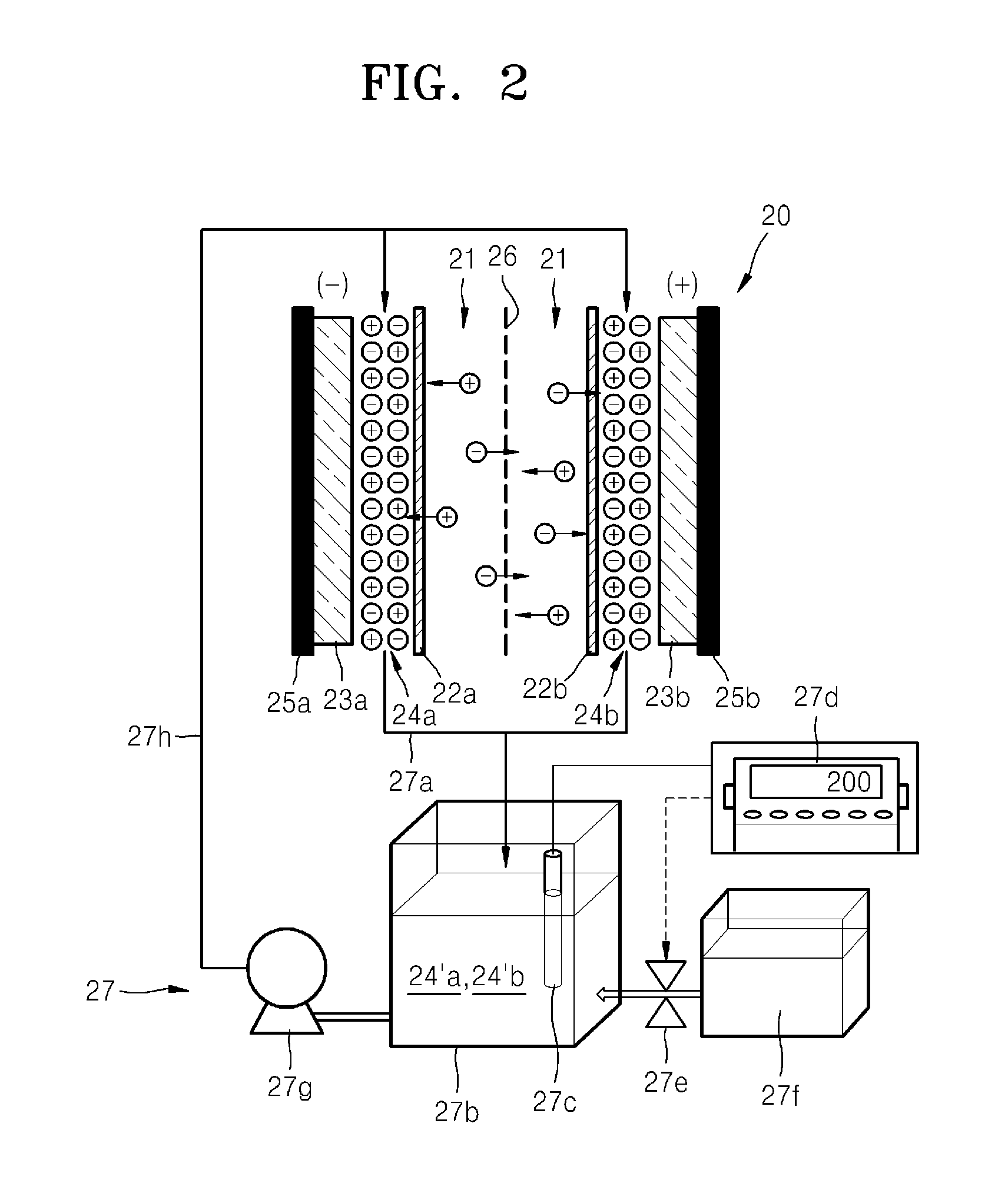
- A capacitive deionization device with a flow path, pair of electrodes, charge barriers, and an electrolyte solution that differs from influent fluid, along with an electrolyte compensation device that adjusts ionic species concentration and purity, using charge barriers and electrolyte solutions with selective permeability to enhance ion transfer and retention.

Regeneration methods of capacitive deionization electrodes
PatentInactiveUS20160289097A1
Innovation
- A method involving a flow-through capacitor with porous electrodes and a process of applying electric potential differences for adsorption and desorption, followed by an acidic aqueous solution to remove deposits, maintaining efficiency and extending the apparatus's lifespan.


Data Governance and Privacy in CDI Systems
Data governance in Customer Data Integration (CDI) systems represents a critical framework for ensuring data quality, compliance, and operational integrity throughout the data lifecycle. As organizations increasingly rely on CDI platforms to consolidate customer information from multiple touchpoints, establishing robust governance mechanisms becomes essential for maintaining data reliability and regulatory compliance. The governance framework encompasses data stewardship protocols, quality assurance processes, and comprehensive audit trails that enable organizations to track data lineage and transformation processes across integrated systems.
Privacy protection within CDI environments requires sophisticated architectural approaches that balance data accessibility with stringent security requirements. Modern CDI systems implement multi-layered privacy controls including role-based access management, data masking techniques, and encryption protocols that protect sensitive customer information during integration processes. These systems must accommodate varying privacy regulations across different jurisdictions while maintaining operational efficiency and data utility for business intelligence applications.
Regulatory compliance frameworks significantly impact CDI system design and operational procedures, particularly with the implementation of GDPR, CCPA, and other data protection regulations. Organizations must establish clear data retention policies, implement right-to-erasure capabilities, and maintain detailed consent management systems that can track customer preferences across all integrated data sources. The complexity increases when dealing with cross-border data transfers and varying regional compliance requirements that demand flexible yet secure data handling mechanisms.
Data anonymization and pseudonymization techniques play crucial roles in balancing privacy protection with analytical capabilities in CDI systems. Advanced techniques such as differential privacy, k-anonymity, and synthetic data generation enable organizations to derive valuable insights while minimizing privacy risks. These approaches require careful calibration to ensure that anonymized datasets maintain statistical utility while preventing re-identification attacks through correlation with external data sources.
Emerging privacy-preserving technologies, including homomorphic encryption and secure multi-party computation, offer promising solutions for enhancing CDI system privacy without compromising analytical capabilities. These technologies enable computation on encrypted data, allowing organizations to perform customer analytics and segmentation while maintaining data confidentiality. However, implementation challenges include computational overhead, integration complexity, and the need for specialized expertise in cryptographic protocols.
Privacy protection within CDI environments requires sophisticated architectural approaches that balance data accessibility with stringent security requirements. Modern CDI systems implement multi-layered privacy controls including role-based access management, data masking techniques, and encryption protocols that protect sensitive customer information during integration processes. These systems must accommodate varying privacy regulations across different jurisdictions while maintaining operational efficiency and data utility for business intelligence applications.
Regulatory compliance frameworks significantly impact CDI system design and operational procedures, particularly with the implementation of GDPR, CCPA, and other data protection regulations. Organizations must establish clear data retention policies, implement right-to-erasure capabilities, and maintain detailed consent management systems that can track customer preferences across all integrated data sources. The complexity increases when dealing with cross-border data transfers and varying regional compliance requirements that demand flexible yet secure data handling mechanisms.
Data anonymization and pseudonymization techniques play crucial roles in balancing privacy protection with analytical capabilities in CDI systems. Advanced techniques such as differential privacy, k-anonymity, and synthetic data generation enable organizations to derive valuable insights while minimizing privacy risks. These approaches require careful calibration to ensure that anonymized datasets maintain statistical utility while preventing re-identification attacks through correlation with external data sources.
Emerging privacy-preserving technologies, including homomorphic encryption and secure multi-party computation, offer promising solutions for enhancing CDI system privacy without compromising analytical capabilities. These technologies enable computation on encrypted data, allowing organizations to perform customer analytics and segmentation while maintaining data confidentiality. However, implementation challenges include computational overhead, integration complexity, and the need for specialized expertise in cryptographic protocols.
Predictive Maintenance Strategies for CDI Infrastructure
Predictive maintenance strategies for CDI infrastructure represent a paradigm shift from traditional reactive and scheduled maintenance approaches to data-driven, proactive maintenance methodologies. These strategies leverage advanced analytics, machine learning algorithms, and real-time monitoring systems to predict equipment failures before they occur, thereby optimizing operational efficiency and extending asset lifespan.
The foundation of effective predictive maintenance lies in comprehensive data collection from multiple sensor networks deployed across CDI systems. These sensors continuously monitor critical parameters including temperature variations, pressure fluctuations, electrical conductivity, membrane resistance, and flow rates. Advanced IoT-enabled monitoring systems capture this data at high frequencies, creating rich datasets that serve as the basis for predictive algorithms.
Machine learning models, particularly those utilizing time-series analysis and anomaly detection algorithms, process historical performance data to identify patterns indicative of impending failures. These models incorporate various techniques including regression analysis, neural networks, and ensemble methods to predict component degradation trajectories. The algorithms continuously learn from new data inputs, improving their accuracy over time through adaptive learning mechanisms.
Implementation of condition-based monitoring systems enables real-time assessment of equipment health status. These systems utilize digital twins and physics-based models to simulate CDI system behavior under different operating conditions. By comparing actual performance metrics with predicted baseline values, operators can identify deviations that signal potential maintenance requirements.
Risk-based maintenance scheduling optimizes resource allocation by prioritizing maintenance activities based on failure probability and potential impact severity. This approach considers factors such as component criticality, replacement costs, and operational consequences to develop maintenance schedules that minimize both planned and unplanned downtime.
Integration of predictive maintenance platforms with existing enterprise asset management systems ensures seamless workflow coordination and resource planning. These platforms provide automated alerts, maintenance recommendations, and spare parts forecasting capabilities, enabling maintenance teams to respond proactively to emerging issues while maintaining optimal inventory levels.
The foundation of effective predictive maintenance lies in comprehensive data collection from multiple sensor networks deployed across CDI systems. These sensors continuously monitor critical parameters including temperature variations, pressure fluctuations, electrical conductivity, membrane resistance, and flow rates. Advanced IoT-enabled monitoring systems capture this data at high frequencies, creating rich datasets that serve as the basis for predictive algorithms.
Machine learning models, particularly those utilizing time-series analysis and anomaly detection algorithms, process historical performance data to identify patterns indicative of impending failures. These models incorporate various techniques including regression analysis, neural networks, and ensemble methods to predict component degradation trajectories. The algorithms continuously learn from new data inputs, improving their accuracy over time through adaptive learning mechanisms.
Implementation of condition-based monitoring systems enables real-time assessment of equipment health status. These systems utilize digital twins and physics-based models to simulate CDI system behavior under different operating conditions. By comparing actual performance metrics with predicted baseline values, operators can identify deviations that signal potential maintenance requirements.
Risk-based maintenance scheduling optimizes resource allocation by prioritizing maintenance activities based on failure probability and potential impact severity. This approach considers factors such as component criticality, replacement costs, and operational consequences to develop maintenance schedules that minimize both planned and unplanned downtime.
Integration of predictive maintenance platforms with existing enterprise asset management systems ensures seamless workflow coordination and resource planning. These platforms provide automated alerts, maintenance recommendations, and spare parts forecasting capabilities, enabling maintenance teams to respond proactively to emerging issues while maintaining optimal inventory levels.
Unlock deeper insights with PatSnap Eureka Quick Research — get a full tech report to explore trends and direct your research. Try now!
Generate Your Research Report Instantly with AI Agent
Supercharge your innovation with PatSnap Eureka AI Agent Platform!