

CDI for Brackish Water: Performance and Reliability
APR 21, 20268 MIN READ
Generate Your Research Report Instantly with AI Agent
PatSnap Eureka helps you evaluate technical feasibility & market potential.
CDI Brackish Water Treatment Background and Objectives
Capacitive Deionization (CDI) technology has emerged as a promising electrochemical water treatment method, particularly suited for brackish water desalination applications. This technology operates on the principle of electrosorption, where ions are removed from water through electrostatic attraction to charged electrode surfaces, offering an energy-efficient alternative to conventional desalination methods such as reverse osmosis and thermal distillation.
The evolution of CDI technology traces back to the 1960s when the fundamental electrosorption principles were first explored for water purification applications. Initial developments focused on carbon-based electrodes, but significant advancement occurred in the 1990s with the introduction of carbon aerogel electrodes, which dramatically improved salt removal capacity and energy efficiency. The technology gained renewed interest in the 2000s as global water scarcity concerns intensified and energy costs for traditional desalination methods continued to rise.
Brackish water, typically containing 1,000 to 10,000 mg/L of total dissolved solids, represents an ideal target for CDI applications due to the technology's optimal performance range. Unlike seawater desalination, which requires high-pressure systems, brackish water treatment through CDI operates at low voltages and ambient pressure conditions, making it particularly attractive for distributed water treatment systems and remote applications.
The primary technical objectives driving CDI development for brackish water treatment center on achieving enhanced salt removal efficiency, improved electrode stability, and extended operational lifespan. Current research focuses on developing advanced electrode materials, including carbon nanotubes, graphene-based composites, and hybrid ion-selective membranes, to increase the technology's salt adsorption capacity and selectivity.
Performance optimization targets include achieving salt removal rates exceeding 90% while maintaining energy consumption below 1.5 kWh per cubic meter of treated water. Reliability objectives encompass developing electrode materials capable of withstanding thousands of charge-discharge cycles without significant capacity degradation, establishing predictable maintenance schedules, and ensuring consistent water quality output under varying feed water conditions.
The strategic importance of CDI technology lies in its potential to provide sustainable, cost-effective water treatment solutions for communities and industries facing brackish water challenges, particularly in regions where energy costs and environmental considerations make traditional desalination methods less viable.
The evolution of CDI technology traces back to the 1960s when the fundamental electrosorption principles were first explored for water purification applications. Initial developments focused on carbon-based electrodes, but significant advancement occurred in the 1990s with the introduction of carbon aerogel electrodes, which dramatically improved salt removal capacity and energy efficiency. The technology gained renewed interest in the 2000s as global water scarcity concerns intensified and energy costs for traditional desalination methods continued to rise.
Brackish water, typically containing 1,000 to 10,000 mg/L of total dissolved solids, represents an ideal target for CDI applications due to the technology's optimal performance range. Unlike seawater desalination, which requires high-pressure systems, brackish water treatment through CDI operates at low voltages and ambient pressure conditions, making it particularly attractive for distributed water treatment systems and remote applications.
The primary technical objectives driving CDI development for brackish water treatment center on achieving enhanced salt removal efficiency, improved electrode stability, and extended operational lifespan. Current research focuses on developing advanced electrode materials, including carbon nanotubes, graphene-based composites, and hybrid ion-selective membranes, to increase the technology's salt adsorption capacity and selectivity.
Performance optimization targets include achieving salt removal rates exceeding 90% while maintaining energy consumption below 1.5 kWh per cubic meter of treated water. Reliability objectives encompass developing electrode materials capable of withstanding thousands of charge-discharge cycles without significant capacity degradation, establishing predictable maintenance schedules, and ensuring consistent water quality output under varying feed water conditions.
The strategic importance of CDI technology lies in its potential to provide sustainable, cost-effective water treatment solutions for communities and industries facing brackish water challenges, particularly in regions where energy costs and environmental considerations make traditional desalination methods less viable.
Market Demand for Brackish Water Desalination Solutions
The global brackish water desalination market has experienced substantial growth driven by increasing water scarcity, population expansion, and industrial development in water-stressed regions. Brackish water, containing salt concentrations between freshwater and seawater, represents an abundant yet underutilized water resource that requires specialized treatment technologies to become potable or suitable for industrial applications.
Traditional desalination methods, primarily reverse osmosis and thermal distillation, have dominated the market for decades. However, these technologies face significant limitations including high energy consumption, membrane fouling, and substantial operational costs. The energy intensity of conventional reverse osmosis systems, particularly for brackish water applications, has created a pressing need for more efficient and sustainable alternatives.
Capacitive deionization technology has emerged as a promising solution addressing these market gaps. The growing demand for energy-efficient desalination processes has positioned CDI as an attractive alternative, particularly for small to medium-scale applications. Industries such as agriculture, food processing, and distributed water treatment systems are increasingly seeking cost-effective solutions that can operate with lower energy requirements and reduced environmental impact.
The market demand is particularly strong in regions with abundant brackish groundwater resources, including parts of the United States, Australia, India, and the Middle East. Agricultural sectors in these regions require reliable, low-cost water treatment solutions for irrigation purposes, where CDI's ability to selectively remove ions while maintaining lower energy consumption presents significant advantages.
Municipal water utilities are also driving demand for brackish water treatment solutions as they seek to diversify water sources and reduce dependence on increasingly scarce freshwater resources. The decentralized nature of many brackish water sources aligns well with CDI's scalability characteristics, enabling deployment in remote or distributed locations where traditional large-scale desalination plants are not economically viable.
Industrial applications represent another significant market segment, particularly in sectors requiring specific water quality parameters. The pharmaceutical, electronics, and power generation industries require consistent water quality with precise ion removal capabilities, areas where CDI technology can provide tailored solutions with enhanced reliability and performance monitoring capabilities.
Traditional desalination methods, primarily reverse osmosis and thermal distillation, have dominated the market for decades. However, these technologies face significant limitations including high energy consumption, membrane fouling, and substantial operational costs. The energy intensity of conventional reverse osmosis systems, particularly for brackish water applications, has created a pressing need for more efficient and sustainable alternatives.
Capacitive deionization technology has emerged as a promising solution addressing these market gaps. The growing demand for energy-efficient desalination processes has positioned CDI as an attractive alternative, particularly for small to medium-scale applications. Industries such as agriculture, food processing, and distributed water treatment systems are increasingly seeking cost-effective solutions that can operate with lower energy requirements and reduced environmental impact.
The market demand is particularly strong in regions with abundant brackish groundwater resources, including parts of the United States, Australia, India, and the Middle East. Agricultural sectors in these regions require reliable, low-cost water treatment solutions for irrigation purposes, where CDI's ability to selectively remove ions while maintaining lower energy consumption presents significant advantages.
Municipal water utilities are also driving demand for brackish water treatment solutions as they seek to diversify water sources and reduce dependence on increasingly scarce freshwater resources. The decentralized nature of many brackish water sources aligns well with CDI's scalability characteristics, enabling deployment in remote or distributed locations where traditional large-scale desalination plants are not economically viable.
Industrial applications represent another significant market segment, particularly in sectors requiring specific water quality parameters. The pharmaceutical, electronics, and power generation industries require consistent water quality with precise ion removal capabilities, areas where CDI technology can provide tailored solutions with enhanced reliability and performance monitoring capabilities.
Current CDI Performance Challenges in Brackish Water
Capacitive deionization technology faces significant performance limitations when applied to brackish water treatment, primarily stemming from the complex ionic composition and elevated salinity levels inherent in these water sources. Unlike freshwater applications, brackish water typically contains total dissolved solids ranging from 1,000 to 10,000 mg/L, creating substantial challenges for conventional CDI electrode materials and system configurations.
The most critical challenge lies in electrode capacity degradation under high-salinity conditions. Standard activated carbon electrodes experience rapid performance decline when exposed to brackish water's elevated ionic strength, resulting in reduced salt removal efficiency and shortened operational cycles. This degradation manifests as decreased electrosorption capacity, often dropping by 30-40% compared to optimal freshwater performance levels.
Ion selectivity presents another fundamental obstacle in brackish water applications. The presence of multivalent ions such as calcium, magnesium, and sulfate creates competitive adsorption scenarios that significantly impact desalination efficiency. These ions exhibit different electrosorption kinetics compared to monovalent sodium and chloride ions, leading to unpredictable removal patterns and compromised overall system performance.
Energy consumption inefficiencies represent a major operational challenge, particularly during the regeneration phase. Brackish water's higher ionic strength requires increased voltage levels for effective ion desorption, resulting in energy penalties that can exceed 40-60% compared to freshwater treatment scenarios. This elevated energy demand directly impacts the economic viability of CDI systems for brackish water applications.
Membrane fouling and scaling constitute persistent reliability issues that severely limit long-term performance. The elevated concentration of hardness-causing ions in brackish water accelerates membrane degradation and promotes scale formation on electrode surfaces. Calcium carbonate and calcium sulfate precipitation frequently occurs during operation, necessitating frequent maintenance cycles and reducing overall system availability.
Charge efficiency deterioration under brackish water conditions represents another significant technical barrier. The phenomenon of co-ion expulsion becomes more pronounced at higher salinity levels, reducing the net charge efficiency and compromising the fundamental electrosorption mechanism. This results in diminished salt removal rates and increased parasitic energy losses during operation cycles.
The most critical challenge lies in electrode capacity degradation under high-salinity conditions. Standard activated carbon electrodes experience rapid performance decline when exposed to brackish water's elevated ionic strength, resulting in reduced salt removal efficiency and shortened operational cycles. This degradation manifests as decreased electrosorption capacity, often dropping by 30-40% compared to optimal freshwater performance levels.
Ion selectivity presents another fundamental obstacle in brackish water applications. The presence of multivalent ions such as calcium, magnesium, and sulfate creates competitive adsorption scenarios that significantly impact desalination efficiency. These ions exhibit different electrosorption kinetics compared to monovalent sodium and chloride ions, leading to unpredictable removal patterns and compromised overall system performance.
Energy consumption inefficiencies represent a major operational challenge, particularly during the regeneration phase. Brackish water's higher ionic strength requires increased voltage levels for effective ion desorption, resulting in energy penalties that can exceed 40-60% compared to freshwater treatment scenarios. This elevated energy demand directly impacts the economic viability of CDI systems for brackish water applications.
Membrane fouling and scaling constitute persistent reliability issues that severely limit long-term performance. The elevated concentration of hardness-causing ions in brackish water accelerates membrane degradation and promotes scale formation on electrode surfaces. Calcium carbonate and calcium sulfate precipitation frequently occurs during operation, necessitating frequent maintenance cycles and reducing overall system availability.
Charge efficiency deterioration under brackish water conditions represents another significant technical barrier. The phenomenon of co-ion expulsion becomes more pronounced at higher salinity levels, reducing the net charge efficiency and compromising the fundamental electrosorption mechanism. This results in diminished salt removal rates and increased parasitic energy losses during operation cycles.
Existing CDI Solutions for Brackish Water Applications
01 Electrode material composition and structure for enhanced CDI performance
The performance of capacitive deionization systems can be significantly improved through the development of advanced electrode materials with optimized composition and structure. This includes the use of carbon-based materials with high surface area, porous structures, and enhanced electrical conductivity. The electrode architecture can be designed to maximize ion adsorption capacity and improve charge efficiency, leading to better desalination performance and energy efficiency.- Electrode material composition and structure for enhanced CDI performance: The performance of capacitive deionization systems can be significantly improved through the development of advanced electrode materials with optimized composition and structure. This includes the use of carbon-based materials with high surface area, porous structures, and enhanced electrical conductivity. The electrode architecture can be designed to maximize ion adsorption capacity and improve charge efficiency, leading to better desalination performance and energy efficiency.
- System design and configuration optimization: The overall system design and configuration play a crucial role in CDI performance and reliability. This includes the arrangement of electrode pairs, flow channel design, and cell stack architecture. Optimized system configurations can improve water flow distribution, reduce pressure drop, and enhance ion removal efficiency. The integration of multiple cells and proper spacing between electrodes can significantly impact the overall desalination capacity and operational stability.
- Operational parameters and control strategies: The reliability and performance of CDI systems are heavily influenced by operational parameters such as applied voltage, flow rate, and cycle timing. Advanced control strategies can optimize the charging and discharging cycles to maximize ion removal while minimizing energy consumption. Monitoring and adjusting these parameters in real-time can prevent electrode degradation, maintain consistent performance, and extend system lifetime.
- Membrane and separator integration for improved selectivity: The incorporation of ion-selective membranes and separators can enhance CDI performance by improving ion selectivity and preventing co-ion expulsion. These components help maintain charge efficiency and reduce energy loss during the desalination process. The use of specialized membranes can also prevent electrode fouling and improve long-term reliability by protecting the electrode surfaces from contaminants.
- Durability enhancement and degradation prevention: Long-term reliability of CDI systems requires addressing electrode degradation and maintaining stable performance over extended operation periods. This involves the development of corrosion-resistant materials, prevention of electrode oxidation, and mitigation of fouling effects. Strategies include surface modification techniques, protective coatings, and regeneration protocols that can restore electrode capacity and extend operational lifetime.
02 System design and configuration optimization
The overall system design and configuration play a crucial role in CDI performance and reliability. This includes the arrangement of electrode pairs, flow channel design, and cell stack architecture. Optimized system configurations can improve water flow distribution, reduce pressure drop, and enhance ion removal efficiency. The integration of multiple cells and proper spacing between electrodes can significantly impact the overall desalination capacity and operational stability.Expand Specific Solutions03 Operational parameters and control strategies
The reliability and performance of CDI systems are heavily influenced by operational parameters such as applied voltage, flow rate, and cycle timing. Advanced control strategies can optimize the charging and discharging cycles to maximize ion removal while minimizing energy consumption. Monitoring and adjusting these parameters in real-time can prevent electrode degradation, maintain consistent performance, and extend system lifetime.Expand Specific Solutions04 Membrane and separator integration for improved selectivity
The incorporation of ion-exchange membranes and separators can enhance CDI system performance by improving ion selectivity and preventing co-ion expulsion. These components help maintain charge efficiency and reduce energy loss during the desalination process. The proper selection and integration of membrane materials can also prevent electrode fouling and improve long-term reliability of the system.Expand Specific Solutions05 Durability and long-term stability enhancement
Ensuring long-term reliability of CDI systems requires addressing electrode degradation, corrosion resistance, and mechanical stability. This involves the development of robust electrode materials that can withstand repeated charging and discharging cycles without significant performance loss. Surface treatment methods and protective coatings can be applied to prevent oxidation and extend operational lifetime. Regular maintenance protocols and monitoring systems can also be implemented to detect early signs of performance degradation.Expand Specific Solutions
Major Players in CDI and Water Treatment Industry
The CDI for brackish water technology is in its emerging growth phase, with the market expanding rapidly due to increasing water scarcity concerns and demand for energy-efficient desalination solutions. The competitive landscape shows a market size projected to reach several billion dollars by 2030, driven by industrial and municipal applications. Technology maturity varies significantly across players, with leading research institutions like MIT, Zhejiang University, and Technion Research & Development Foundation advancing fundamental CDI science, while companies such as Stockholm Water Technology AB and Current Water Technologies demonstrate commercial-ready solutions. Industrial giants including Samsung Electronics, Shell, and Robert Bosch are investing in scalable applications, indicating strong commercial viability. The sector benefits from diverse geographical innovation hubs spanning North America, Europe, and Asia, with Chinese universities particularly active in performance optimization research, suggesting robust global development momentum and increasing technological sophistication across the ecosystem.
Massachusetts Institute of Technology
Technical Solution: MIT has developed advanced CDI systems with novel electrode materials including carbon nanotubes and graphene-based composites for brackish water treatment. Their research focuses on asymmetric CDI configurations that achieve salt removal efficiencies exceeding 85% for brackish water with salinity levels of 1,000-10,000 mg/L. The technology incorporates real-time monitoring systems to optimize energy consumption and maintain consistent performance over extended operational periods. MIT's approach emphasizes modular design principles that allow for scalable deployment in various brackish water treatment scenarios.
Strengths: Cutting-edge research capabilities and innovative electrode materials development. Weaknesses: Limited commercial deployment and high development costs for practical applications.
Stockholm Water Technology AB
Technical Solution: Stockholm Water Technology has developed specialized CDI systems for brackish water treatment with emphasis on energy efficiency and environmental sustainability. Their technology utilizes bio-based electrode materials and renewable energy integration capabilities for off-grid applications. The systems achieve salt removal efficiencies of 75-85% while maintaining low energy consumption profiles suitable for remote brackish water treatment scenarios. Their approach includes modular system designs that can be easily transported and deployed in various geographical locations with minimal infrastructure requirements.
Strengths: Focus on sustainable technology solutions and expertise in Nordic water treatment challenges. Weaknesses: Limited global market presence and smaller scale of operations compared to major industrial players.
Core Innovations in CDI Electrode and System Design
Membrane free cylindrical capacitive deionization(CDI) system for the brackish water treatment
PatentActiveIN202241050994A
Innovation
- A membrane-free cylindrical capacitive deionization system is developed, utilizing a vertical cylindrical tank configuration with separate anode and cathode compartments and rectangular carbon electrodes, eliminating the need for ion exchange membranes and spacers to prevent co-ion expulsion and reduce internal resistance.


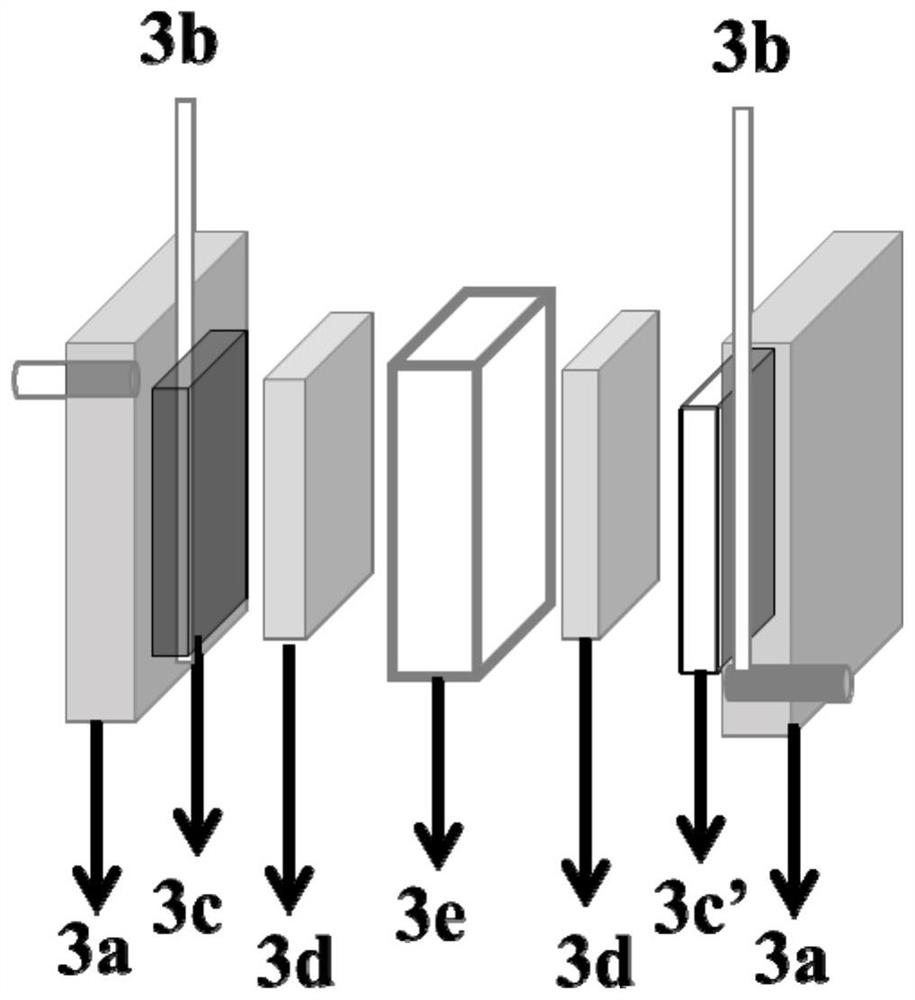
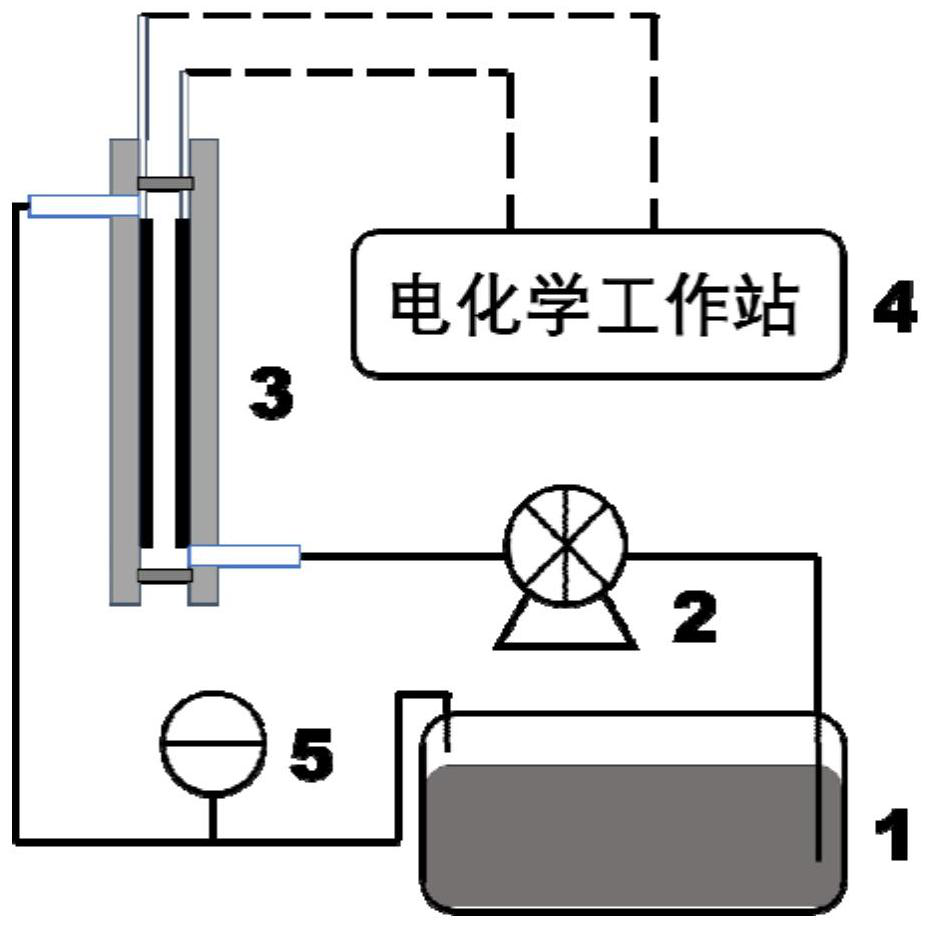
Asymmetric CDI desalination module and method for desalination by using same
PatentActiveCN111732165A
Innovation
- Asymmetric CDI modules are prepared using water-soluble charged polymer binders. By using quaternized polyvinyl alcohol and sulfonated carboxymethyl cellulose as binders, the activated carbon electrodes are modified to reduce the use of organic reagents and enhance the hydrophilicity of the electrodes. and ion selectivity to avoid anodization.
Environmental Impact Assessment of CDI Systems
Capacitive deionization systems for brackish water treatment demonstrate significant environmental advantages compared to conventional desalination technologies. The energy consumption of CDI systems typically ranges from 0.5 to 2.0 kWh per cubic meter of treated water, substantially lower than reverse osmosis systems which consume 3-6 kWh/m³. This reduced energy requirement directly translates to lower carbon emissions, particularly when powered by renewable energy sources.
The carbon footprint assessment reveals that CDI systems produce approximately 40-60% fewer greenhouse gas emissions throughout their operational lifecycle. The absence of high-pressure pumps and energy recovery devices contributes to this reduction. Additionally, CDI systems operate at ambient temperature and pressure, eliminating the need for thermal energy input that characterizes thermal desalination processes.
Water recovery rates in CDI systems typically achieve 70-85% efficiency for brackish water applications, generating significantly less brine waste compared to membrane-based technologies. The concentrated brine stream contains dissolved salts without chemical additives, making it potentially suitable for beneficial reuse applications such as industrial processes or salt recovery operations.
Chemical consumption represents another environmental advantage of CDI technology. Unlike conventional treatment methods that require extensive chemical pretreatment, pH adjustment, and antiscalant addition, CDI systems operate without continuous chemical dosing. This eliminates the environmental burden associated with chemical manufacturing, transportation, and disposal of chemical residuals.
The electrode materials used in CDI systems, primarily activated carbon and carbon aerogels, are generally derived from renewable biomass sources. End-of-life electrode disposal presents minimal environmental risk, as these materials can be regenerated or safely disposed through conventional waste management practices. The absence of synthetic membranes reduces plastic waste generation compared to membrane-based desalination technologies.
Noise pollution from CDI systems remains minimal due to the absence of high-pressure pumps and mechanical components. This characteristic makes CDI installations more suitable for deployment in environmentally sensitive areas or urban settings where noise restrictions apply.
However, environmental considerations include the periodic replacement of electrode materials and the management of concentrated brine streams. While brine disposal volumes are reduced compared to other technologies, proper environmental impact assessment must address local discharge regulations and potential effects on receiving water bodies.
The carbon footprint assessment reveals that CDI systems produce approximately 40-60% fewer greenhouse gas emissions throughout their operational lifecycle. The absence of high-pressure pumps and energy recovery devices contributes to this reduction. Additionally, CDI systems operate at ambient temperature and pressure, eliminating the need for thermal energy input that characterizes thermal desalination processes.
Water recovery rates in CDI systems typically achieve 70-85% efficiency for brackish water applications, generating significantly less brine waste compared to membrane-based technologies. The concentrated brine stream contains dissolved salts without chemical additives, making it potentially suitable for beneficial reuse applications such as industrial processes or salt recovery operations.
Chemical consumption represents another environmental advantage of CDI technology. Unlike conventional treatment methods that require extensive chemical pretreatment, pH adjustment, and antiscalant addition, CDI systems operate without continuous chemical dosing. This eliminates the environmental burden associated with chemical manufacturing, transportation, and disposal of chemical residuals.
The electrode materials used in CDI systems, primarily activated carbon and carbon aerogels, are generally derived from renewable biomass sources. End-of-life electrode disposal presents minimal environmental risk, as these materials can be regenerated or safely disposed through conventional waste management practices. The absence of synthetic membranes reduces plastic waste generation compared to membrane-based desalination technologies.
Noise pollution from CDI systems remains minimal due to the absence of high-pressure pumps and mechanical components. This characteristic makes CDI installations more suitable for deployment in environmentally sensitive areas or urban settings where noise restrictions apply.
However, environmental considerations include the periodic replacement of electrode materials and the management of concentrated brine streams. While brine disposal volumes are reduced compared to other technologies, proper environmental impact assessment must address local discharge regulations and potential effects on receiving water bodies.
Economic Feasibility Analysis of CDI Implementation
The economic feasibility of CDI implementation for brackish water treatment hinges on several critical cost components and financial metrics. Capital expenditure represents the primary barrier, with electrode materials accounting for 40-60% of total system costs. Current activated carbon electrodes range from $15-25 per square meter, while advanced materials like carbon nanotubes can exceed $100 per square meter. Complete CDI systems typically require initial investments of $800-1,500 per cubic meter of daily treatment capacity, significantly higher than conventional reverse osmosis systems at $400-800 per cubic meter.
Operational expenses demonstrate more favorable economics for CDI technology. Energy consumption ranges from 0.5-1.5 kWh per cubic meter of treated water, substantially lower than RO systems requiring 2-4 kWh per cubic meter for similar brackish water applications. Maintenance costs remain minimal due to fewer moving parts and absence of high-pressure components, typically representing 2-3% of annual capital costs compared to 5-8% for membrane-based systems.
The economic break-even point for CDI implementation occurs at treatment capacities exceeding 100 cubic meters per day, where economies of scale offset higher capital costs. Payback periods range from 5-8 years depending on local energy costs and water pricing structures. In regions with electricity costs below $0.08 per kWh and treated water values above $1.50 per cubic meter, CDI demonstrates superior long-term economics.
Sensitivity analysis reveals that electrode lifespan critically impacts overall economics. Current electrode replacement cycles of 3-5 years create recurring capital expenses that can increase total cost of ownership by 20-30%. However, emerging electrode technologies promise 8-10 year lifespans, potentially improving project economics by 15-25%.
Regional economic variations significantly influence CDI viability. Middle Eastern markets with subsidized electricity and high water scarcity demonstrate strong economic cases, while regions with abundant freshwater resources show limited economic justification. Industrial applications, particularly in semiconductor and pharmaceutical sectors requiring high-purity water, present the most attractive economic opportunities with premium pricing offsetting higher capital requirements.
Operational expenses demonstrate more favorable economics for CDI technology. Energy consumption ranges from 0.5-1.5 kWh per cubic meter of treated water, substantially lower than RO systems requiring 2-4 kWh per cubic meter for similar brackish water applications. Maintenance costs remain minimal due to fewer moving parts and absence of high-pressure components, typically representing 2-3% of annual capital costs compared to 5-8% for membrane-based systems.
The economic break-even point for CDI implementation occurs at treatment capacities exceeding 100 cubic meters per day, where economies of scale offset higher capital costs. Payback periods range from 5-8 years depending on local energy costs and water pricing structures. In regions with electricity costs below $0.08 per kWh and treated water values above $1.50 per cubic meter, CDI demonstrates superior long-term economics.
Sensitivity analysis reveals that electrode lifespan critically impacts overall economics. Current electrode replacement cycles of 3-5 years create recurring capital expenses that can increase total cost of ownership by 20-30%. However, emerging electrode technologies promise 8-10 year lifespans, potentially improving project economics by 15-25%.
Regional economic variations significantly influence CDI viability. Middle Eastern markets with subsidized electricity and high water scarcity demonstrate strong economic cases, while regions with abundant freshwater resources show limited economic justification. Industrial applications, particularly in semiconductor and pharmaceutical sectors requiring high-purity water, present the most attractive economic opportunities with premium pricing offsetting higher capital requirements.
Unlock deeper insights with PatSnap Eureka Quick Research — get a full tech report to explore trends and direct your research. Try now!
Generate Your Research Report Instantly with AI Agent
Supercharge your innovation with PatSnap Eureka AI Agent Platform!